

















Many pet parents wonder:
How often should you walk your dog, and how long should each walk be?
There isn't one perfect answer for every dog.
Age, breed, size, energy level, health, and lifestyle can all affect a dog's daily exercise needs. Instead of focusing on a fixed rule like “30 minutes a day” or a certain number of miles, it's more helpful to build a dog walking routine that fits your individual dog.
How Often Should You Walk Your Dog?
For dogs, walking isn't just about going potty. Daily dog walks provide physical exercise, opportunities to sniff and explore, and valuable mental stimulation.
Some dogs may benefit from several shorter walks throughout the day, while others prefer a longer outdoor adventure. Indoor play, training, and enrichment activities also contribute to a dog's overall activity level.
Instead of looking only at how long you should walk your dog, consider how active your dog is throughout the entire day.
Puppies: Keep Walks Short and Focus on Exploration
Puppies may seem full of endless energy, but their bodies are still developing. Puppy walking shouldn't be focused only on distance or intense exercise.
Walks are also opportunities for puppies to experience the world around them—meeting different people and animals, walking on new surfaces, and becoming familiar with everyday sights, sounds, and smells.
For many puppies, short, relaxed walks with plenty of exploration can be more meaningful than simply walking farther.
Adult Dogs: Consider Their Energy Level
The exercise needs of adult dogs can vary significantly.
Low-energy dogs may prefer slower, relaxed walks with plenty of time to sniff and explore.
Moderate-energy dogs can benefit from regular walks combined with playtime, training, and other outdoor activities for dogs.
High-energy dogs may need longer walks and more varied activities, such as exploring new routes, interactive games, or other appropriate forms of dog exercise.
Even two dogs of similar age and size can have very different activity needs. That's why energy level is an important factor when creating a daily dog walking schedule.
Senior Dogs: Slow Down, but Keep Exploring
As dogs get older, they may not want—or be able—to walk as far as they once did. But senior dog walking can still be an important part of a healthy daily routine.
Consider shorter distances, a slower pace, more breaks, and comfortable walking routes.
Even a short walk gives an older dog opportunities to sniff the grass, observe their surroundings, and enjoy valuable mental stimulation.
If your senior dog develops pain, mobility problems, or noticeable changes in exercise tolerance, talk with your veterinarian about adjusting their activity.
Size Isn't the Only Factor
A common assumption is:
Small dog = less exercise. Large dog = more exercise.
In reality, dog size is only one part of the equation.
A small, energetic dog may love long walks and outdoor exploration, while a much larger dog may prefer a slower, more relaxed routine.
When determining how much exercise your dog needs, consider:
Age + Breed + Energy Level + Health + Lifestyle
In many cases, your dog's individual energy level can tell you more than size alone.
How Do You Know If Your Dog Is Getting Enough Exercise?
Don't judge a walk only by minutes or miles. Pay attention to your dog's behavior and physical condition.
Does your dog seem interested in walking and exploring? Do they return home relaxed and comfortable? Or are they frequently falling behind, refusing to continue, or unusually tired afterward?
These signals can help you adjust your dog's daily exercise routine over time.
And remember:
A good walk isn't about exhausting your dog.
The best walks balance physical activity with sniffing, exploration, and mental enrichment for dogs rather than simply going farther or faster.
Track Your Walks and Better Understand Your Dog
It can be surprisingly difficult to remember:
“How many walks did we take this week?”
“Have we been walking less lately?”
“How far do we usually go?”
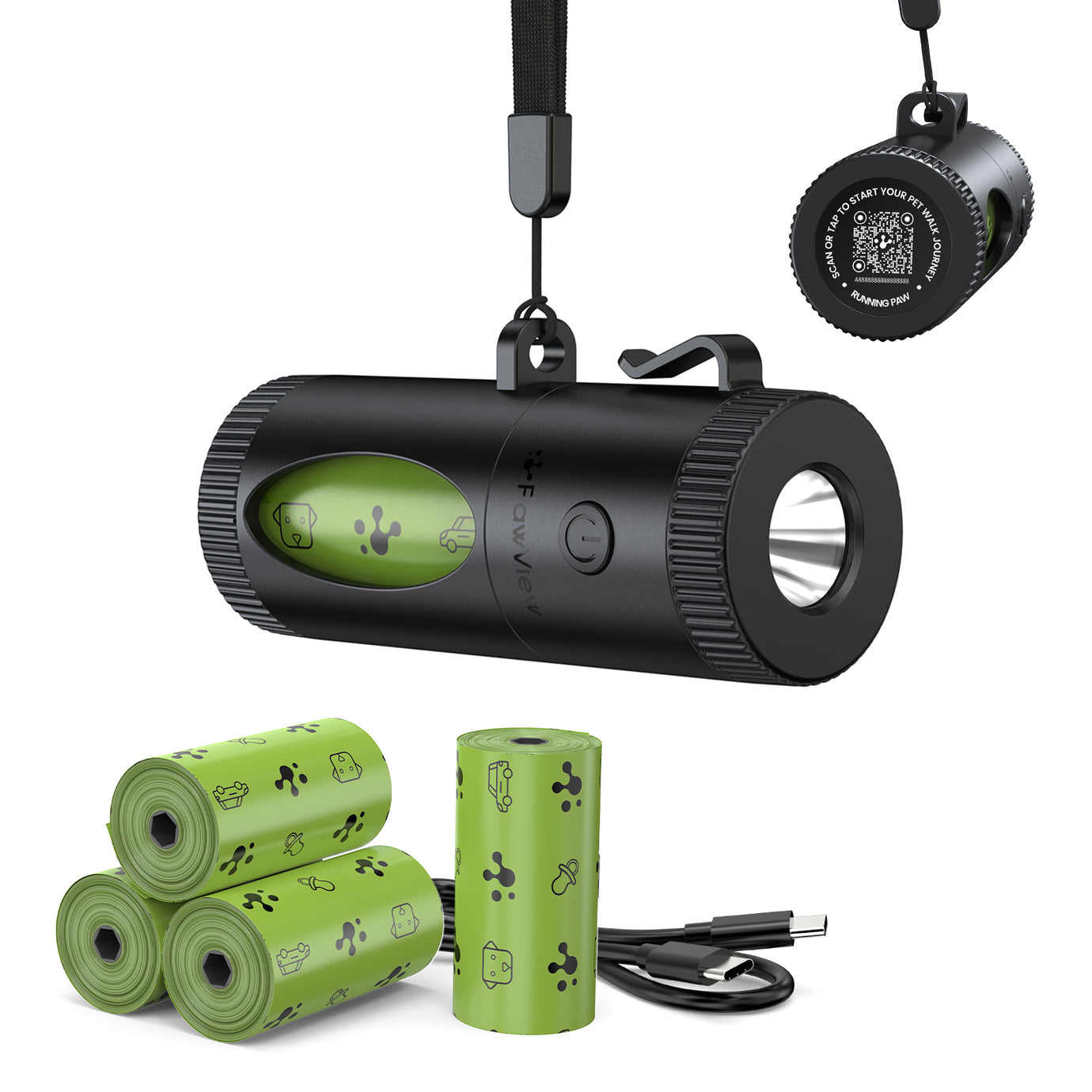
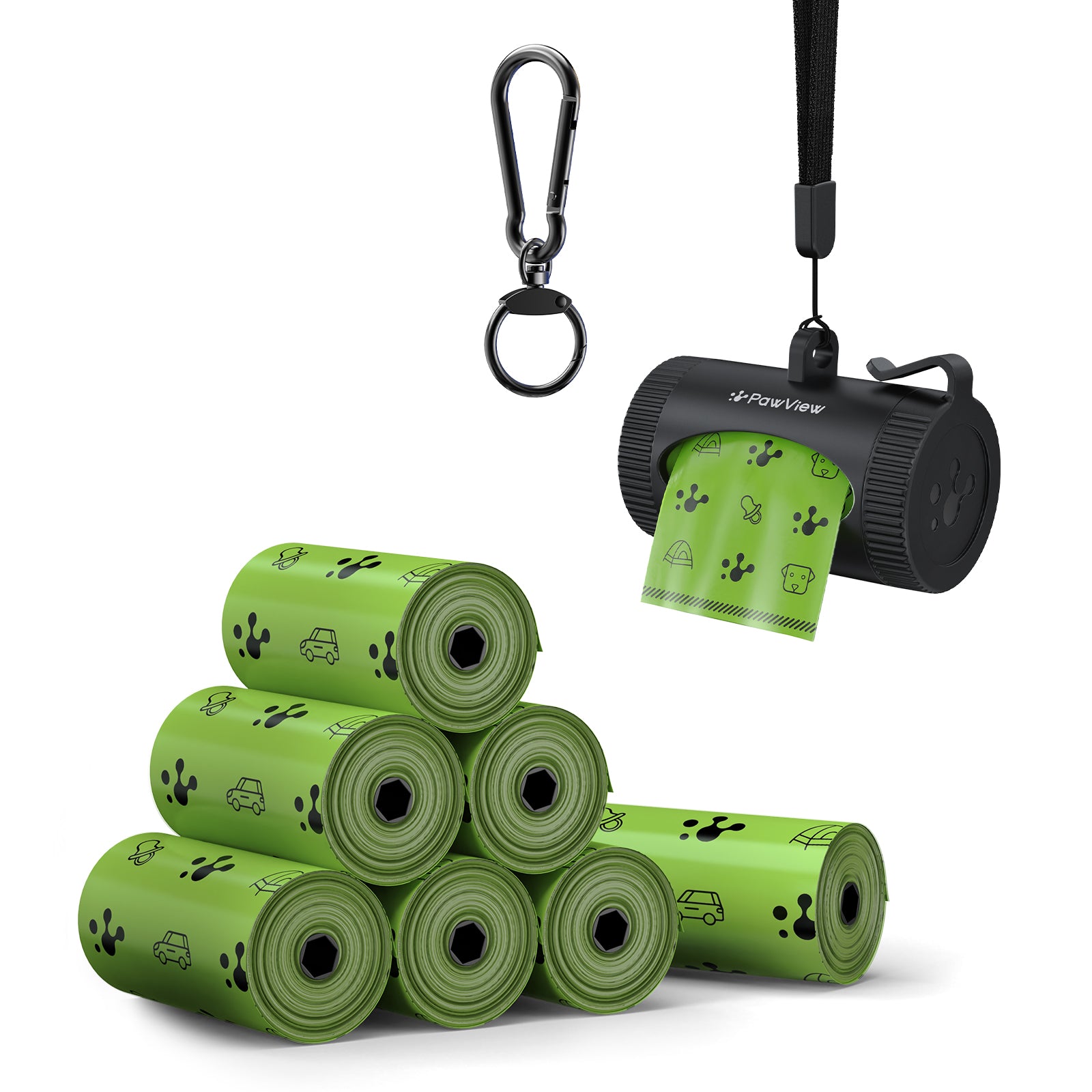
With the PawView App, pet parents can keep track of their daily dog walking activities. Paired with the PawView smart dog poop bag dispenser, the Running Paw QR Code or NFC feature lets you quickly start a walk and record your route, calories, and even poop and pee activity. After the walk, you can generate a shareable poster showing your route and walking time.
Over time, keeping a dog walking record can help you better understand your dog's regular activity patterns instead of focusing on a single day's distance.
The Best Walk Is the One That Fits Your Dog
So, how long should you walk your dog every day?
There isn't one number that works for every dog.
Puppies benefit from gentle exploration, adult dogs need activity that matches their energy level, and senior dogs may be happier with slower, more comfortable walks. Size can be a useful reference, but it doesn't tell the whole story.
Pay attention to your dog's age, energy, health, and behavior, and adjust your dog walking schedule accordingly.
The best walk isn't necessarily the longest one—it's the one that fits your dog.


