






I always thought I knew everything about my pet.
I knew which treats made his tail wag the fastest. I knew the sound of his paws running down the hallway. I knew he hated loud trucks, loved sunny spots by the window, and somehow always appeared the moment I opened a bag of snacks.
So when I decided to update his profile in the PawView App one evening, I assumed it would take only a few minutes.
Name? Easy.
Photo? I had hundreds.
Breed, birthday, weight? No problem.
But as I started reviewing everything connected to his smart pet ID tag, I realized something uncomfortable:
I knew my pet deeply as someone who loved him.
But I hadn't organized the information that could actually help him when it mattered most.
I Had Plenty of Photos — But Not the Right One
The first thing I noticed was his photo.
Like most pet parents, my phone is filled with pictures of him. Sleeping photos. Silly photos. Blurry action shots. Holiday photos where he clearly wished I would stop taking pictures.
But then I asked myself:
"If someone found him tomorrow, would this photo help them recognize him immediately?"
The answer wasn't as obvious as I expected.
Many of my favorite photos were adorable, but not necessarily useful.
Some were outdated. Some only showed his side profile. Others were too dark or taken before a grooming appointment that completely changed his appearance.
So I uploaded a recent, clear photo to his pet profile.
It was a small change, but it reminded me that when it comes to pet safety, "cute" and "helpful" are not always the same thing.
His Weight Was Outdated
Next came his weight.
I thought I knew it.
Then I checked and realized the number in my head was from months ago.
Pets change gradually. They gain weight. They lose weight. Their bodies change with age, activity levels, diet, and health conditions.
For everyday life, that difference may seem minor.
But for a pet health record, it matters.
An updated weight can be useful during veterinary visits, medication discussions, boarding check-ins, and emergency situations.
So I updated it and promised myself I would keep it current moving forward.
It was one of those details I had been meaning to organize for months.
I just never got around to it.
I Had Never Properly Written Down His Personality
This was the section that surprised me the most.
I always believed I knew my pet better than anyone.
But when PawView asked me to describe him in a way that would help someone else understand him, I paused.
How would I explain him to a complete stranger?
He's friendly but nervous around large dogs.
He may hide if someone approaches too quickly.
He responds better to a calm voice.
He shouldn't be chased if he's frightened.
He loves treats but prefers to sniff them first.
I knew all of this.
But none of it had ever been written down.
If he ever became separated from me and someone scanned his smart pet ID tag, those details could help them approach him safely and make him feel more comfortable.
That was when I stopped seeing his pet profile as a simple form.
It started feeling more like a safety plan.
His Health Record Was Everywhere
Then I opened the health section.
Vaccination records? Somewhere in my email.
Deworming schedule? Probably in my calendar.
Vet visit notes? A combination of paper receipts, screenshots, and vague memories.
Allergy information? I knew it, but I had never saved it in one clear location.
That's when I realized how much I had been relying on memory.
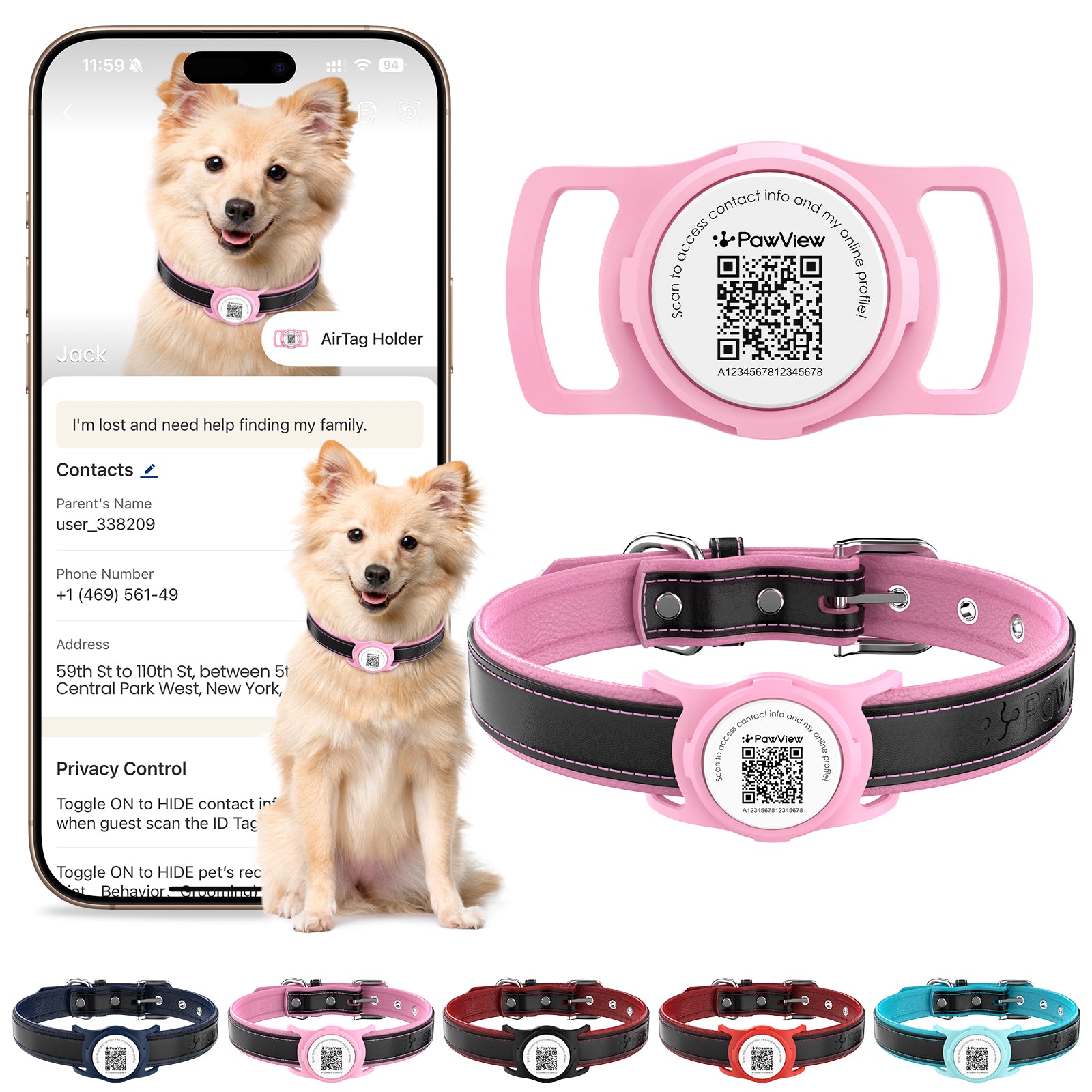
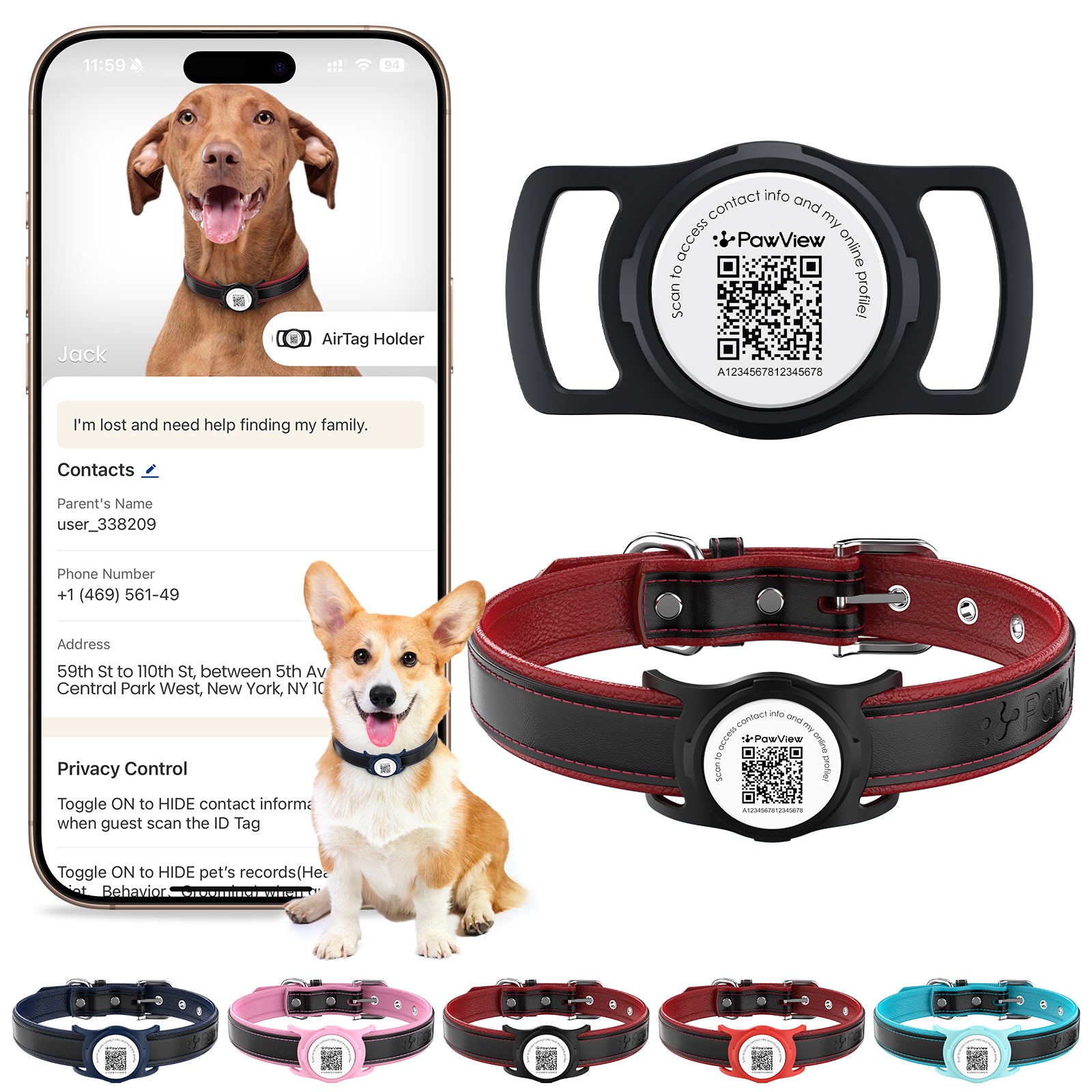
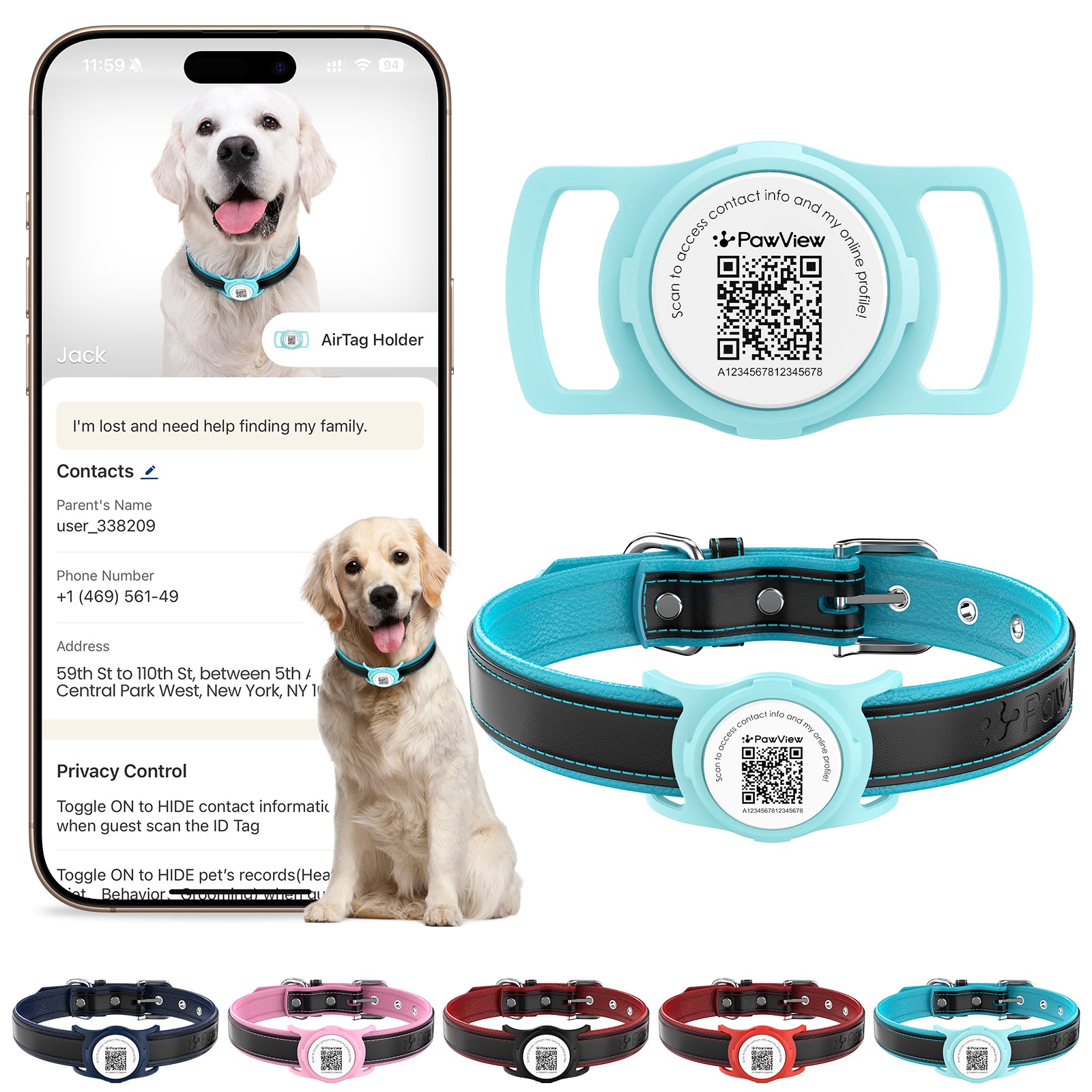
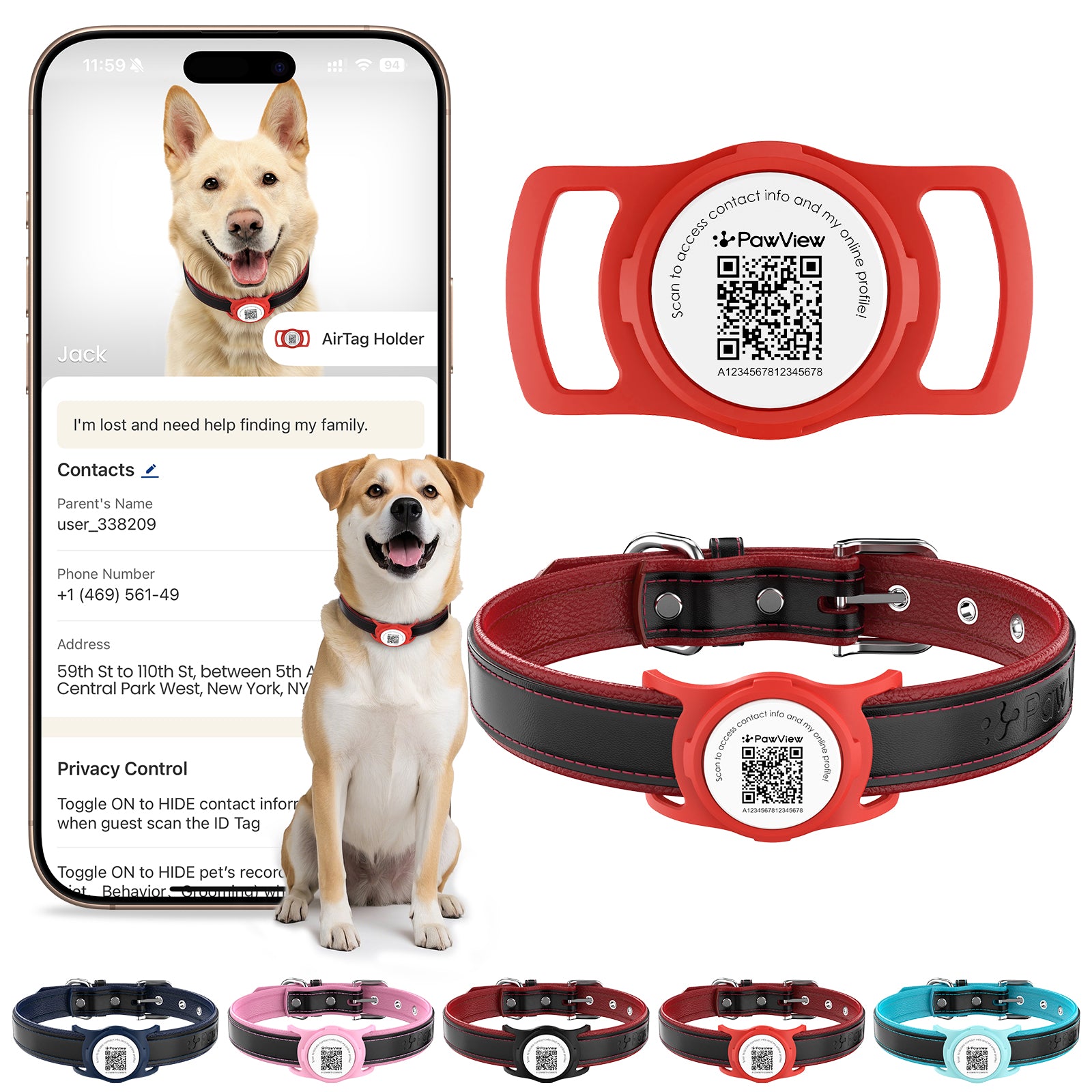
The PawView App gave me one place to organize his pet health record, including vaccination history, deworming reminders, veterinary visits, health notes, and other important care information.
As I added everything, I felt surprisingly relieved.
Not because the information was new.
But because it was finally organized.
I Thought the Tag Was the Important Part — But the Profile Matters Just As Much
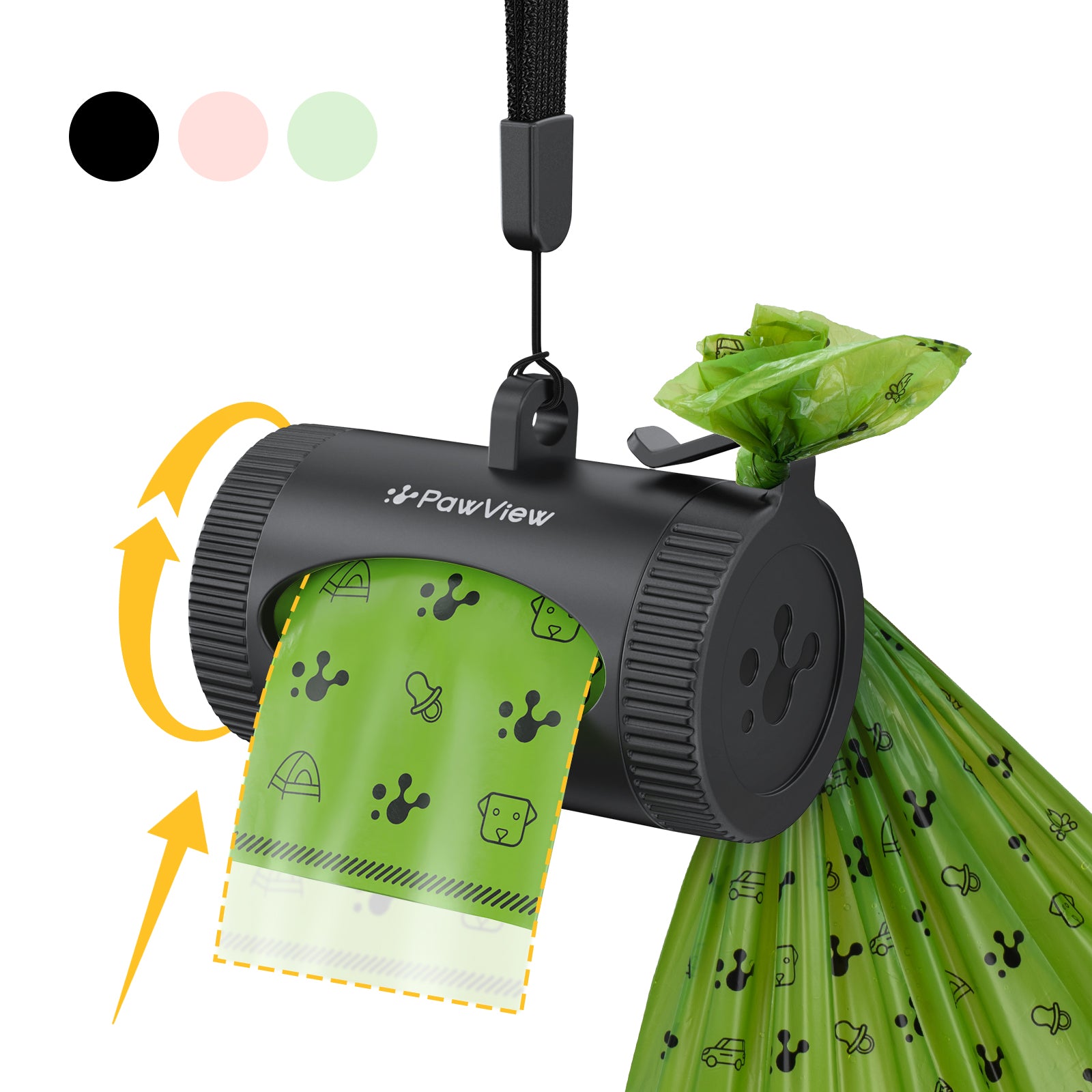
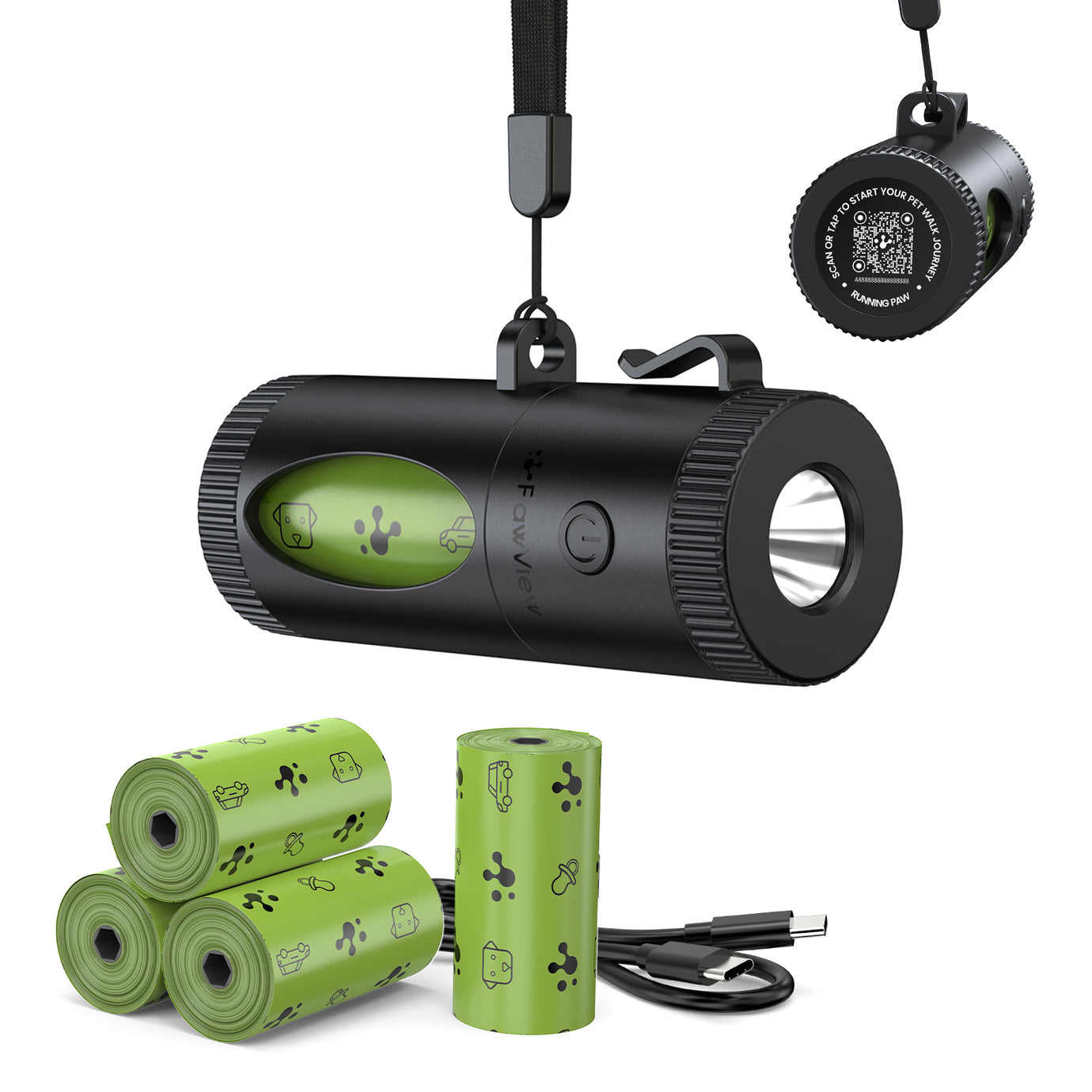
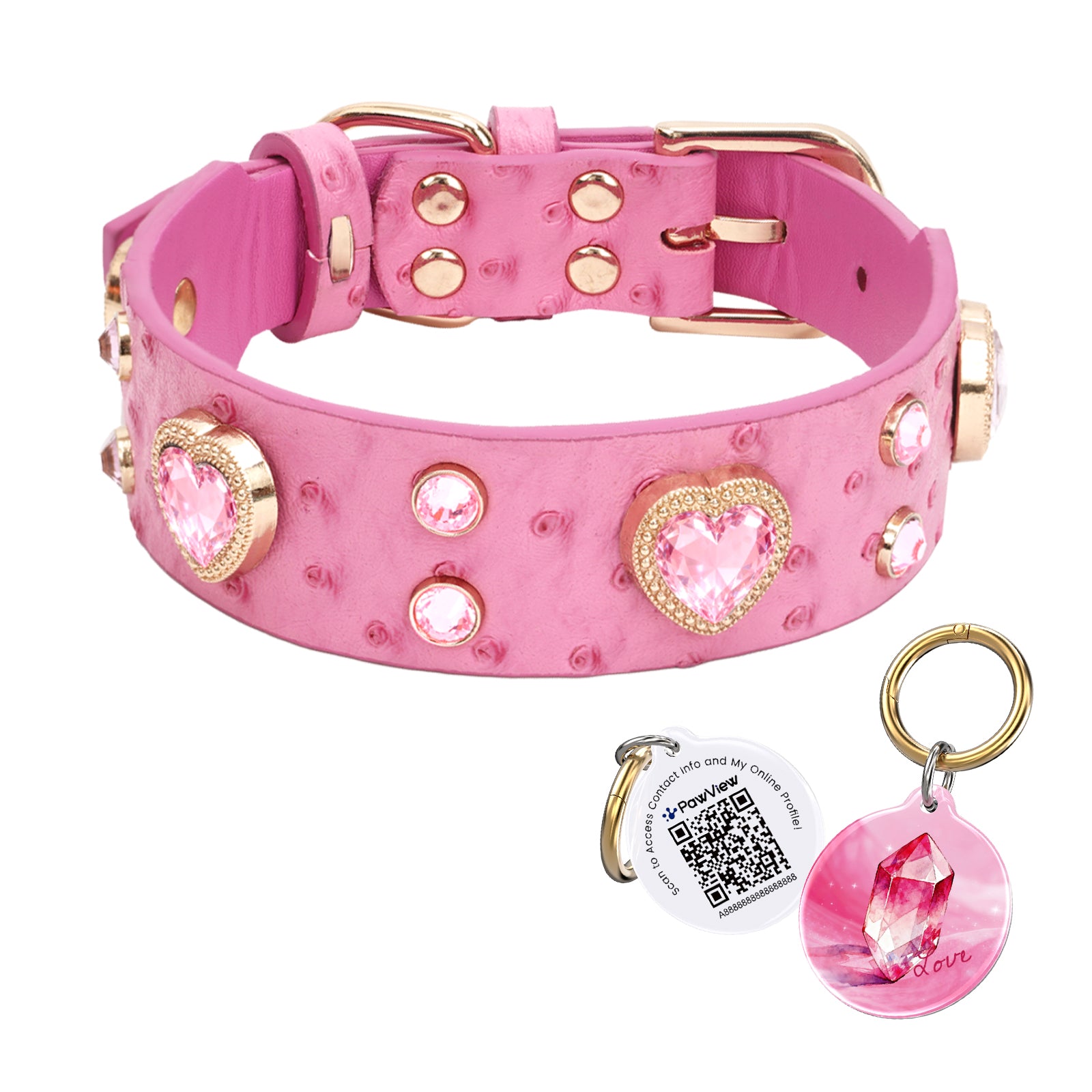
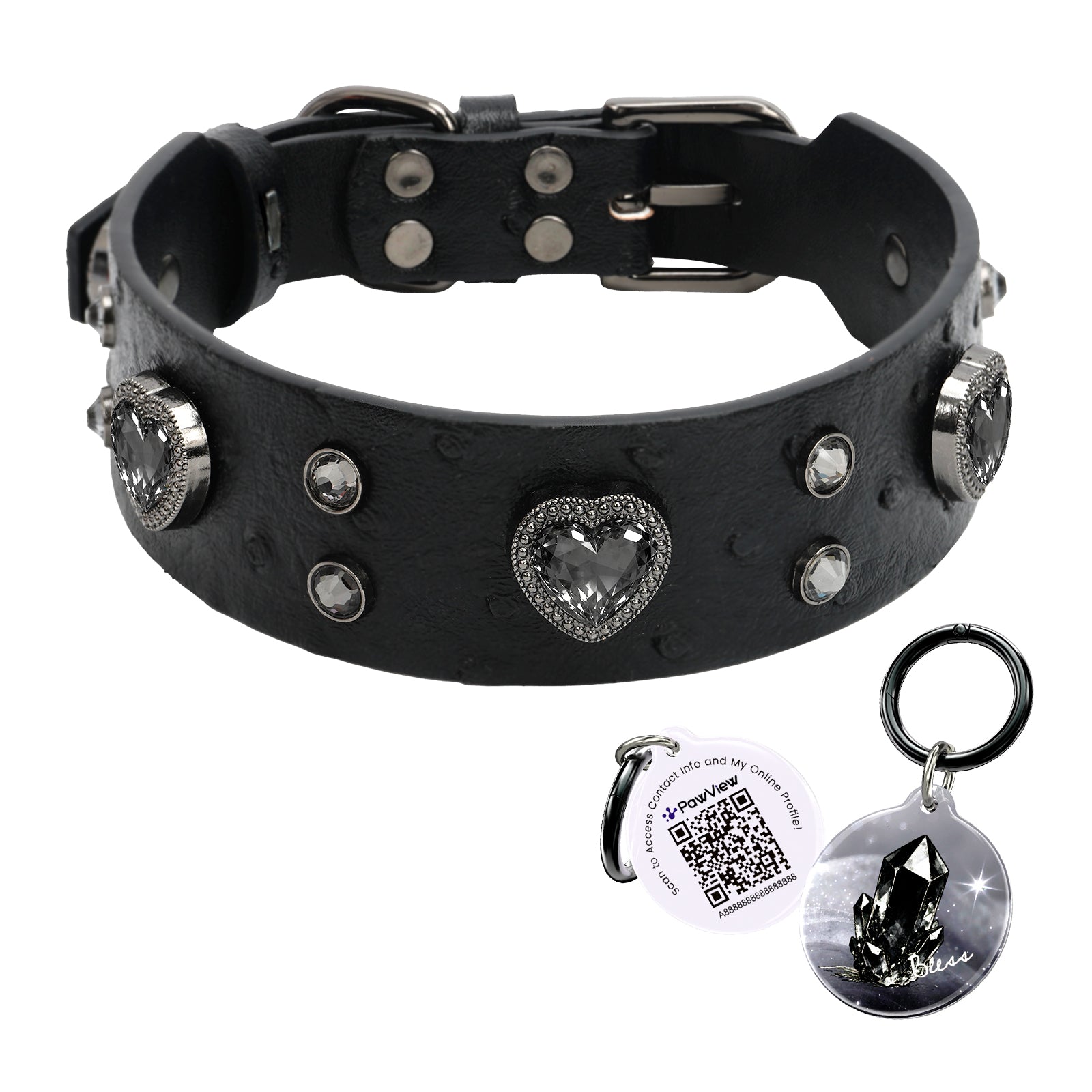
When I first got a smart pet ID tag, I focused mostly on the tag itself.
The QR code.
The NFC feature.
The connection to the app.
The idea that someone could scan it if my pet was ever found.
Those features are important.
But while updating his profile, I realized the tag is only the starting point.
The real value comes from the information connected to it.
A smart pet ID tag can help identify your pet.
A complete pet profile can help someone understand your pet.
And that difference matters.
Because if someone finds your pet, they need more than a name.
They need to know how to approach them, how to keep them comfortable, and what information may be important while waiting for you to arrive.
I Set Reminders So I Wouldn't Forget Again
Before closing the app, I added a few reminders.
Vaccination reminders.
Deworming reminders.
Veterinary checkup reminders.
Grooming reminders.
None of these tasks were difficult.
They were simply easy to forget.
Having everything organized in one place made pet care feel less scattered.
It also made me feel like I was preparing ahead of time instead of constantly reacting to things after the fact.
That Night Changed the Way I Think About Pet Safety
By the time I finished, it was late.
My pet was asleep beside me, completely unaware that I had spent the evening organizing his digital life.
But I felt different.
I felt calmer.
Not because I expected something bad to happen.
But because I knew I had done something practical to help protect him.
A smart pet ID tag is not only valuable when a pet gets lost.
Its real value comes from having important information ready before anyone needs it.
It helps turn scattered details into a complete pet profile.
It keeps health records, personality notes, and important care information organized in one place.
Most importantly, it helps pet owners prepare for situations they hope never happen.
That night, I realized I had forgotten more than I wanted to admit.
But I also realized something else:
It wasn't too late to fix it.


