






Every pet parent knows this scene: you're walking your dog, when suddenly they stop, circle a certain spot a few times, and then—squat, do their business. You deftly pull out a bag, bend down, pick it up, all while wondering to yourself: Why this particular spot? Why does he always have to "check in" at that same fire hydrant? Why does he sometimes poop three times a day and other times only once?
The truth is, every time your dog poops, it's a complex "information发布会" (press conference). It's not just about satisfying a physical need; it's a health barometer and a social network bulletin board. Today, we're going to dig into the little-known facts behind dog poop—and you might come to realize that the bag in your hand holds far more than just waste.
I. Why Do Dogs Always Poop in the Same Spots? – The Scent Map and Social Network
Have you noticed that your dog always heads straight for those "favorite spots" every time you go out? Fire hydrants, tree roots, street corners, lampposts… These objects that look identical to us are prime real estate in your dog's world.
The reason is simple: dogs use their poop and pee to leave their "digital signature." Every dog's waste contains unique pheromones that record its sex, age, health status, heat cycle, and even its mood. When a dog poops in a certain spot, it's like posting a message on the local community bulletin board: "I was here today. I'm healthy. Single and ready to mingle."
Later, other dogs who smell that scent will "comment" or "build on" it with their own waste. So when your dog insists on using that same fire hydrant, it's not because he has a good memory—it's because he's participating in a social conversation that transcends time and space.
Interestingly, this behavior has another hidden function: familiar places give dogs a sense of security. In the wild, regularly used poop spots mean "this is my territory, no danger here." So next time he insists on walking three blocks to that one tree root, don't get annoyed—he's just checking that his "friend feed" hasn't been updated.
II. Poop Shape, Color, and Frequency: Your Dog's Daily Health Report
Veterinarians often say: "Feces is a window through which you can see your dog's digestive system." And they're not kidding.
Shape and Consistency
-
Ideal: Firm, moist but not soft, picks up cleanly without leaving residue. Congratulations, the digestive system is working well.
-
Soft or mushy: Could be a dietary change, eating something they shouldn't have, or a mild intestinal infection.
-
Watery diarrhea: A red flag. Could be a virus, parasites, or severe indigestion. If it lasts more than 24 hours, see a vet.
-
Hard, dry pellets: Indicates insufficient water intake or too little fiber. Your dog might be constipated.
Color Signals
-
Brown: Normal, the standard color after bile digestion.
-
Green: Might have eaten a lot of grass or chlorophyll, or bile passing through the intestines too quickly.
-
Yellow or orange: Liver or pancreas issues? Sometimes diet-related. Observe and consult a vet.
-
Black or tarry: A sign of upper gastrointestinal bleeding. Seek immediate veterinary care.
-
Red streaks: Could be anal gland problems, rectal scratches from constipation, or lower GI bleeding.
The Mystery of Frequency
Most adult dogs poop 1–3 times per day. But the range of "normal" is actually quite wide. The key is regularity. If your dog reliably goes every morning and evening, and suddenly only goes once or four times in a day, that's a signal worth paying attention to.
This is precisely where the "poop log" feature in a smart poop bag dispenser's app becomes valuable. Humans often can't remember "how many times did my dog poop yesterday?" But the app remembers for you. When the data shows an abnormal trend, it can alert you: "In the last three days, your dog's poop frequency has dropped from 2 times to 1 time. Should you observe more closely?" — This is the transformation from "poop picker" to "health manager."
III. Hidden Info in Dog Poop: Parasites, Diet, and Stress
Sometimes you can see uninvited guests right in the poop—like small white rice-grain-sized segments (tapeworms), long thin roundworms, or sesame-seed-like eggs. If you spot these while picking up, don't hesitate: take a photo to show your vet, and then deworm your dog promptly.
Also, the smell of the poop can reveal problems. Suddenly extremely foul? Could be diet-related (e.g., eating rotten meat or spoiled food), or indigestion, or bacterial overgrowth. And stress—yes, dogs can also get diarrhea from anxiety—such as moving homes, a new pet in the house, or you being away for a few days.
So when you use a smart dispenser like PawView to log every bowel movement, you're essentially building a fecal health record for your dog. You can share the data with your vet to aid diagnosis. Some owners have even caught chronic pancreatitis or food allergies early simply because the poop log didn't lie.
IV. Why Picking Up Poop Is Not Just Civic Duty, But Also Science
You've probably heard "cleaning up after your dog is a basic sign of responsible pet ownership" a thousand times. But from a scientific perspective, the dangers of not picking up are far worse than you imagine:
-
Environmental contamination: One gram of dog feces contains approximately 23 million bacteria and parasite eggs. When rainwater washes over it, these pathogens enter groundwater, rivers, and even pollute beaches.
-
Disease transmission: Hookworms, roundworms, Giardia… all of these can be transmitted to other dogs and even to humans (especially children).
-
Ecological damage: The high nitrogen and phosphorus in dog feces alter soil composition, causing certain weeds to flourish and native plants to die.
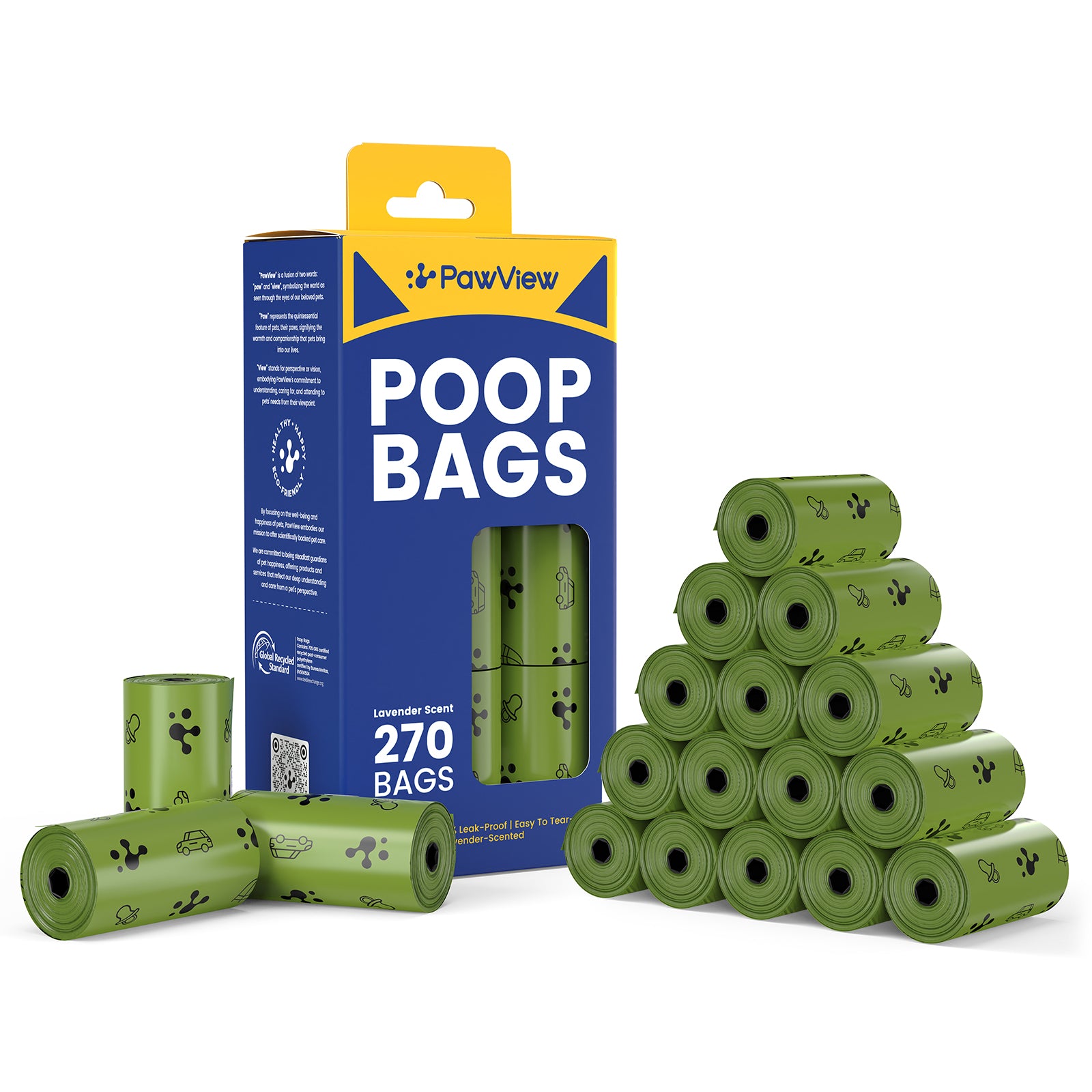
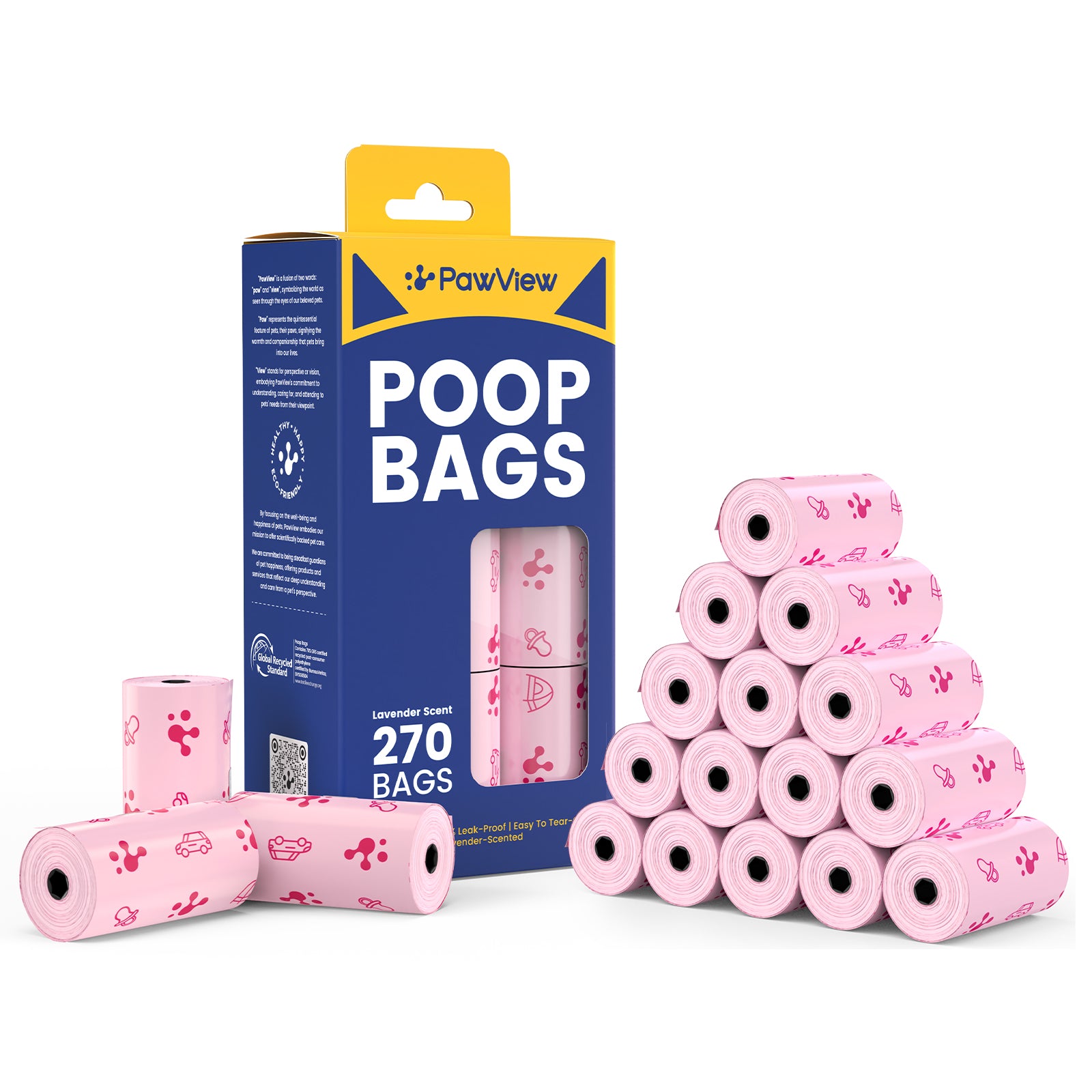
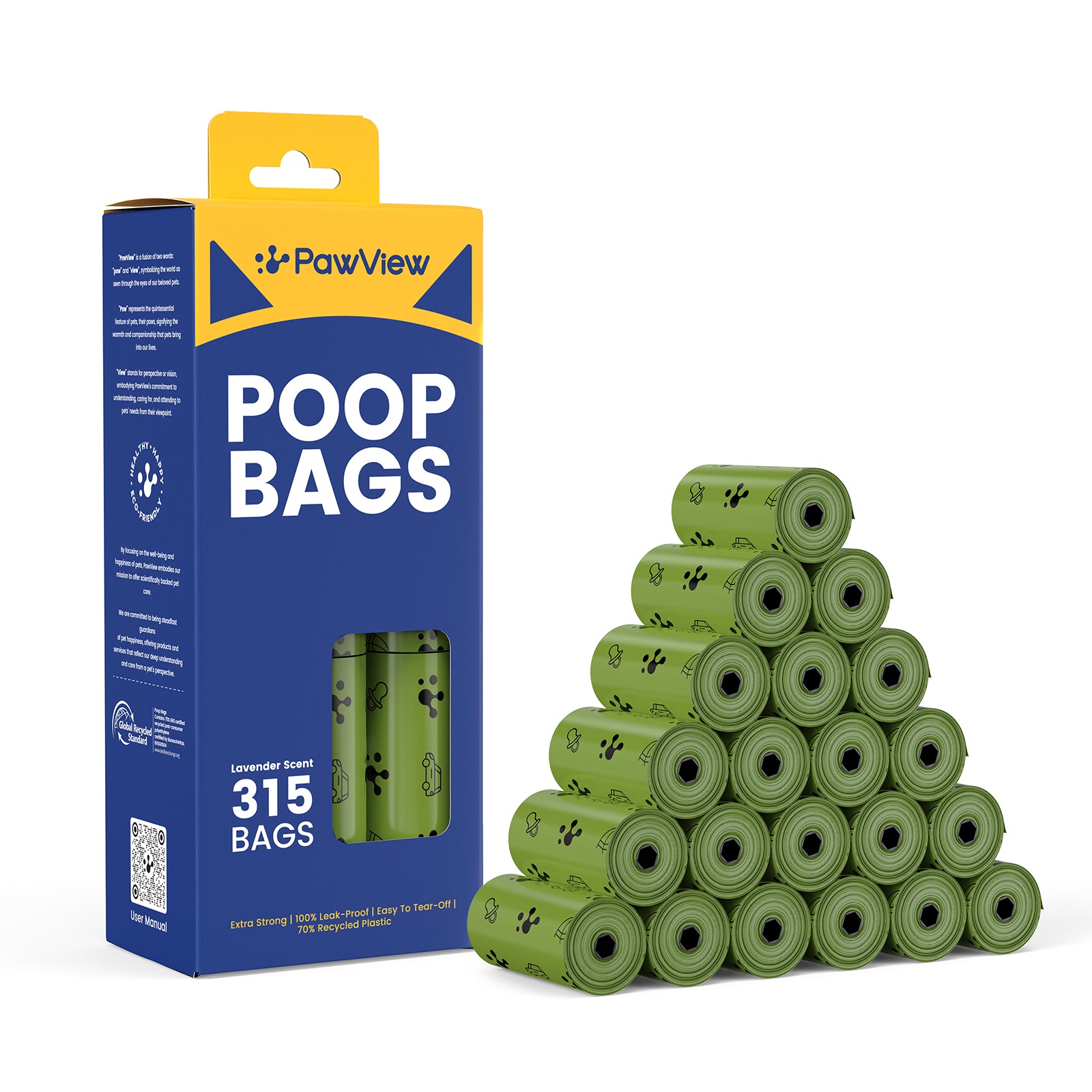
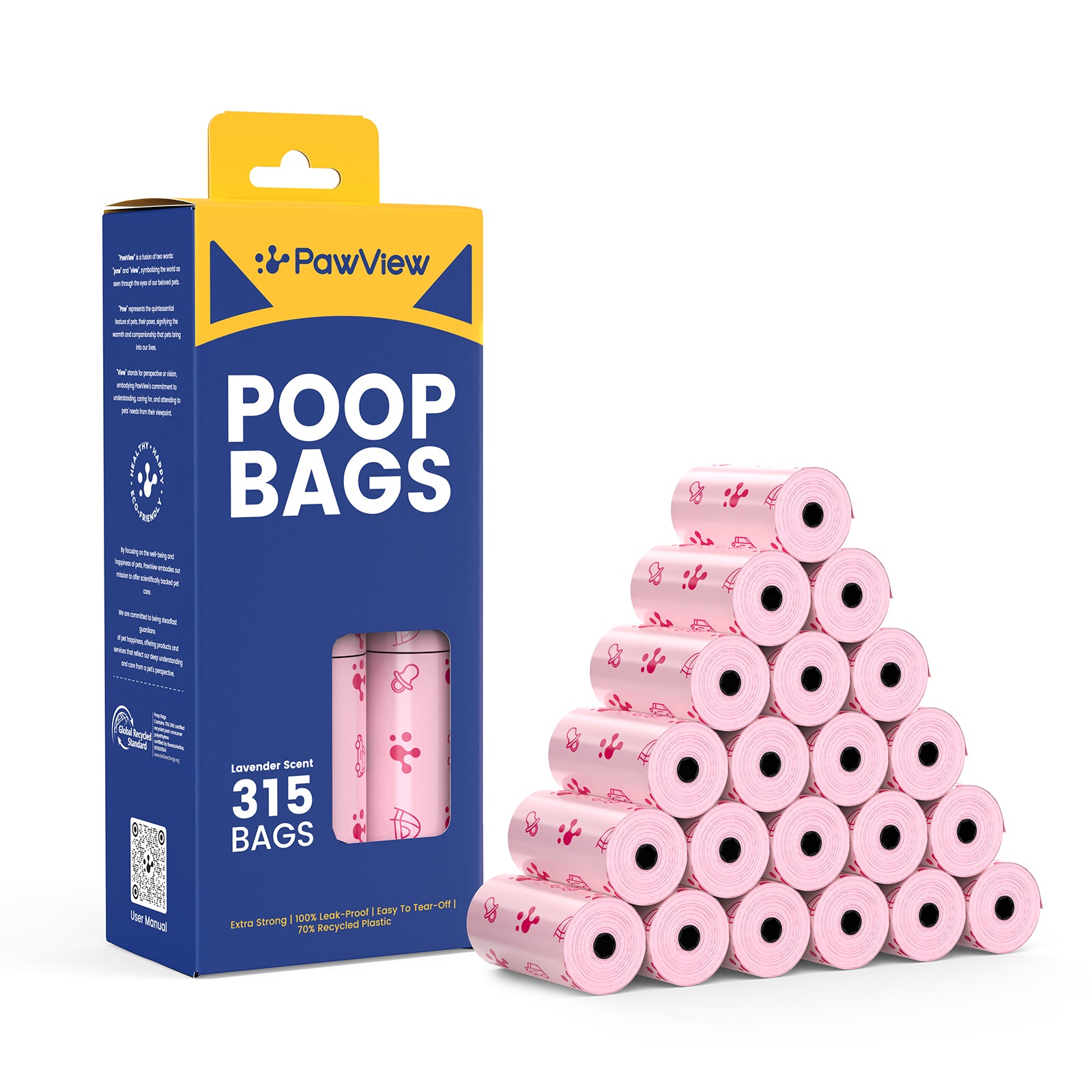
So every time you bend down to pick up poop, you're not just maintaining your community's cleanliness—you're engaging in a microbial-level environmental protection act. And using eco-friendly poop bags (like those made from 70% post-consumer recycled material) takes that sense of responsibility one step further.
V. From "Pooping Anywhere" to "Health Manager": How Technology Empowers Pet Parents
In the past, we had to rely on memory and the naked eye to judge whether our dog's bowel movements were normal. Now, technology makes this task accurate and effortless.
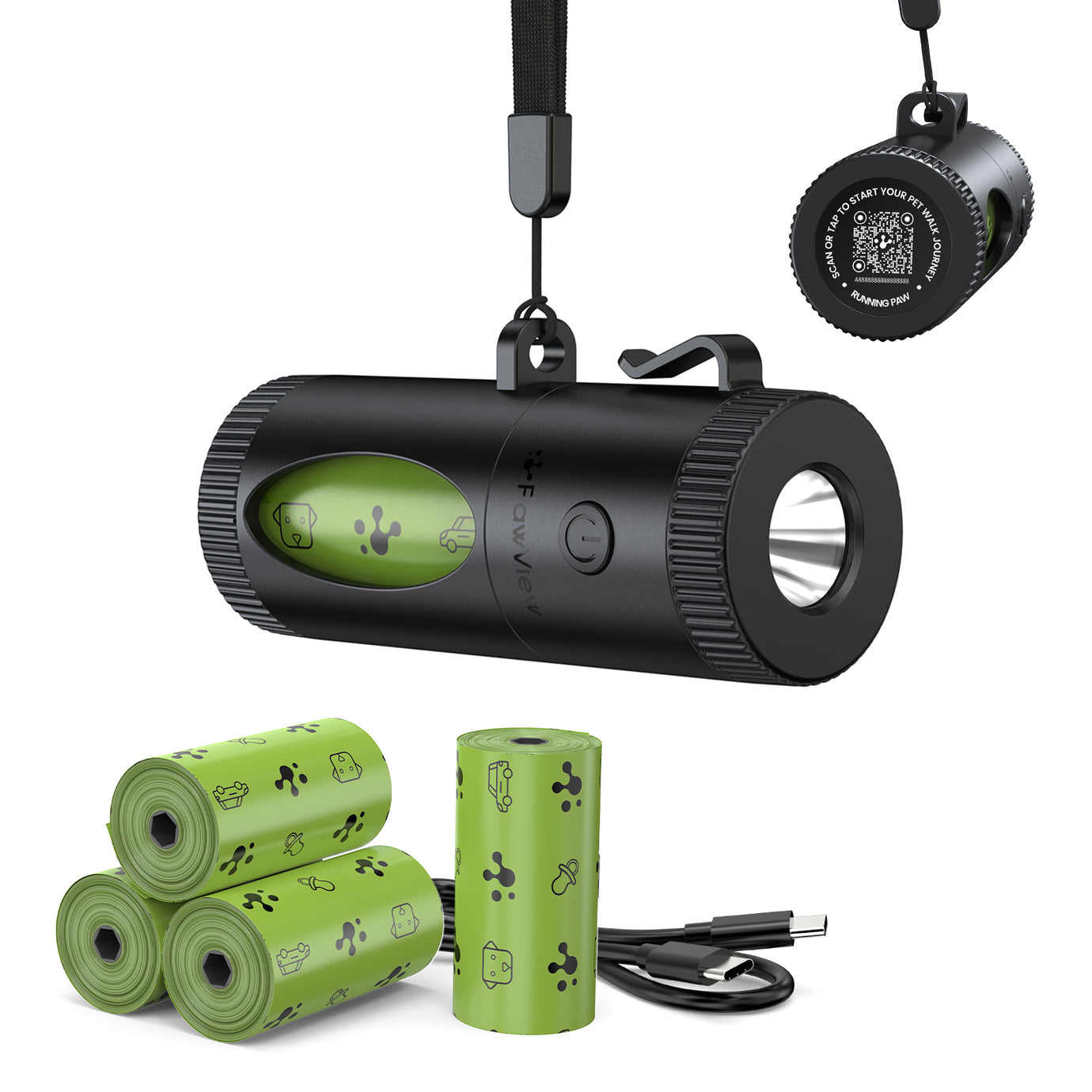
A smart dispenser like PawView, with its built-in RunningPaw chip, connects to a mobile app. Every time your dog "does the deed," you simply tap a poop💩 icon in the app, and the system logs the time and frequency. Over time, the app generates trend charts that let you see at a glance:
-
Is this week's poop frequency abnormal?
-
When was the last bout of diarrhea?
-
Has the poop quality improved after switching to a new dog food?
This data is gold dust for your vet when you take your dog in for a checkup.
VI. Conclusion
Dogs can't talk, but their poop can. From the social code hidden in poop locations, to the health signals in shape and color, to the early warning value of changing frequency—every pile of poop tells a story.
And for us pet parents, that poop bag dispenser in our hand has never been just a plastic box for holding bags. It's a bridge between us and our dog's health, a pen for recording data, an alarm clock that says "pay attention."
Next time your dog circles a fire hydrant, take a moment to notice: Where did he go? What did it look like? How many times? — Because you might discover some unexpected secrets.
And if you find it hard to rely on memory alone, maybe it's time to let technology give you a hand. After all, the only thing standing between "pooping anywhere" and "health manager" is a dispenser that keeps track.
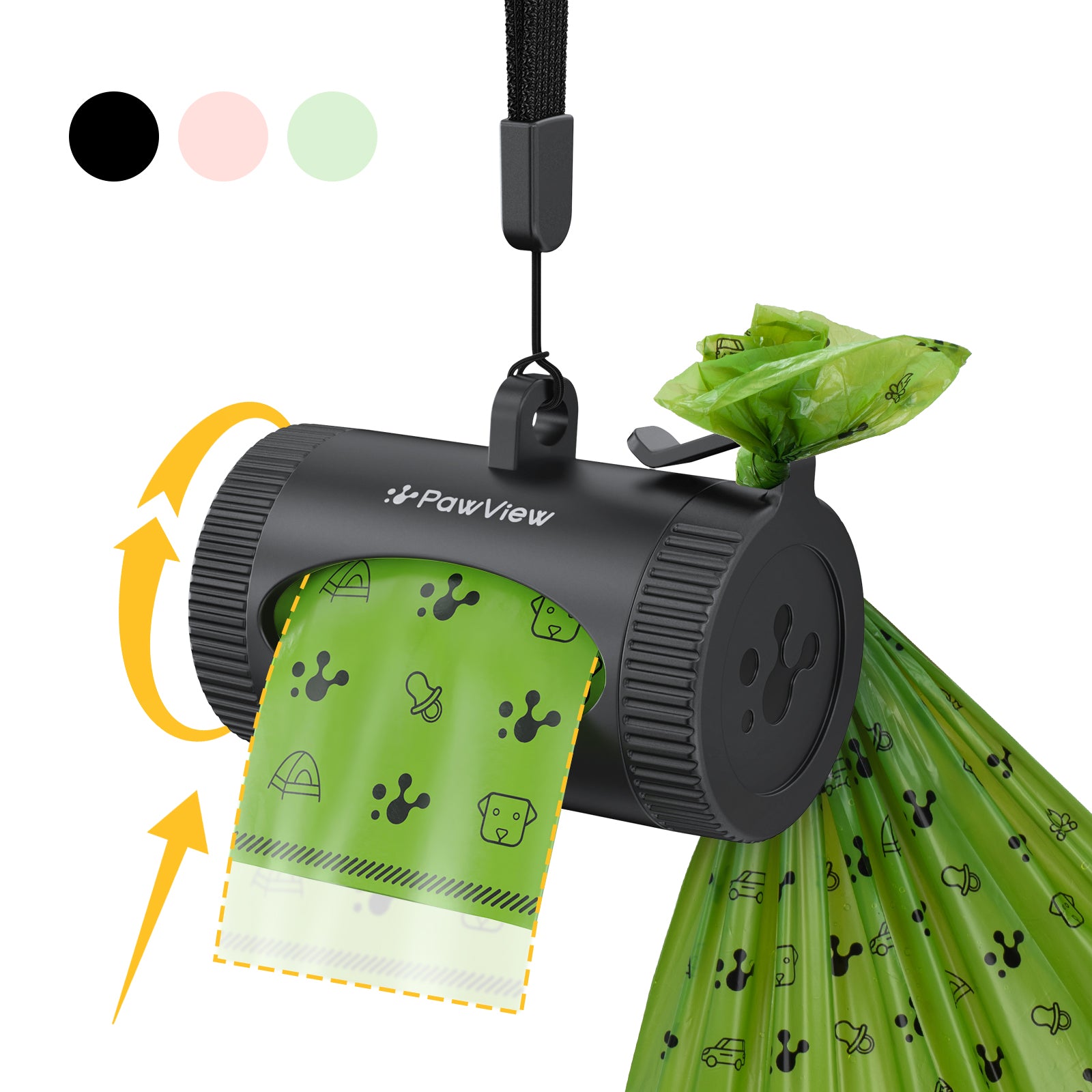
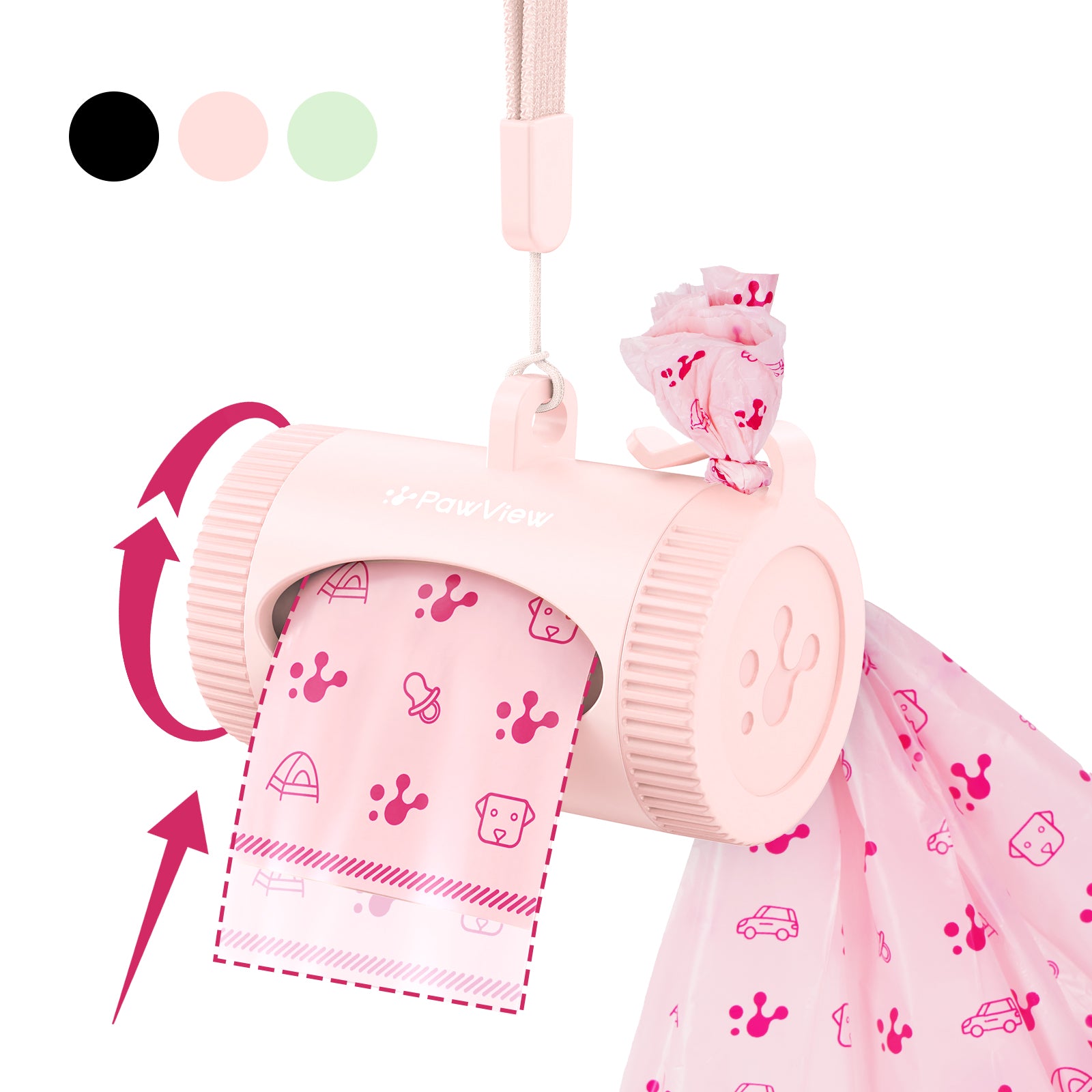
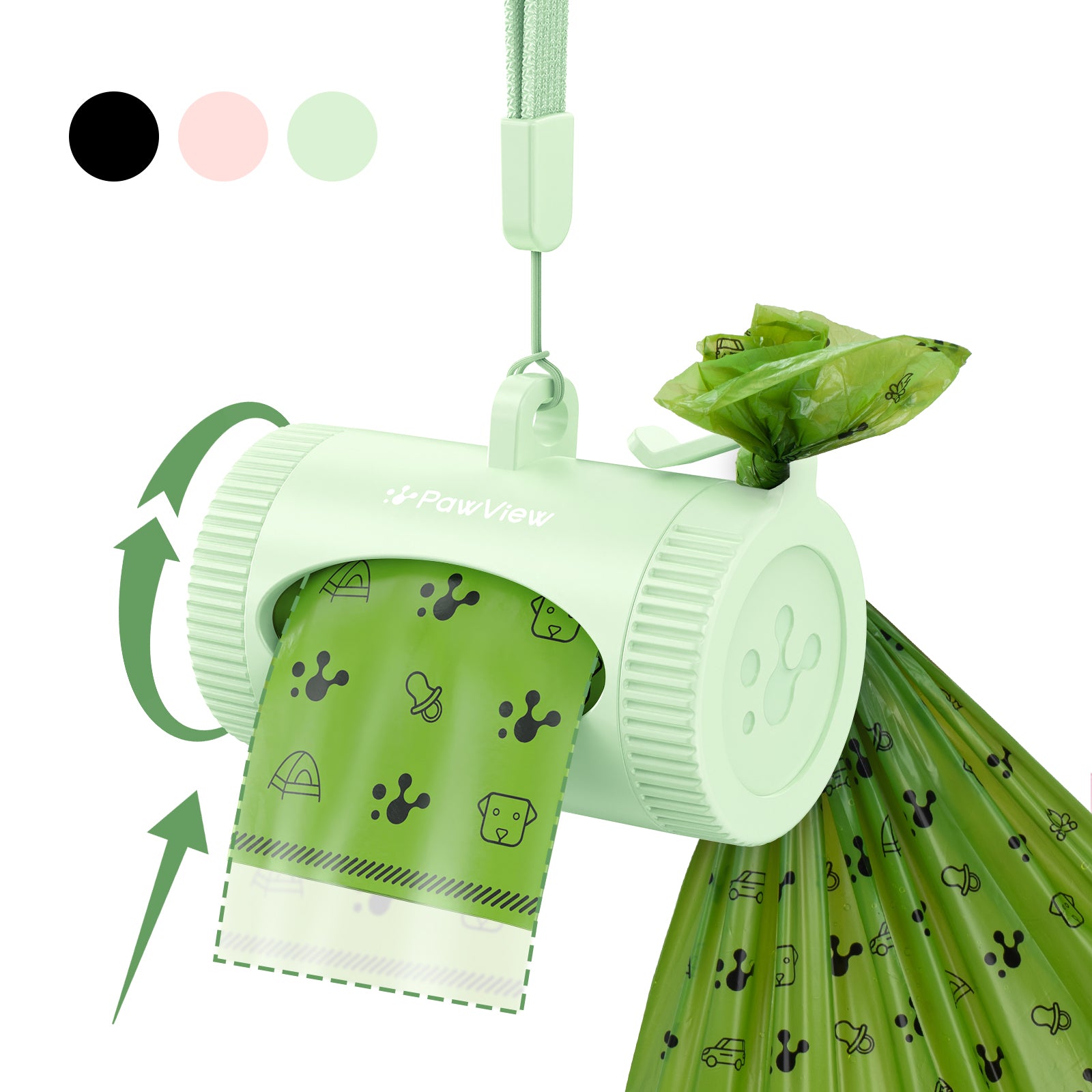
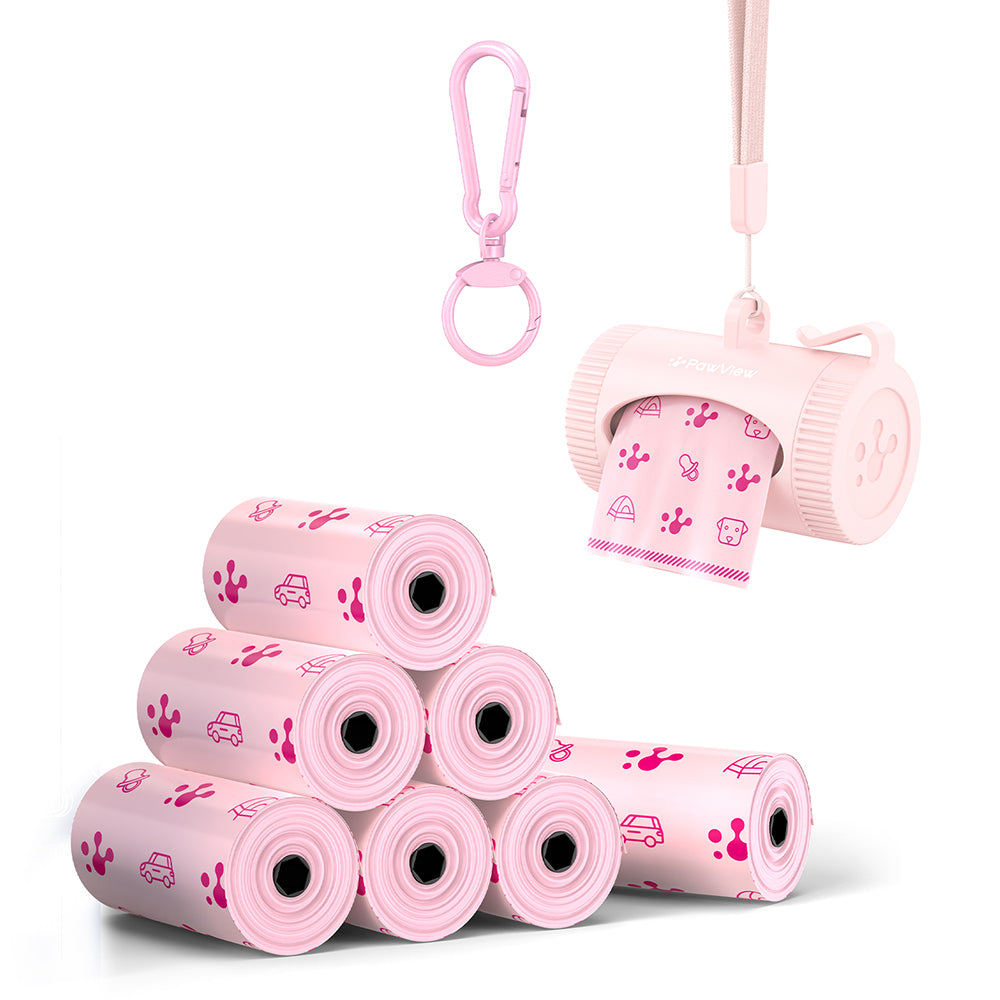
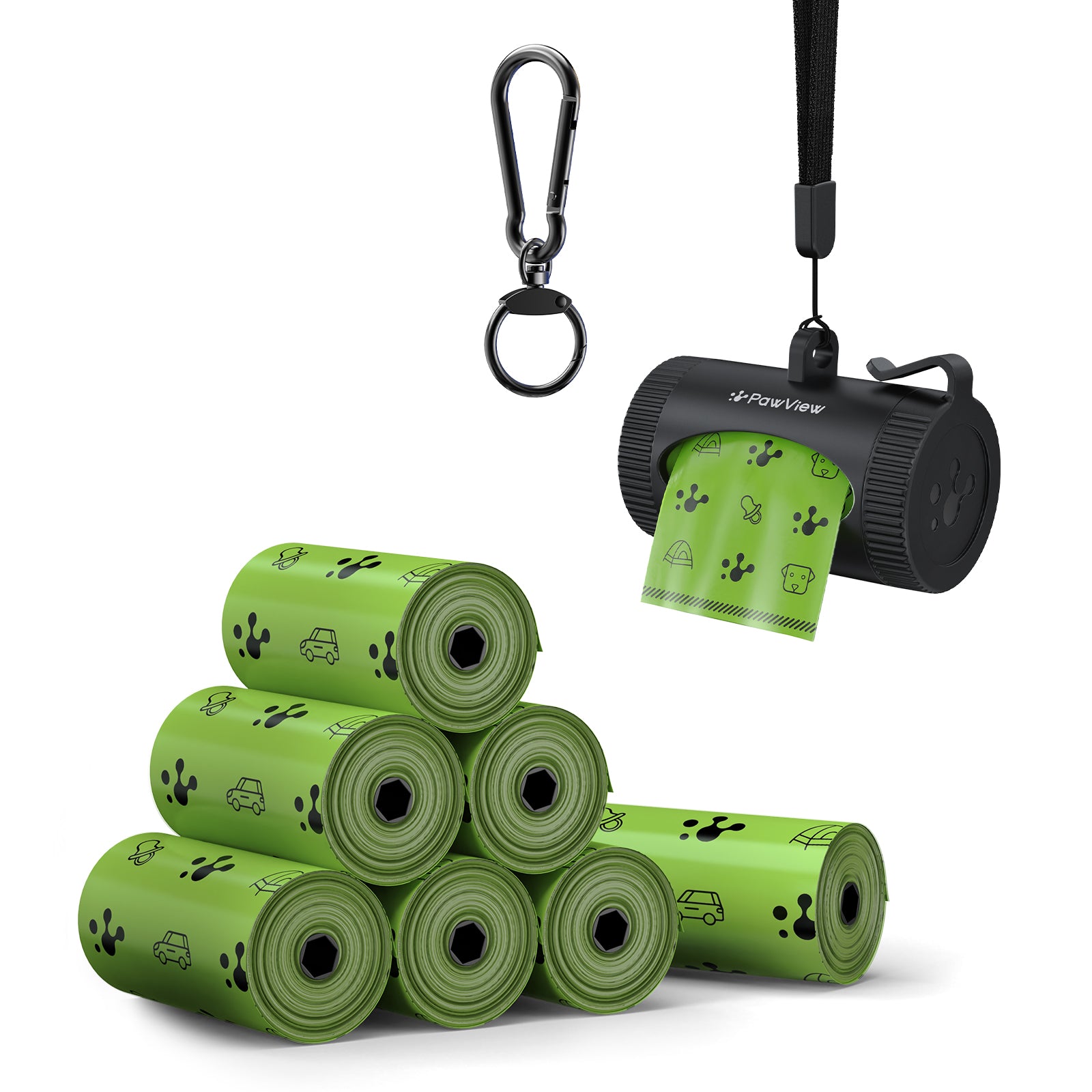
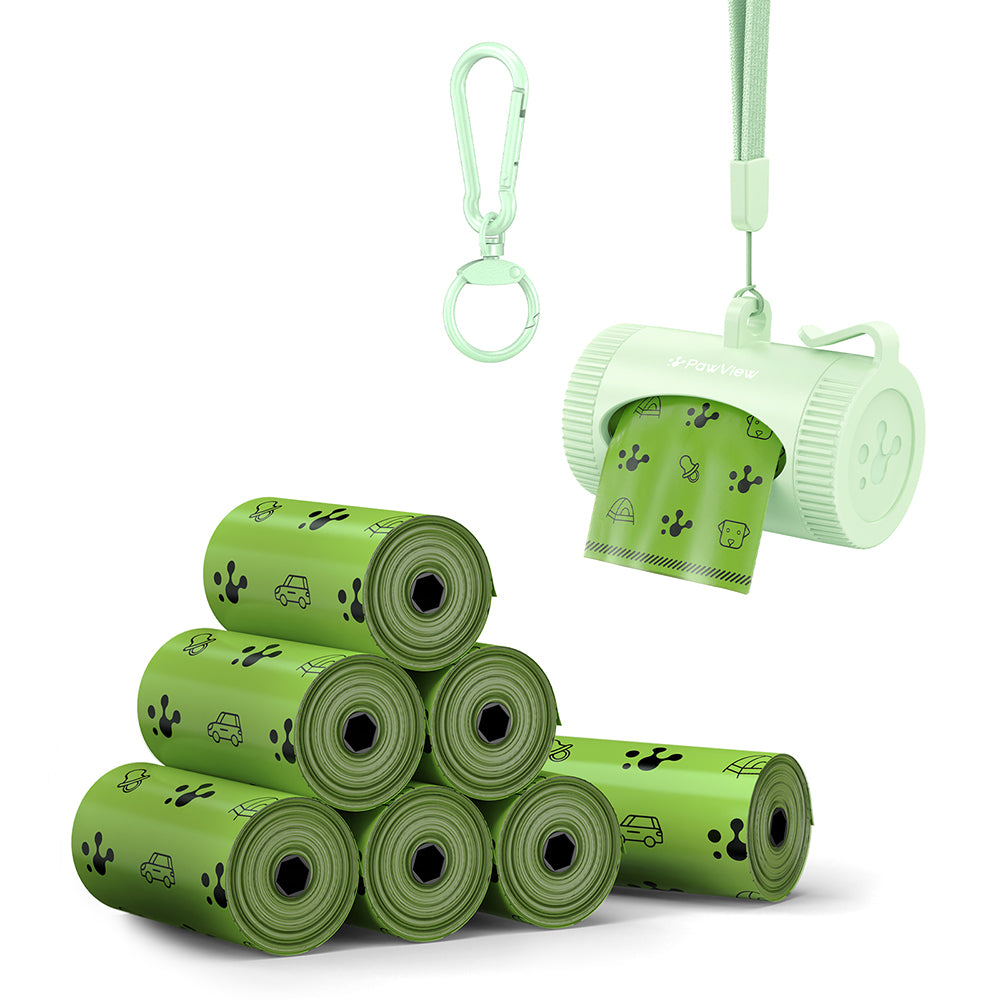
PawView smart poop bag dispenser, with built-in RunningPaw chip. A simple tap logs every bowel movement's time and frequency, generating a personalized health trend chart. The eco-friendly waste bags are made from 70% post-consumer recycled material, thick and leak-proof, with a lavender scent. Make every poop pickup an act of protecting your dog's health.


