





Why Interactive Play Matters
Cue chewed shoes, zoomies at 2 a.m., or that slightly guilty look when they’ve dug up the flower bed.
Interactive play fixes this by challenging their minds and bodies at the same time. Unlike regular toys that end up collecting dust, interactive toys need your dog to think, move, or snuggle up with you to score a reward (hello, treats or your undivided attention).
The best part? You don’t need a closet full of toys to keep them entertained. A few high-quality, age-appropriate options are all it takes.
Here’s how to pick the right ones for your pup:
3 Simple Rules for Choosing Interactive Toys
With so many toys on the market, it’s easy to feel overwhelmed. Stick to these three easy rules, and you’ll nail the perfect fit every time:
Rule 1: Match the Toy to Their Age & Chewing Style
A toy that’s great for a tiny puppy will be no match for a strong adult chewer. Here’s how to narrow it down:
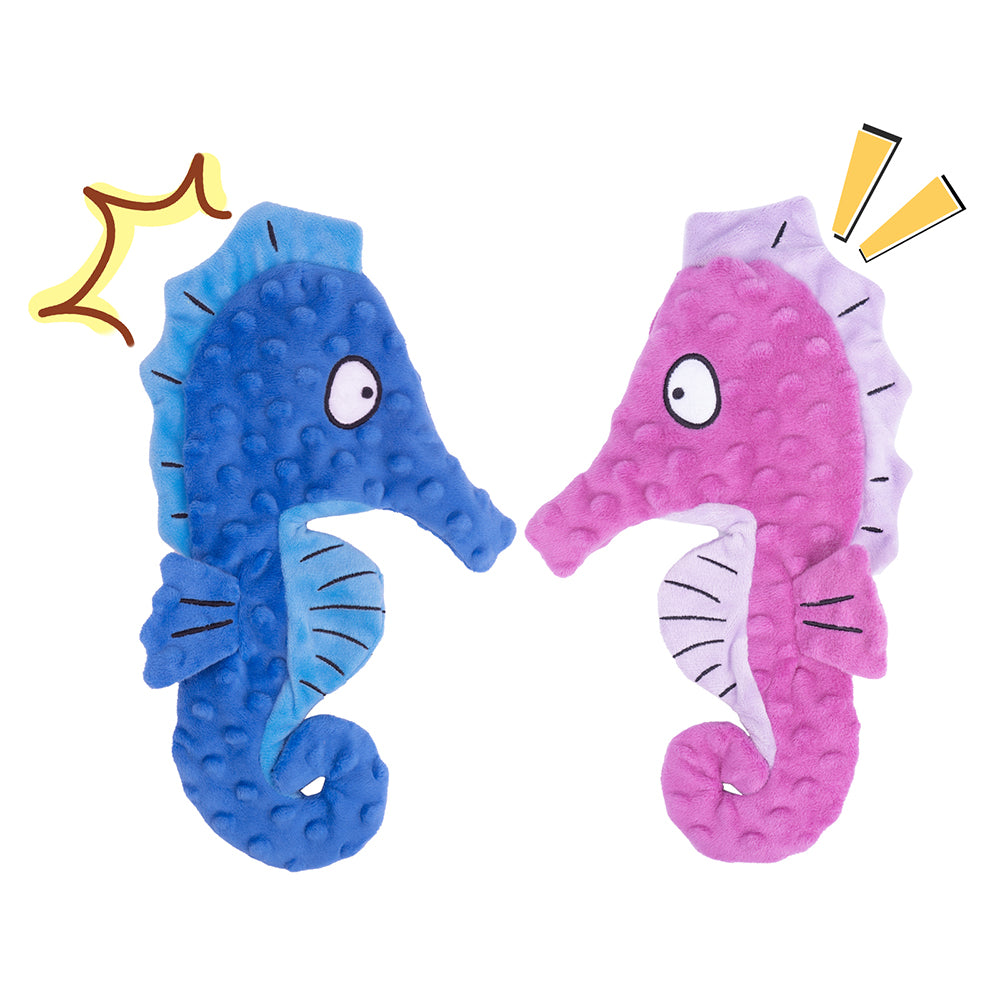
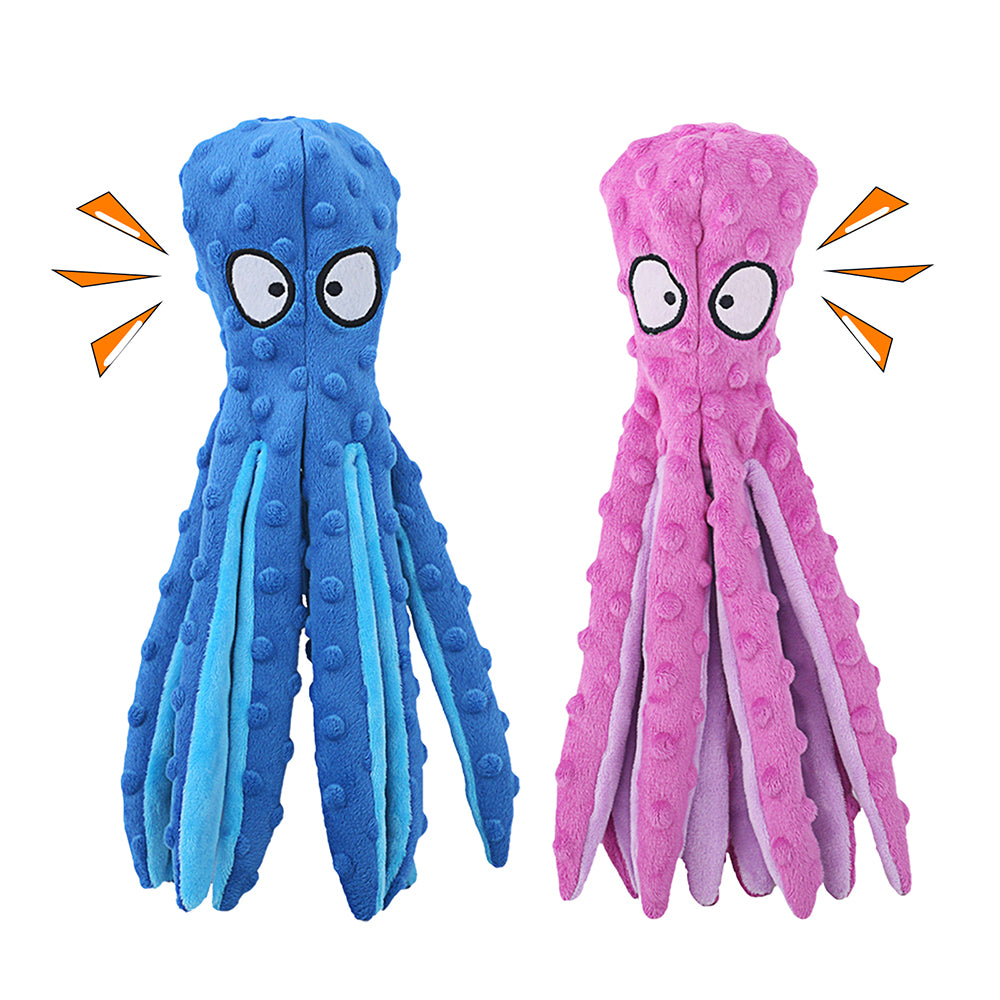
- Puppies (0-6 months): Stuffing-free plush squeaky toys are an excellent choice for teething puppies—they soothe sore gums, pose no choking risks from loose stuffing, and are great for casual play.
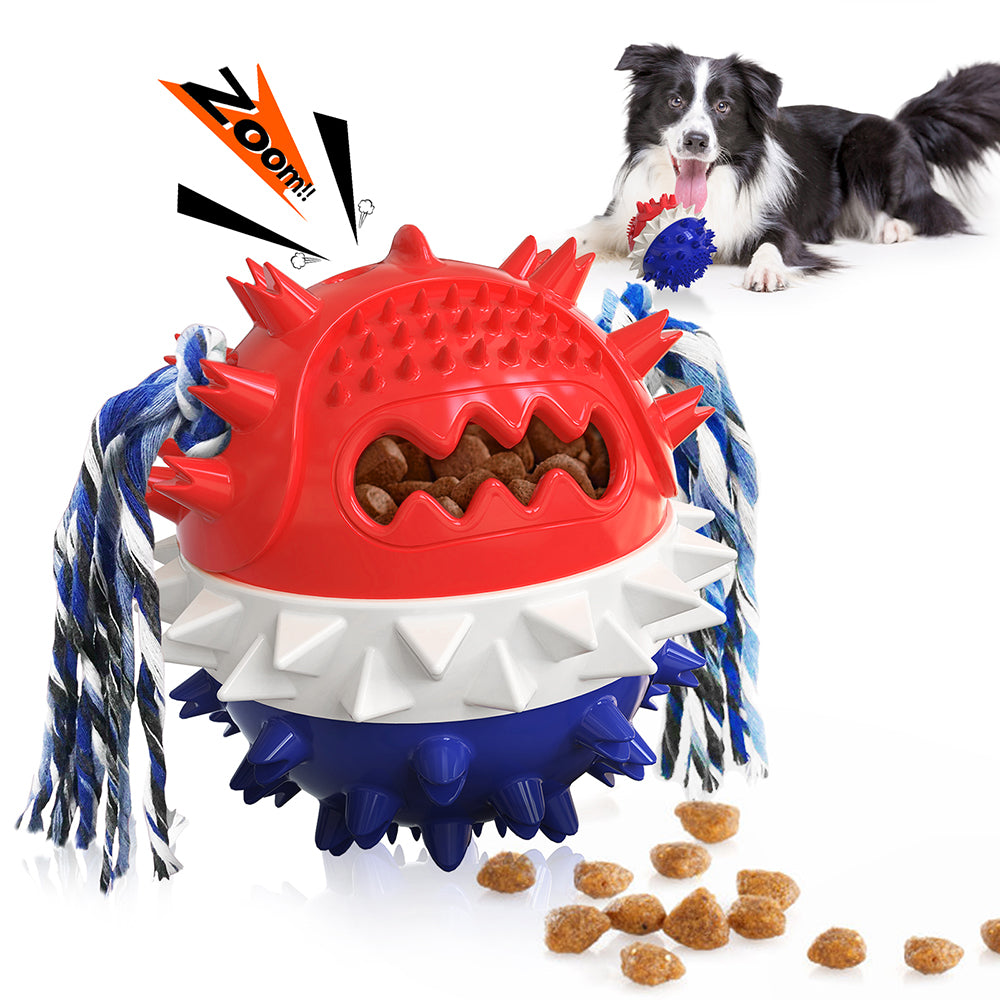
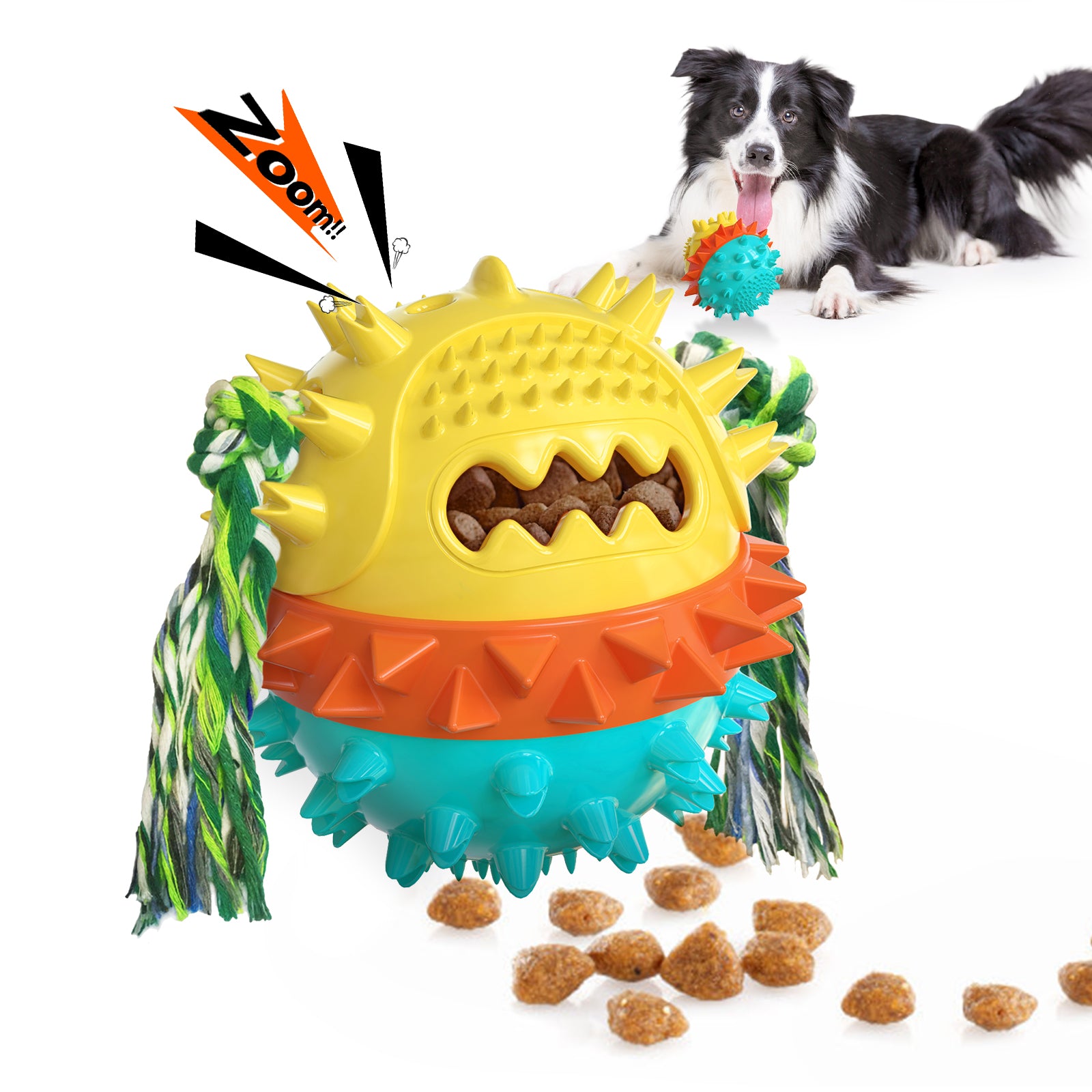
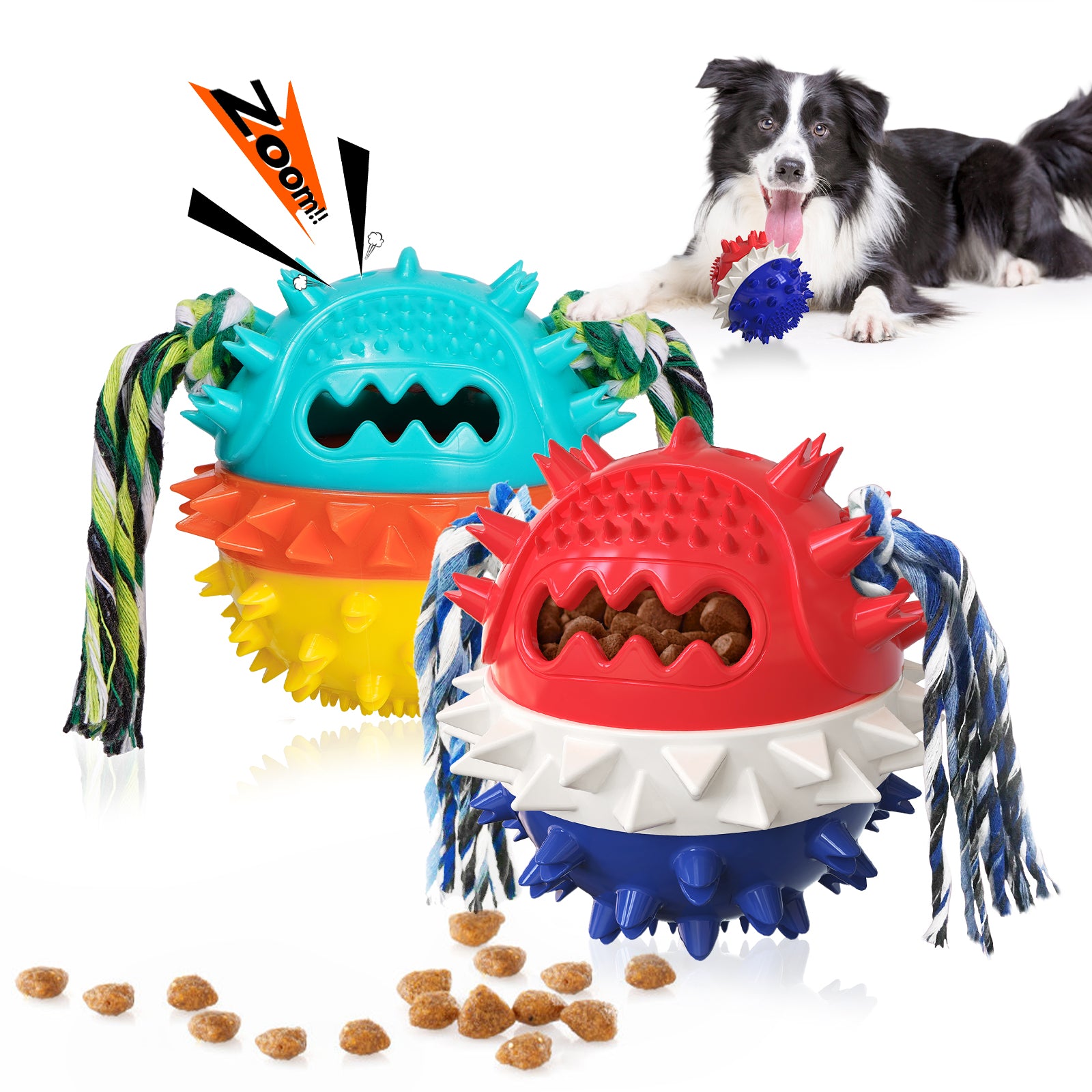
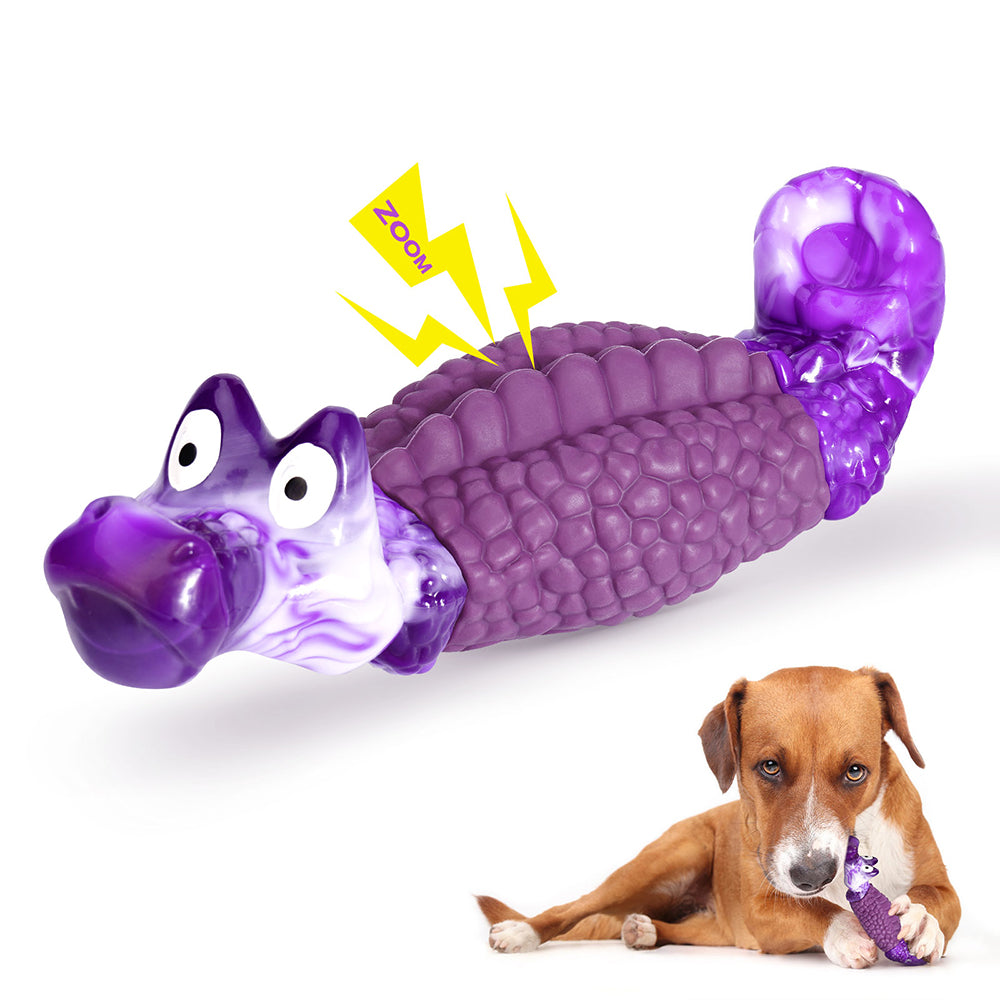
- Adult Dogs: Active adults thrive on toys that burn off that endless energy. For power chewers, a durable squeaky toy made from tough, non-toxic material will hold up to hours of gnawing. For food-obsessed pups, simple treat-stuffable toys keep their brains busy while they snack—win-win.
- Senior Dogs: Low-impact toys are key for older dogs with joint pain. Soft squeaky toys or slow-feed bowls (which double as interactive feeders) let them play and eat without strain.
Rule 2: Prioritize Safety (Because Nothing’s More Important Than Your Pup)
Fun toys mean nothing if they’re not safe—and we get how stressful that can feel. Just keep an eye out for these easy-to-spot features:
- Non-toxic, BPA-free materials (skip the cheap plastics with weird strong odors—your pup’s nose (and tummy) will thank you)
- No tiny, loose parts (like eyes or buttons) that can be bitten off and swallowed
- The right size (too small = choking hazard; too big = frustrating “why can’t I grab this?!” moments)
- Easy to clean (treat-dispensing toys get gross—dishwasher-safe options are a game-changer for busy parents)
Rule 3: Pick Toys That Fit Your Bonding Style
Playtime is all about you and your pup—so pick toys that match how you love to hang out!
- If you live for one-on-one snuggles and games, tug ropes or fetch toys are perfect for bonding.
- If you need toys for solo play (when you’re working or running errands), treat-dispensing toys or puzzle feeders will keep them occupied (and out of trouble).
Essential Pet Gear to Make Playtime (And Life) So Much Easier
Here are our must-have items for every dog parent:
ID Tags: Your Pup’s Safety Net
For no-fuss reliability, a classic engraved tag (with your pup’s name and your number) is perfect—look for waterproof, scratch-resistant materials that handle muddy paws and rain.
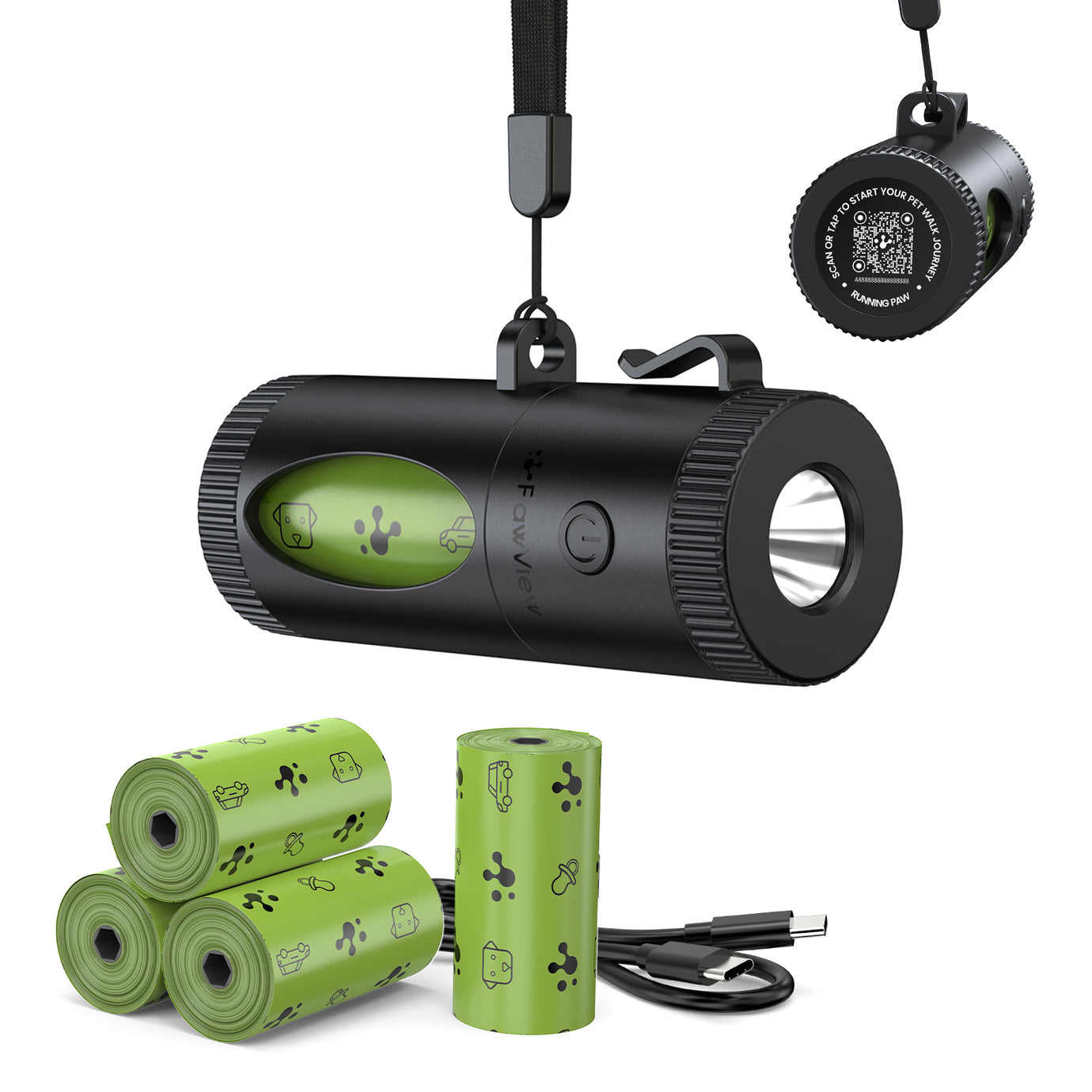
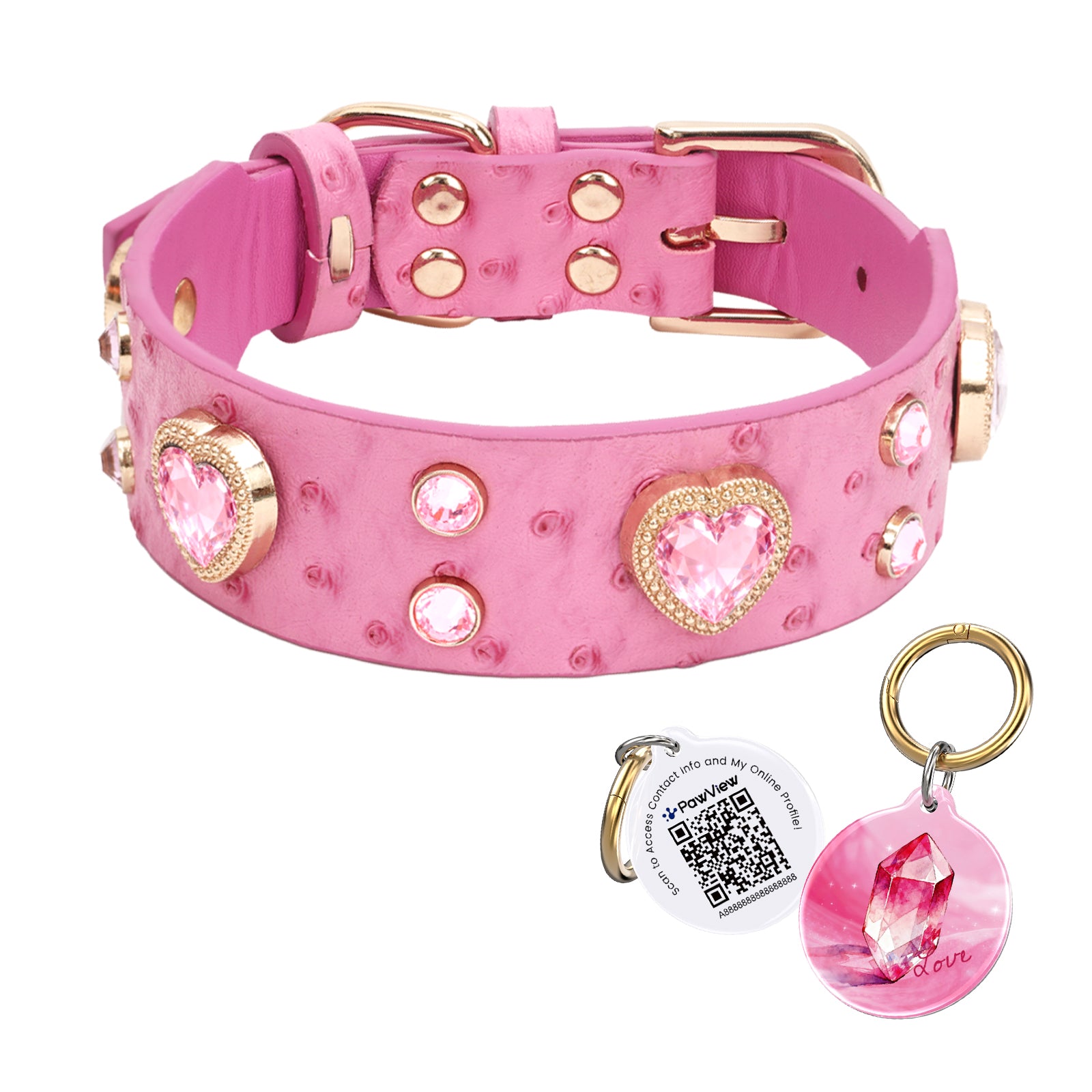
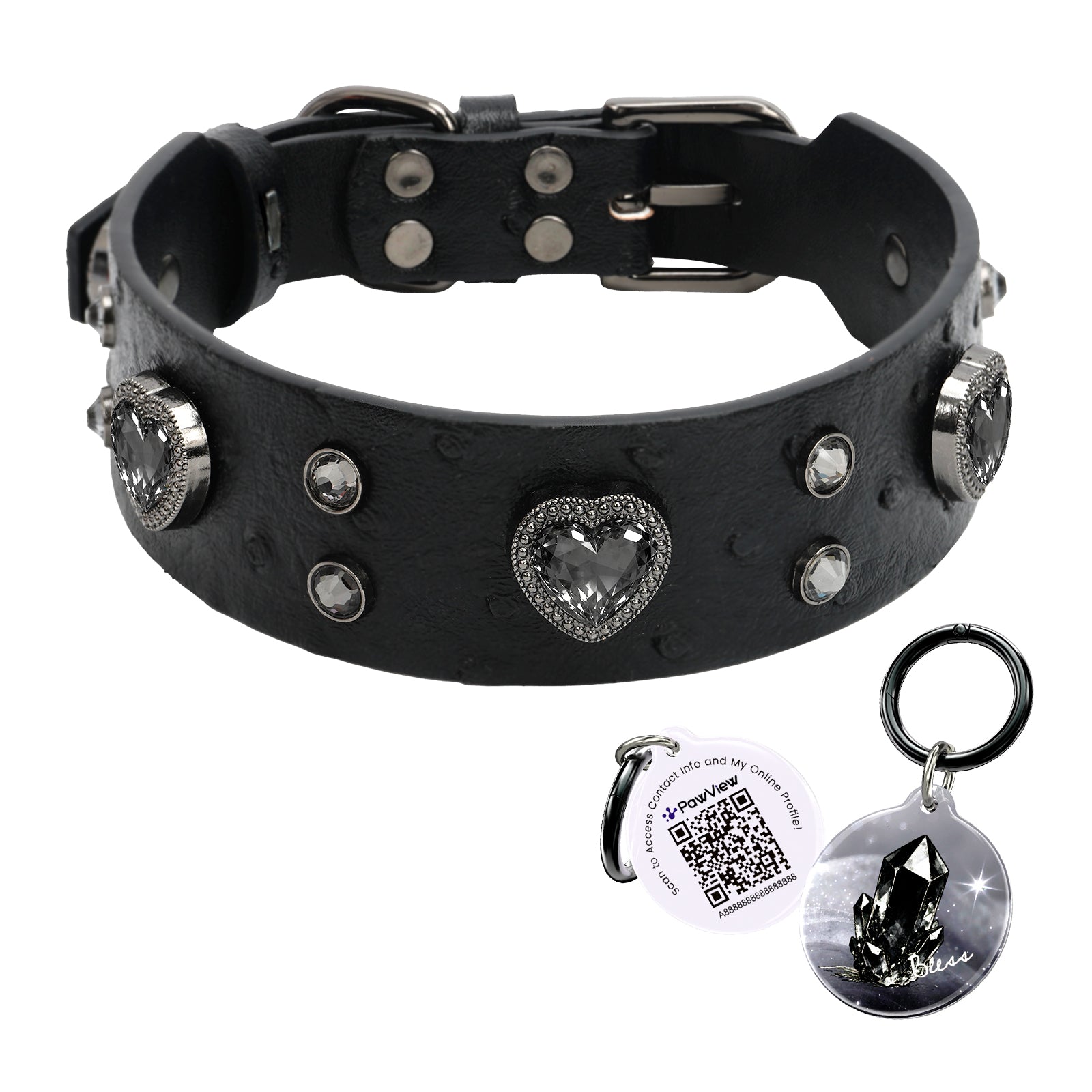
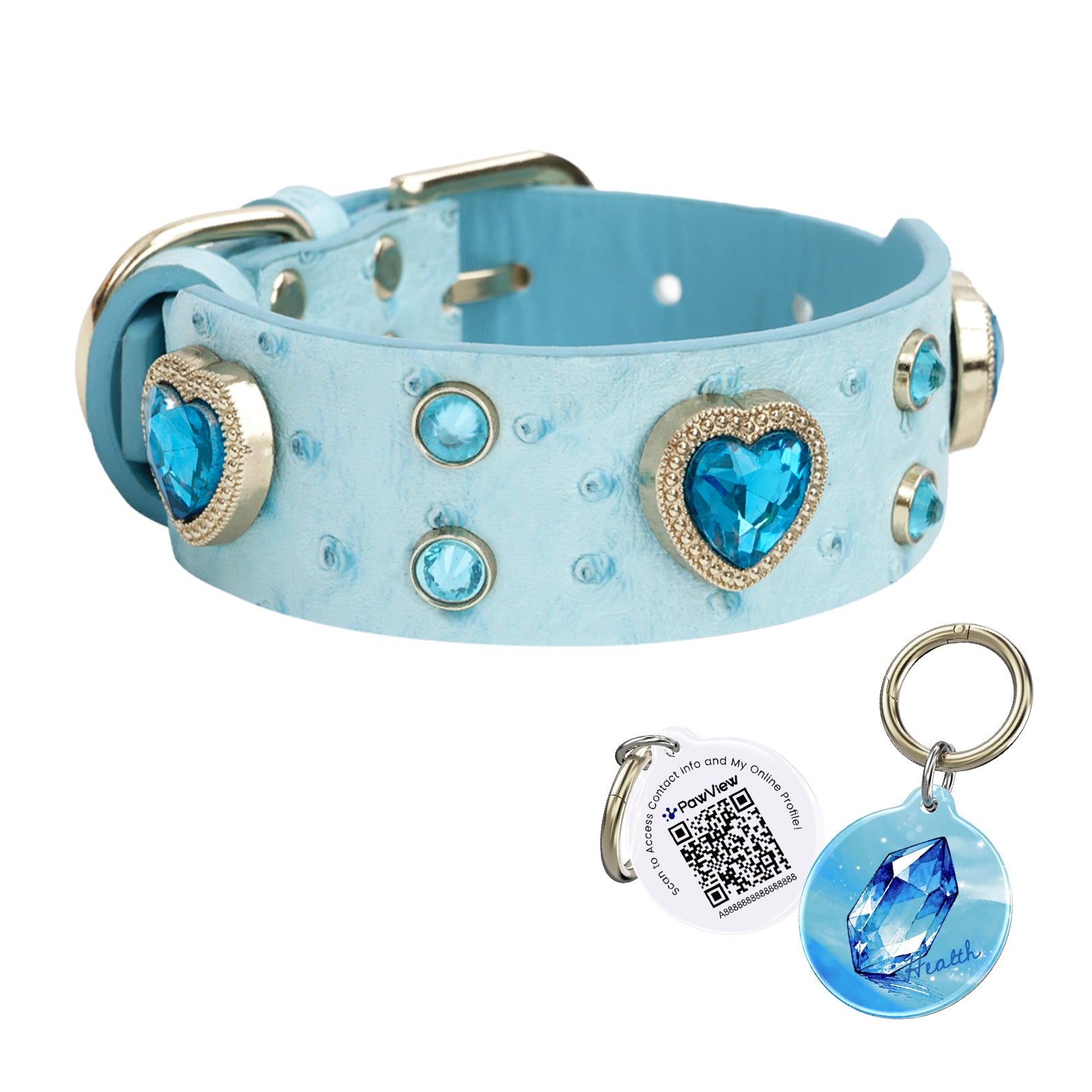
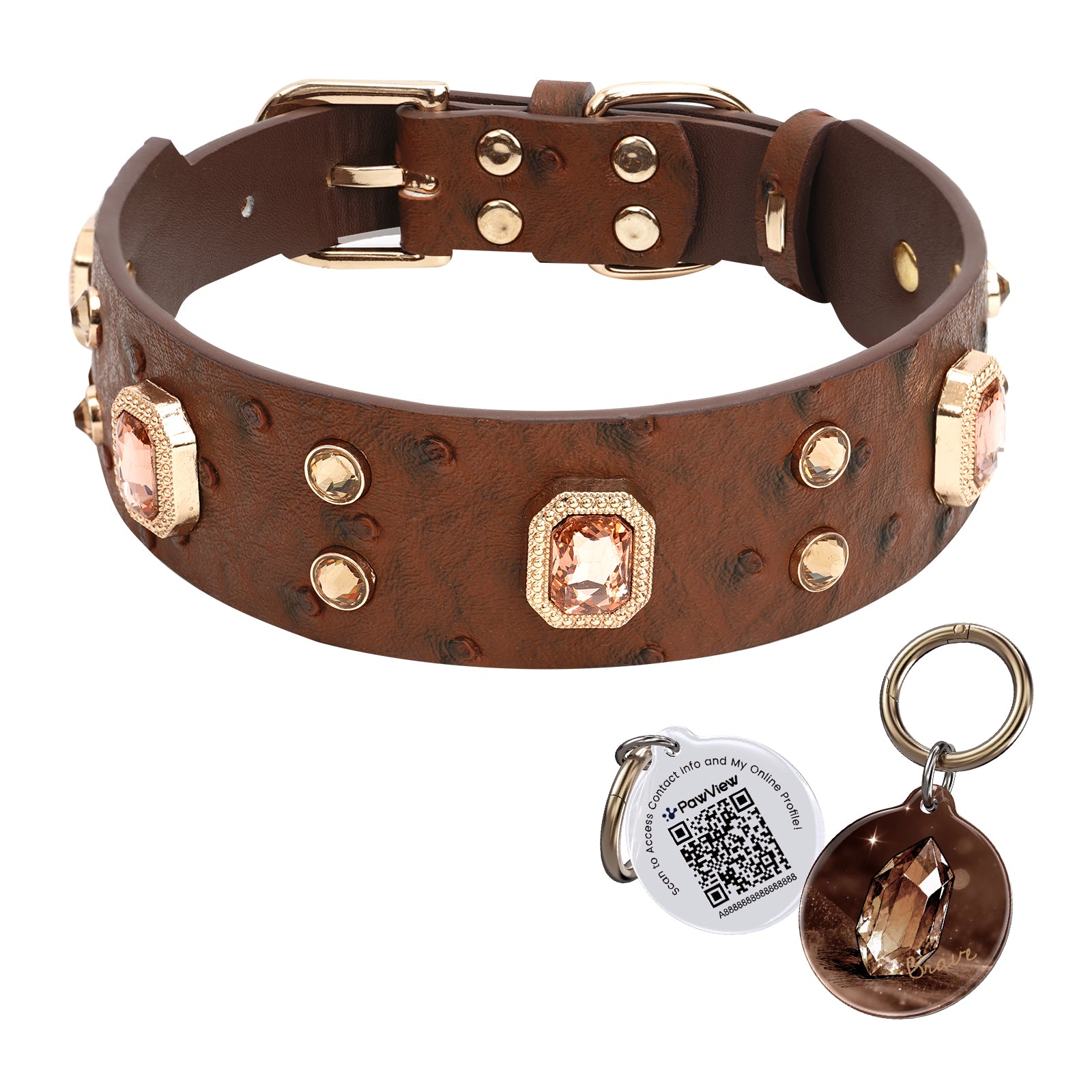
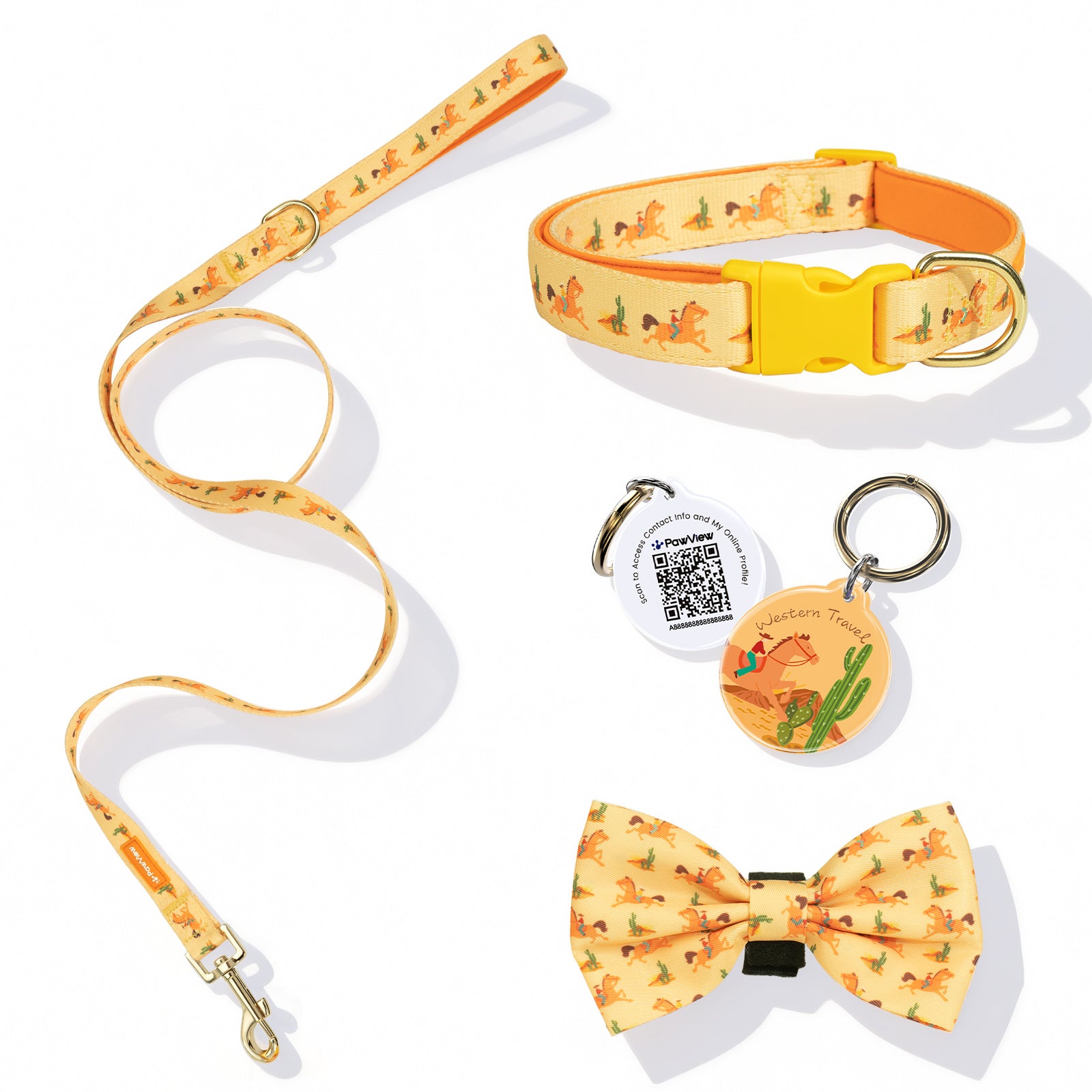
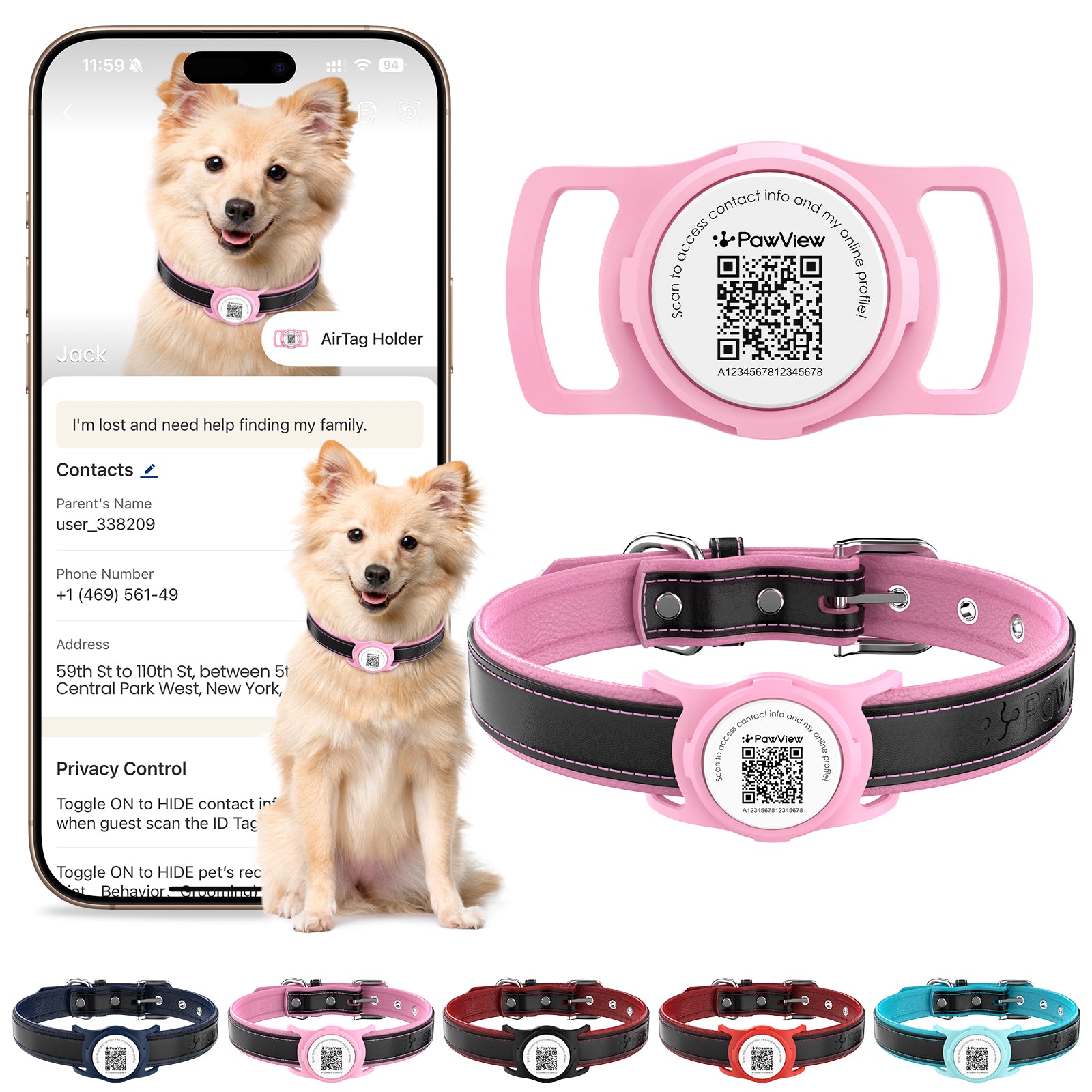
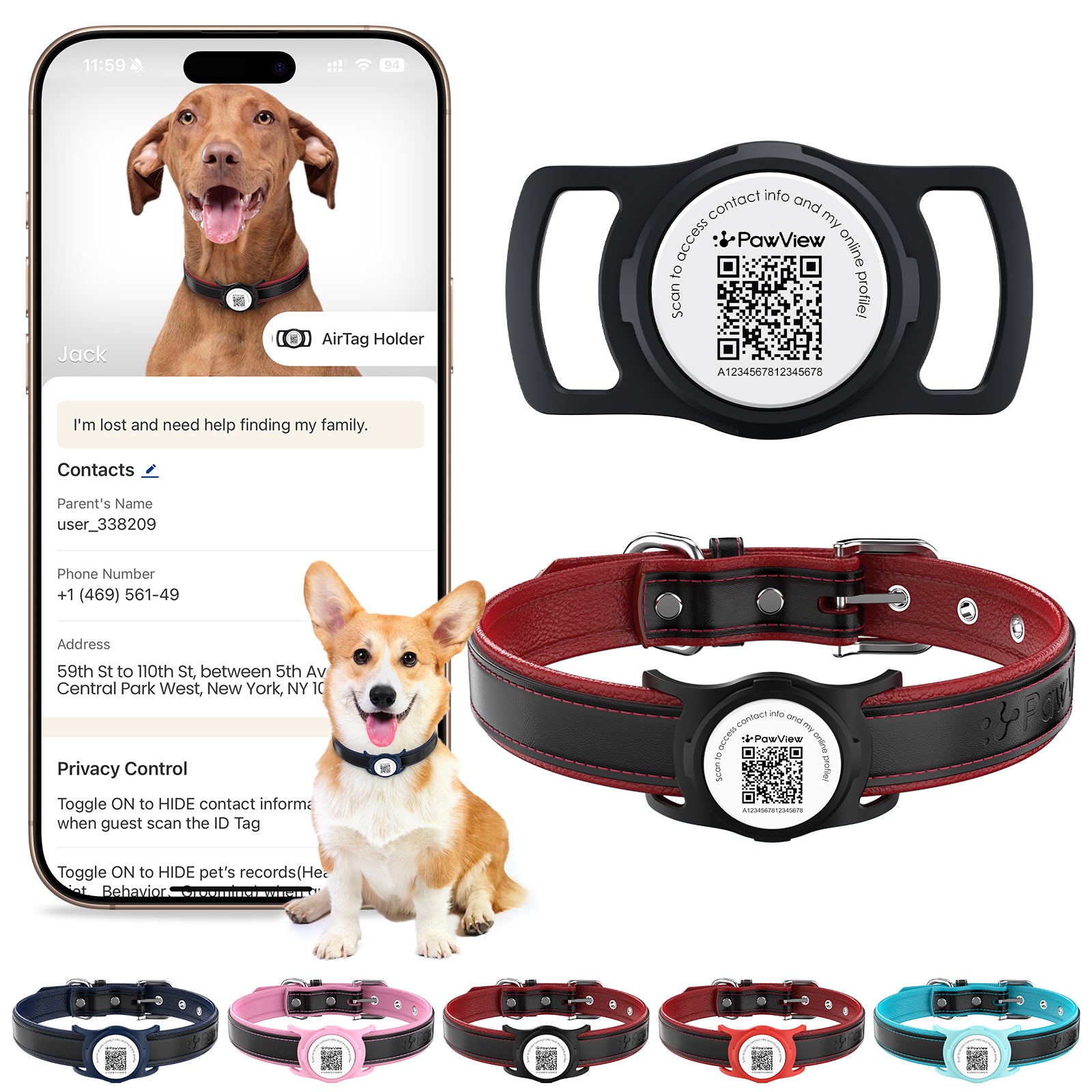
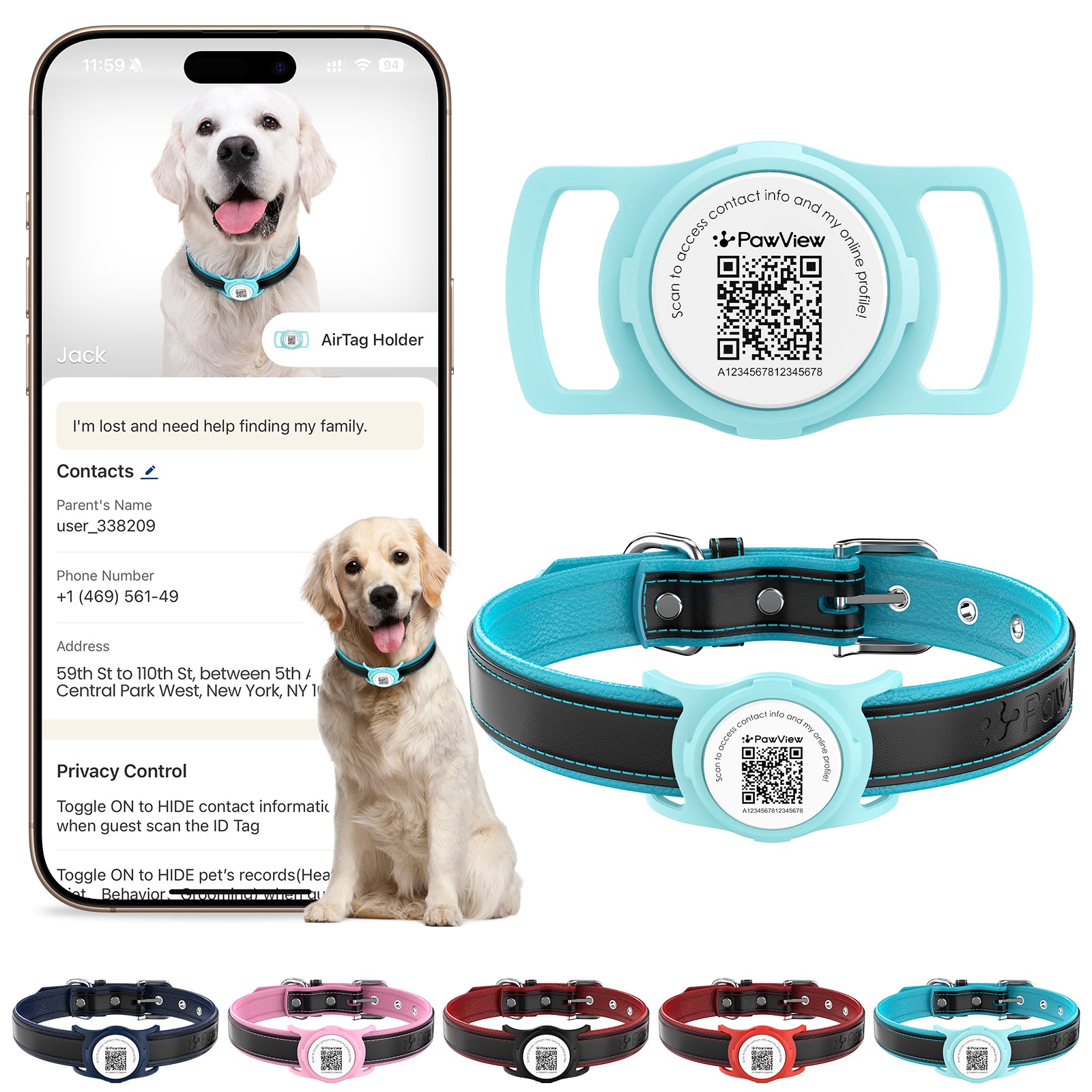
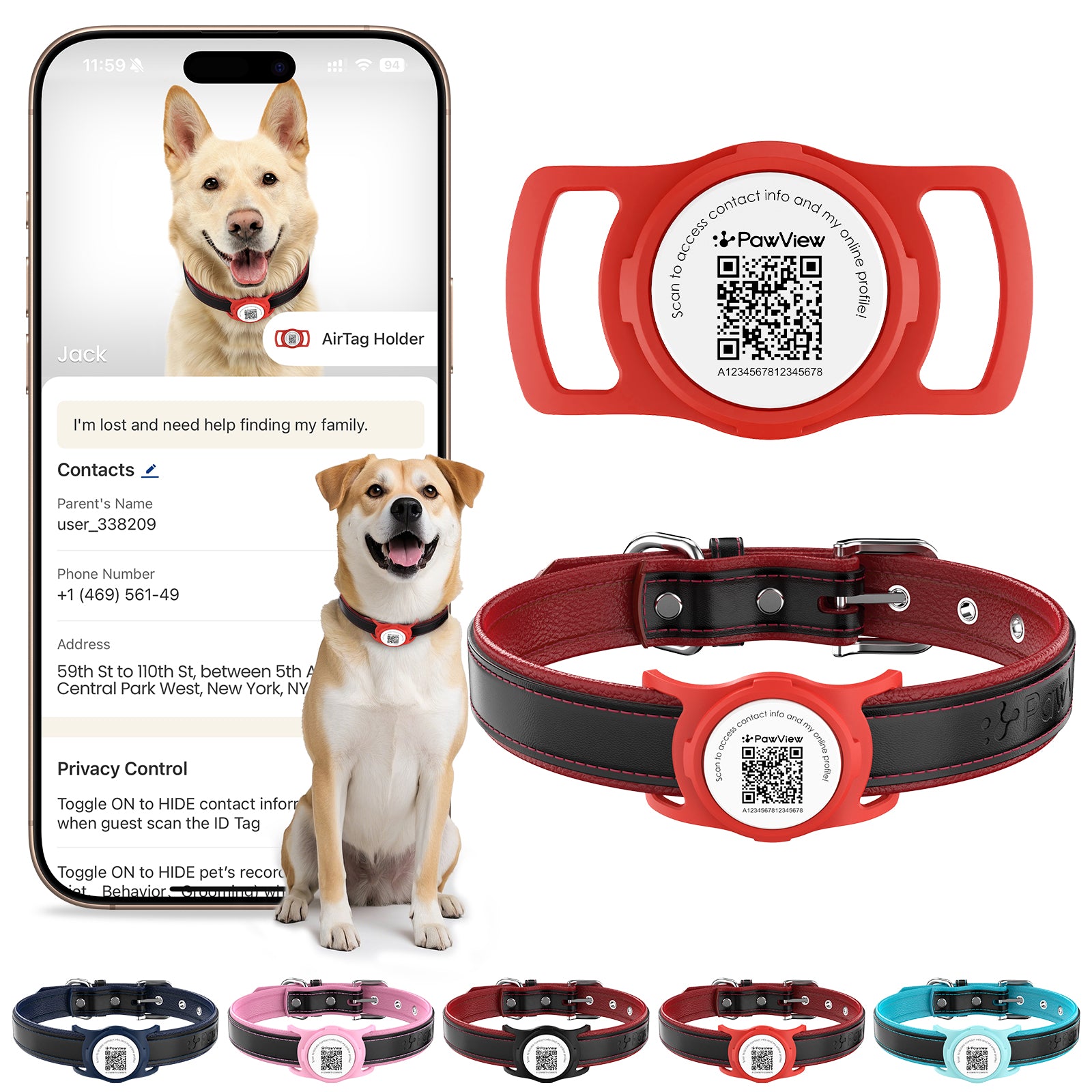
If you want a little extra peace of mind, try a QR code tag:
- It only shows a code (no visible contact info), and you’ll get a phone alert the second someone scans it.
- Bonus: it can save your pup’s medical notes too.
Collars & Harnesses: Comfort & Control (For Outdoor Play & Walks)
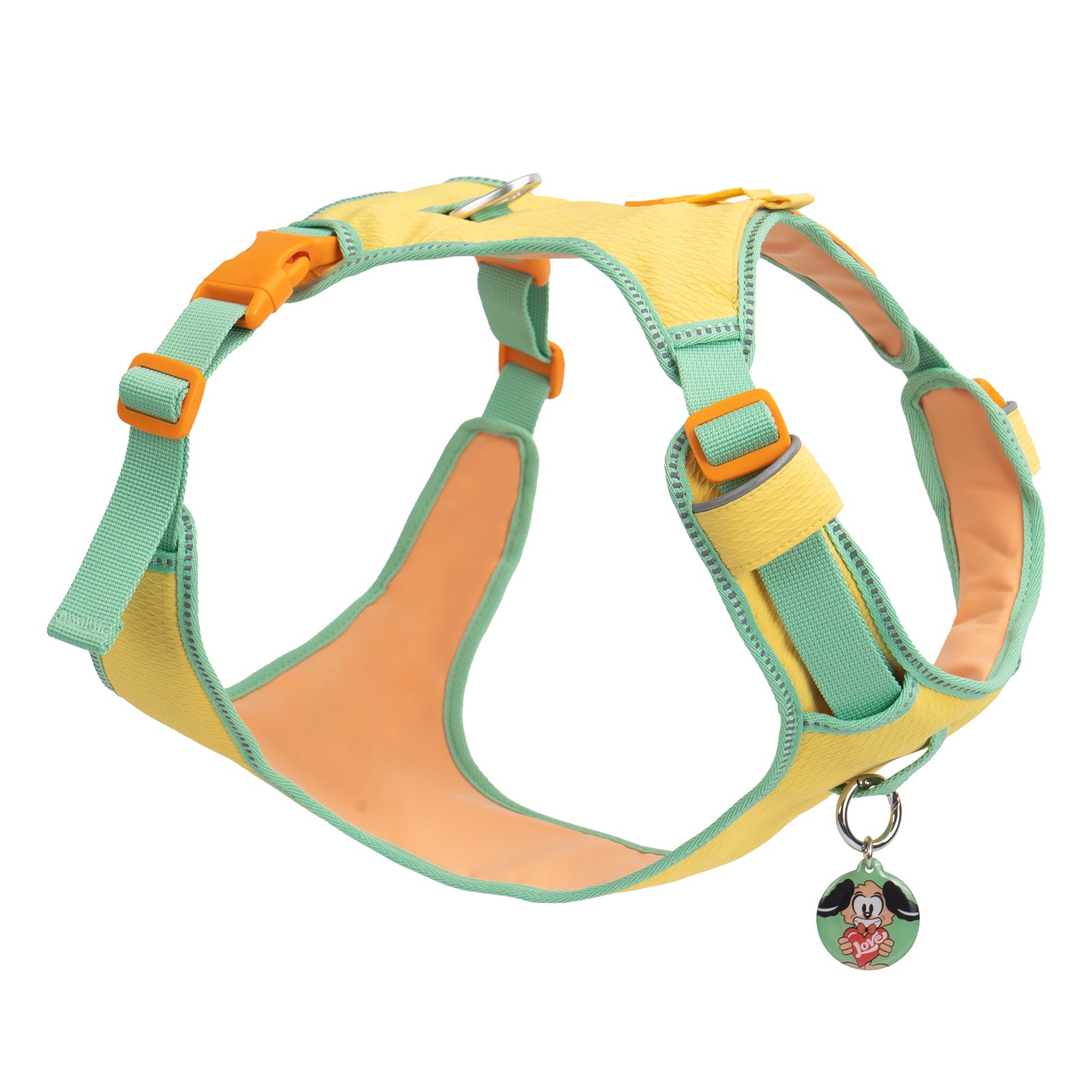
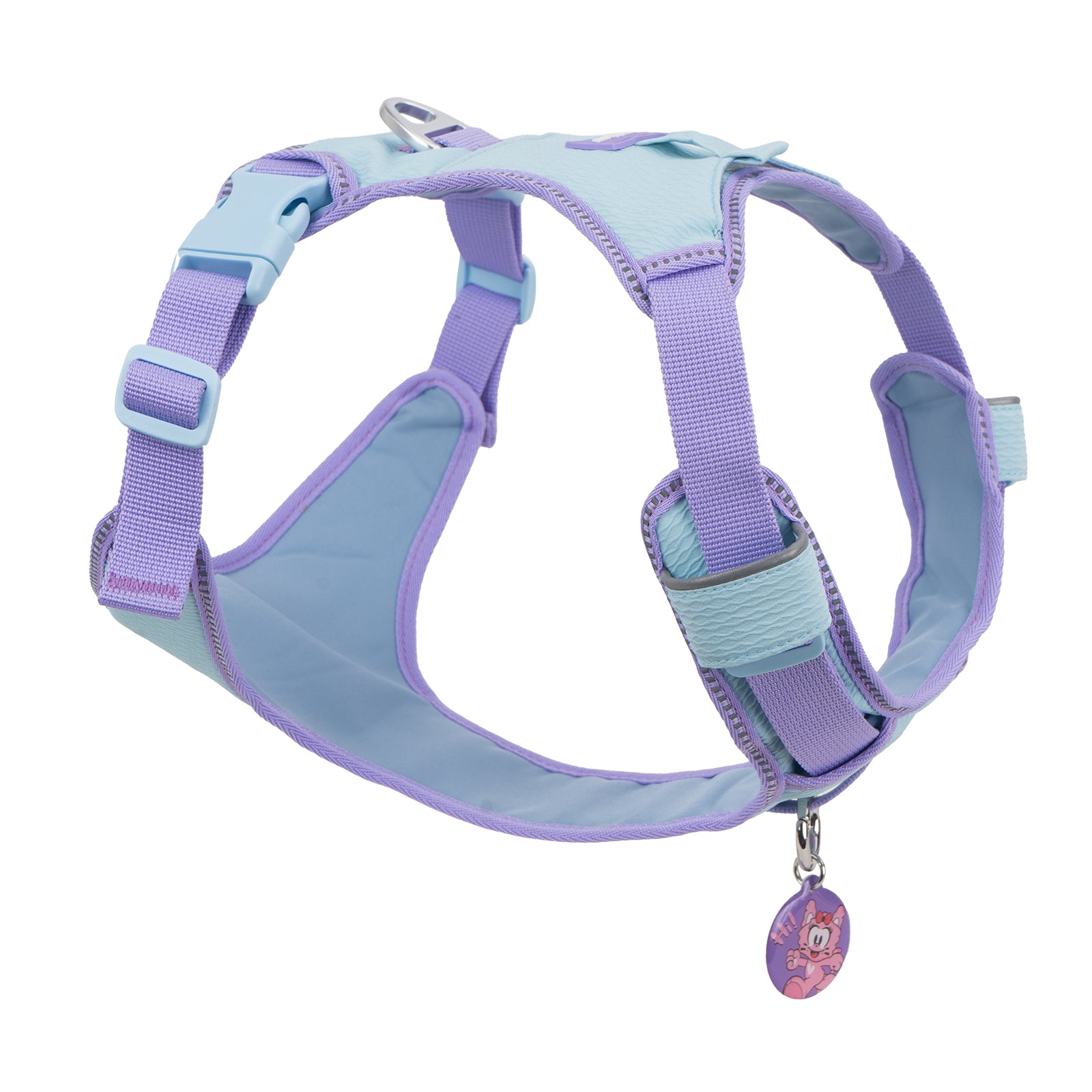
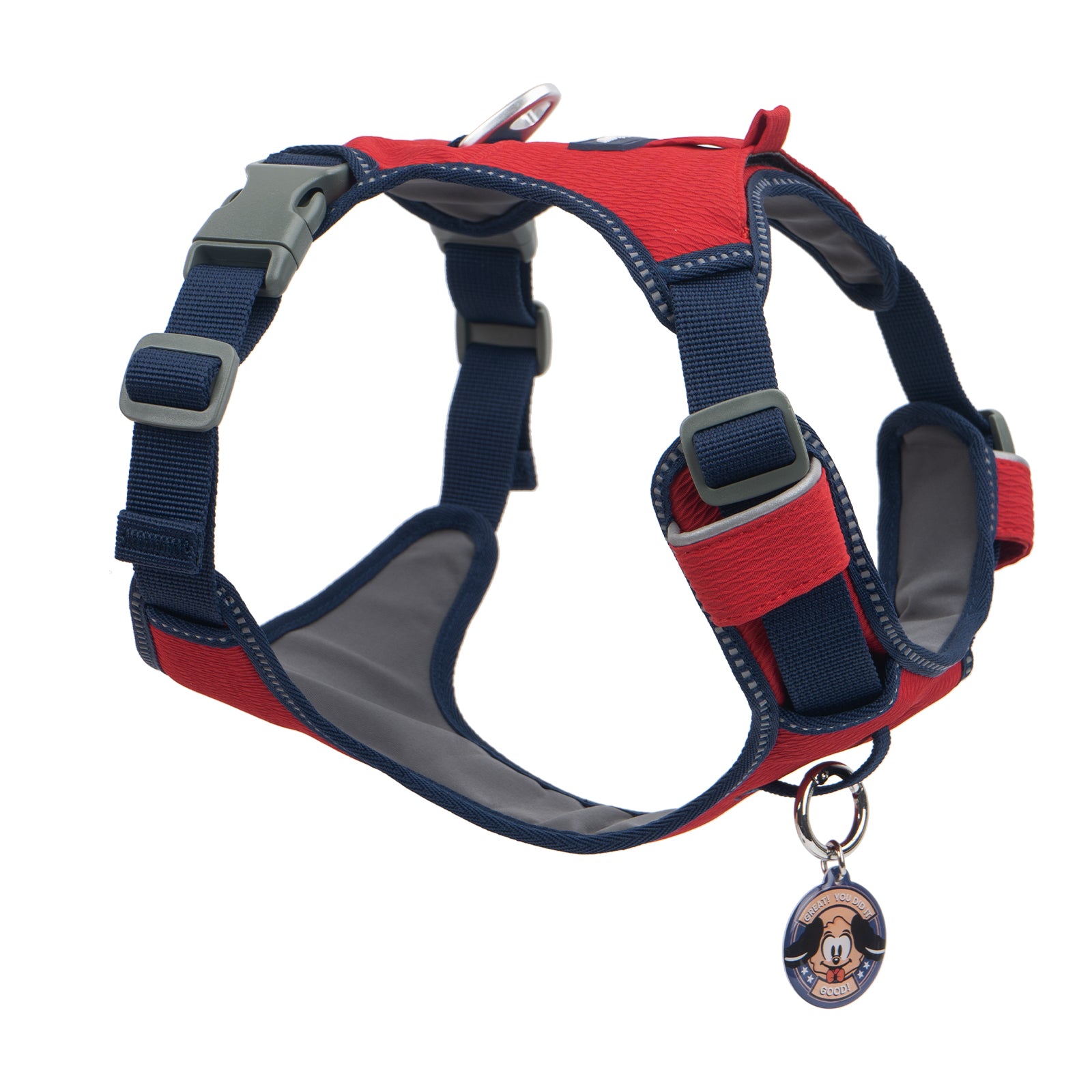
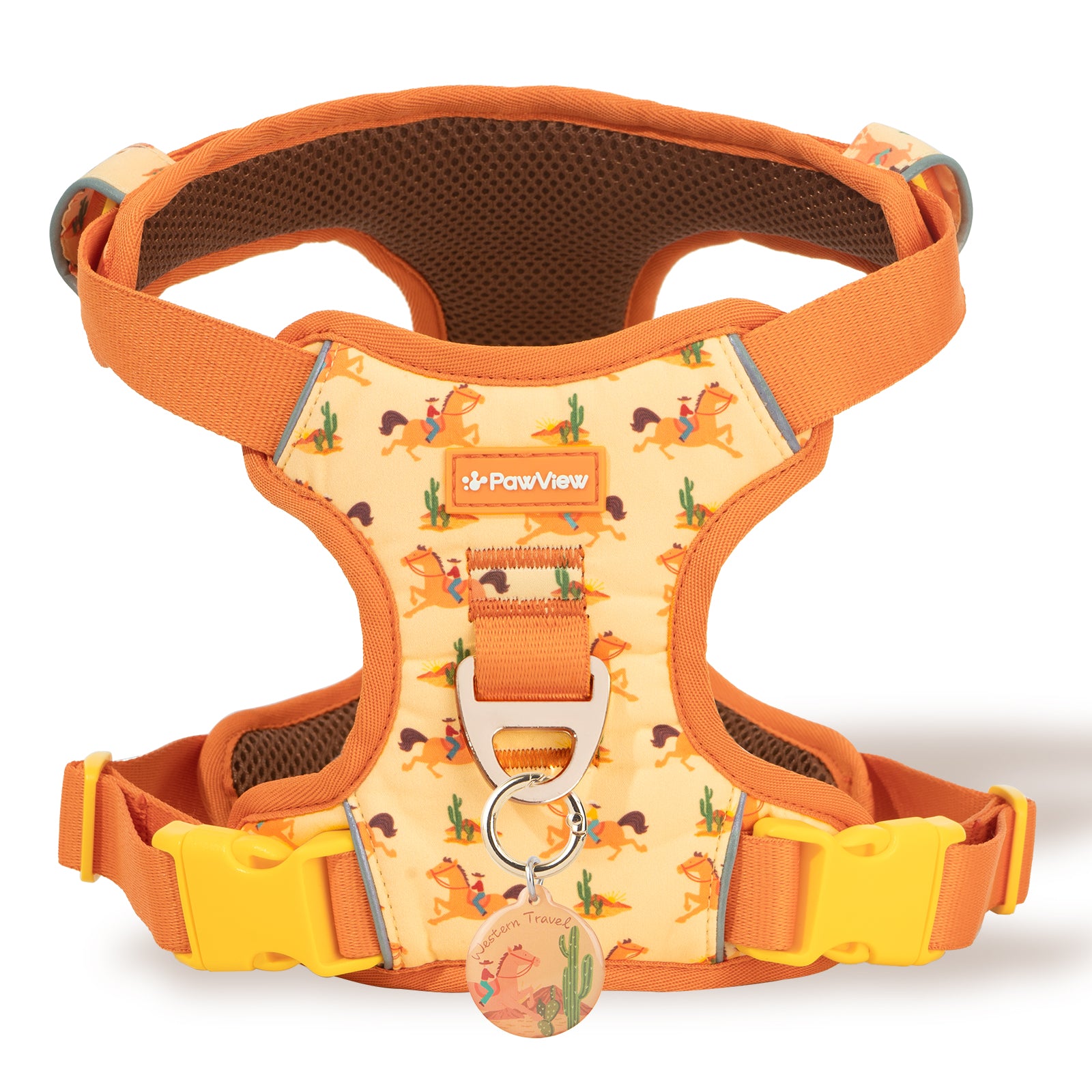
For active outdoor games like tug or running around the yard, a harness is the way to go—it distributes pressure evenly across the chest, so there’s no neck strain. Opt for soft, breathable materials that won’t rub or irritate their skin.
For casual neighborhood strolls, a sturdy, adjustable collar works perfectly.
Either way, we’d skip scratchy fabrics or ill-fitting styles—comfort always comes first!
Putting It All Together: A Sample Happy Pup Routine
You don’t need a complicated schedule to keep your dog happy.
Here’s a simple daily routine that combines play and essential gear:
What to do: Grab a durable chew toy and stuff it with their favorite kibble or treats. Serve it up as their morning meal.
Why it works: Mental stimulation + satisfying their hunger = a win-win! It keeps them busy while they figure out how to get the goodies out, preventing that early-morning zoomies chaos.
🌞 Midday: Quick Indoor Play Session
What to do: Break out the squeaky toy or tug rope for a 10–15 minute playtime. Think fetch down the hallway or a tug-of-war match on the couch.
Why it works: This is bonding time! Short, energetic play sessions boost their mood and strengthen your connection—perfect for breaking up a long day.
🌤️ Afternoon: Harness & ID Tag Walk
What to do: Clip on their harness (way safer than a collar!) and secure their ID tag. Head out for a stroll around the block or a trip to the park.
Why it works: Physical exercise + outdoor exploration = a tired, happy pup. The ID tag adds an extra layer of safety—because peace of mind is everything
🌙 Evening: Solo Chew Time (While You Cook!)
What to do: Hand them a tough, long-lasting chew toy right before you start dinner prep.
Why it works: Keeps them occupied and out of the kitchen while you cook. No begging for scraps, no counter-surfing—just quiet, independent fun.
Remember, every dog is unique—adjust the routine and toys to fit their personality and energy level.
The goal is to make playtime and daily care feel like fun, not a chore.
At the end of the day, playtime isn’t just about toys or gear—it’s about those silly zoomies, messy snuggles, and quiet moments where your pup looks at you like you’re their whole world. With the right tools to keep them safe and happy, you’re not just building a better play routine—you’re building more of those unforgettably happy moments together.
So grab their favorite toy, clip on that ID tag, and go make some magic with your best furry friend.


