













1. Keep Your Pet Warm: The Most Important Winter Rule
- Indoor warmth matters most.
- Add extra layers when going outdoors.
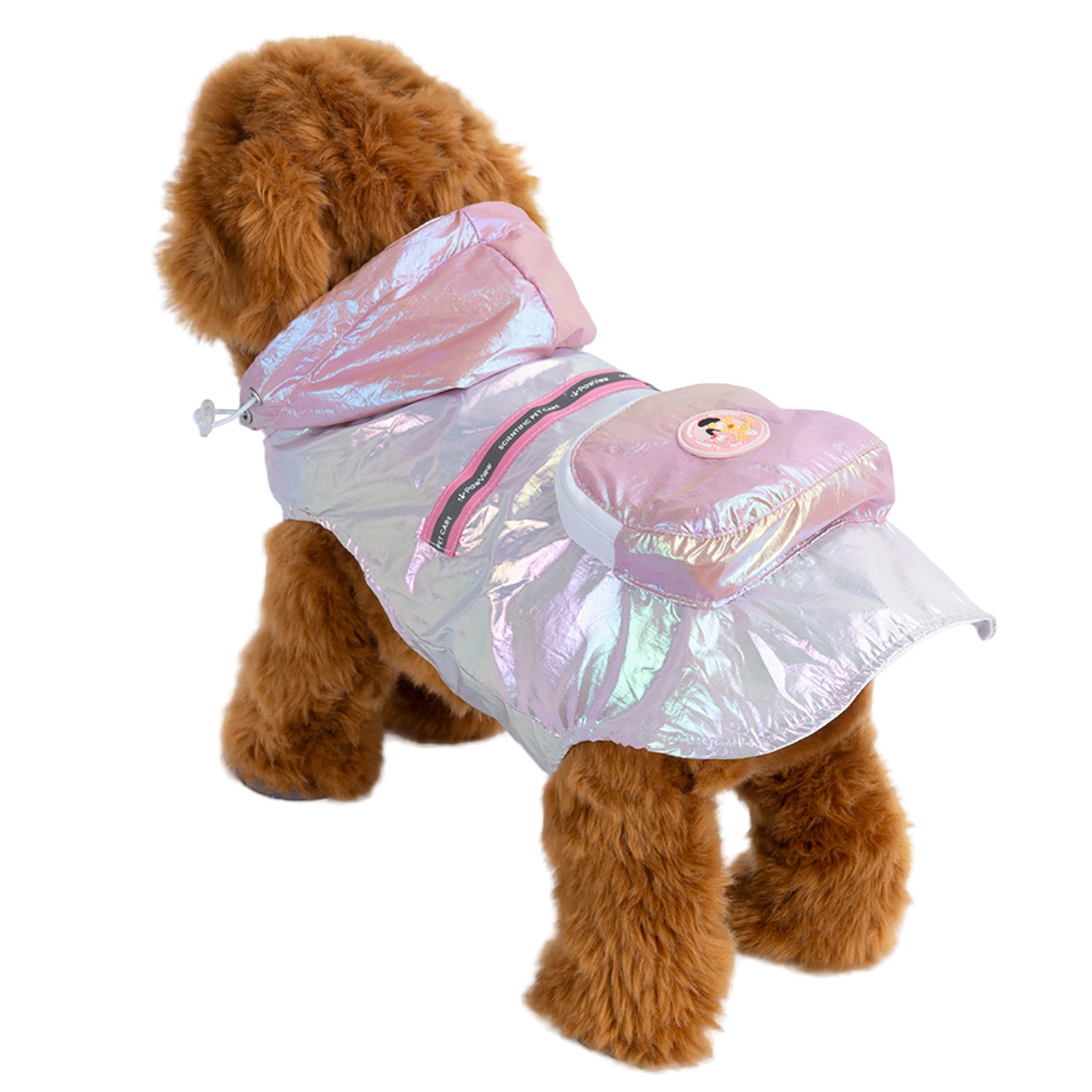
Breeds like Chihuahuas, Pomeranians, French Bulldogs, and short-haired cats lose heat quickly. Reducing outdoor walk time and dressing them in a pet winter jacket, insulated dog sweater, or waterproof coat can help maintain body warmth.
Remember:
-
- After returning home, remove the clothing to prevent trapped moisture from causing skin irritation.
- Choose soft, breathable, non-abrasive fabrics.
2. Skin Care: Managing Dryness in Winter
- Limit bathing frequency.
- Hydration and moisturization are crucial.
3. Winter Nutrition: Pets Tend to Eat More in the Cold
- Control calorie intake.
- Increase high-quality protein moderately.
As metabolism increases in winter, slightly boosting protein levels without increasing overall food volume helps active or frequently outdoor dogs maintain energy.
- Make sure your pet stays hydrated.
Pets often drink less water in winter, but their bodies require more due to dry air.
Check their water bowl often, ensure clean fresh water, and prevent freezing. You can also serve more wet food or mix warm water with kibble.
Use plastic bowls instead of metal to prevent their tongues from sticking to frozen metal surfaces.
4. Paw Care: The Most Overlooked Winter Detail
 Cold weather makes paw pads prone to dryness and cracking. Snow, icy ground, and chemical de-icers can irritate or inflame paws.
- Clean paws after every walk.
- Use a paw balm or paw protection cream.
- Check their paws regularly.
5. Maintain Proper Exercise: Pets Should Not “Hibernate”
- Shorter walks with higher quality.
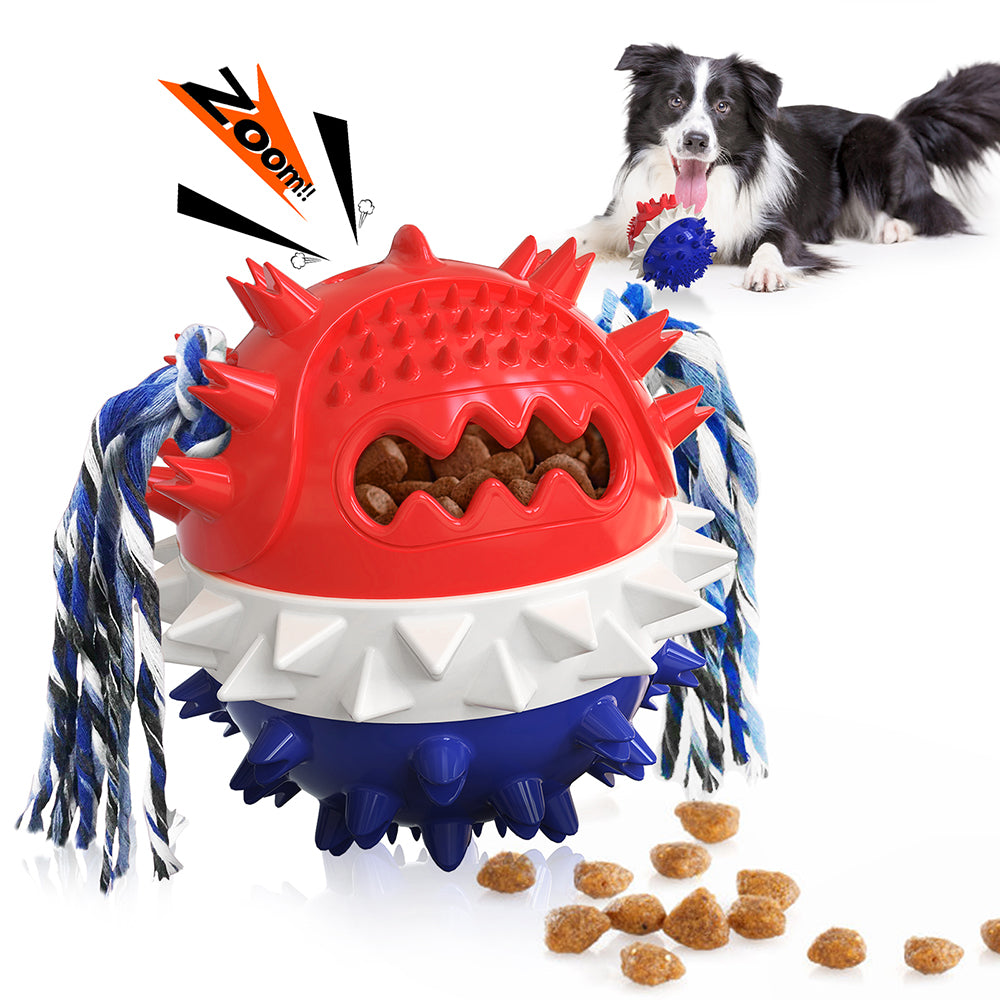
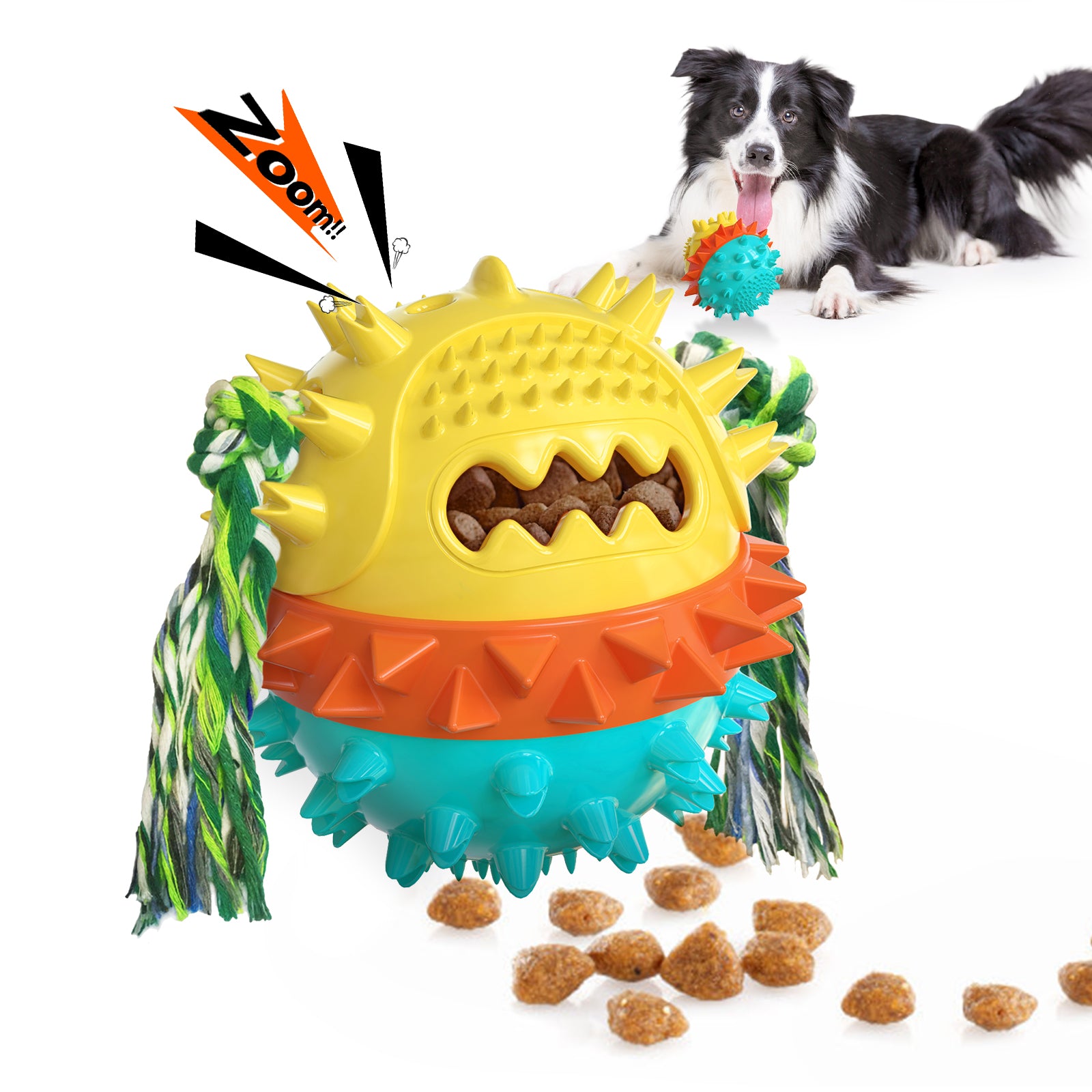
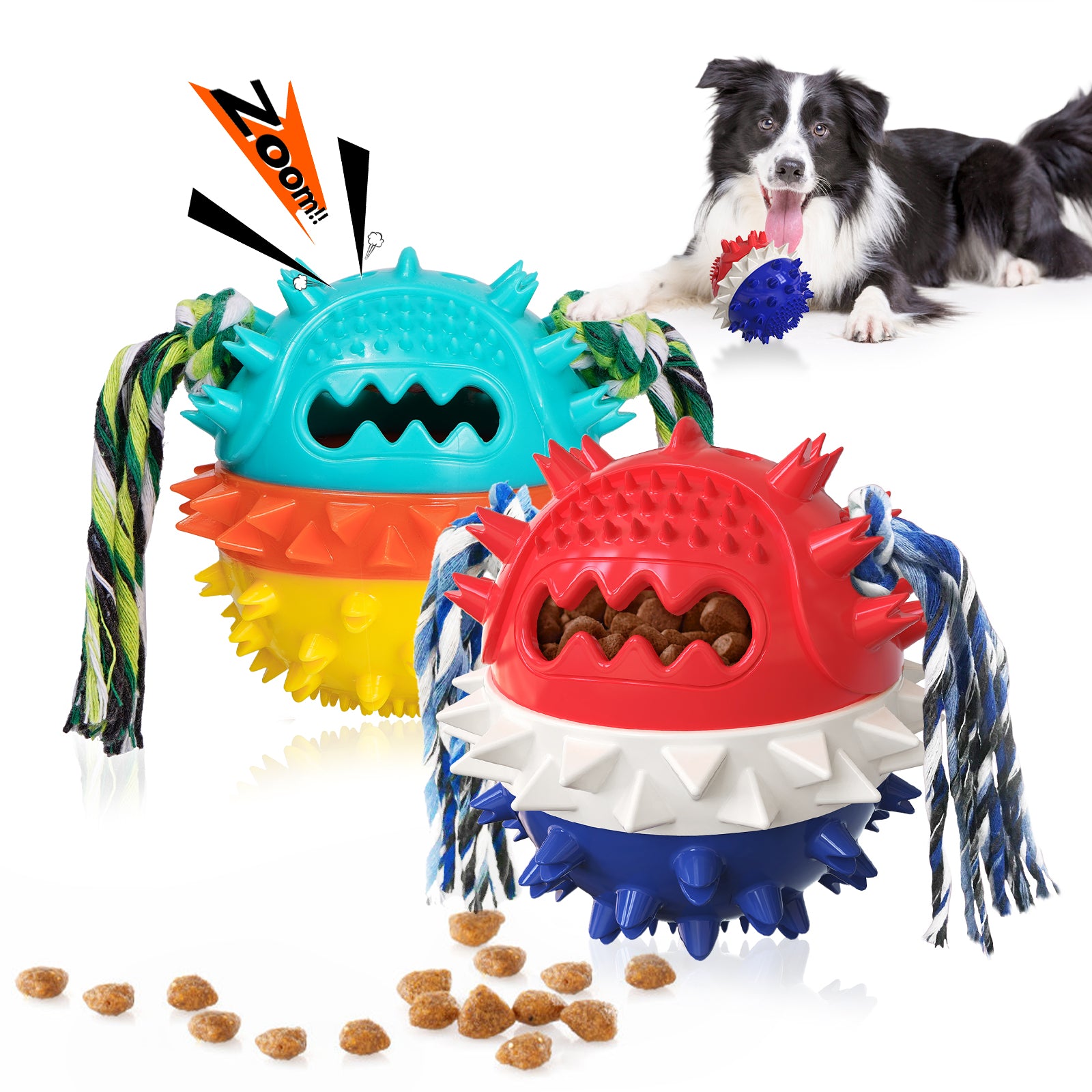
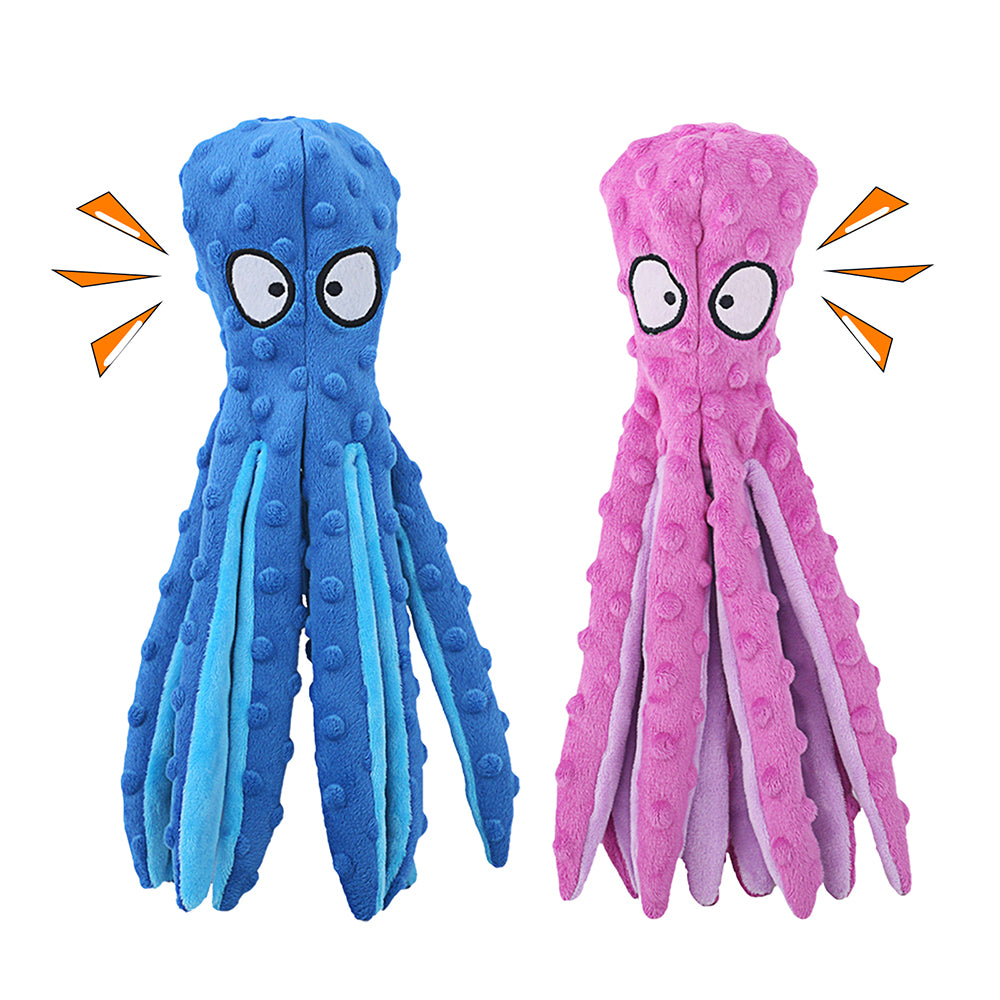
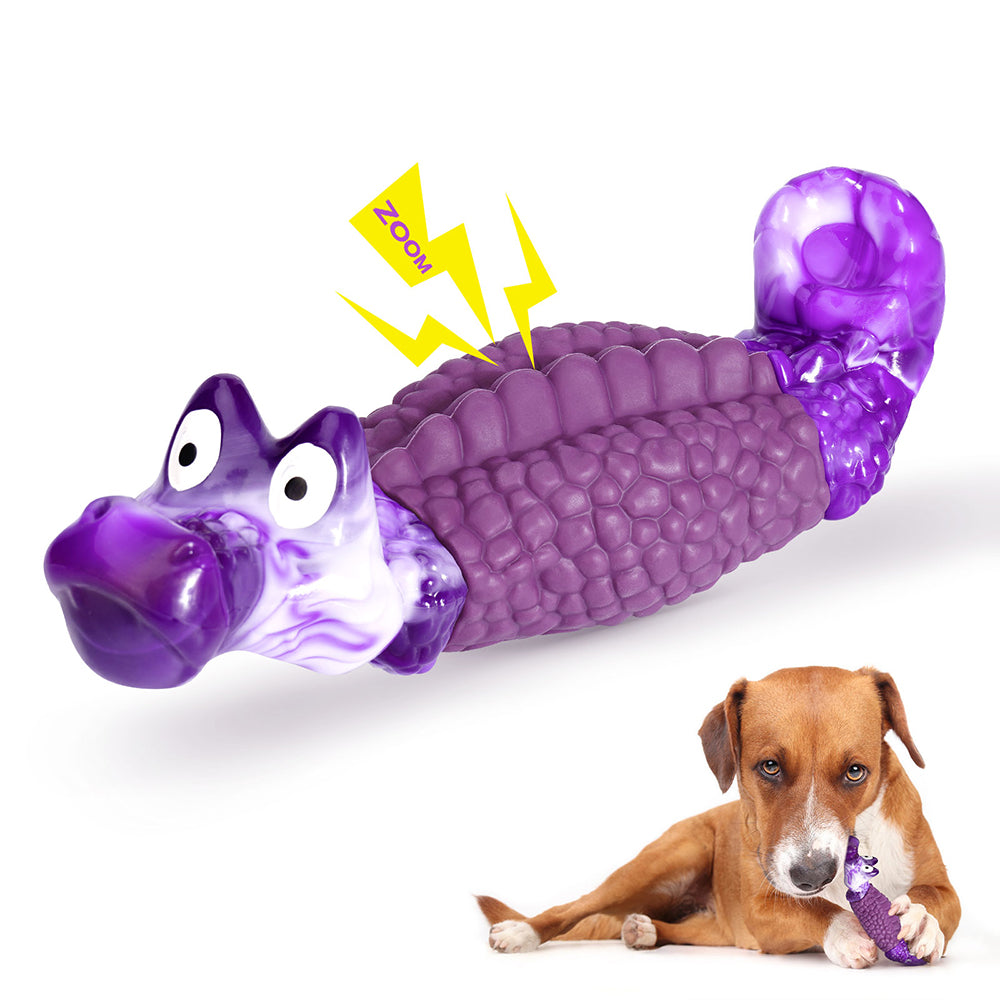
- Add more indoor activities.
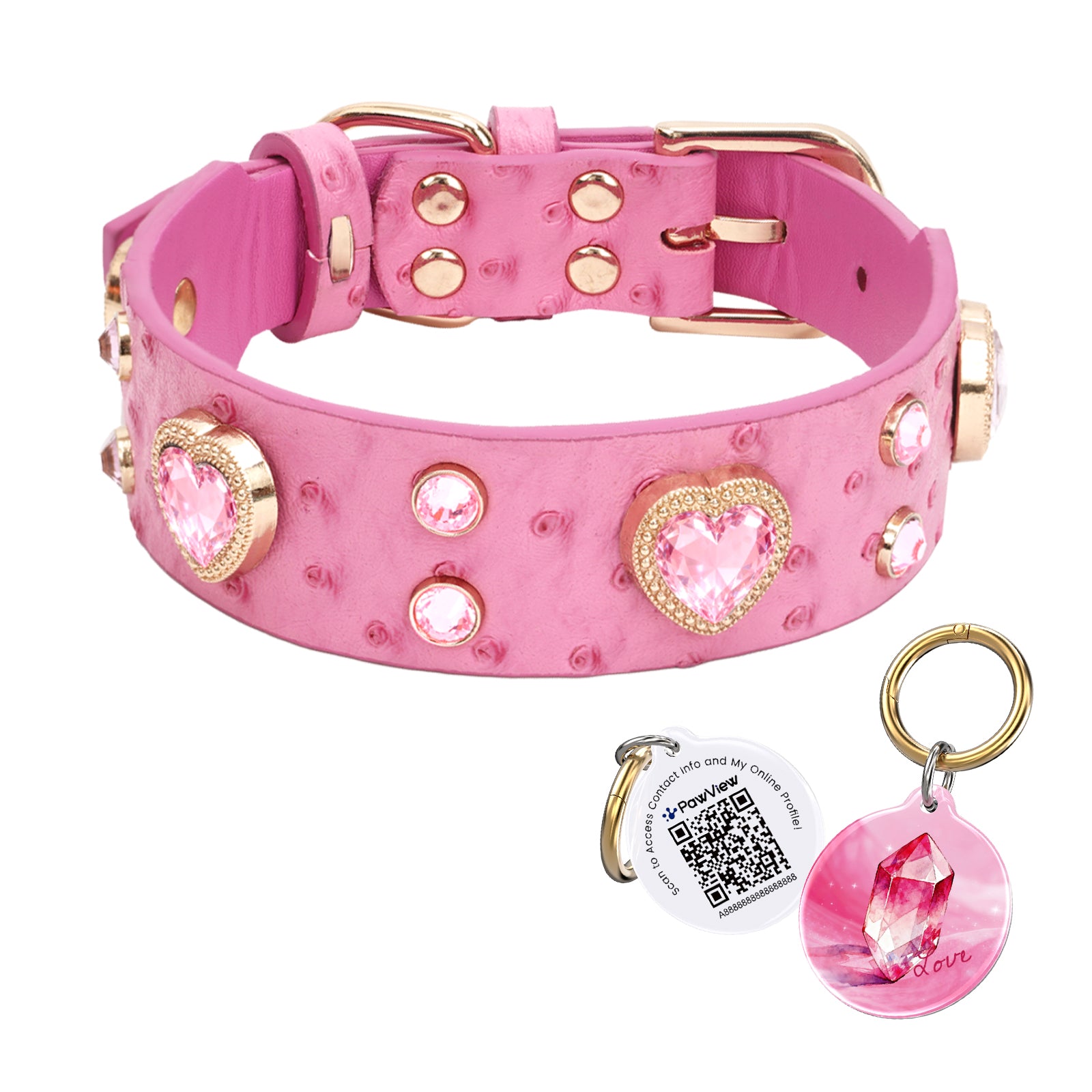
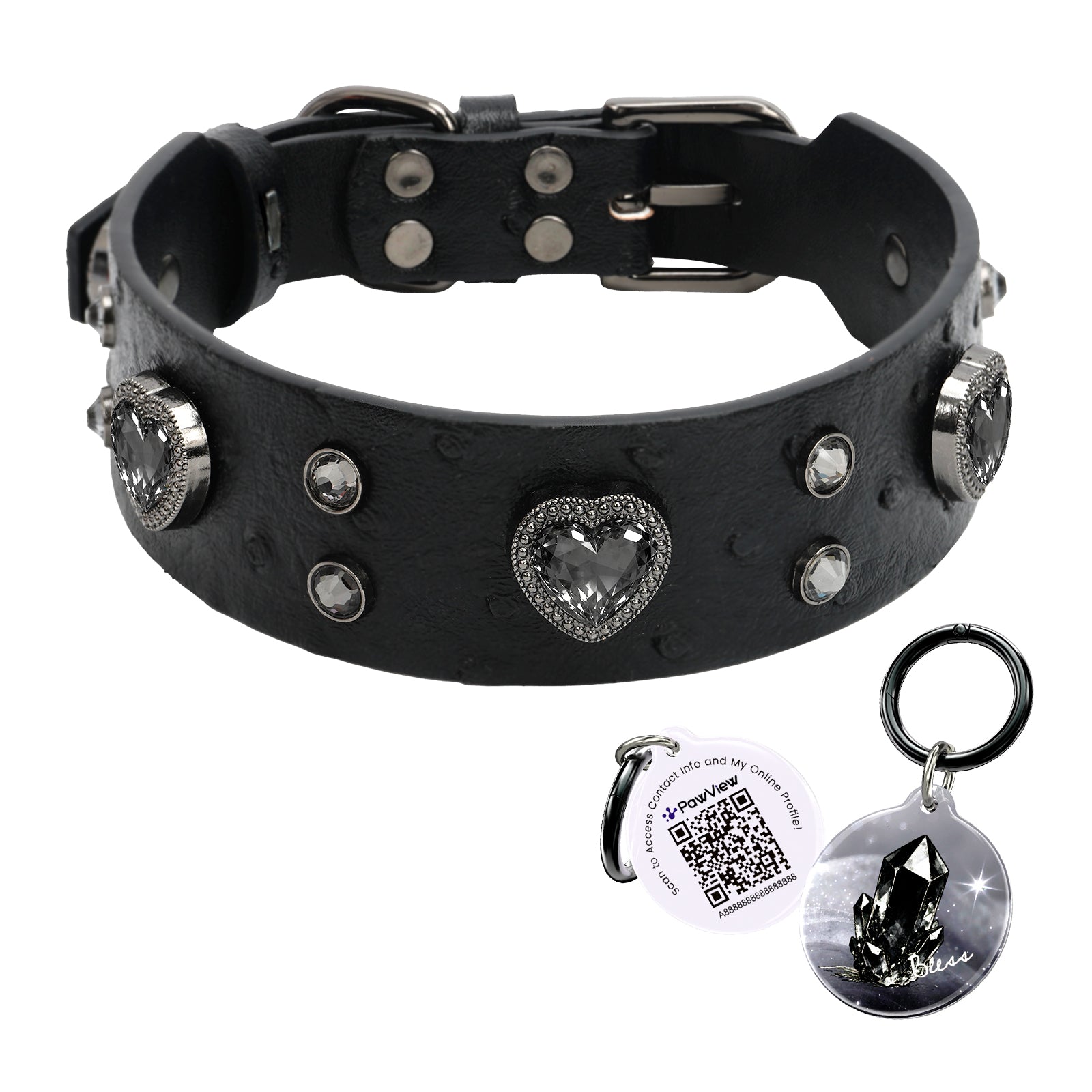
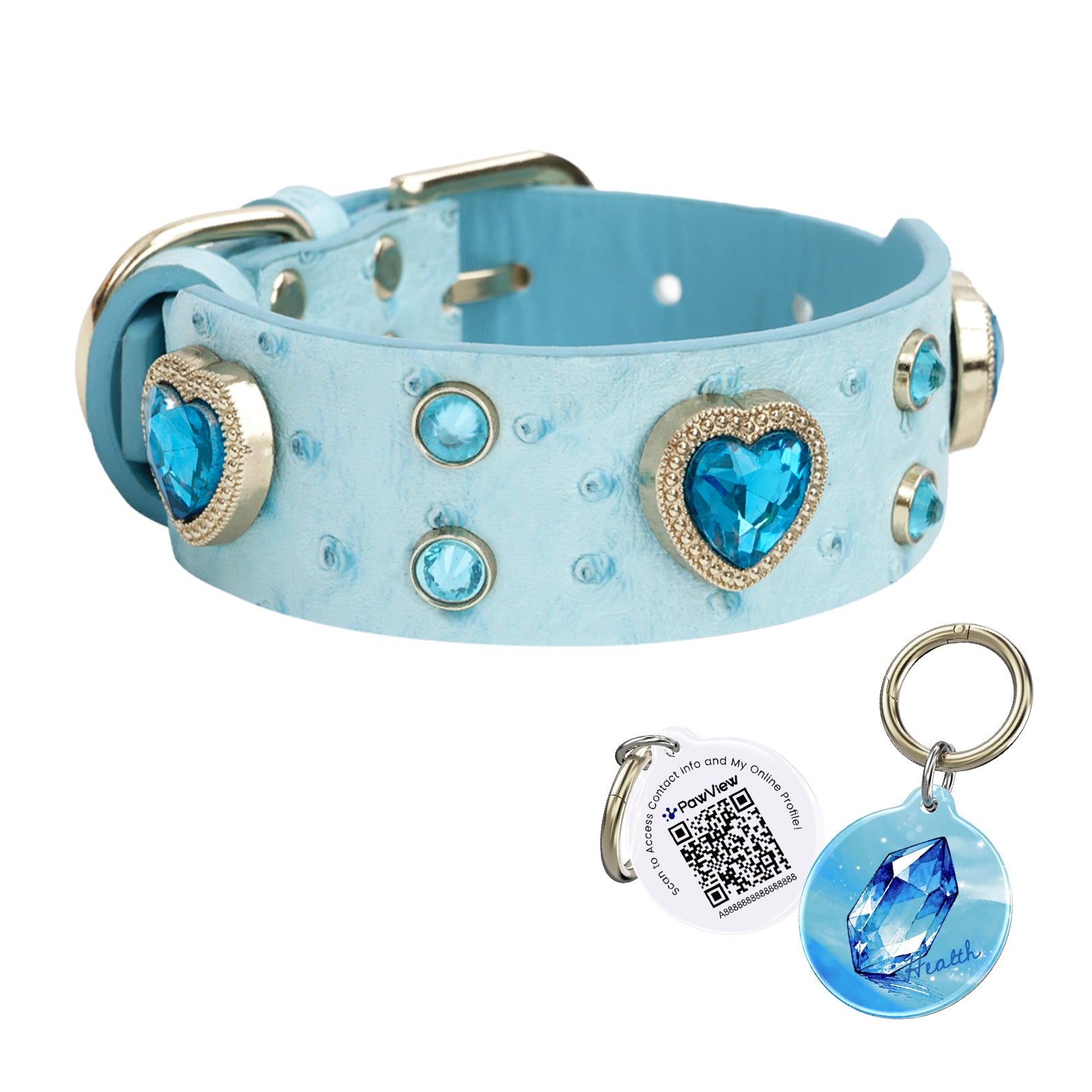
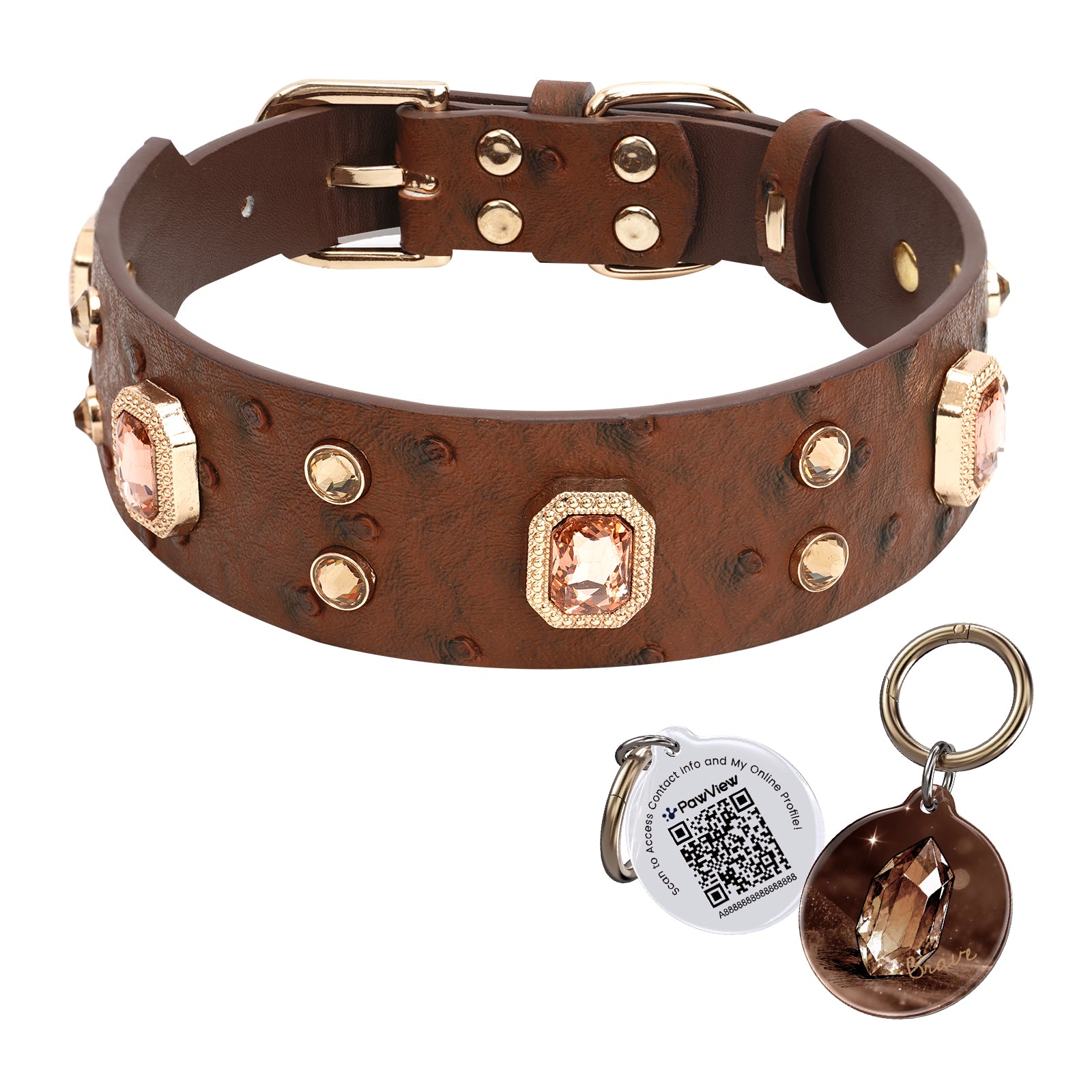
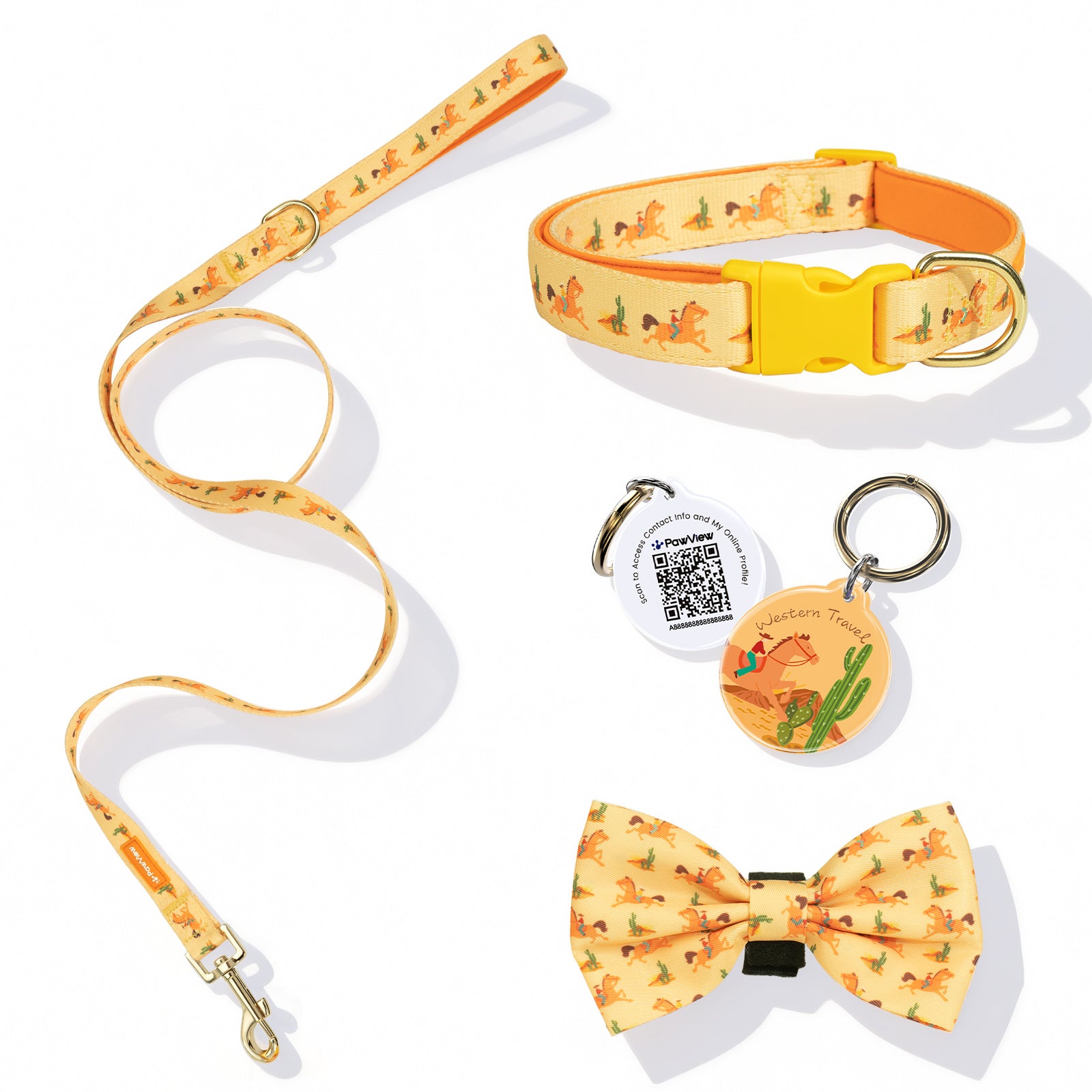
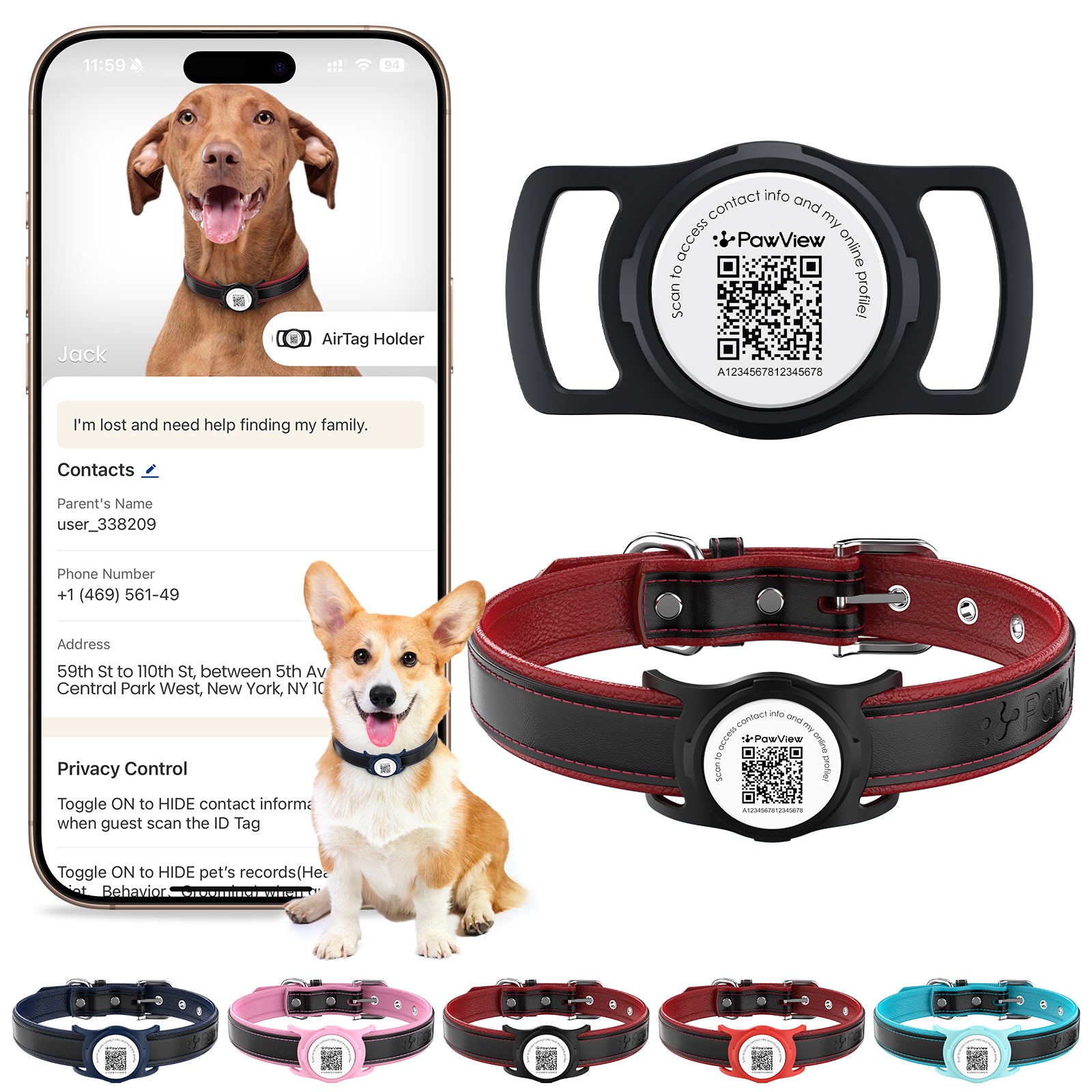
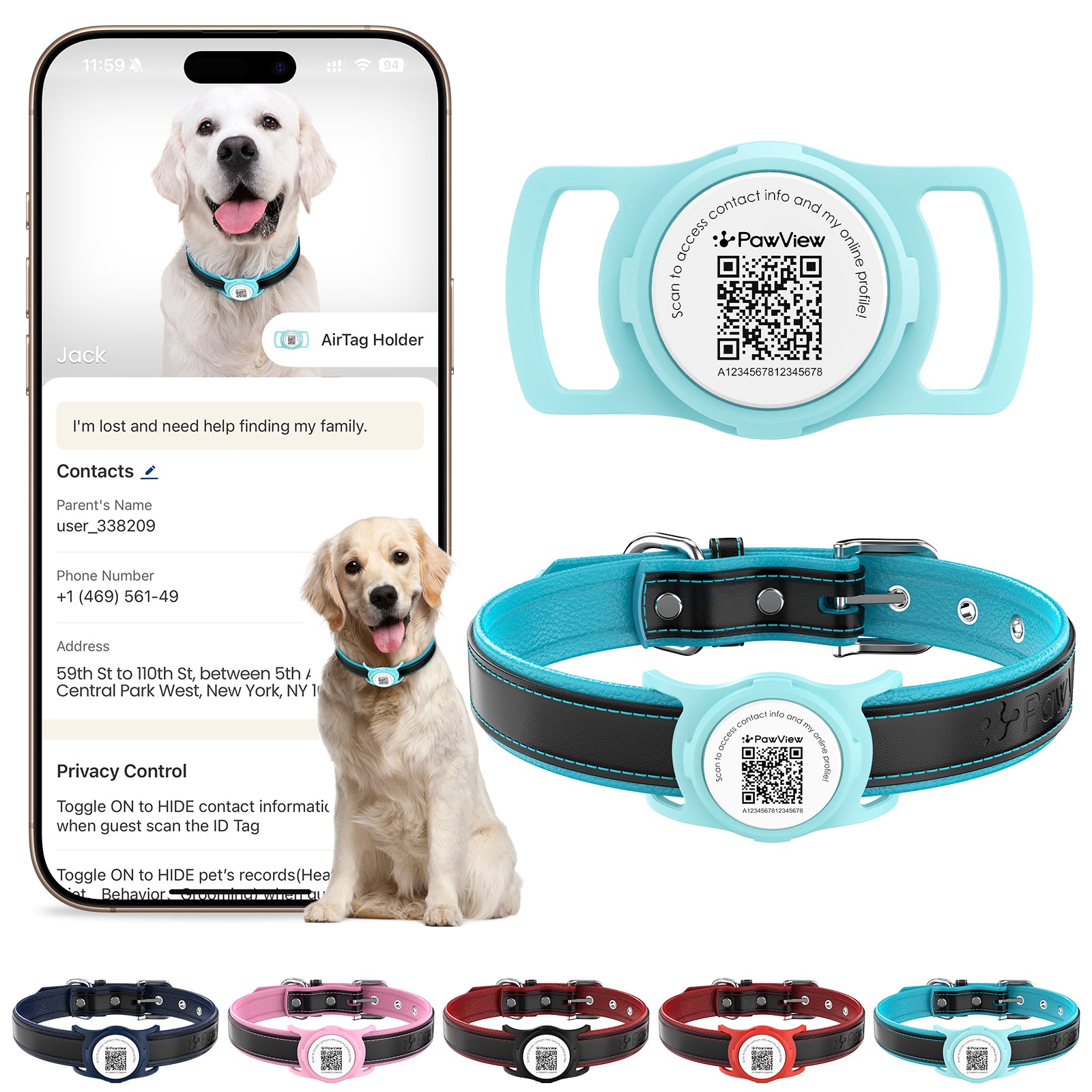
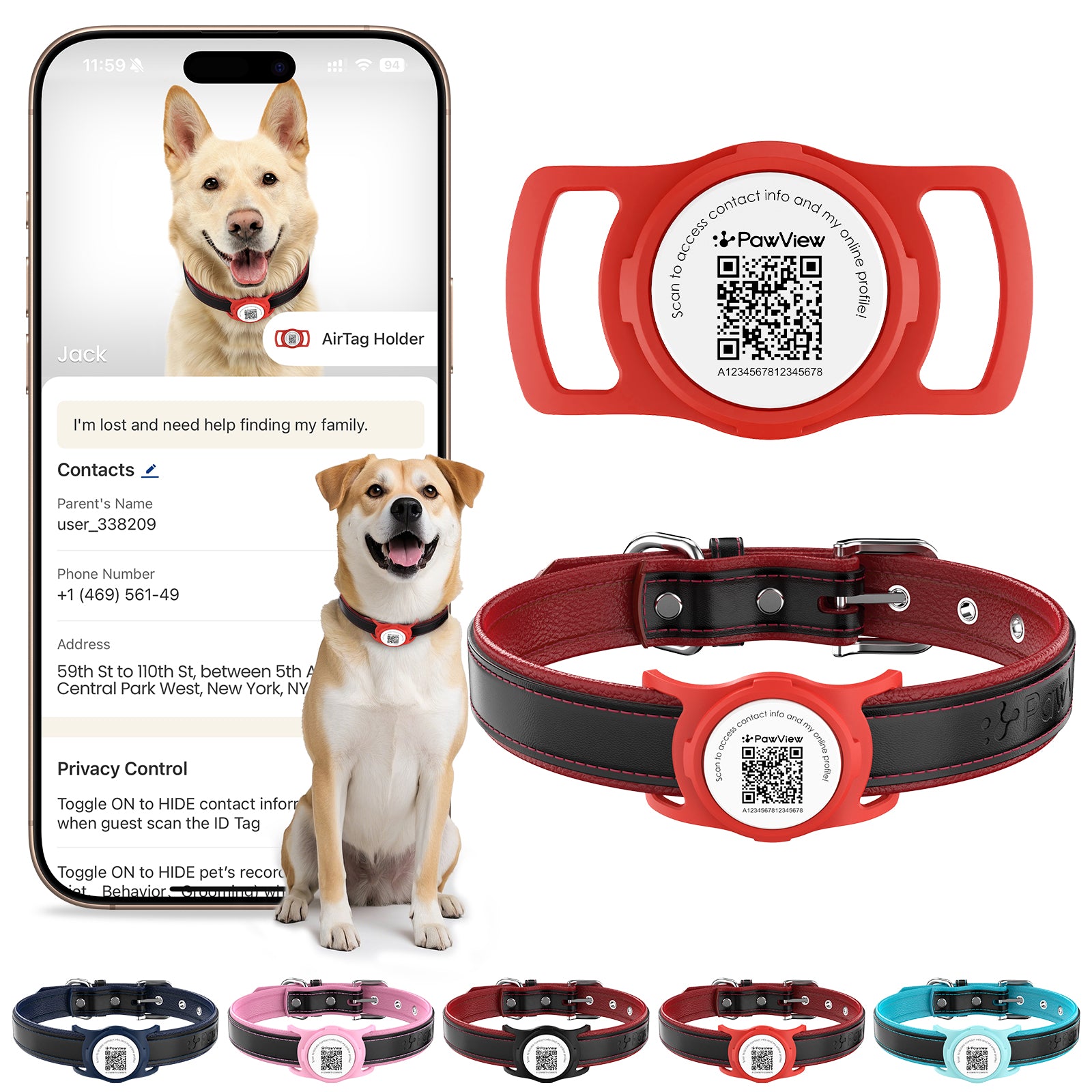
- Don’t Forget ID Tags
Veterinarians also recommend making sure pets wear ID tags during winter months. Snow and ice can make it easier for dogs to lose their scent and wander away from home.


