





Why Toys Are Important for Dogs
For many dogs, toys are much more than simple entertainment. They help satisfy natural instincts, provide mental stimulation, and prevent boredom when your dog is at home.
Dogs evolved from hunters and explorers. Even though modern dogs live comfortably with their families, those instincts are still there. Toys give dogs a healthy outlet for behaviors like chewing, chasing, and exploring.
But here’s something many dog owners don’t realize: one toy is usually not enough. Different toys serve different purposes, and offering a variety can make a big difference in your dog’s happiness and behavior.
Let’s look at why dogs benefit from different types of toys.
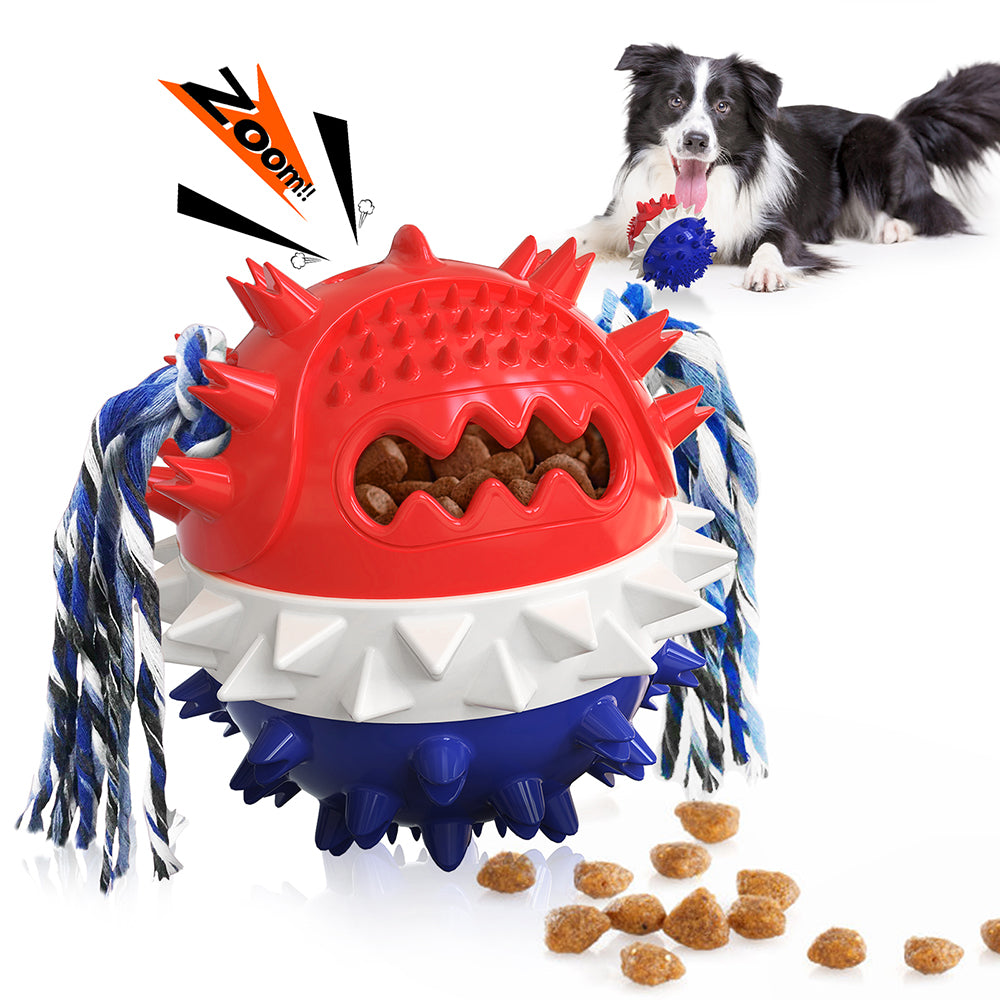
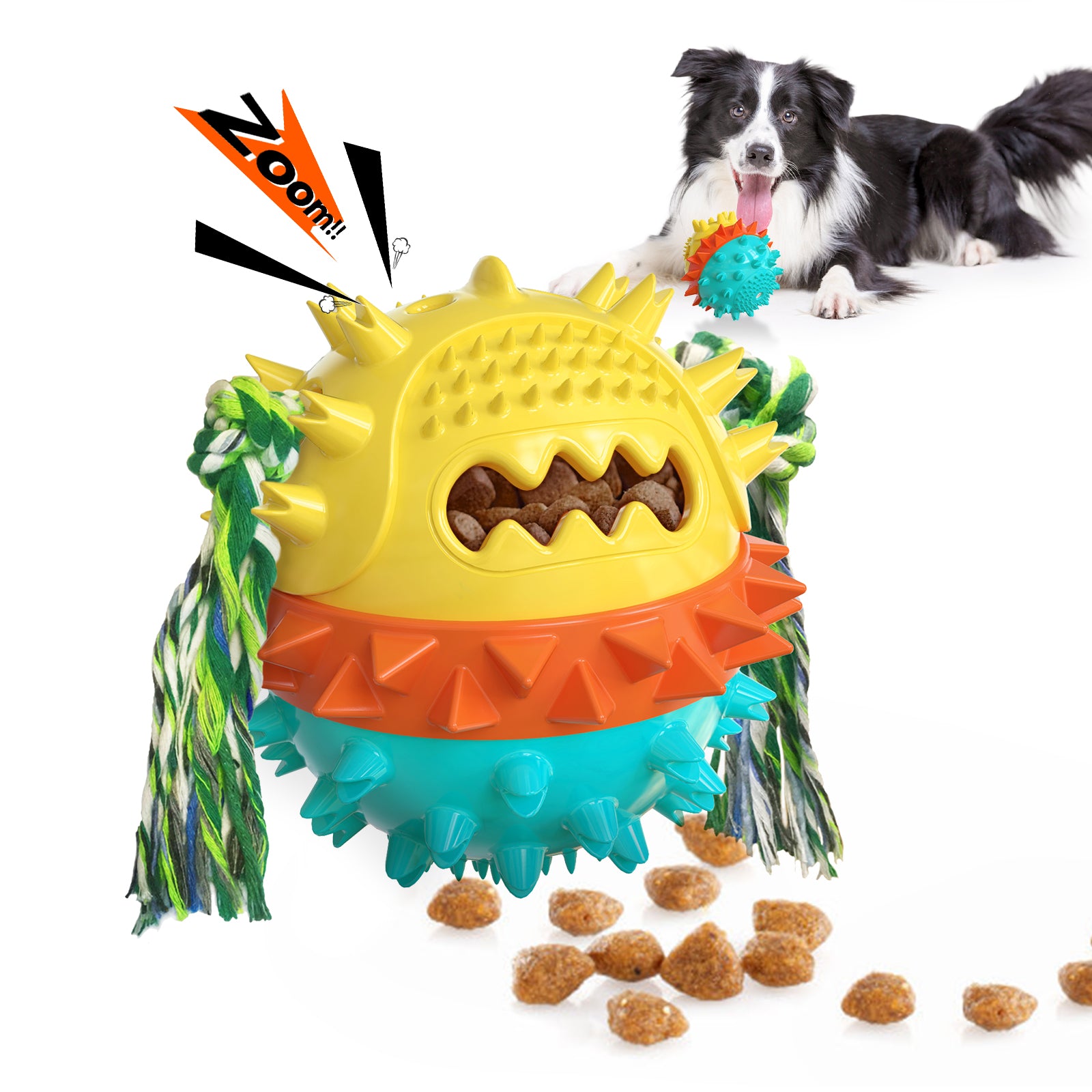
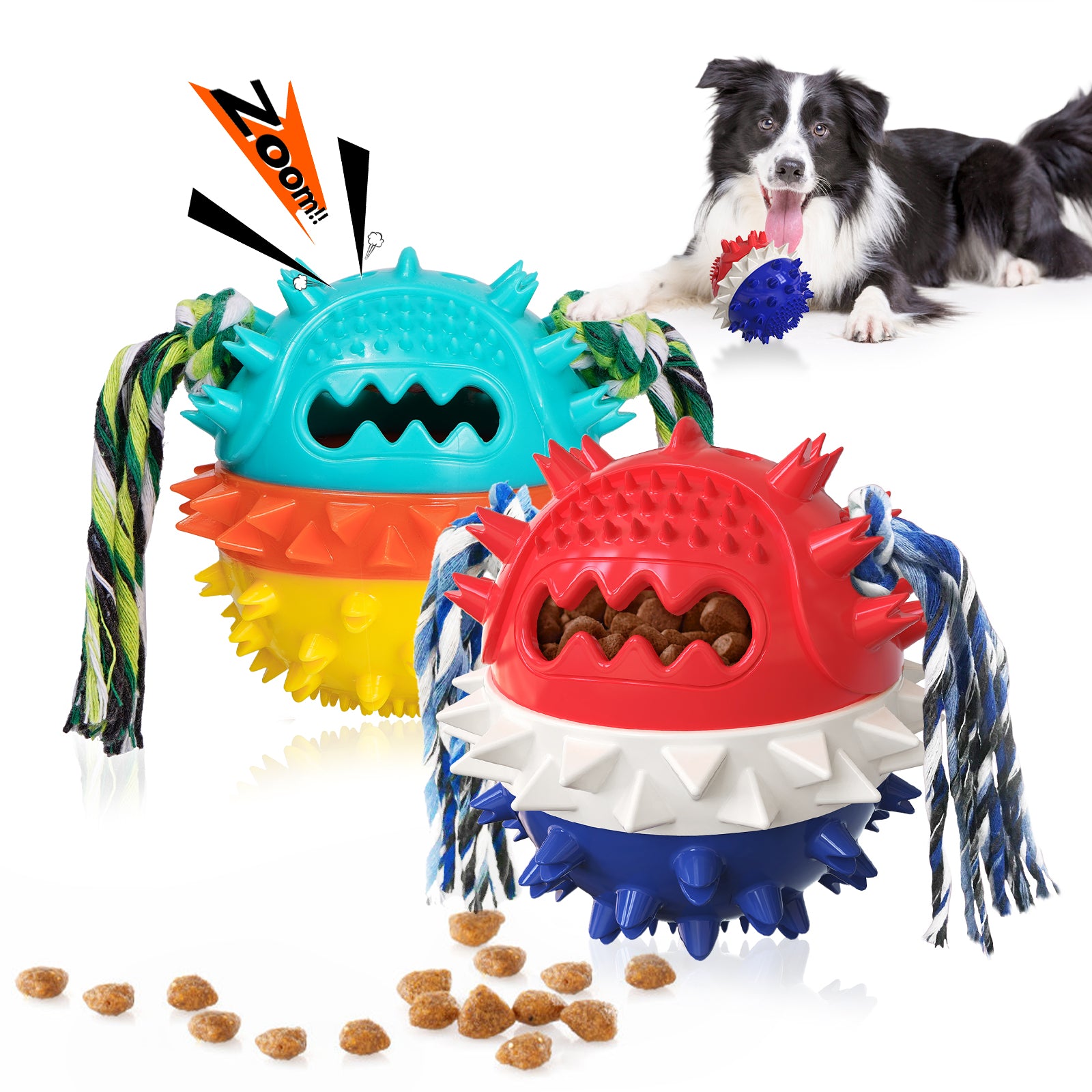
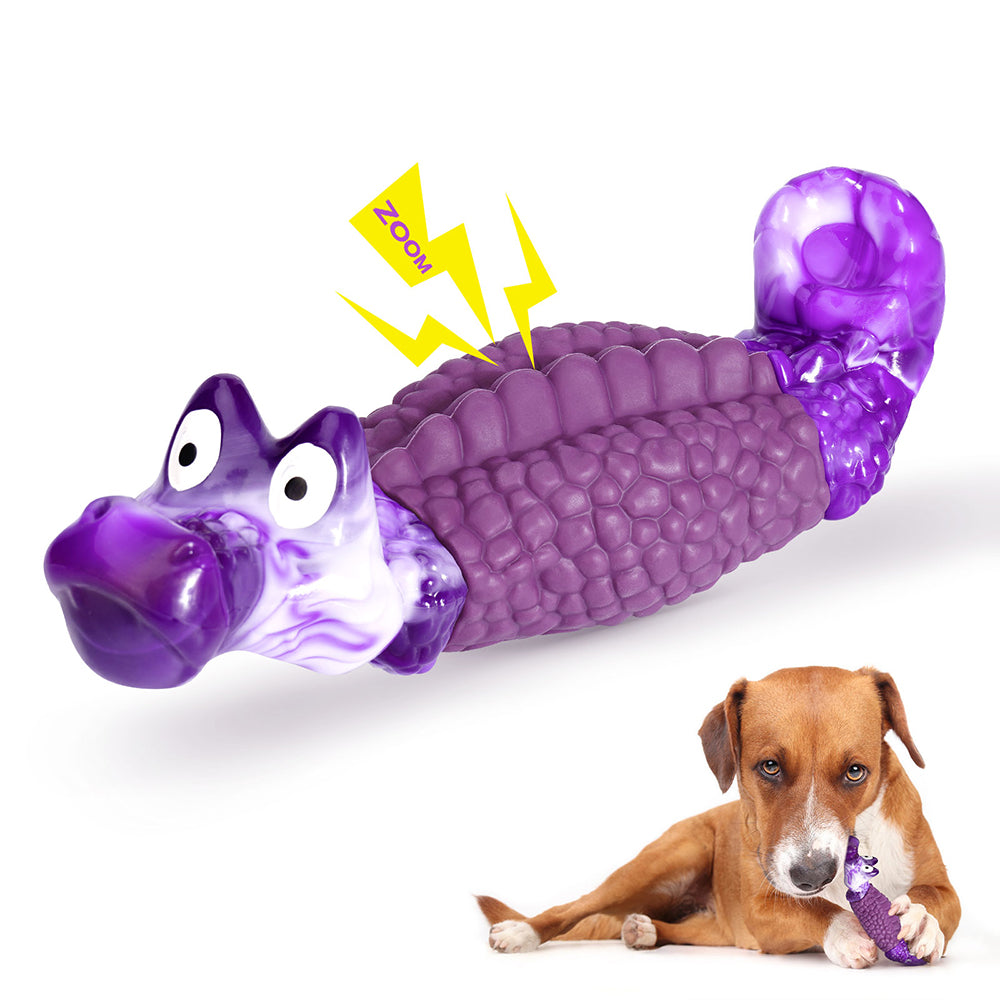
Chew Toys: Supporting a Dog’s Natural Chewing Instinct
Chewing is one of the most natural behaviors for dogs. Puppies chew while teething, and adult dogs chew to relieve stress, stay occupied, and keep their jaws strong.
Providing appropriate chew toys helps redirect this instinct toward something safe instead of furniture, shoes, or household items.
Good chew toys can:
-
Help relieve boredom
-
Reduce destructive chewing
-
Support dental health
-
Provide a calming activity
For dogs that love to chew frequently, durable chew toys designed specifically for dogs can help keep them engaged while protecting your belongings.
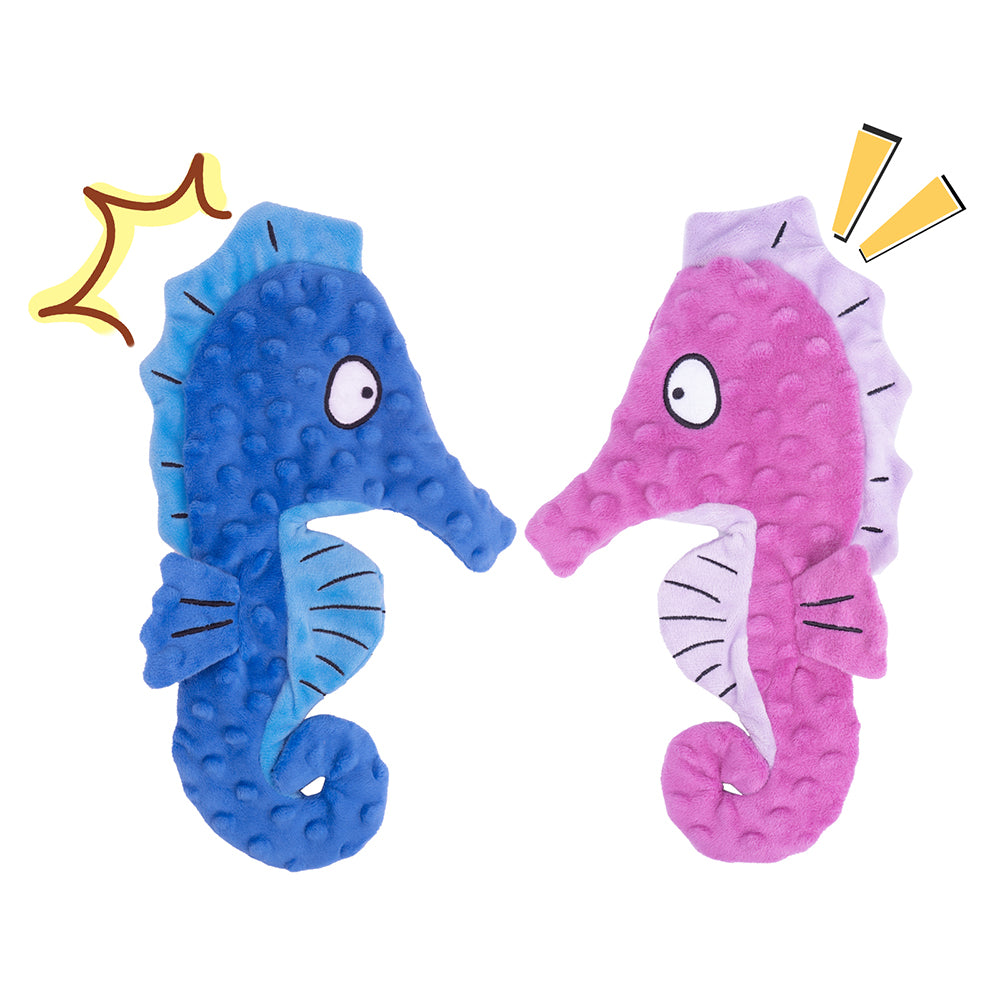
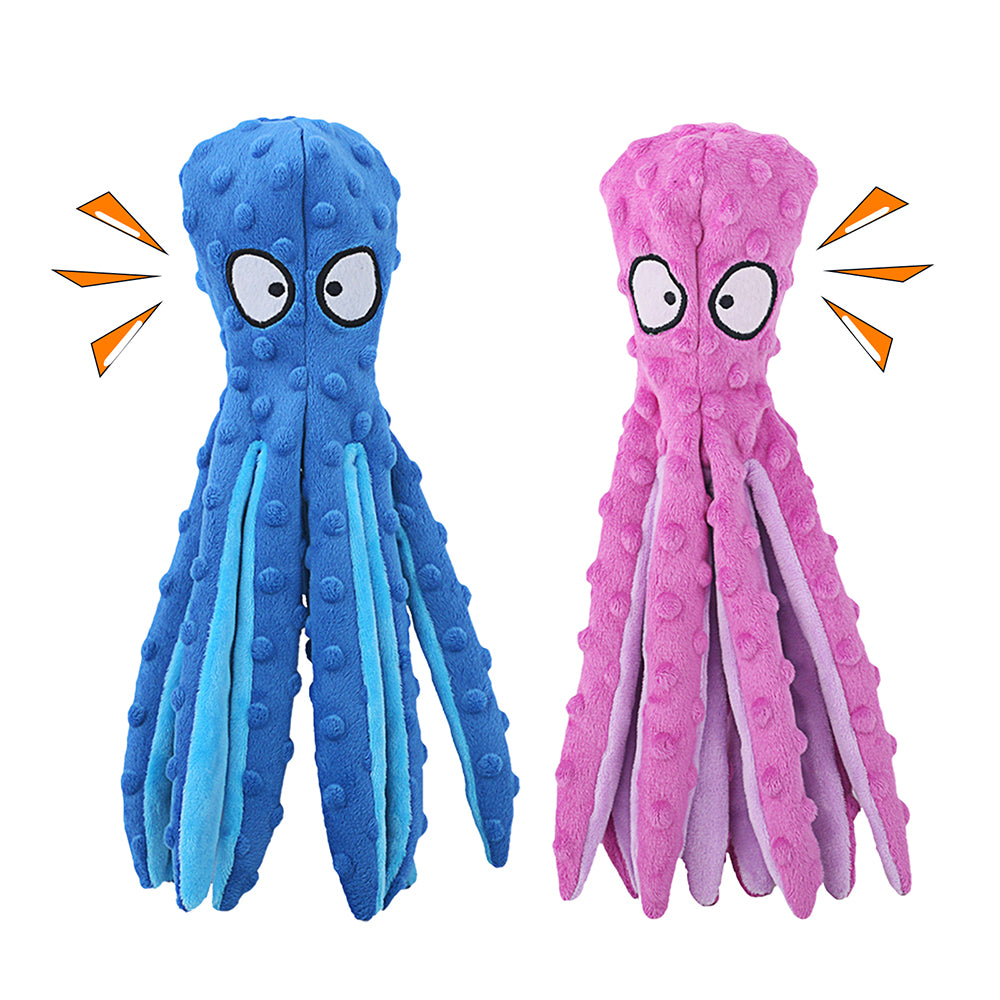
Plush Toys: Comfort and Gentle Play
Not all dogs want to chew aggressively. Some dogs prefer softer toys that they can carry, cuddle, or gently play with.
Plush dog toys often trigger a dog’s hunting and nurturing instincts. Many dogs enjoy carrying plush toys around the house, tossing them in the air, or snuggling with them while resting.
Plush toys can be especially great for:
-
Puppies learning to play
-
Dogs that enjoy comfort objects
-
Light play and indoor games
For many dogs, a soft plush toy becomes a favorite companion.
Why Dogs Love Squeaky and Crinkle Toys
If you’ve ever given your dog a toy that squeaks or makes a crinkling sound, you’ve probably noticed how quickly it grabs their attention.
These sounds are not random. For many dogs, squeaky toys and crinkle toys trigger natural hunting instincts. The high-pitched squeak can mimic the sound of small prey animals, while crinkling textures add extra stimulation during play.
That’s why many dogs become especially excited when playing with toys that make noise.
Toys with squeakers or crinkle paper can provide several benefits:
-
Encourage interactive play
-
Keep dogs mentally stimulated
-
Make playtime more exciting
-
Help satisfy natural hunting instincts
For dogs that enjoy active play, plush toys with squeakers or crinkle sounds can be a great option. The added sound makes the toy more engaging and often encourages longer play sessions.
As always, it’s a good idea to choose toys that match your dog’s size, play style, and chewing strength.
Balls: Perfect for Exercise and Energy Release
For active dogs, balls are one of the best toys for physical activity. Fetch games help dogs release energy while strengthening the bond between dogs and their owners.
Playing with balls encourages natural chasing behavior and can help dogs stay physically fit.
Ball toys are ideal for:
-
Outdoor play
-
High-energy dogs
-
Training and recall exercises
-
Interactive games with owners
Regular play sessions with a ball can also help reduce behavioral issues that come from excess energy.
Why Toy Variety Keeps Dogs Happier
Imagine playing with the exact same toy every day for months. Eventually, it would probably become boring.
Dogs can experience the same thing. That’s why many trainers recommend rotating toys rather than leaving all toys out at once.
Toy rotation can:
-
Keep dogs interested in their toys
-
Provide new stimulation
-
Reduce boredom
-
Encourage healthier play habits
For example, you might keep a few toys available during the week and rotate others every few days. When an old toy “reappears,” it suddenly feels new and exciting again.
Choosing Toys Based on Your Dog’s Play Style
Every dog has a different personality and play style. Some dogs love chewing for long periods, while others prefer chasing or carrying toys.
When choosing toys, consider:
-
Your dog’s size and strength
-
Their chewing habits
-
Their activity level
-
Whether they prefer solo play or interactive games
A balanced toy collection might include a chew toy for independent play, a plush toy for gentle fun, and a ball for exercise and outdoor activities.
This variety helps support both your dog’s mental and physical needs.
Final Thoughts
Toys are more than just entertainment for dogs—they play an important role in supporting healthy behaviors, mental stimulation, and daily exercise.
Because dogs have different instincts and play styles, offering a variety of toys can make playtime much more enriching. Chew toys help satisfy natural chewing needs, plush toys provide comfort and gentle play, squeaky or crinkle toys add excitement through sound, and ball toys encourage active games like fetch.
Instead of relying on just one favorite toy, rotating different types of toys can help keep your dog curious, engaged, and happy.
With the right mix of toys, playtime becomes not only more fun—but also a meaningful way to support your dog’s physical and mental well-being.


