















Chewing furniture is a common problem for many dog owners. Whether it’s your sofa, dining chairs, or shoes, a dog that chews destructively can cause frustration and stress at home. Fortunately, with the right strategies and tools, you can help your dog develop healthier habits while keeping your furniture safe.
Why Dogs Chew Furniture
Understanding why your dog chews is the first step toward solving the problem. Common reasons include:
- Puppy teething – Young dogs chew to relieve discomfort in their gums.
- Boredom or lack of mental stimulation – Dogs left alone or under-stimulated often turn to furniture for entertainment.
- Anxiety or stress – Separation anxiety or sudden changes in the household can trigger destructive chewing.
- Excess energy – Dogs that don’t get enough exercise may chew out of frustration or pent-up energy.
By identifying the root cause, you can address the problem more effectively and choose the right solutions.
Practical Tips to Stop Furniture Chewing
1. Provide Chew Toys and Interactive Toys
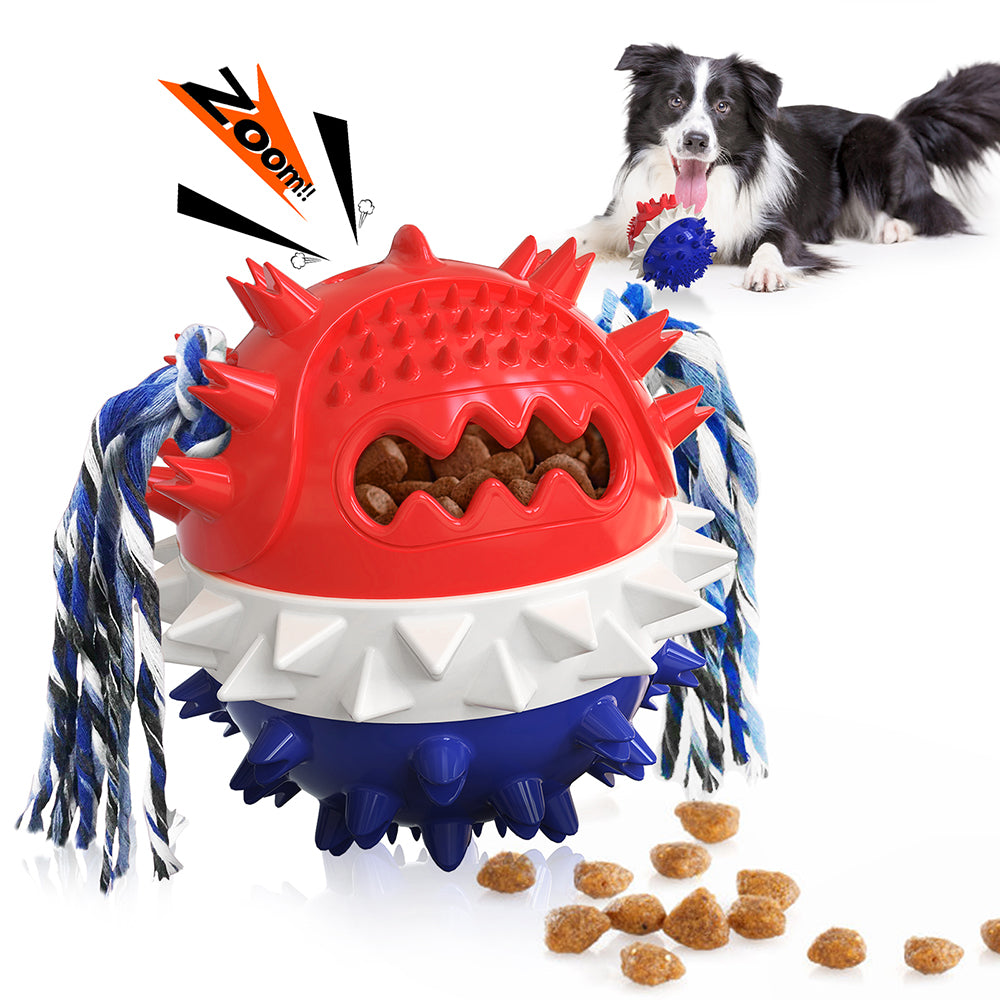
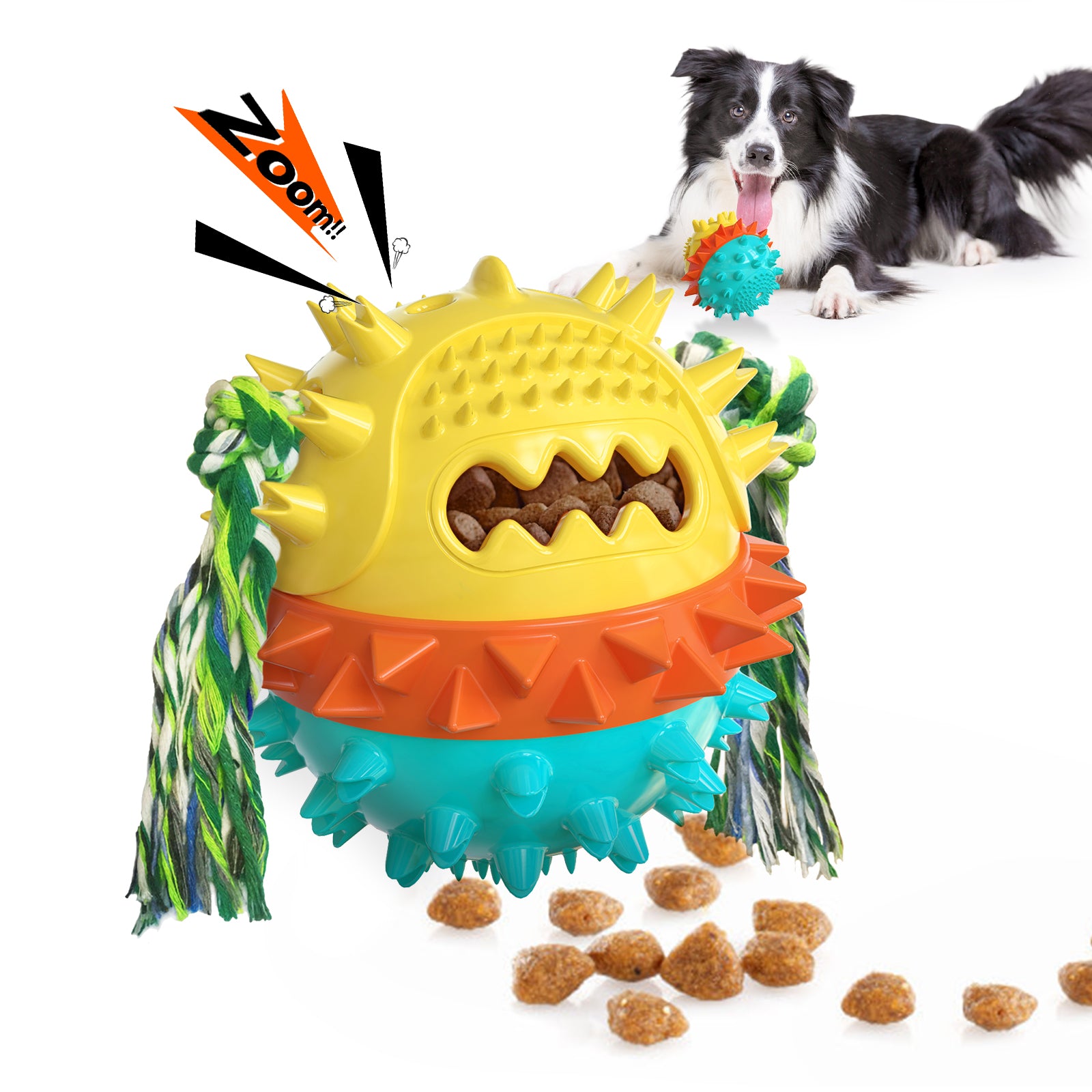
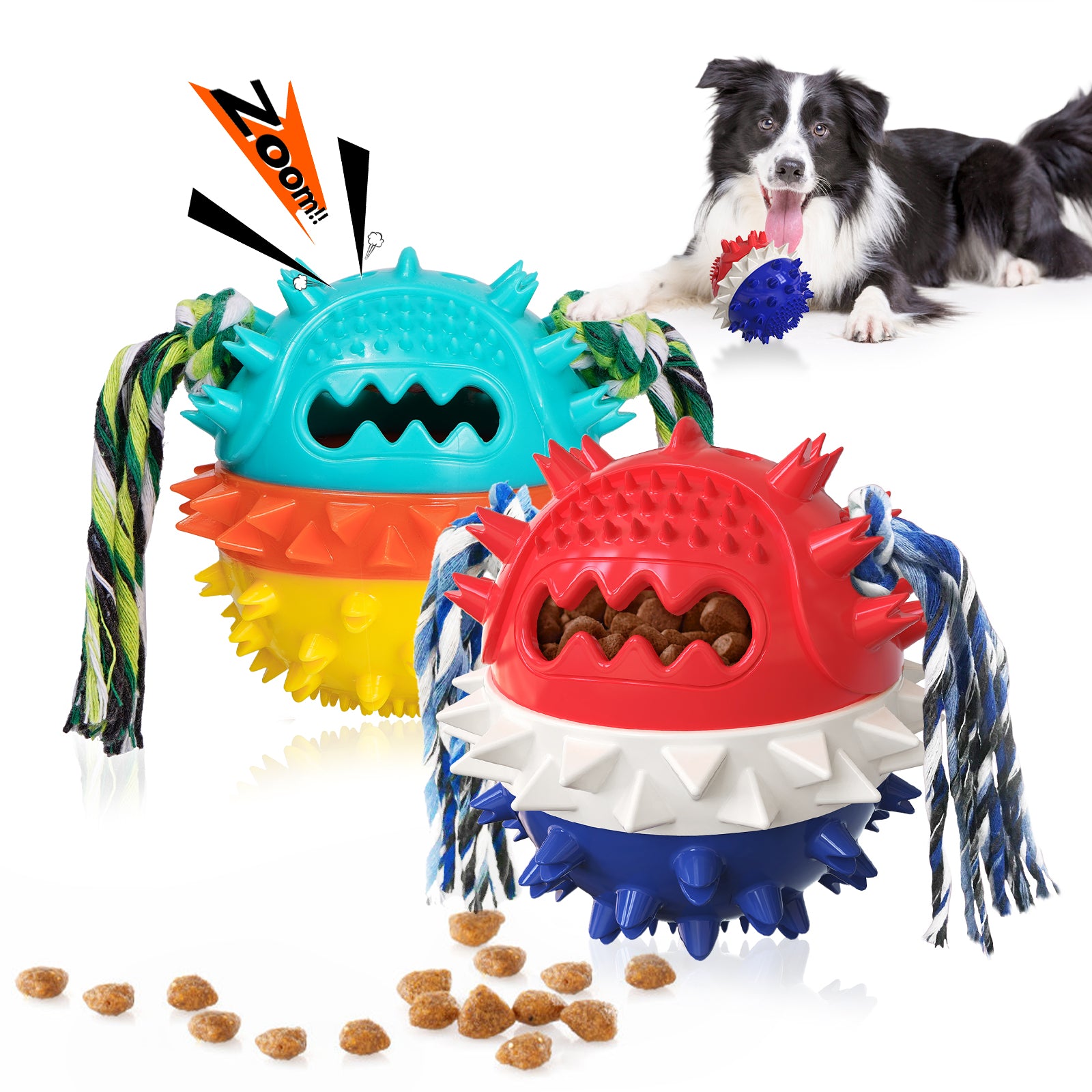
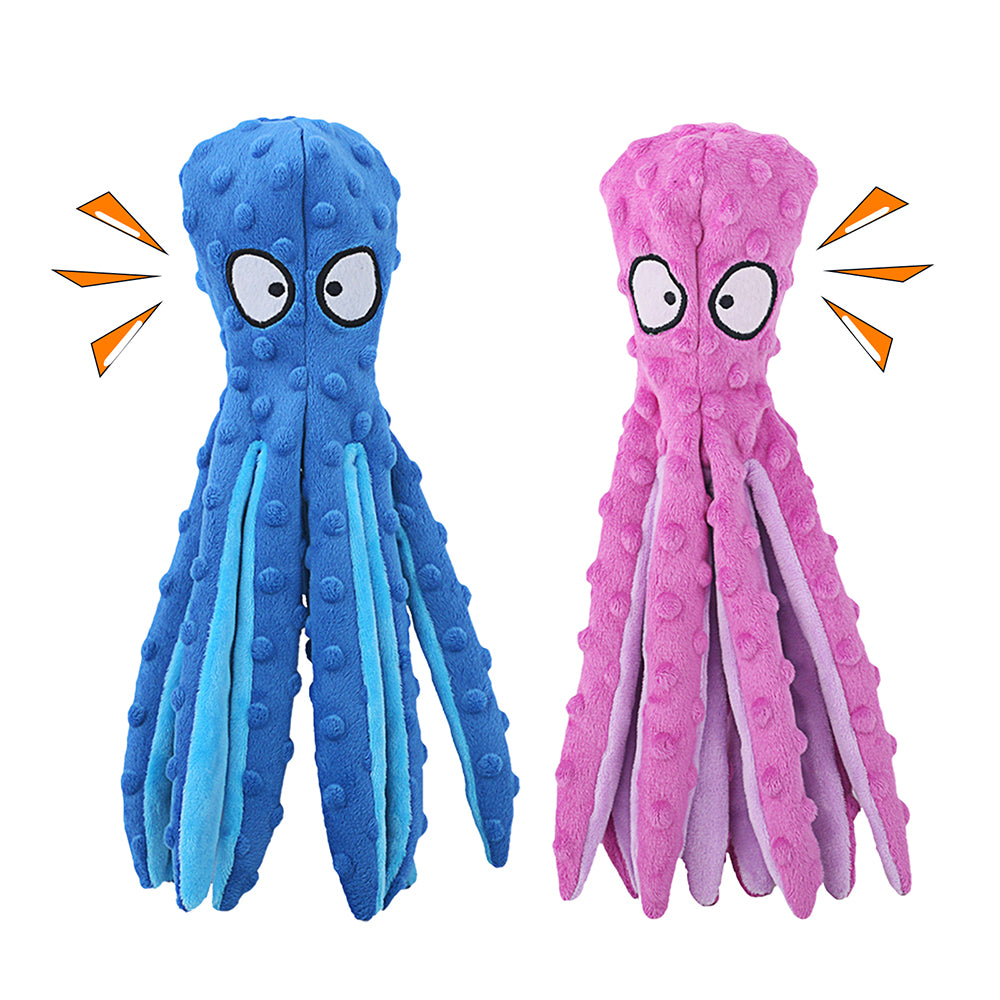
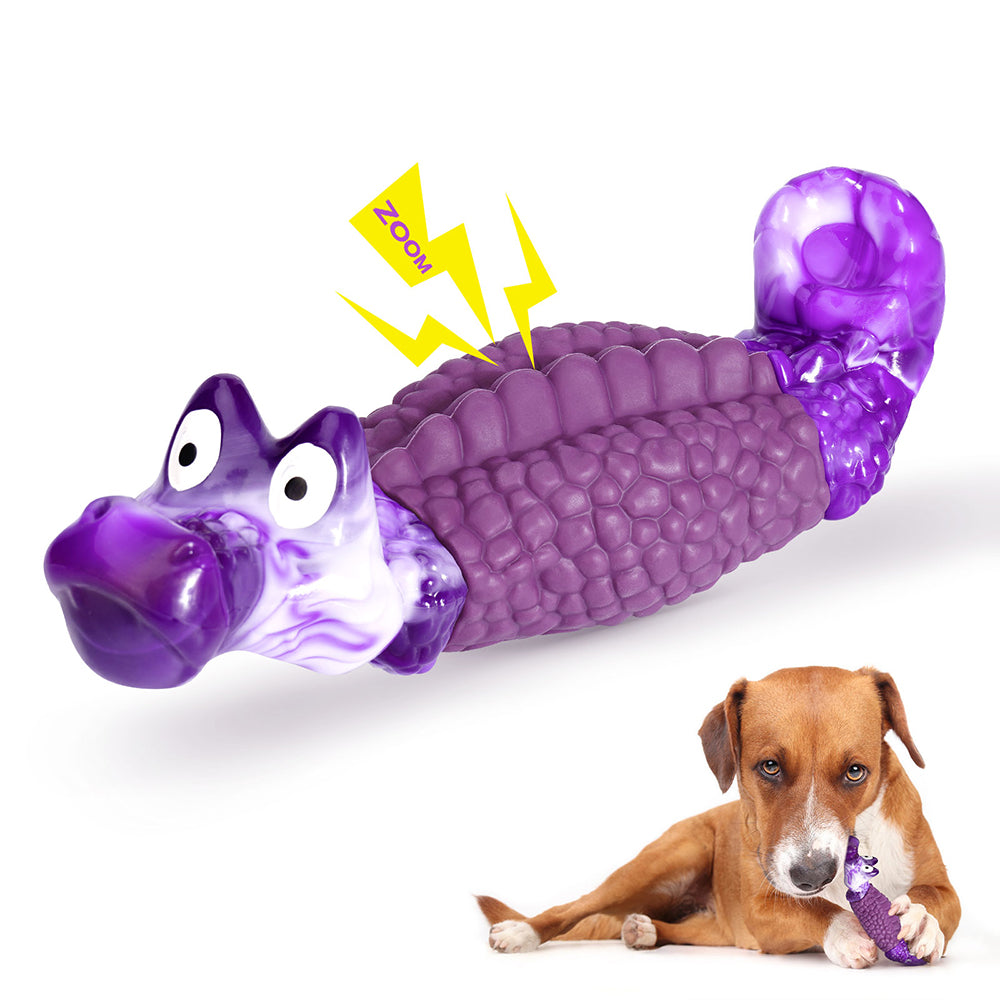
One of the most effective ways to prevent furniture chewing is to give your dog something appropriate to chew. Durable chew toys and interactive puzzle toys keep your dog engaged and redirect their chewing instincts away from your belongings.
Explore our range of Dog Toys designed to entertain dogs for hours while keeping them mentally stimulated.
2. Schedule Daily Walks and Outdoor Play
Exercise is key to reducing destructive behavior. A dog with plenty of energy is less likely to chew furniture. By taking your dog for daily walks or playing in the yard, you help them release energy in a healthy way.
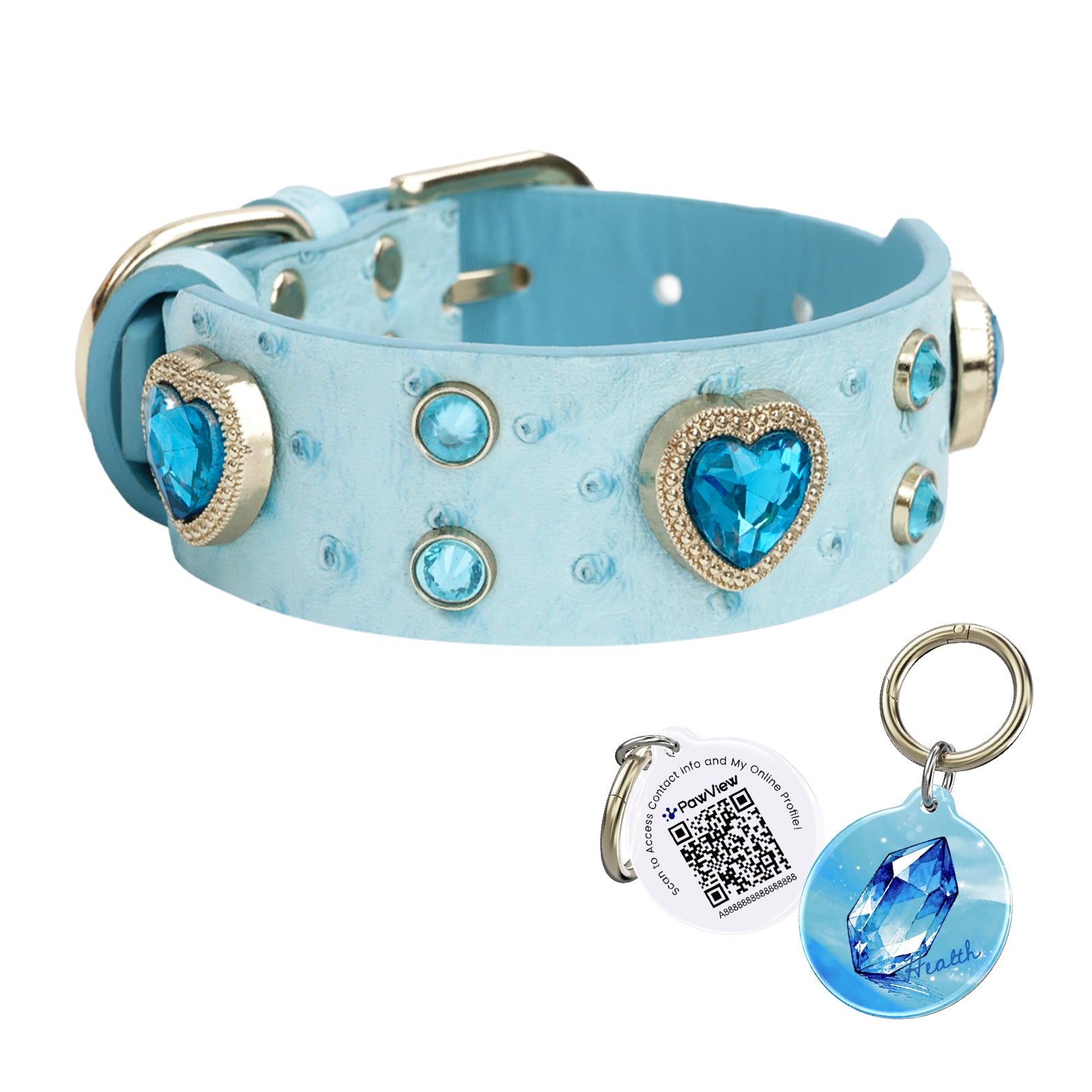
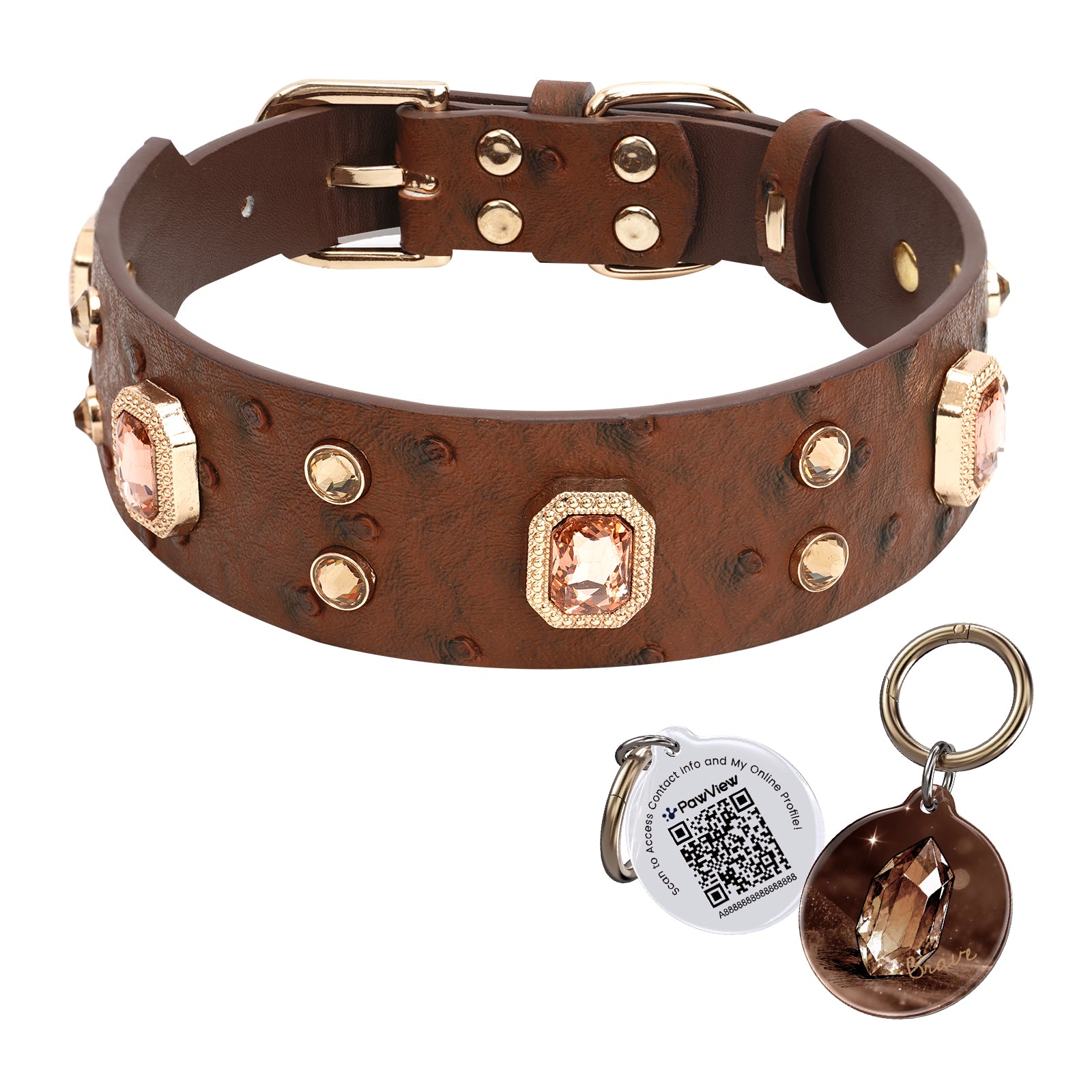
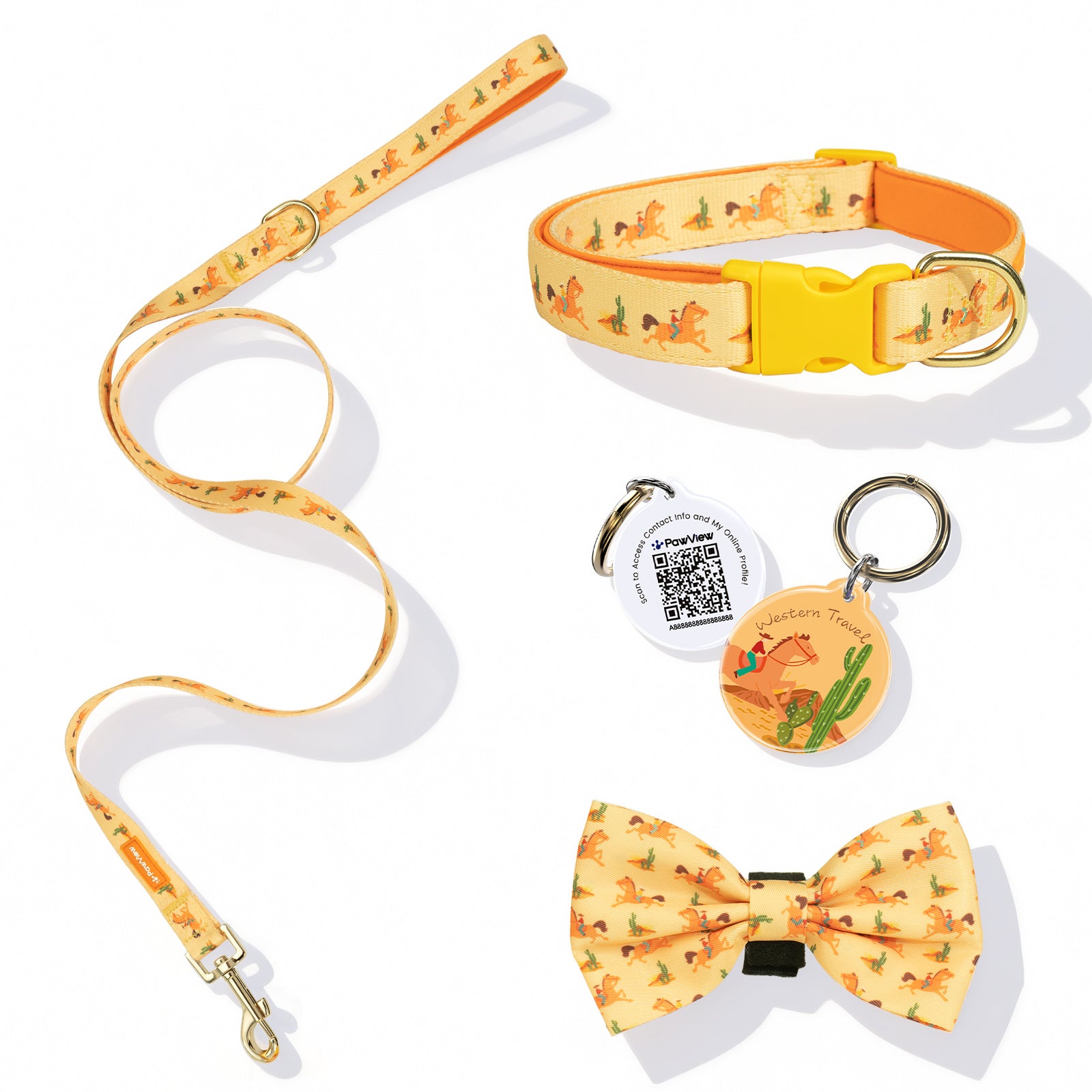
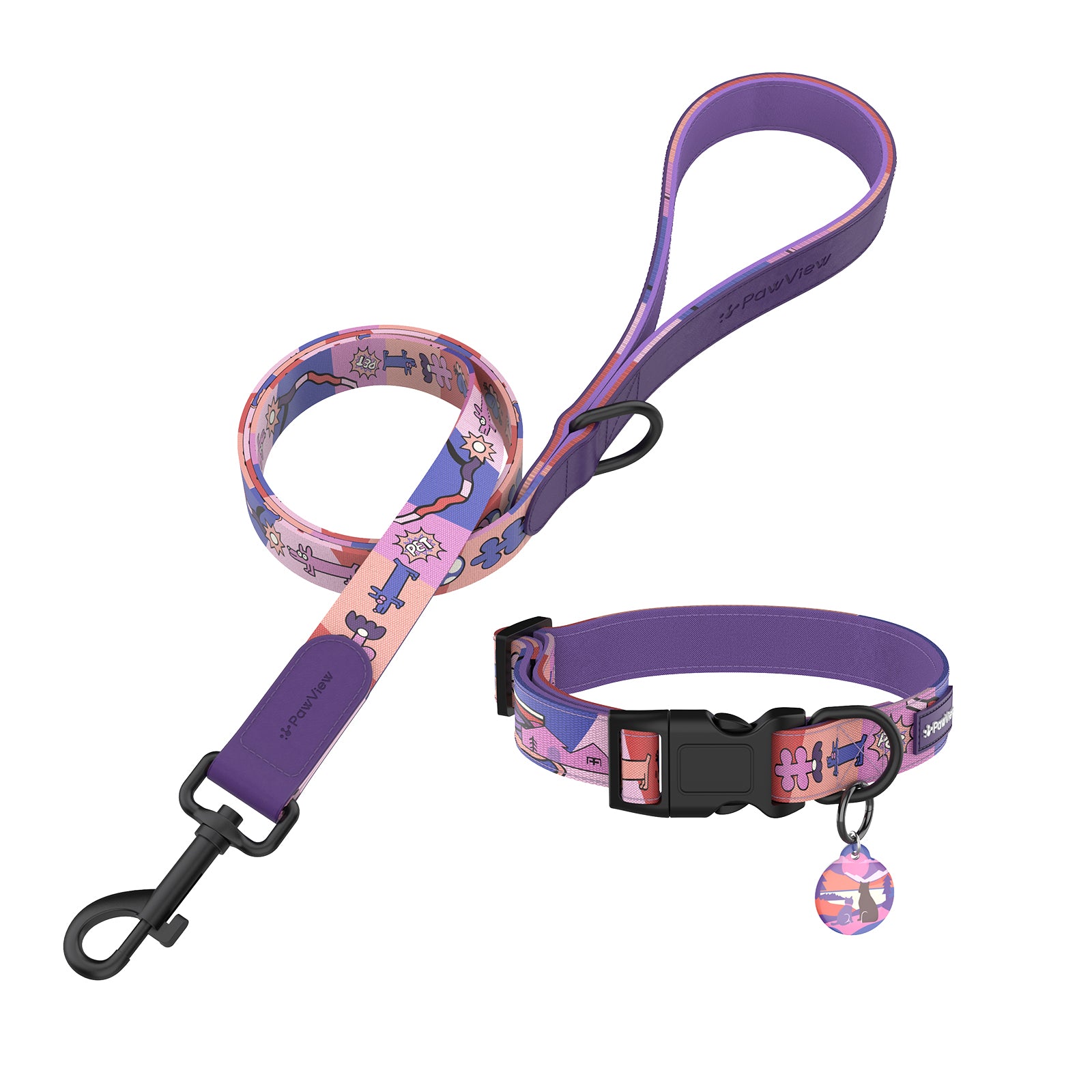
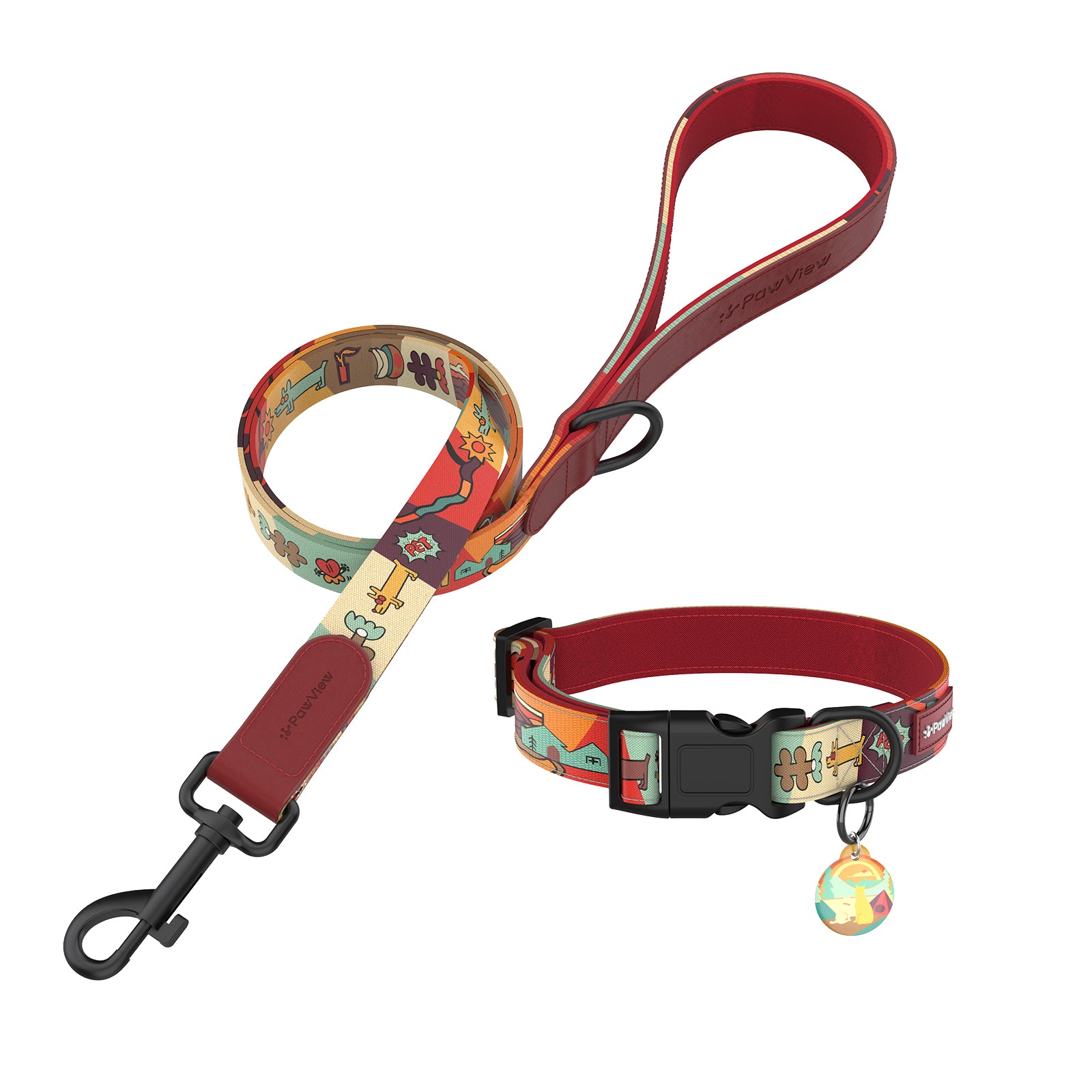
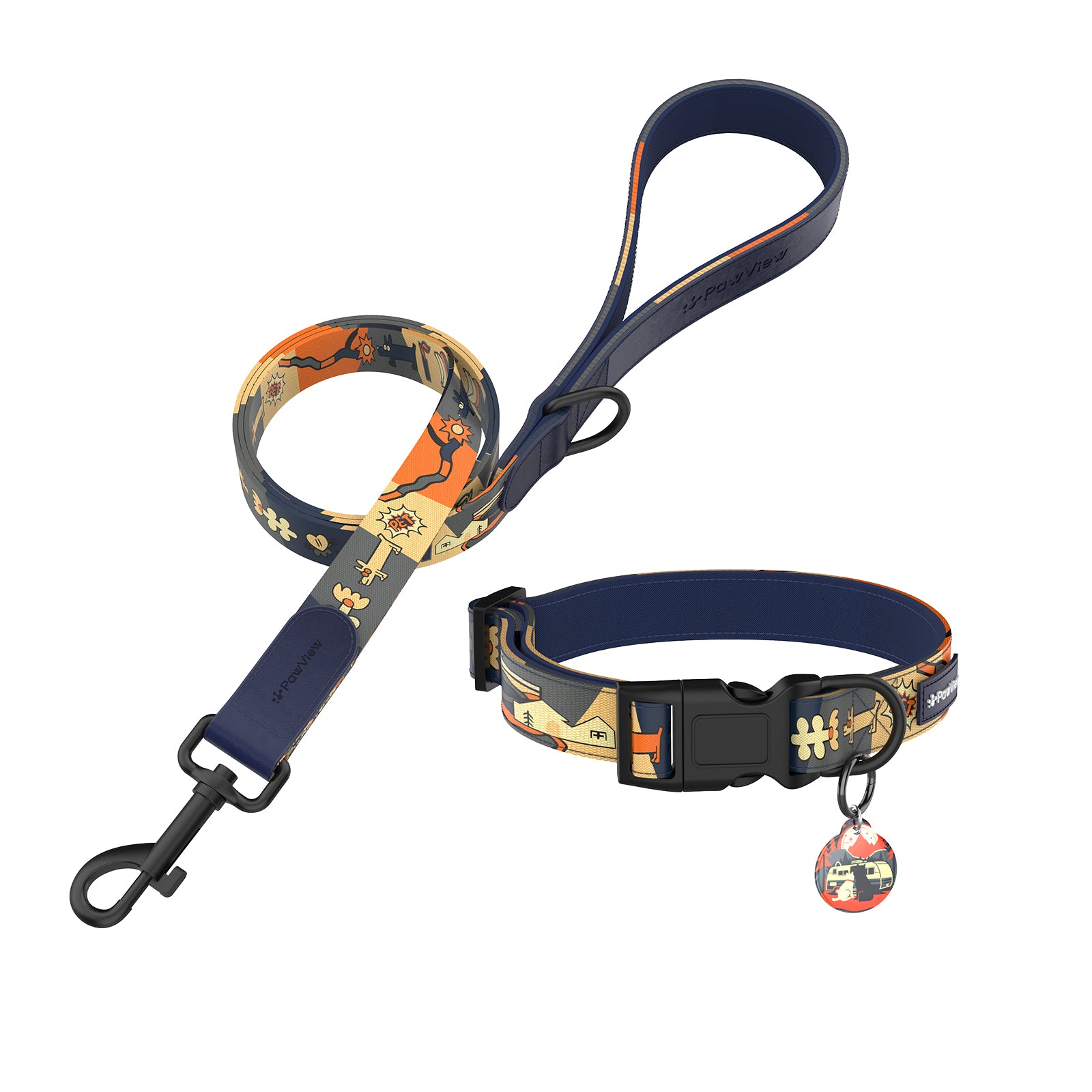
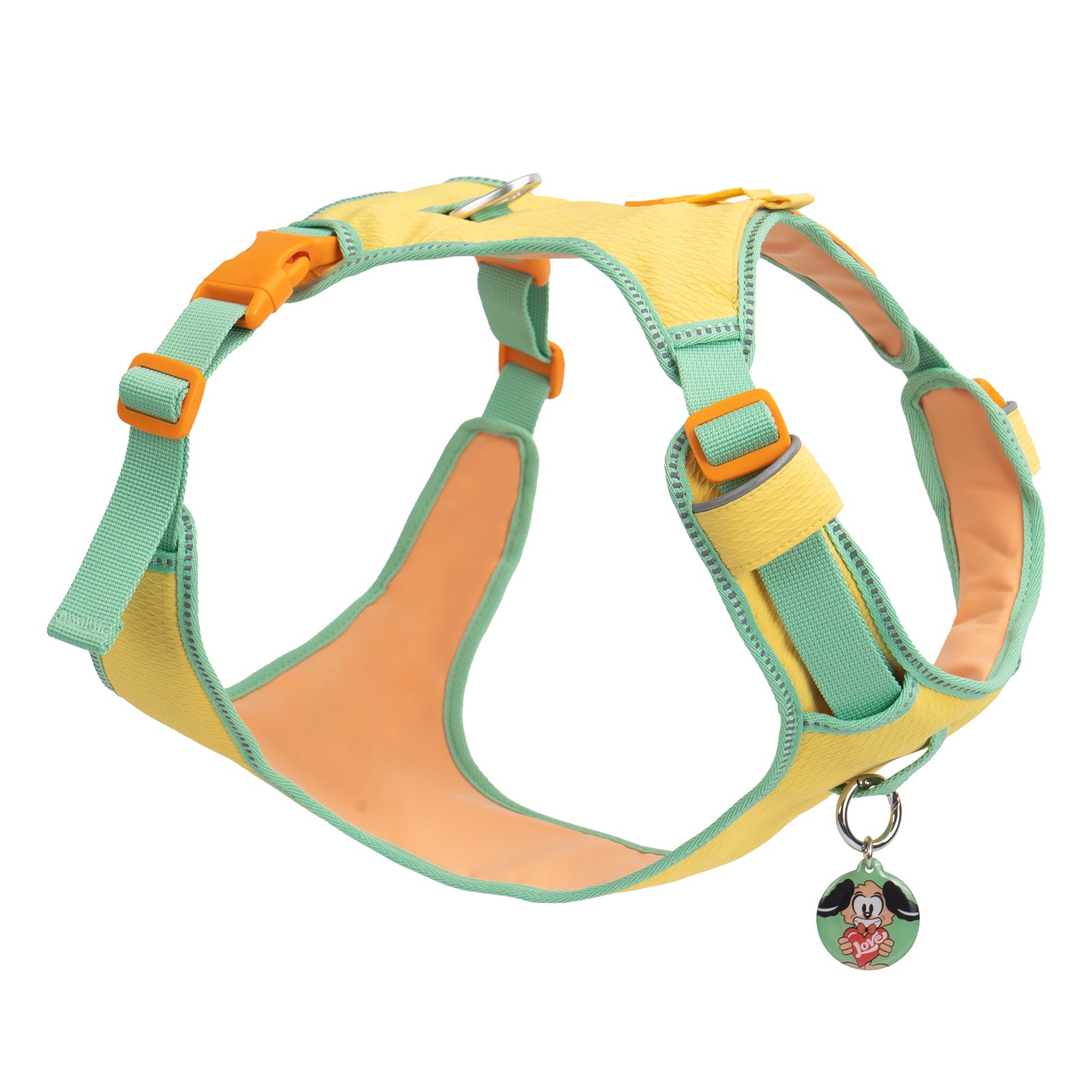
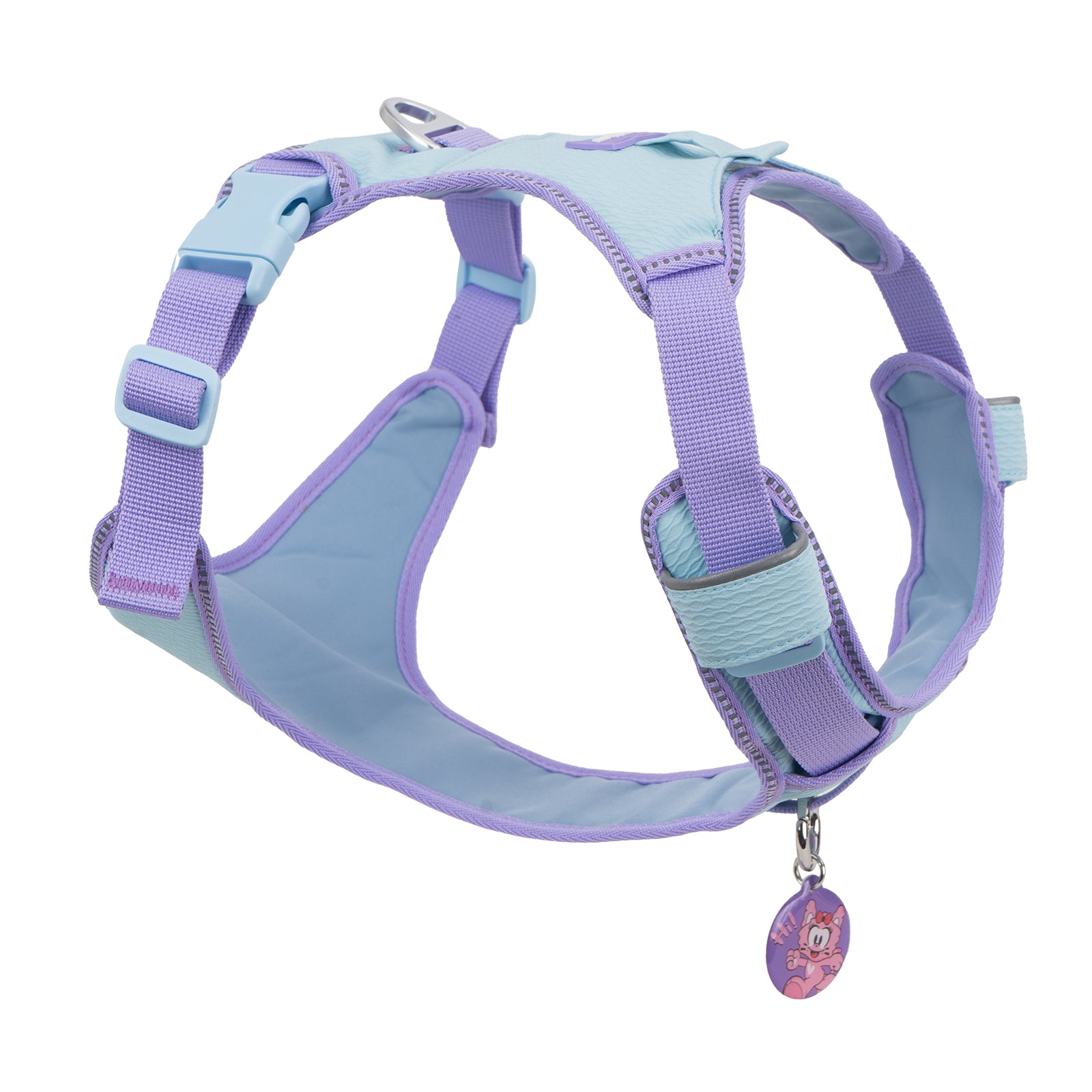
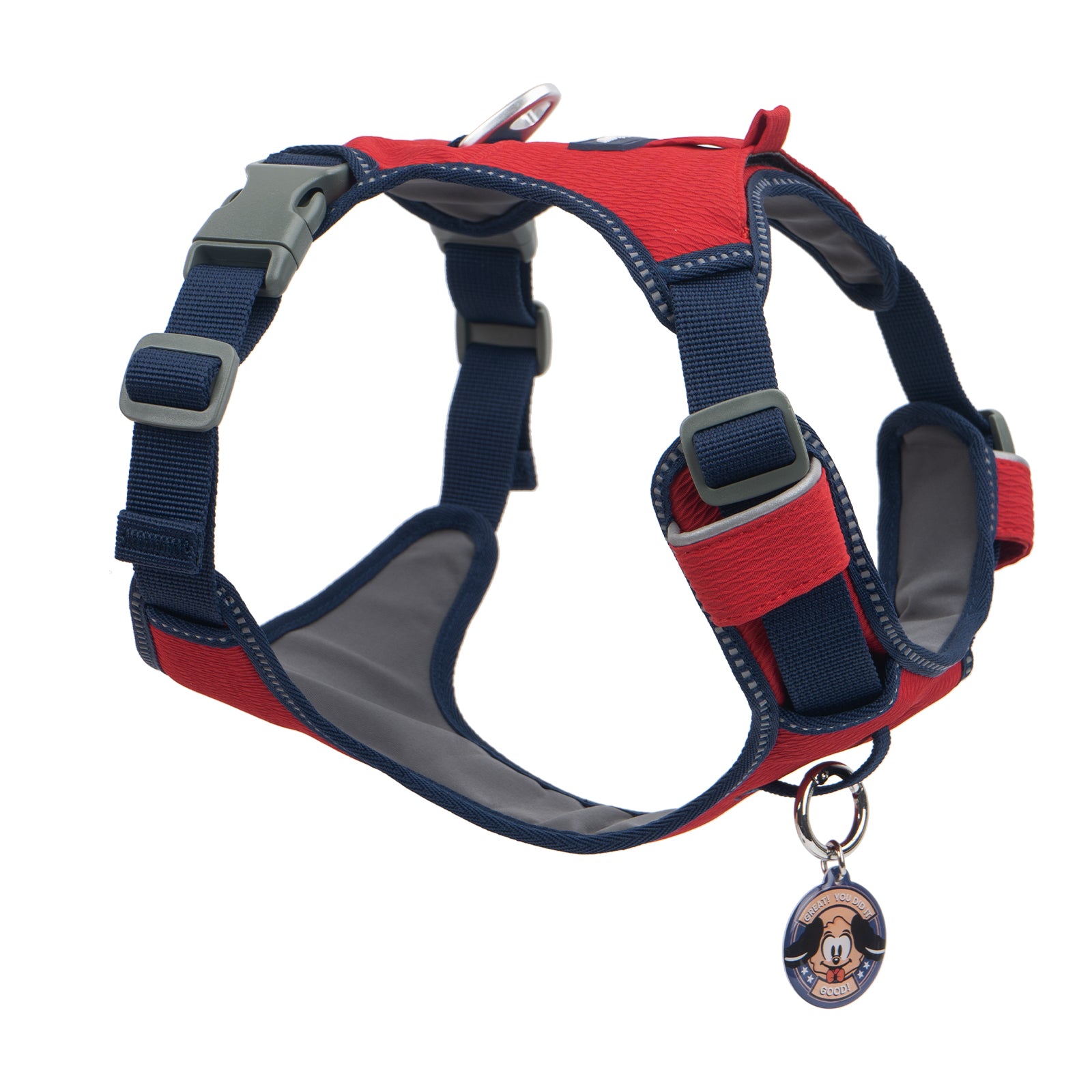
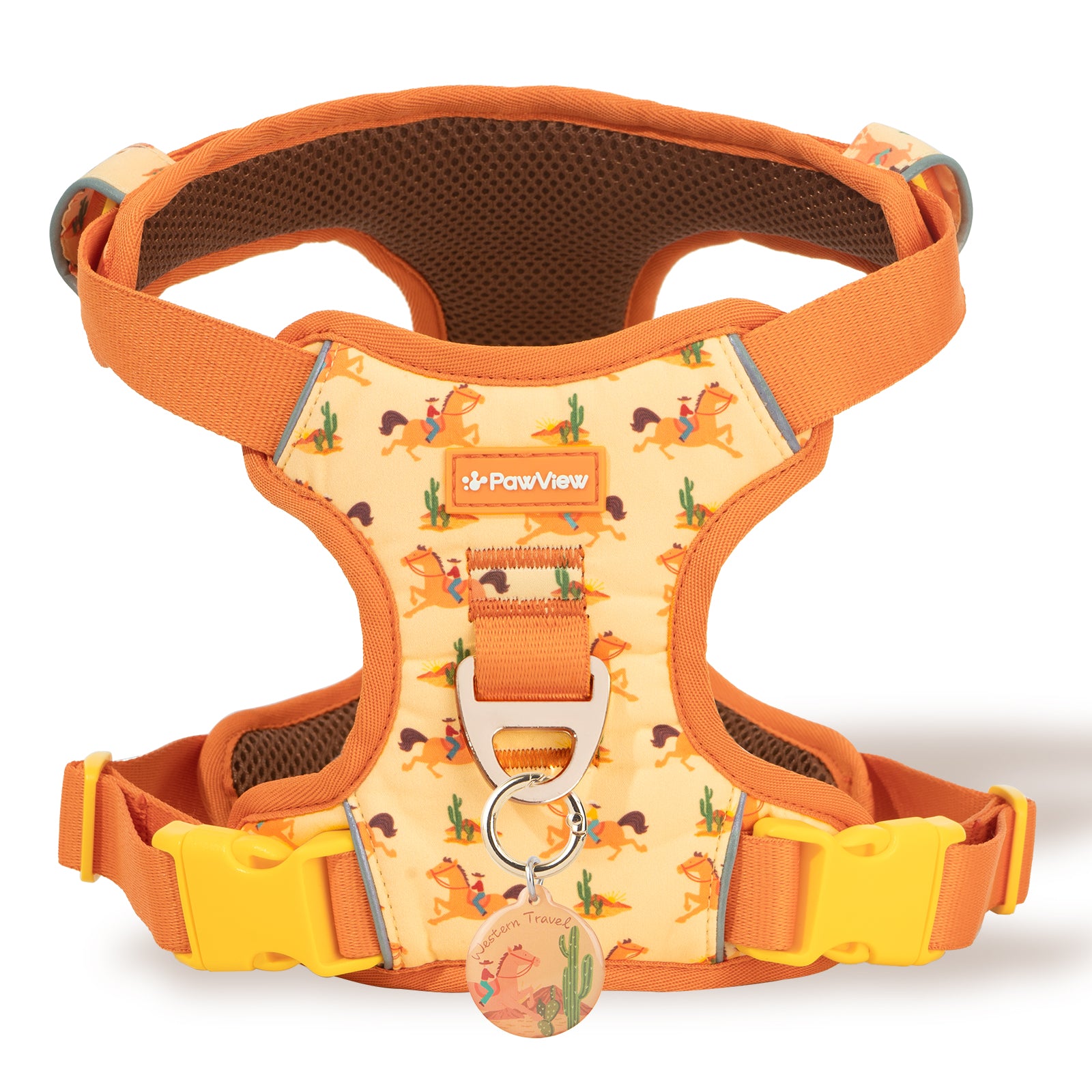
Using a comfortable Collar & Leash or a supportive Harness makes outdoor walks safer and more enjoyable for both you and your dog. Regular walks not only improve behavior but also strengthen your bond.
3. Create a Safe and Engaging Environment
Provide a designated space where your dog can relax safely. Include their favorite chew toys or interactive playthings to keep them entertained when you’re not around. A cozy, engaging area can prevent boredom-driven chewing.
4. Use Positive Reinforcement Training
Reward your dog for chewing their toys instead of furniture. Ignore unwanted chewing behaviors, and avoid punishment, which can increase anxiety. Positive reinforcement helps dogs learn the right habits over time.
5. Keep Your Dog Mentally Stimulated
Mental stimulation is just as important as physical exercise. Puzzle toys, treat-dispensing toys, and interactive games challenge your dog’s mind and reduce boredom. A mentally stimulated dog is less likely to develop destructive habits.
Conclusion
Chewing is a natural behavior for dogs, but with patience, training, and the right tools, you can prevent damage to your furniture. By combining interactive Dog Toys with daily walks using a Collar & Leash or Harness, you can keep your dog happy, healthy, and engaged.
Protect your furniture, reduce destructive behavior, and give your dog the stimulation and exercise they need—all with the right tools and care!


