



















Spend a few days with any dog and you’ll notice one thing immediately: personality matters. Some dogs burst through the door the moment the leash comes out. Others wait politely by your feet. Some follow routines to the minute, while others wander off mid-walk because a leaf moved.
With personality tests—like MBTI—trending online, it’s fun to ask the same question about our pets. While dogs don’t take personality tests in the human sense, observing their temperament—energy, sociability, sensitivity, and curiosity—can help explain why one dog thrives in busy parks while another prefers quiet evenings on the couch.
How Dog Personality Appears in Daily Life
You don’t need a questionnaire to spot it. Personality shows up in small, everyday moments:
- How your dog reacts when the doorbell rings
- Whether they charge ahead or keep checking that you’re still behind them
- How quickly they recover after a loud noise
- How intensely they lock onto a new scent
Those patterns repeat consistently. Over time, they shape what kind of care, exercise, and environment helps a dog feel most at ease.
Using MBTI to Talk About Dog Personality
MBTI was designed for humans, not pets. Dogs don’t reflect on their preferences or debate future plans.
But the framework is popular because it gives us language for differences. Translated loosely into canine behavior, it becomes a storytelling tool rather than a scientific label—one that helps pet parents notice what makes their own dog tick.
Think less “personality diagnosis,” more “useful shorthand.”
Common Dog Personality Types
Every dog is an individual, but certain patterns show up again and again:
- The social butterfly who believes strangers exist purely to admire them
- The watchful observer who studies new situations before committing
- The tireless problem-solver who needs a job—or invents one
- The sensitive companion who seems to know when you’ve had a long day
- The free spirit whose idea of a walk is a choose-your-own-adventure
If you enjoy MBTI language, you might recognize these as extroverts, introverts, planners, improvisers. The labels aren’t the point—the behaviors are.
Why Understanding Dog Personality Matters
Understanding temperament changes how we show up as dog parents:
- A high-energy explorer may need longer outings and gear that can keep up
- A cautious pup might do better with quieter routes and lightweight, comfortable collars
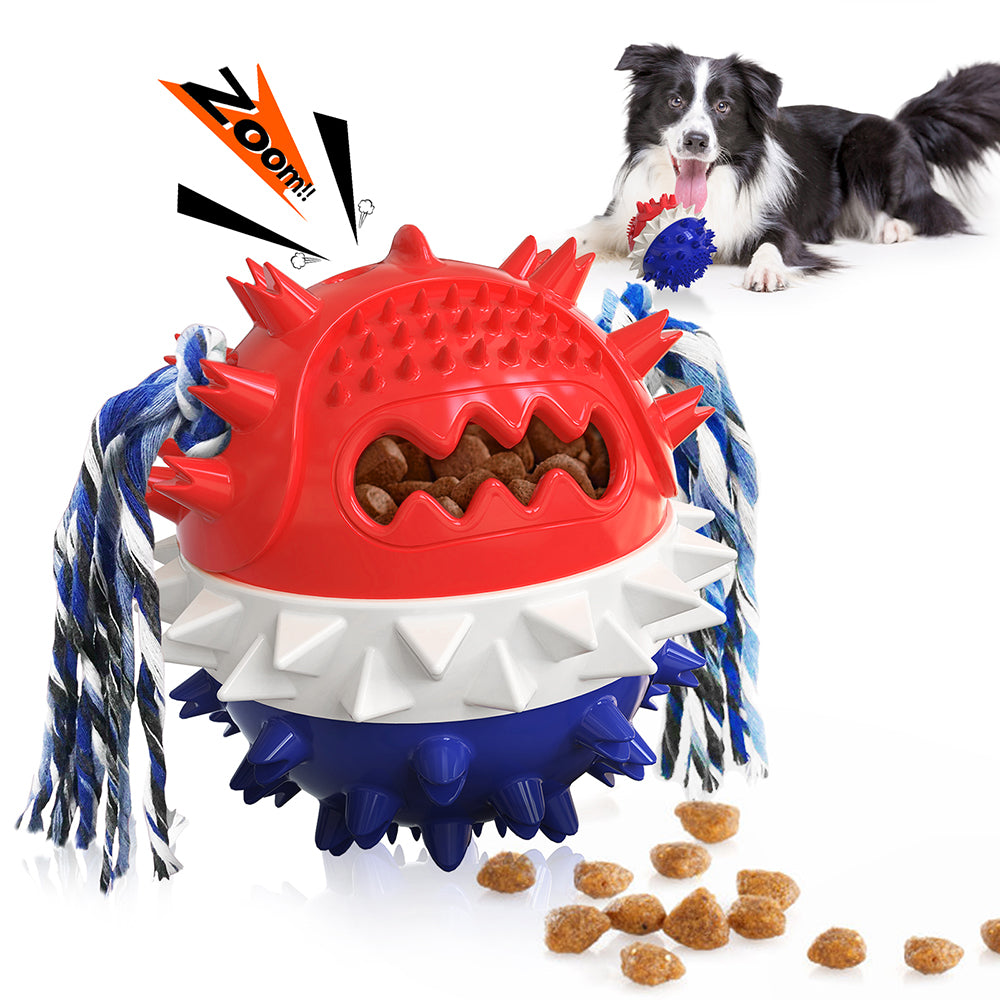
- A clever schemer thrives on puzzle toys and training sessions
- A sensitive dog benefits from predictable routines and gentle handling
At PawView, we know every dog’s personality is unique—and so are their needs.
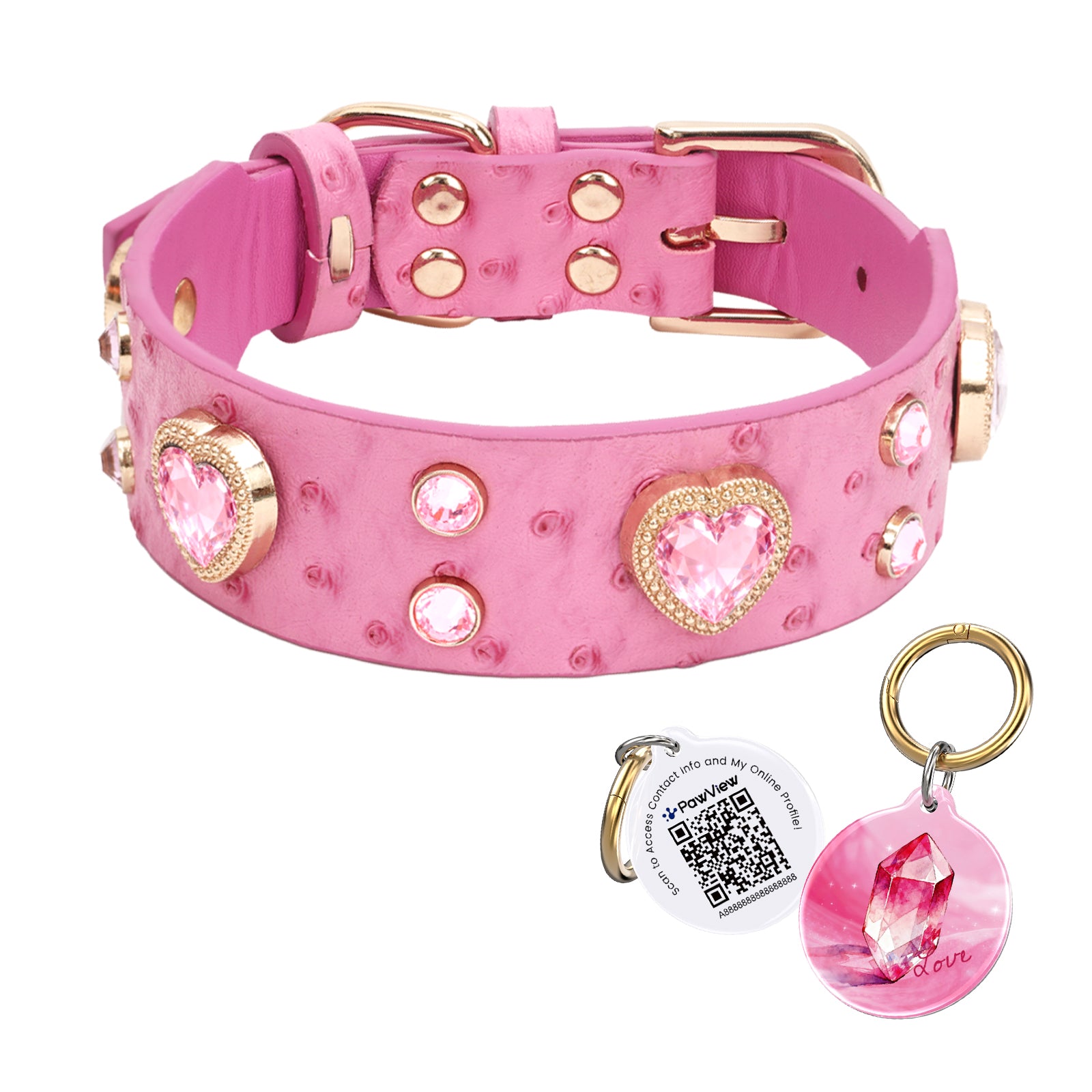
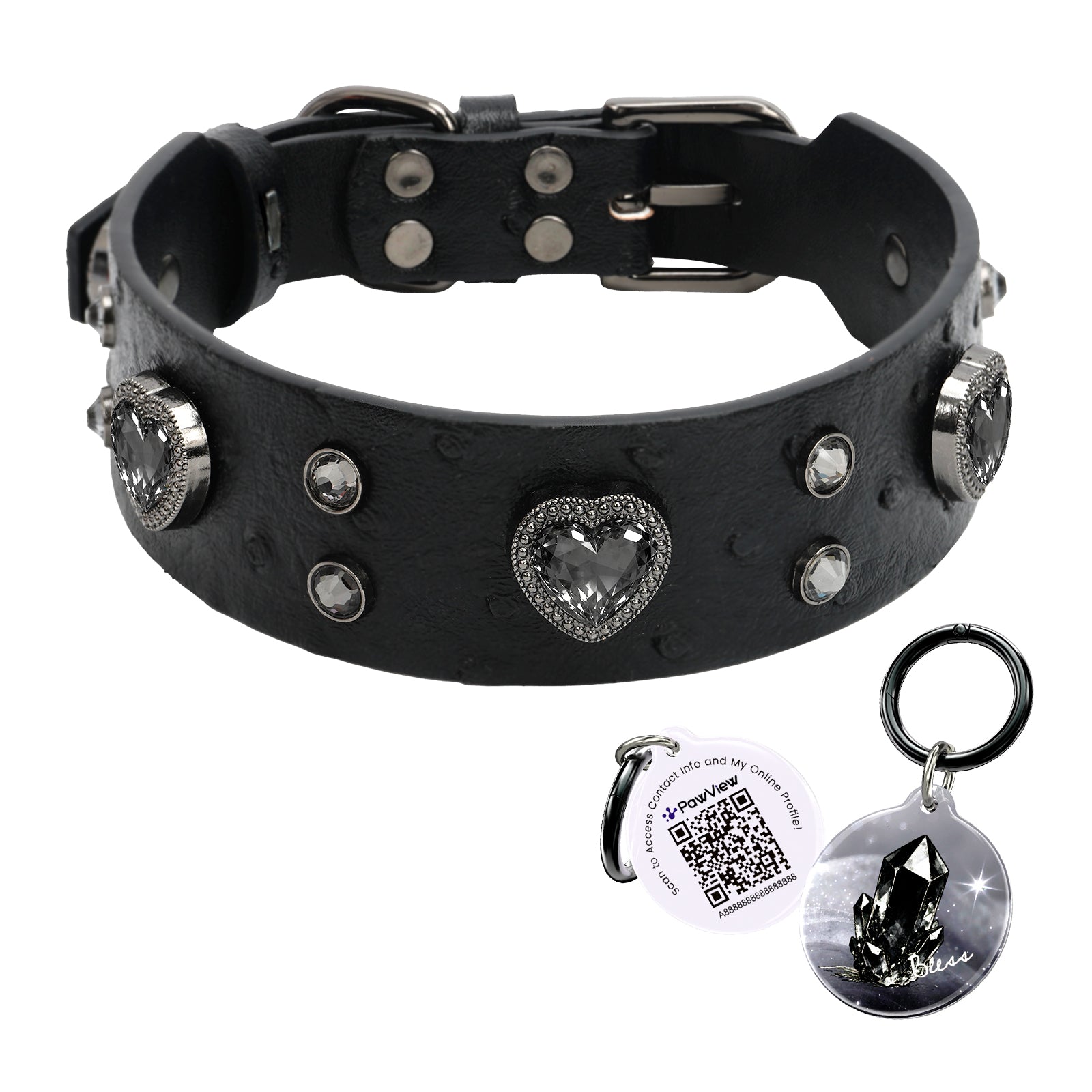
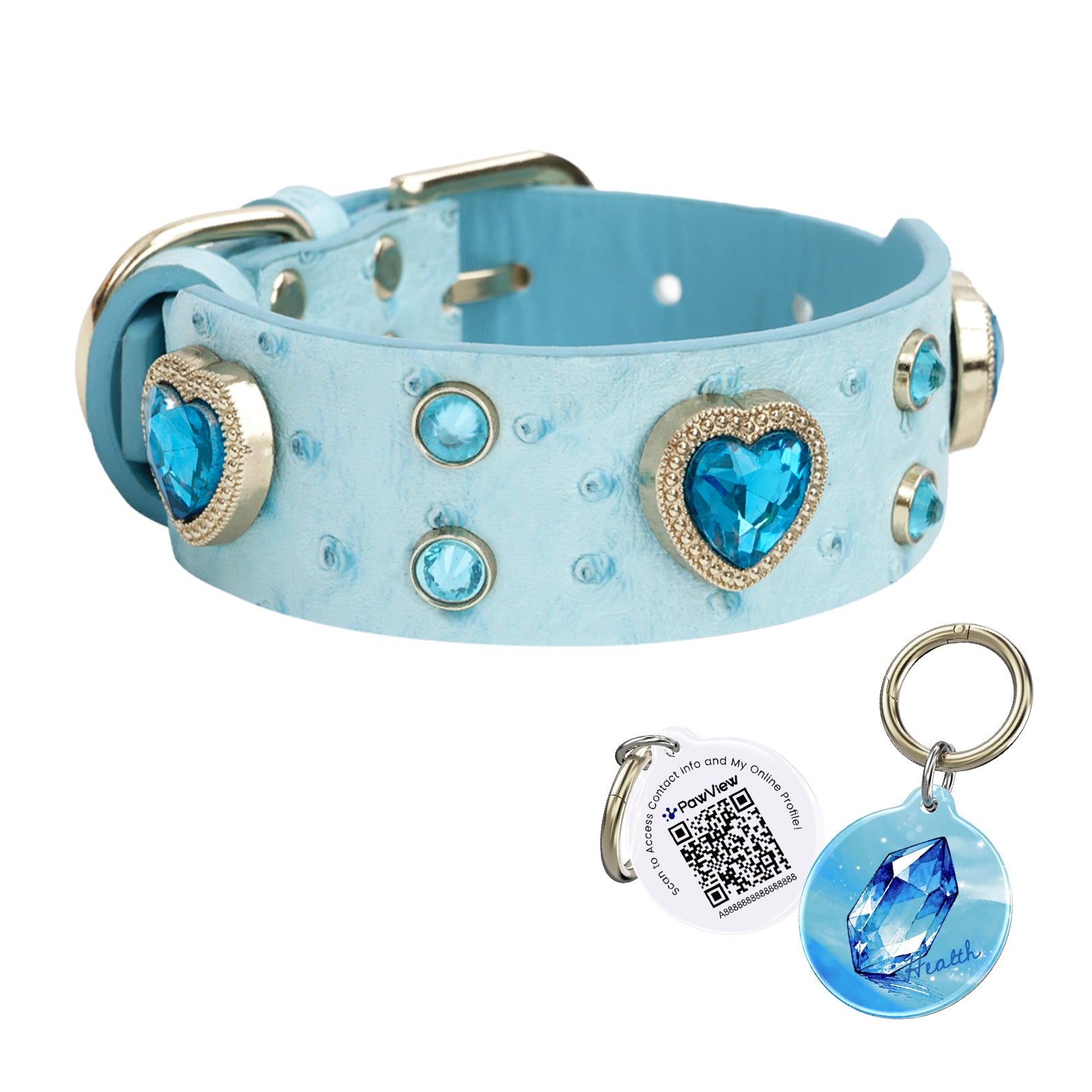
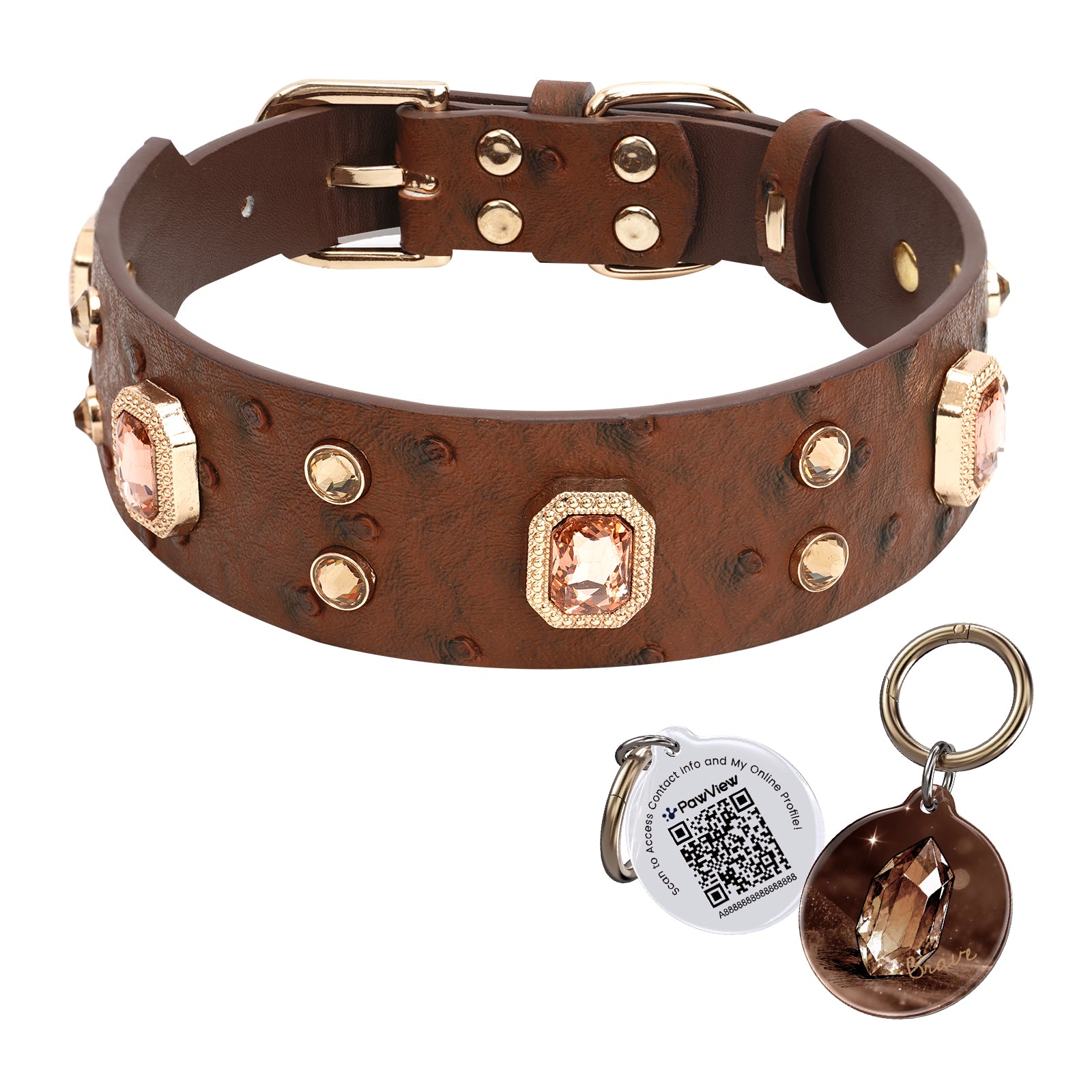
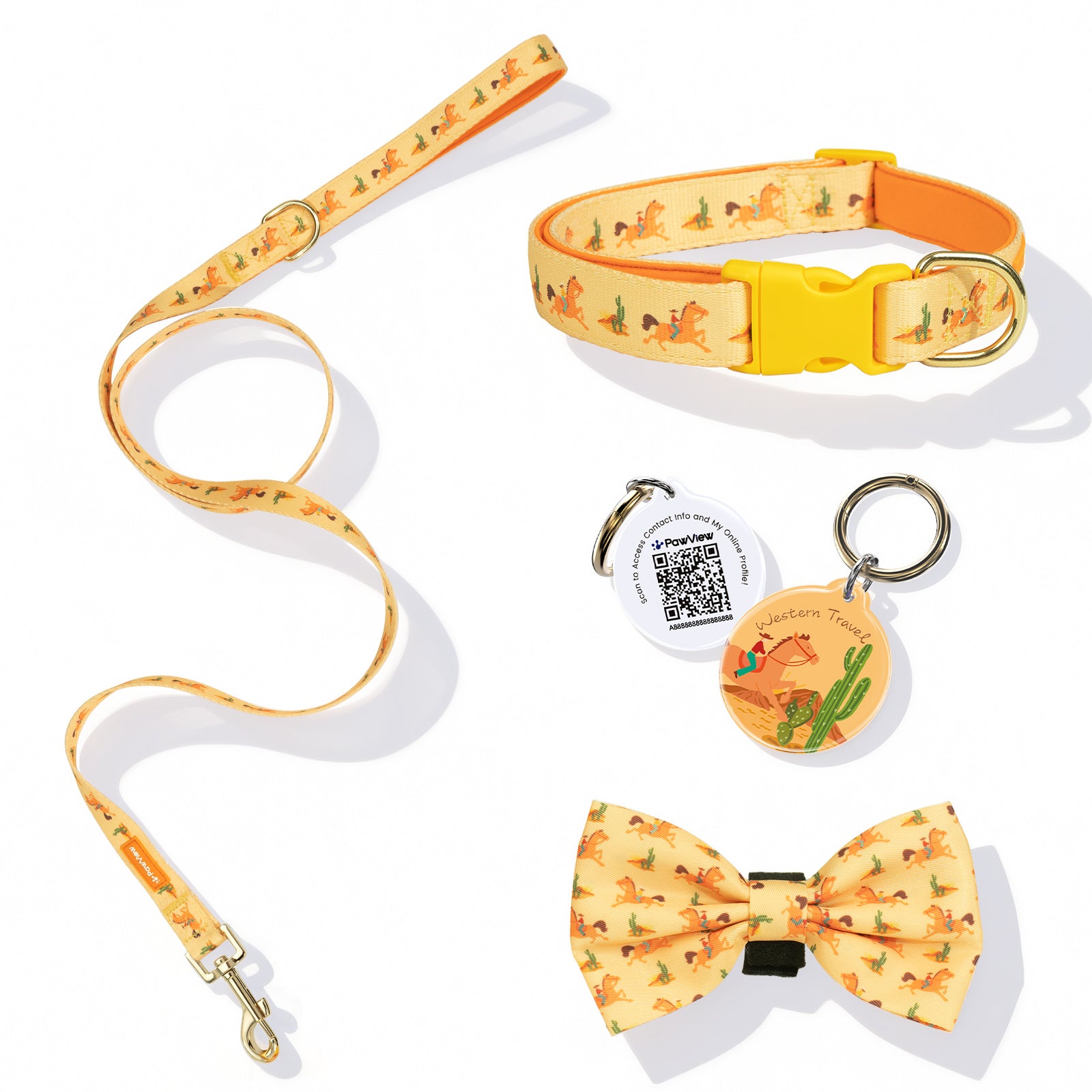
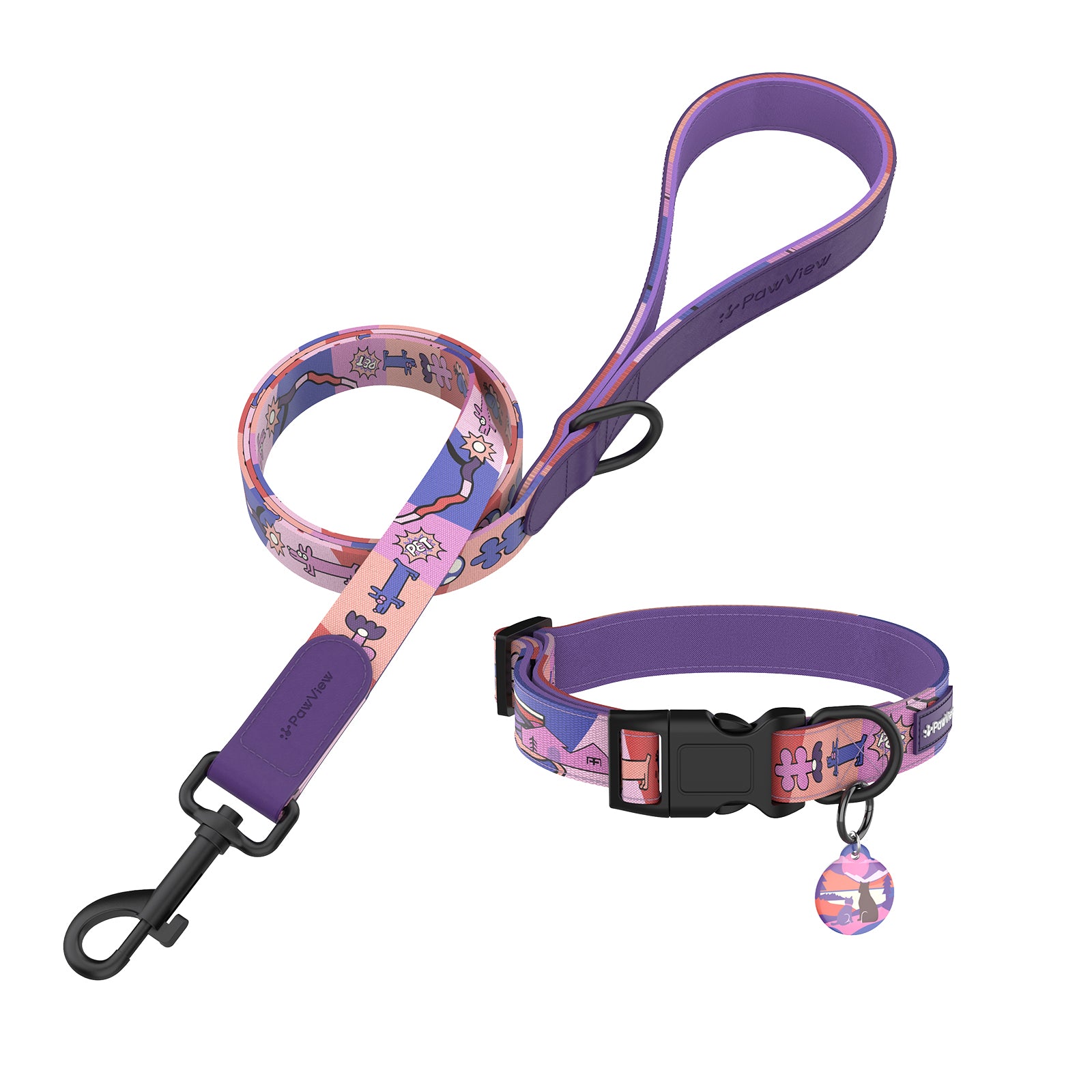
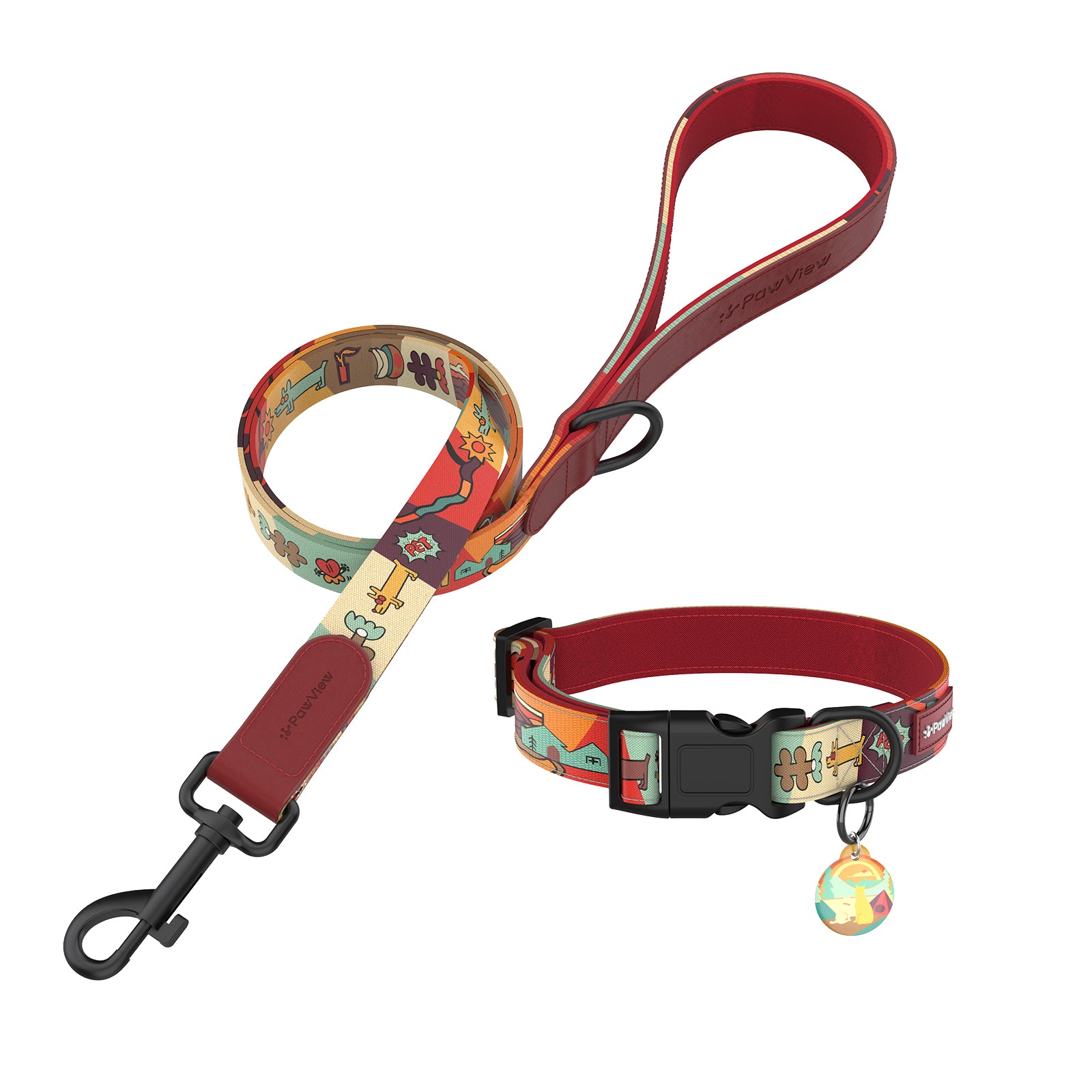
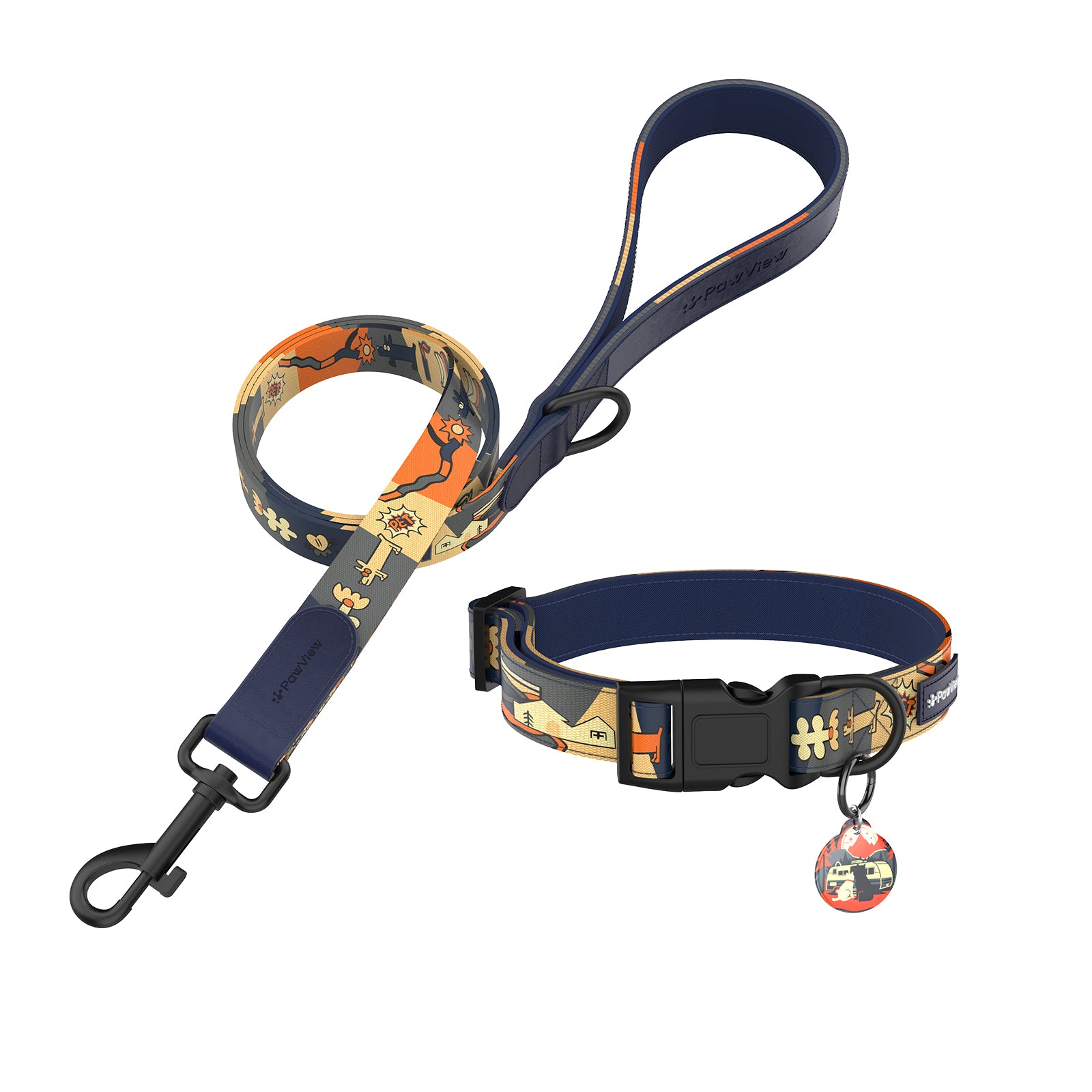
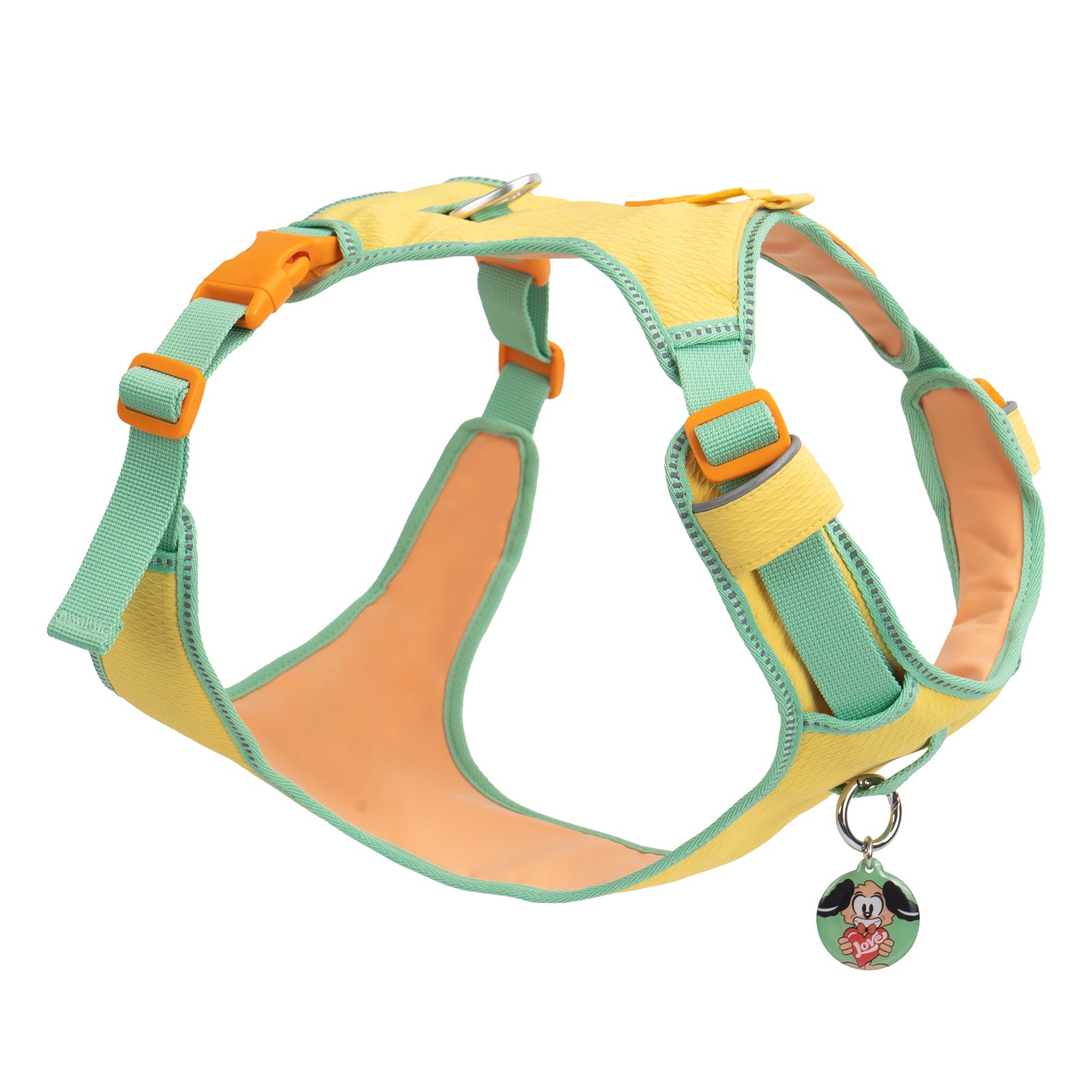
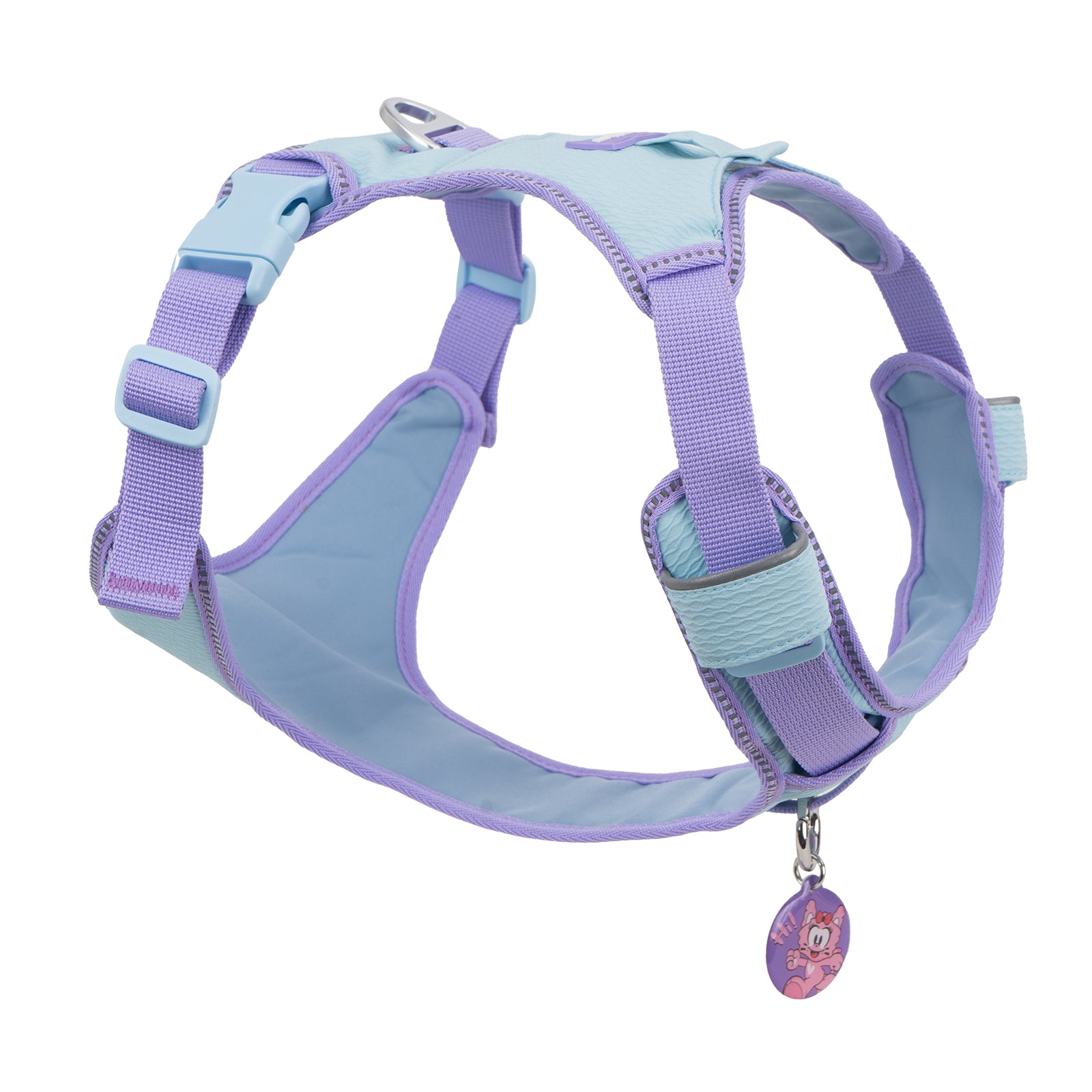
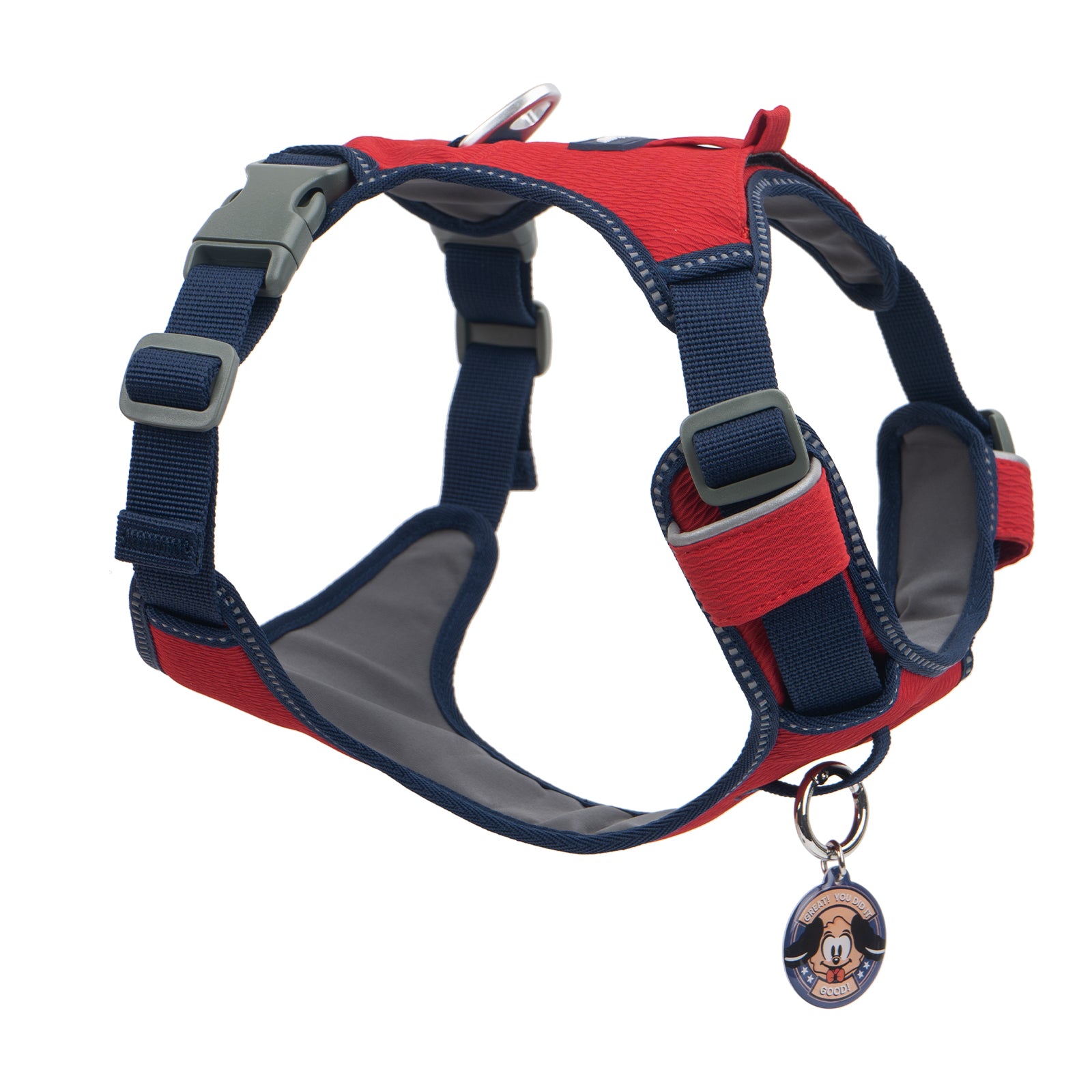
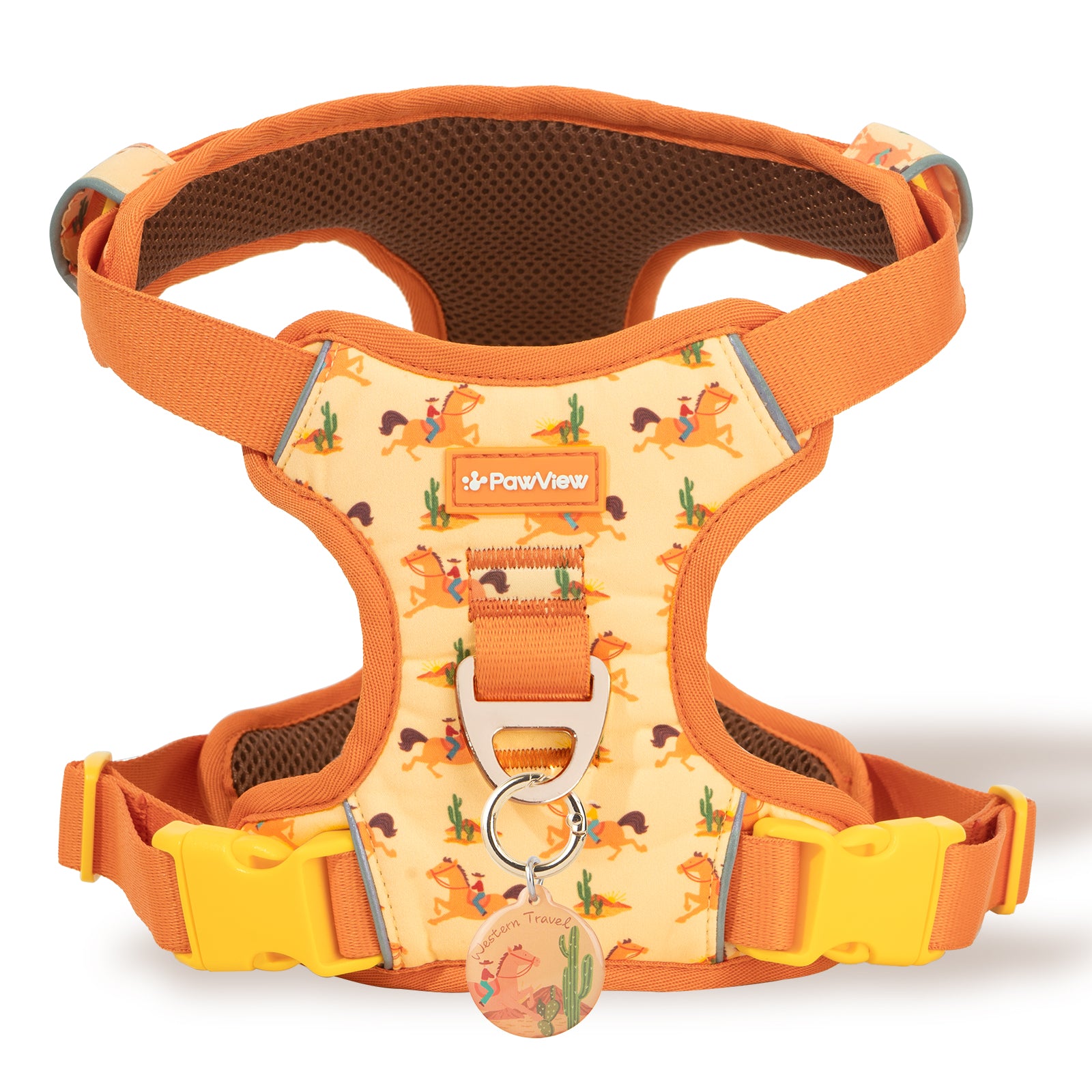
That’s why our collars and harnesses come in clearly defined sizes, with easy-to-follow guides for a perfect fit. Shop Collars & Harnesses Now!
Our ID solutions—QR code tags and AirTag holders—are designed for secure, quiet wear, so everyday walks stay simple and stress-free. Shop ID Tag Now!
Getting to Know Your Own Dog
Instead of asking, “What type is my dog?” try asking:
- What situations make them light up?
- What makes them hesitate?
- Do they calm down faster with structure or freedom?
- Are they more motivated by treats, praise, or exploration?
The answers tell you far more than any label ever could. And next time you reach for their collar, pause for a breath. Watch how they move toward the door. That moment—small, ordinary, full of meaning—tells you everything.
One Last Thought
Thinking about dog personalities isn’t about putting them in boxes. It’s about paying attention—just like MBTI helps humans notice patterns, observing your dog’s unique traits can guide how you care, play, and connect. When we notice these patterns, we make better decisions for their safety, comfort, and happiness. And that’s the part that matters most.


