


























For many pet parents, walking the dog at night is a rare moment of calm. The streets are quieter, the temperature is more comfortable, and dogs often seem more focused and relaxed. But while the night brings peace, it also amplifies risks that are easy to overlook during the day. Reduced lighting, lower visibility, and changing surroundings can turn an ordinary walk into a situation that requires far more awareness.
True nighttime dog walking safety is never about luck. It comes from preparation, thoughtful habits, and attention to small but critical details.
Improving Visibility at Night Is the First and Most Important Step
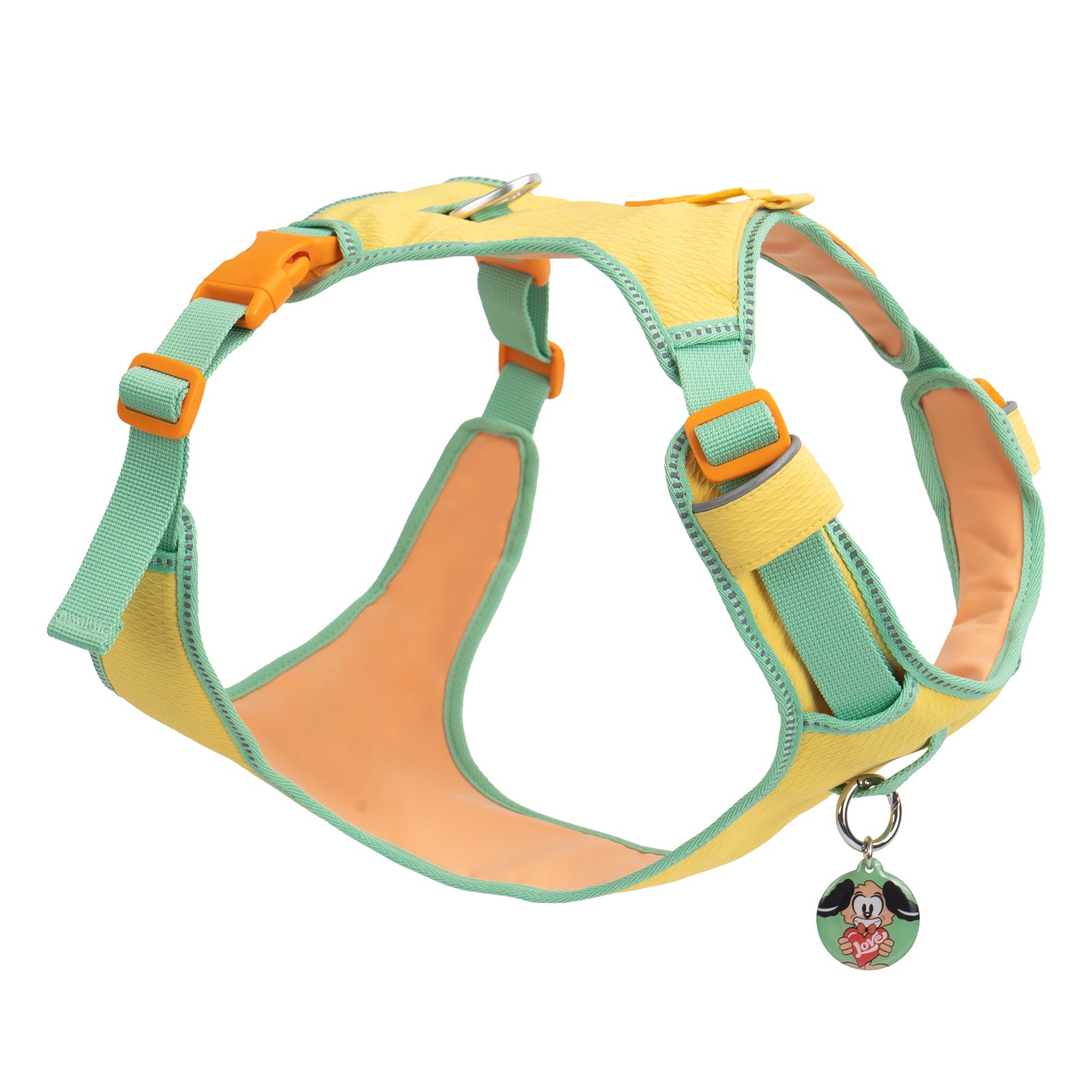
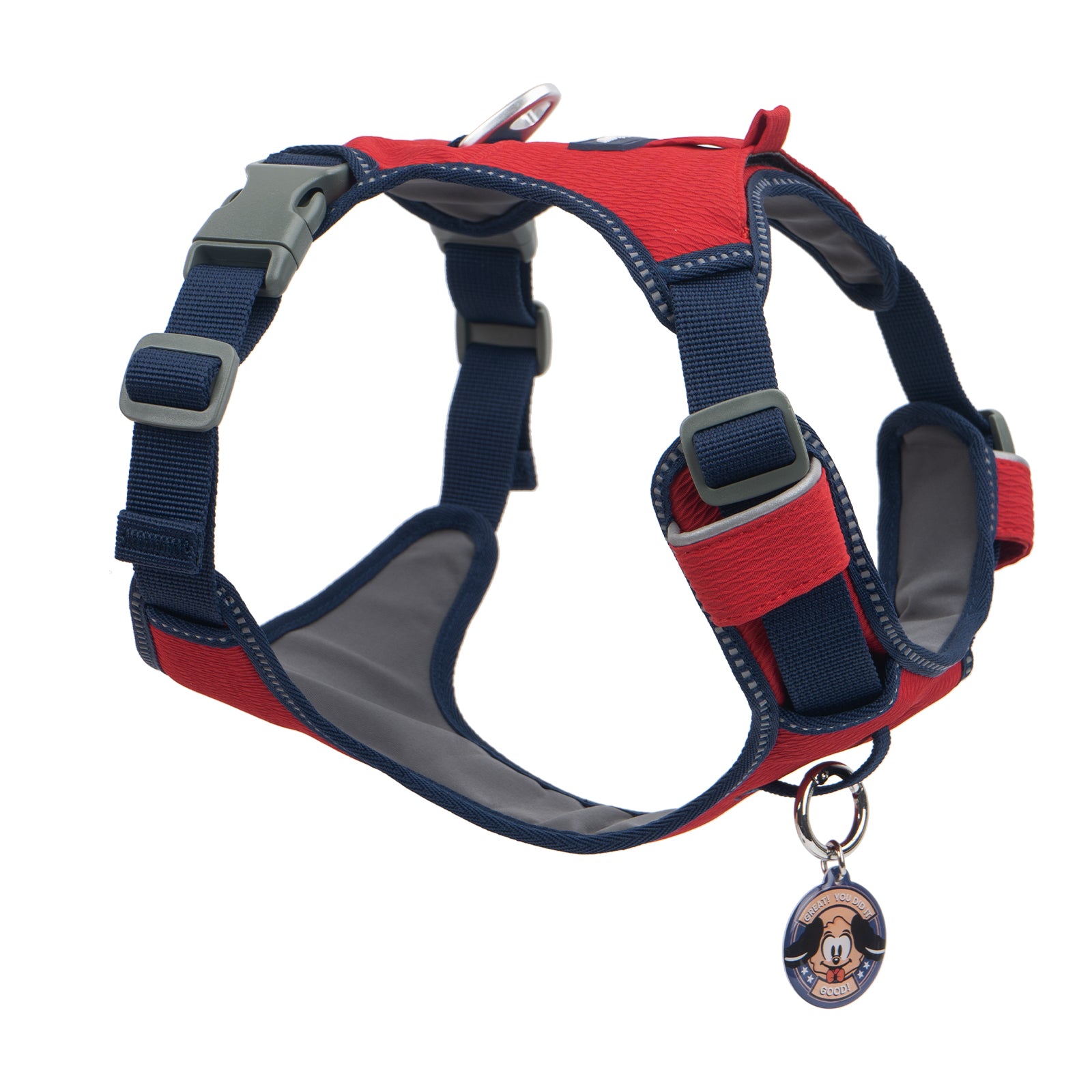
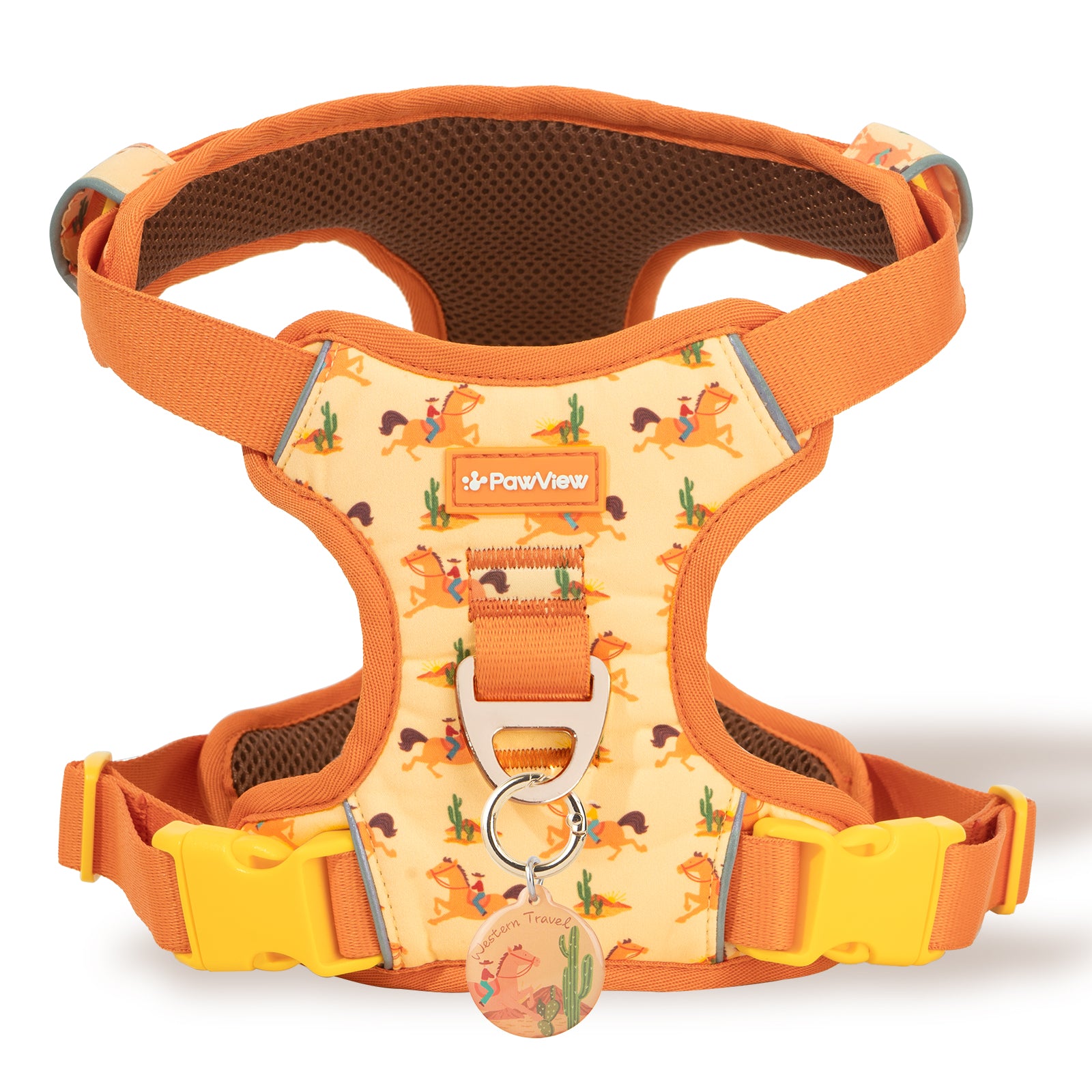
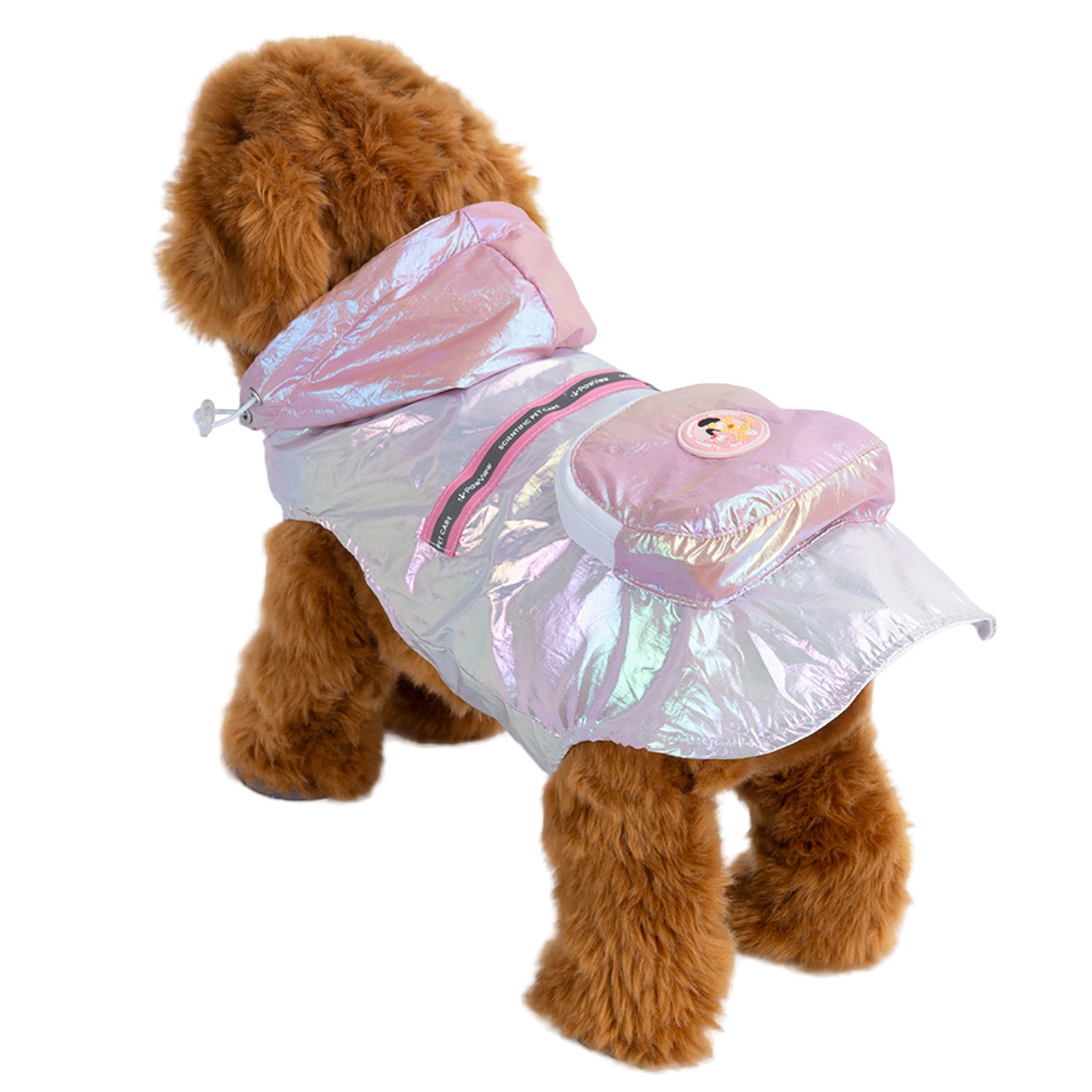
In low-light conditions, being seen is often more important than seeing clearly. Reflective dog vests, reflective harnesses, LED dog collars, and light-up dog accessories can create strong visual signals when exposed to headlights or streetlights, significantly improving visibility for both dogs and their owners. This is especially important in residential neighborhoods, at intersections, or near roads where vehicles move faster and drivers have limited reaction time.
Visibility-focused dog walking gear gives passing drivers, cyclists, and pedestrians those extra seconds they need to notice you—often making the difference between safety and danger. Nighttime pet safety starts with ensuring you and your dog are impossible to miss.
One Dispenser, Connecting Every Detail of Night Walks
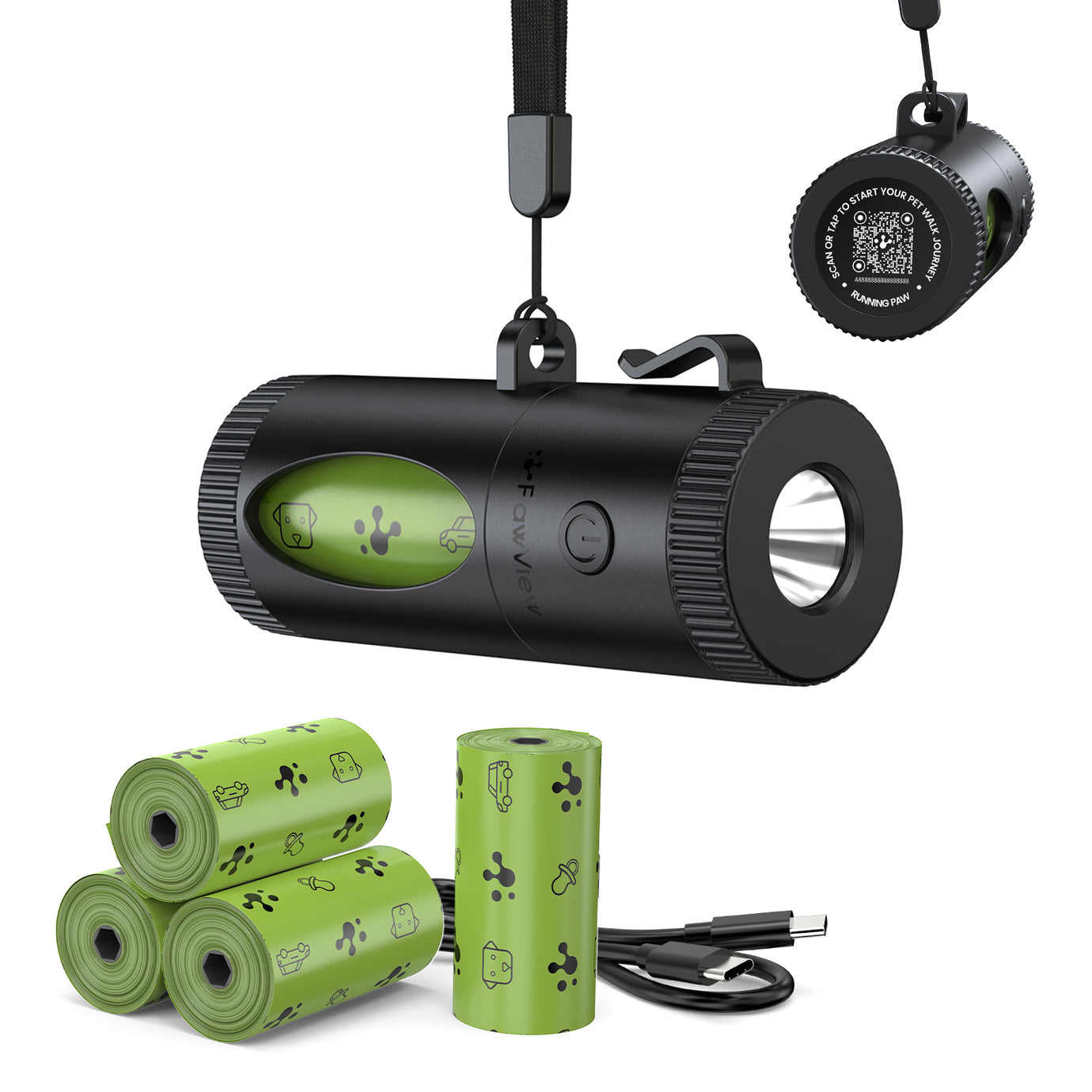
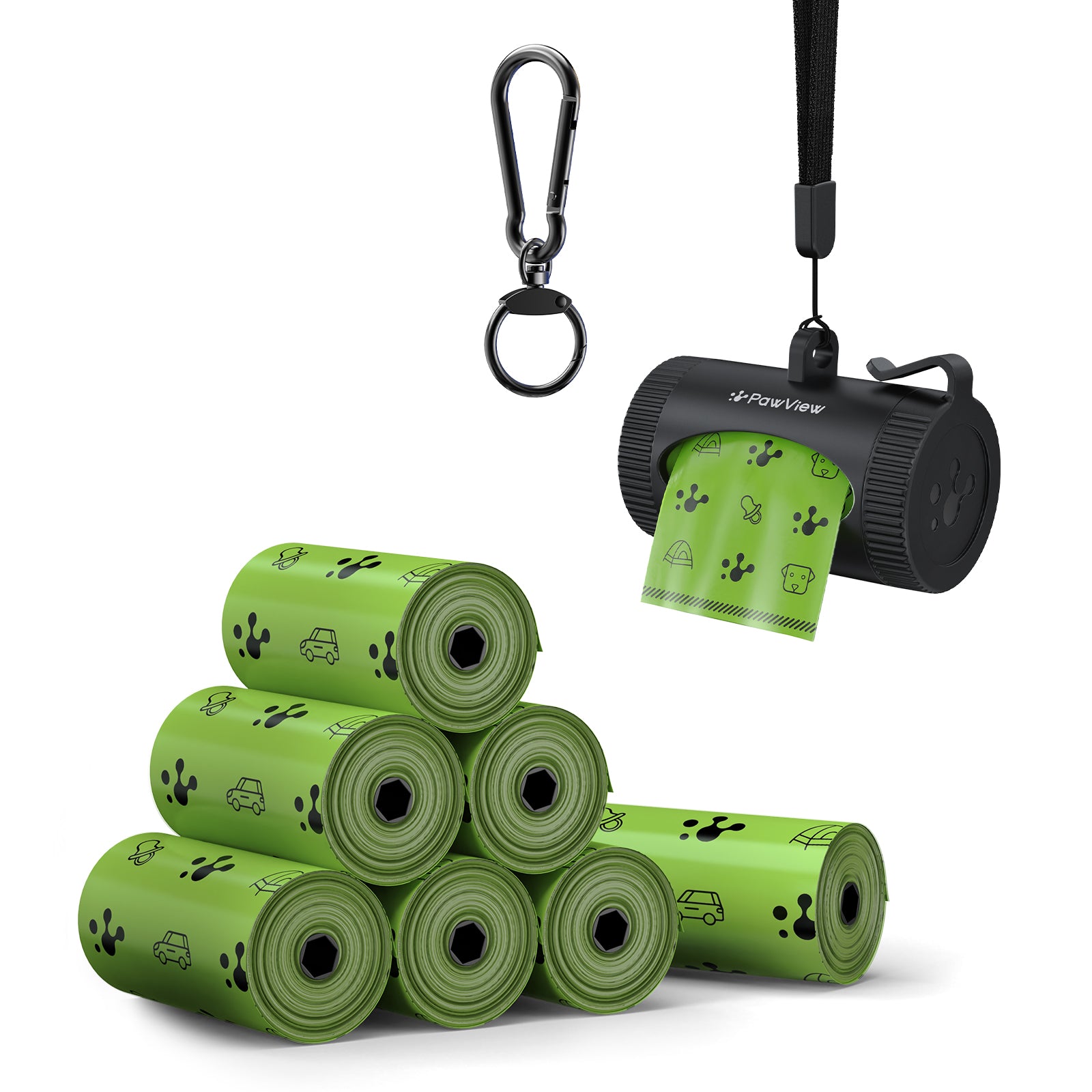
Equally worth mentioning are designs that integrate lighting directly into everyday dog walking essentials. A great example is the Pawview Retractable Pet Waste Bag Dispenser with Flashlight and Carabiner Clip, a product rated 5.0 out of 5 stars based on customer feedback and proudly presented By Pawview.
This thoughtfully designed poop bag dispenser doesn’t just handle waste—it actively improves nighttime dog walking safety. The built-in rechargeable flashlight offers four adjustable brightness modes, providing up to 15 meters of close-range illumination. This soft yet practical light helps illuminate sidewalks, stairs, potholes, and wet or uneven surfaces, reducing the risk of tripping or slipping in the dark.
Unlike carrying a separate flashlight, this all-in-one dog walking tool is lightweight and intuitive, making it far more likely to be used consistently during real-world walks. The retractable design ensures you pull out one bag at a time, keeping walks tidy and organized, while the wide opening allows for easy bag replacement. An adjustable strap, sturdy carabiner clip, and 360° swivel hook make it easy to attach to leashes, belts, or backpacks, ensuring tangle-free movement and hands-free convenience. A secure hook also lets you carry tied-off waste bags comfortably until you find a bin.
For pet parents who enjoy tracking their dog’s routine, this dispenser delivers even more value. Integrated with the RunningPaw NFC smart chip, it allows you to start a walk with just one tap or scan using your smartphone. Before heading out, you can set a target walking duration. During the walk, the system automatically records walking routes, time spent, calorie burn, and potty frequency. When the walk ends, all data can be saved and shared instantly, making it easy to post your journey across social platforms or simply monitor your dog’s health over time.
What was once a simple nighttime walk becomes a safer, smarter, and more meaningful shared experience.

Route Selection: An Invisible Shield for Nighttime Safety
Nighttime dog walking is not the time to explore unfamiliar paths. A street that feels harmless during the day can become hazardous at night due to poor lighting or unexpected obstacles. Isolated alleys, dimly lit parks, or low-traffic areas introduce unnecessary risk.
Rather than walking farther, it’s better to walk smarter. Choosing familiar routes helps you anticipate curbs, steps, puddles, and uneven pavement. Consistent routes also help dogs feel more secure, reducing anxiety caused by unfamiliar nighttime environments. Whenever possible, prioritize streets with reliable lighting and visible vehicle movement—moderate traffic and illumination can act as a natural safety buffer.
Leashes Are Not Just Rules—They Are Nighttime Safety Lines
Even well-trained dogs behave differently at night. Sudden noises, shadows, or the scent of wildlife can trigger instinctive reactions. In low-visibility conditions, a brief moment of lost control can lead to dangerous outcomes, including running into traffic or confrontations with other animals.
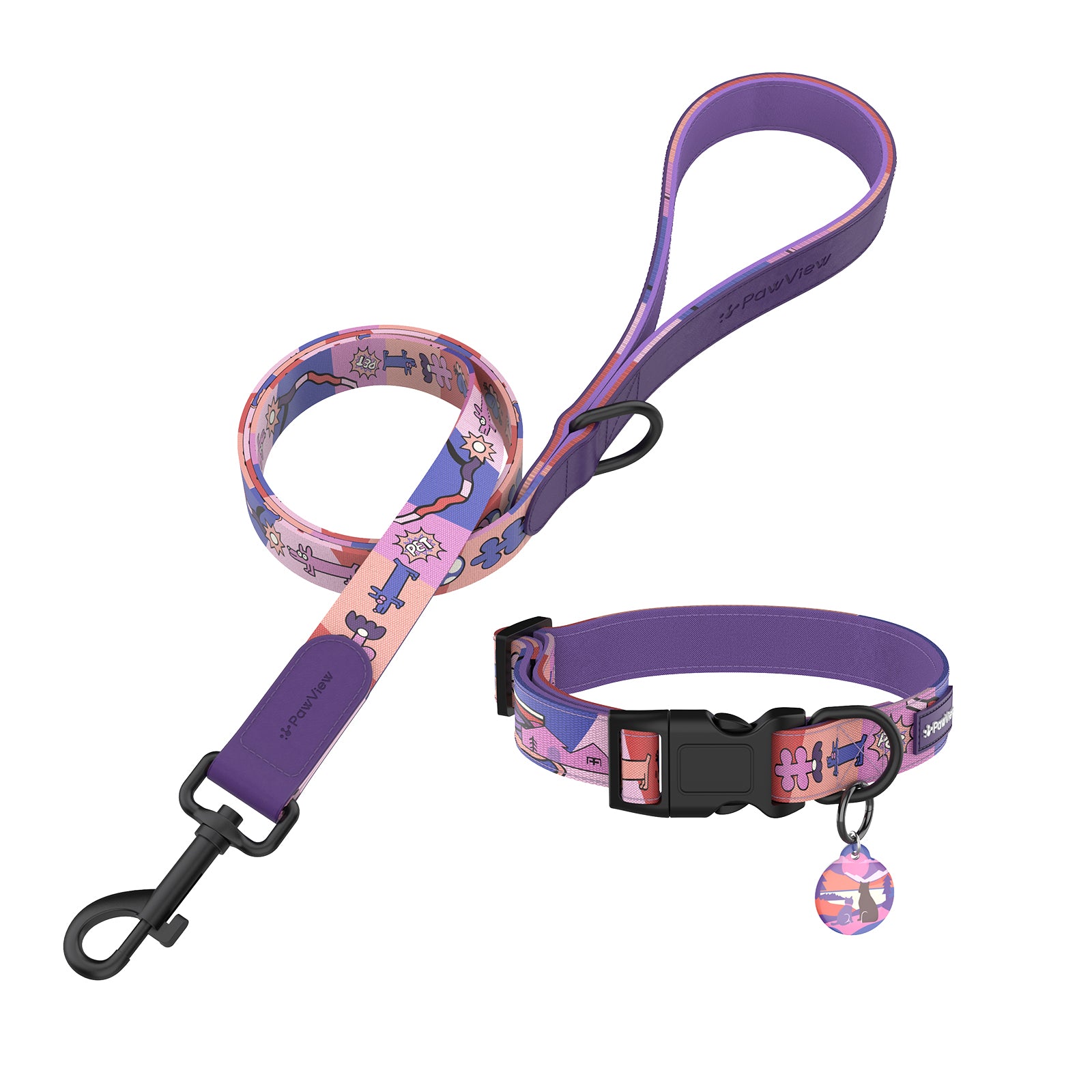
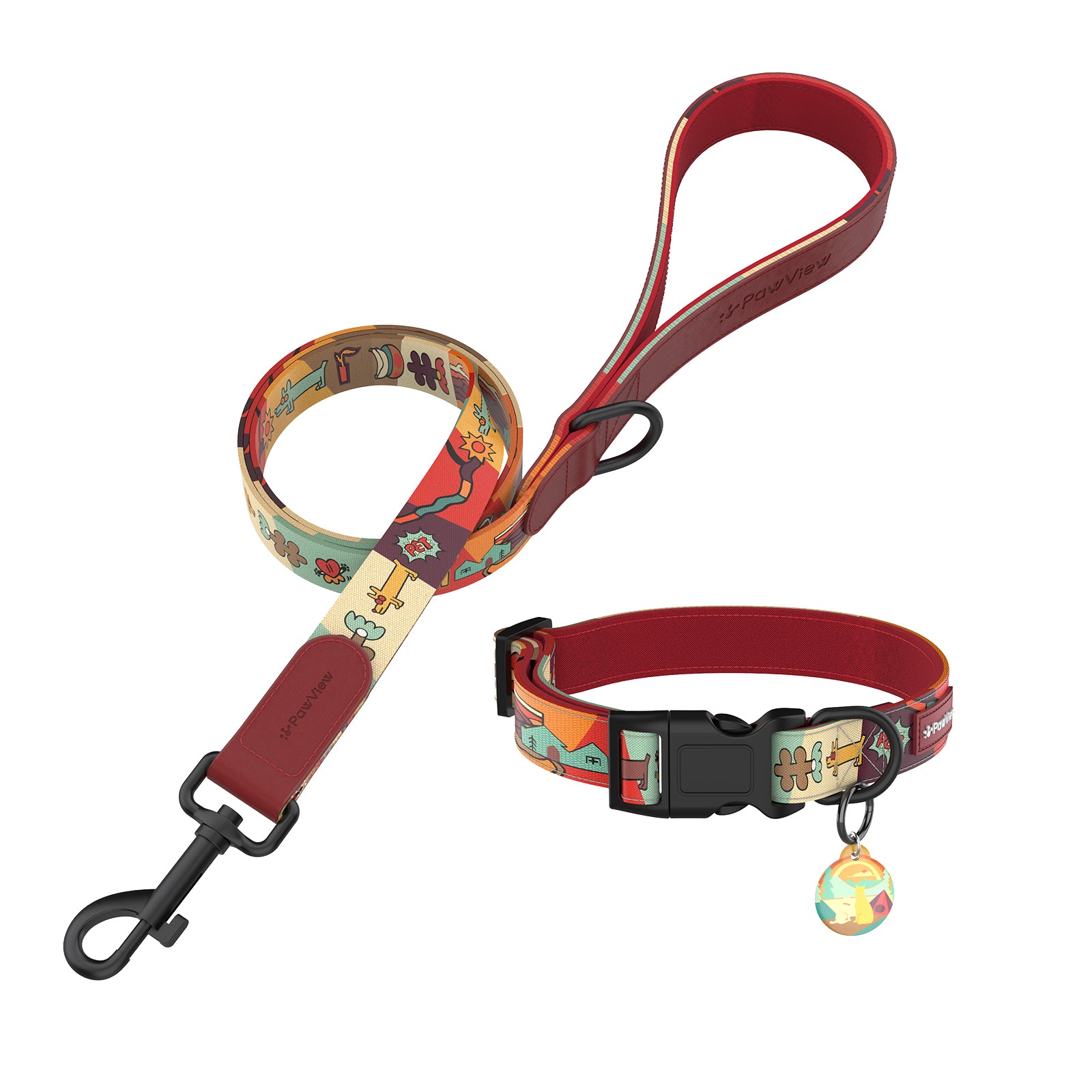
Using a leash at night isn’t about limiting freedom—it’s about maintaining control when unpredictability increases. A leash of moderate length allows your dog to move comfortably while giving you the ability to respond instantly. This steady connection also reassures dogs, helping them feel more secure in the dark.
Nighttime Risks Go Beyond Poor Visibility
The dangers of nighttime dog walking extend far beyond darkness alone. Drivers experience reduced visibility and slower reaction times at night, even on familiar roads. Wildlife and stray animals are more active after dark, increasing the likelihood of unexpected encounters that may frighten or provoke dogs.
Ground hazards also become harder to detect. Uneven pavement, steps, or slippery surfaces can easily cause injuries if you’re moving too quickly. Slowing your pace and staying attentive are simple yet powerful ways to protect both yourself and your dog.
Preparing for the Unexpected: Why Nighttime Readiness Matters
No matter how prepared you are, surprises can happen. Carrying a fully charged phone is the most basic nighttime safety precaution. A small flashlight, backup light source, or basic pet first aid supplies can also be invaluable when something unexpected occurs.
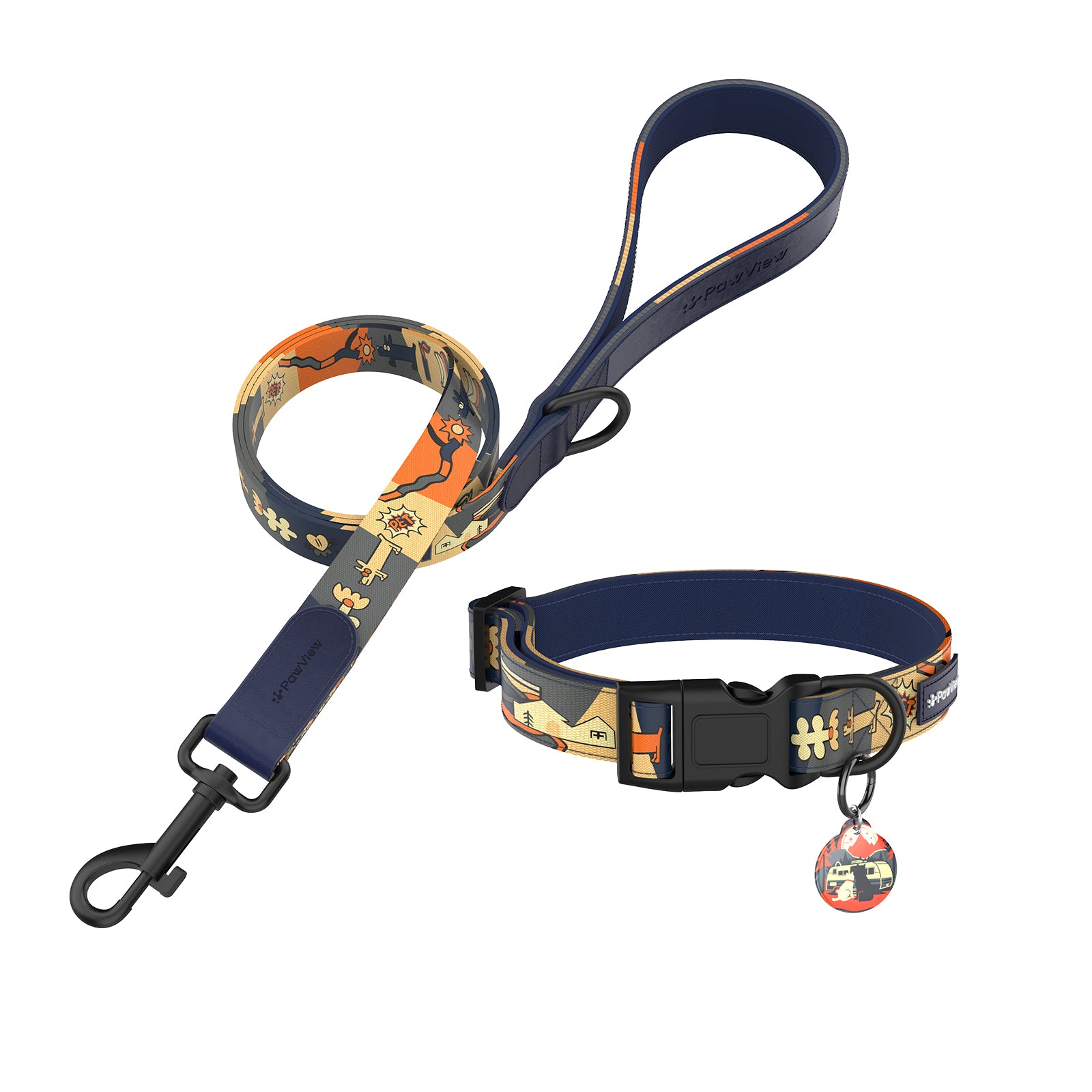
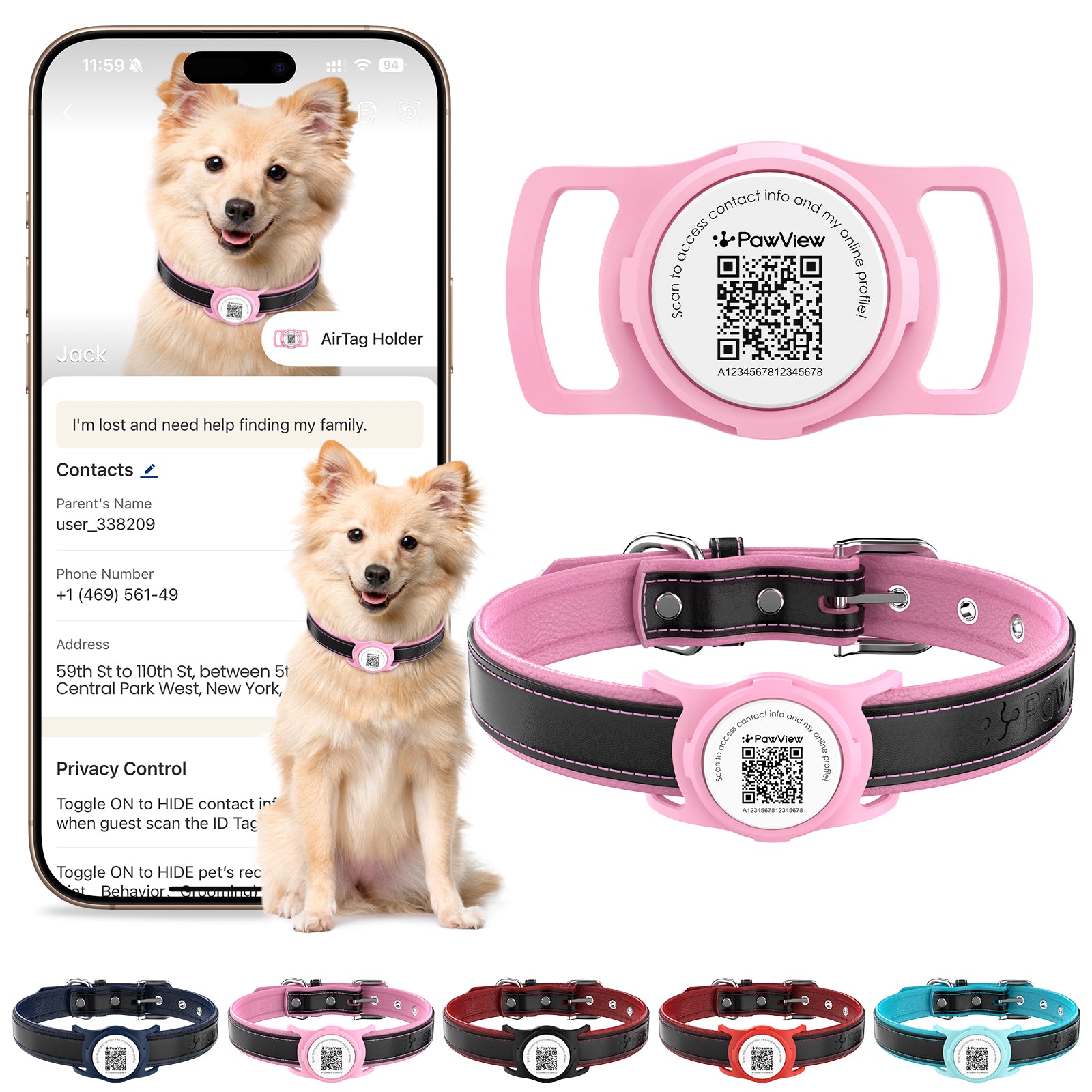
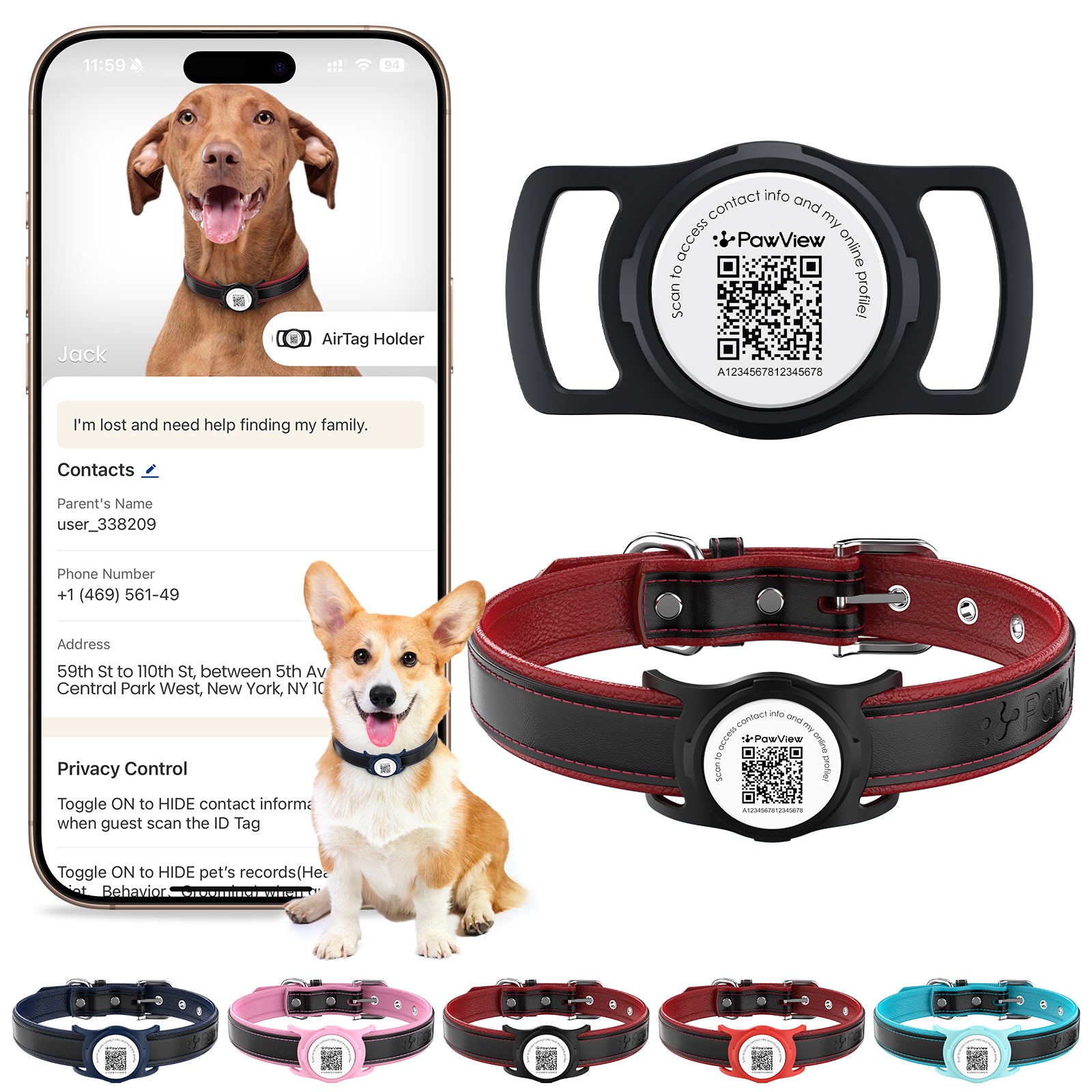
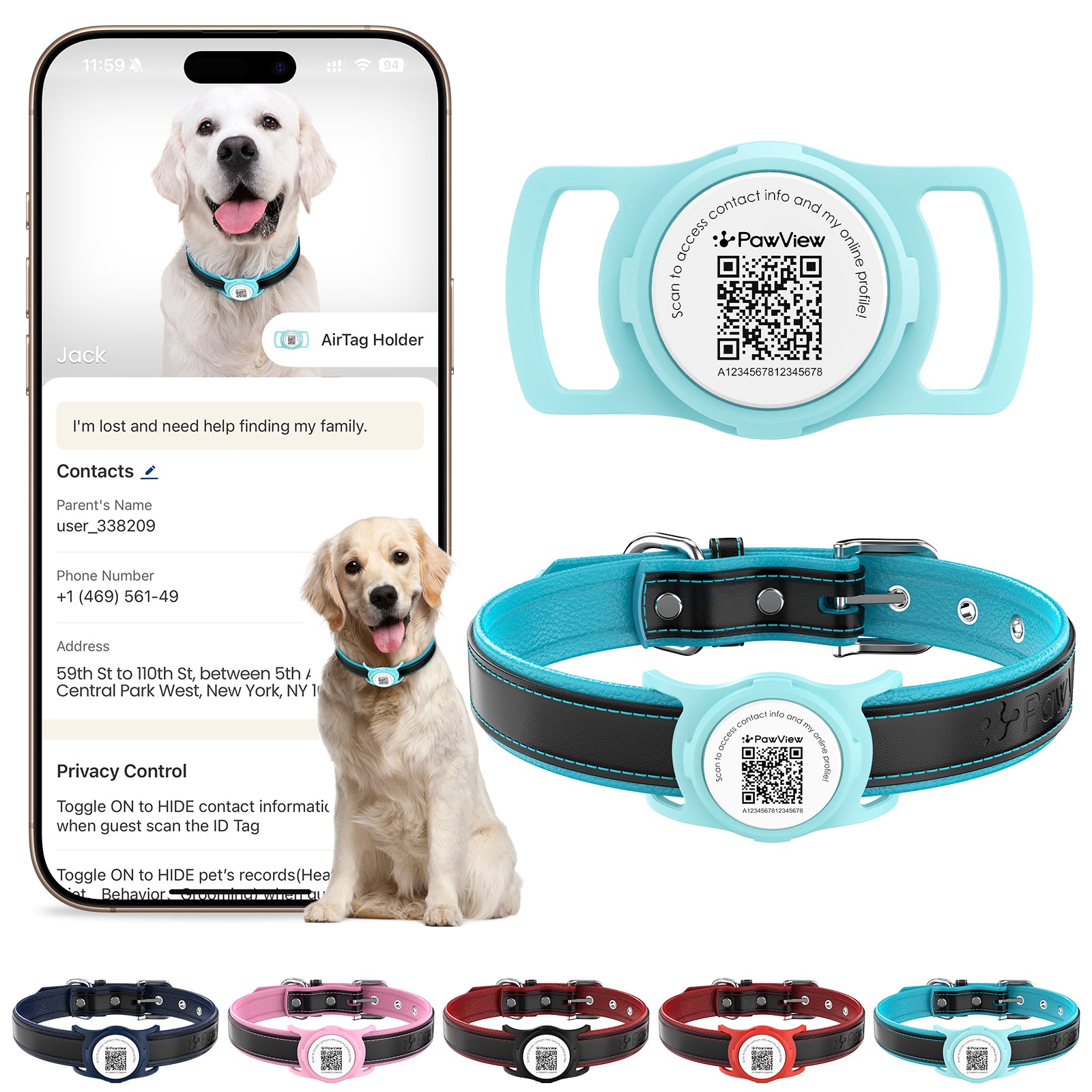
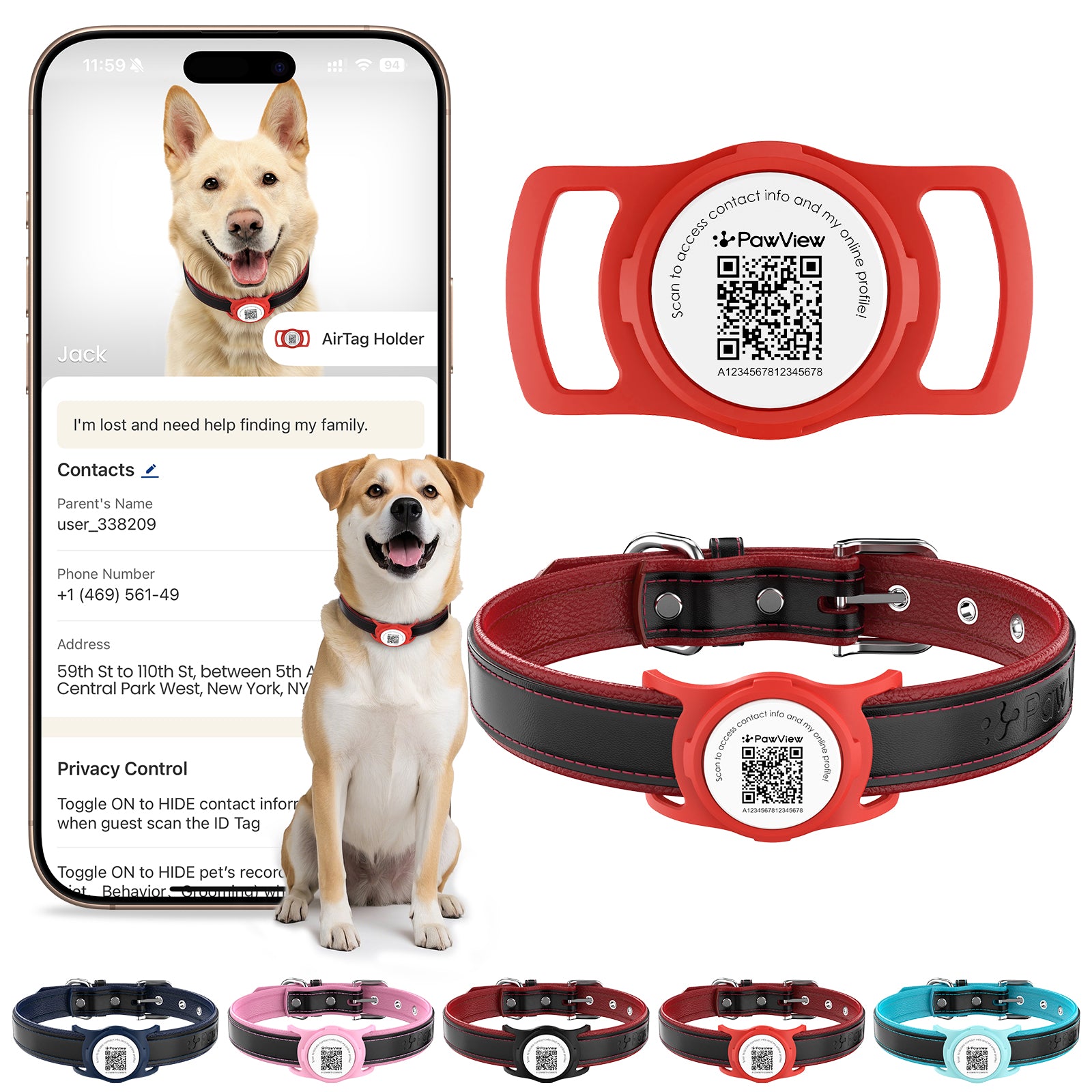
Equally important is proper identification. Making sure your dog wears a visible ID tag or smart ID device is often overlooked, yet it dramatically increases the chance of a lost pet being returned quickly—especially at night when visibility is limited.
Nighttime Dog Walking Safety Is a Long-Term Habit
Staying safe during nighttime dog walks isn’t about one product or one action. It’s about building a system of habits—improving visibility, choosing safe routes, using a leash consistently, understanding nighttime risks, and being prepared for emergencies.
When these habits come together, nighttime walks return to what they should be: calm, meaningful moments of companionship. With the right preparation, walking your dog after dark becomes not just safer, but more enjoyable—for both of you.


