







It’s a normal, sunny afternoon—you’re out walking your dog, feeling great. Just as you reach for a poop bag to clean up after them, you glance around and notice something: every other dog parent nearby is doing the exact same thing, each carrying a bag of dog waste in their hand. That’s when it hit me—have you ever stopped to think about how many poop bags we’re using? The numbers are absolutely shocking.
Statistics show that around 230 million pet waste bags are used globally every single day. If you lined all those bags up end to end, they’d circle the Earth a whopping 4.8 times daily. For the U.S. alone, the pet poop bags consumed in just one year require approximately 150 million gallons of crude oil to produce. These figures are mind-blowing—and the environmental impact is quietly piling up. Most notably, non-degradable pet waste bags often end up in oceans. Tragically, 3% of annual cases where marine life dies from ingesting plastic can be traced back to fragments of pet poop bags.
Faced with these facts, we need to be more mindful about the pet waste bags we use and choose. Below are key factors to consider when picking the right ones:
l Traditional Plastic Bags vs. Biodegradable Plastic Bags vs. Post-Consumer Recycled (PCR) Plastic Bags
First things first: we need to understand what our poop bags are made of—different materials have wildly different impacts on the planet.
Let’s start with traditional plastic bags. These are made from petroleum-based synthetic resins (think polyethylene/PE or polypropylene/PP- materials we’re all familiar with). Their environmental footprint is the most severe: they take a staggering 200–500 years (or even longer!) to decompose, and they only break down physically into microplastics. These plastics occupy landfills for decades, polluting soil and water sources. Over time, those tiny microplastics can even enter the food chain—severely disrupting our ecosystems. (Yes, the trash we throw away eventually comes back to affect us too!)
Compared to traditional plastics, biodegradable plastic bags are far more eco-friendly. They’re made from blended materials that balance performance and degradability. Under industrial composting conditions, they break down in 3–6 months, fully decomposing into water, carbon dioxide, and harmless biomass. Unfortunately, while they’re a better choice than traditional bags, they come with a big catch: they require extremely specific conditions to decompose properly—and not all landfills can provide that industrial-grade composting environment. As a result, the actual decomposition efficiency and effectiveness of biodegradable bags often fall short of expectations.
So is there a type of poop bag that’s both better for the planet and reliable in quality? Enter post-consumer recycled (PCR) plastic bags—and they’re exactly what we need. As the name suggests, most of the material used to make these bags comes from plastic that’s already been used and recycled.
By giving new life to plastic that would otherwise linger in landfills, PCR bags drastically boost the efficiency of these non-degradable materials. While their decomposition rate can’t match that of biodegradable bags, they’re undoubtedly a more eco-friendly choice when you consider the high environmental requirements and low actual efficiency of biodegradable options.
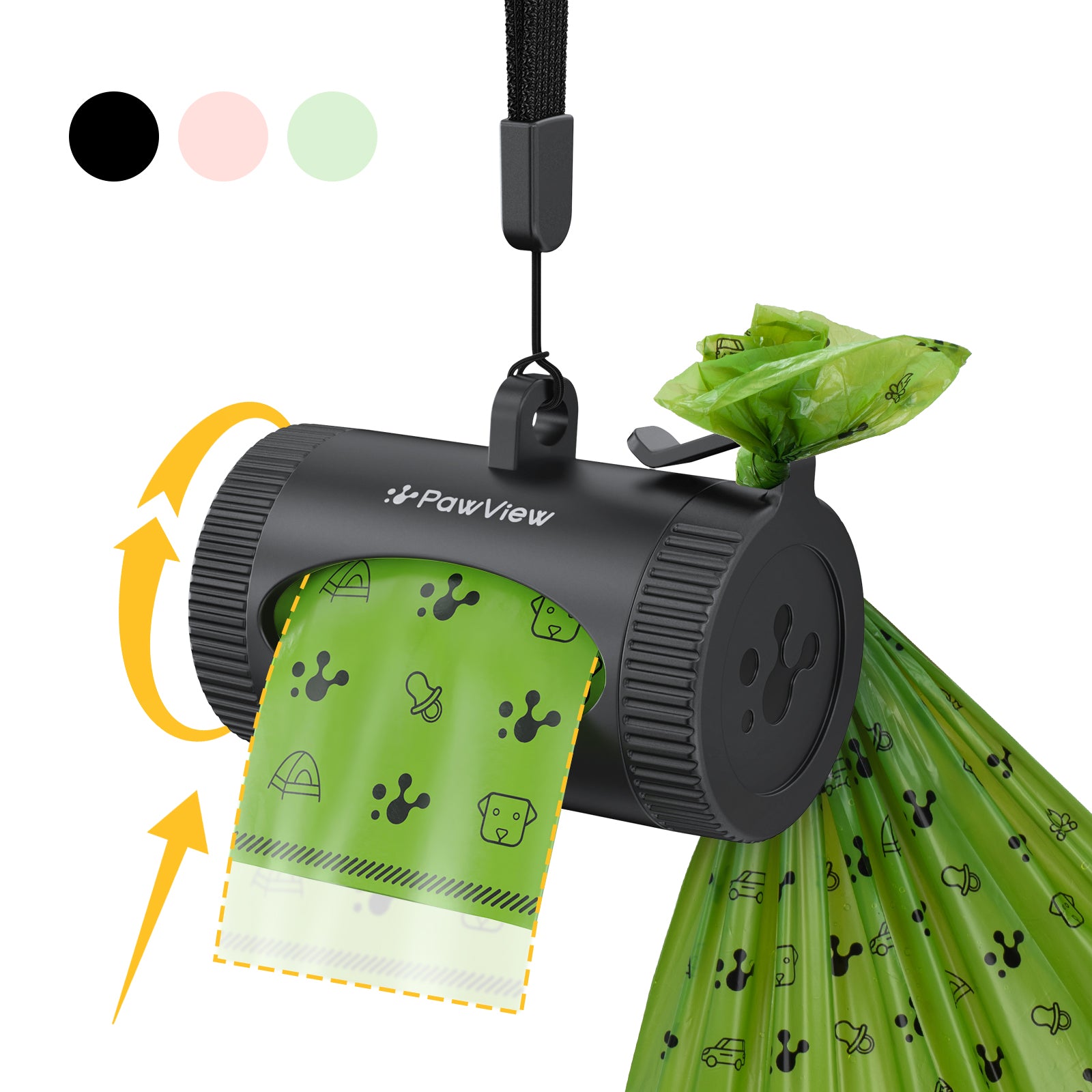
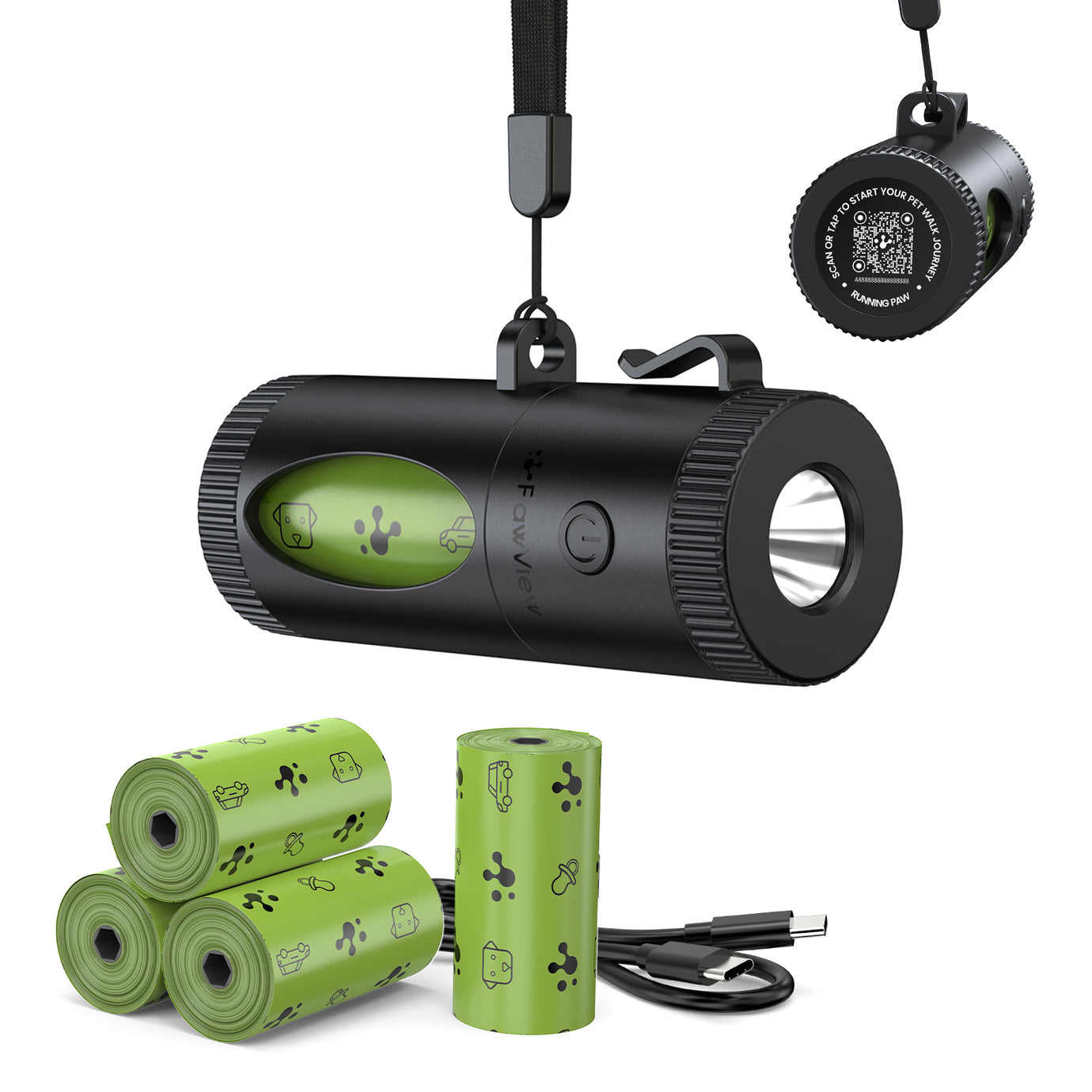
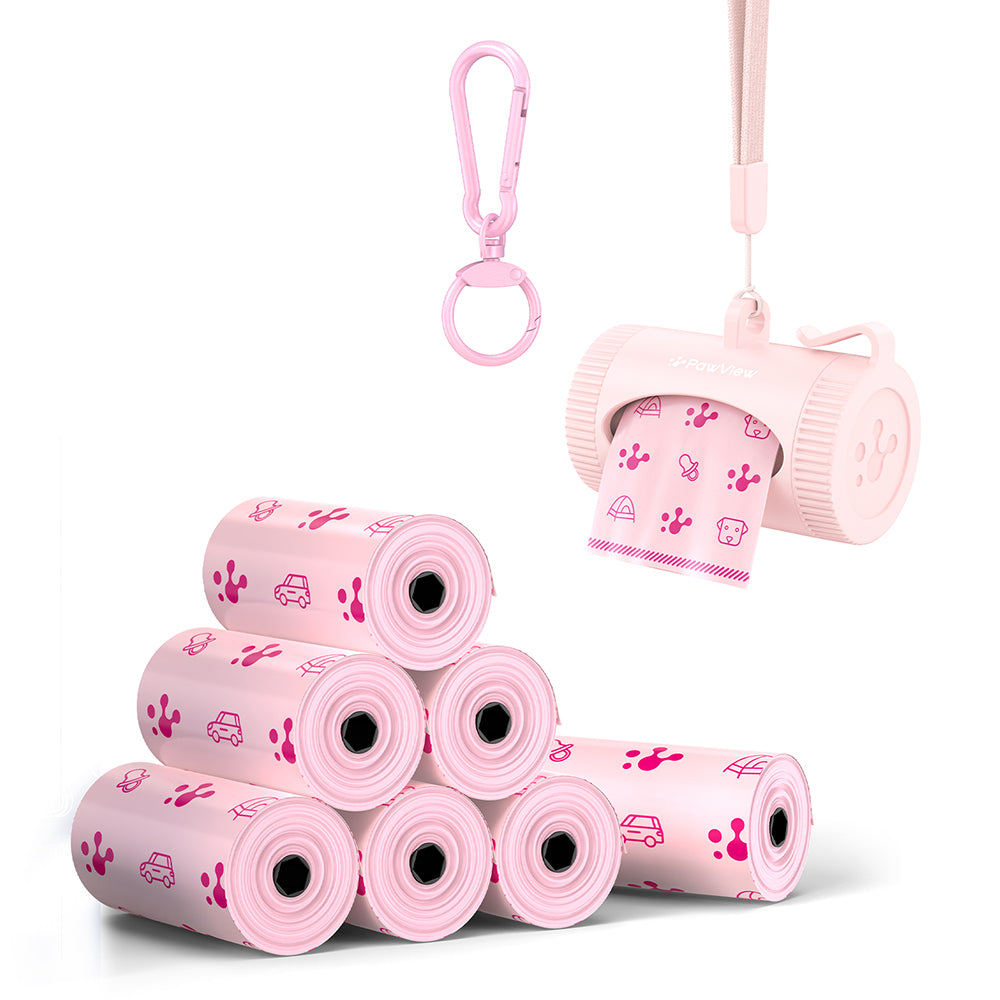
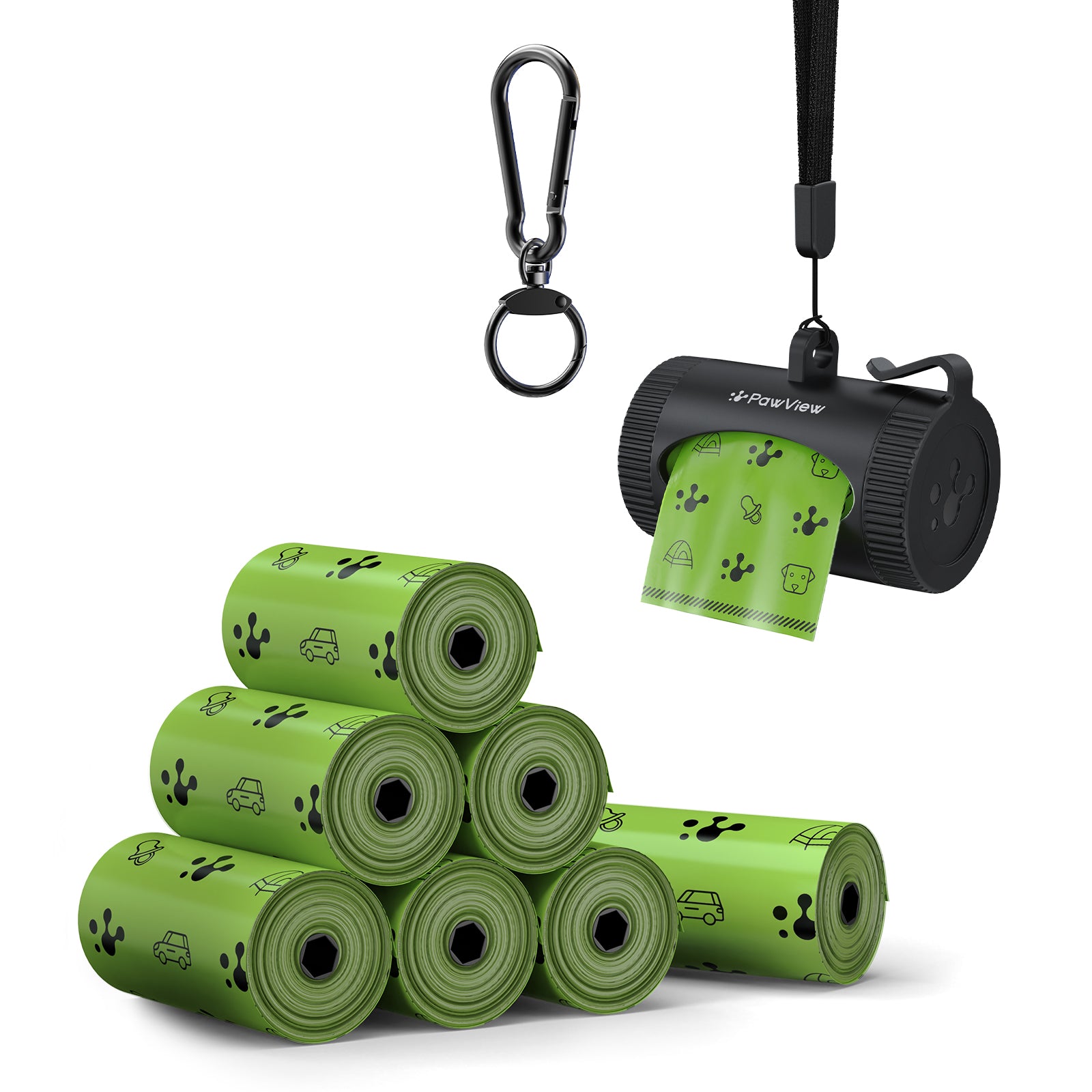
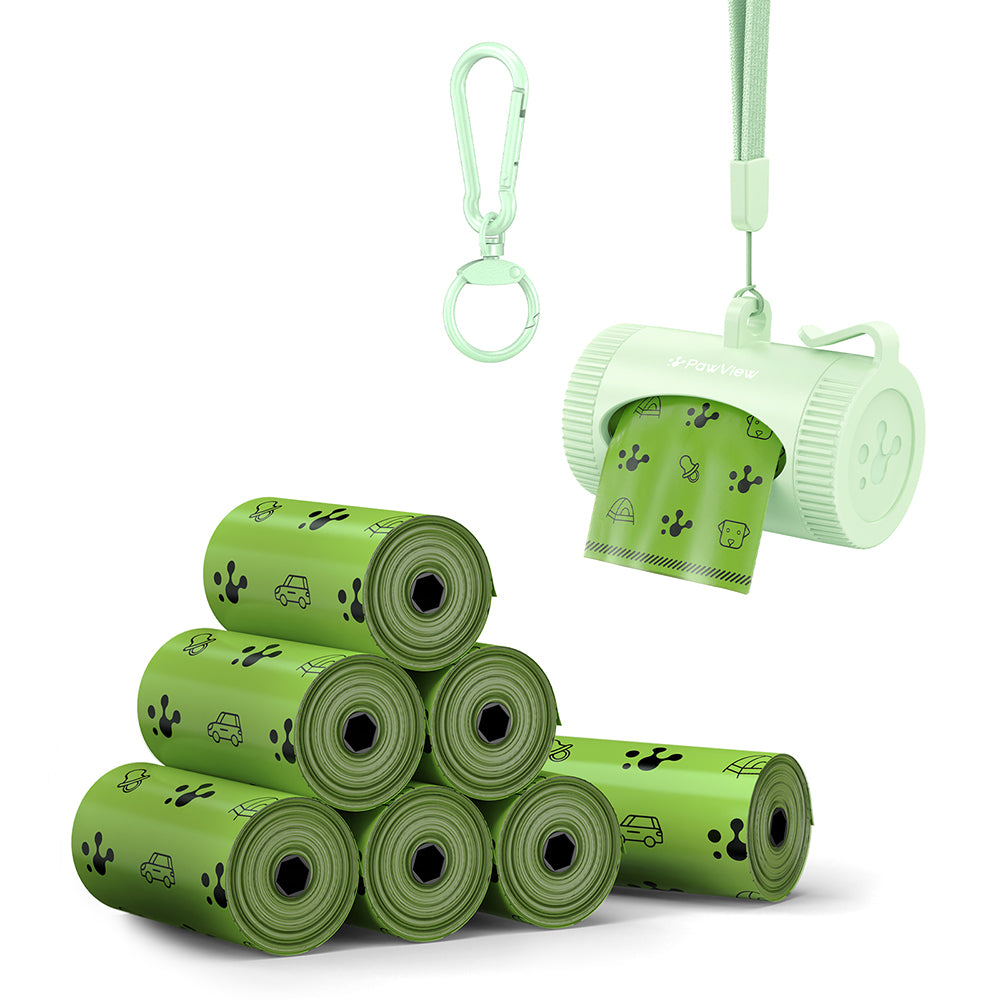
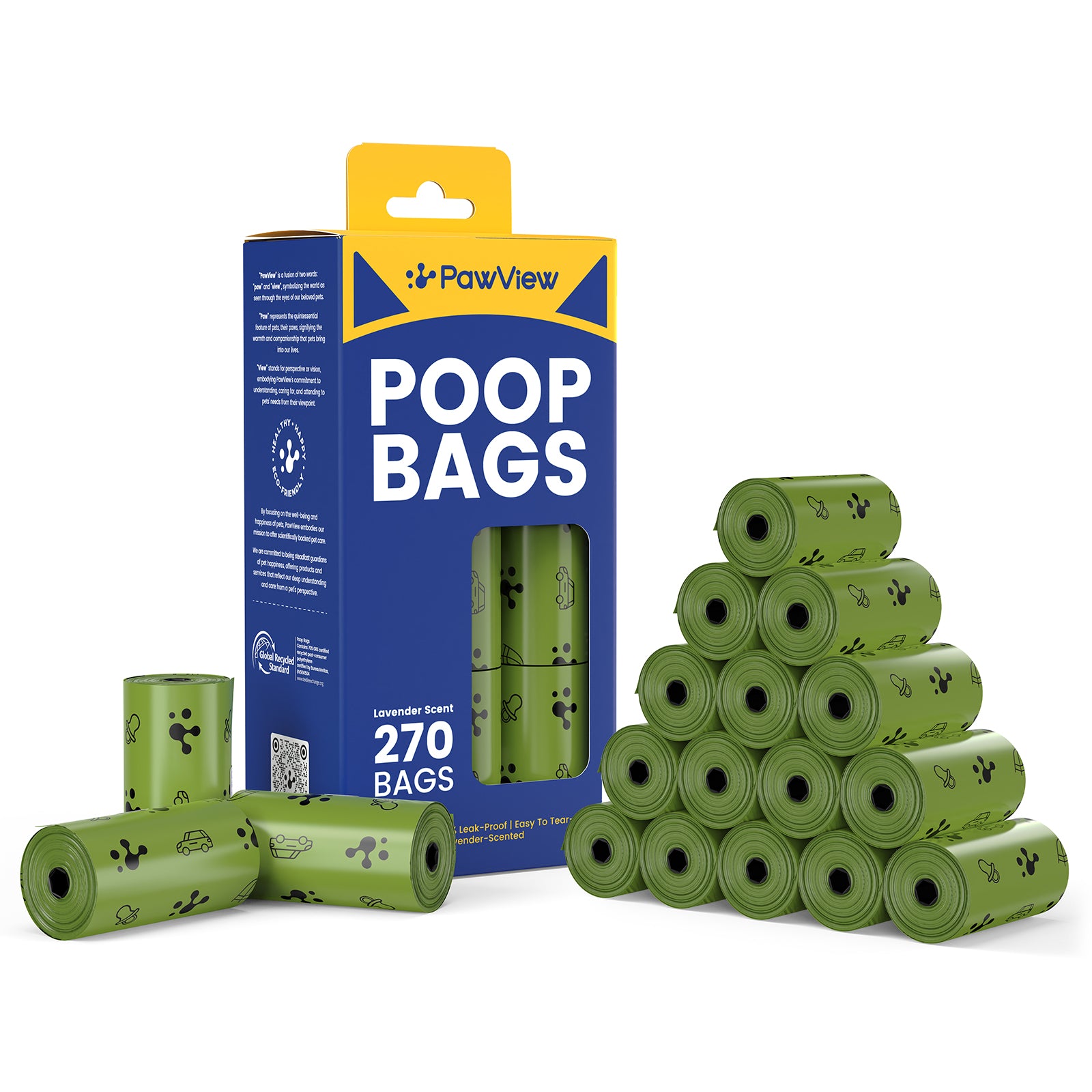
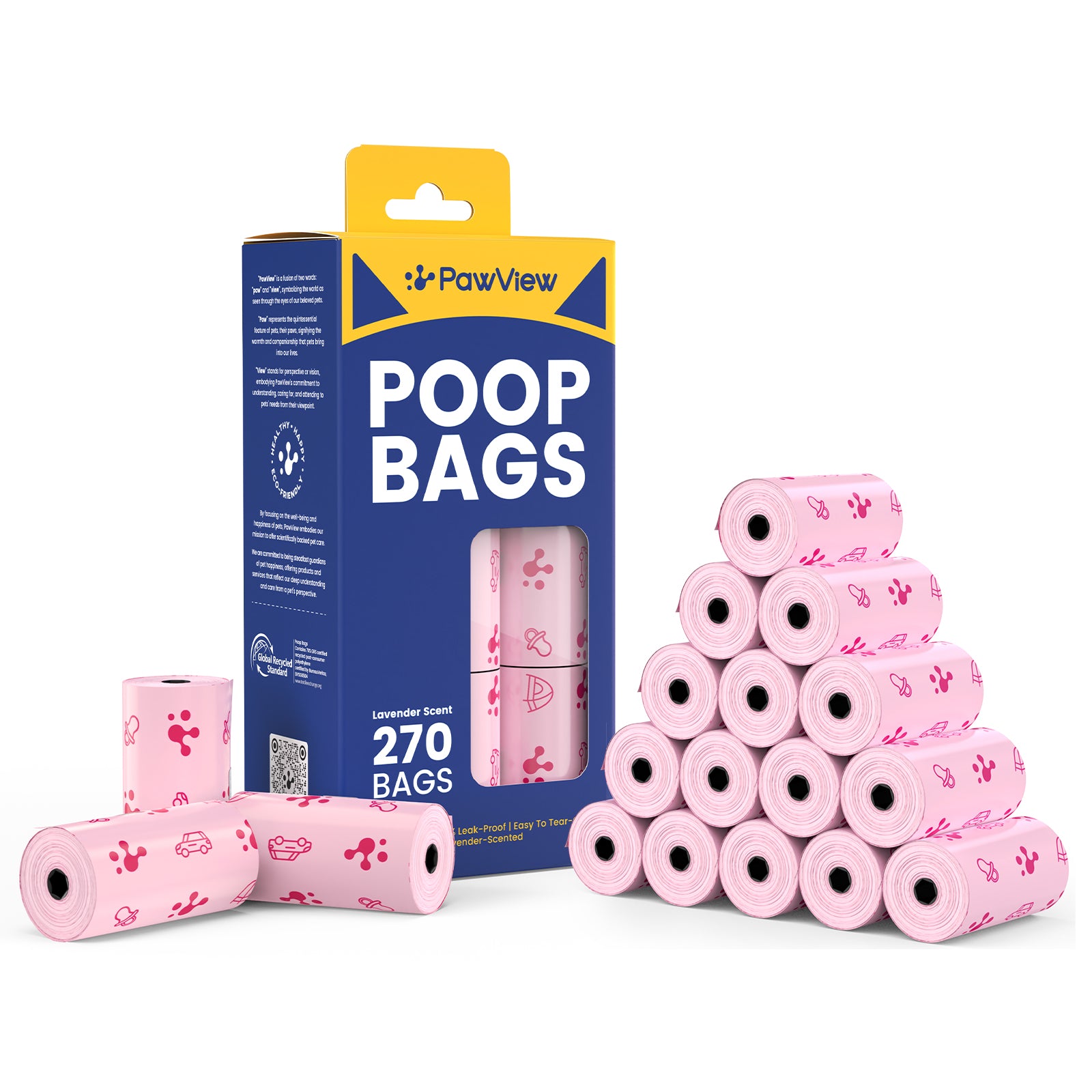
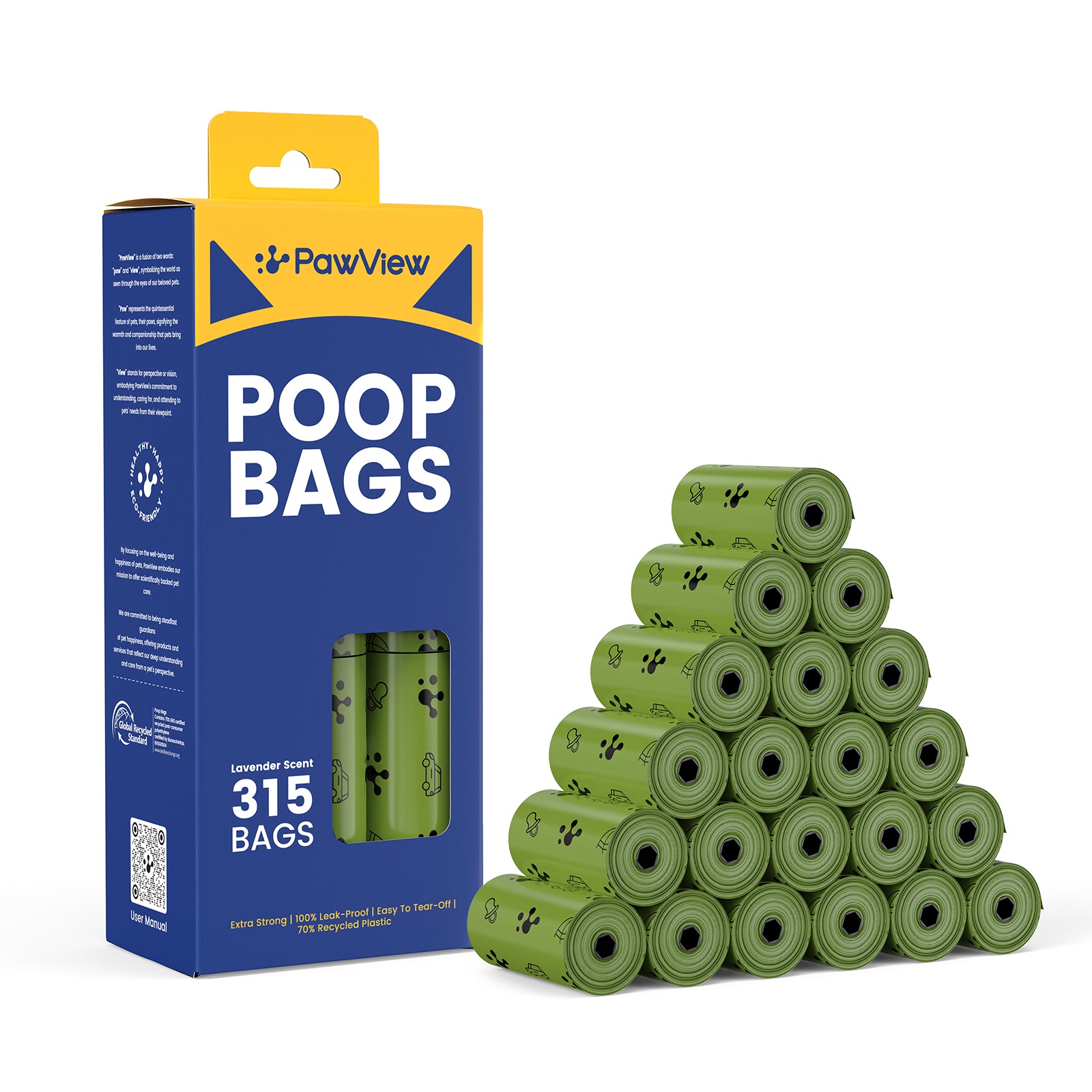
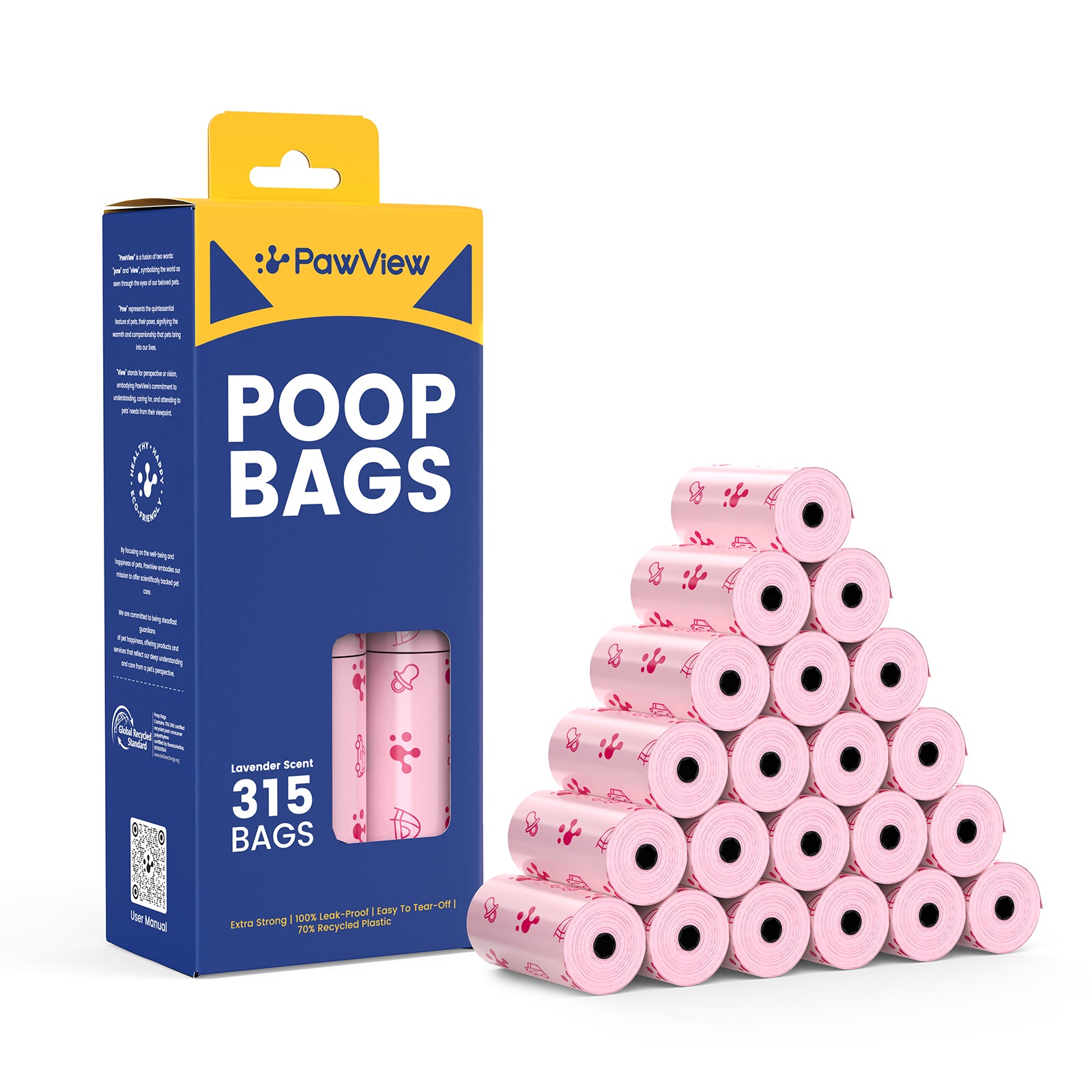
Case in point: PawView’s eco-friendly pet waste bags are made with 70% post-consumer recycled material. It’s not just a smart way to repurpose waste—it’s a powerful step toward protecting our planet.

l Bag Quality Matters Too—Don’t Compromise!
We’re all striving to be eco-friendly and choose pet waste bags that won’t harm the planet—but let’s be real: we can’t settle for “green” bags that are total duds in quality! Nothing’s worse than a nightmare scenario: you’re walking along, and suddenly the bag tears, spilling dog waste everywhere. Imagine this: you’re strolling through the park in your brand-new shoes, surrounded by people. Out of nowhere, your poop bag rips—dog waste gets all over your shoes and the ground, and every eye around you locks onto you. (Total nightmare!!!)
That’s why bag quality is non-negotiable. When shopping for poop bags, opt for thickened, heavy-duty options—they’re puncture-resistant and leak-proof, so you can clean up with confidence. PawView’s eco-friendly pet waste bags check all the boxes here! Unlike flimsy traditional plastic bags, these are made with 15-micron thick material—super puncture-proof and guaranteed not to get your hands dirty. They’re also extra-long, so you never have to worry about touching waste while cleaning up, and they tie up easily. One bag per walk is all you need—done and done!
At the end of the day, as inhabitants of this planet, we all have a responsibility to protect it. Faced with the environmental impact of pet waste bags, us pet parents have to step up. Choose post-consumer recycled (PCR) or biodegradable bags whenever possible—every small choice adds up to reduce our furry friends’ carbon pawprint. Here’s to living harmoniously with our fur babies on a beautiful, pollution-free Earth!


