








Choosing an ID tag for your pet often feels like a quick checkbox: pick one up when you bring your dog or cat home, clip it on—and forget about it.
But here’s the truth: you only really notice that tag when your pet goes missing.
If your dog slips out the front door or your cat darts off during a walk, that little piece of metal might be their only way back to you.
If your dog slips out the front door or your cat darts off during a walk, that little piece of metal might be their only way back to you.
For decades, engraved metal tags have been the go-to. They’re simple, reliable, and work without any tech.
But life changes—phone numbers change, living situations shift, and care routines evolve. So which ID tag truly fits your pet’s life today?
But life changes—phone numbers change, living situations shift, and care routines evolve. So which ID tag truly fits your pet’s life today?
Let’s compare.
Engraved Tags: Simple, But Set in Stone
What they do well:
- Instantly readable by anyone—no phone, app, or internet needed
- A name and phone number can get your pet home fast
- Durable and widely recognized by neighbors, shelters, and Good Samaritans
The big limitation:
- Once engraved, the info is permanent. If you change your number—or move, or switch primary caregivers—you’re stuck with outdated info until you buy a new tag.
- No space for medical notes (“diabetic”), behavior cues, or other helpful context.
In short: engraved tags are good—until your contact info changes.
Smart Tags: Always Up to Date, No New Tag Needed
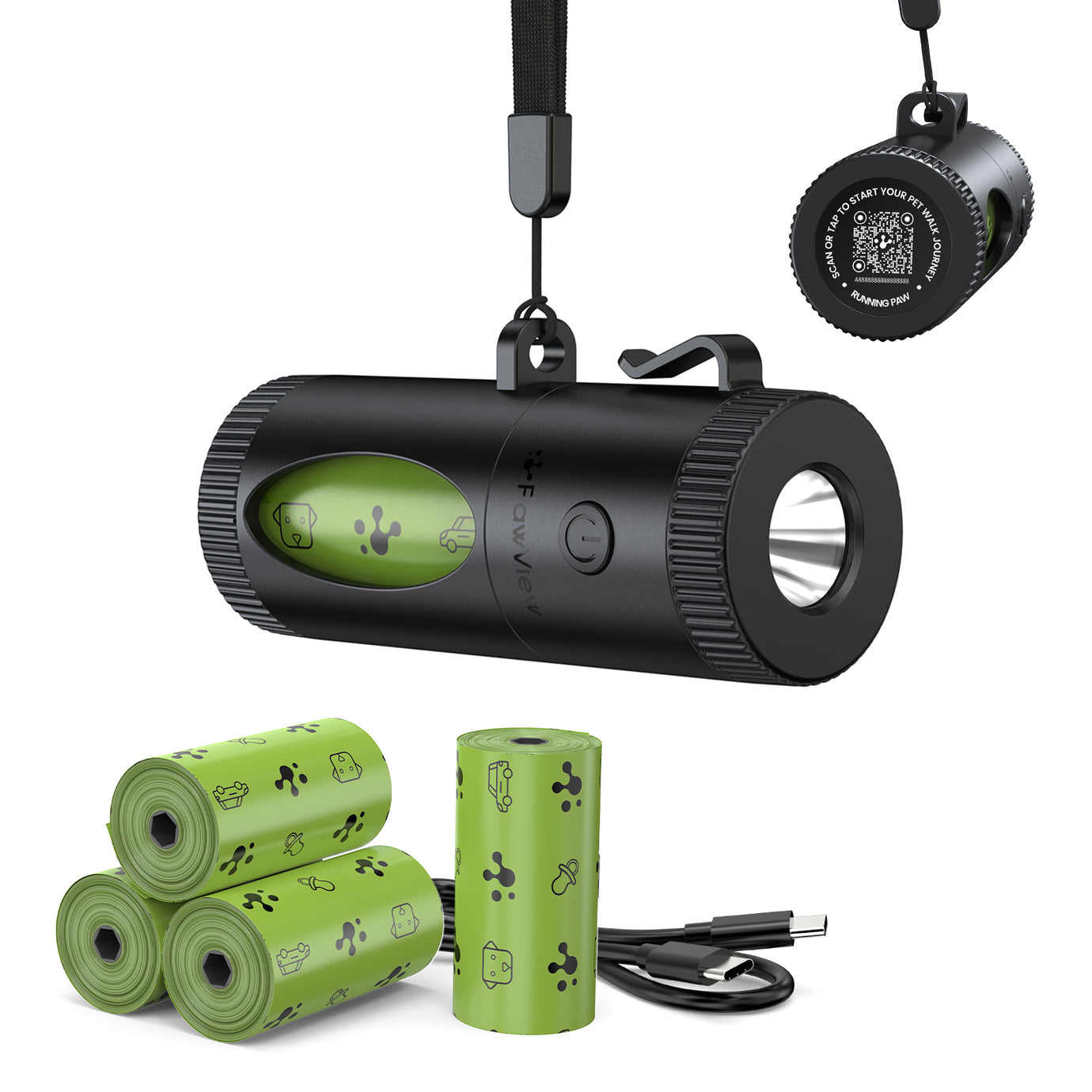
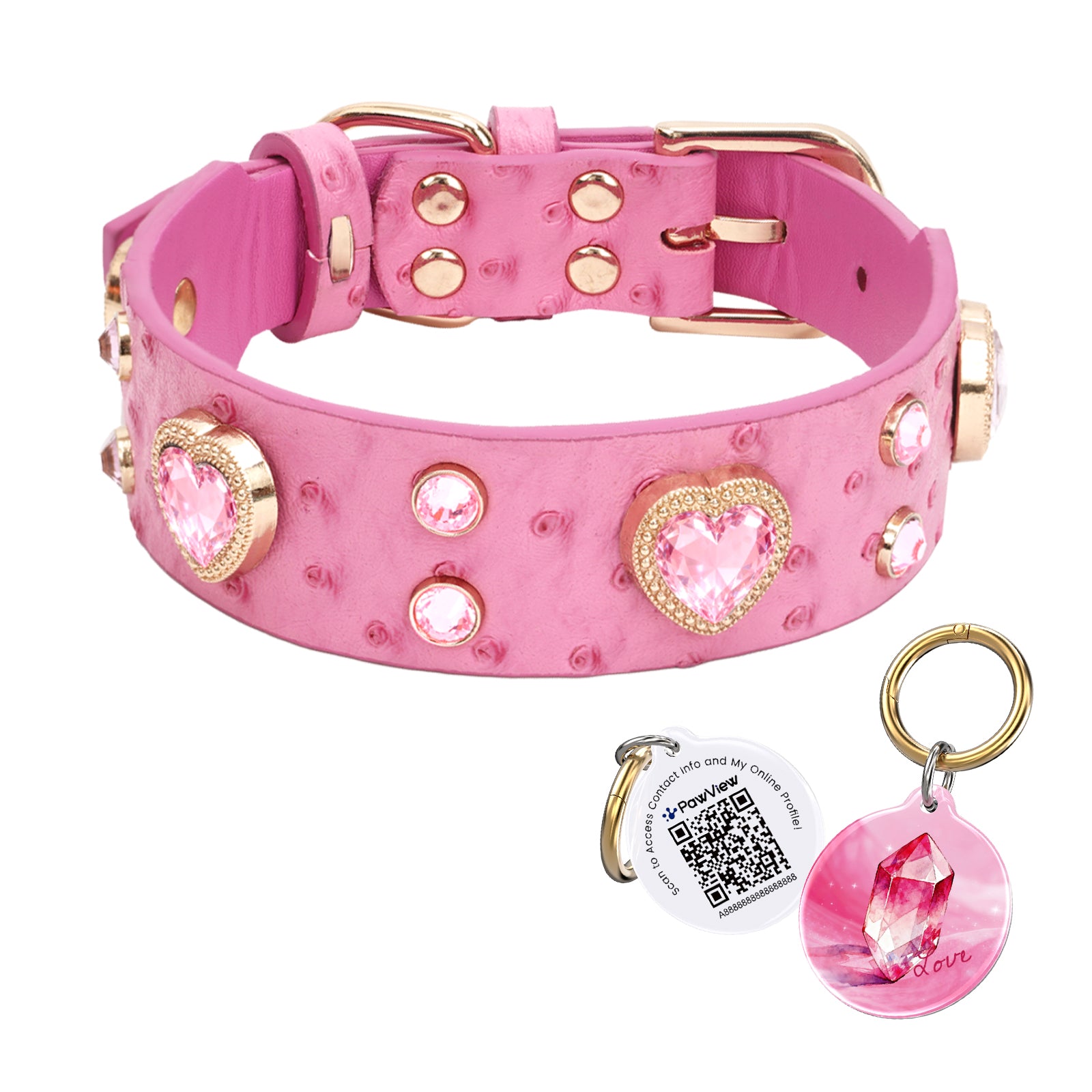
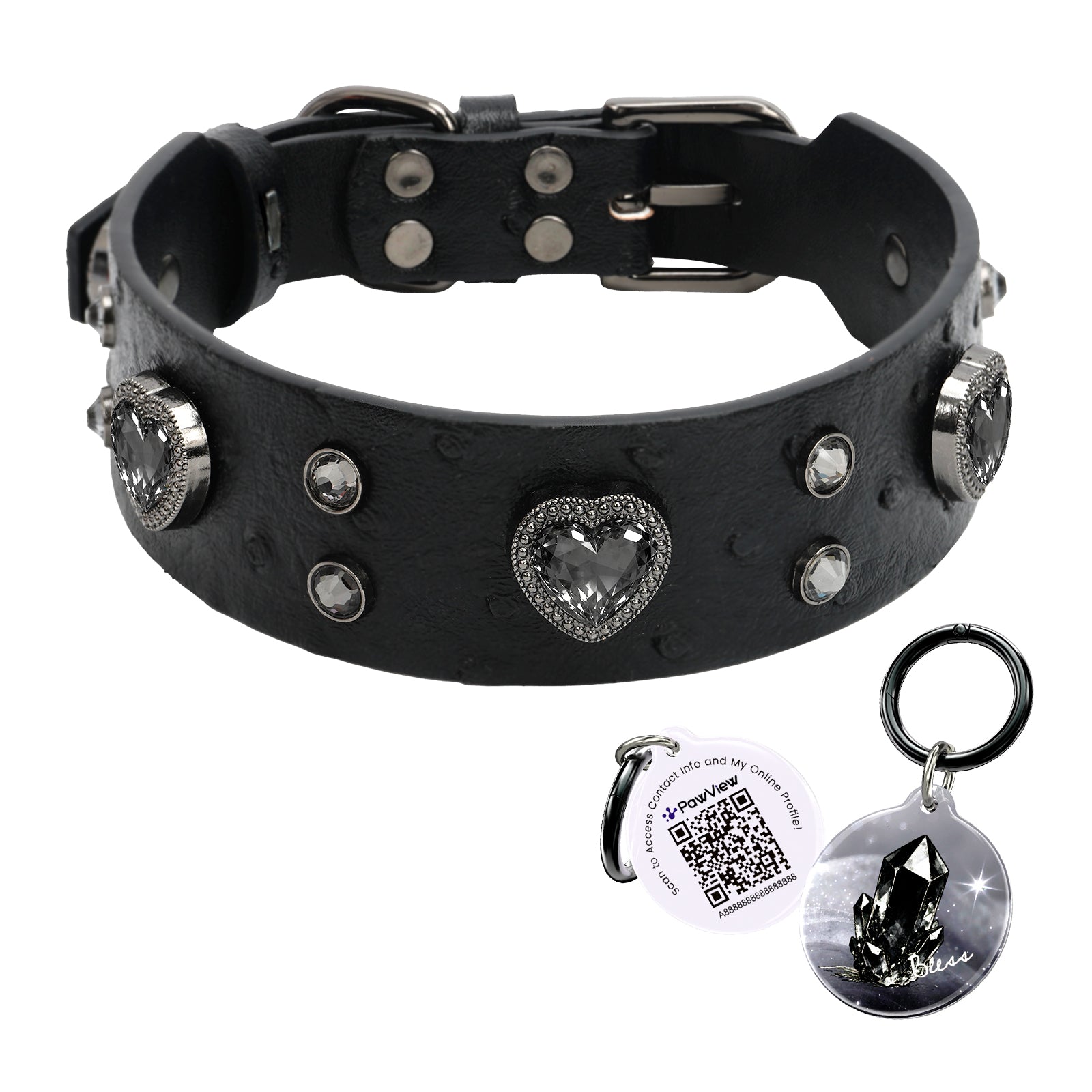
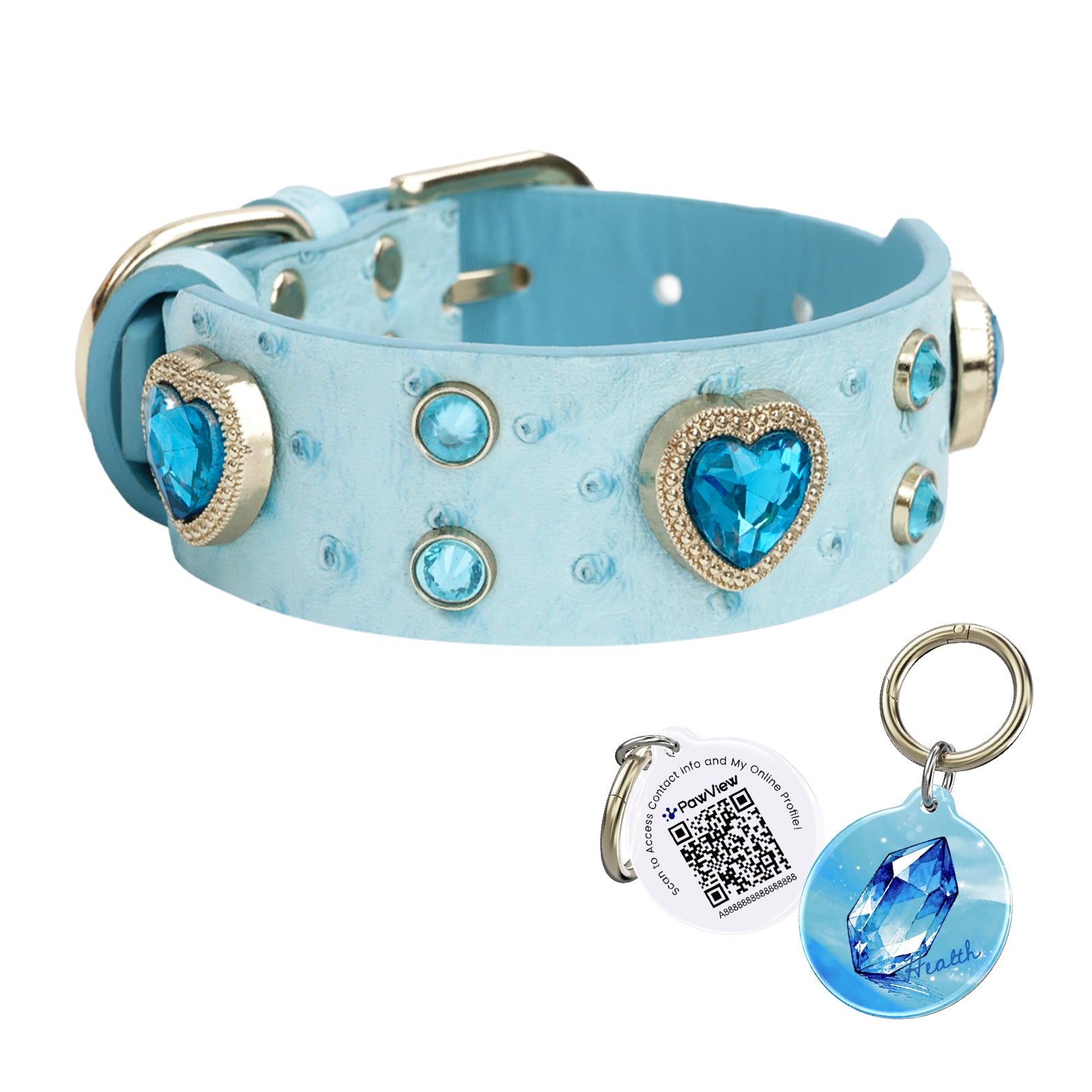
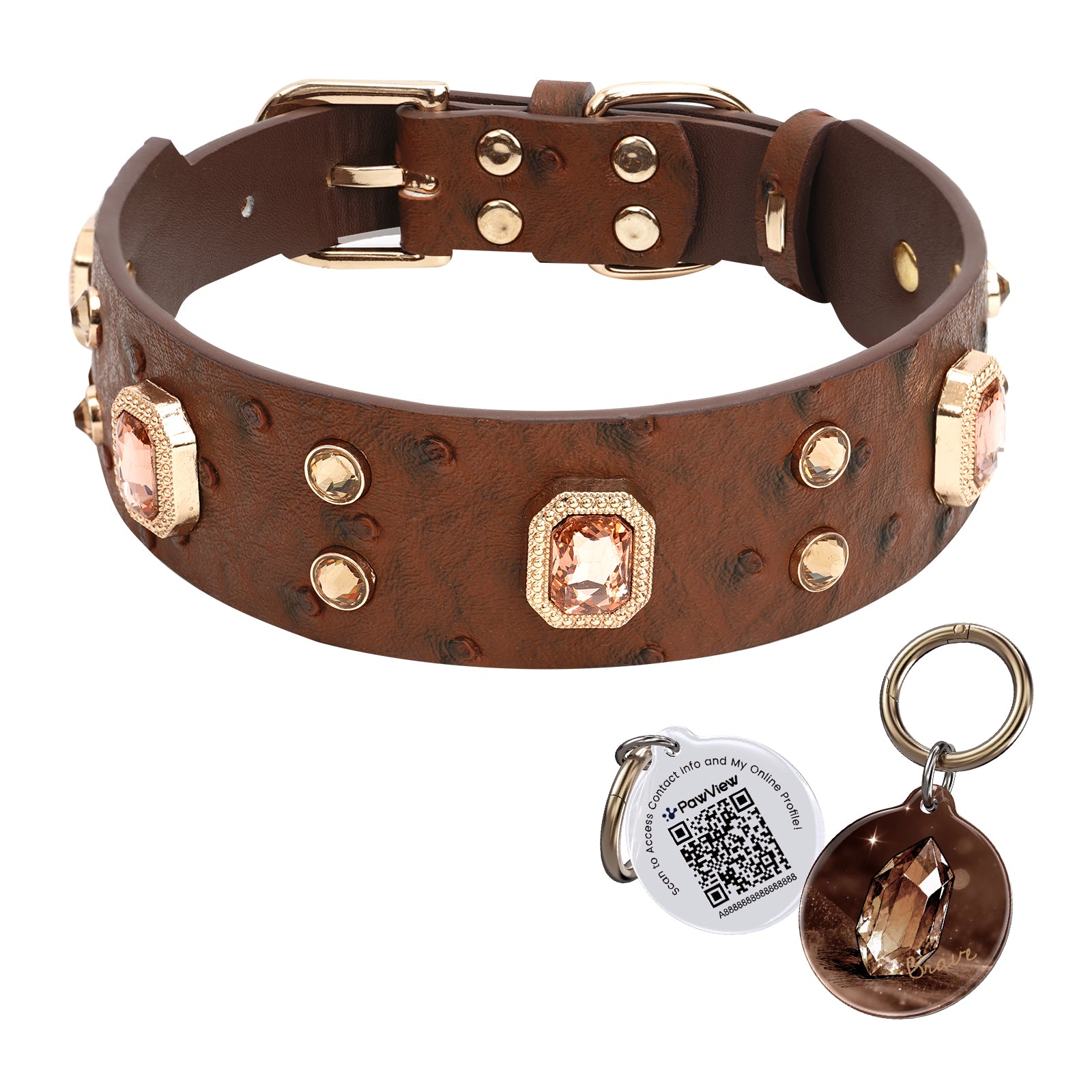
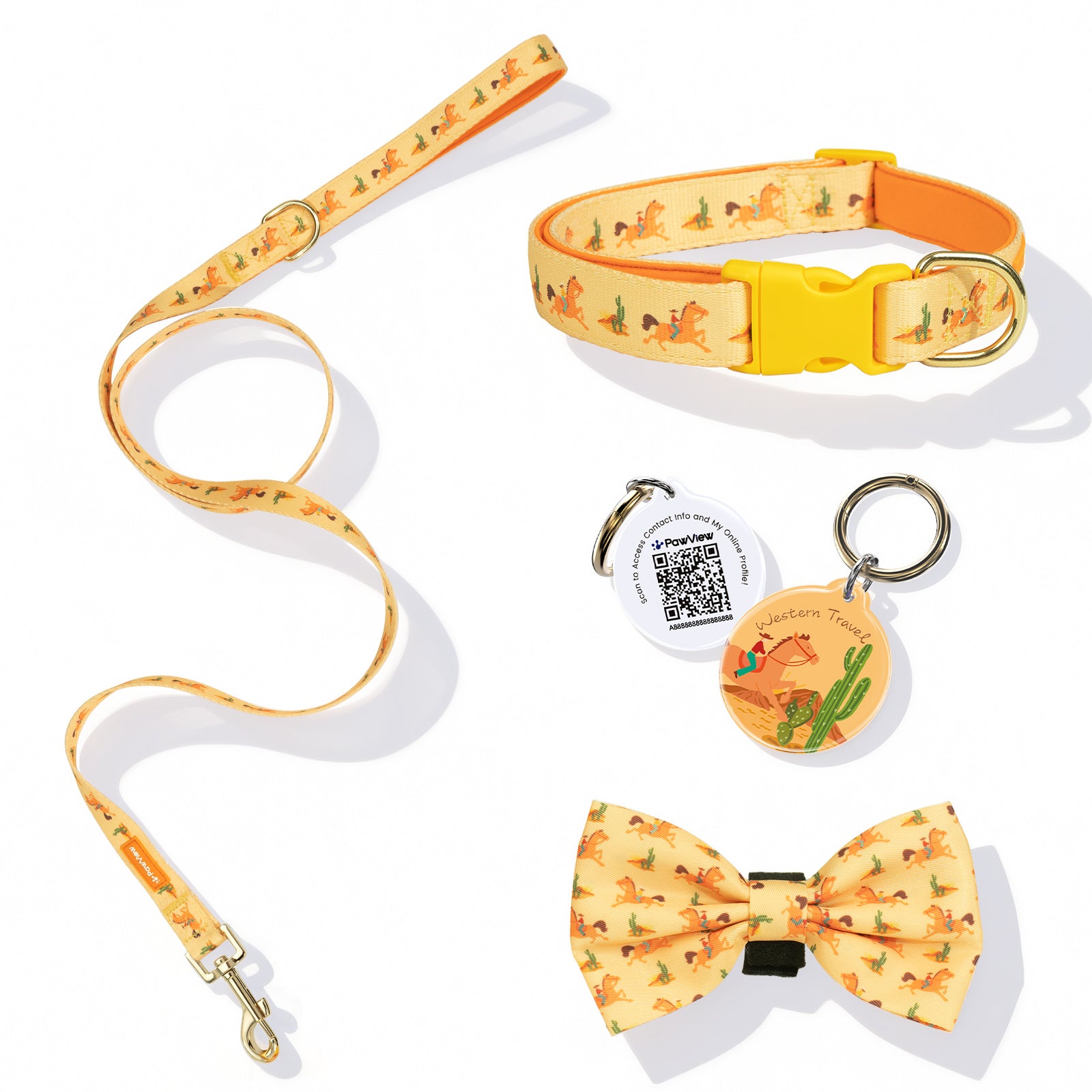
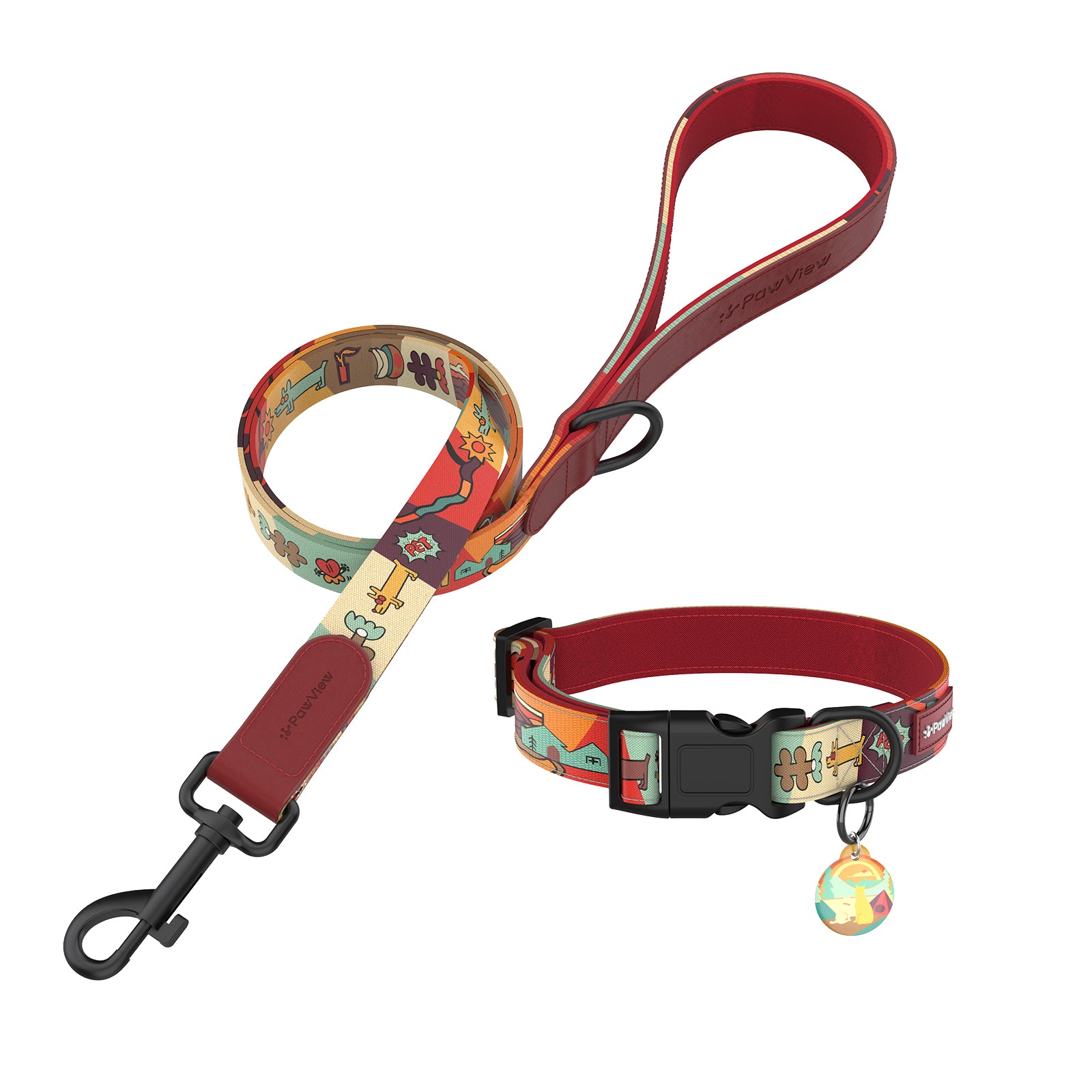
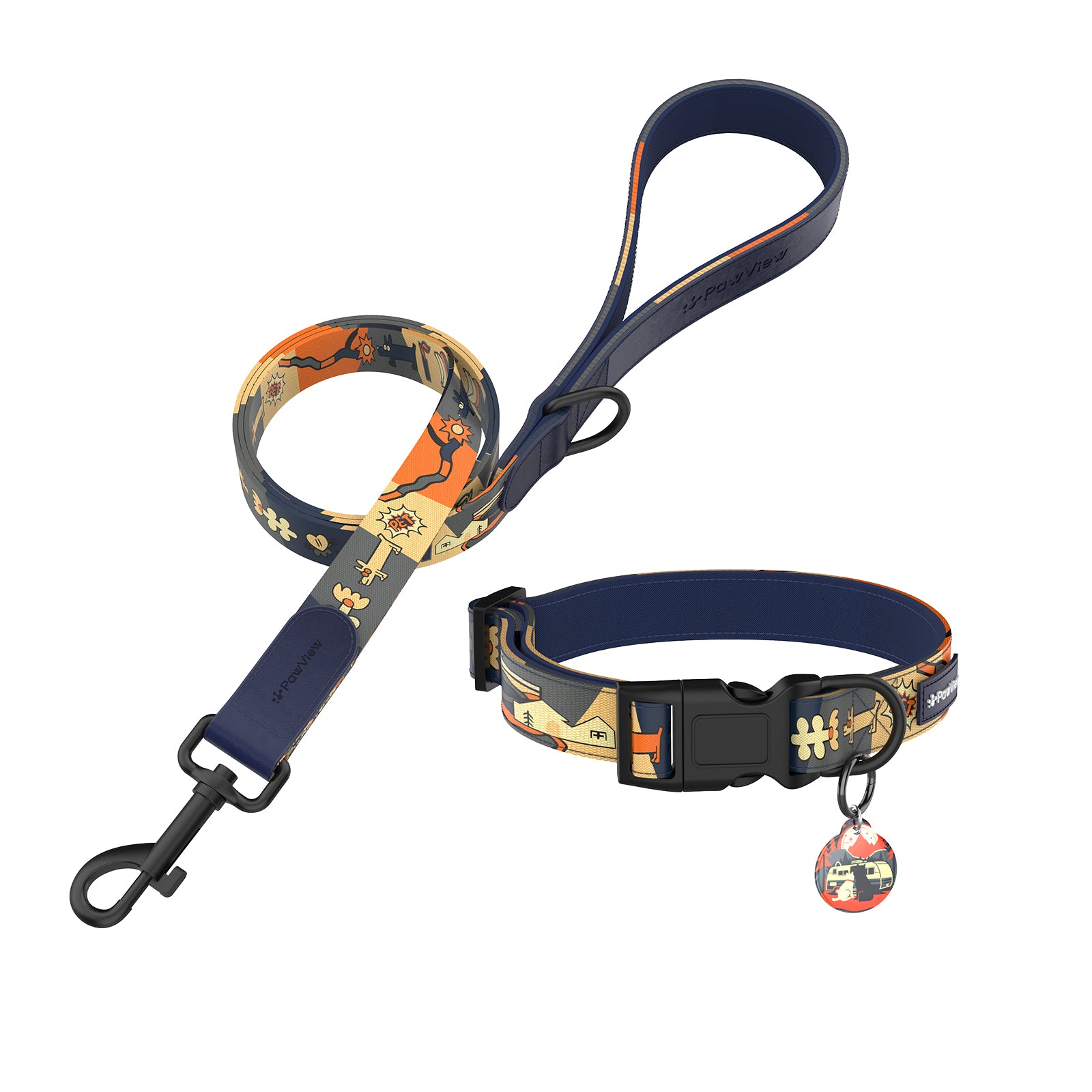
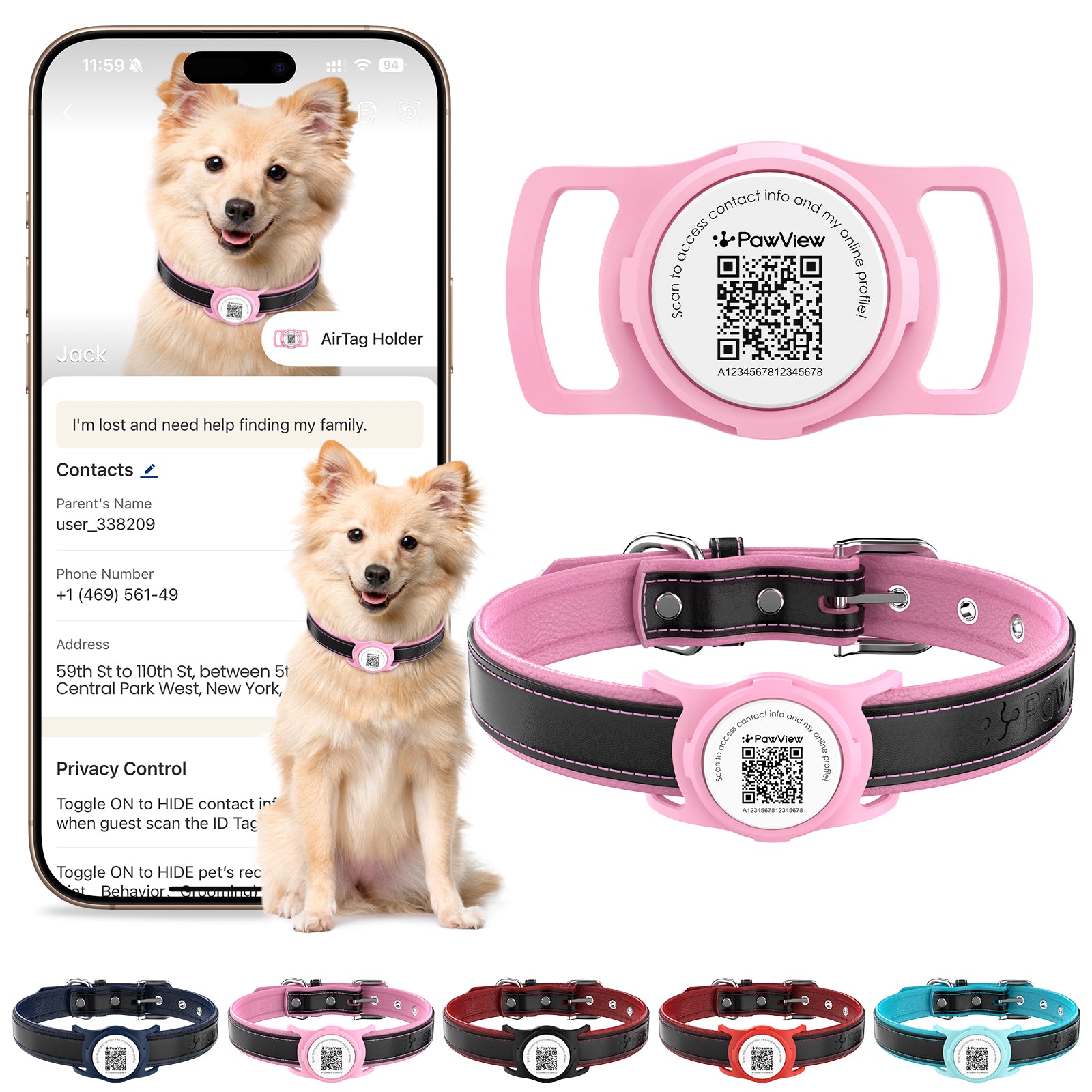
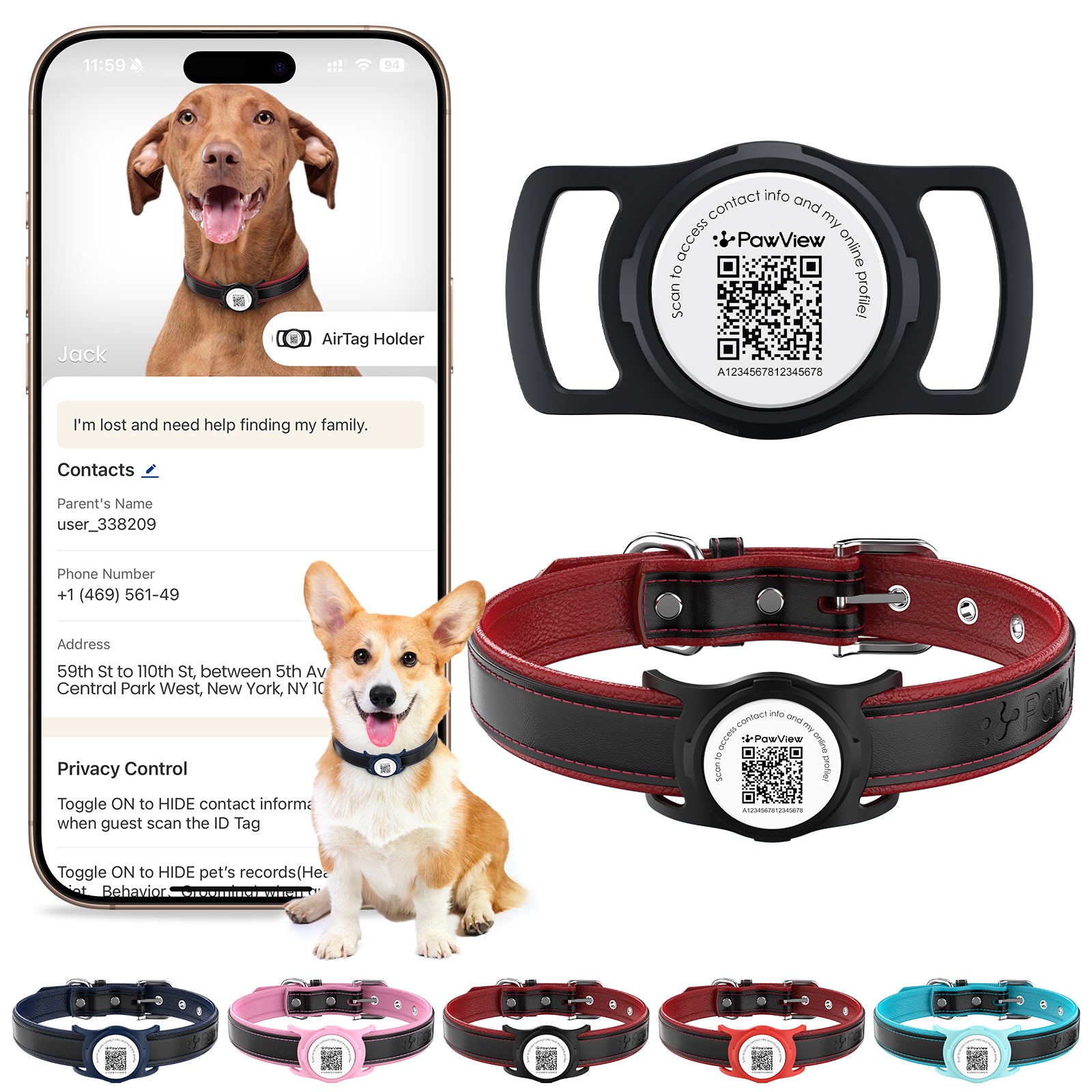
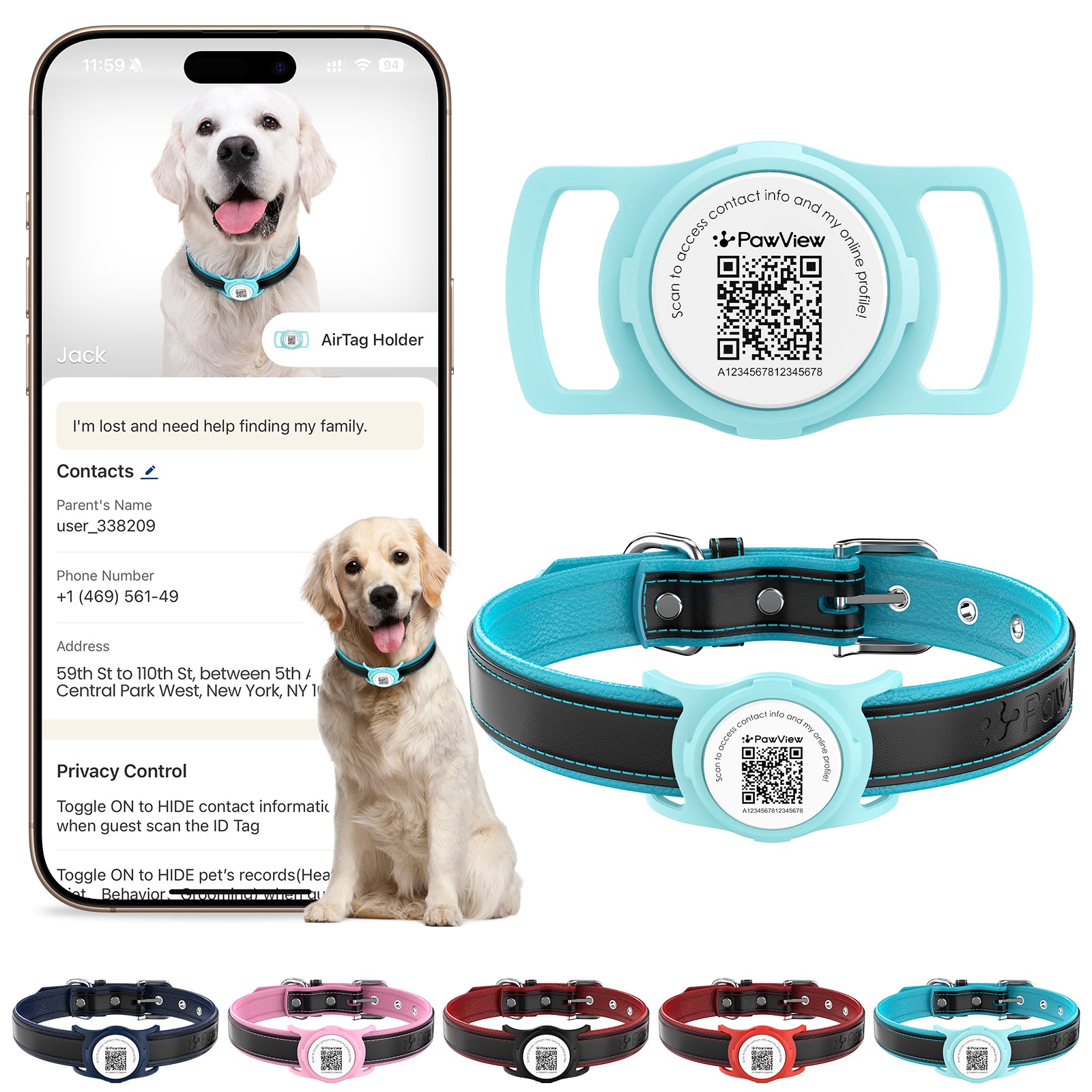
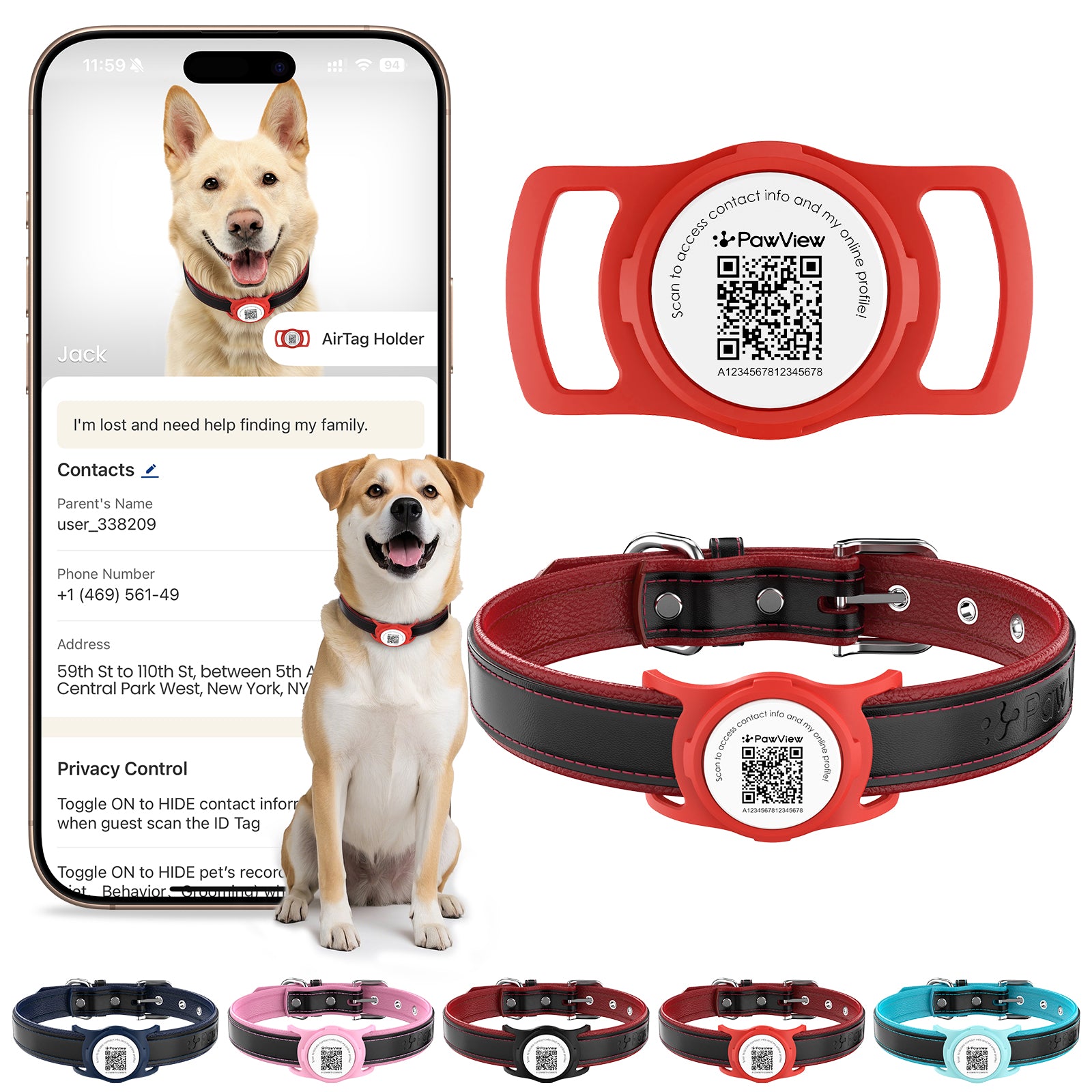
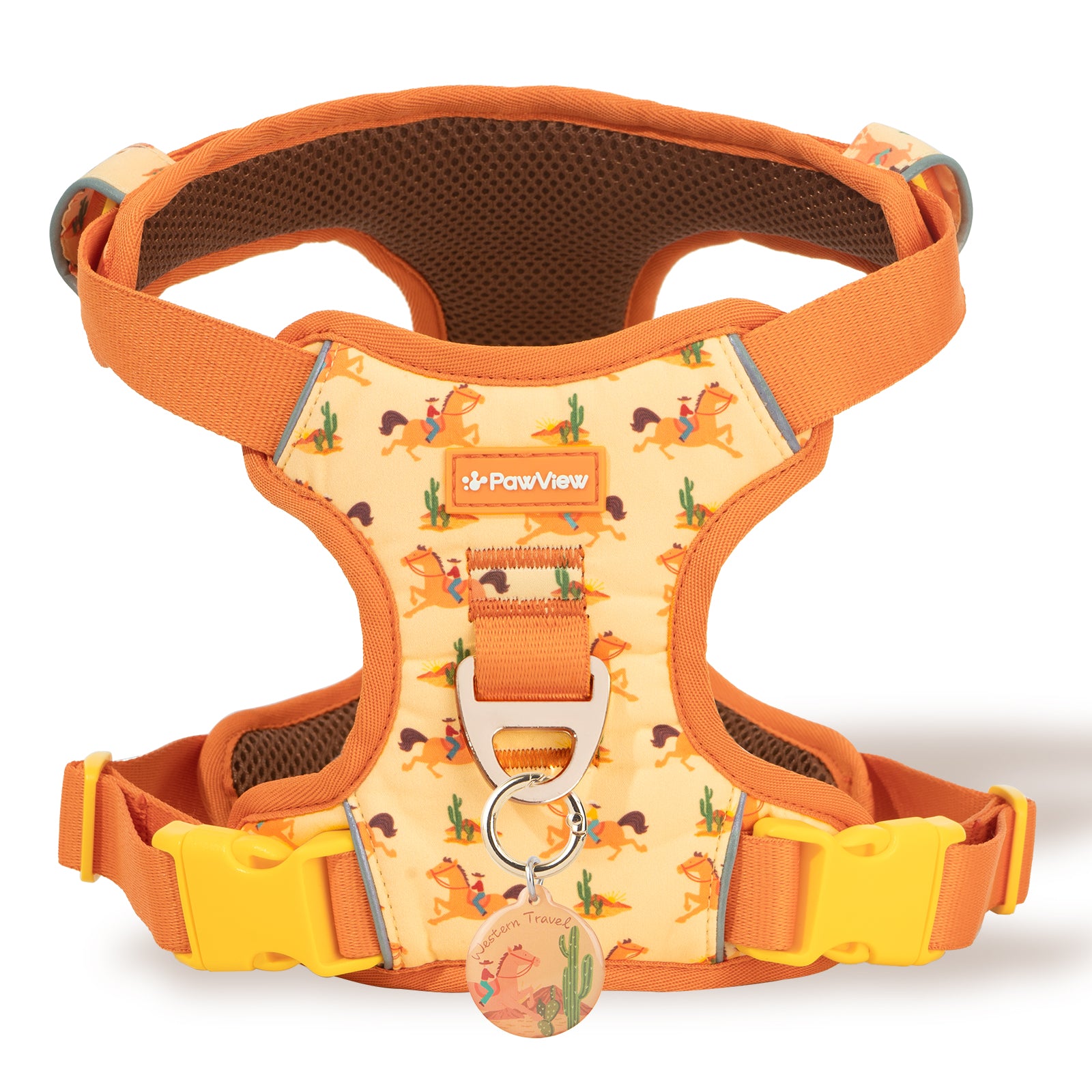
PawView smart pet tags use a QR code or NFC chip that links to an online profile you control from your phone.
The real power? You can update your current contact info anytime.
Moved? Changed carriers? Switched who’s the main point of contact? Just log in and edit—no trip to the pet store required.
Moved? Changed carriers? Switched who’s the main point of contact? Just log in and edit—no trip to the pet store required.
You can also add helpful details like:
- “Indoor-only cat—please don’t leave outside”
- “On heart medication—needs vet ASAP if lost”
- A recent photo to confirm identity
When someone finds your pet, they scan the tag, see your latest number and instructions, and can act quickly—even if your old number is disconnected.
Why Many Pet Parents Use Both
A growing number of owners wear both tags together—and for good reason:
- The engraved tag gives instant, no-tech access to a phone number (ideal for quick calls).
- PawView smart tag ensures that if that number is outdated—or if more info is needed—the finder can still reach you with your current details.
Think of it as a backup plan that actually works.
The Best Choice? It Depends on Your Life
There’s no one-size-fits-all answer. The right tag matches how you live now.
Ask yourself:
- Has my phone number or address changed in the last year?
- Do I travel, foster, or share pet care with others?
- Would a stranger need extra info to safely help my pet?
If your life isn’t static, a smart tag (paired with a traditional one) offers flexibility that engraved metal simply can’t.
One Last Tip
Check your pet’s tags every few months. Make sure they’re:
- Secure (not loose or worn)
- Legible (not faded or scratched beyond reading)
- Accurate (showing your current contact info)
Because the fastest way to bring your pet home is to make sure whoever finds them can reach you—not your old self.
Don’t wait for a close call to realize your ID tag is out of date. A quick update today could make all the difference tomorrow.


