






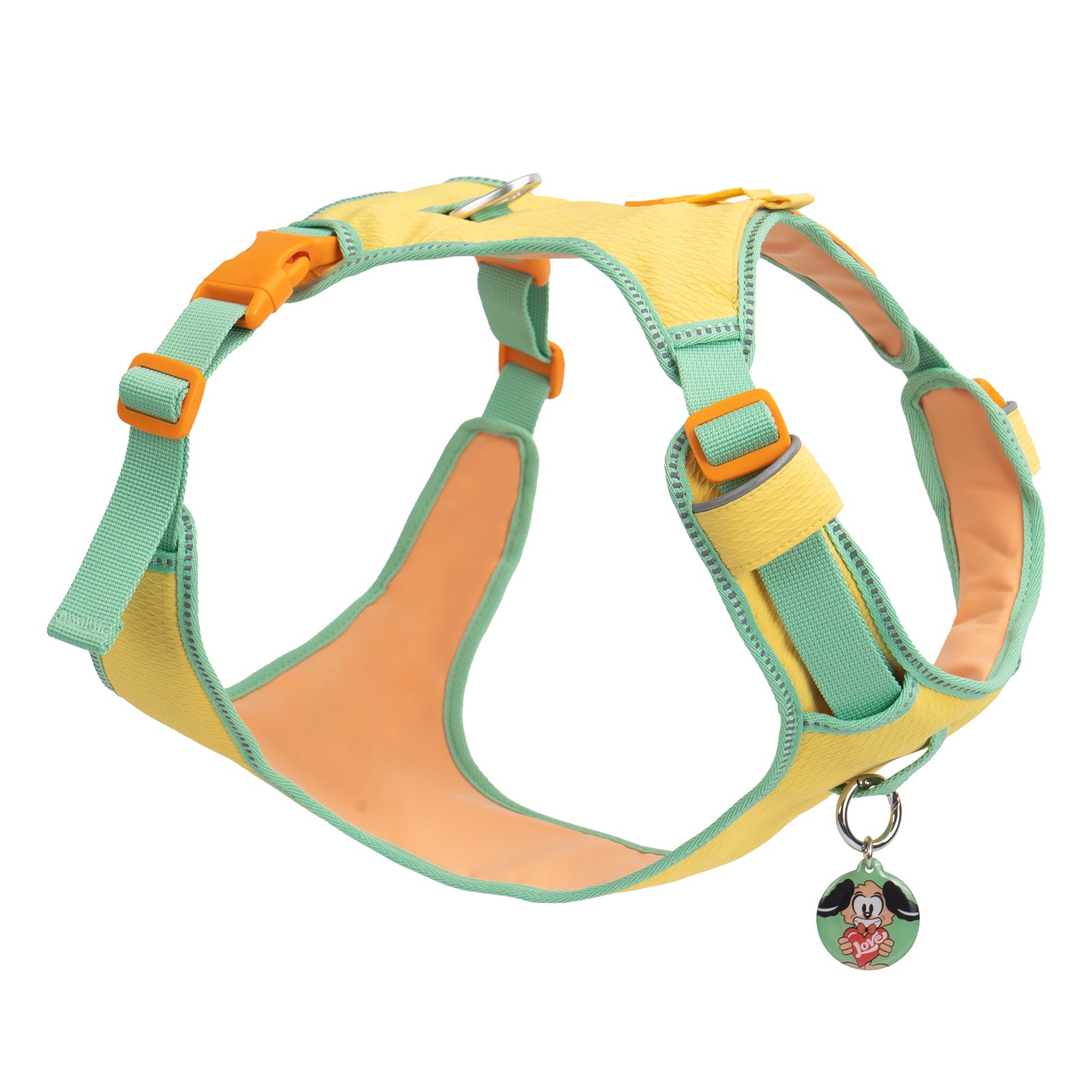
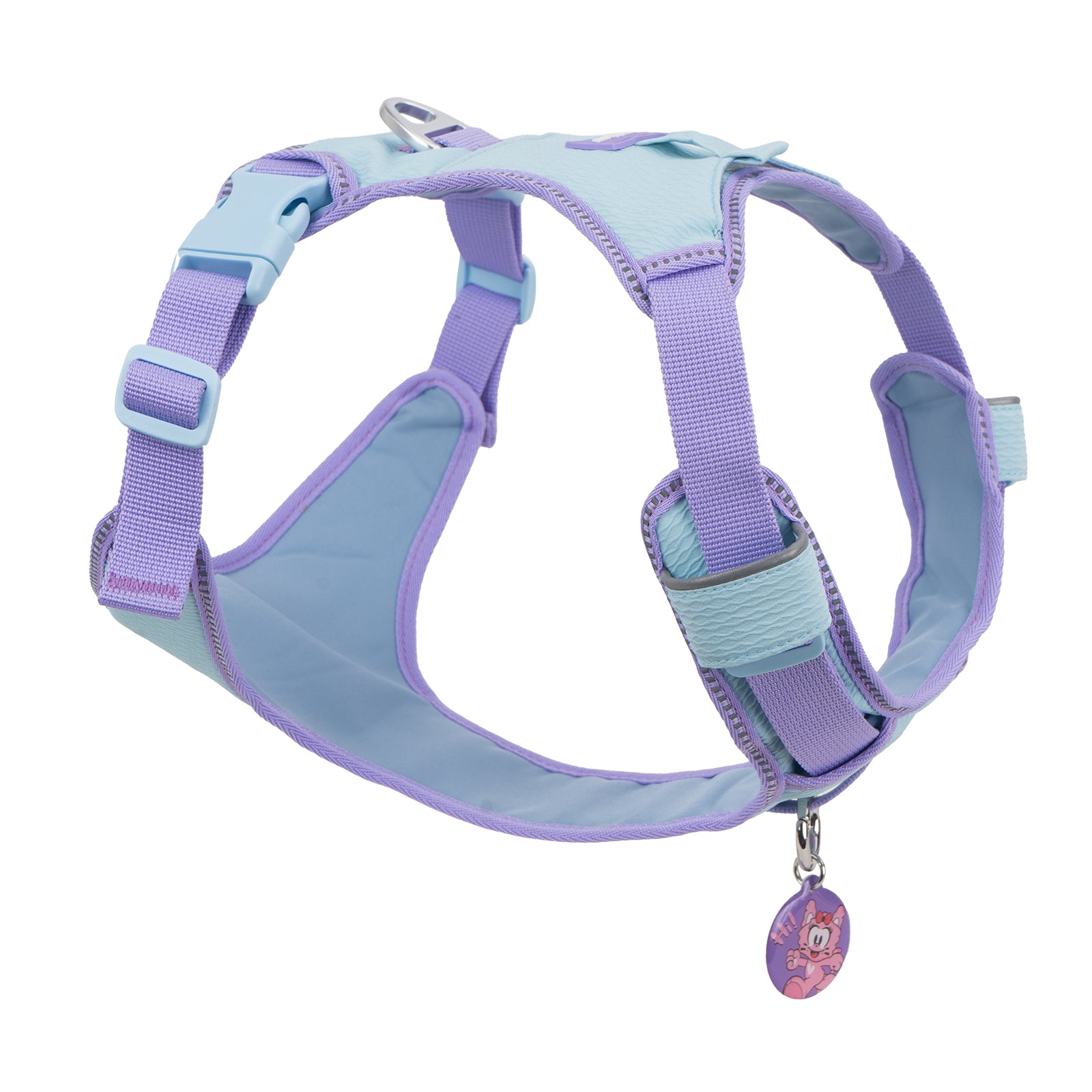
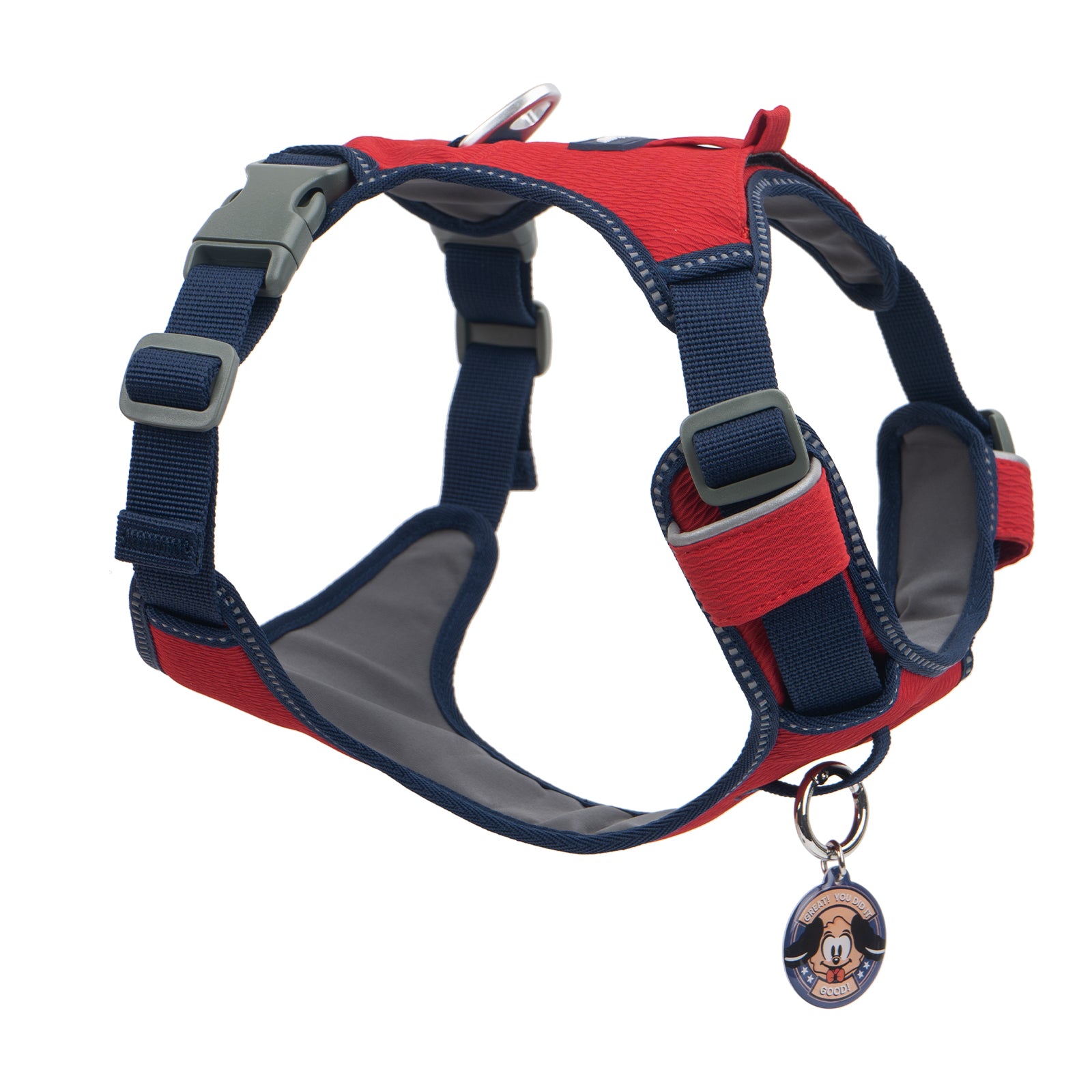
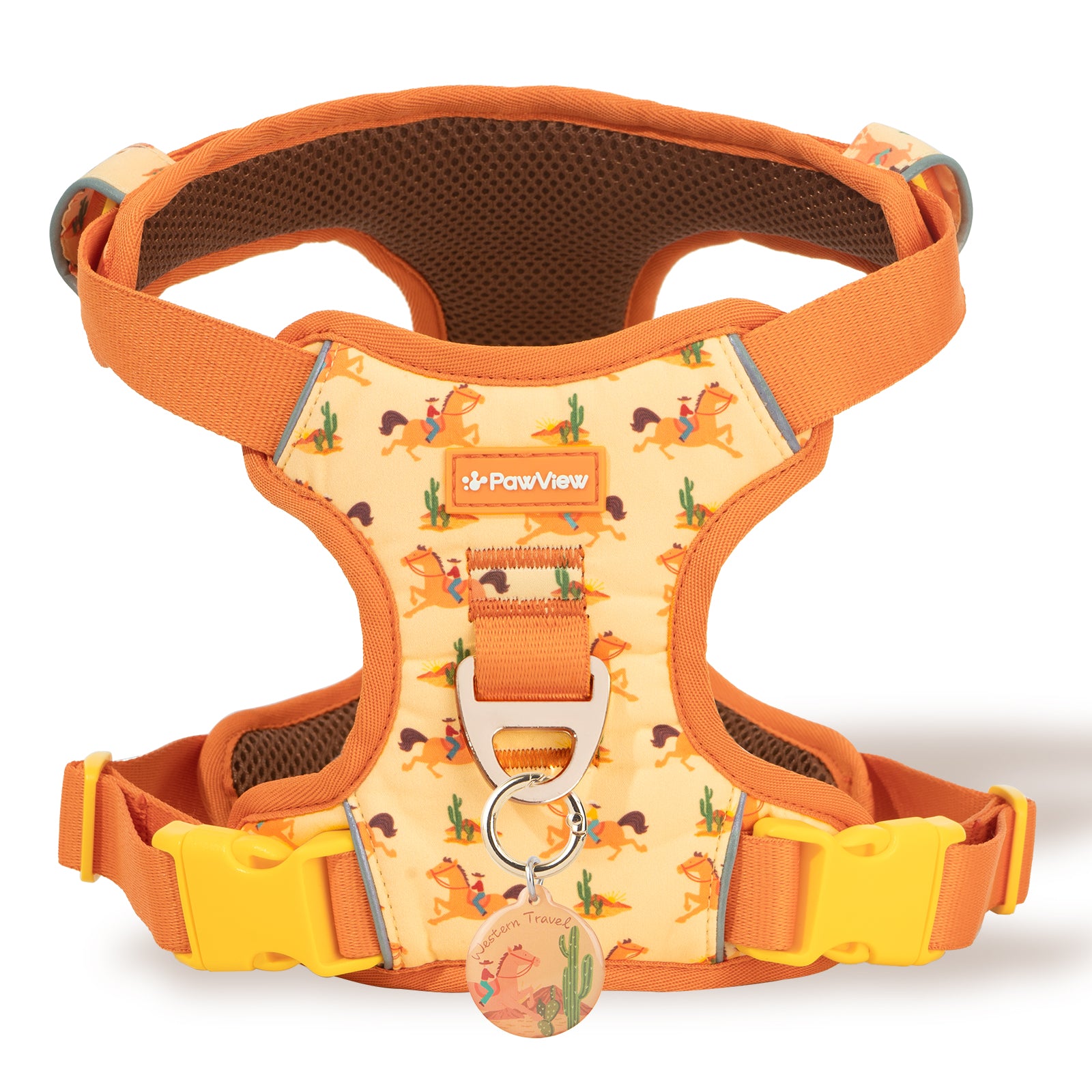








If your Chihuahua ducks when you reach for the harness, your Shih Tzu shakes their shoulders mid-walk, or your Corgi seems oddly sluggish on short outings, it might not be attitude—it could be their gear.
Small dogs may be mighty in personality, but their bodies are sensitive to extra weight and bulk. That’s why lightweight harnesses have become a go-to for urban pet parents —especially as more owners notice their dogs move more freely, breathe easier, and even wag more when their gear disappears on their backs.
But “lightweight” alone isn’t enough. A truly well-designed harness for small breeds balances minimal weight with thoughtful safety and everyday comfort. Over time—and through countless fittings, walks, and conversations with fellow dog people—we’ve zeroed in on four things that actually make a difference.
1. Keep It Under 120 Grams—Your Dog Will Notice the Difference
For a dog that weighs just 10 or 15 pounds, even a few extra ounces can feel like a backpack. Many owners assume “light” means “under half a pound,” but experience suggests a stricter benchmark: under 120 grams (about the weight of a large egg) is where small dogs—especially toy breeds and seniors—consistently show fewer signs of discomfort.
Owners often describe a “night-and-day difference” after switching: less shoulder-shaking, less resistance at harness time, and more eagerness on walks. When the gear feels nearly weightless, walks become less of a chore and more of an adventure.
2. Material Choice Matters More Than Bulk
It’s tempting to assume that a thicker harness is safer—but when it comes to the leash attachment point, material choice matters more than bulk. While many modern harnesses use high-grade engineering plastics that work well for gentle walkers, we’ve found that metal rings—like aircraft-grade aluminum—offer greater peace of mind, especially for quick-reacting small dogs who might lunge at squirrels, bikes, or passing dogs.
In real-world use, even a 10-pound pup can generate sudden bursts of force. A metal ring rated for 500+ lbs doesn’t just handle that moment—it stays reliable over months of daily walks, sun exposure, and washes, without becoming brittle or worn.
3. Reflectivity Should Go All the Way Around
Evening walks are non-negotiable for many dog owners—whether it’s post-work strolls in Boston or winter dusk walks in Calgary. Yet too many harnesses offer reflectivity only on the chest, leaving dogs nearly invisible from the side or rear.
Full-wrap reflective stitching isn’t just a nice-to-have; it’s increasingly seen as essential by safety-conscious owners. On poorly lit streets or near driveways, 360-degree visibility gives drivers and cyclists crucial extra seconds to react. User reviews frequently highlight this feature as a “game-changer” for city living, especially for dark-coated dogs who vanish in shadows.
Look for harnesses where reflective strips run along the sides and back—not just glued-on patches, but stitched-in bands that survive repeated washes.
4. Breathable Fabric Beats Extra Padding
Skin irritation from trapped moisture is a common concern—especially in humid summers or during active walks. That’s why performance-oriented fabrics—like quick-dry mesh used in running apparel—are gaining ground. These materials shed light rain while allowing air to circulate, keeping skin dry without adding weight.
During summer wear tests and customer conversations, we’ve heard again and again: in hot or humid weather, breathability matters more than padding. That’s why many owners are choosing mesh-based, athletic-style harnesses—they stay cooler without sacrificing security.
Light Should Mean Freedom, Not Compromise
A great lightweight harness doesn’t cut corners—it cuts unnecessary weight while keeping what truly matters: secure hardware, full visibility, breathable comfort, and a fit that respects your dog’s natural movement.
When you’re shopping, don’t just ask, “Is it light?” Ask:
- Does it stay under 120 grams?
- Is the leash ring metal and robust?
- Can you see your dog from every angle at night?
- Will the fabric keep them cool, not sweaty?
Because your small dog doesn’t need less protection—they need smarter, lighter protection. And when they forget they’re even wearing a harness? That’s when you know you’ve got it right.


