











Separation anxiety is a common problem for many dogs and cats, causing stress for both pets and their owners. Pets with separation anxiety may bark excessively, scratch doors, chew furniture, or even refuse to eat when left alone. Fortunately, there are effective strategies to help your furry friends feel more secure and comfortable when you’re away. In this guide, we’ll share practical tips to prevent separation anxiety and show how interactive toys can play a crucial role in keeping pets happy and calm.
What is Separation Anxiety in Pets?
Separation anxiety occurs when pets become extremely stressed due to the absence of their owners. Dogs may howl, whine, or exhibit destructive behaviors, while cats might over-groom, hide, or refuse to eat. Understanding the symptoms of dog and cat separation anxiety is the first step toward helping your pets feel secure.
Some common signs include:
- Excessive barking or meowing when left alone
- Destructive behaviors such as chewing furniture or scratching doors
- Attempts to escape from confined areas
- Loss of appetite or changes in bathroom habits
By recognizing these behaviors early, pet owners can take proactive measures to prevent anxiety from worsening.
Common Triggers of Separation Anxiety
Several factors can trigger anxiety in pets:
- Sudden changes in environment: Moving to a new home or rearranging living spaces
- Long periods of being alone: Pets not used to being alone may develop stress over time
- Changes in household: New family members or pets can sometimes unsettle animals
- Lack of mental stimulation: Pets left without toys or engaging activities can become bored and anxious
Understanding the triggers helps you tailor strategies that keep your pets calm and entertained.
Tips to Prevent Separation Anxiety
1. Gradual Desensitization
Start by leaving your pet alone for short periods and gradually increase the duration. Positive reinforcement—such as treats or praise when they stay calm—can teach your pet that being alone is safe.
2. Provide Interactive Toys and Chews
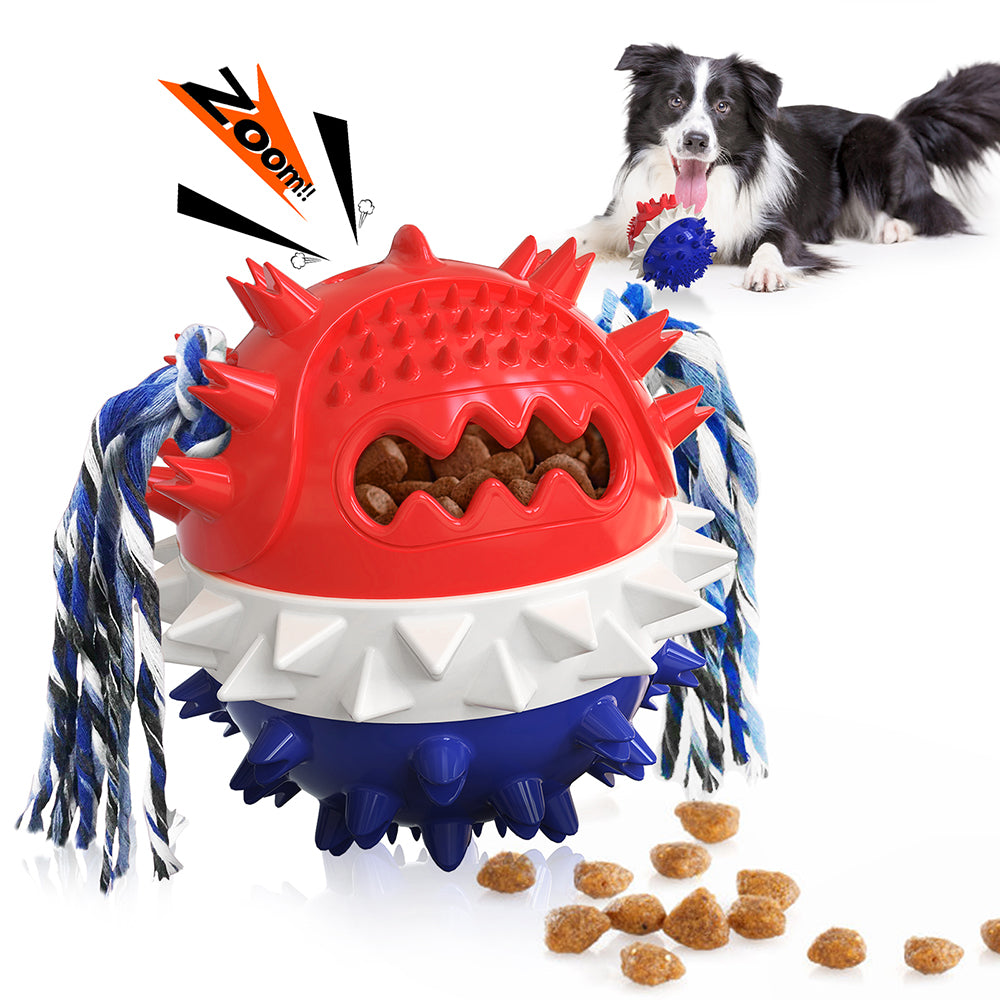
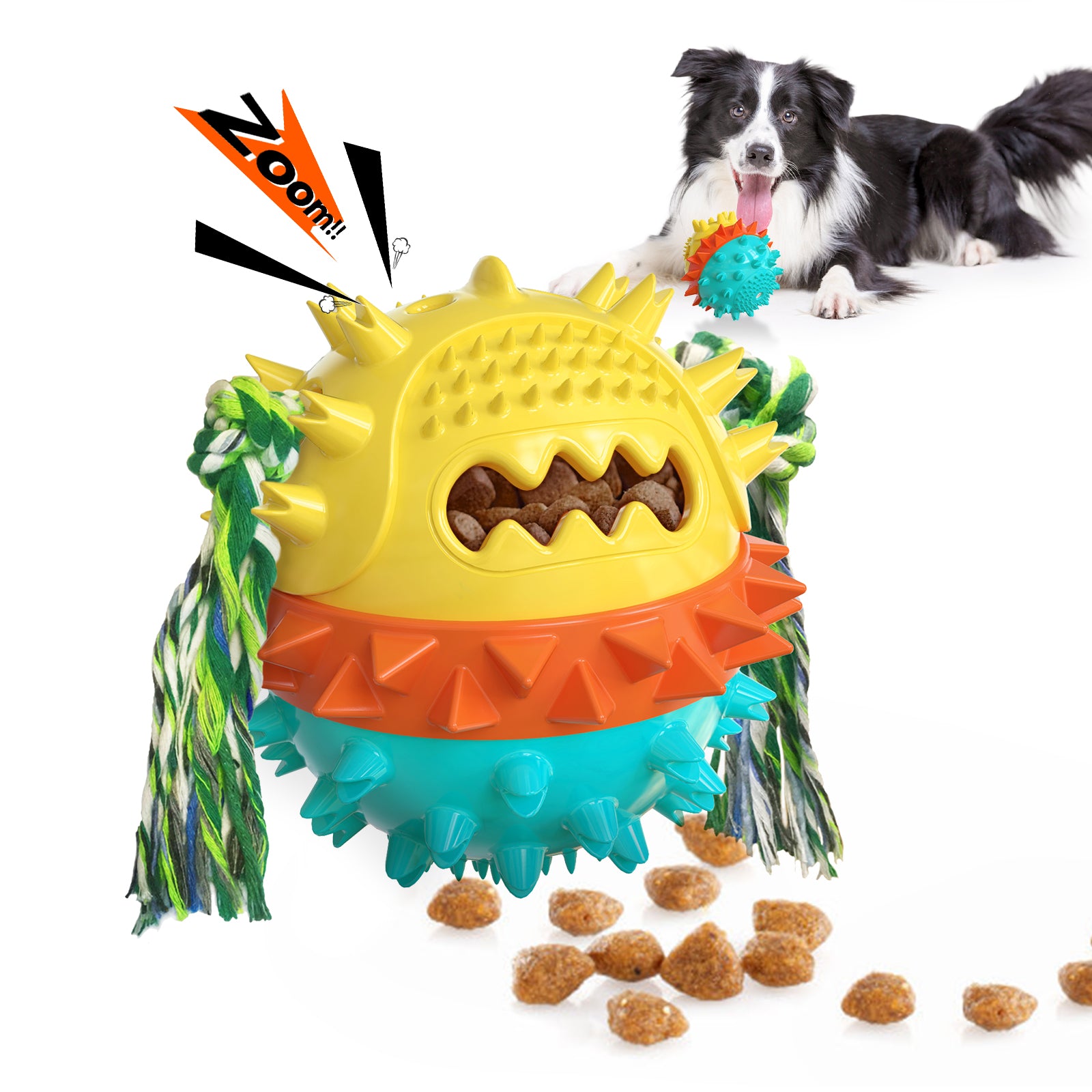
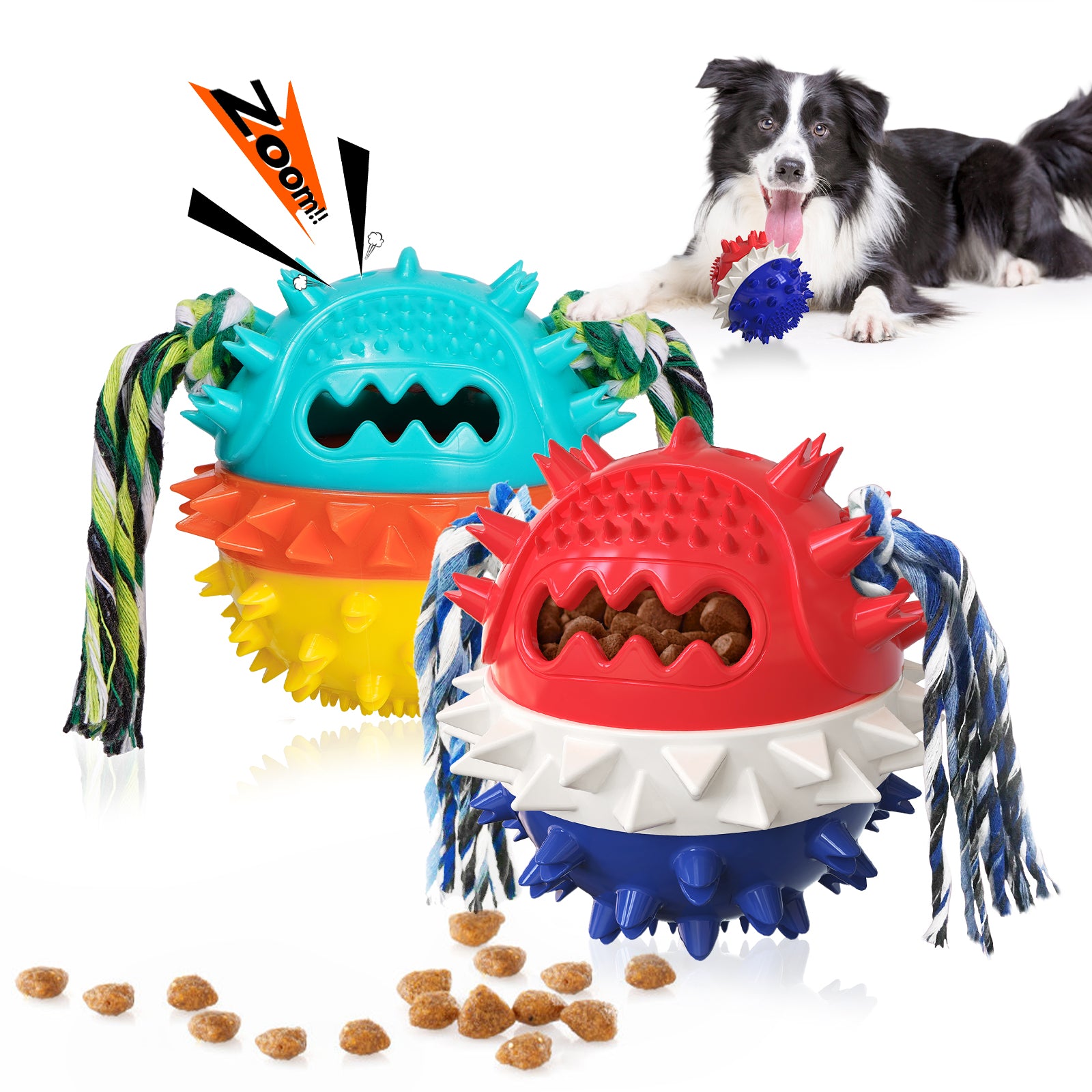
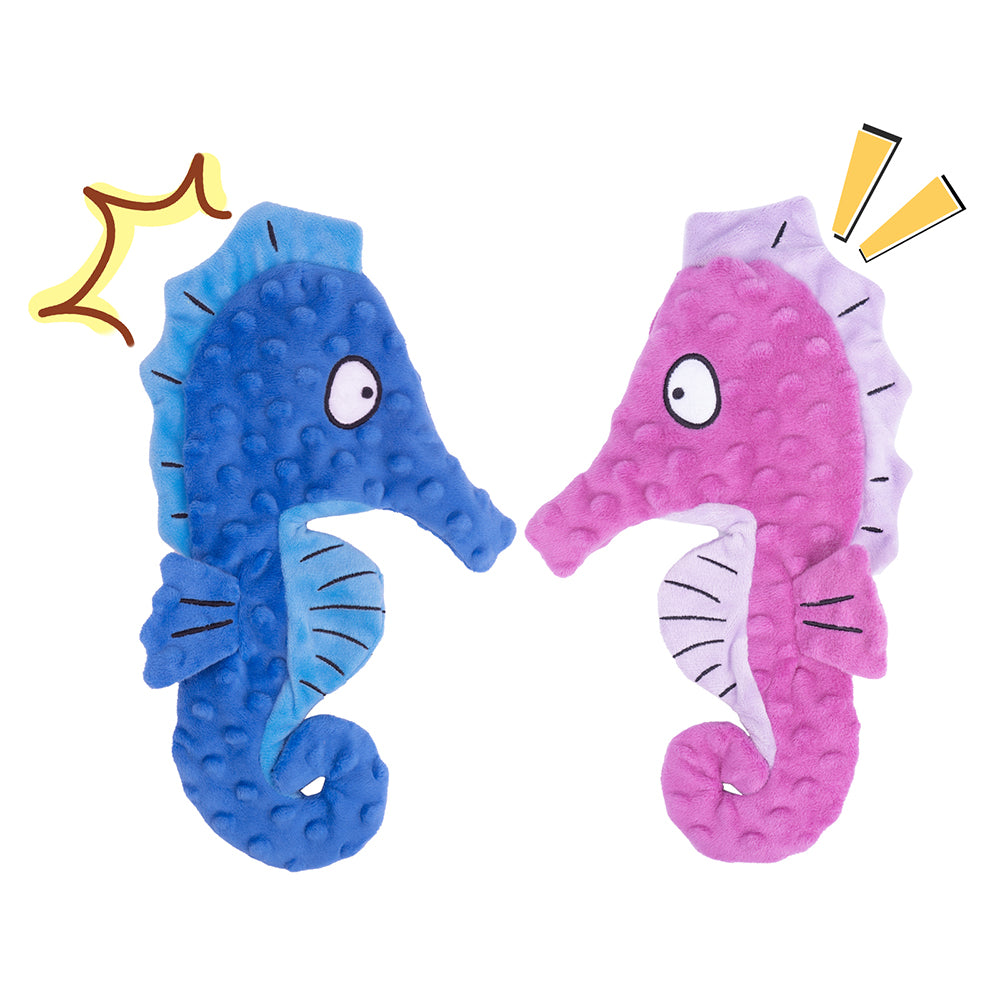
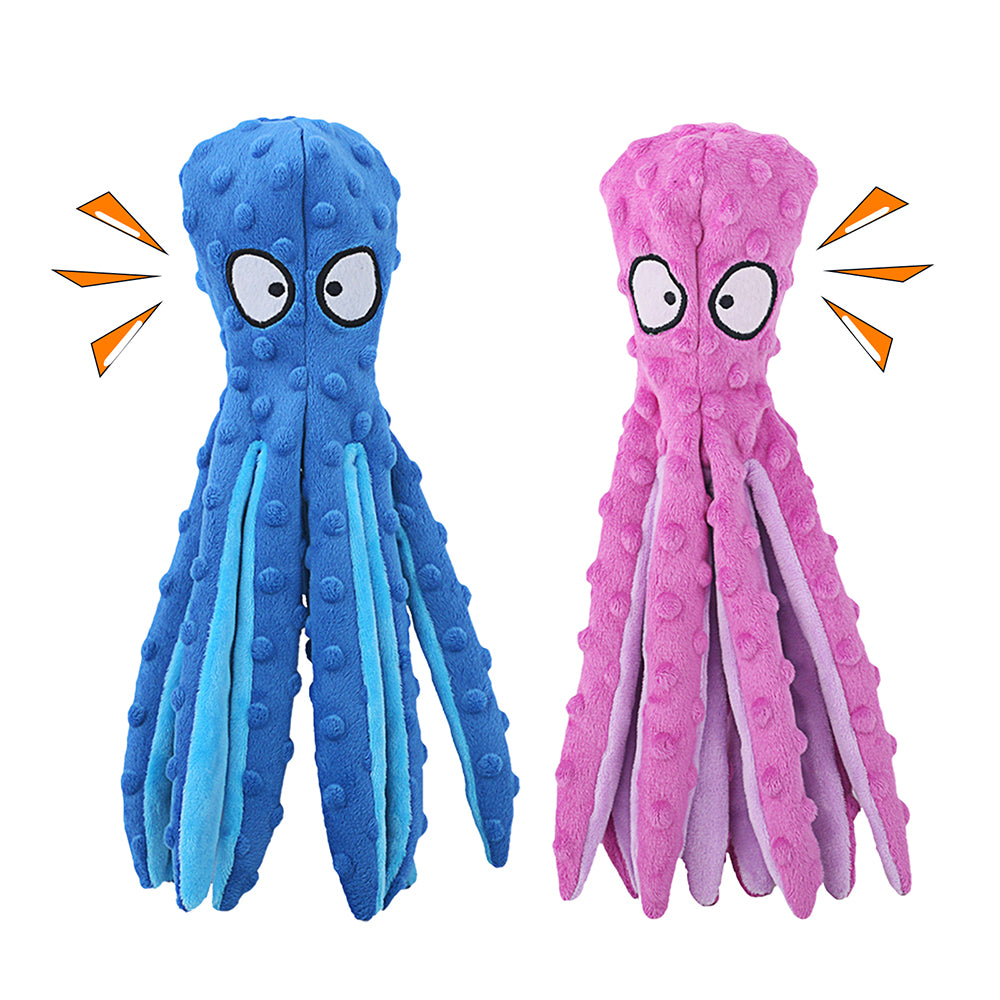
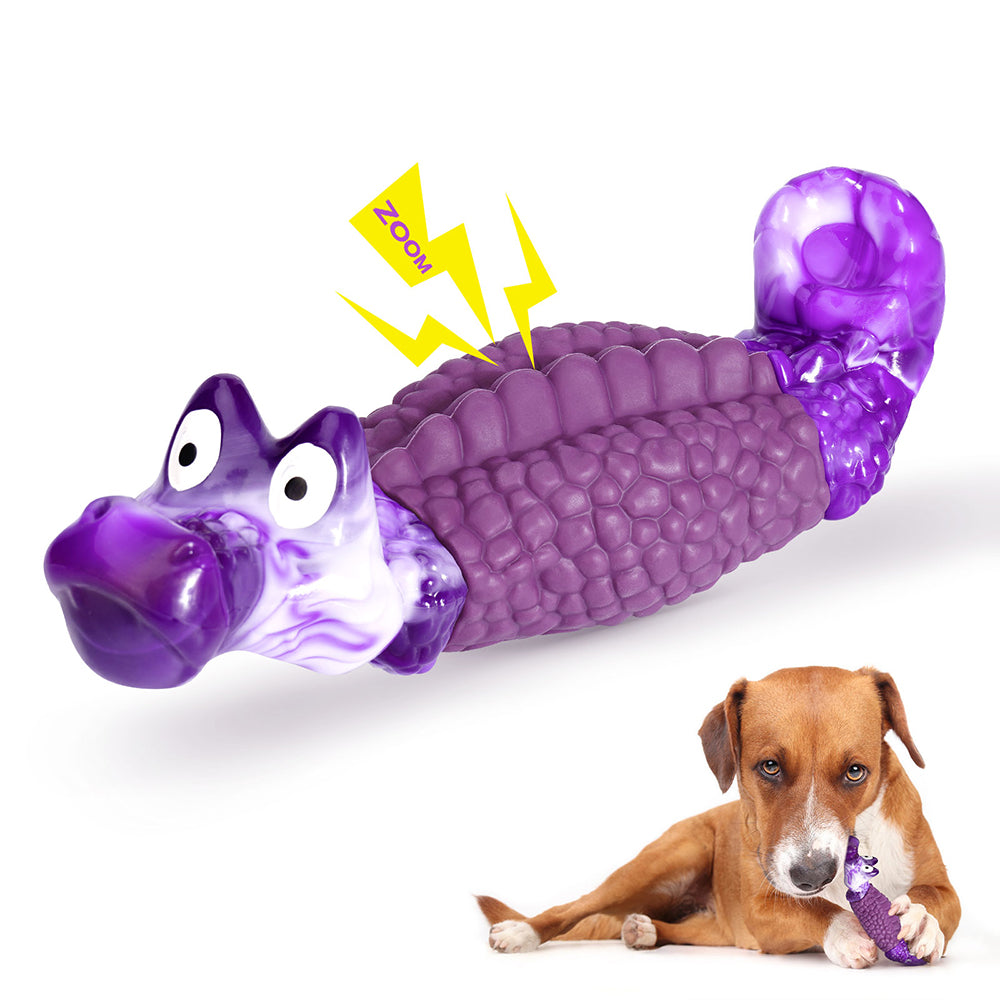
Interactive toys are one of the most effective ways to reduce separation anxiety. Toys that dispense treats, puzzle toys, or durable chew toys keep pets occupied and mentally stimulated. For example, PawView collection of Dog Toys is designed to engage pets while you’re away, helping prevent stress-related behaviors.
3. Maintain a Consistent Routine
Pets thrive on routine. Regular feeding times, play sessions, and walks help your pets know what to expect each day, which reduces anxiety. A predictable schedule signals safety and stability, allowing pets to relax even when you’re not home.
4. Avoid Over-Attachment During Departures and Returns
Avoid creating intense emotional highs and lows around leaving or coming home. Instead of lengthy goodbyes or overly enthusiastic greetings, keep interactions calm and consistent. This helps pets learn that your absence is temporary and nothing to fear.
5. Provide Comforting Items
Certain familiar items, like a favorite blanket or toy, can help pets feel secure. Using your pet’s preferred chew toys or interactive playthings can create a sense of familiarity and comfort during your absence.
6. Seek Professional Guidance if Needed
If your pet’s anxiety is severe, consider consulting a professional animal behaviorist or veterinarian. They can provide tailored strategies or recommend additional training tools to ease your pet’s stress.
Conclusion
Separation anxiety in dogs and cats is manageable with the right approach. Gradual training, interactive toys, and a consistent routine can make a big difference. Start incorporating engaging Dog Toys today, and give your pets the comfort and stimulation they need to stay happy and calm.


