










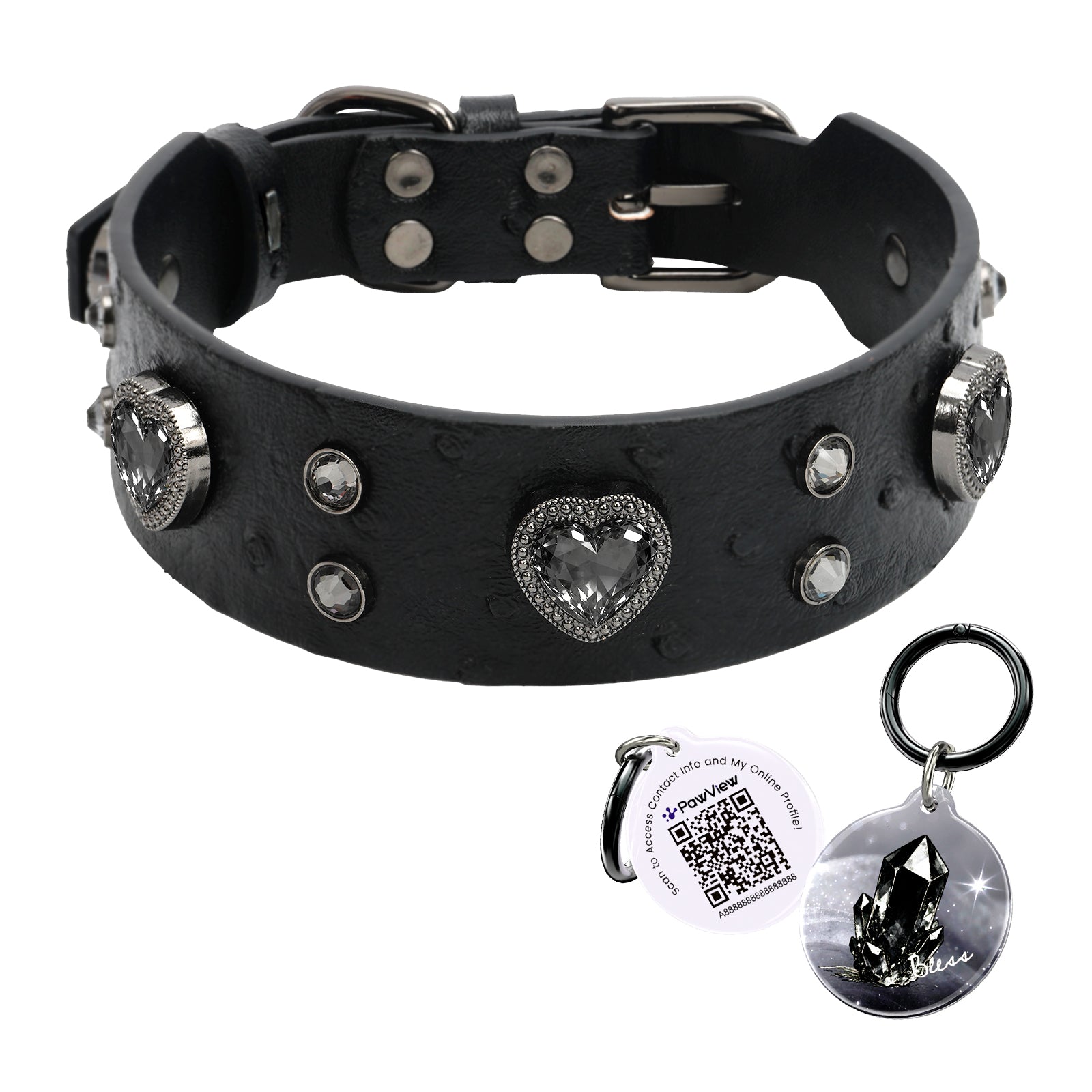
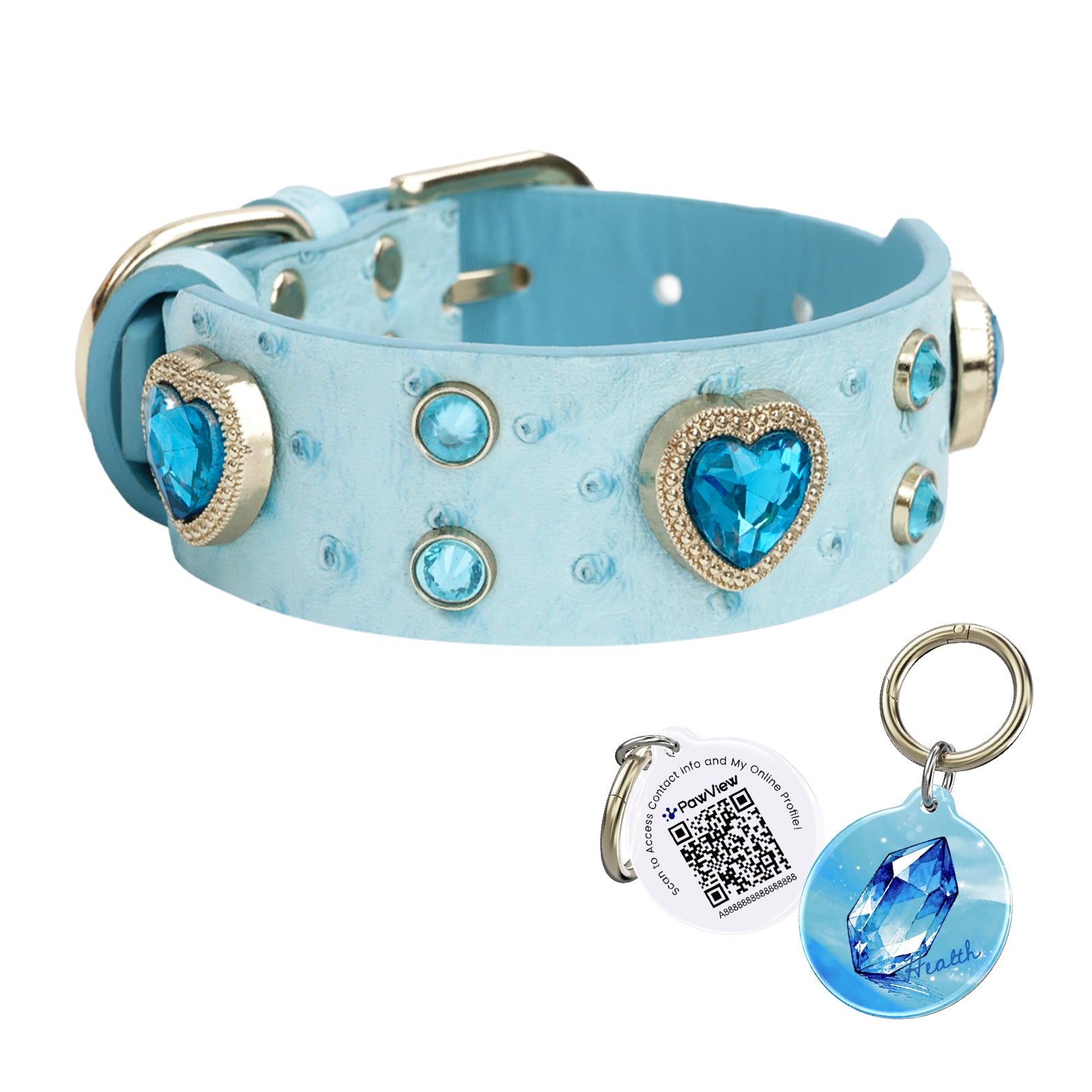
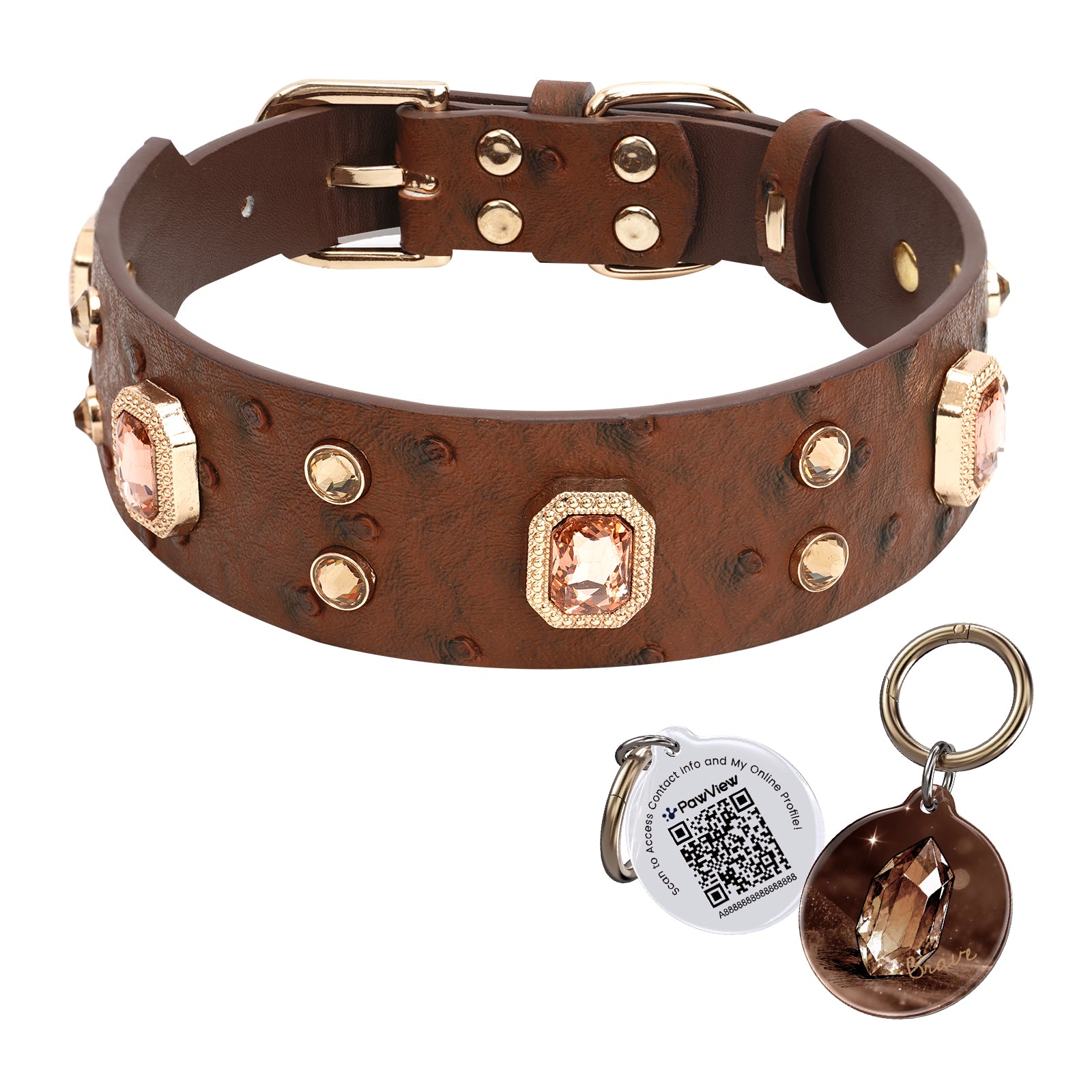
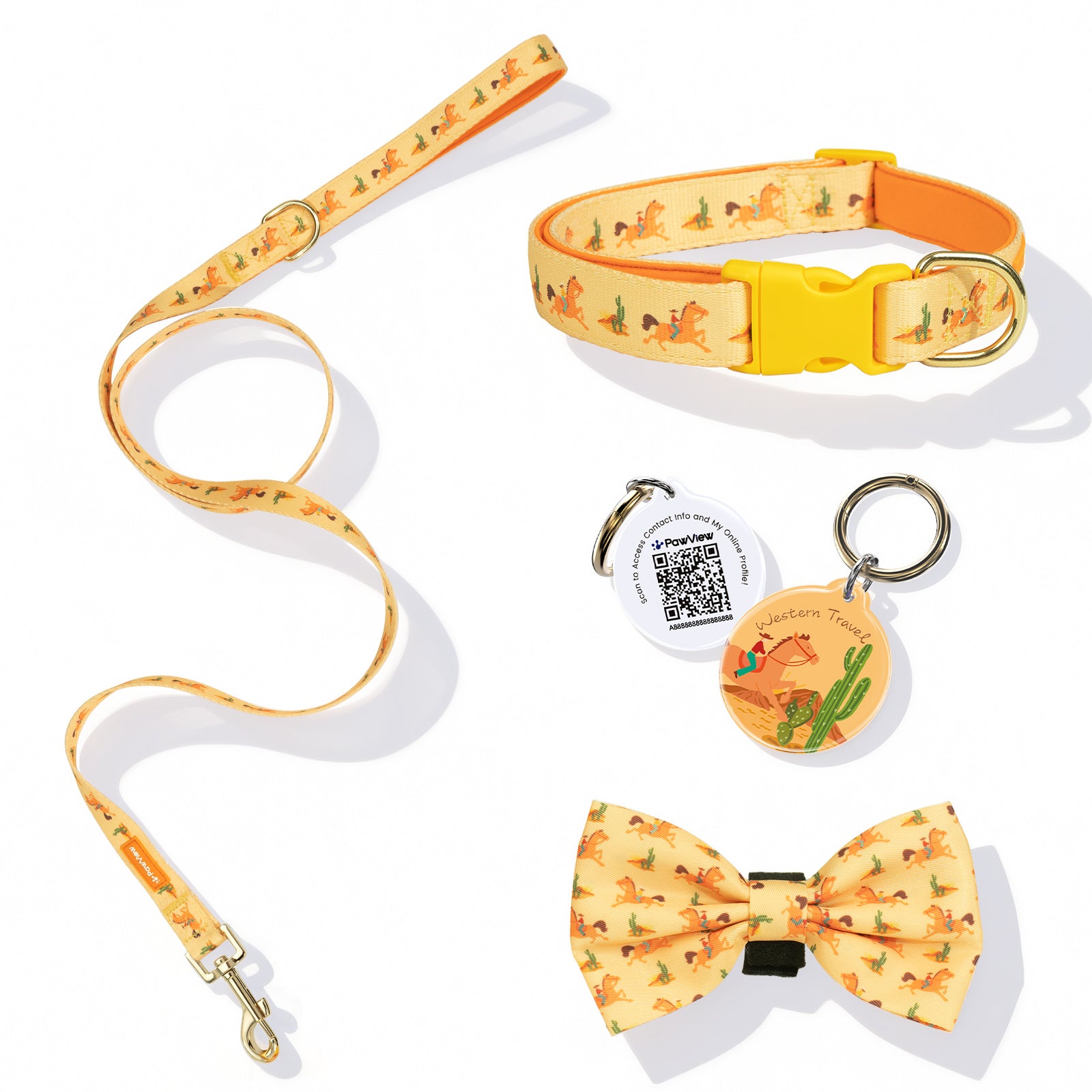
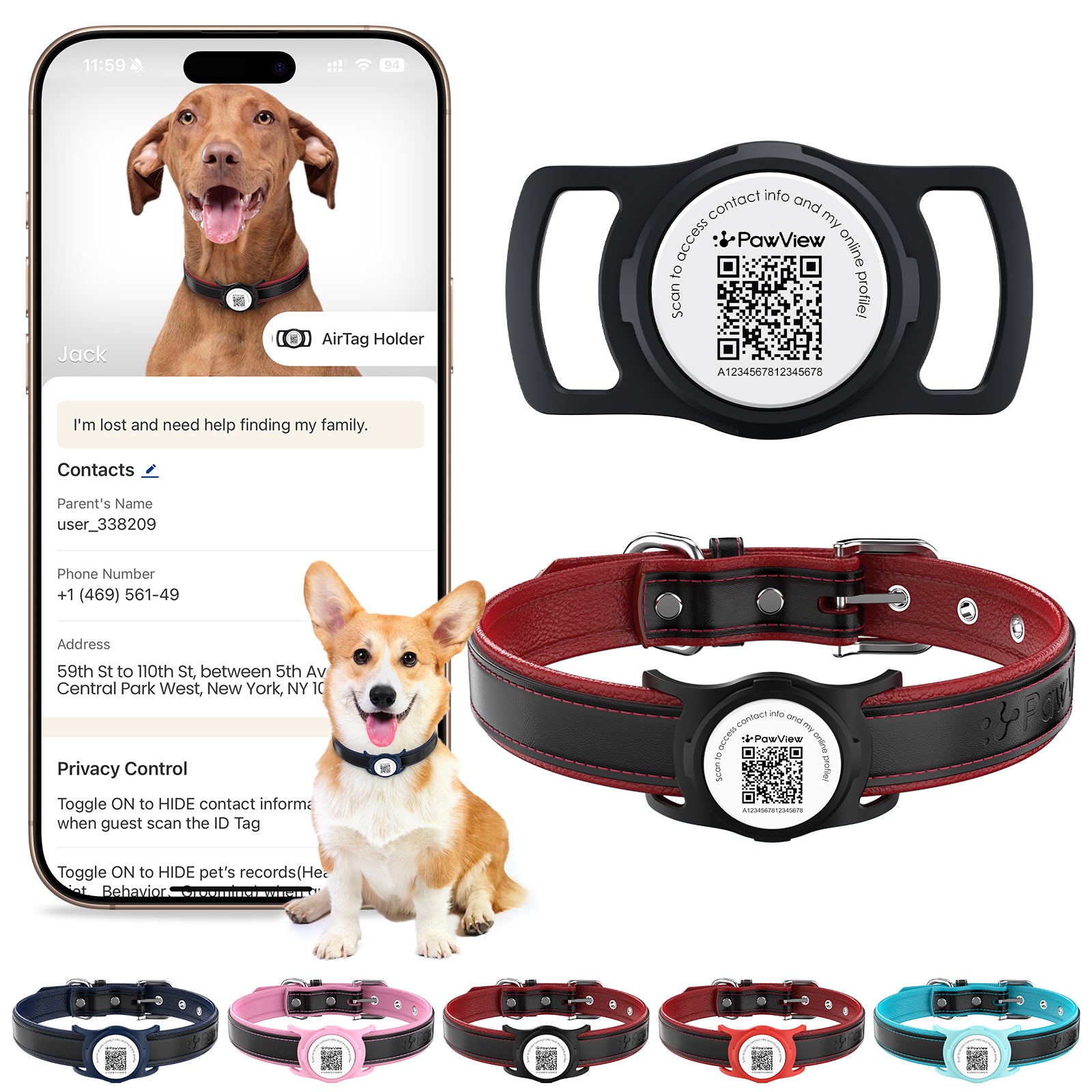
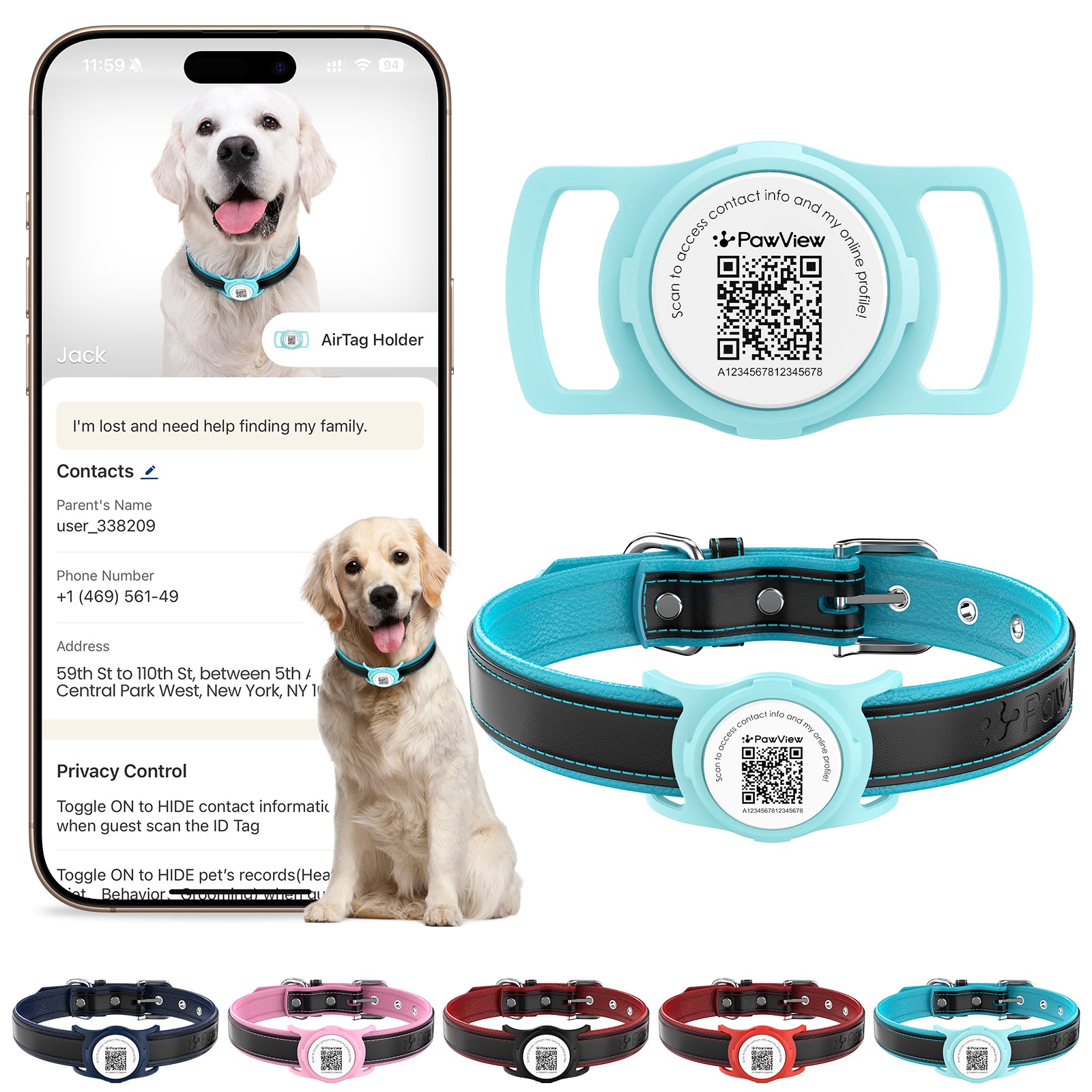
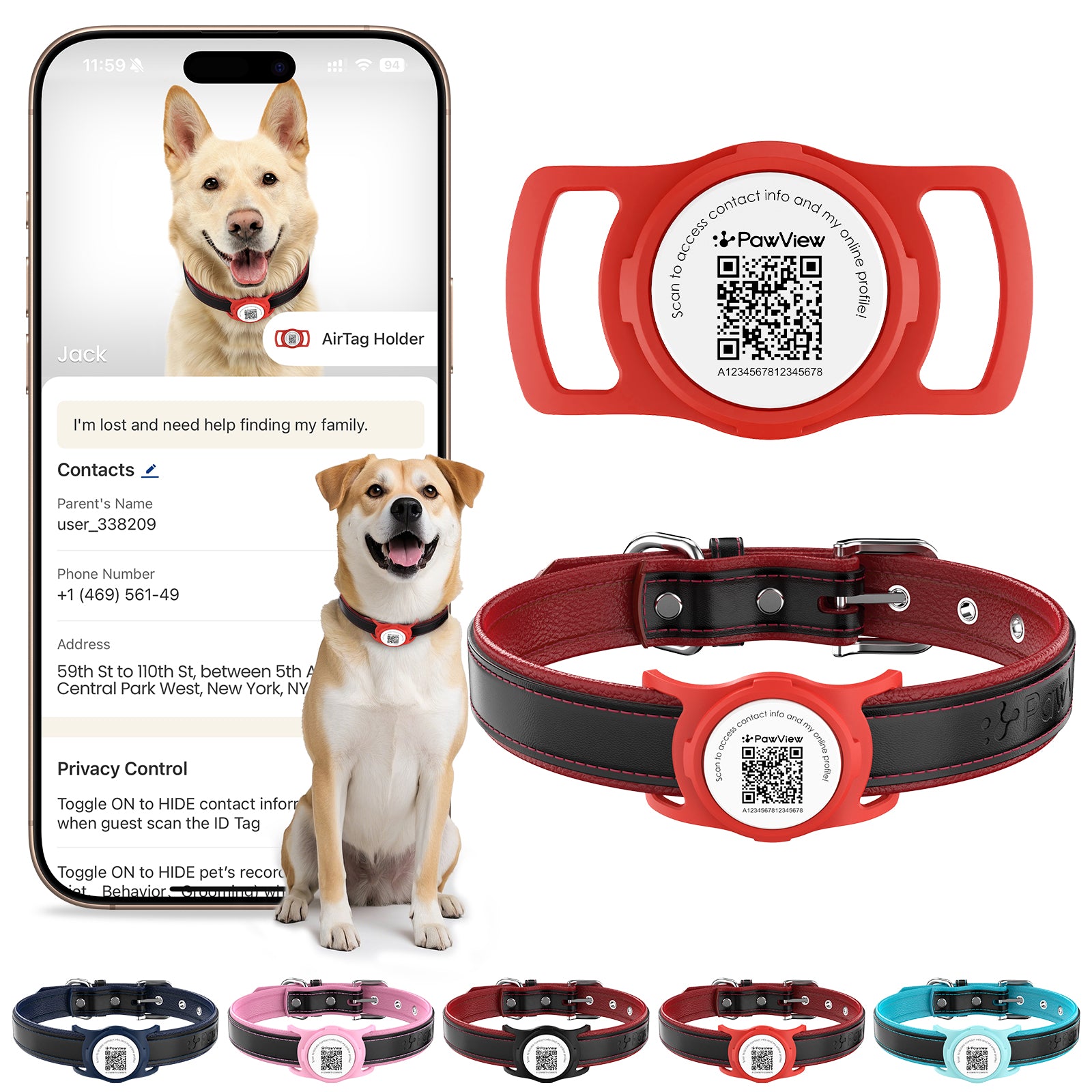







When people think about a dog getting lost, they usually imagine the search: walking around the neighborhood, posting lost & found notices, and hoping for a call from someone who found them.
But many lost-dog stories actually turn on a much earlier moment: a stranger stopping, noticing a dog, and wondering what to do next.
At that point, the outcome doesn’t depend on how much the finder cares. It often comes down to something simpler: what information is available to them.
When someone finds a lost dog, clear information can make the difference between a quick reunion, delayed decisions, or unintended risks.
What a Finder Sees and Understands
Some people who spot a dog that seems lost end up walking away — not because they don’t care, but because they lack clear info on how to help.
They can usually tell a few things right away:
-
The dog seems alone
-
The dog looks tired, curious, or a little unsure
Beyond that, a lot is unclear:
-
Whether the dog has an owner who’s actively looking for them
-
Who should be contacted, and how
-
Whether the dog has allergies, or if it’s safe to offer food or water
People want to help, but sometimes they’re simply unsure what the right next step is.
How Information Influences a Finder’s Decisions
Having clear, accessible information doesn’t change people—it just makes decisions easier.
It can mean:
-
A quicker way to reach the owner, instead of waiting or guessing
-
Less hesitation about what’s safe to do
-
Fewer well-meaning choices that may not be the best fit for that particular dog
When things are clearer, the whole situation often feels calmer—for both the finder and the dog.
Why Missing Details Affect Different Dogs Differently
For many dogs, a short detour is mostly stressful but manageable.
For others, missing details can matter more.
This includes dogs who:
-
Have food sensitivities or allergies
-
Take regular medication
-
Are older, recovering, or easily overwhelmed
In these cases, even a simple note—such as avoiding certain foods or contacting the owner first—can help prevent unnecessary issues while everyone figures out next steps.
Information That Helps a Finder Help the Dog
Helpful information doesn’t need to be long or complicated.
What often works best is:
-
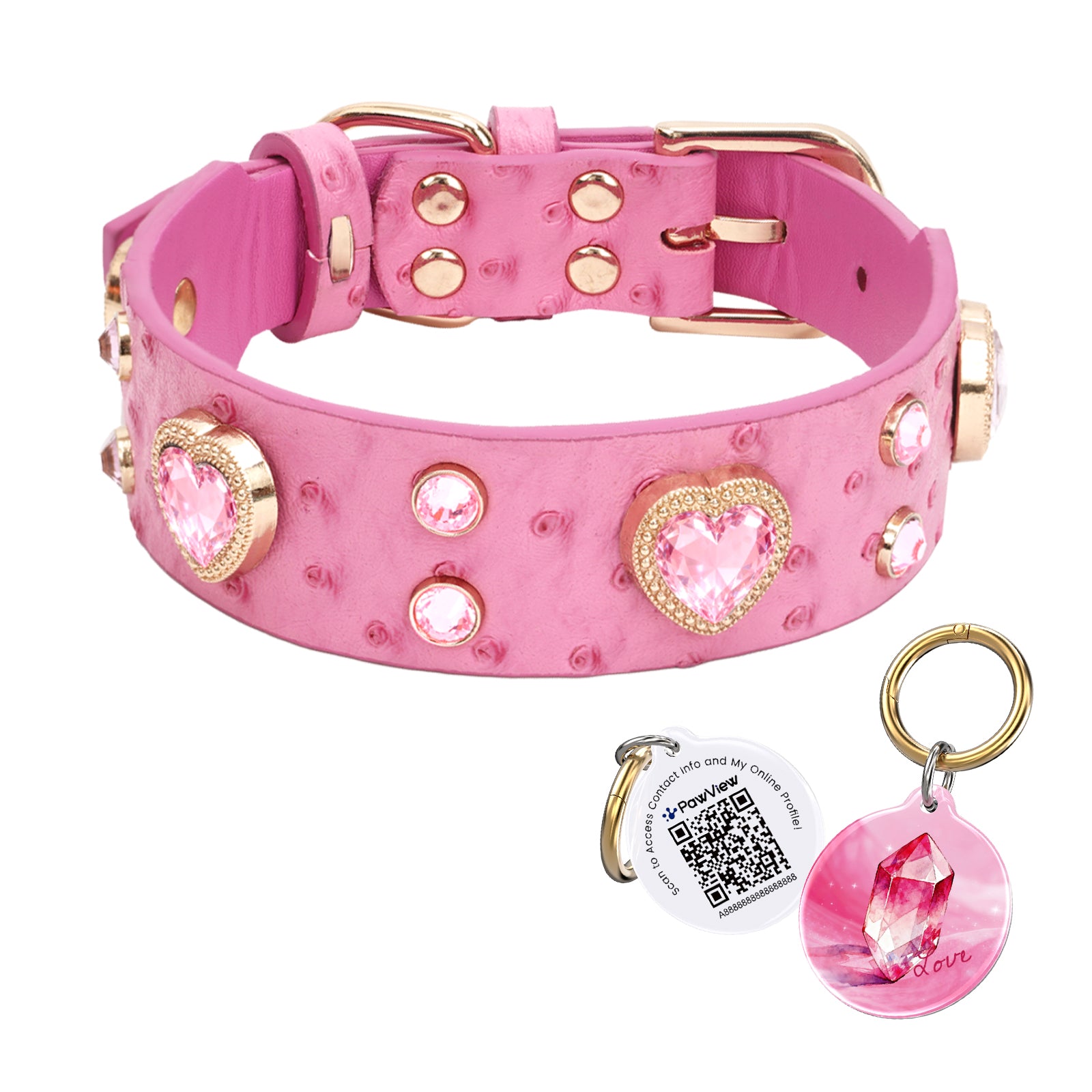
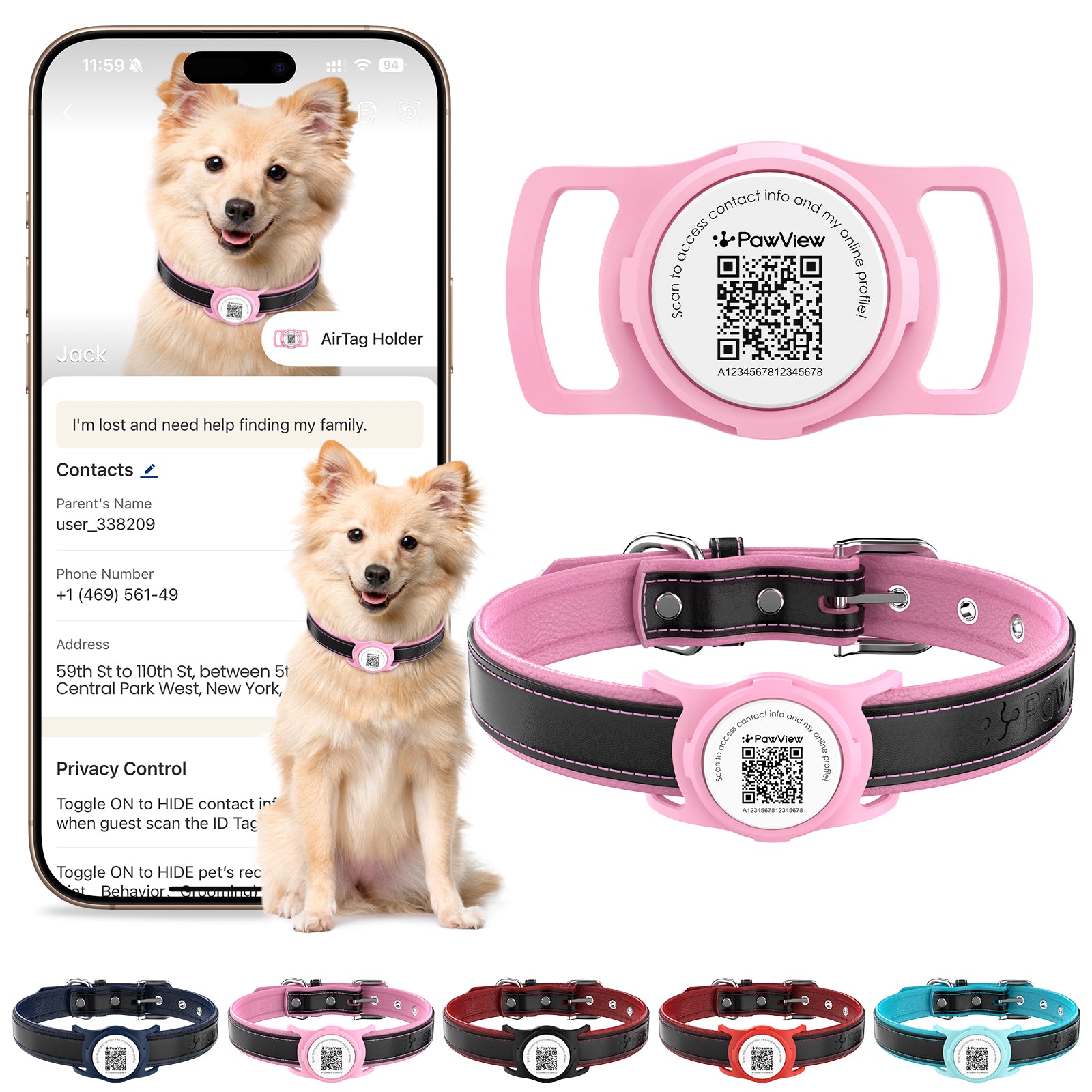
A clear sign the dog belongs to someone
-
A straightforward way to get in touch
-
Brief care notes, when relevant
-
Information that’s easy for anyone to access
The goal isn’t to explain everything—just to remove the biggest unknowns.
No one expects their dog to get lost. Thinking about “what if” isn’t about worrying—it’s about making sure that if help shows up, it can actually help.
When a lost dog is found, small pieces of clear information can smooth out a confusing moment and help create a kinder outcome for everyone involved.
❓ How do strangers usually react when they find a lost dog?
They often pause, observe, and try to assess the situation—but their actions are heavily influenced by the clarity of the information available.
❓ Why does clear information matter even if the dog seems fine?
Because small details can prevent hesitation, confusion, or unintended risks for both the dog and the finder.


