











As pet parents, we all want to give our dogs and cats the happiest and healthiest lives possible. But you don’t need expensive gadgets or veterinary-level knowledge to take better care of your pet.
In fact, you’re already collecting the most valuable insights—just by paying attention to your pet every day.
This is what we call small data: the tiny, everyday observations that can reveal what your pet needs, how they’re feeling, and how their health may be changing.
🐕 What Is “Small Data” in Pet Care?
Small data refers to simple details you can notice, record, or remember without special tools, such as:
-
How far your dog walks today
-
Whether your cat finishes her food
-
Changes in stool appearance or litter box habits
-
Energy or mood shifts
-
When vaccines, grooming, or flea treatments are due
-
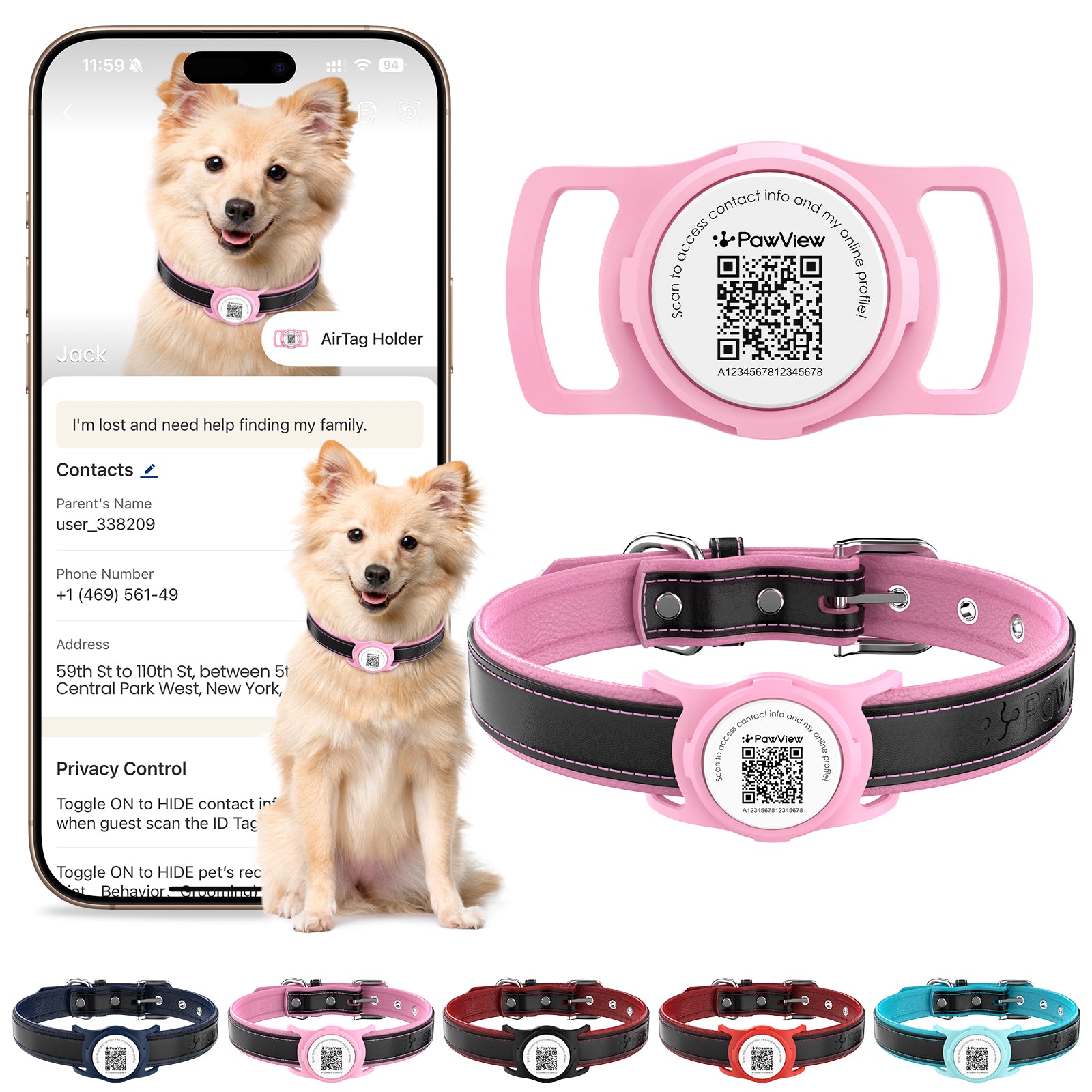
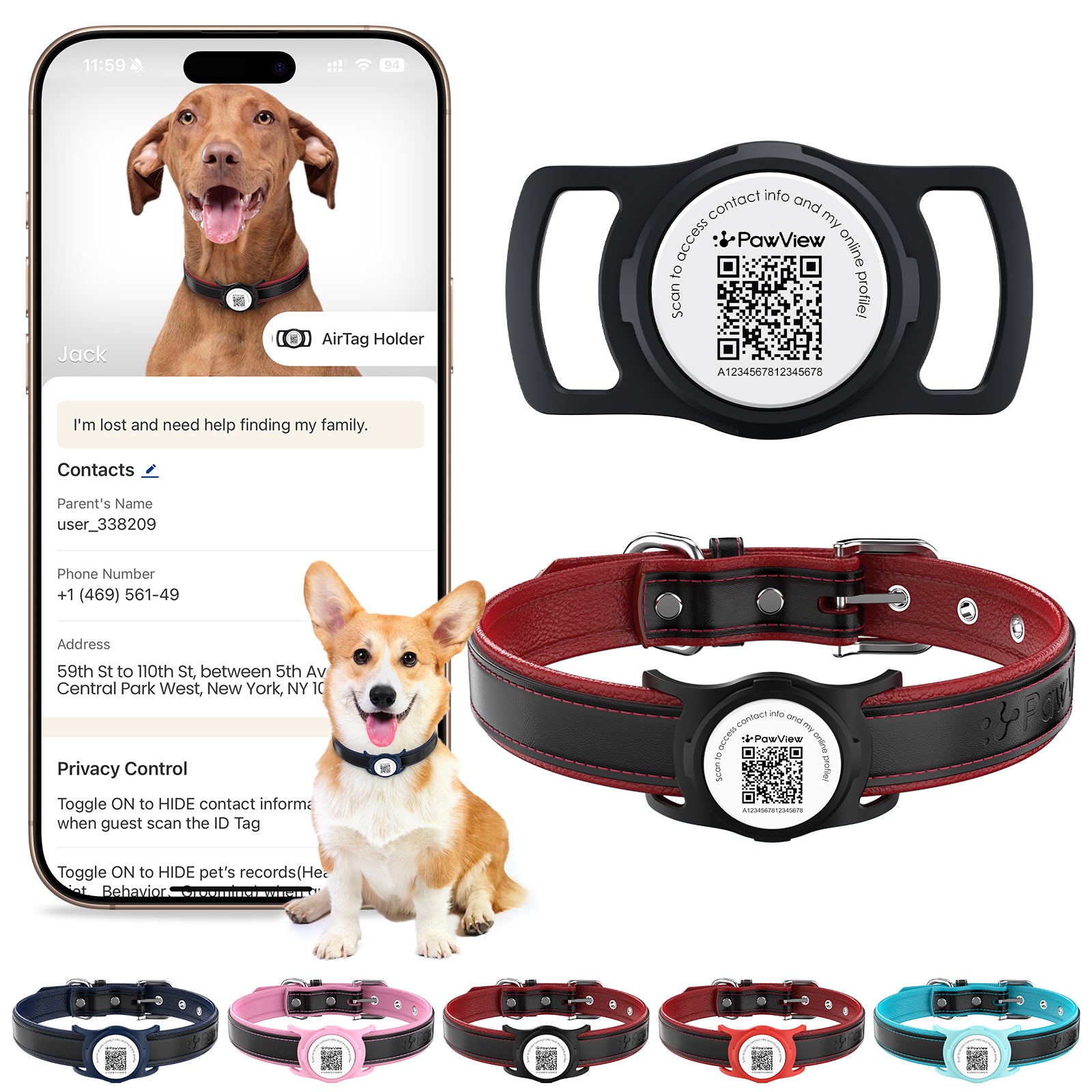
Whether your pet’s ID info is up to date
While they seem ordinary, these patterns form a picture of your pet’s overall well-being.
📊 Why Small Data Matters
Unlike big scientific databases or medical studies, small data is personalized.
It reflects your pet’s behavior—what’s normal for them.
Tracking simple changes over time can help pet parents:
-
Spot early warning signs instead of waiting for problems
-
Notice health patterns that are invisible day-to-day
-
Adjust feeding, exercise, or enrichment based on actual needs
-
Reduce stress when pets act “off” because you know what normal looks like
Sometimes, it’s the tiny trend—not the dramatic symptom—that tells the real story.
🐶 Examples of Useful Everyday Pet Data
Here are a few categories that make a big difference:
1️⃣ Daily Activity
You don’t need a fitness tracker—just notice:
-
Longer or shorter walks than usual
-
Your dog refusing to play
-
A normally energetic pet hiding or napping more
These shifts can clue you into pain, boredom, weather stress, or emotional changes.
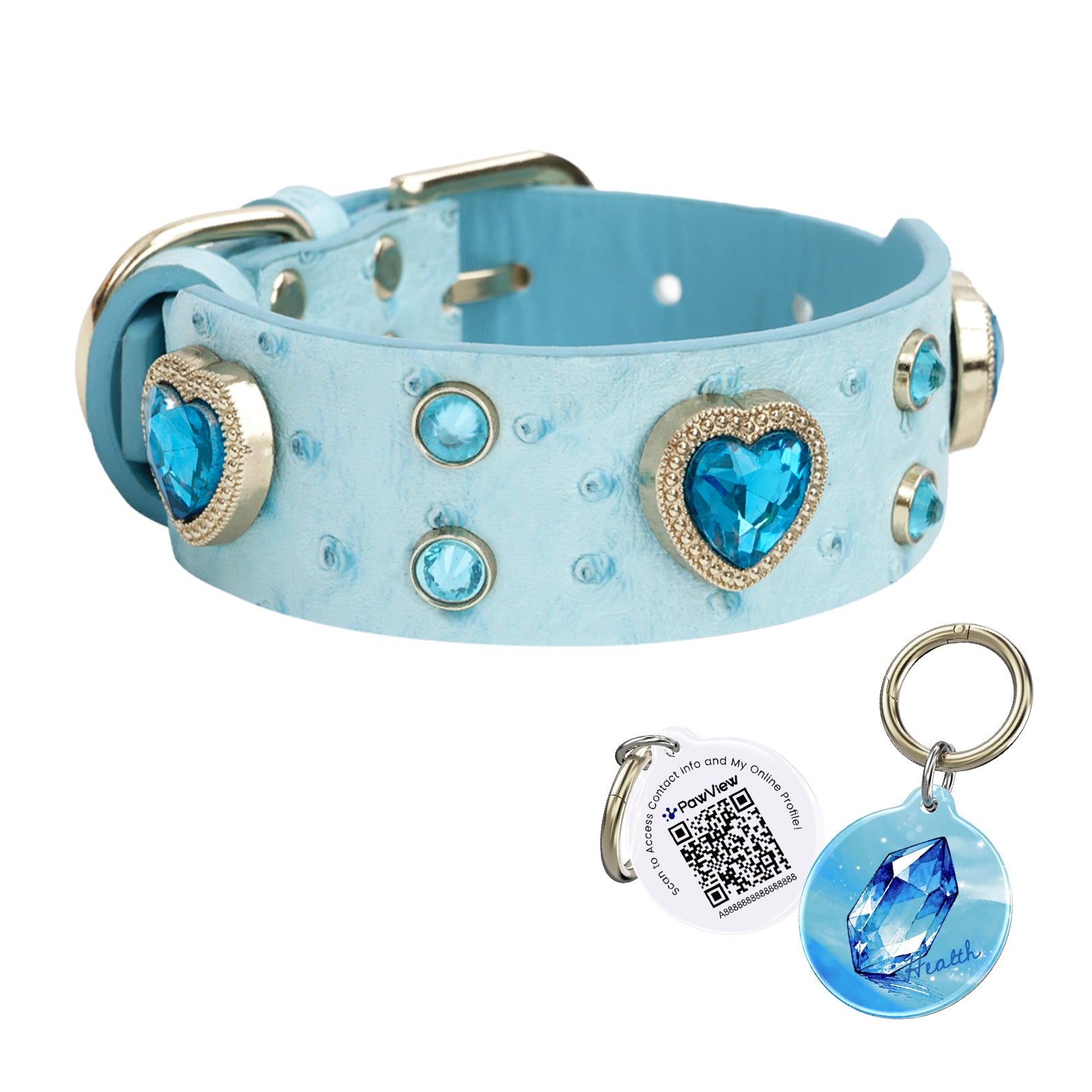
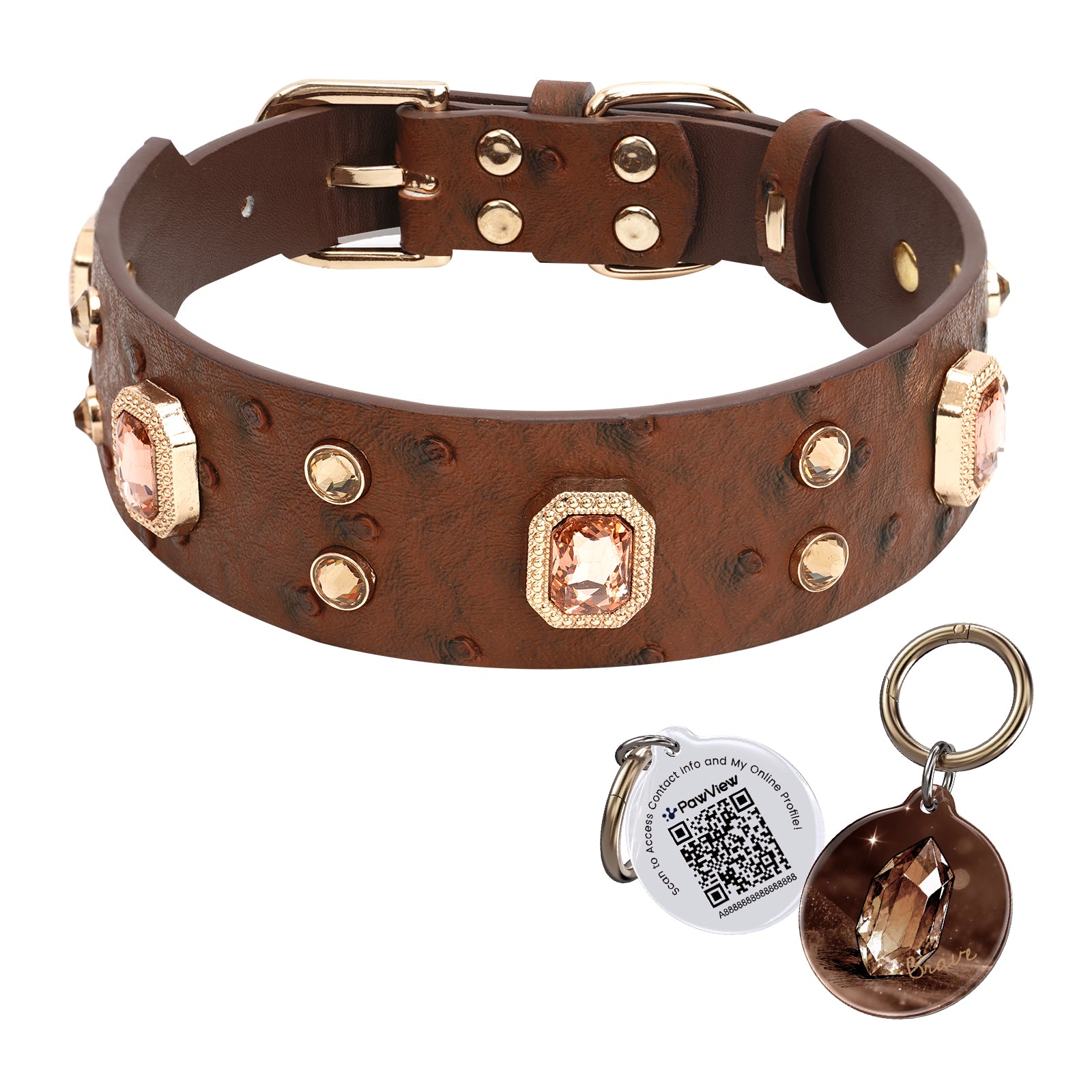
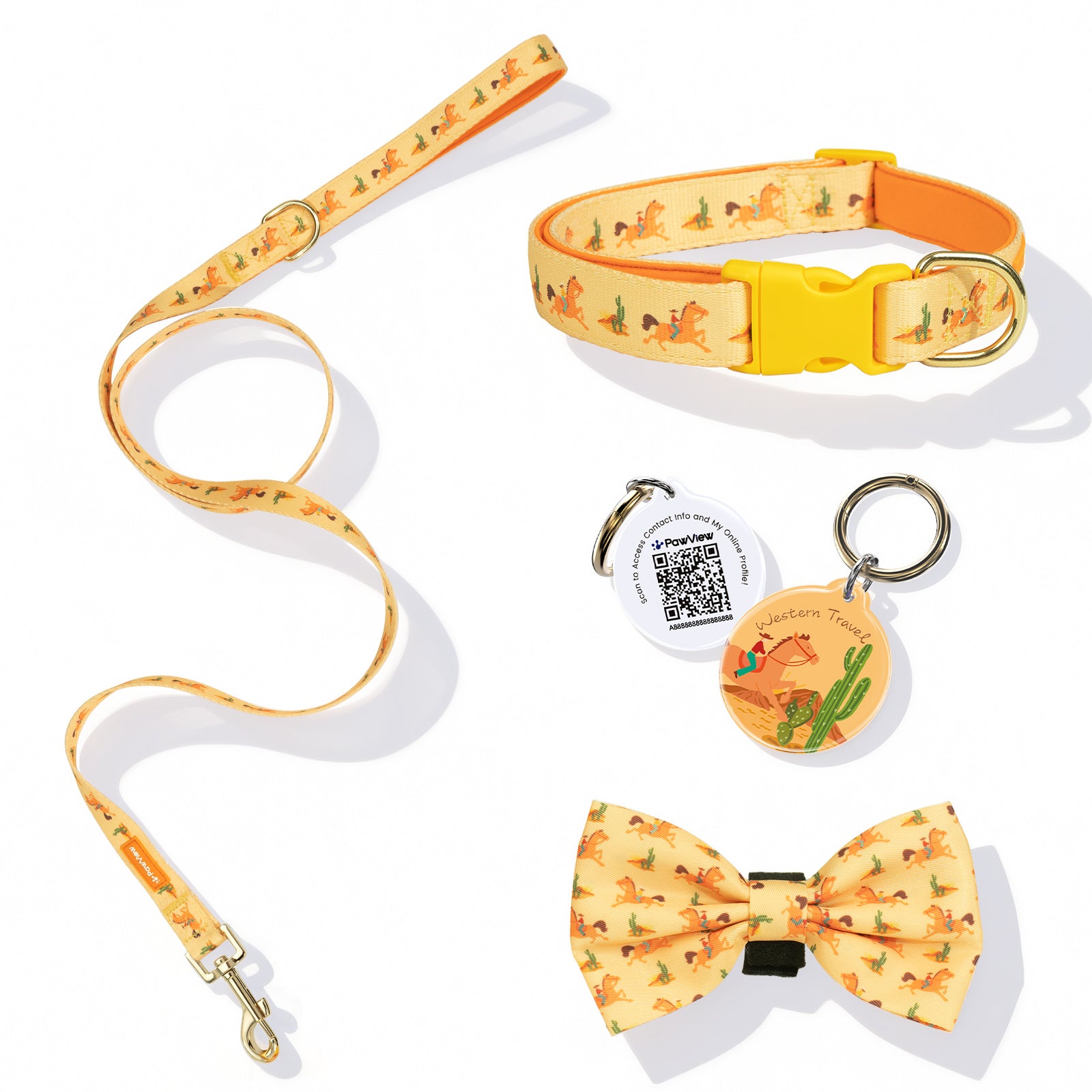
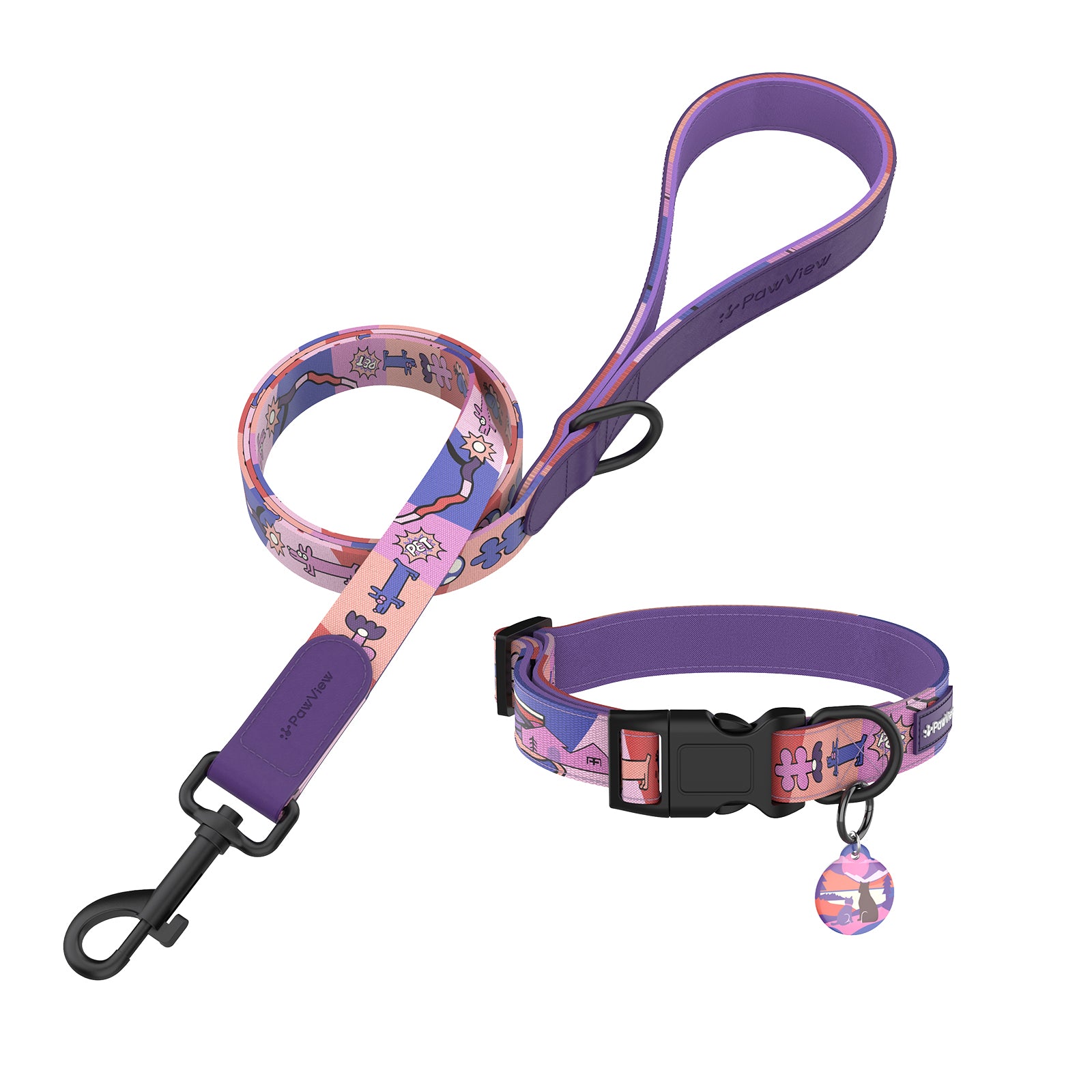
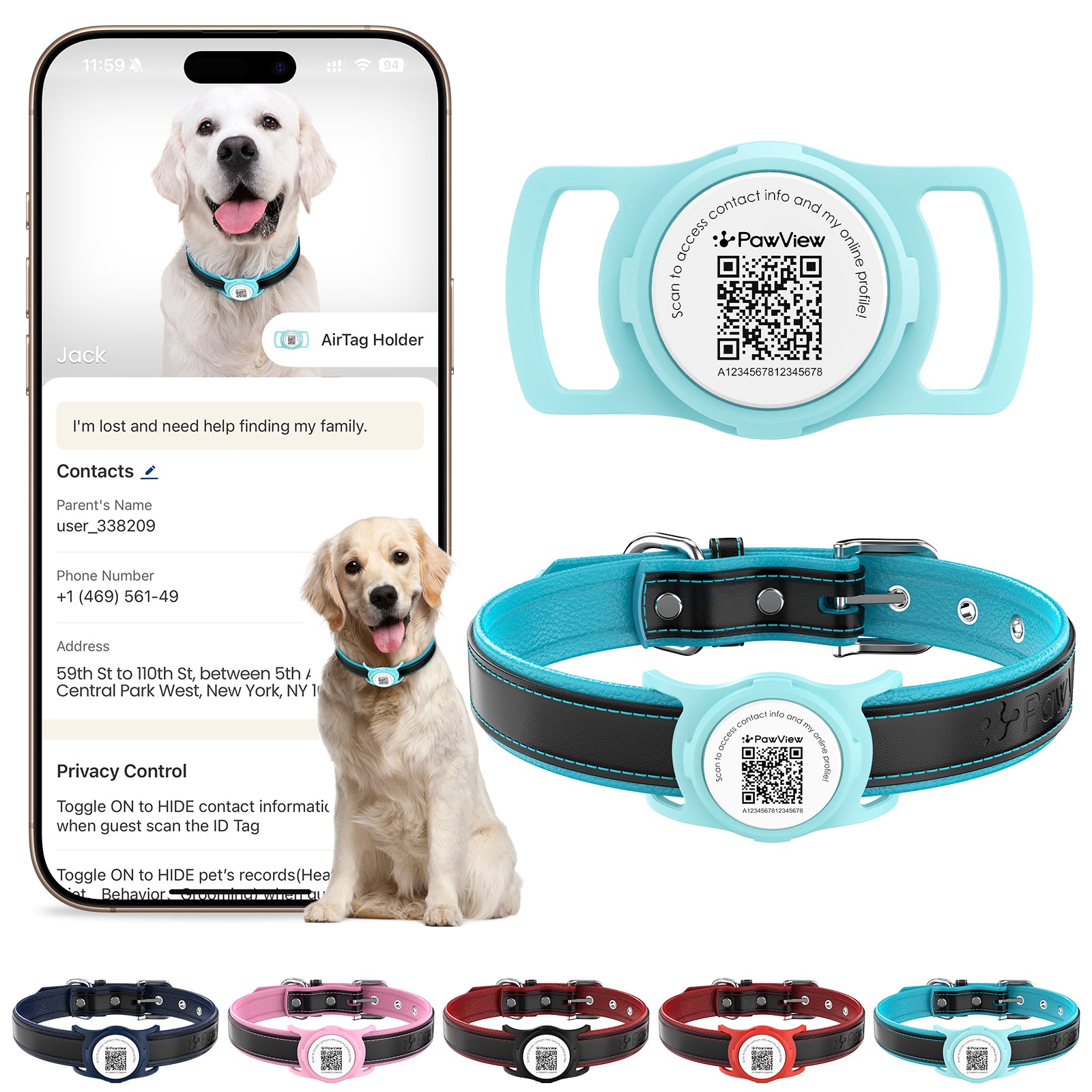
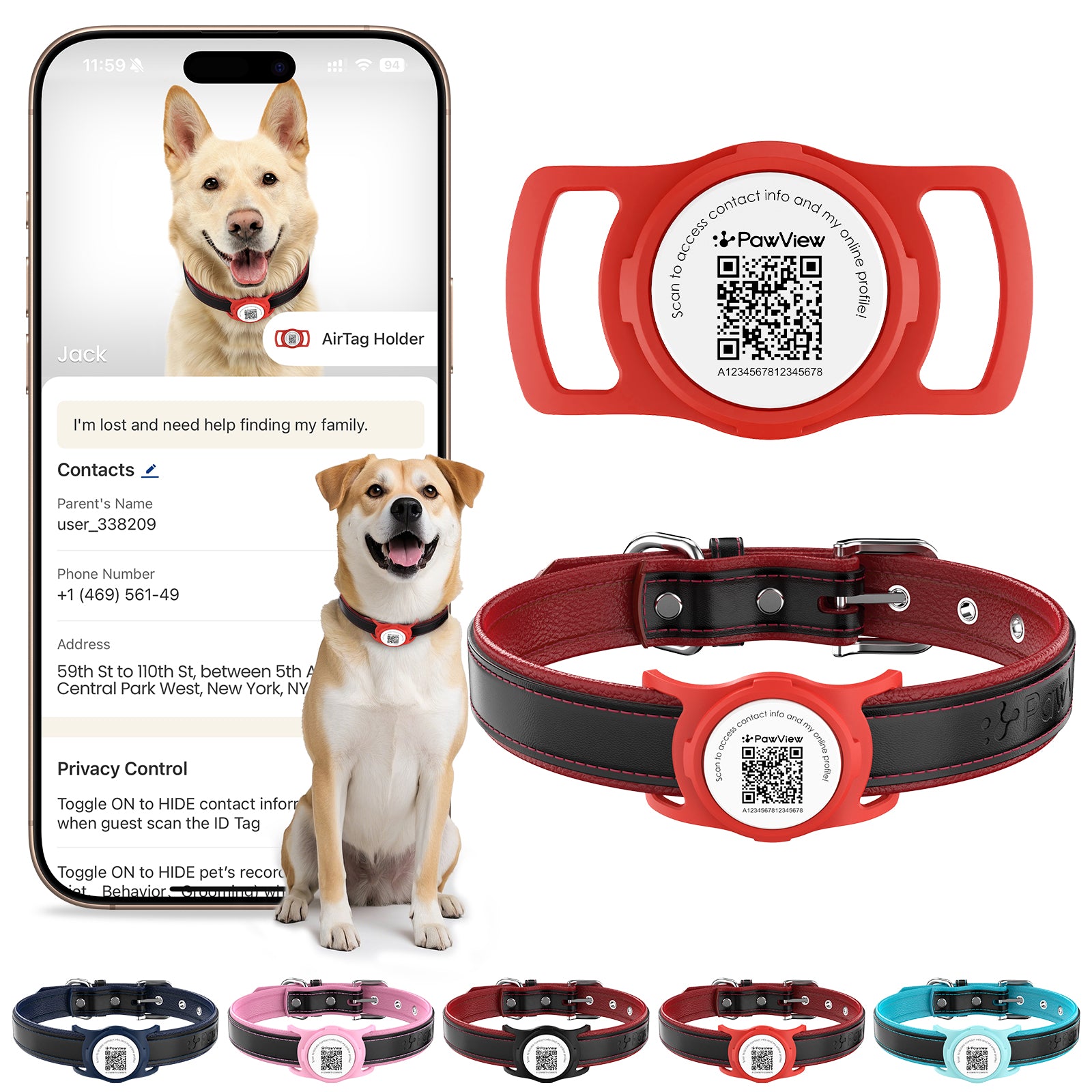
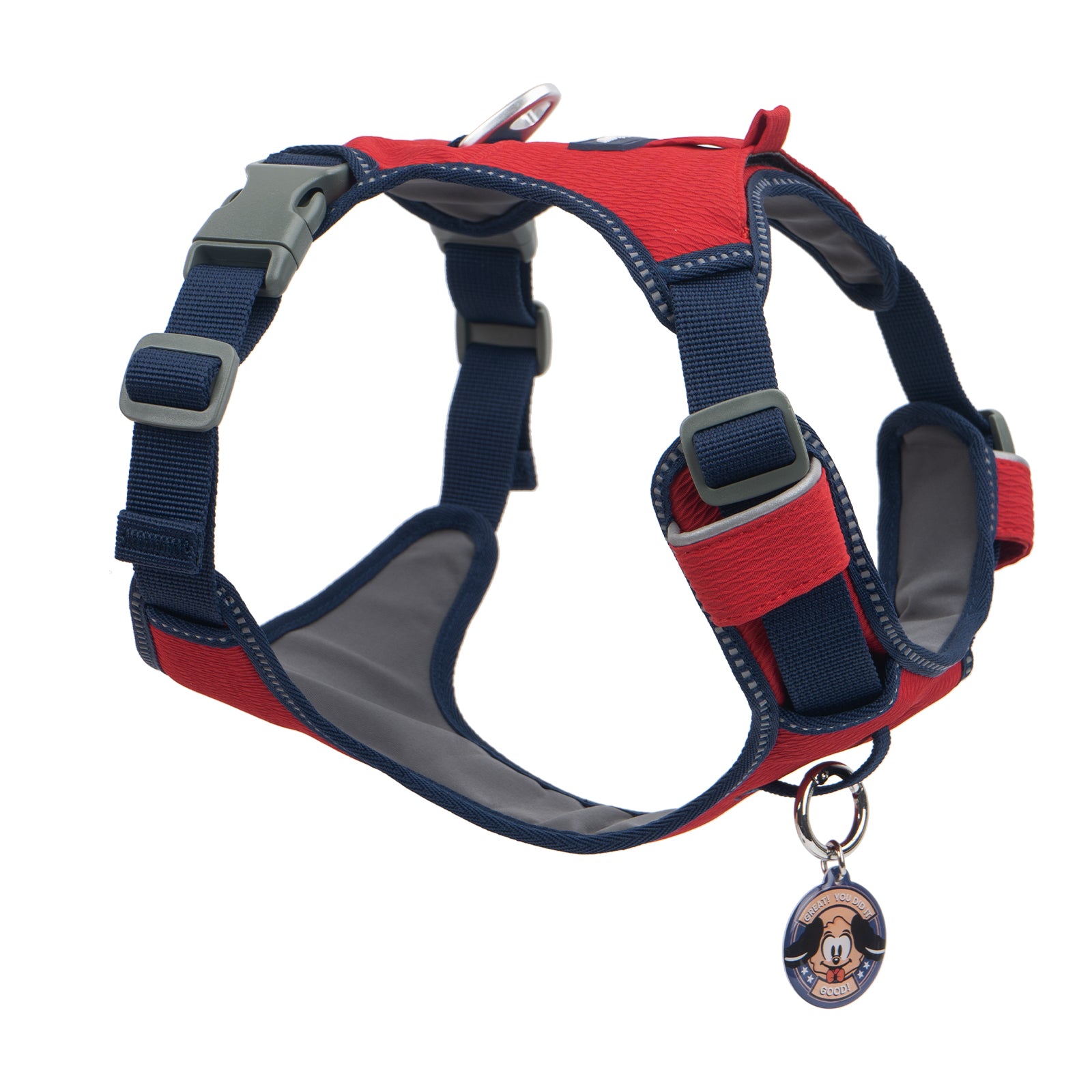
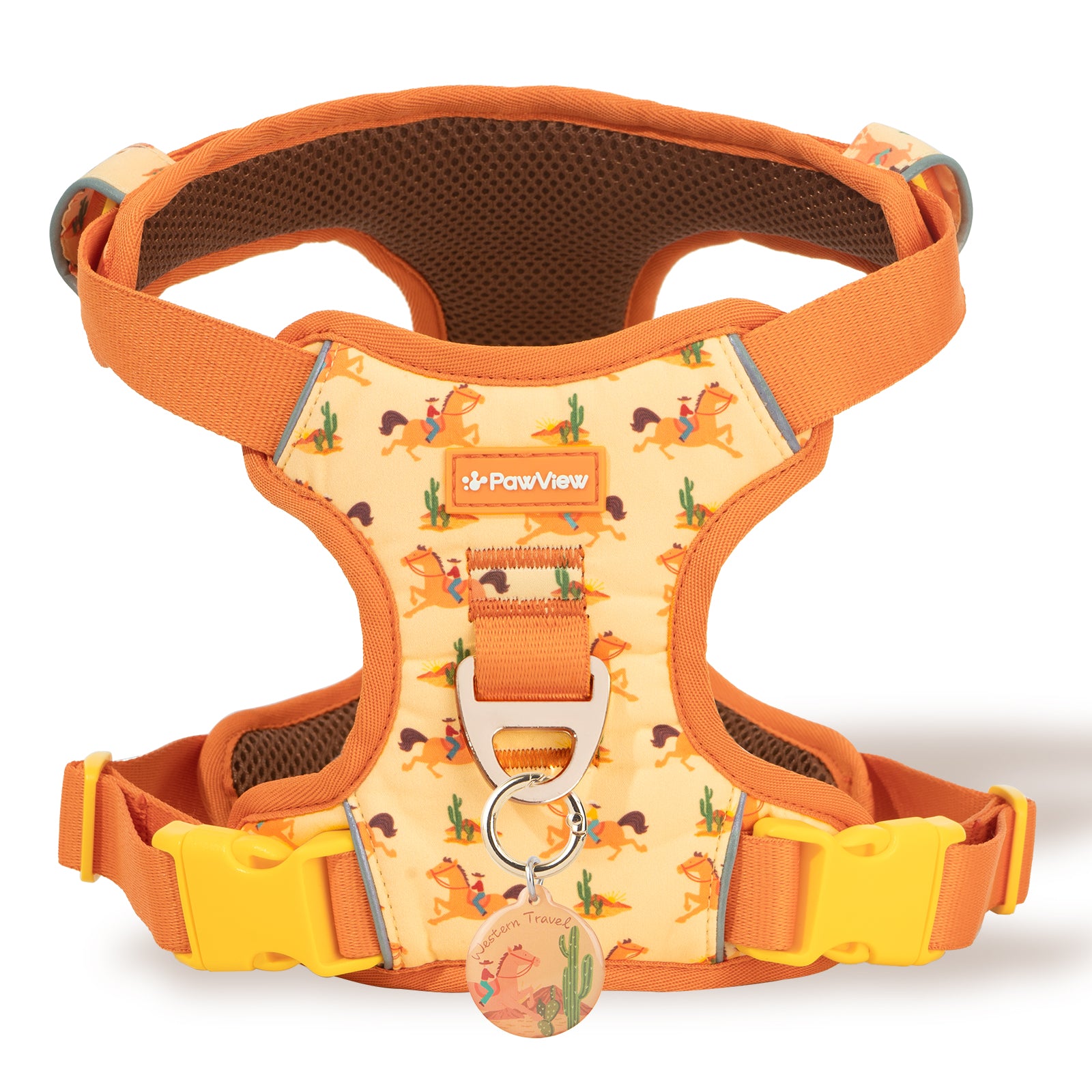
Pro tip: A comfortable collar or tag helps track outdoor routines confidently and keeps pets safe if they accidentally wander off.
2️⃣ Eating, Drinking & Poop (The Real Indicators!)
Not glamorous, but crucial:
-
Appetite changes
-
Drinking more or less than usual
-
Constipation or loose stools
-
Cats suddenly peeing outside the litter box
Many common conditions—from digestive sensitivities to kidney issues—start subtly here.
If you already use a smart litter box or feeder, you’re gathering more data than you realize.
3️⃣ Safety & Identity Updates
One of the most overlooked data points:
Is your pet’s ID information accurate—today?
A phone number change, a move, or even a temporary caretaker can mean the difference between:
✔ a lost pet being returned quickly
✘ or never being found
Keeping ID tags, microchip information, and emergency contacts current is a simple, powerful form of pet data management.
🌱 How to Start Using Small Data—Without Making It Complicated
You can begin with these 3 steps:
✨ Notice what’s normal
Everyone’s pet is unique—once you know their baseline, changes stand out.
✨ Pay attention to patterns, not single days
One skipped meal may mean nothing; three in a row means something.
✨ Take action early
Small data gives you a chance to adjust before issues snowball.
🎯 The Big Picture
Smart pet care isn’t just about technology—it’s about awareness, consistency, and connection.
When we treat daily observations as valuable information, we:
-
Understand our pets better
-
Prevent avoidable stress or emergencies
-
Keep them safe indoors and outside
-
Strengthen the bond we share with them
Every walk, every meal, every tail wag—it’s all data that matters.
❤️ Final Thoughts
You don’t have to be a scientist to practice science-based pet care.
By collecting “small data” in your everyday routine, you’re already choosing a smarter, more attentive way to support your pet’s health and happiness.
Sometimes, the biggest difference comes from the smallest details. 🐾


