




























Keeping your dog active isn’t just about burning off extra energy—it’s essential for their physical health, mental stimulation, and emotional well-being. But during winter, colder temperatures and shorter daylight hours often leave pet parents wondering: How much exercise does my dog really need, and how can I keep it safe?
In this guide, we’ll break down how much exercise dogs really need in winter—and how to meet those needs safely despite colder weather and shorter days.
How Much Exercise Is Enough?
There’s no one-size-fits-all answer. A dog’s ideal activity level depends on age, size, breed, and energy level.
-
High-energy dogs (like working or sporting breeds) often need 60–90 minutes of daily activity, such as brisk walks, hiking, running, or structured training.
-
Moderate-energy dogs do well with 30–60 minutes of mixed activity.
-
Low-energy or senior dogs usually benefit from 15–30 minutes of gentle movement, including short walks or light indoor play.
-
Puppies need frequent, short bursts of activity—generally 5–10 minutes per month of age, up to twice a day, adjusted based on breed and veterinary guidance.
Winter doesn’t change these needs—it just changes how that activity looks.
Why Tracking Your Dog’s Activity Matters
Many pet parents focus on exercise quantity but overlook consistency and patterns. Keeping track of your dog’s movement can help you notice subtle changes, like reduced enthusiasm on walks or slower recovery after play, which may signal discomfort, joint sensitivity, or boredom.
Tracking also helps prevent extremes. Too little activity can lead to weight gain, anxiety, and destructive behavior. Too much—especially on icy or uneven surfaces—can increase the risk of muscle strain or joint injuries. Simple tools like activity logs or pet tracking apps can help you adjust routines based on season, weather, and your dog’s energy levels.
Winter-Friendly Exercises to Keep Dogs Active
Cold weather doesn’t mean staying still. These activities work well for many dogs across the U.S. during winter months:
1. Snow Walks or Trail Hikes
Snow adds resistance, turning a regular walk into a more engaging workout. Stick to maintained trails, protect paws from ice and salt, and keep sessions shorter if temperatures drop.
2. Indoor Obstacle Courses
Use household items—cushions, chairs, or blankets—to create low-impact agility challenges. This is great for mental stimulation when outdoor conditions aren’t ideal.
3. Dog Park Visits on Mild Days
On calmer winter days, short park visits can provide valuable social interaction. Midday outings are best when temperatures and visibility are higher.
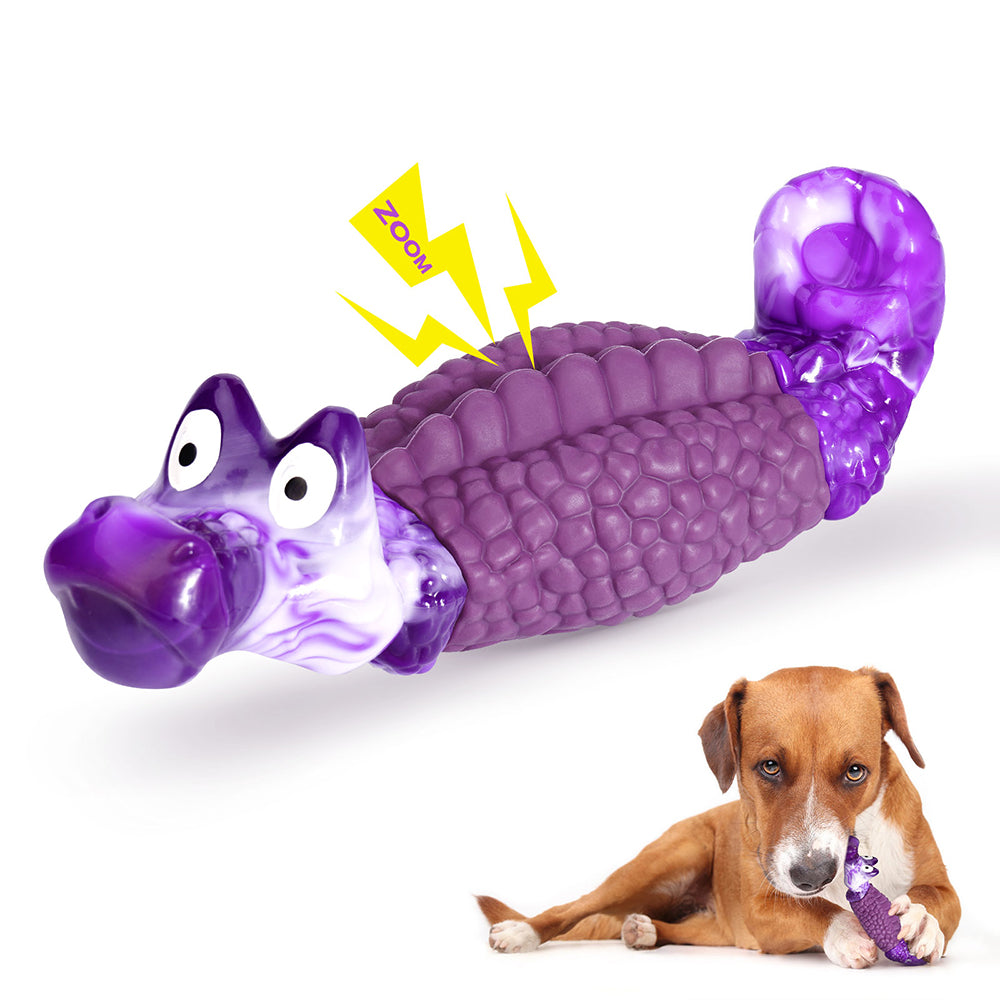
4. Indoor Fetch or Tug-of-War
Short, energetic games indoors can be just as effective as long outdoor walks, especially for apartment dwellers.
5. Canine Nose Work
Hiding treats or using puzzle toys taps into your dog’s strongest sense. Nose work is mentally exhausting in the best way—and perfect for slower winter afternoons.
Staying Safe During Low-Light Winter Days
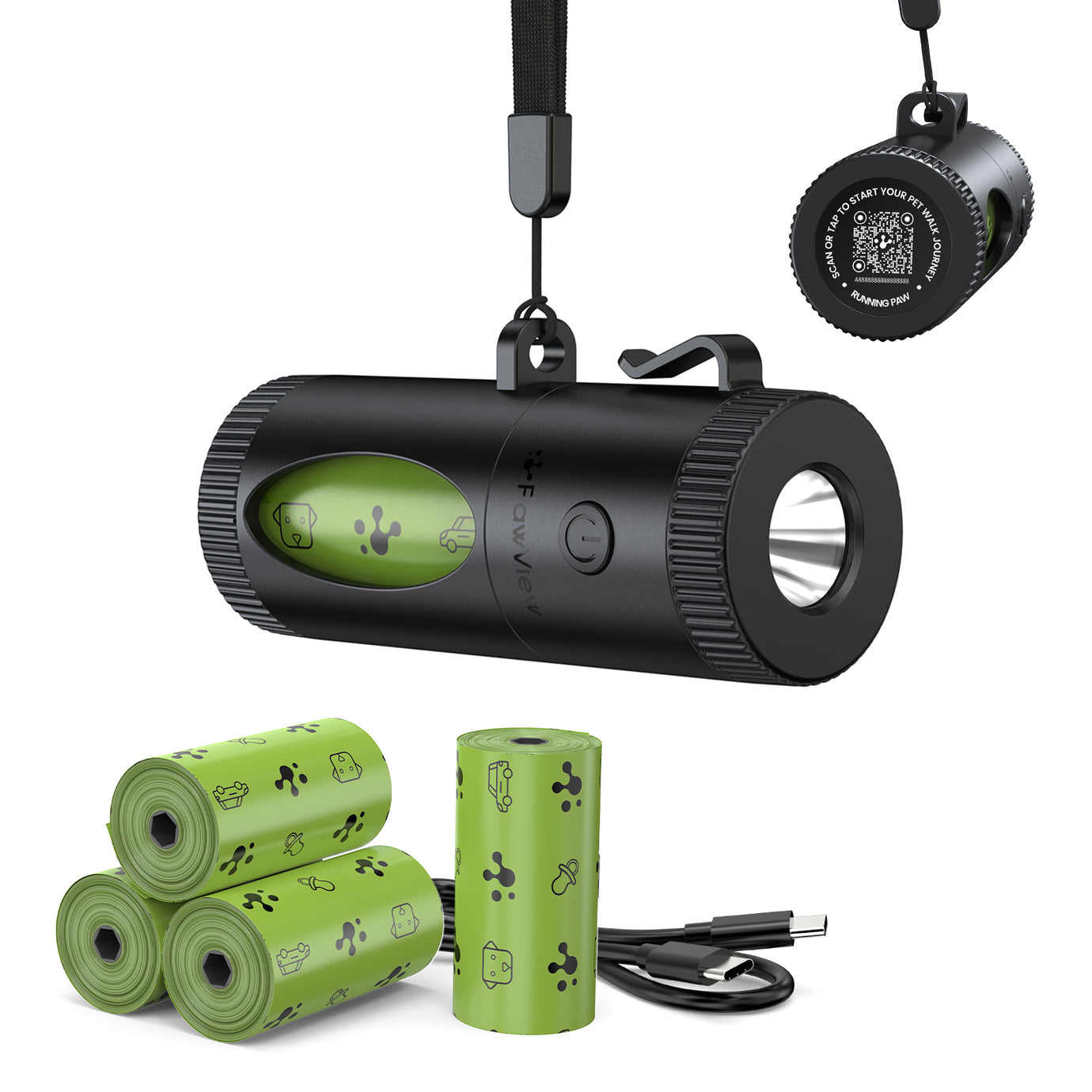
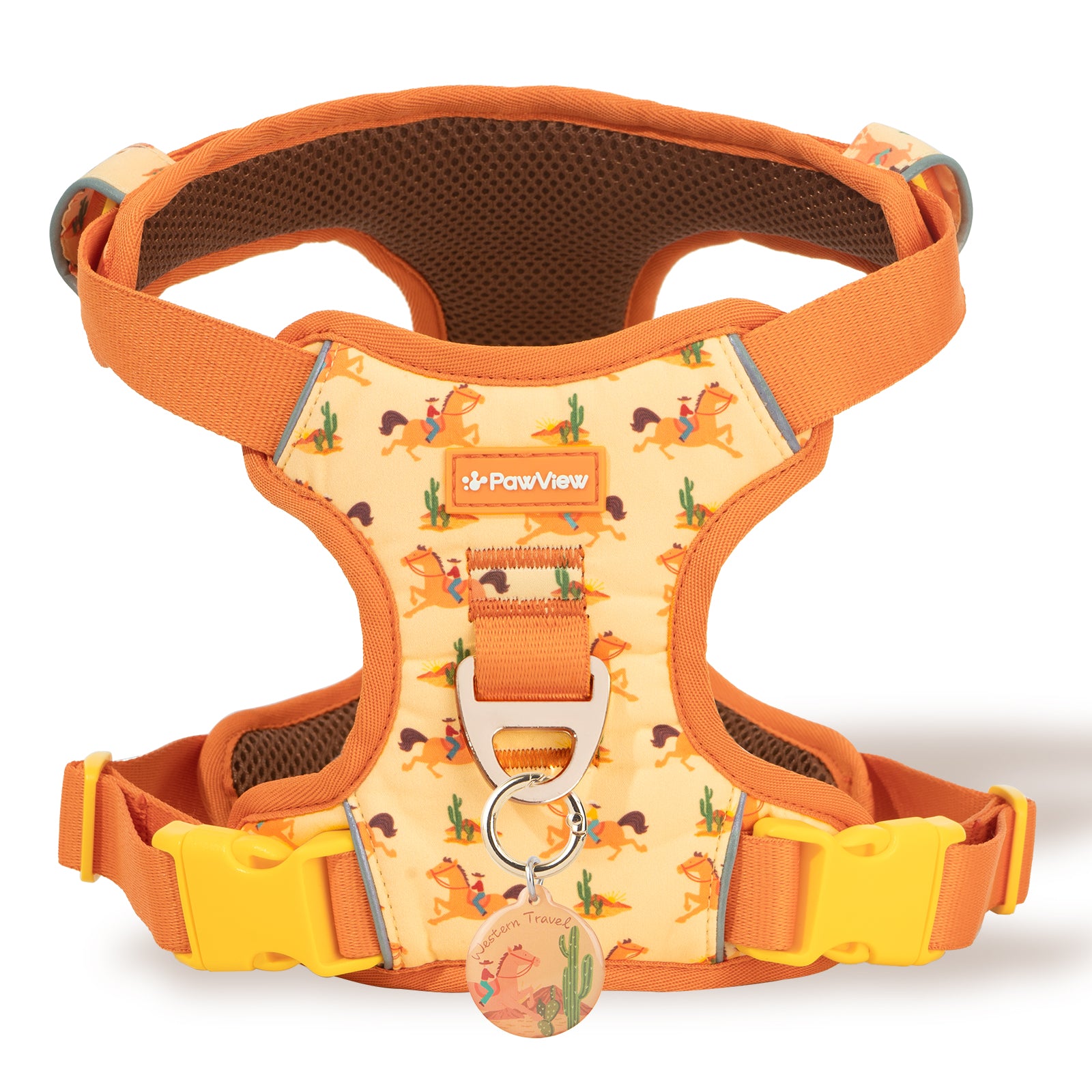
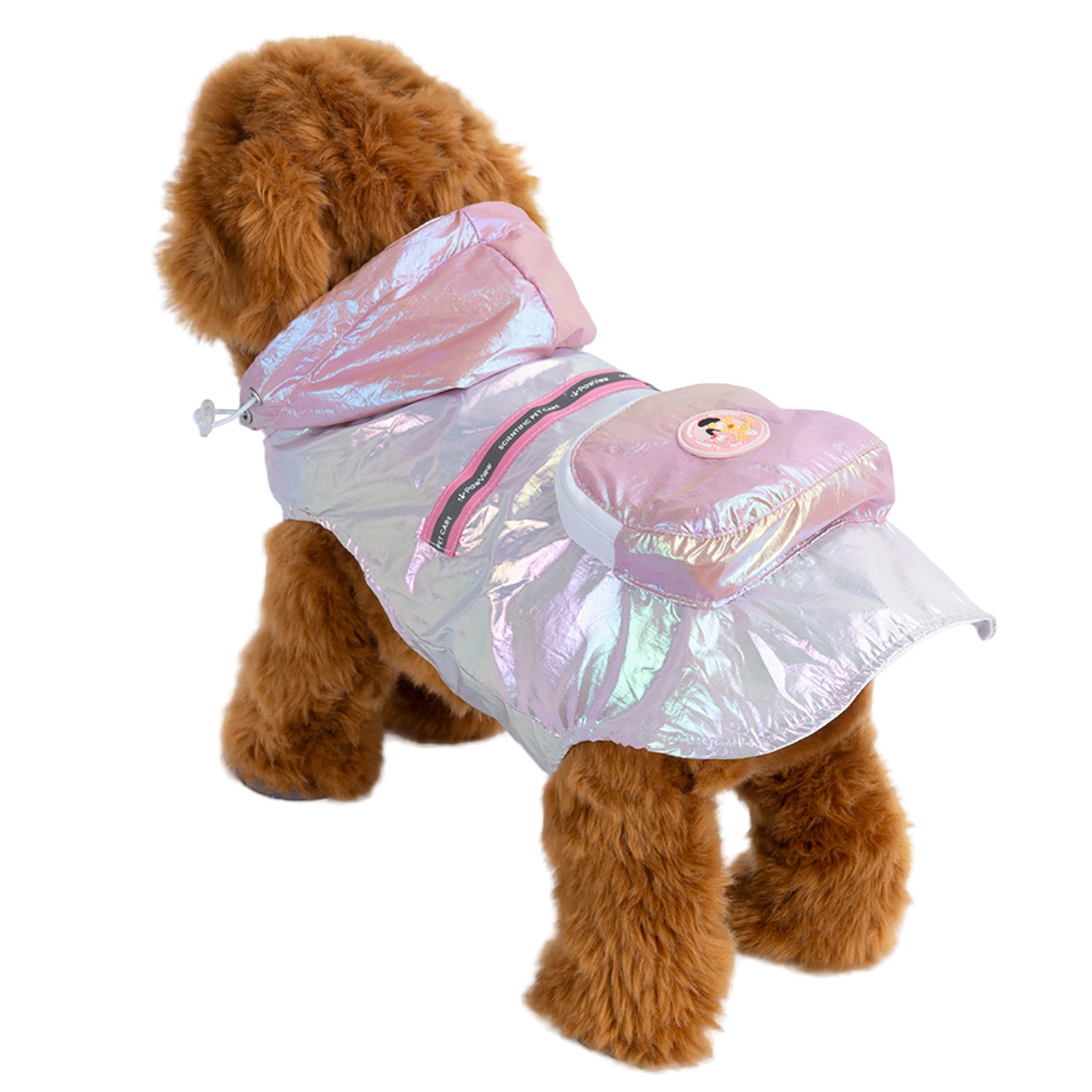
With daylight fading earlier in winter, visibility becomes an important safety consideration. Reflective gear, subtle glow or light-up accessories, and location-tracking tools can all help make walks safer and reduce stress during dusk or evening outings—especially in neighborhoods or parks with limited lighting.
For most dogs, winter exercise isn’t about doing more or less—it’s about consistently meeting their baseline activity needs while adjusting intensity, timing, and environment.
At pawview, we believe thoughtful pet care starts with awareness: knowing how much activity your dog needs, noticing changes over time, and making small adjustments to keep them safe and happy year-round. Winter may change your routine, but it doesn’t have to slow you down.


