









Busy sidewalks, pet-friendly markets, outdoor events, cafés, and community gatherings can be fun to explore with your dog. But crowded environments are not enjoyable for every pet. Some dogs stay relaxed around people, sounds, and other animals, while others can quickly become stressed or overstimulated.
The goal is not to make every dog love crowds. It is to understand your dog’s comfort level, introduce new environments gradually, and know when to create space or leave.
If you plan to bring your dog to a busy public place, these tips can help make the experience safer and more comfortable.
1. Know Your Dog’s Comfort Level
Before heading into a crowd, think about how your dog reacts to unfamiliar people, dogs, noises, and movement.
A dog that stays relaxed, responds to familiar cues, and can still take treats around mild distractions may be ready for a busier outing. A dog that freezes, tries to hide, barks continuously, or struggles to focus may need a quieter environment first.
Dogs Trust's guide to signs your dog may be stressed notes that stress can appear as lip licking, yawning, turning away, ears pulled back, body tension, or a tucked tail. More obvious signs include shaking, hiding, barking, growling, or trying to escape.
2. Introduce Busy Places Gradually
Do not make a crowded festival your dog’s first public outing.
Start somewhere easier, such as a quiet neighborhood street, an outdoor café during a less busy period, or the edge of a pet-friendly park. Keep the visit short and reward calm behavior.
As your dog becomes more comfortable, gradually add more people, sounds, and distractions.
The American Kennel Club's guide to training around distractions recommends building up distractions slowly. Starting at quieter times and staying near the edge of crowds can give your dog more space.
Progress should follow your dog’s behavior, not your schedule.
3. Learn When Your Dog Needs More Space
Crowded places can be difficult because dogs may have less room to move away from something that worries them.
Watch for repeated lip licking or yawning, ears pulled back, a tucked tail, stiff posture, excessive panting when it is not hot, avoiding eye contact, refusing treats, hiding, barking, or growling.
If you notice these signs, increase the distance between your dog and the trigger. Move to a quieter area, take a break, or leave if necessary.
Dogs Trust's guide to understanding dog body language explains that dogs need enough space to feel safe around potential stressors. The more intense the situation, the more distance your dog may need.
4. Do Not Force Greetings
A public place does not mean your dog needs to meet everyone.
If a stranger asks to pet your dog, it is reasonable to say no if your dog looks uncertain. The same applies to other dogs. Avoid allowing unfamiliar dogs to rush directly toward each other on leash.
Instead, reward your dog for calmly passing people and animals without needing to interact. For many dogs, remaining neutral around strangers is more useful than greeting everyone.
Practice cues such as “Come,” “Stay,” “Leave it,” or “Look” in quiet places before expecting the same response in a crowd.
5. Use Secure, Comfortable Walking Gear
Reliable walking equipment helps you keep your dog close without sacrificing comfort.
A well-fitted harness should sit securely without rubbing or restricting natural movement. Check the buckles, adjustment points, and leash connections before leaving home.
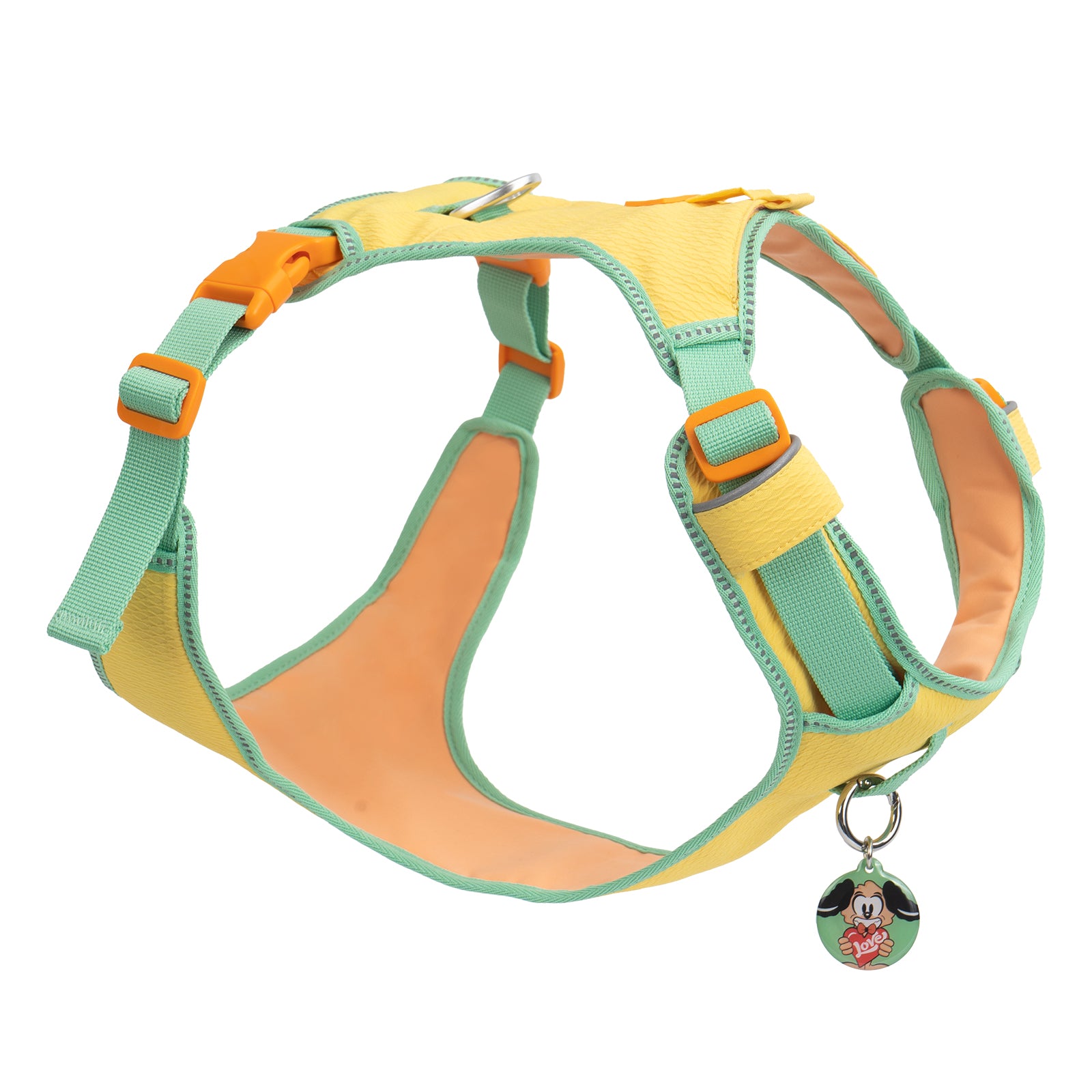
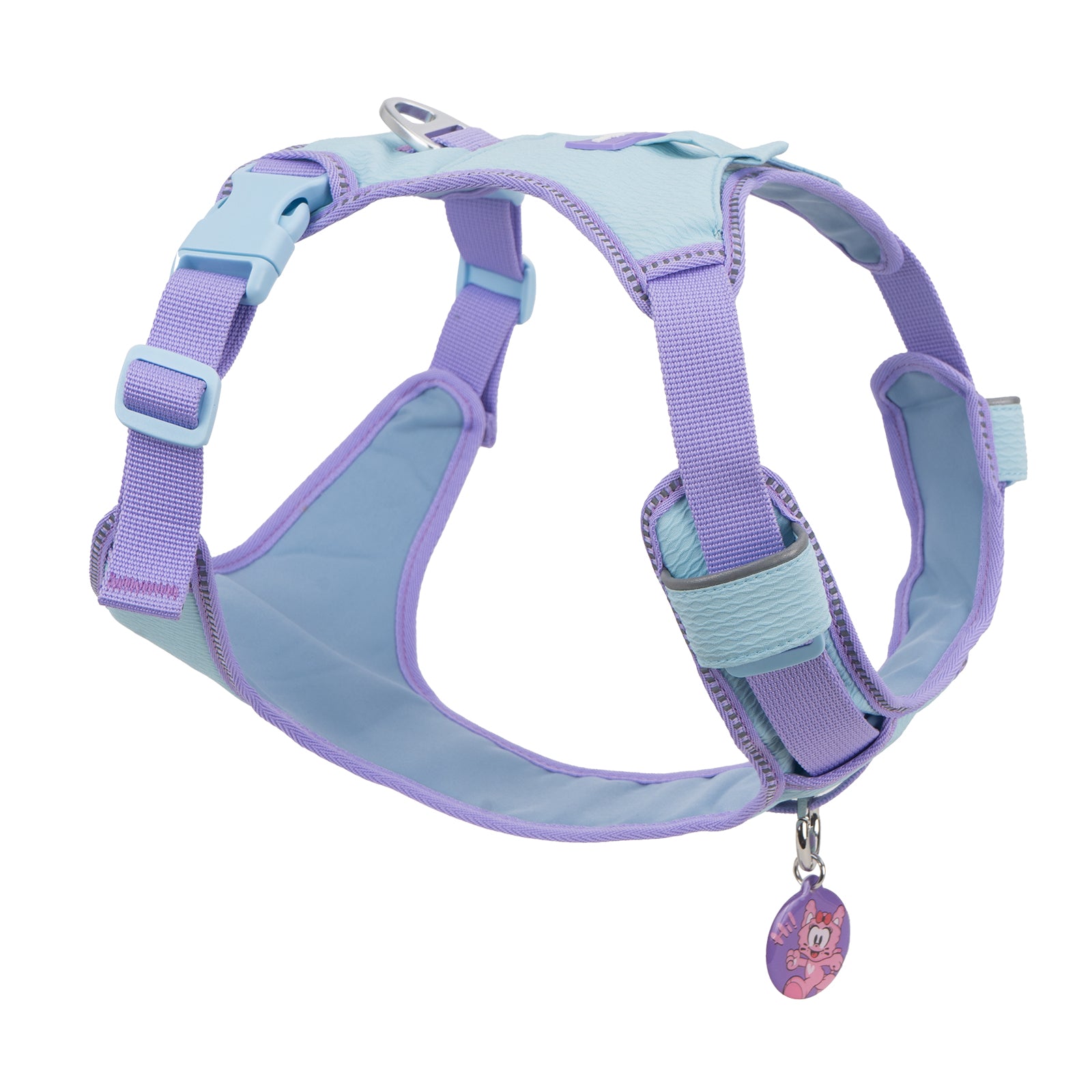
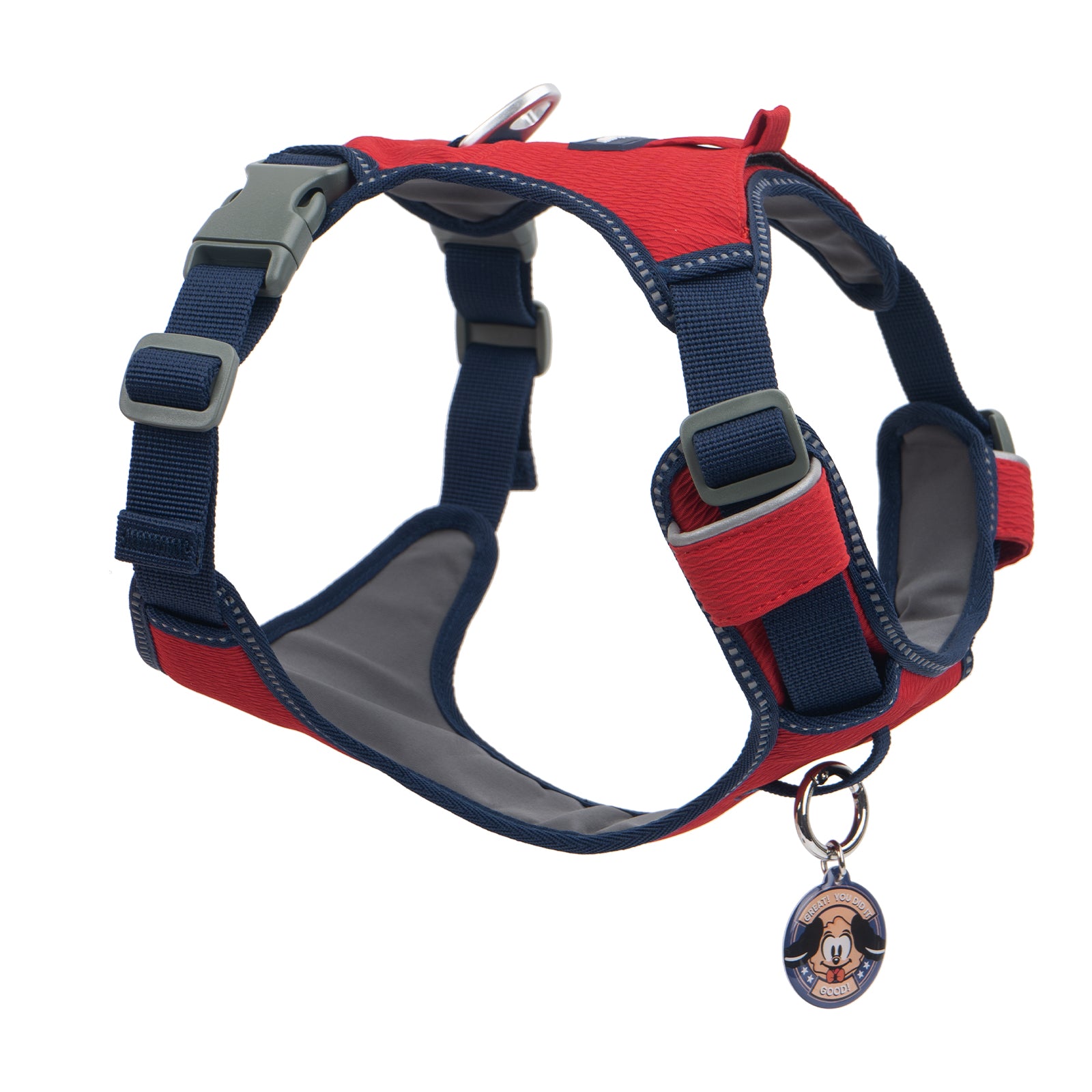
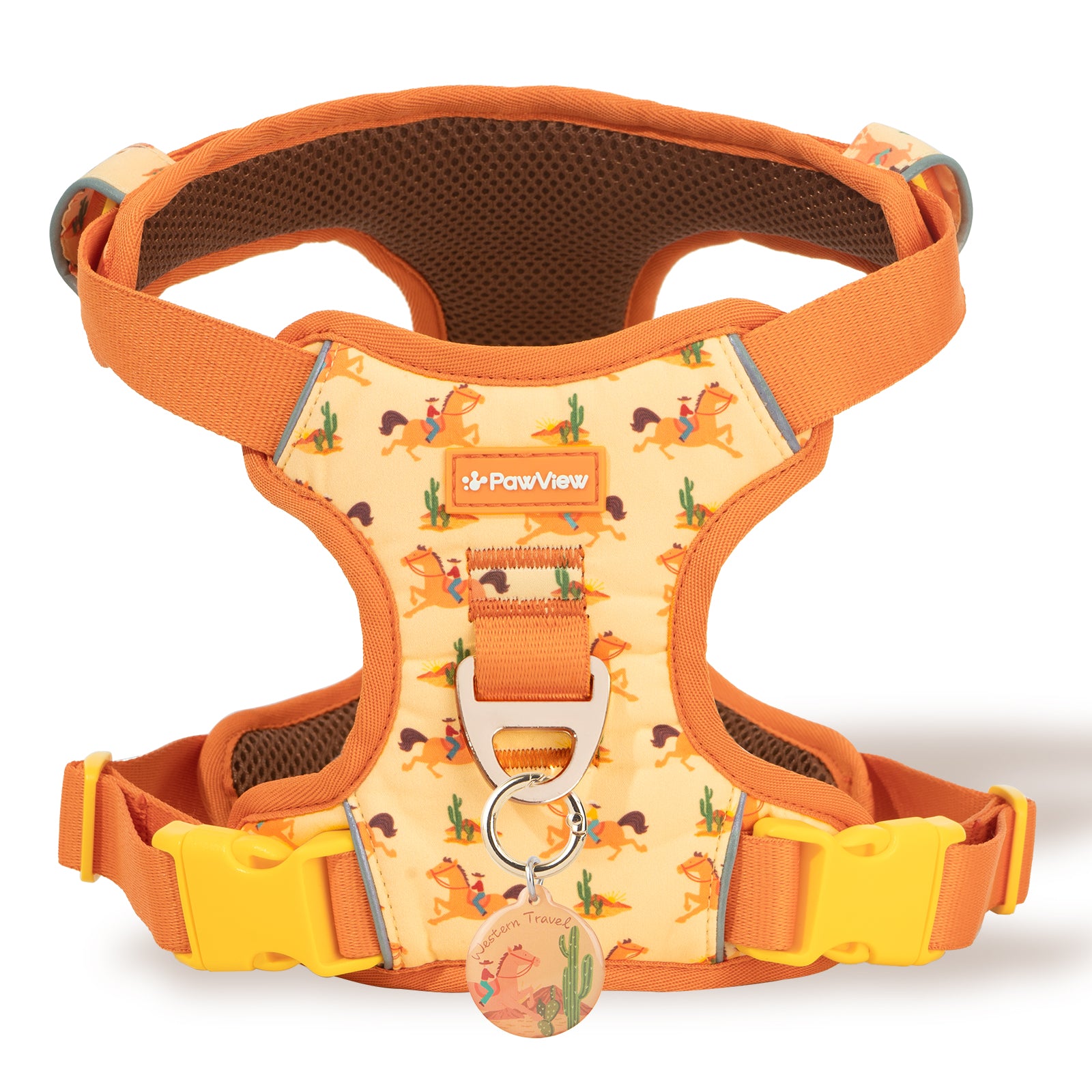
For public outings, the PawView Super Light Dog Harness is a practical option. Its lightweight design, woven reflective strips, adjustable fit, and ID tag pocket support everyday walks where comfort and visibility matter.
Keep the leash short enough to prevent your dog from wandering into other people’s path, but avoid constant tension.
6. Bring the Essentials and Plan Breaks
Before attending a market, outdoor event, or other pet-friendly gathering, bring water, a portable bowl, small treats, waste bags, regular walking gear, and current identification.
Plan breaks before your dog becomes overwhelmed. A quiet corner, shaded bench, or short walk away from the crowd can give them time to decompress.
Dogs Trust recommends regular breaks for dogs that become overexcited and notes that sniffing can help some dogs settle after stimulating activities.
7. Make Identification Part of Every Outing
Even a well-trained dog can become startled by a sudden noise or unexpected movement.
Make sure your dog wears identification with current contact information whenever you go out.
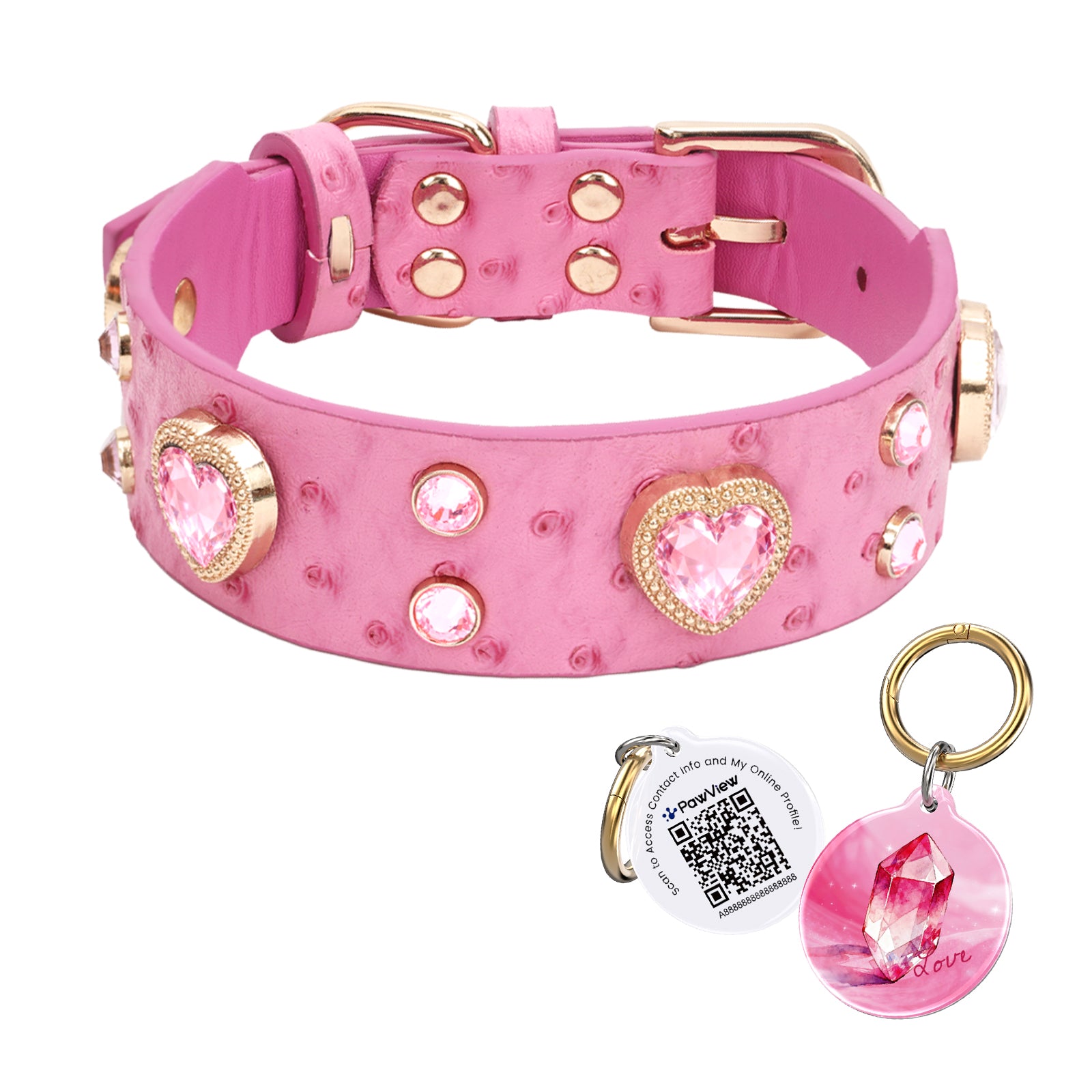
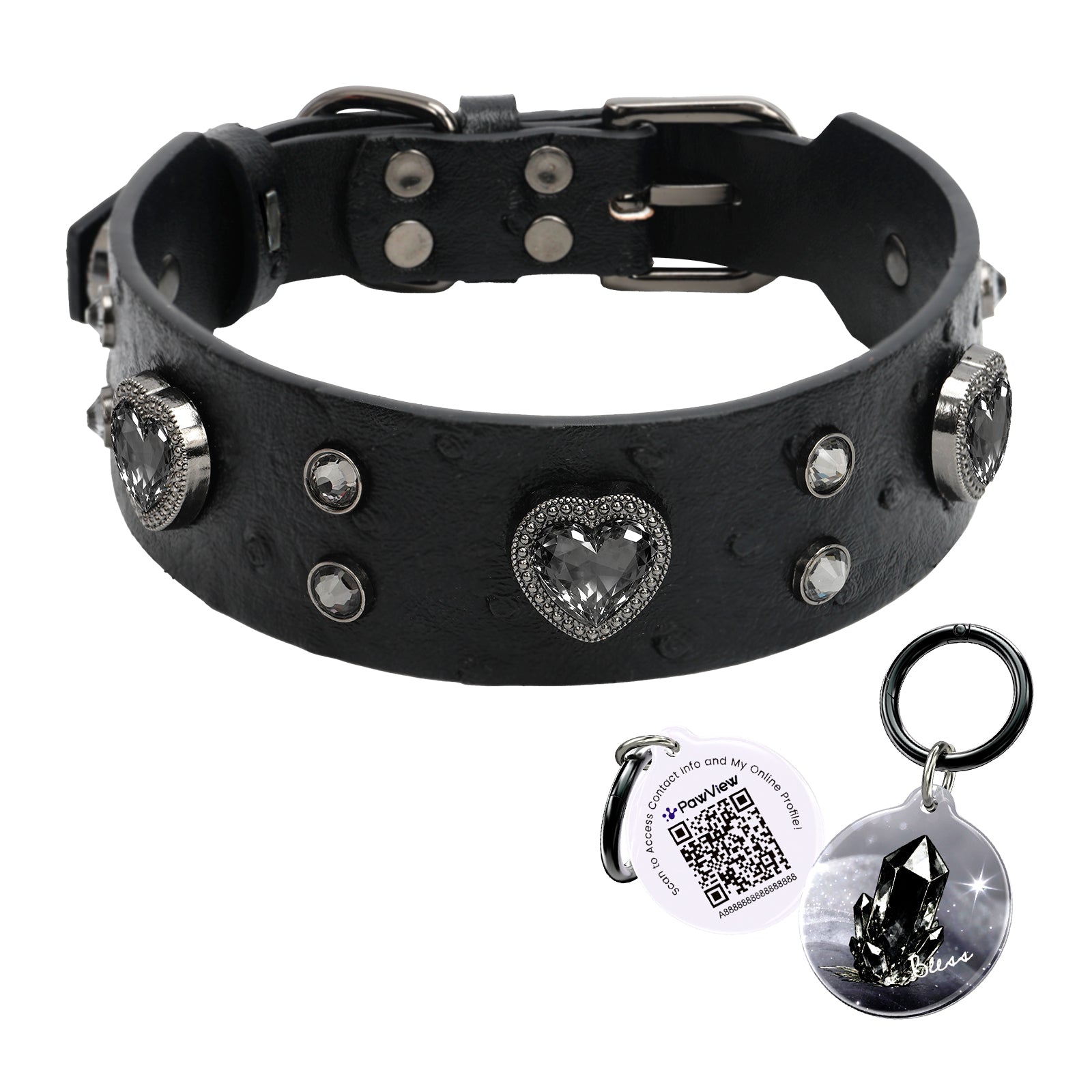
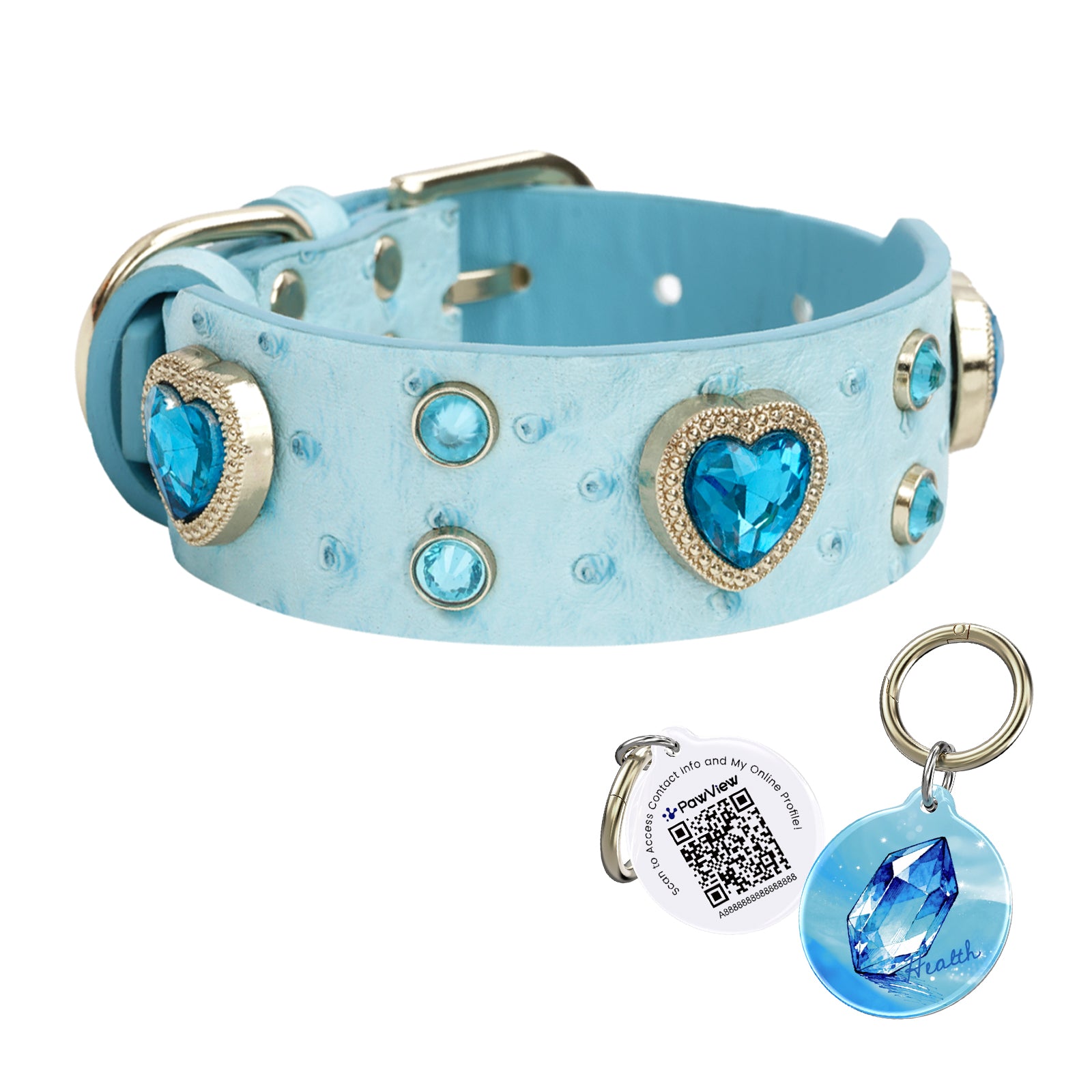
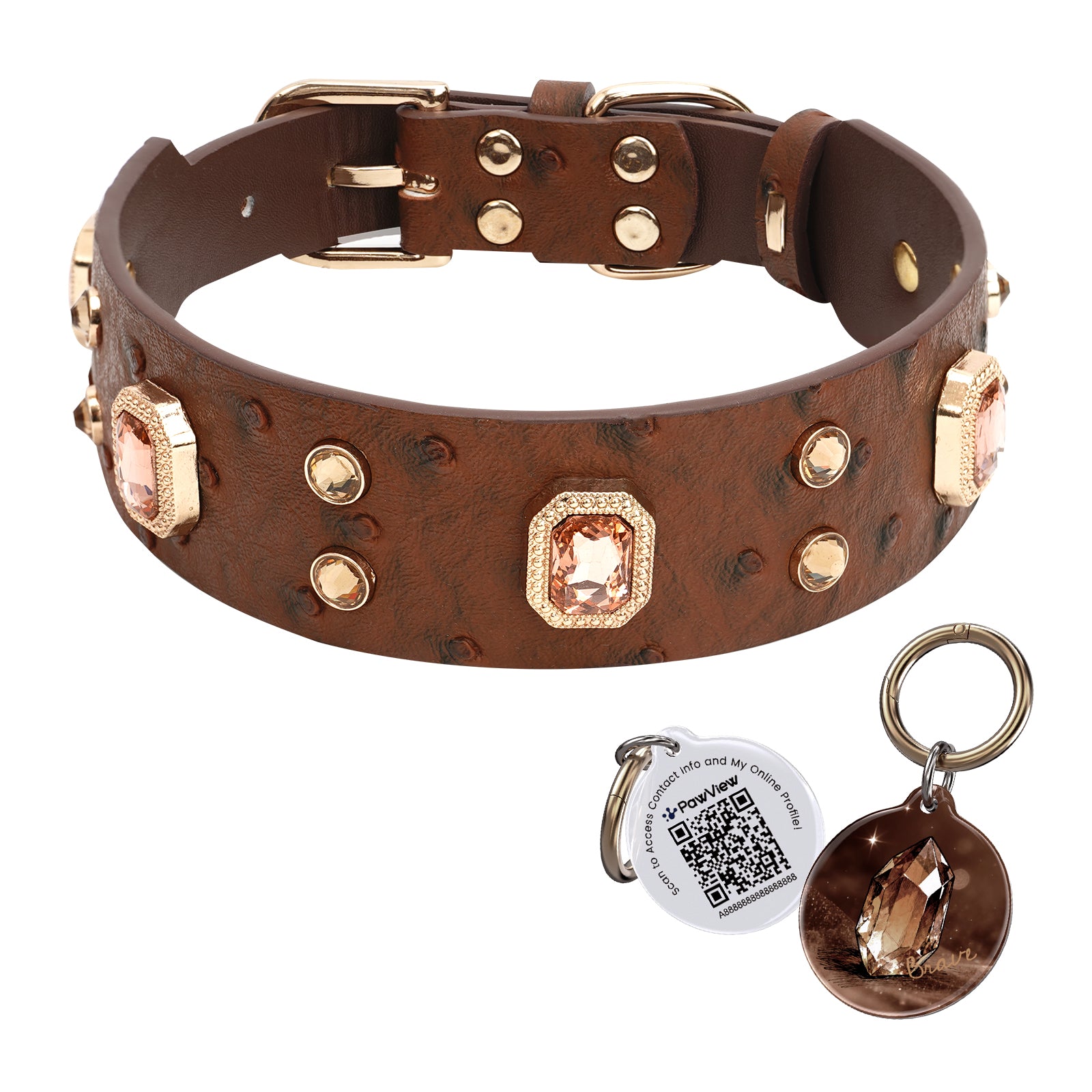
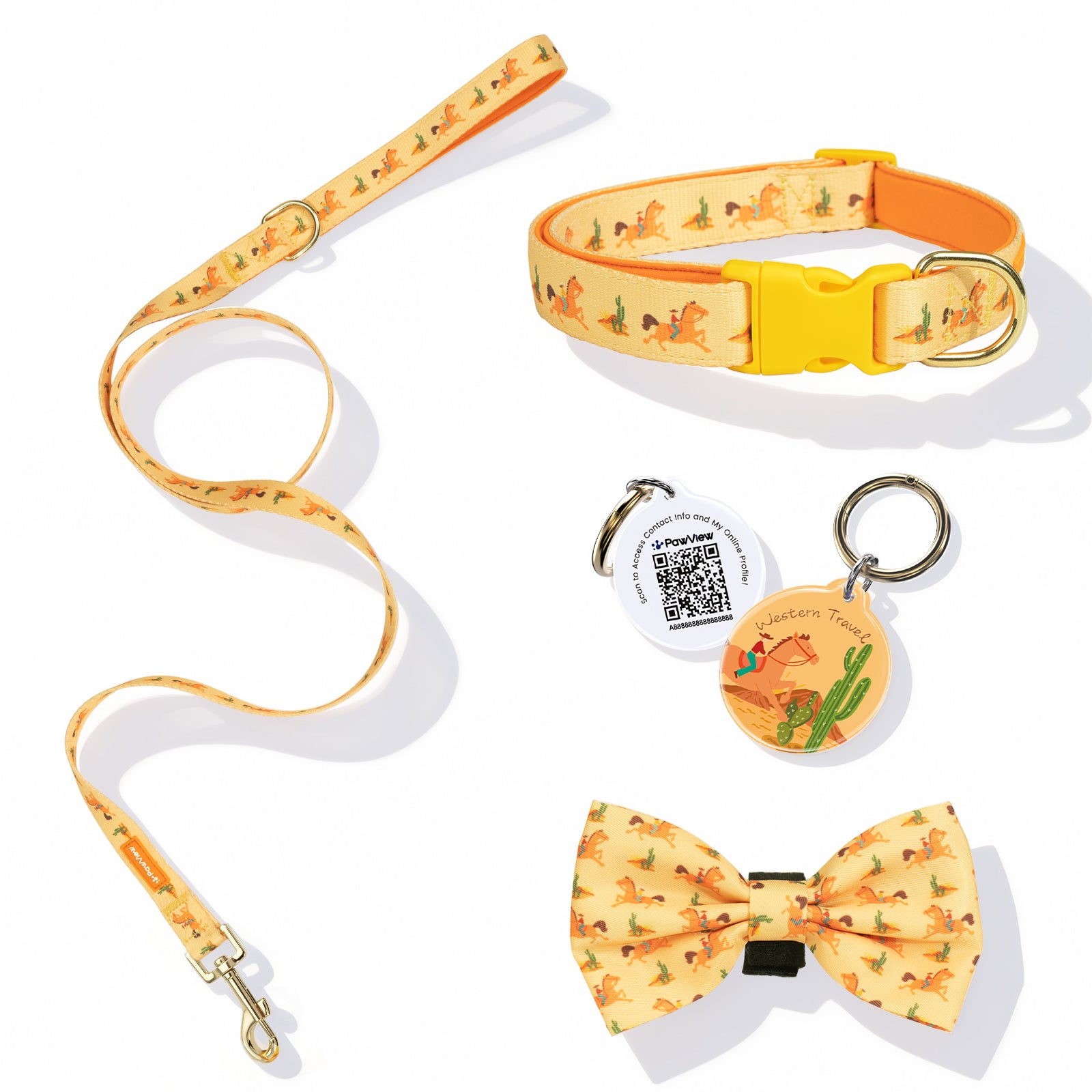
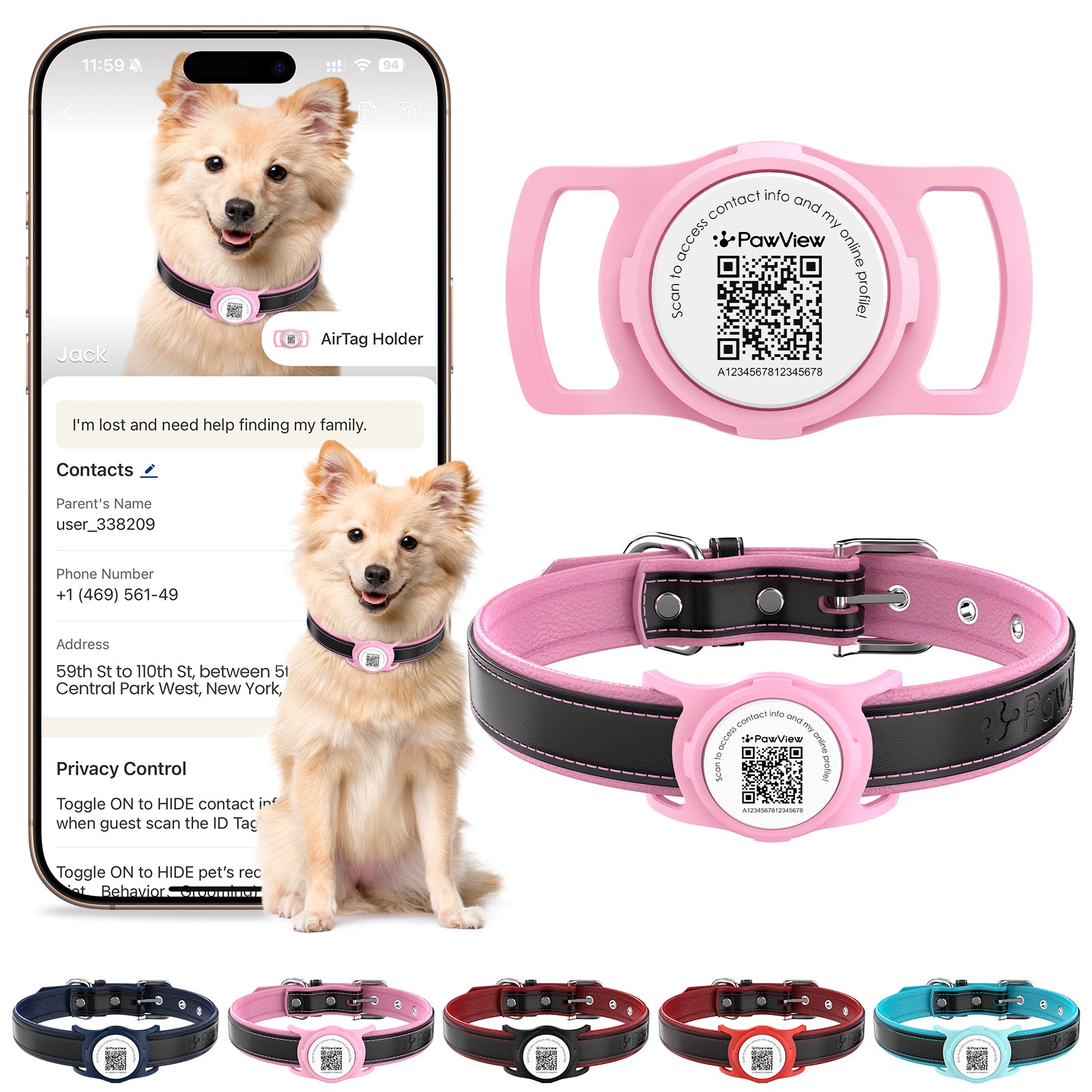
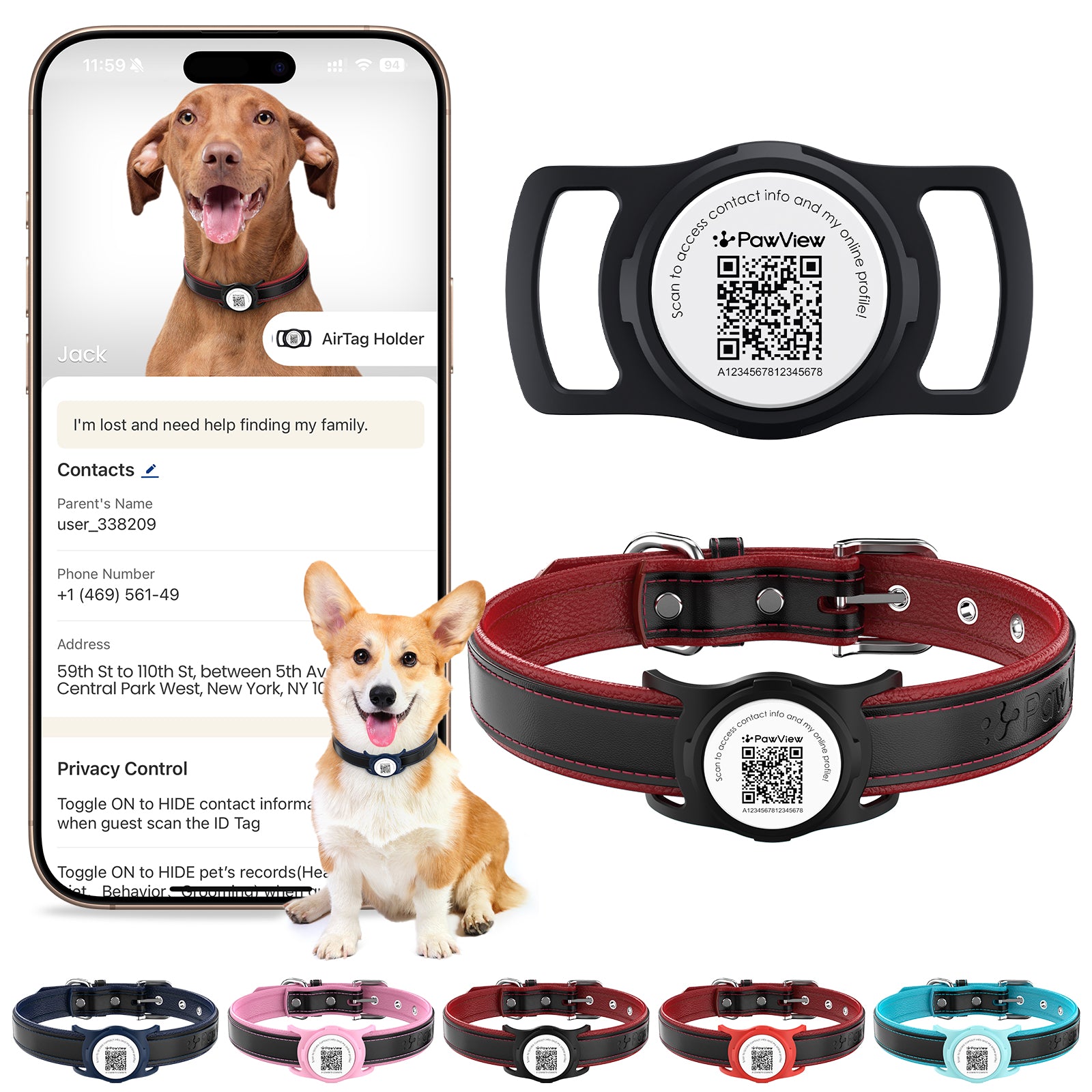
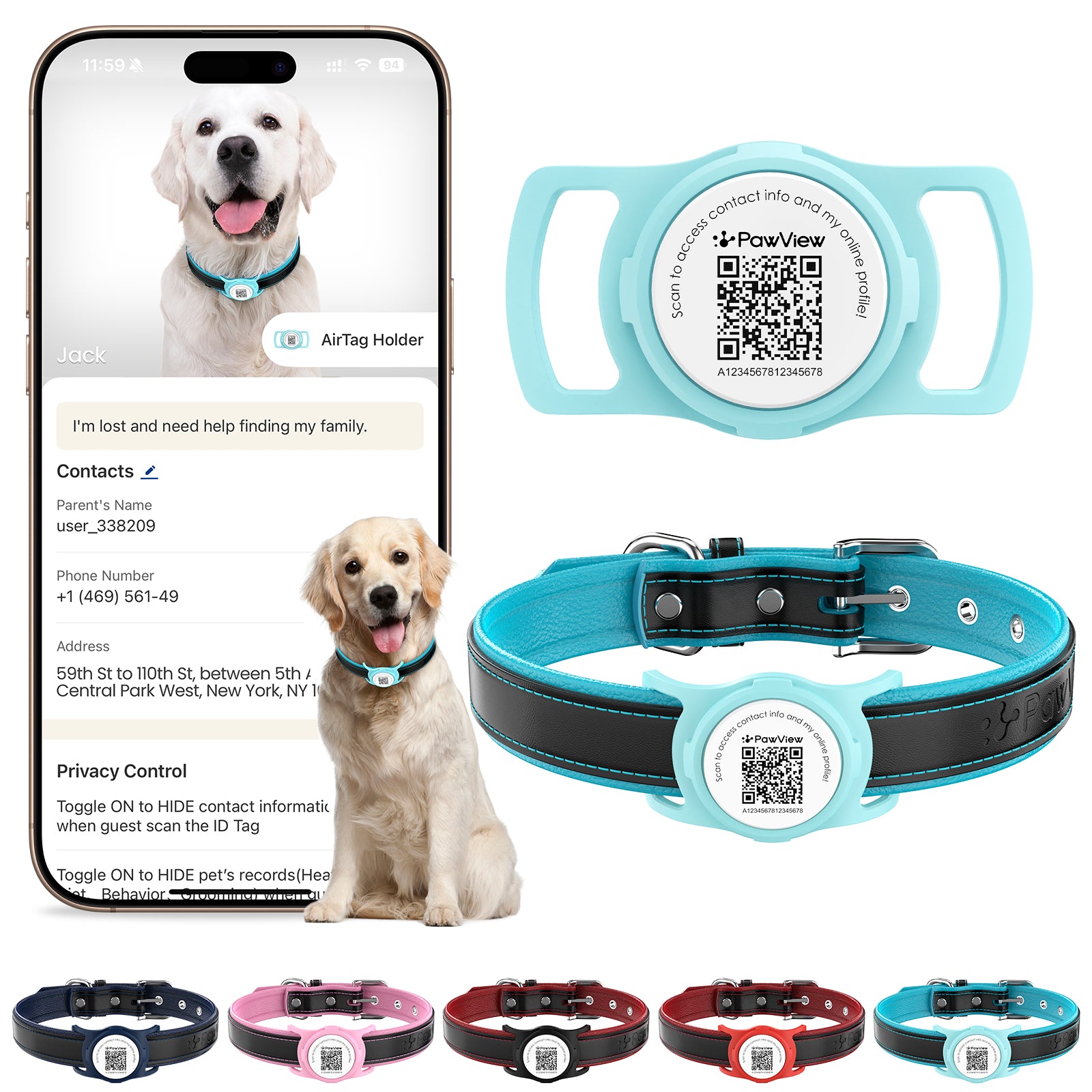
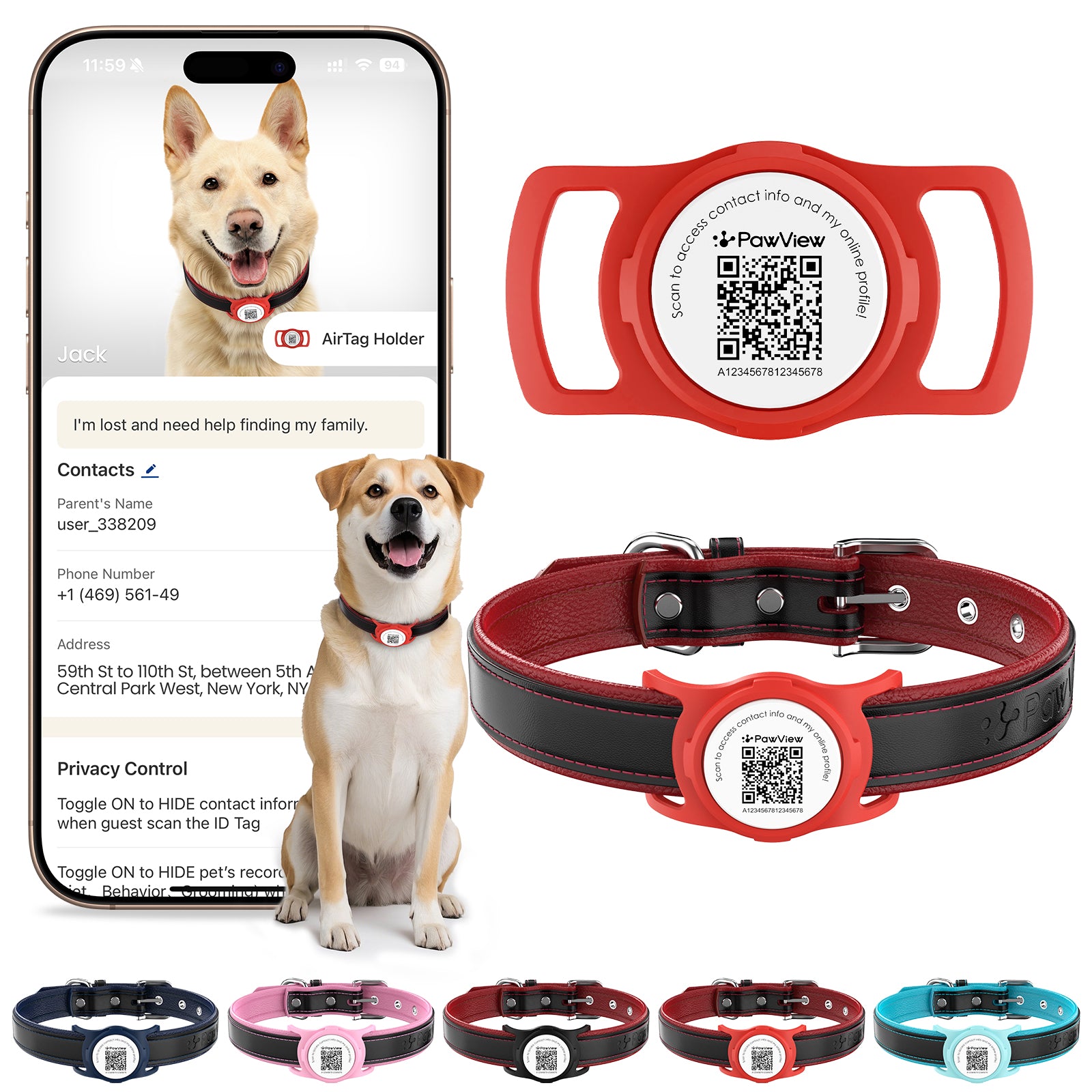
The PawView Smart QR & NFC Pet ID Tag connects the physical tag to an online pet profile. If someone finds your dog, they can scan the QR code with a smartphone or use NFC on a compatible phone to access the information you choose to share.
The finder does not need to download the PawView app. If they grant location permission and submit their location, you can receive a scan notification and location clue.
The tag is not a GPS tracker and does not provide continuous real-time tracking. It helps make identification and contact easier if you and your dog become separated.
8. Know When It Is Time to Leave
One of the most important skills in a crowded place is knowing when your dog has had enough.
If your dog cannot settle, stops responding to familiar cues, repeatedly tries to move away, or becomes increasingly tense, leaving is often the best choice.
VCA Animal Hospitals' guide to signs of stress in dogs recommends moving a stressed dog away from the stressor and finding a quieter place. If your dog frequently becomes anxious in public or shows significant behavior changes, speak with your veterinarian or a qualified behavior professional.
Leaving early is not a failed outing. It means you noticed what your dog was communicating and responded before the situation became harder.
Final Thoughts
Taking your dog to crowded places can be enjoyable, but it should always be based on your dog’s individual comfort level.
Start gradually, watch body language, give your dog enough space, use secure equipment, and be willing to change plans when needed. Some dogs may enjoy busy events, while others will always prefer quieter adventures.
The goal is to help your dog feel safe, supported, and confident wherever you explore together.


