








Halloween is full of creative costumes, sweet treats, spooky decorations, and visitors at the door. But for dogs, unfamiliar sights, sounds, and smells can turn an exciting evening into a stressful experience.
Whether you plan to dress up your dog, take a neighborhood walk, or welcome trick-or-treaters, a little preparation can make a big difference. These Halloween safety tips for dogs will help you keep your companion comfortable, visible, and protected throughout the holiday.
1. Choose a Comfortable Halloween Costume
Dressing up your dog can be a fun way to celebrate Halloween and take memorable photos. However, not every dog enjoys wearing costumes or unfamiliar accessories.
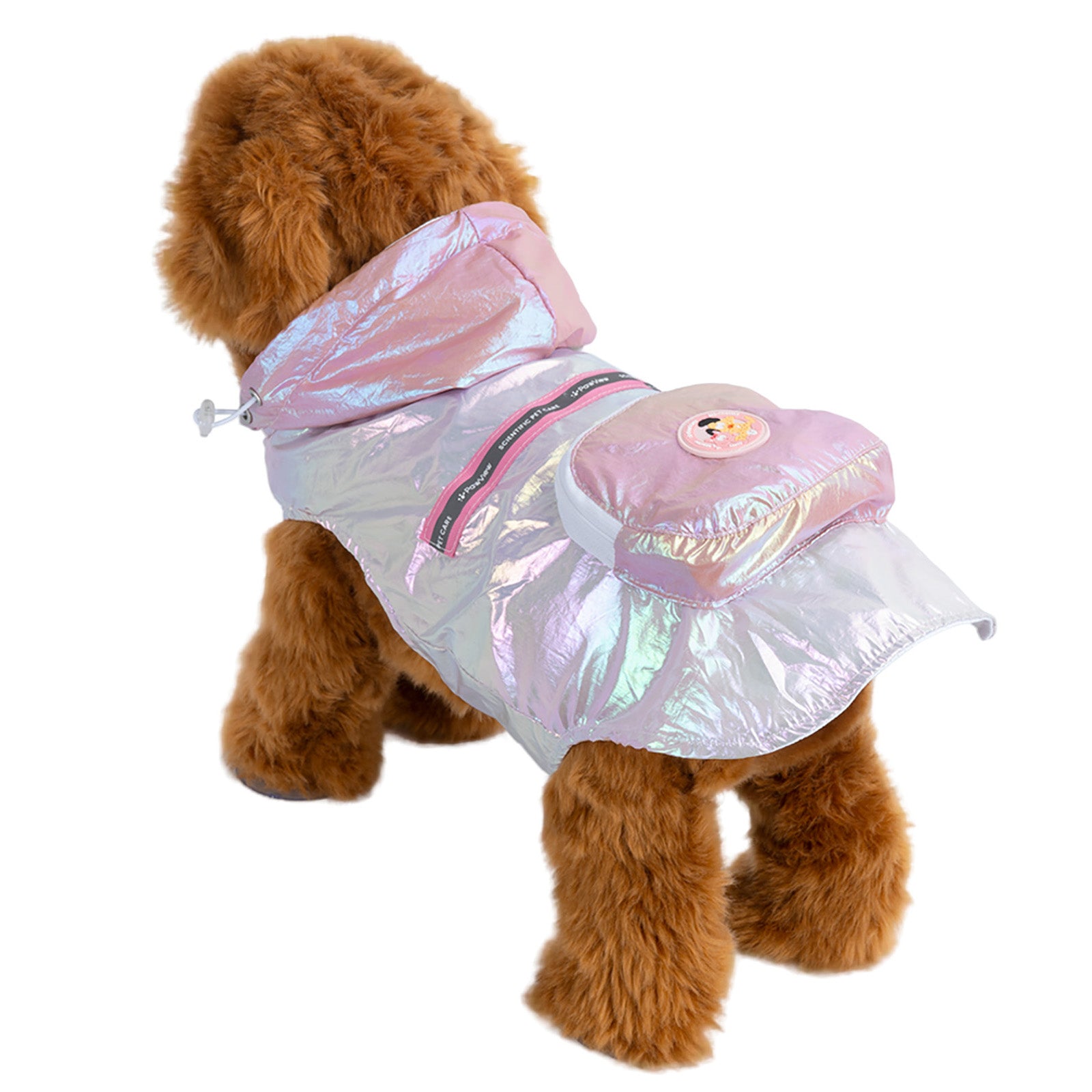
Choose an outfit that fits properly and allows normal movement, breathing, hearing, and vision. Avoid loose decorations, dangling ribbons, and small parts that your dog could chew off and swallow. Let your dog try the costume before Halloween, and watch for signs of discomfort, such as repeatedly scratching at the outfit or trying to remove it.
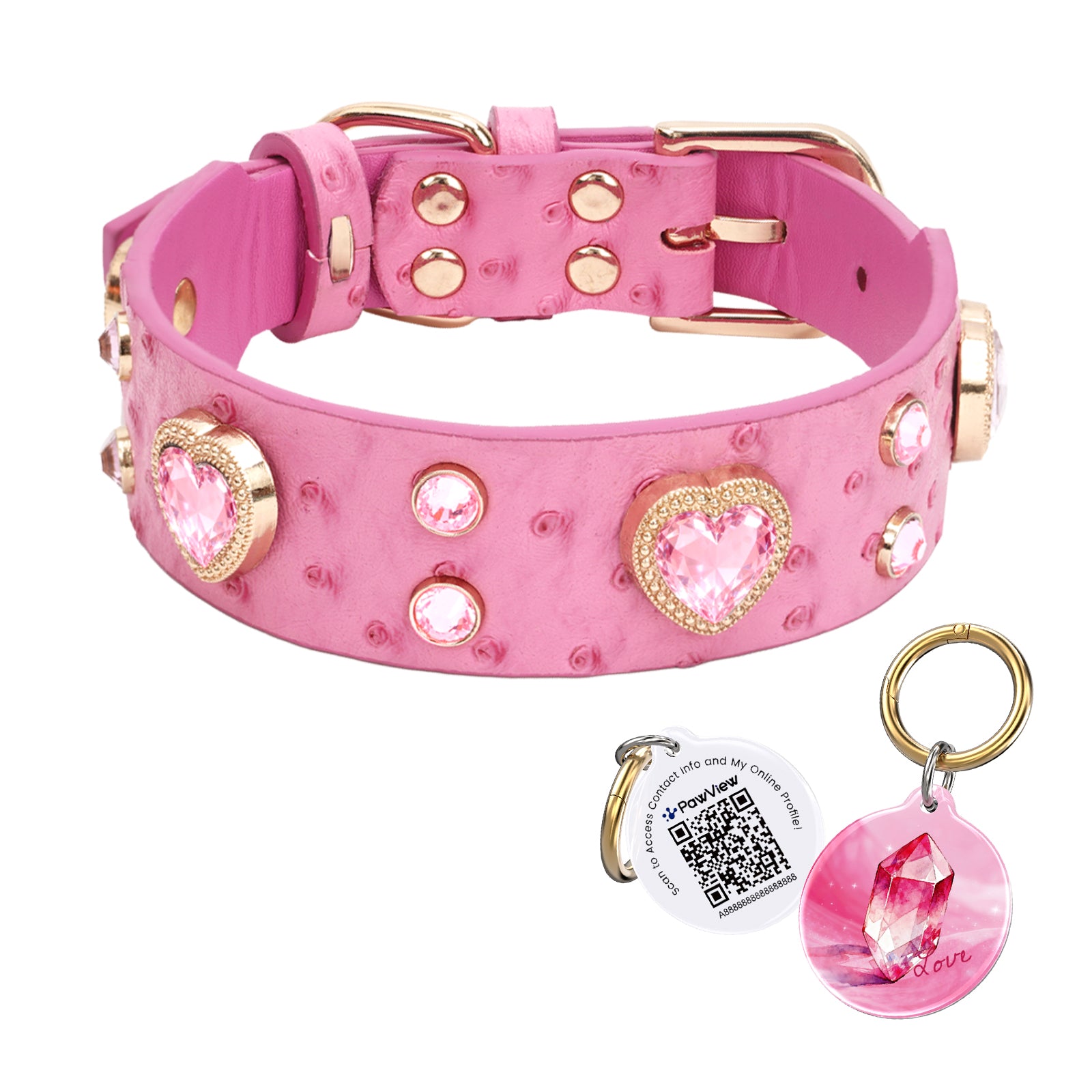
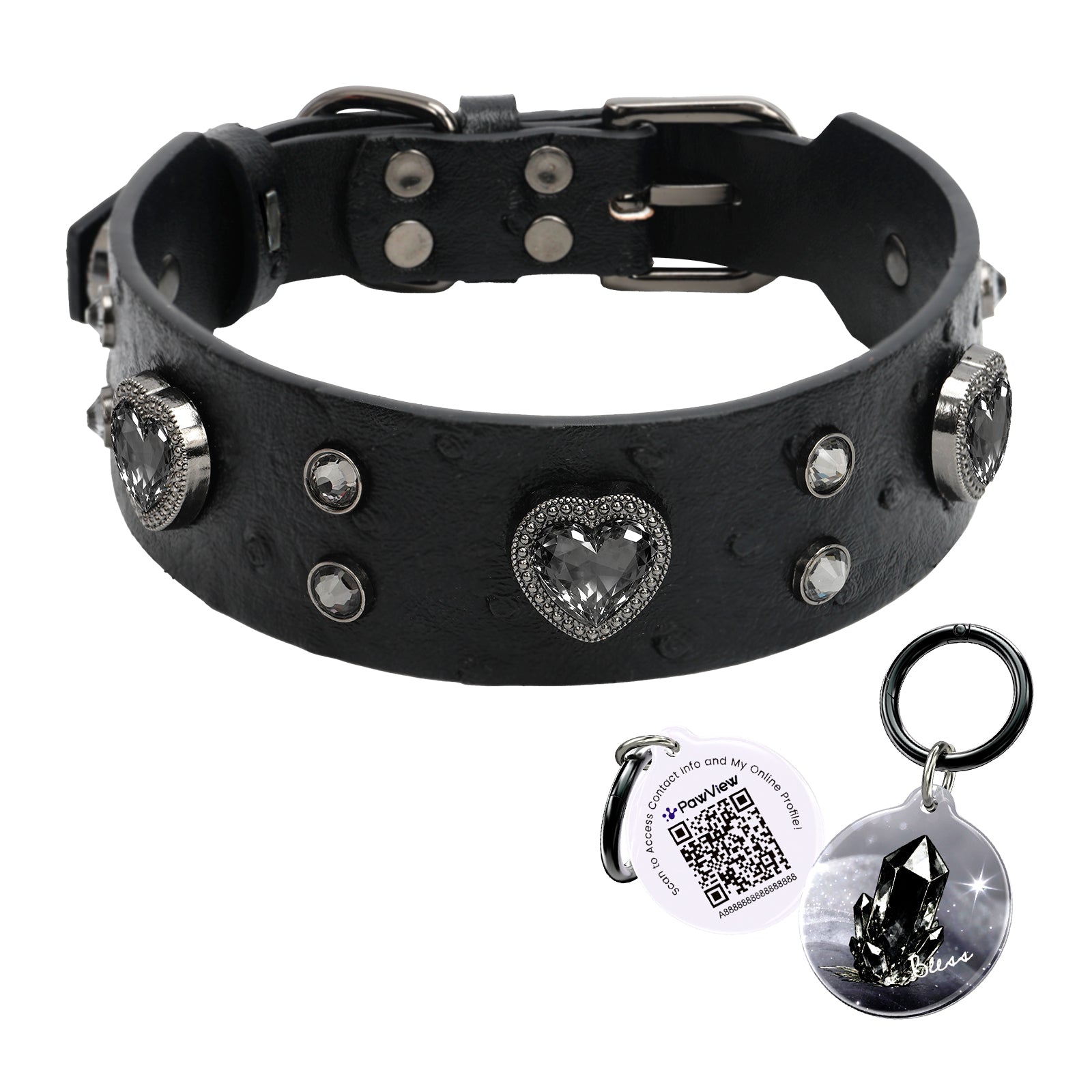
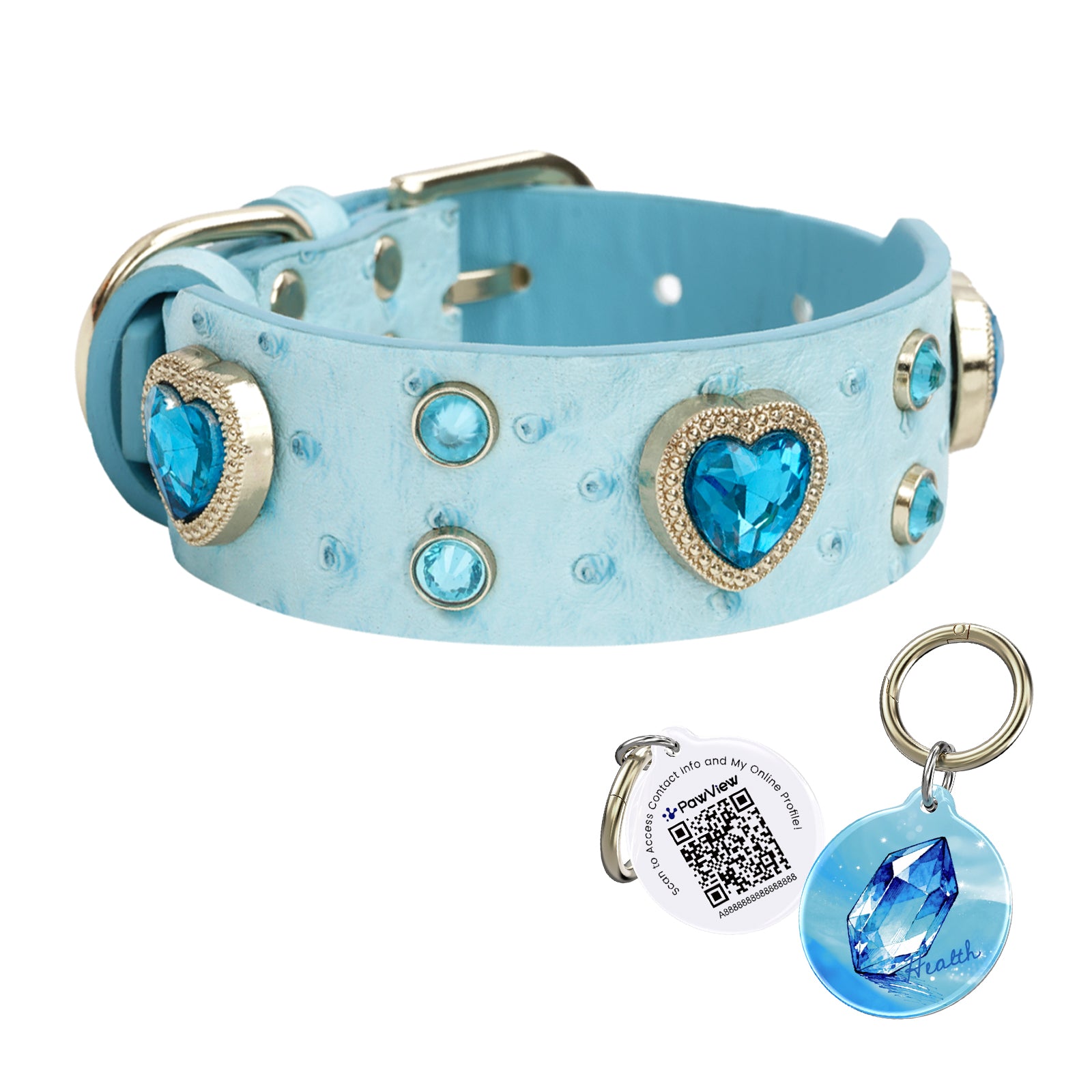
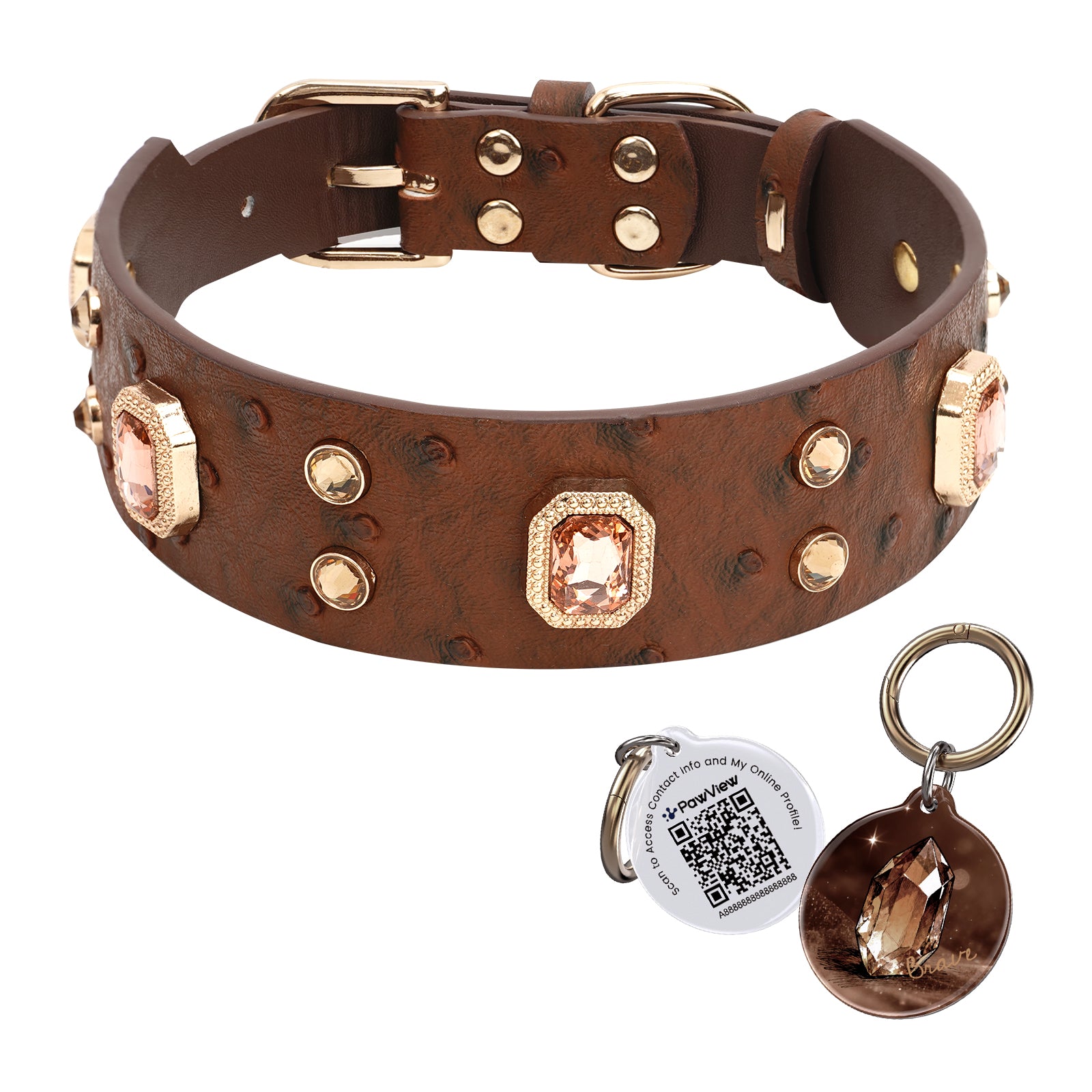
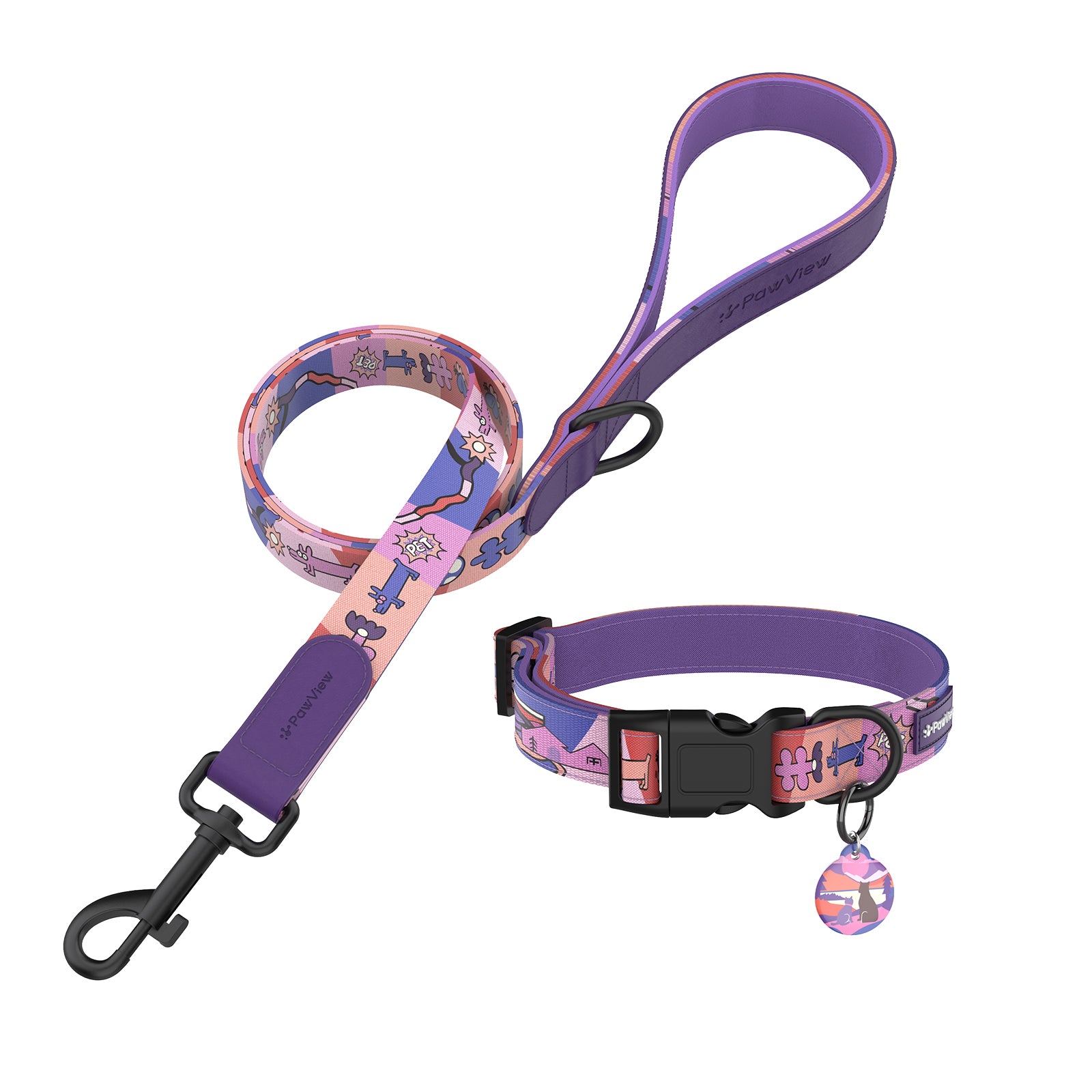
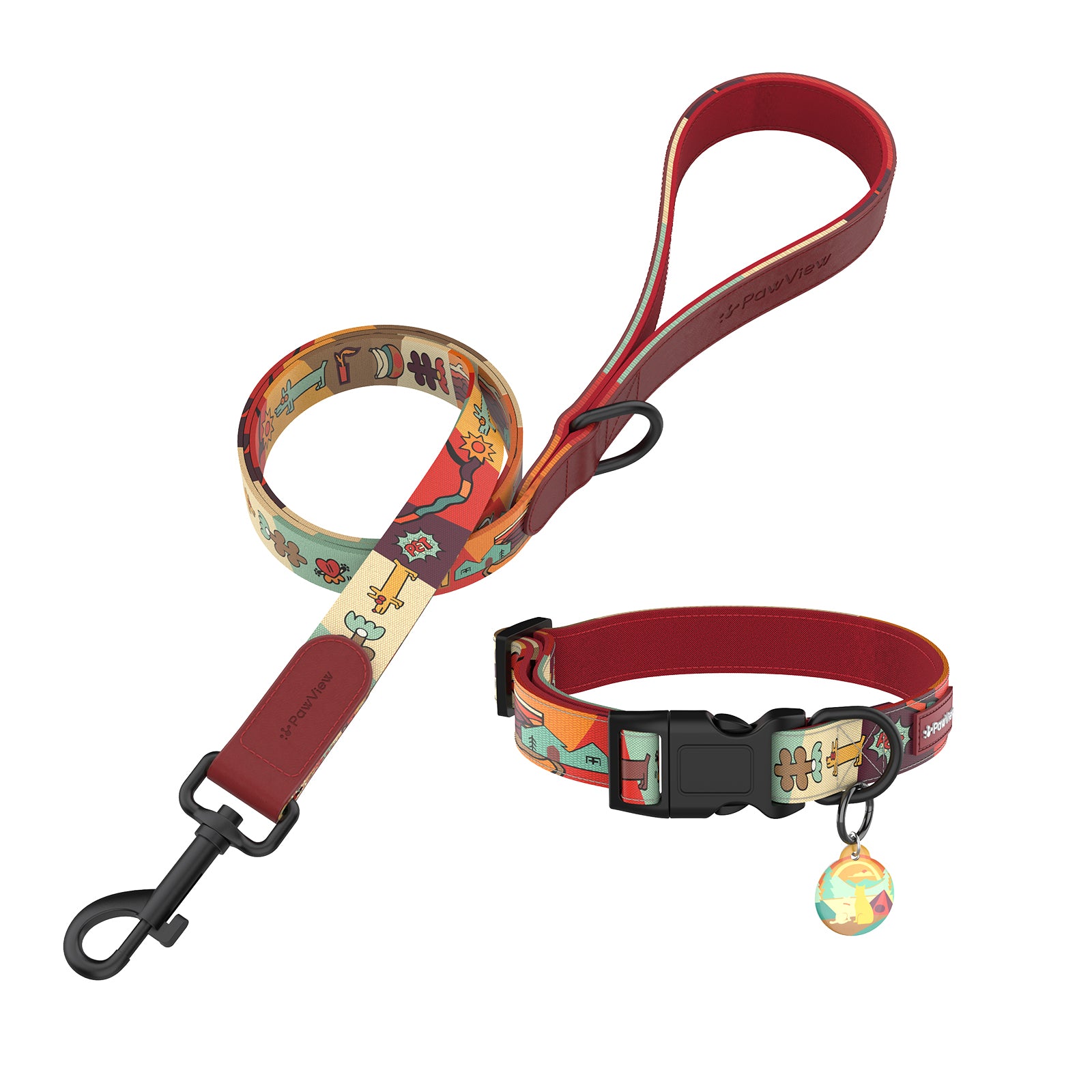
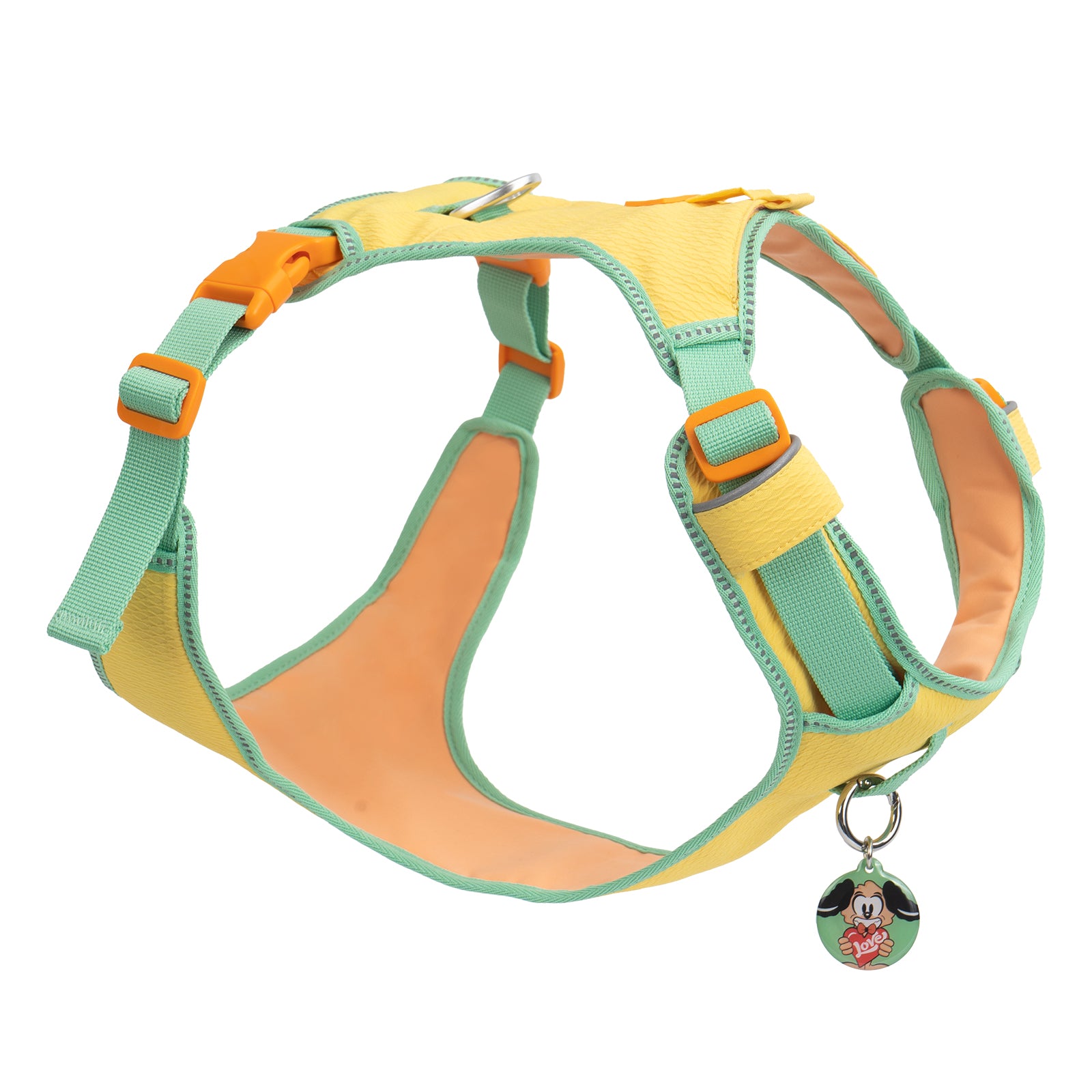
If your dog dislikes costumes, a festive bandana or stylish collar can be a simpler alternative.
The American Kennel Club's Halloween costume safety guide offers additional advice on costume fit, supervision, and recognizing signs of stress.
2. Keep Halloween Candy Out of Reach
One of the most serious Halloween hazards for dogs is candy.
Chocolate can be toxic to dogs, especially dark chocolate and baking chocolate. Sugar-free sweets containing xylitol are also dangerous. Grapes and raisins can cause serious health problems, while swallowed wrappers and lollipop sticks may lead to intestinal obstructions.
Keep candy bowls, trick-or-treat bags, and discarded wrappers out of your dog's reach. Remind children not to share human treats with pets, even when their furry friend looks interested.
Instead, prepare a dog-safe treat so your pet can join the celebration without eating Halloween candy.
The ASPCA's Halloween safety tips explain common risks involving candy, costumes, and decorations.
If your dog eats something potentially toxic, contact your veterinarian or a pet poison control service immediately. Keep the packaging and estimate how much was eaten. Do not induce vomiting unless a veterinary professional instructs you to do so.
3. Help Your Dog Stay Calm Around Doorbells
Repeated doorbell ringing, excited children, and visitors wearing unfamiliar costumes can overwhelm some dogs. Even friendly pets may become anxious when strangers repeatedly approach the house.
Prepare a quiet room away from the entrance, with familiar bedding, water, and a favorite toy. If your dog prefers to avoid visitors, do not force interactions.
An open front door also creates an opportunity for a frightened or excited dog to escape. Use a secure barrier or keep your dog in a separate room during busy trick-or-treating hours. Check that everyone in the household understands the plan before opening the door.
A calm, predictable environment is often more helpful than including your dog in every Halloween activity.
4. Make Nighttime Walks Safer
If possible, walk your dog before dark, when visibility is better and neighborhood activity may be quieter. Halloween sidewalks can become littered with candy, wrappers, and decorations that curious dogs may try to eat.
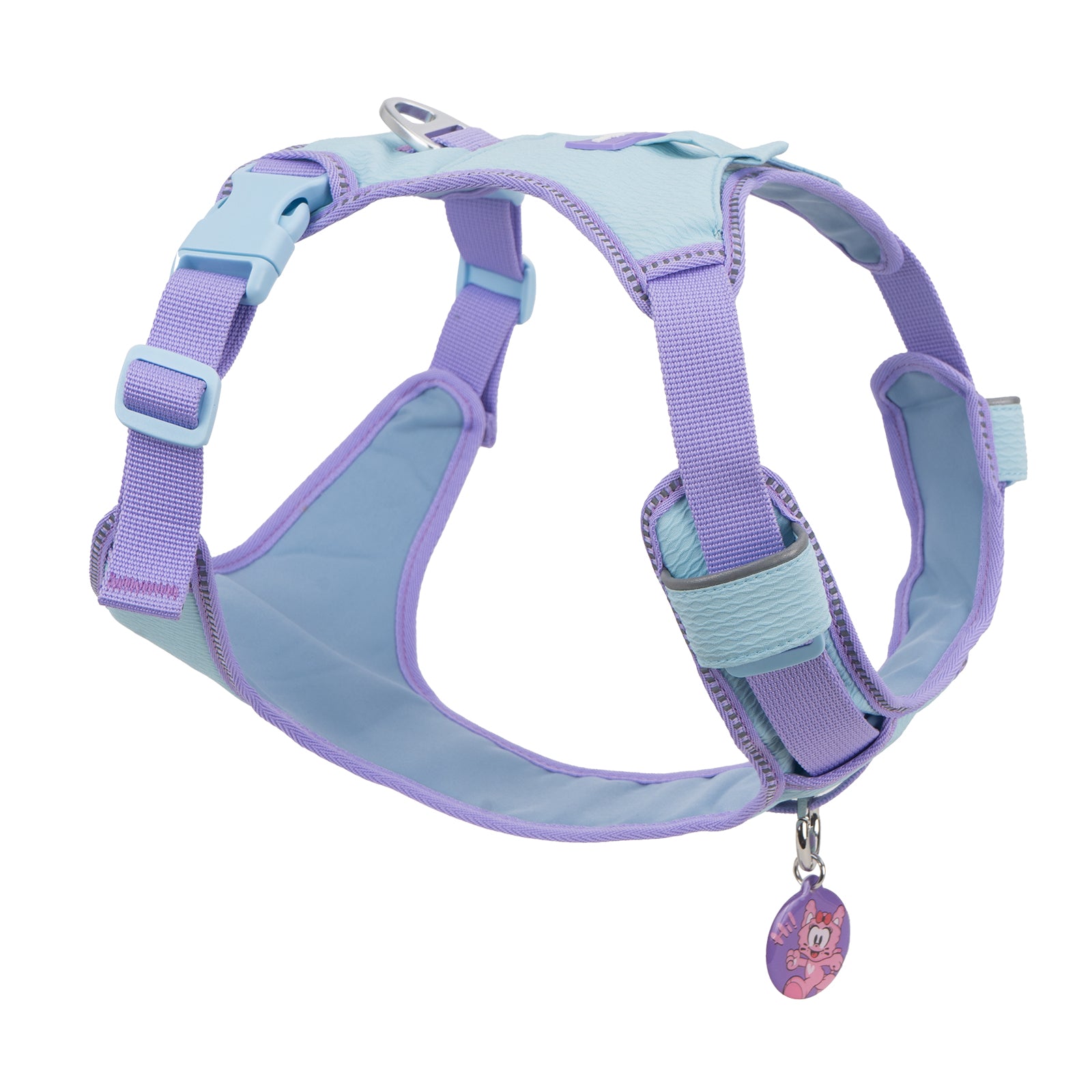
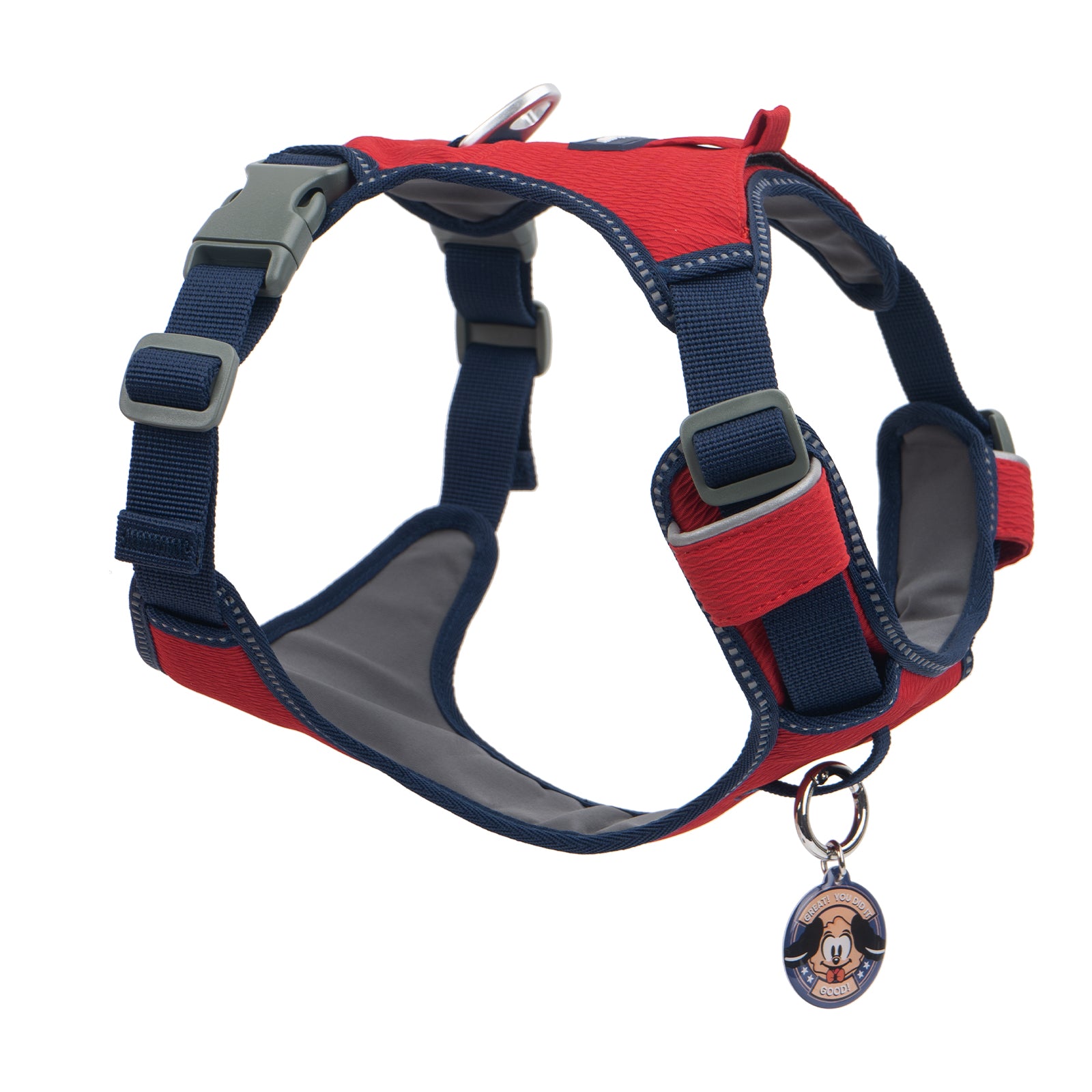
If you go out after sunset, choose a familiar, well-lit route and keep your dog securely leashed. Reflective gear helps others notice your dog when light shines on it, while an LED safety light provides its own illumination.
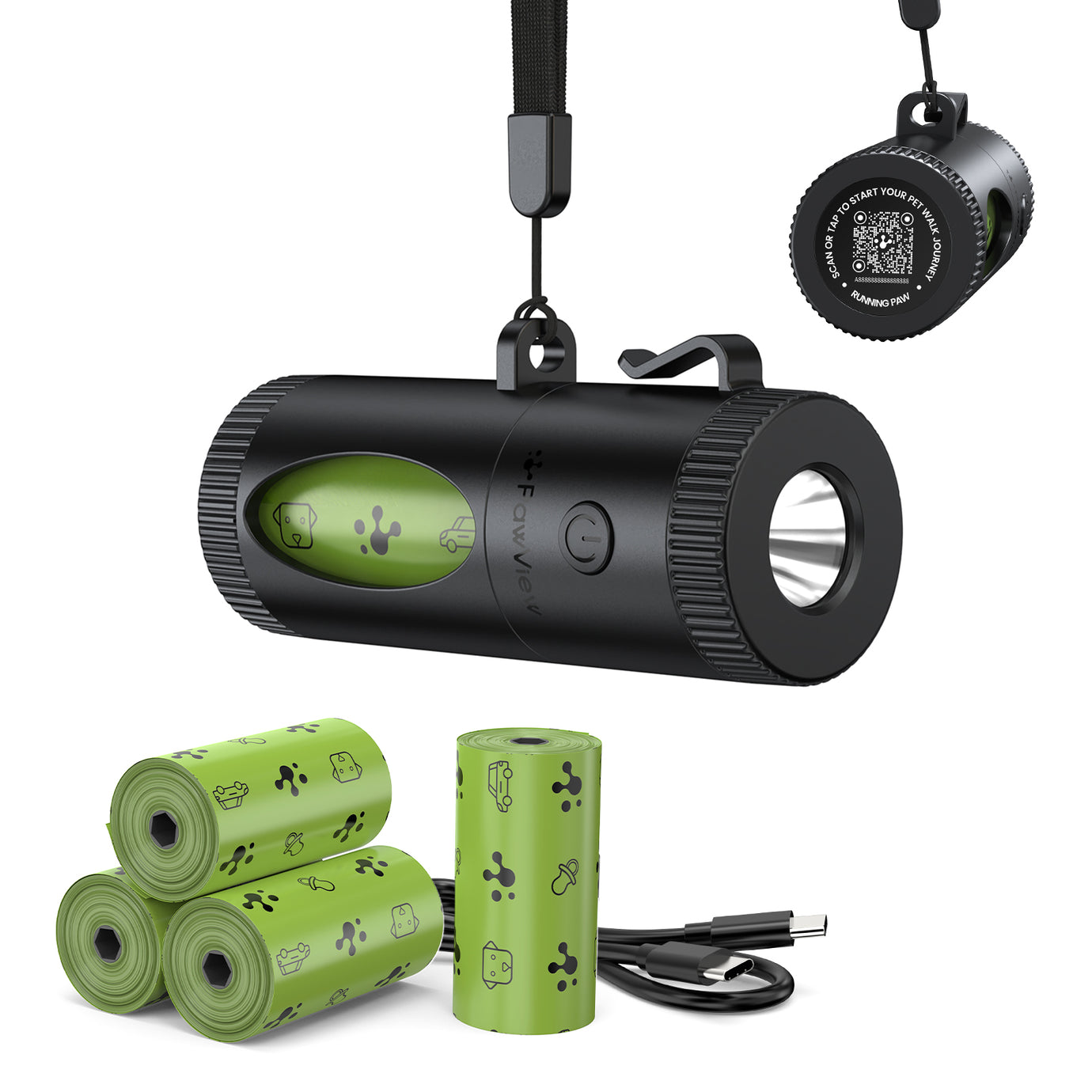
For added visibility, the PawView Pet Anti-Lost LED Light with Protective Case offers fast-flash, slow-flash, and steady-light modes. It also includes a QR-code pet ID holder, making it a practical accessory for evening walks.
A safety light does not replace a leash or attentive supervision. Keep your dog away from traffic and prevent them from picking up unfamiliar items along the route.
5. Keep Identification Up to Date
Halloween brings more visitors, open doors, unfamiliar people, and unusual noises. A startled dog may bolt before anyone has time to react.
Before the holiday, check that your dog's contact information is current. Make sure your phone number is correct and that any registered microchip details are up to date.
The American Veterinary Medical Association's microchipping FAQ explains how microchips help identify pets and why registration information matters.
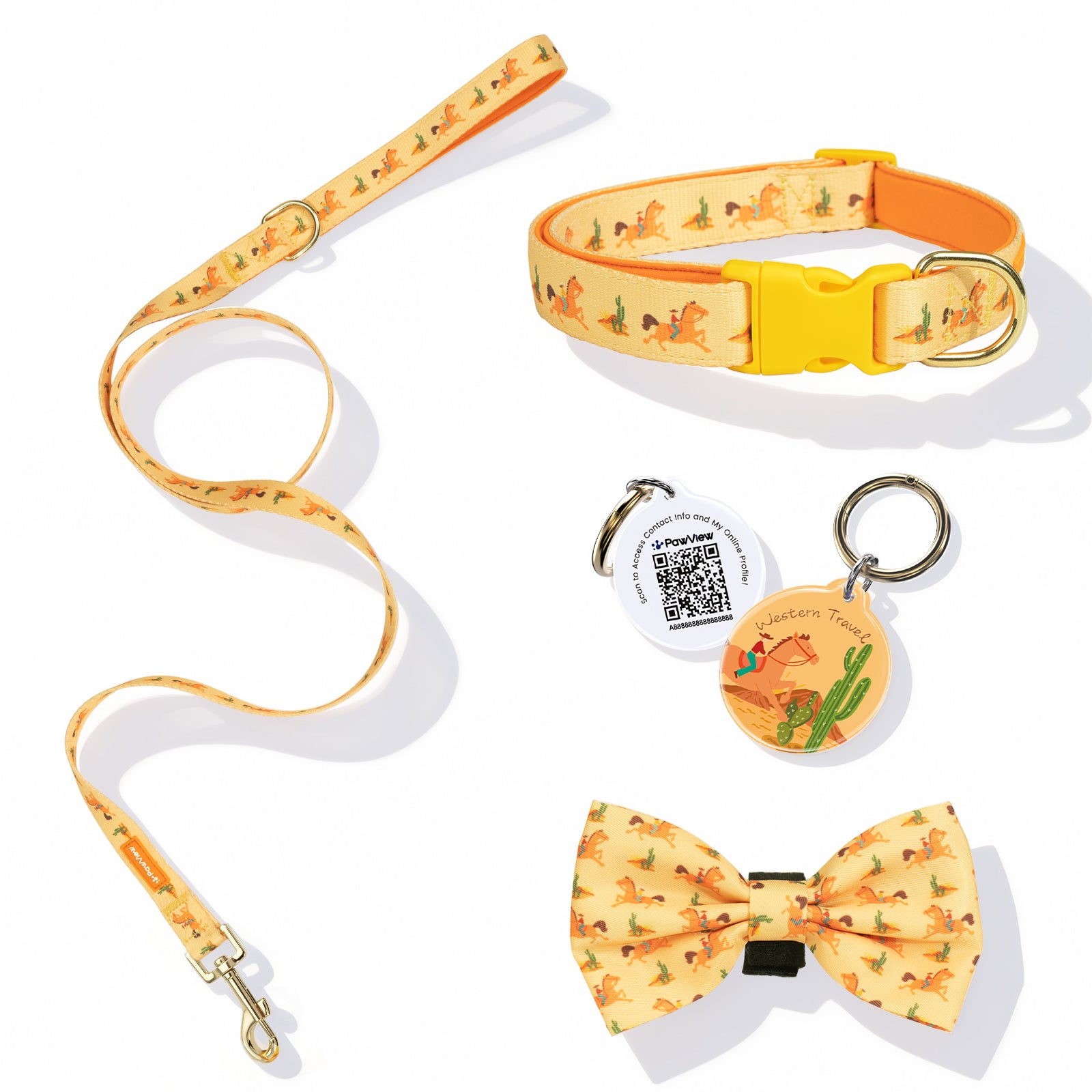
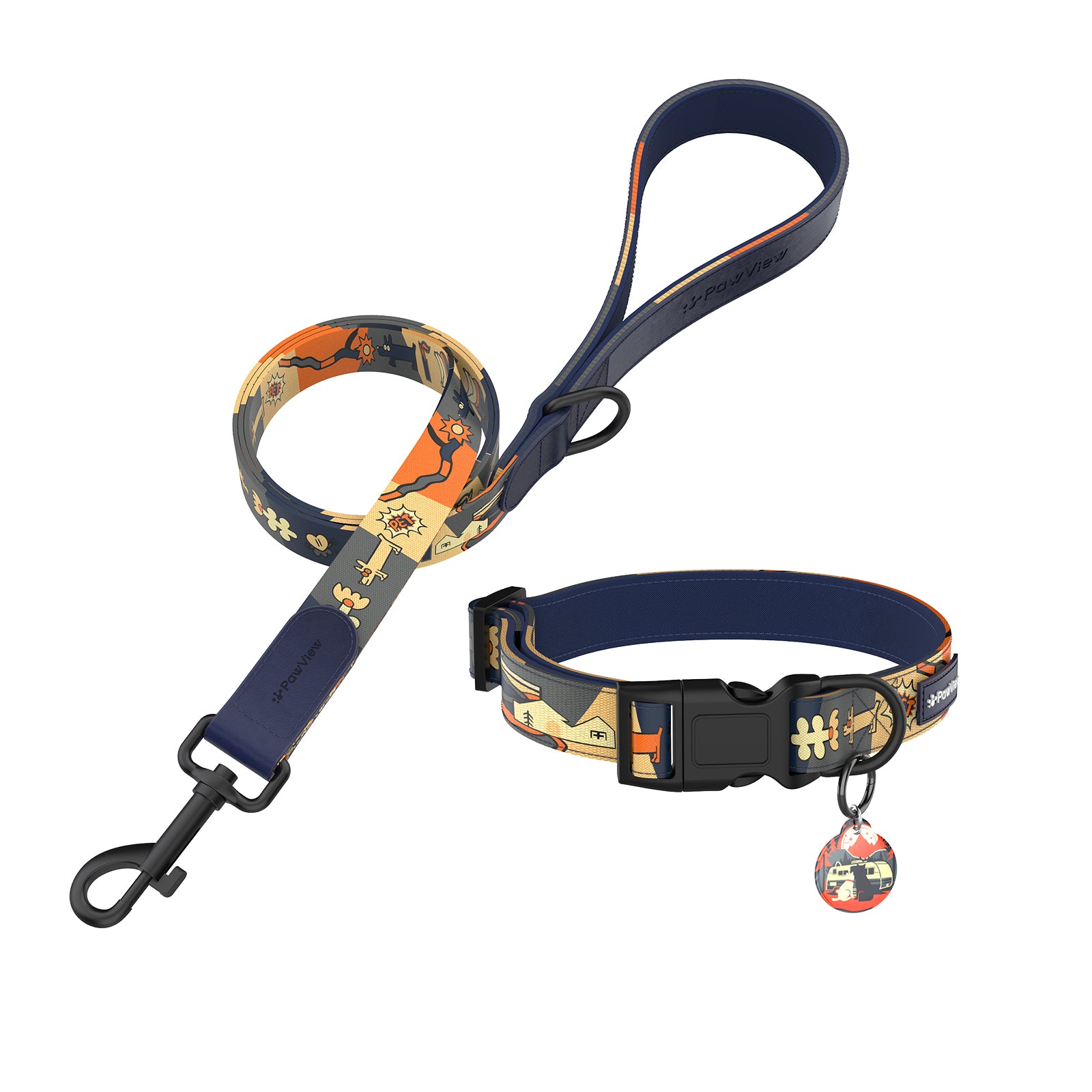
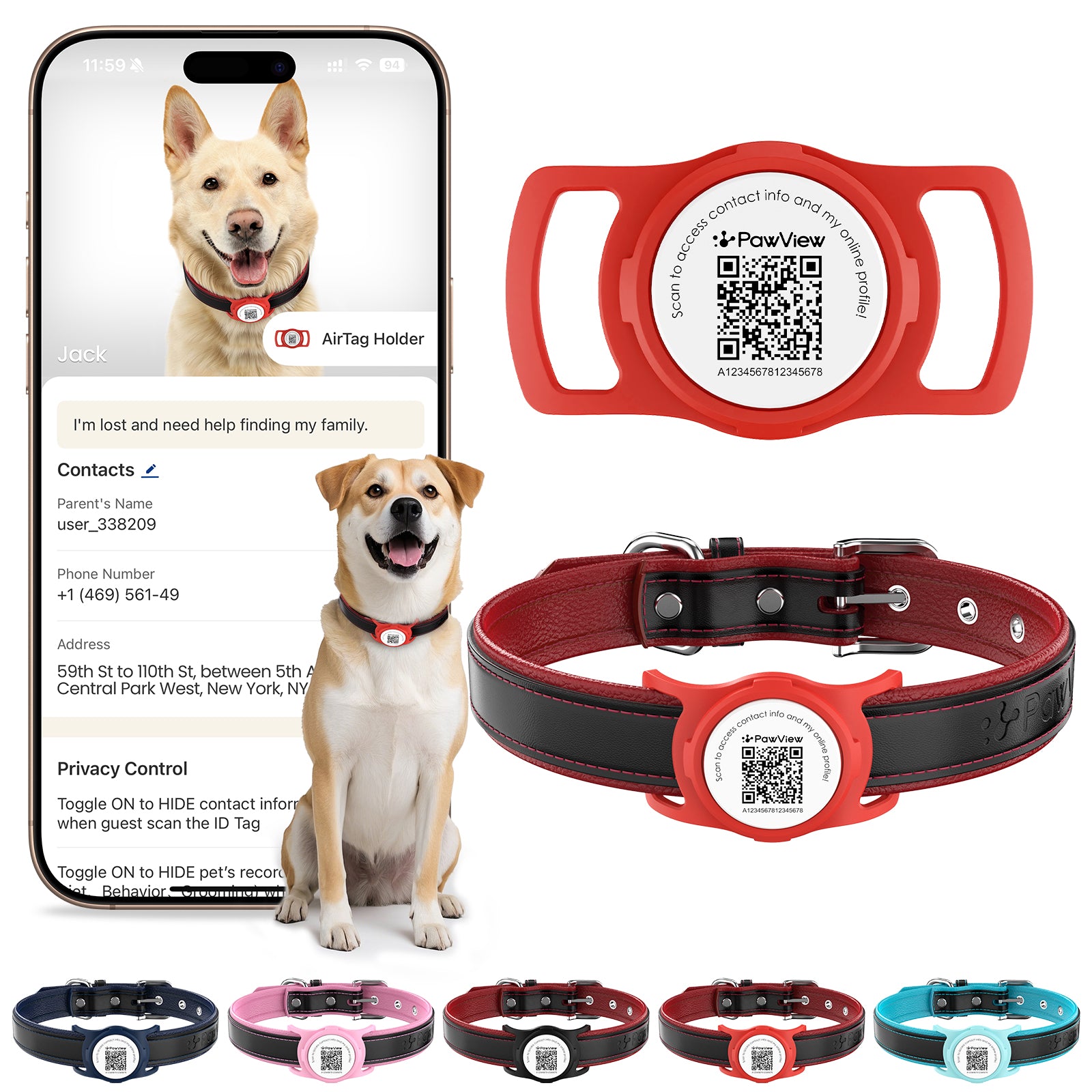
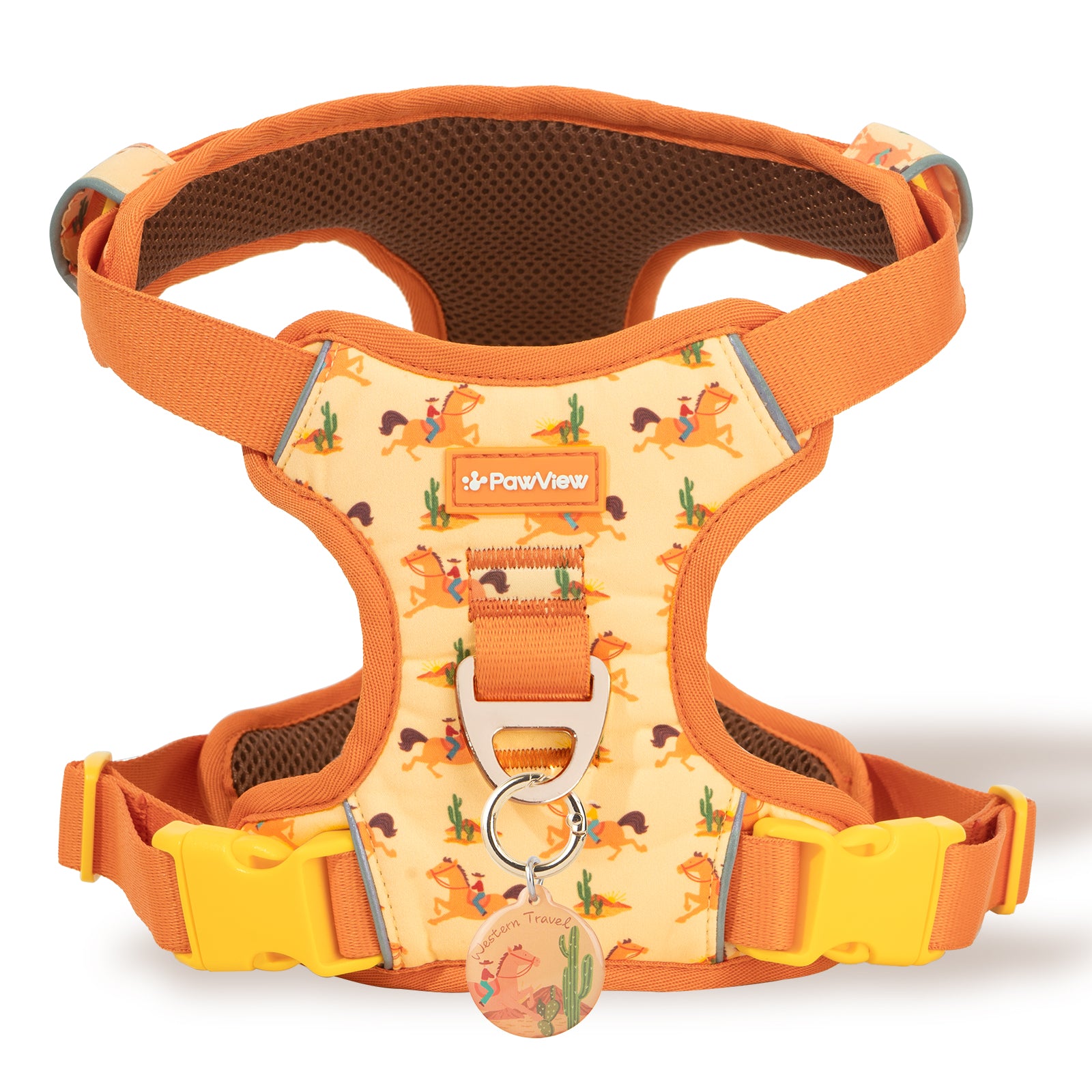
A visible ID tag provides another way for someone who finds your dog to contact you. For a festive yet practical accessory, the PawView Western Cowboy Travel Print Collection Dog Collar and Leash Set with Bow Tie and Smart Pet ID Tag combines a distinctive Western-inspired look with everyday walking accessories and smart pet identification.
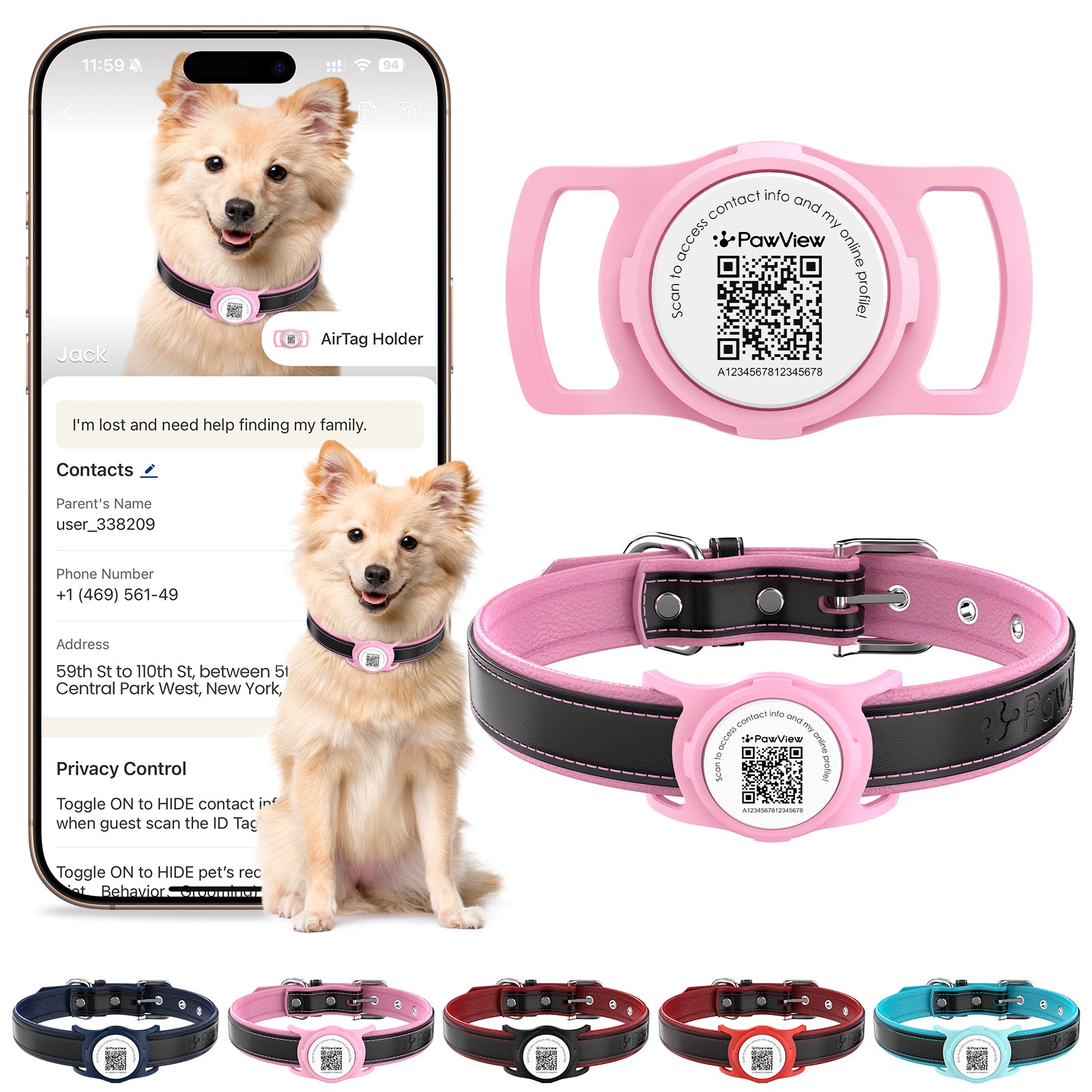
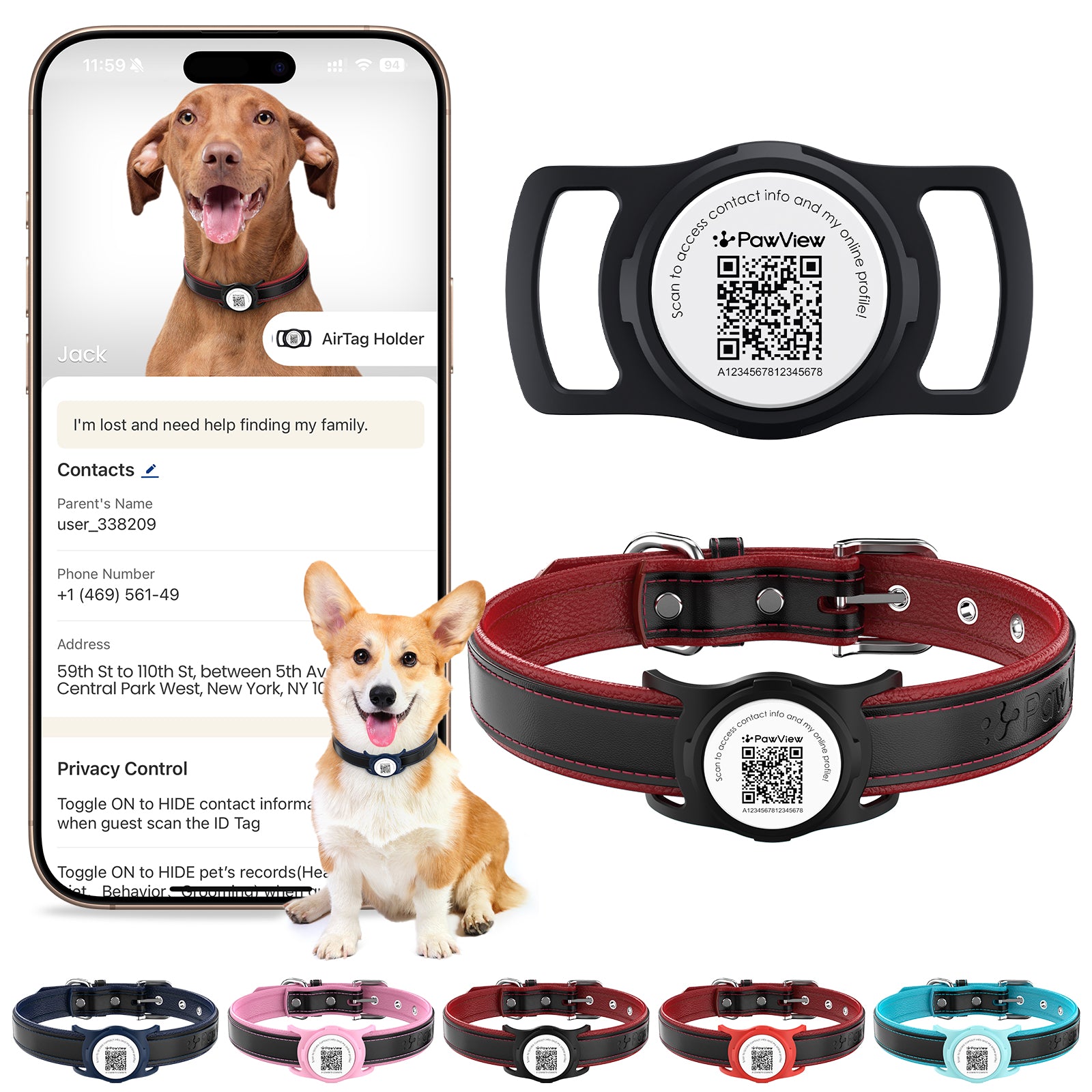
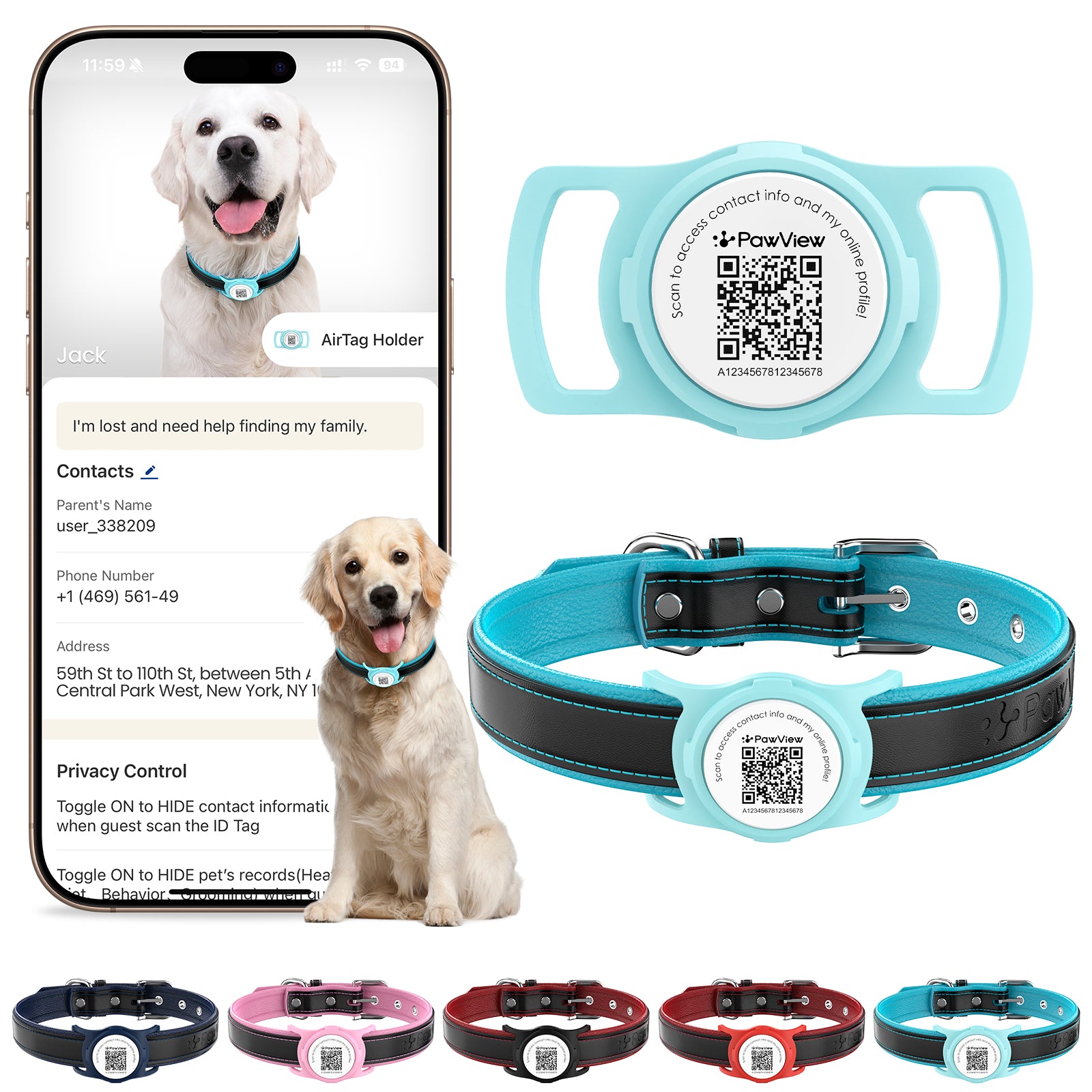
If you prefer a separate identification accessory, the PawView NFC & QR Code Smart Pet ID Tag connects a physical tag to an online pet profile that can be updated with the information you choose to share.
A smart ID tag is not a GPS tracker, but it provides another way for a finder to contact you if your dog becomes separated from you.
6. Watch Out for Decorations and Candles
Halloween decorations can create unexpected risks for curious pets. Keep lit candles and jack-o'-lanterns away from wagging tails and inquisitive noses. Secure electrical cords, batteries, glow sticks, and small decorative objects that dogs might chew or swallow.
Artificial cobwebs, ribbons, and hanging ornaments can also cause problems if pets become tangled in them or eat them. Supervise your dog around unfamiliar decorations, particularly if they tend to explore objects with their mouths.
7. Use a Simple Halloween Safety Checklist
Before Halloween evening begins, check the essentials:
-
Costume: Comfortable fit without restrictive or detachable parts.
-
Candy: Chocolate, xylitol-containing sweets, and other hazards stored securely.
-
Doorways: A quiet room or barrier to help prevent escapes.
-
Visibility: Reflective gear or a safety light for walks after dark.
-
Identification: Updated contact details on your dog's ID tag and microchip registration.
-
Decorations: Candles, cords, batteries, and small objects kept out of reach.
Enjoy a Happy and Safe Halloween Together
Halloween should be enjoyable for the whole family, including your dog. Choose comfortable accessories, keep dangerous treats out of reach, provide a calm space away from constant doorbell activity, and make sure your dog can be identified if an unexpected escape occurs.
Whether your companion joins you for a short neighborhood walk or stays home relaxing, the best Halloween is one where your dog feels safe, comfortable, and loved.


