


















Daily walks give dogs more than exercise. They offer chances to explore, follow new scents, enjoy fresh air, and spend time with their owners. But even a familiar route can bring unexpected challenges, from traffic and unfamiliar dogs to hot pavement and poor visibility.
Whether you are taking a quick neighborhood stroll or heading out for a longer adventure, a few thoughtful habits can make each walk safer and more enjoyable. Here is how to prepare, choose the right gear, and look after your dog along the way.
1. Prepare Before You Leave Home
A safe walk starts before you open the door. Check that your dog seems well enough for the planned activity, and adjust the pace and distance to their age, fitness, and health. Check the weather, too; choose cooler hours on hot days and avoid severe conditions.
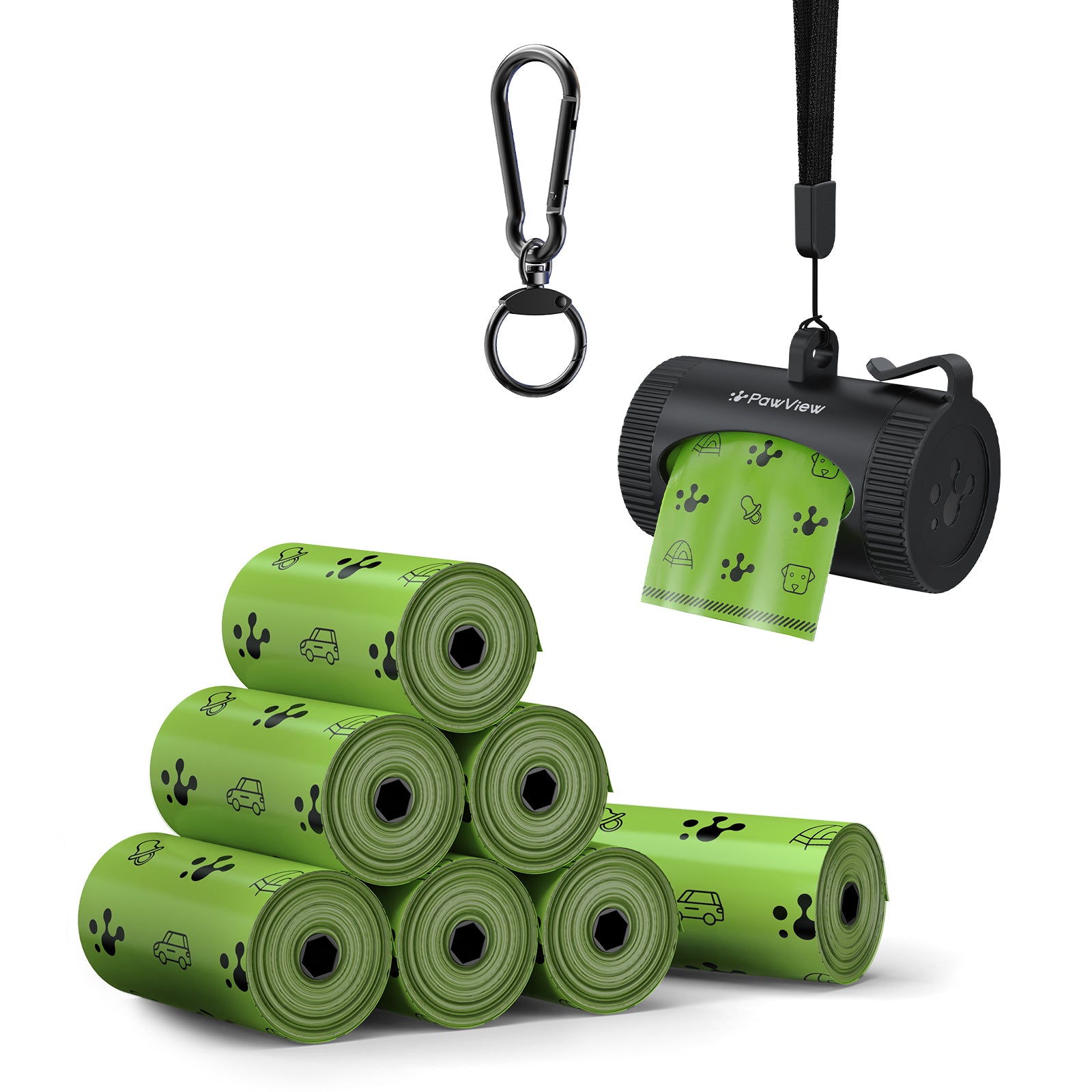
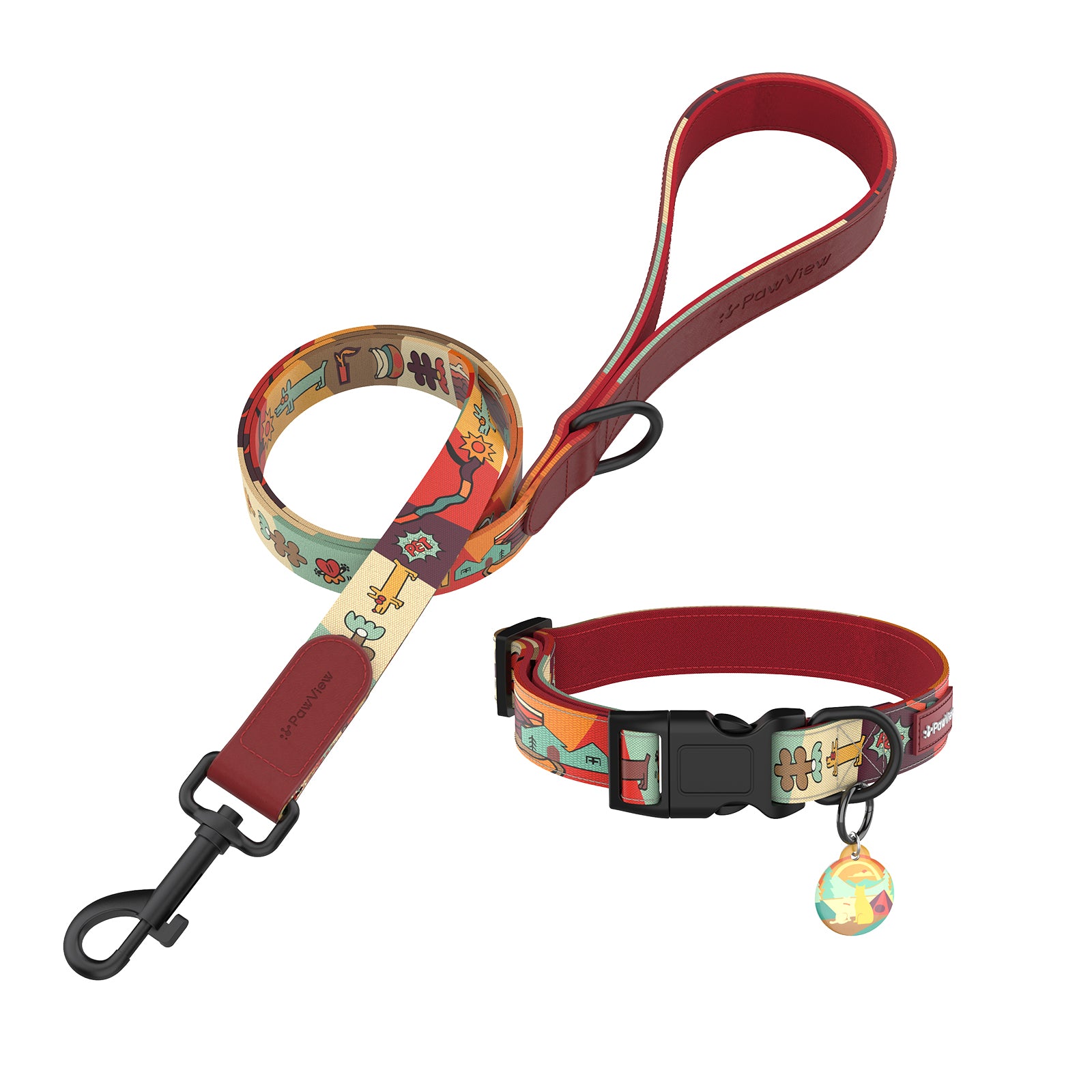
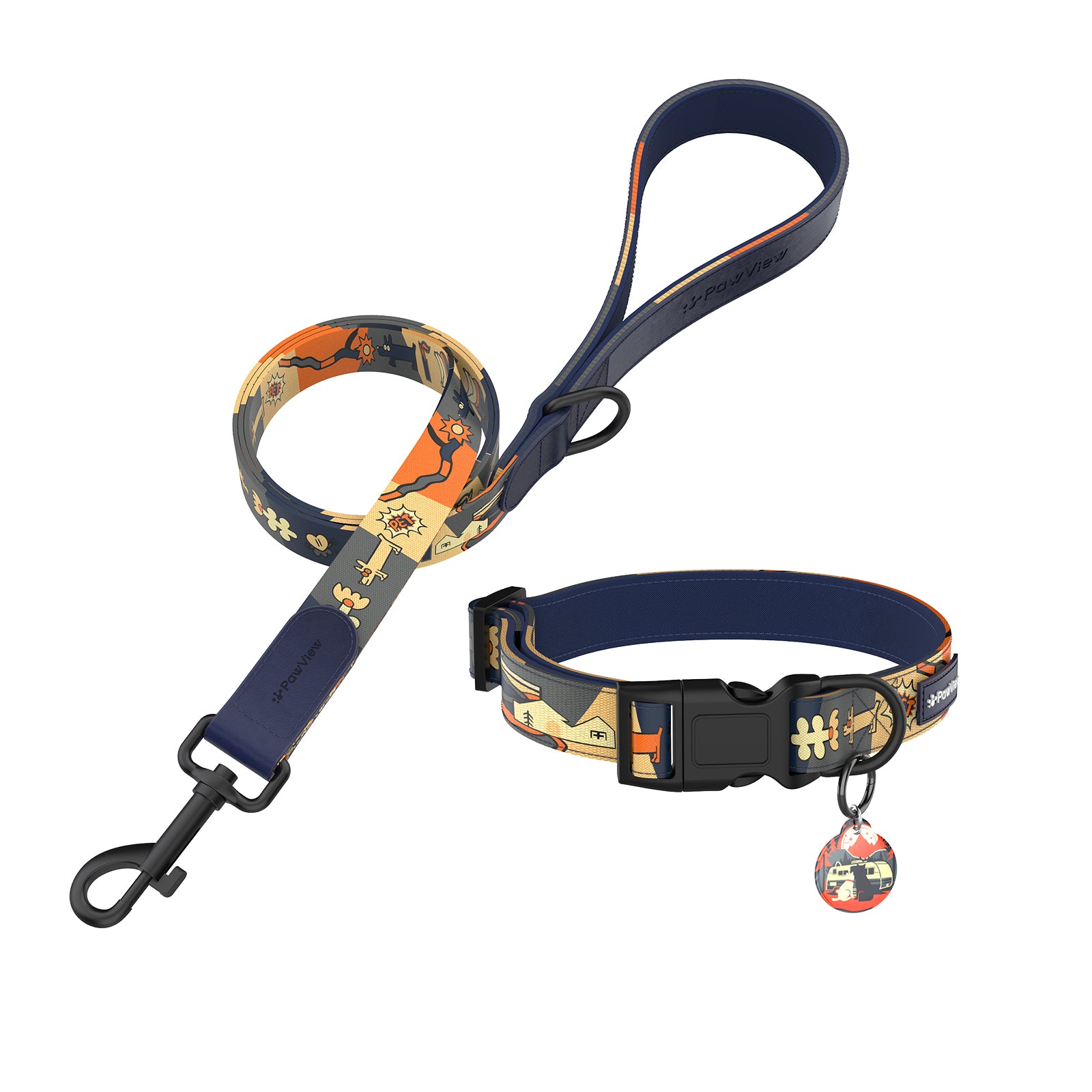
Bring waste bags, treats, and water for longer outings. Make sure your dog is wearing identification with current contact details, and check that the harness, collar, leash clips, and buckles are secure. A quick check now can prevent problems outside.
2. Choose the Right Harness and Leash
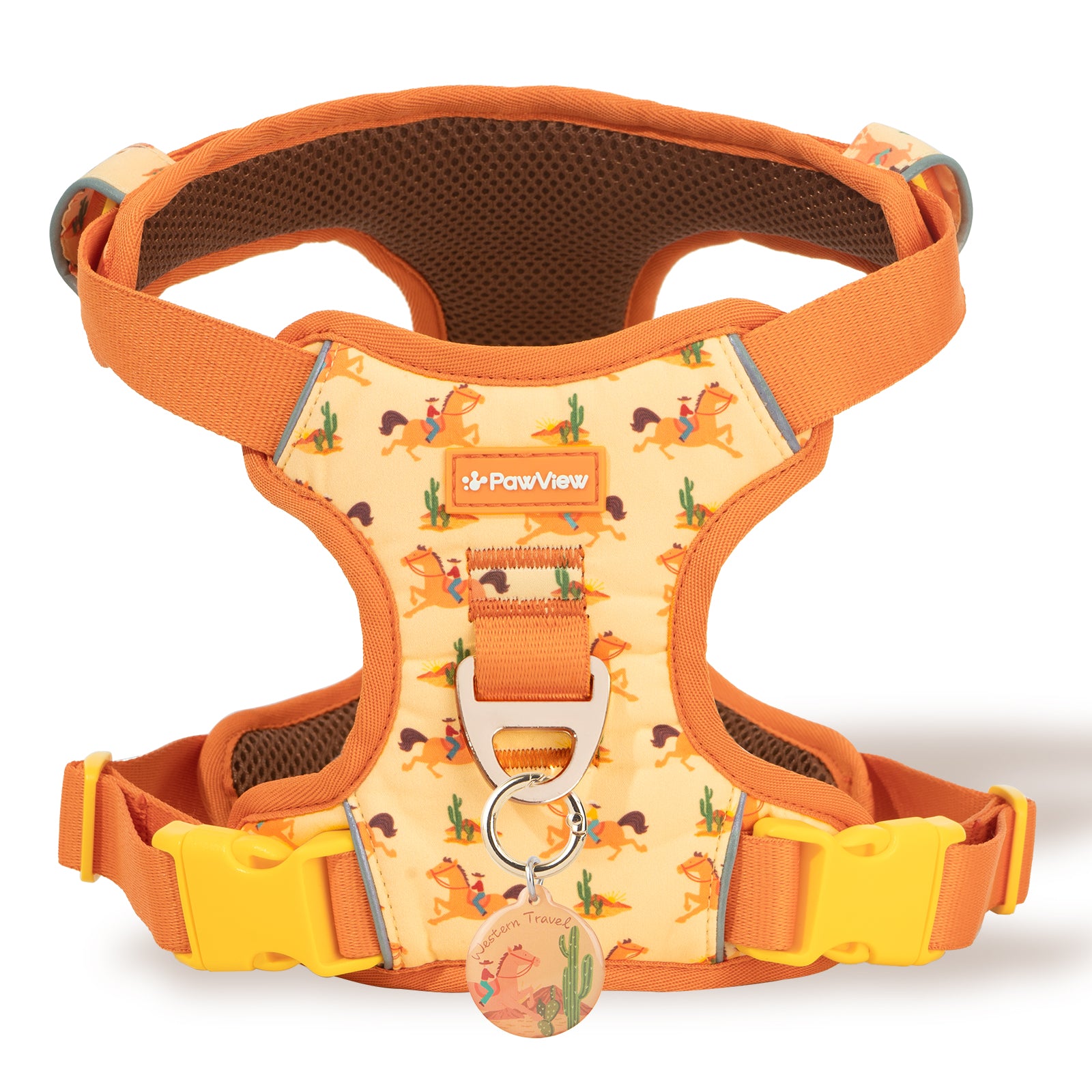
A well-fitted harness can distribute leash pressure across the chest rather than concentrating it around the neck. Look for adjustable straps, secure attachment points, comfortable materials, and a fit that does not rub or restrict natural movement. Reflective details are useful when visibility is reduced.
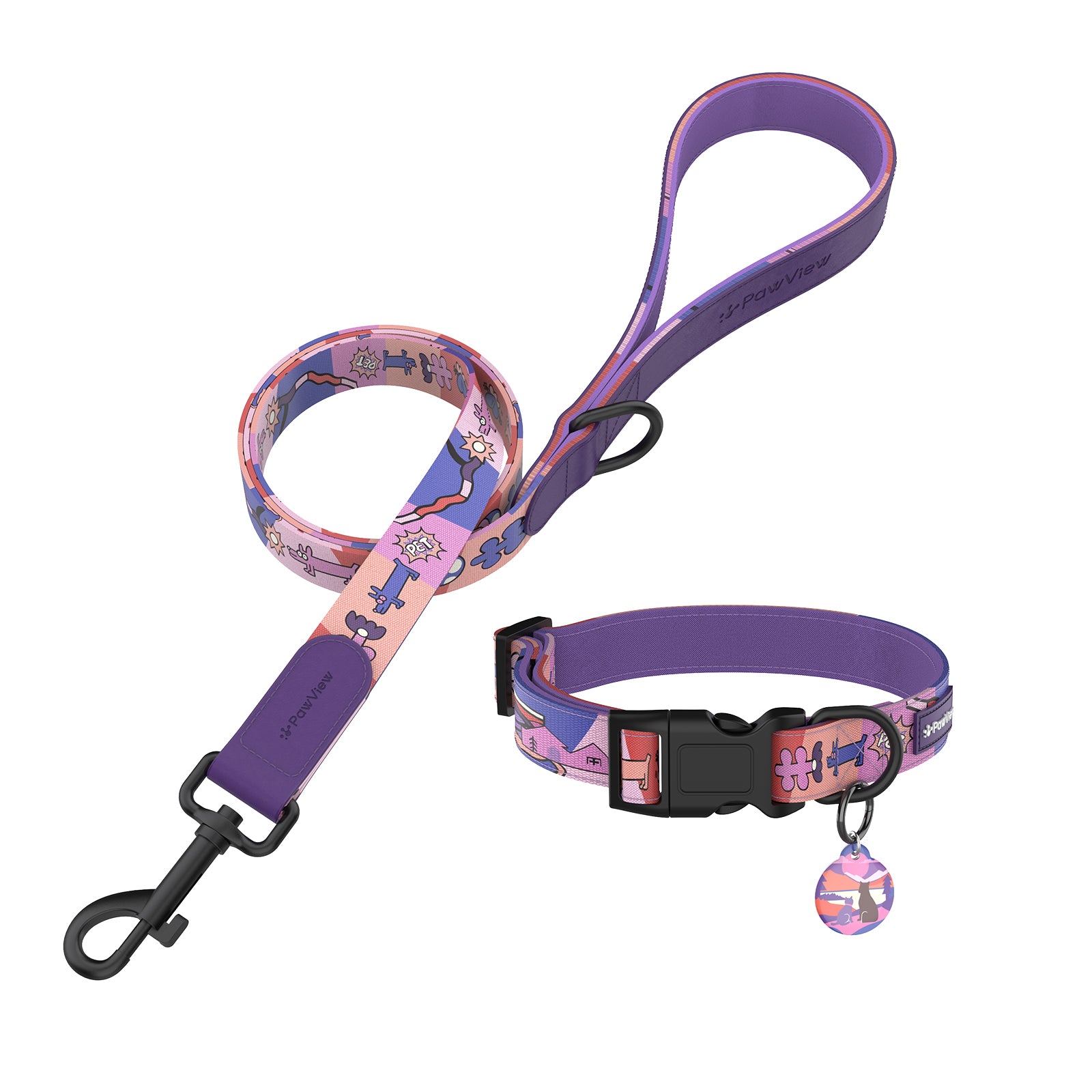
For everyday neighborhood walks, a standard leash around 4–6 feet long gives your dog some room to explore while keeping them close enough for you to guide them. Check the leash, clips, and stitching regularly for wear.
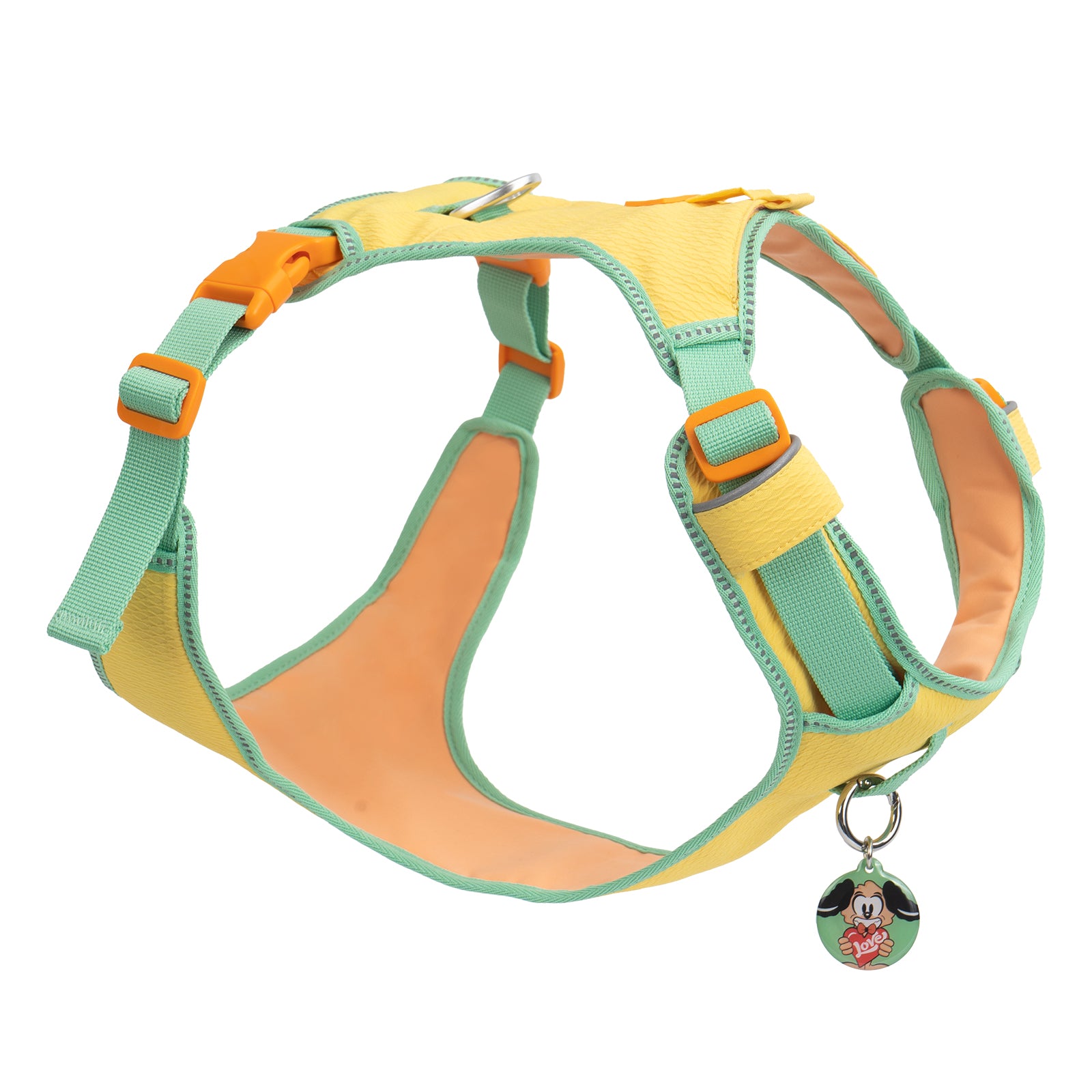
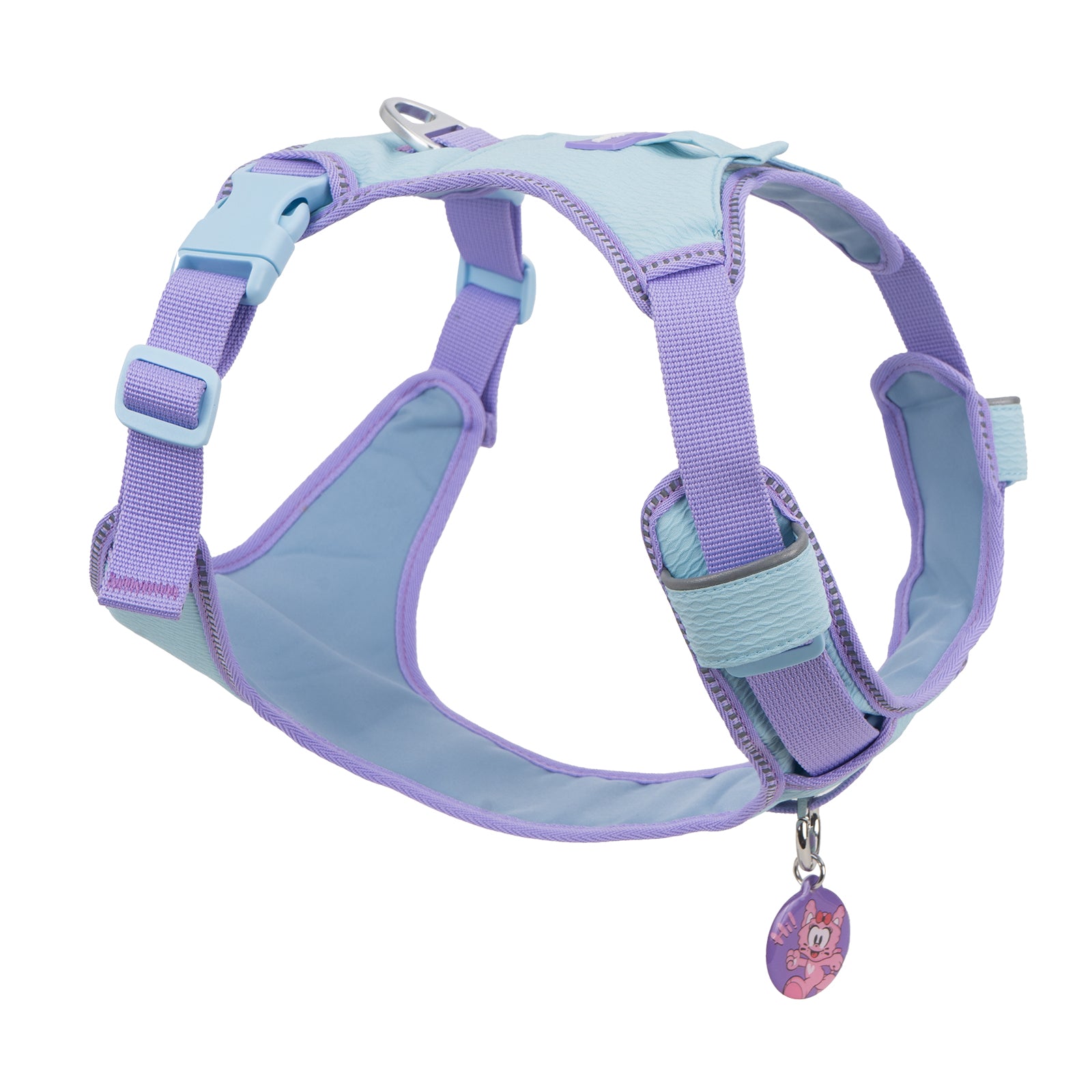
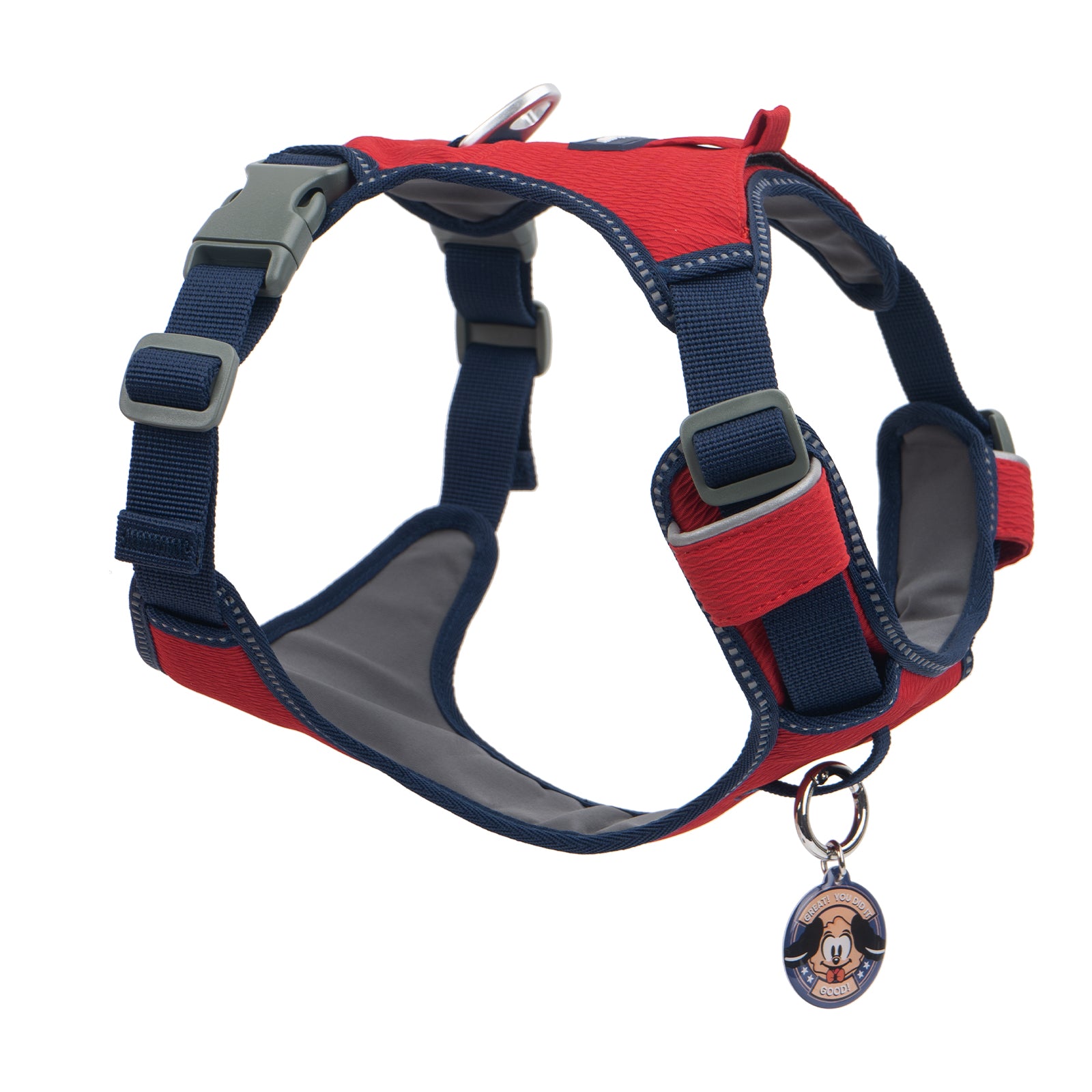
For a lightweight option, the PawView Super Light Dog Harness features waterproof fabric, woven reflective strips, adjustable sizing, and an ID tag pocket. Its lightweight design makes it a practical choice for everyday walks, while the reflective details add visibility in low-light conditions. Choose the correct size and adjust the straps so the harness sits securely without rubbing.
3. Be Thoughtful Around Other Dogs and People
Not every dog wants to greet every person or dog they meet. Some are naturally sociable; others may feel unsure, excited, or overwhelmed. Keep your dog on a leash when approaching unfamiliar dogs, and ask the other owner before allowing a greeting.
Watch your dog's body language. A tucked tail, stiff posture, flattened ears, or attempts to move away can signal discomfort. Give dogs space and do not force an interaction. If another dog approaches unexpectedly, stay calm and create distance where possible. Familiar cues such as "Come," "Stay," or "Leave it" can help redirect your dog's attention.
The American Humane Society's guide to walking your dog offers advice on respectful greetings, reading your dog's comfort level, and staying attentive during walks.
4. Choose a Safe Walking Route
Whenever possible, choose routes with sidewalks, good visibility, manageable traffic, and room to move away from crowded areas. Keep your dog close near roads, use designated crossings, and never assume drivers have seen you.
Look out for broken glass, sharp objects, uneven pavement, and other hazards that could hurt your dog's paws. Parks and nature trails may also bring encounters with wildlife that can trigger chasing. Choose quieter streets or less busy times if crowds make your dog uncomfortable. Match the route to your dog's age, fitness, and mobility rather than focusing only on distance.
The RSPCA's guide to walking your dog safely covers lead control, visibility, outdoor hazards, and responsible walking around other animals.
5. Watch the Weather and Your Dog's Comfort
Hot weather calls for extra care. Avoid the hottest hours, bring water, take breaks, and look for shade. Hot pavement can burn paw pads, even when the air feels comfortable. Watch for excessive panting, heavy drooling, restlessness, weakness, or unsteadiness. Stop the activity if your dog seems overheated and seek veterinary advice; severe signs need urgent veterinary care.
In cold or wet conditions, consider your dog's coat, size, and tolerance for low temperatures. After walks on icy or salted surfaces, check and clean their paws.
The American Veterinary Medical Association's warm-weather pet safety guide explains how to reduce heat risks, provide water and shade, and protect pets from hot surfaces.
6. Improve Visibility During Early Morning and Evening Walks
Drivers and cyclists may have difficulty seeing pets in low light. Choose well-lit paths and consider reflective harnesses, collars, and leashes. A clip-on safety light can make your dog easier to spot from a distance.
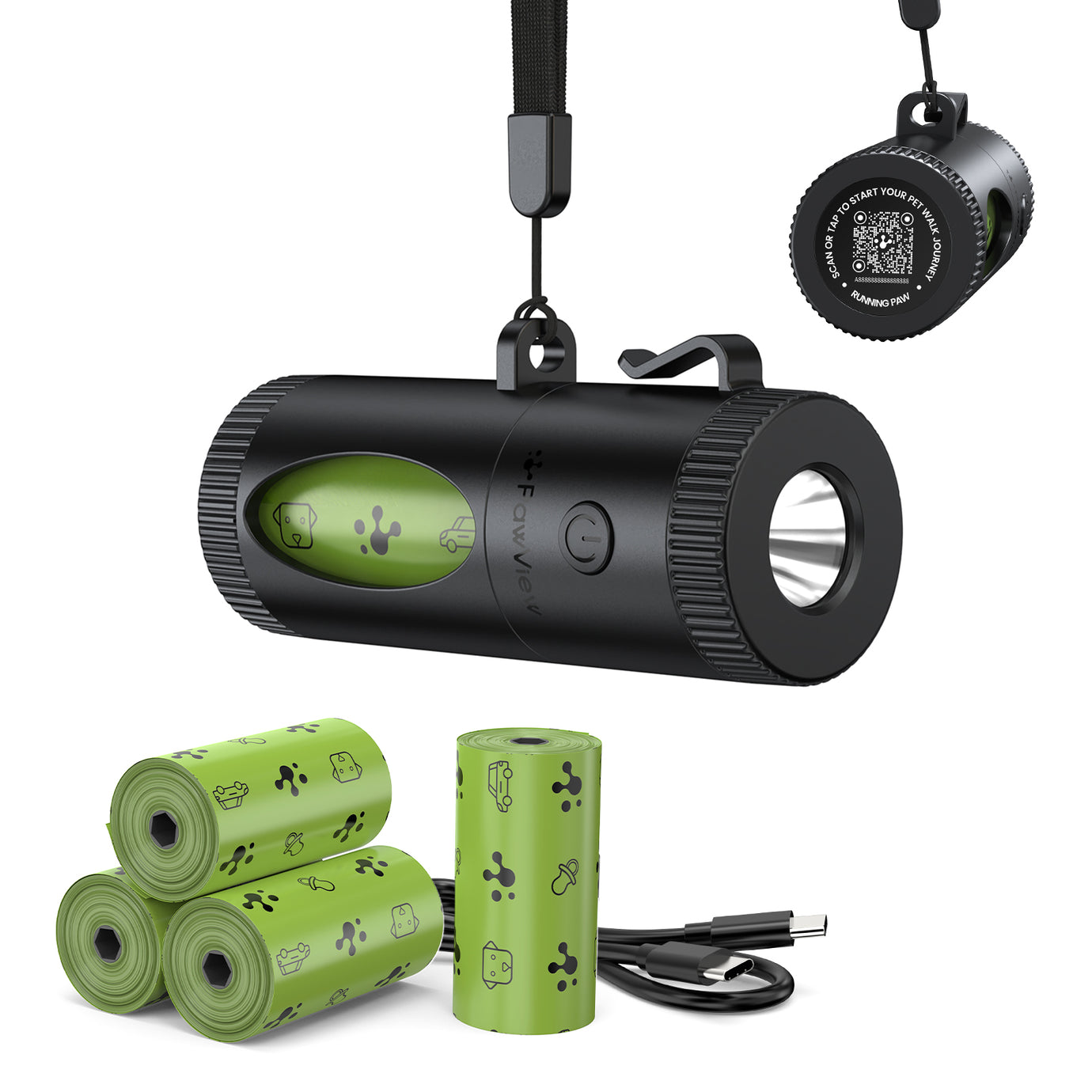
The PawView Safety Light offers three lighting modes: Steady Glow, Slow Flash, and Fast Flash. It is USB-C rechargeable, making it convenient for regular walks. Attach it securely to your dog's walking gear and choose the mode that suits the surroundings. Reflective gear and a well-lit route are still important; a light should complement, not replace, safe walking habits.
For more nighttime walking advice, see Zoetis Petcare's safety tips for walking your dog at night, including recommendations on reflective gear, lighting, and well-lit paths.
7. Make Sure Your Dog Can Be Identified
Even a well-trained dog can be startled by a sudden noise or unexpected movement. A visible ID tag with current contact details gives someone who finds your dog a way to reach you. A registered microchip provides another layer of identification.
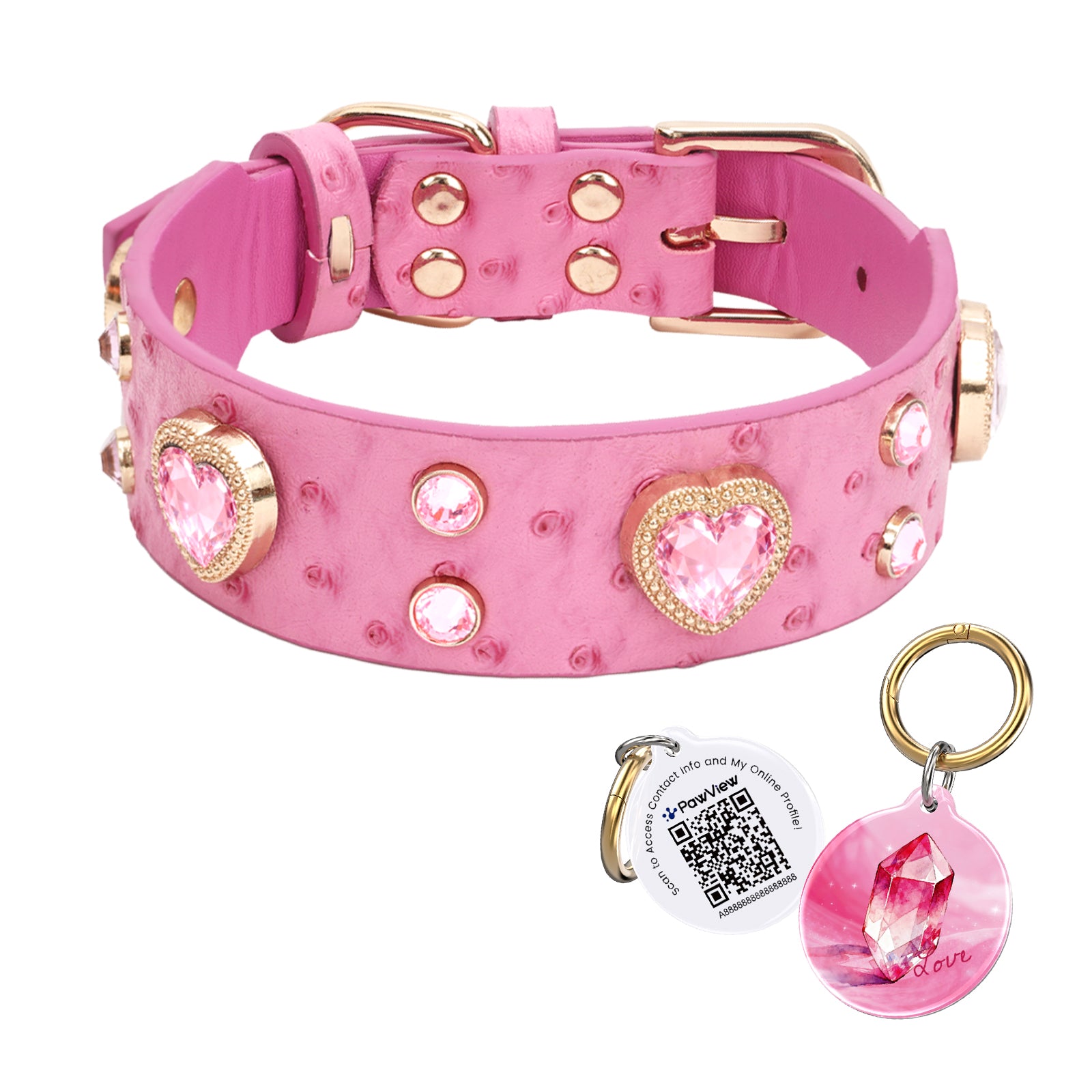
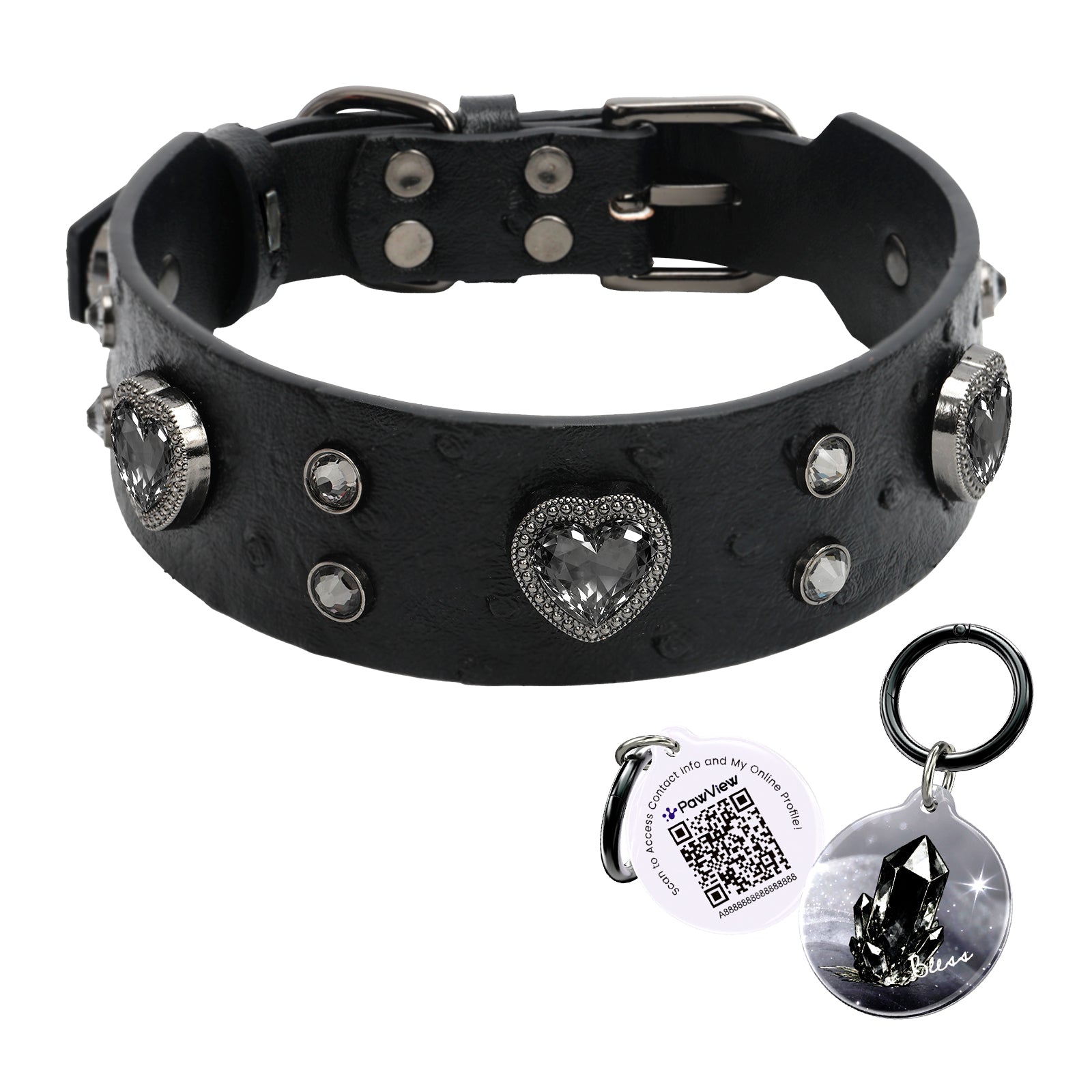
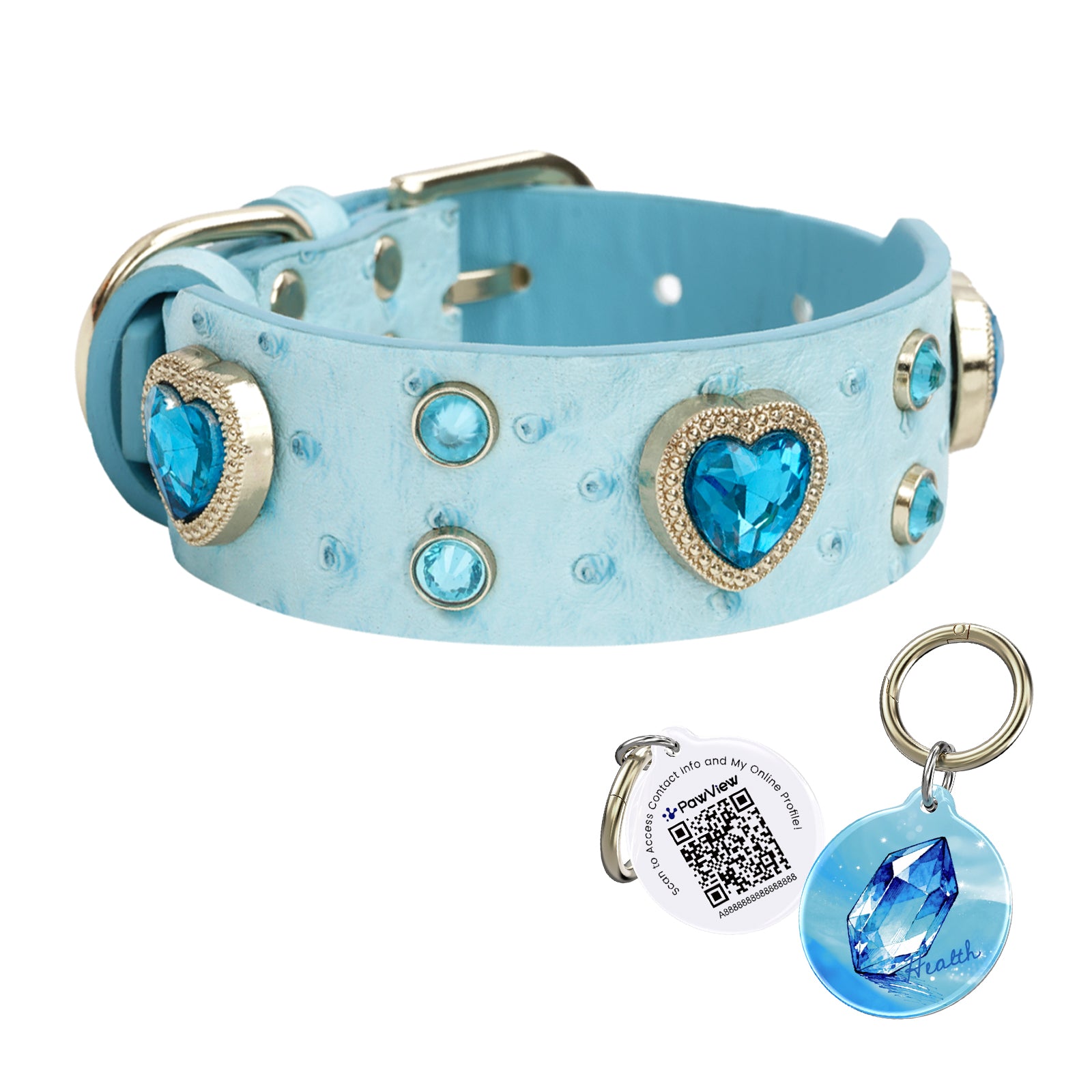
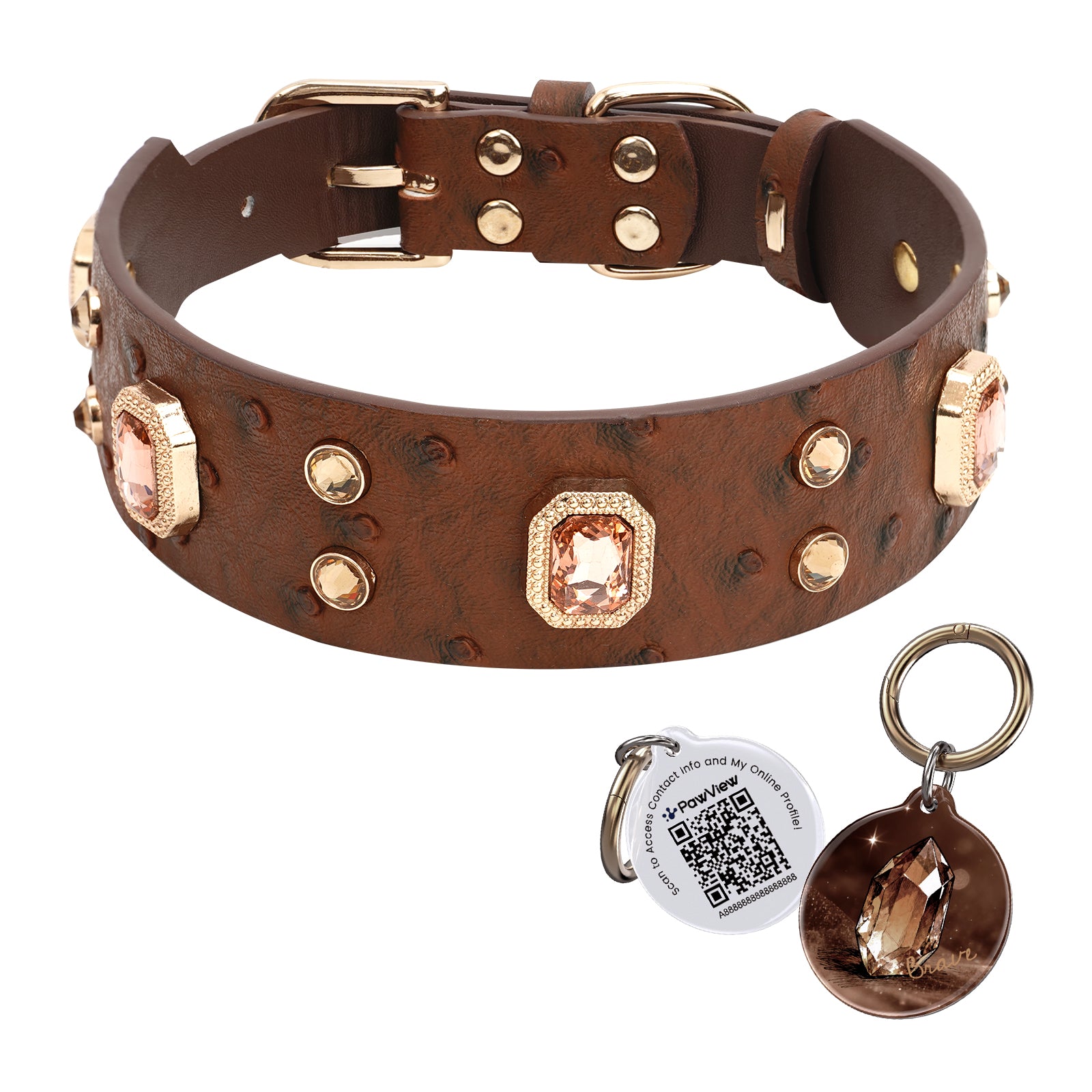
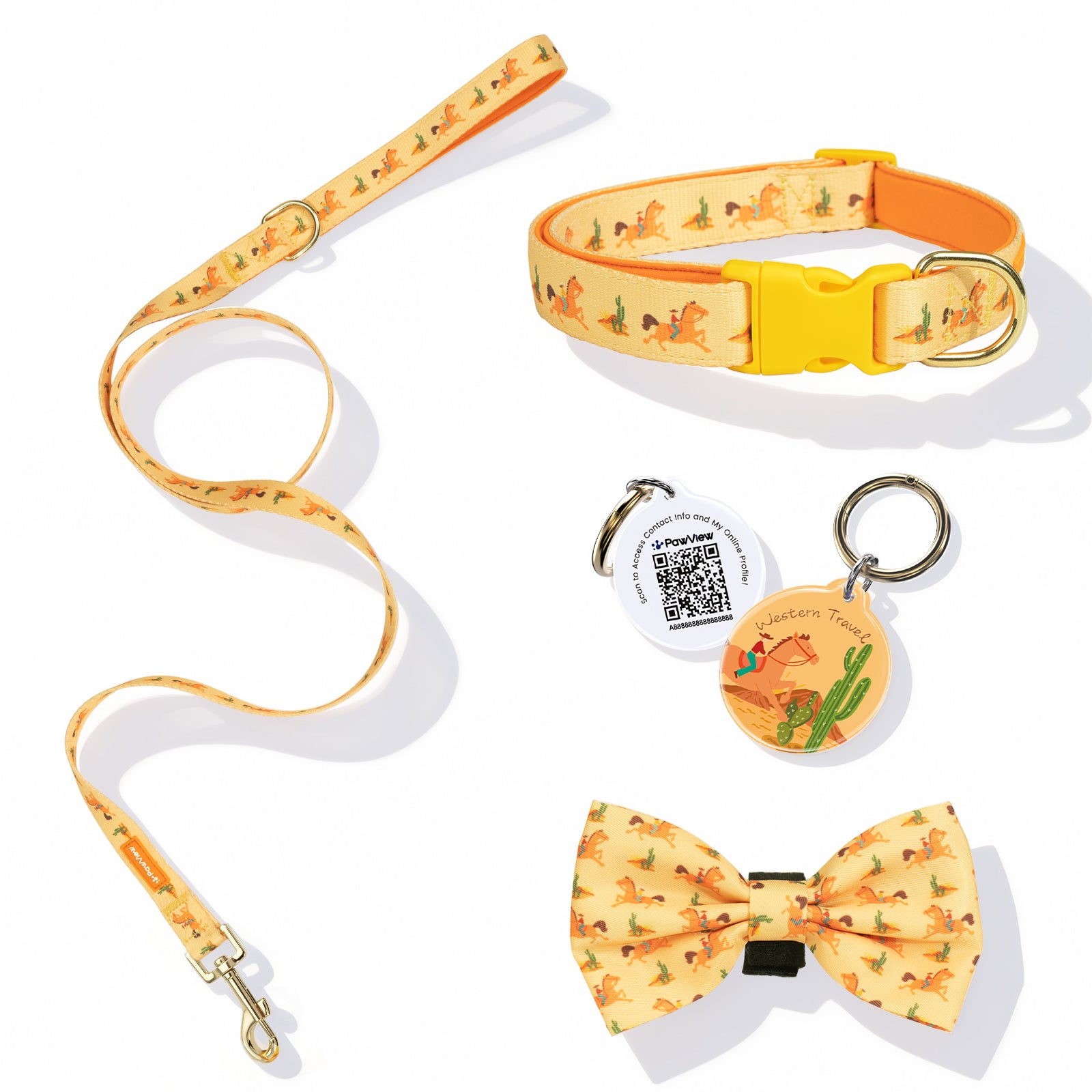
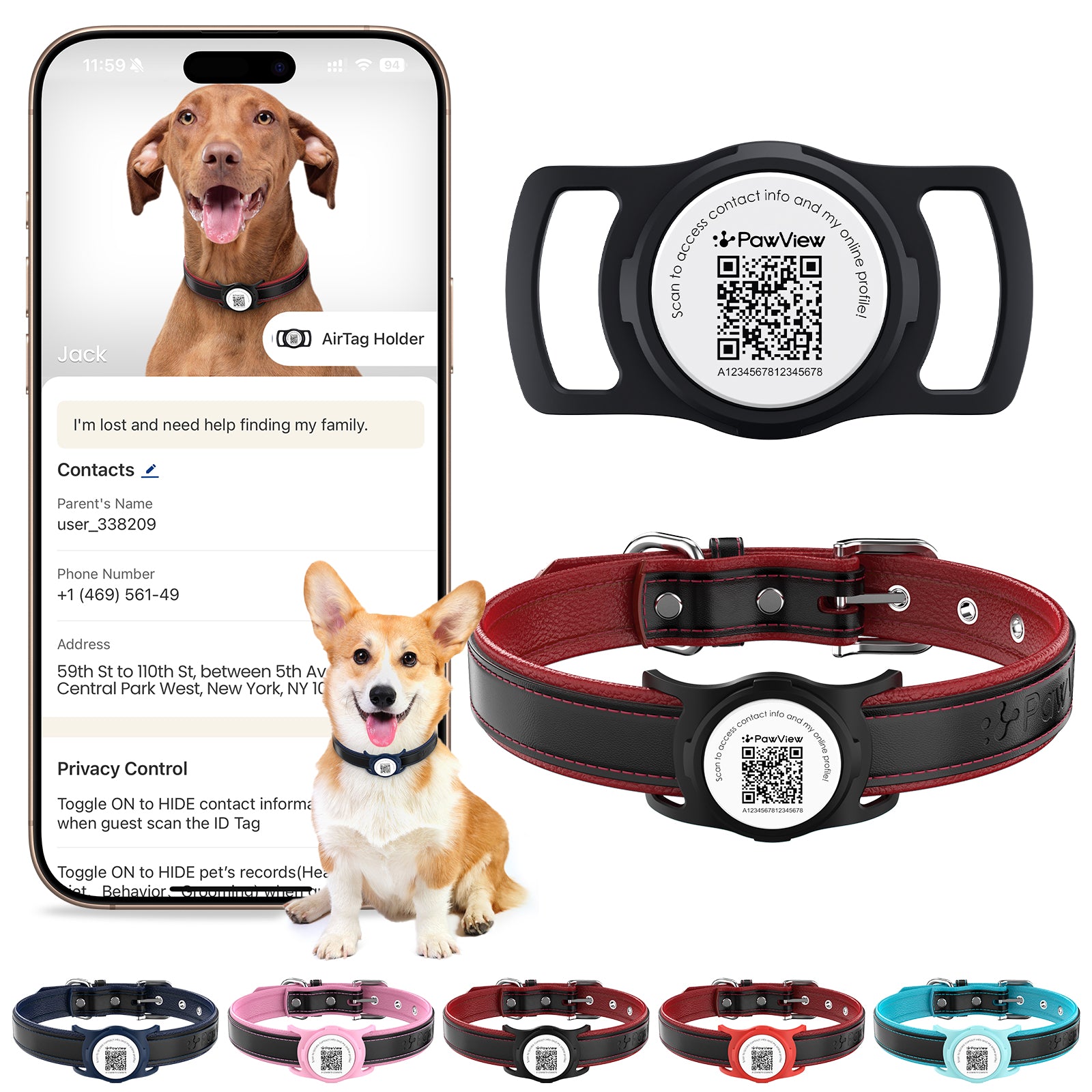
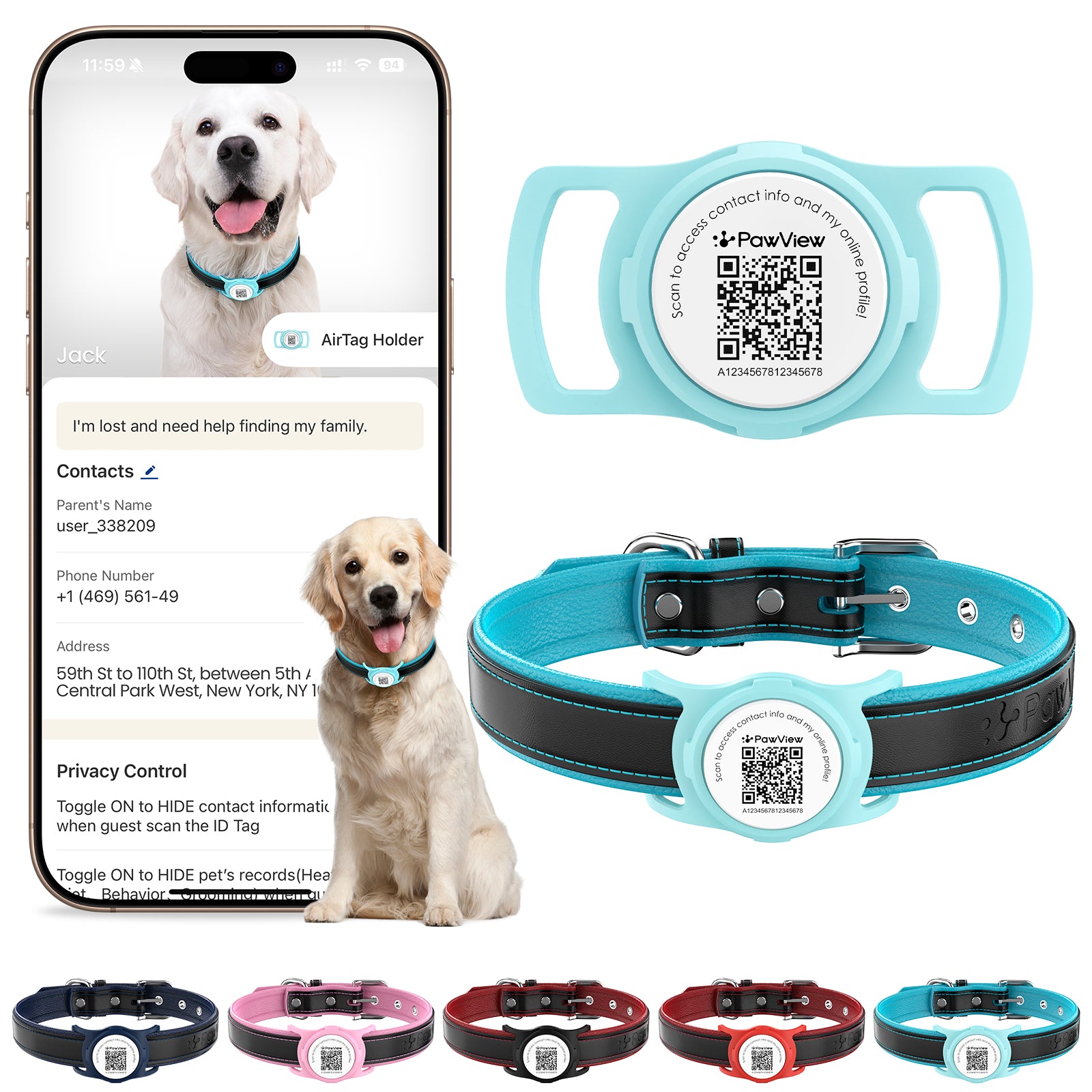
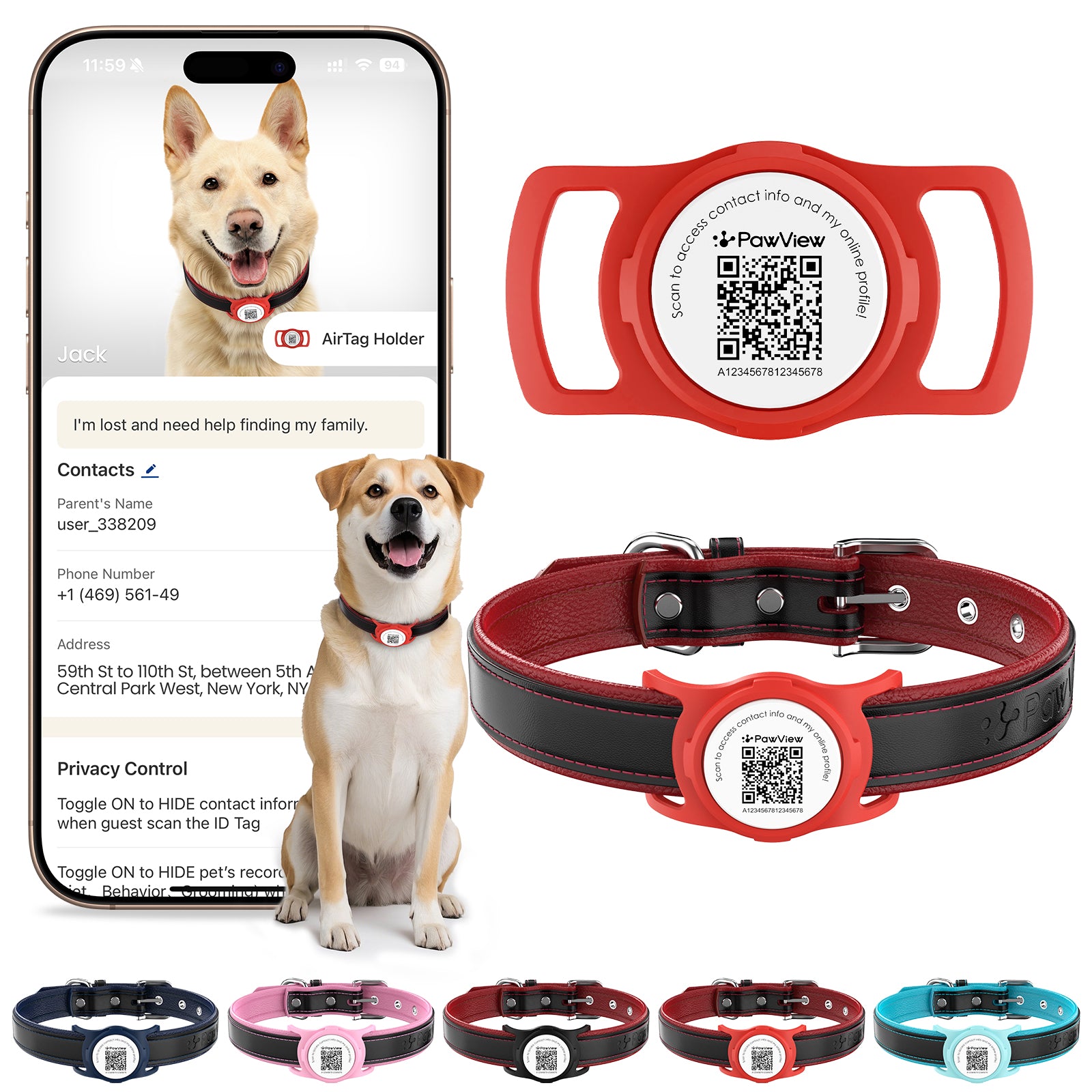
The PawView Smart QR & NFC Pet ID Tag connects your dog's tag to an online pet profile. A finder can scan its QR code with a smartphone or tap it with an NFC-compatible phone to view the information you choose to share. The finder does not need to download the PawView app.
If the finder allows location access, you may receive a scan notification and location information. This is not GPS tracking or continuous location monitoring; it offers another way to identify your dog and help you reconnect if you become separated. Keep the profile and contact details up to date.
8. Check Your Dog After Every Walk
When you get home, take a moment to check your dog's paws and coat. Look for cuts, irritation, grass seeds, thorns, ticks, or other debris, especially between the toes and around the ears and legs. Offer fresh water and allow time to rest. Regular checks help you notice small problems before they become more serious.
Final Thoughts: Make Every Walk Safer and Happier
Knowing how to walk your dog safely is not about making every outing complicated. It is about building simple habits: choosing comfortable gear, staying aware of your surroundings, respecting your dog's comfort, improving visibility, and keeping identification current.
With a little preparation, everyday walks can become some of the happiest moments you share with your dog.
Every walk should be an opportunity for adventure, connection, and safe companionship.


