











Halloween is full of colorful costumes, festive decorations, neighborhood walks, and exciting new experiences. Some dogs love being part of the fun, happily wearing costumes and greeting friendly visitors. Others prefer a quieter evening away from unfamiliar people and sudden noises.
Both reactions are completely valid. The key to a happy Halloween is understanding your dog's personality and making sure the celebration suits their comfort level.
Whether your dog is an enthusiastic little trick-or-treater or a companion who prefers to watch from home, these tips can help you create a fun, safe, and memorable Halloween.
1. Let Your Dog Enjoy Halloween Their Own Way
Not every dog experiences Halloween in the same way. Some enjoy exploring decorated neighborhoods, meeting people, and receiving attention. Others may feel overwhelmed by crowds, unfamiliar costumes, or constant activity.
Before making plans, consider how your dog usually reacts to new environments. Does your dog remain relaxed around strangers? Can they settle down when there are unexpected sounds? Do they enjoy wearing accessories?
If your dog is comfortable in busy environments, a short neighborhood walk or a pet-friendly Halloween event may be enjoyable. If they seem nervous, celebrating at home can be just as rewarding.
The goal is not to make every dog participate in the same activities. It is to create an experience your dog can genuinely enjoy.
2. Choose a Costume That Is Comfortable and Safe
A Halloween costume can make your dog the star of the celebration, but appearance should never come before comfort.
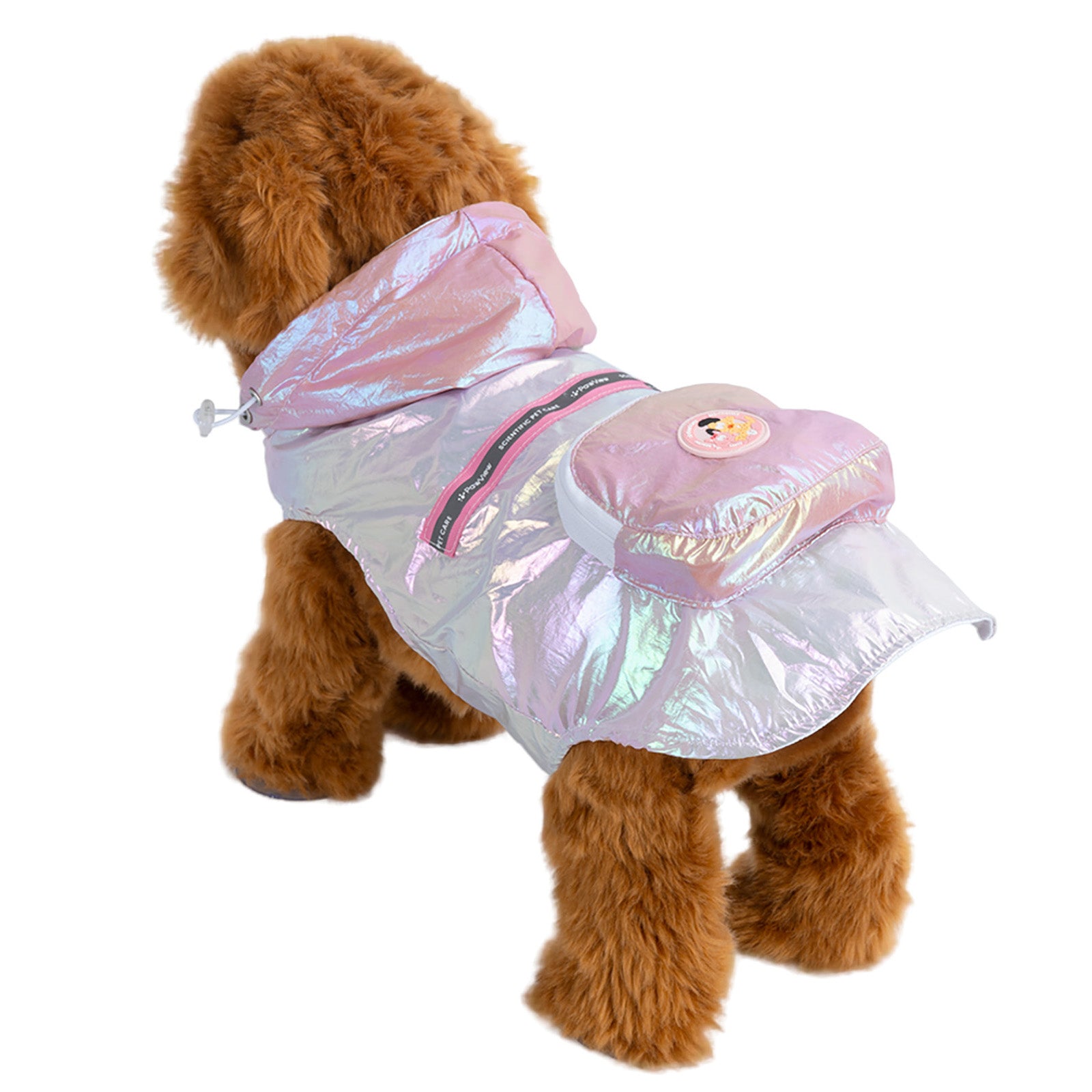
Choose an outfit that allows your dog to walk, sit, breathe, hear, and see normally. Avoid tight straps, restrictive headpieces, dangling decorations, and small accessories that could be chewed off and swallowed.
Let your dog try the costume before Halloween. Reward them with treats and praise if they remain comfortable, and remove the outfit if they repeatedly scratch at it, freeze, or try to escape.
The American Animal Hospital Association's guide to safe pet Halloween costumes offers further advice on choosing costumes based on comfort, fit, and your pet's individual temperament.
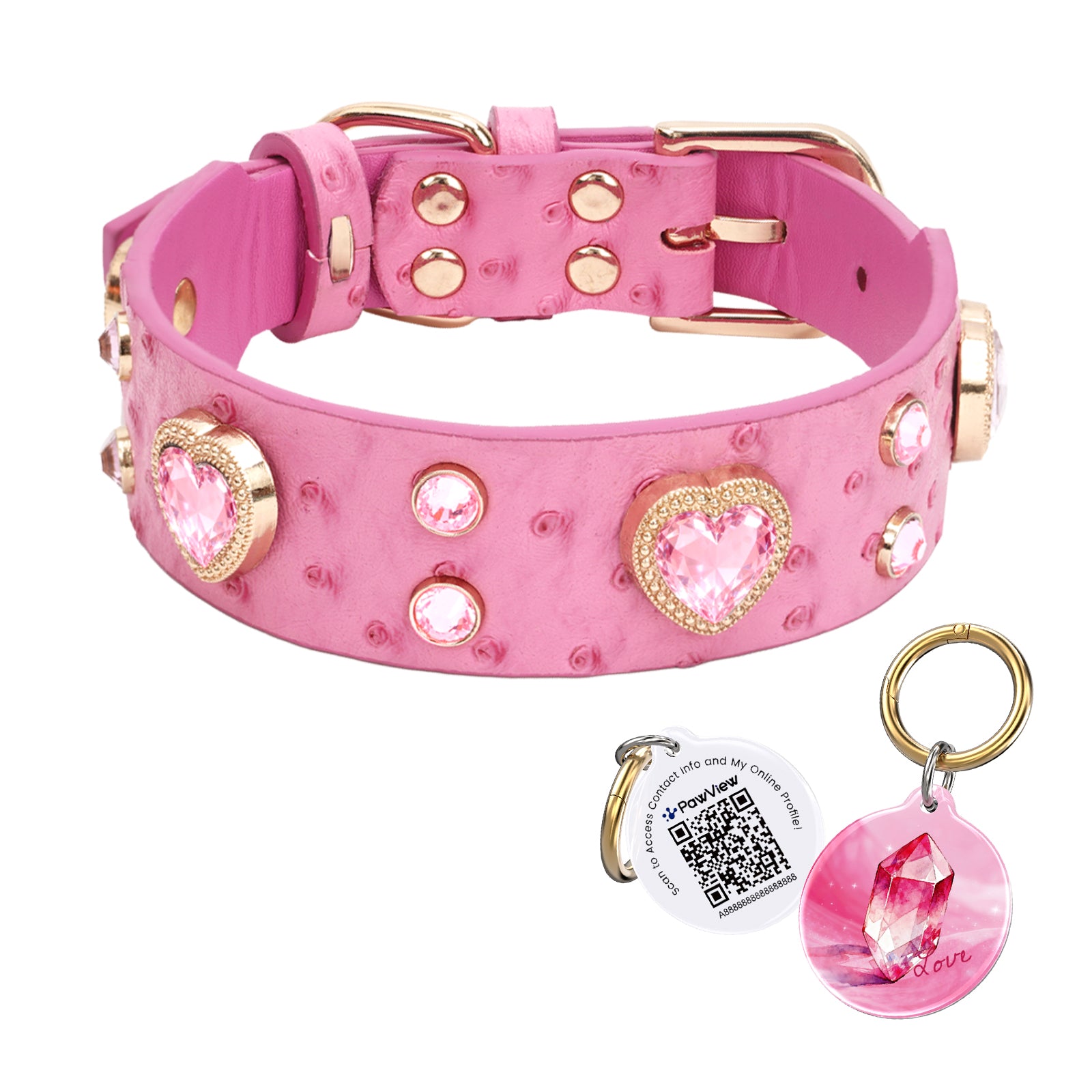
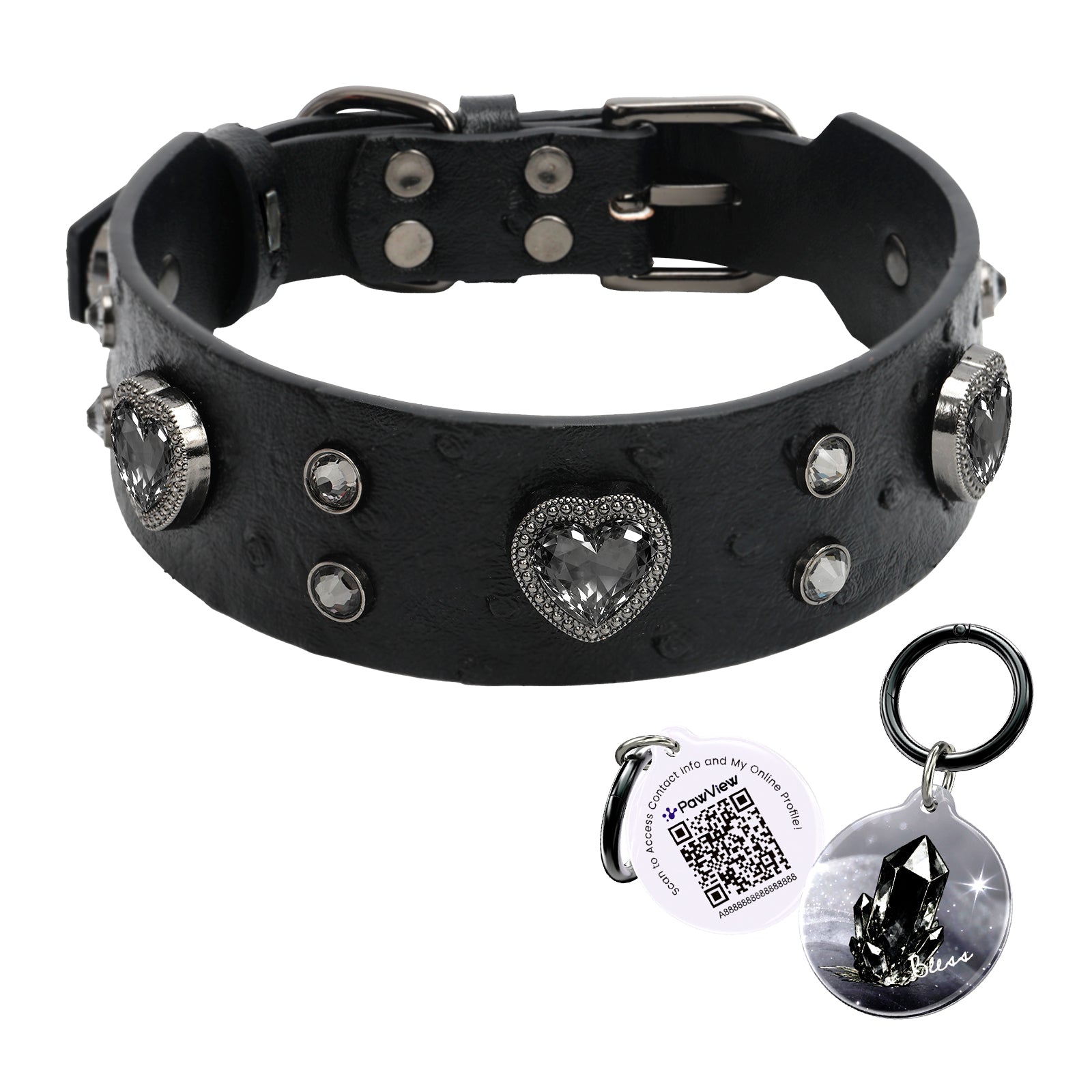
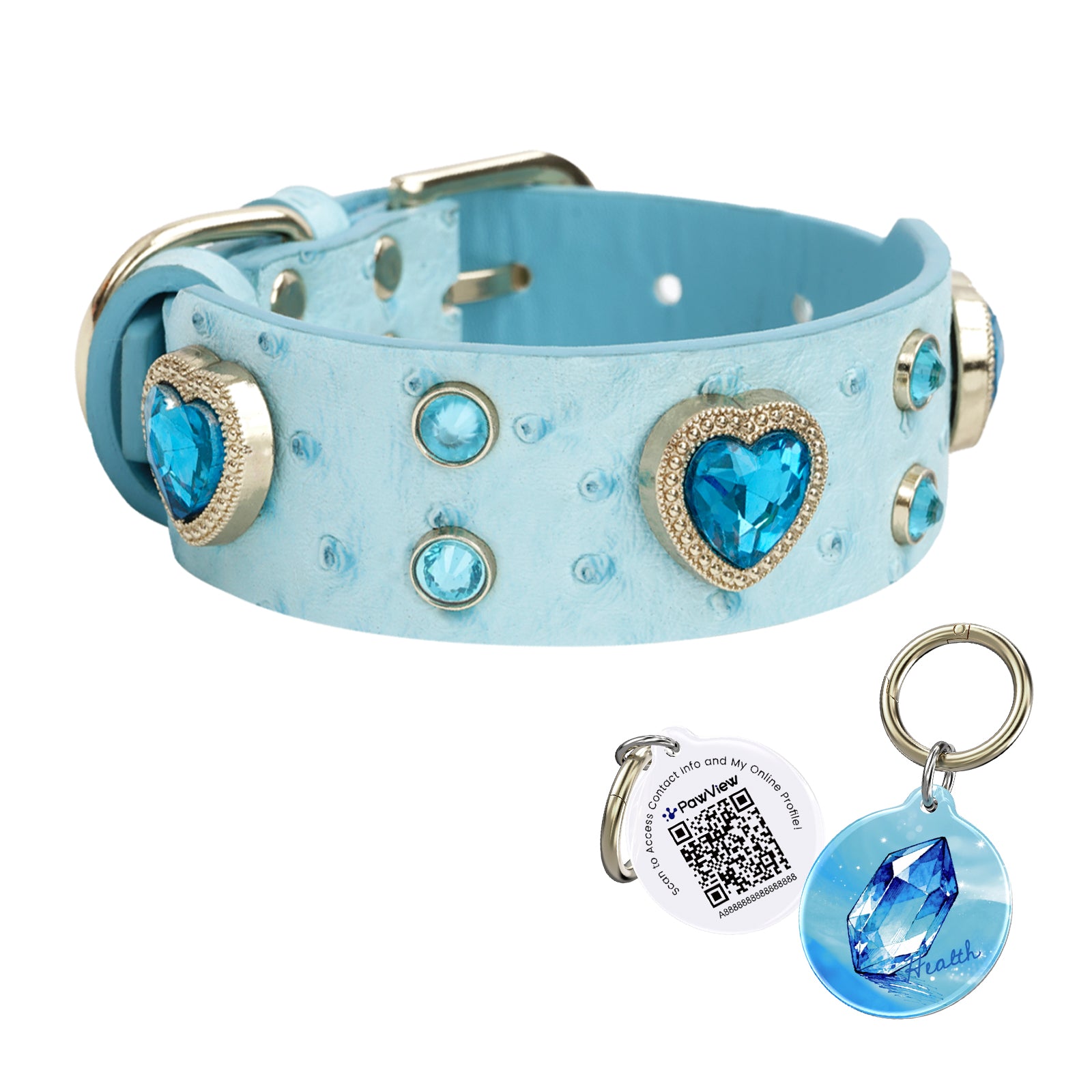
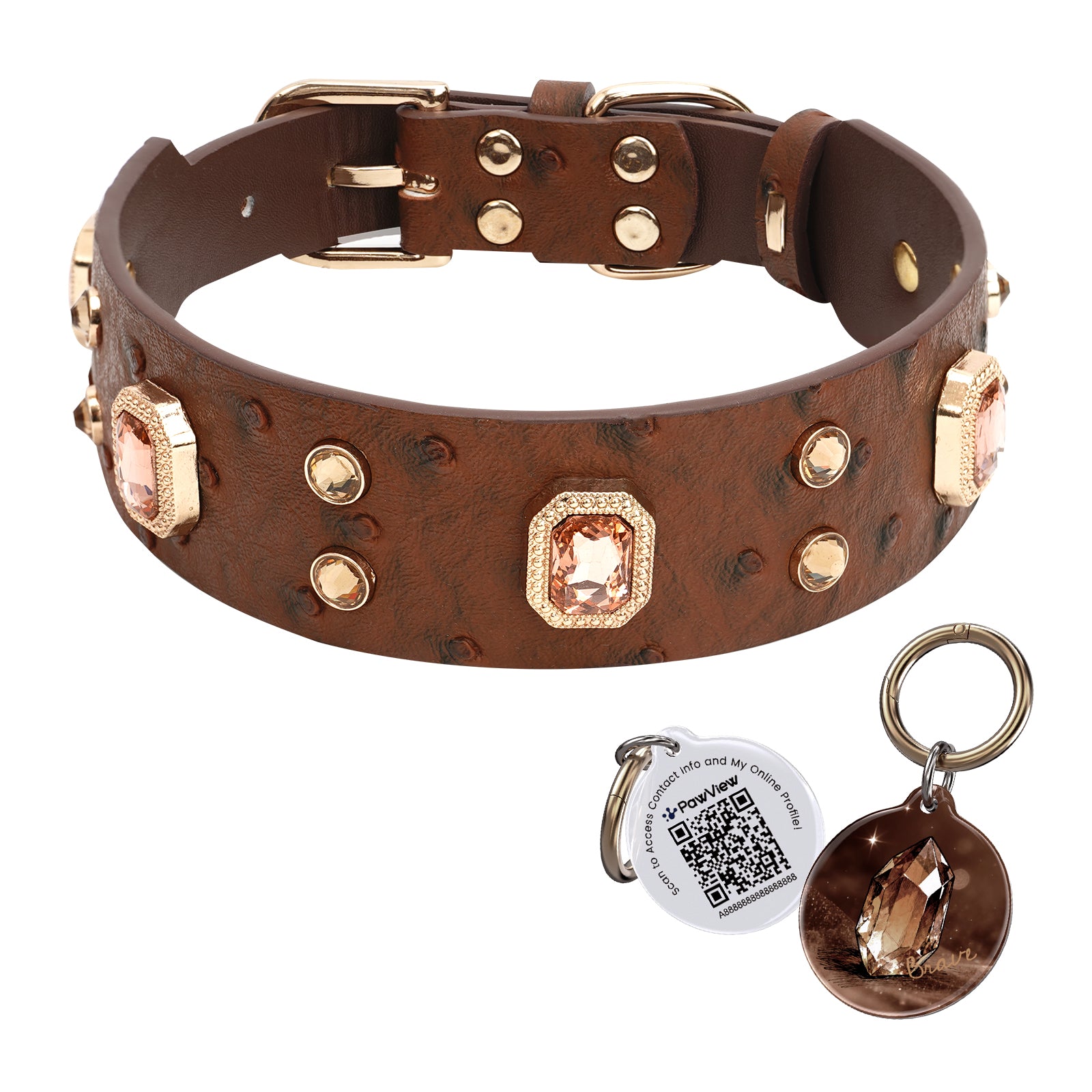
Remember, a festive bandana or distinctive collar can be a great alternative for dogs that dislike full costumes.
3. Make Halloween Walks Fun and Safe
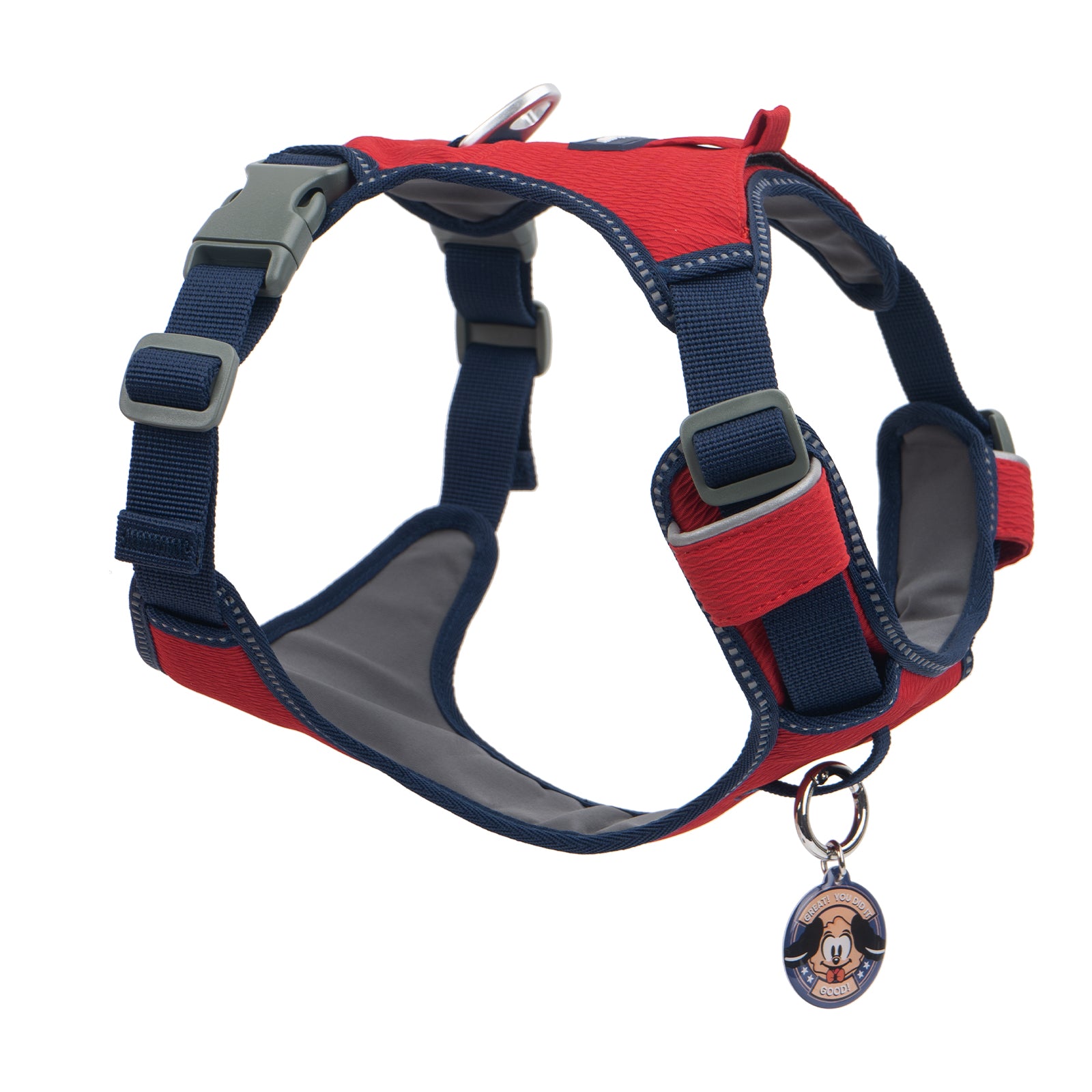
If your dog enjoys exploring outdoors, a Halloween walk can be a wonderful way to share the holiday. Choose a familiar route, avoid overly crowded areas if your dog becomes overstimulated, and keep your dog on a secure leash.
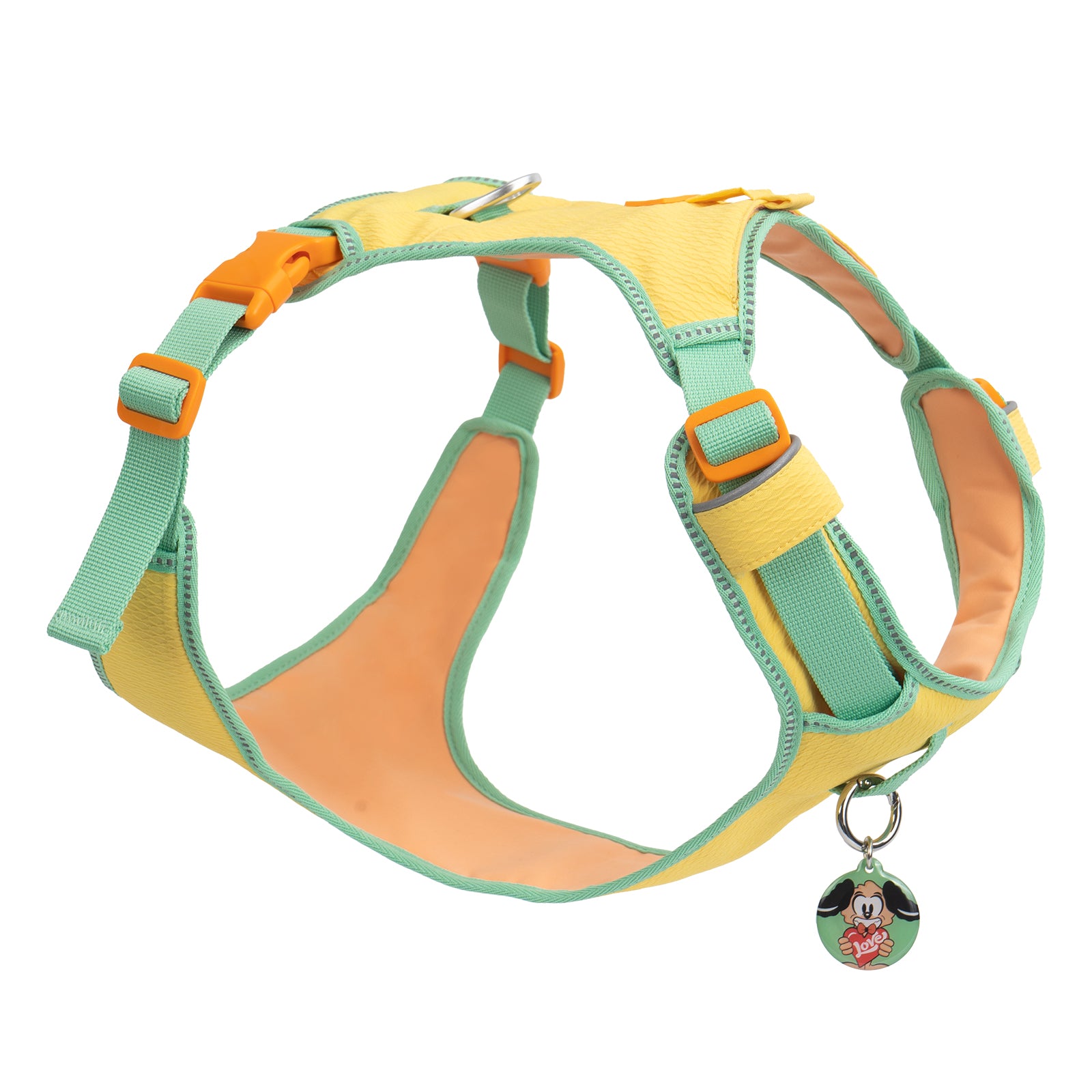
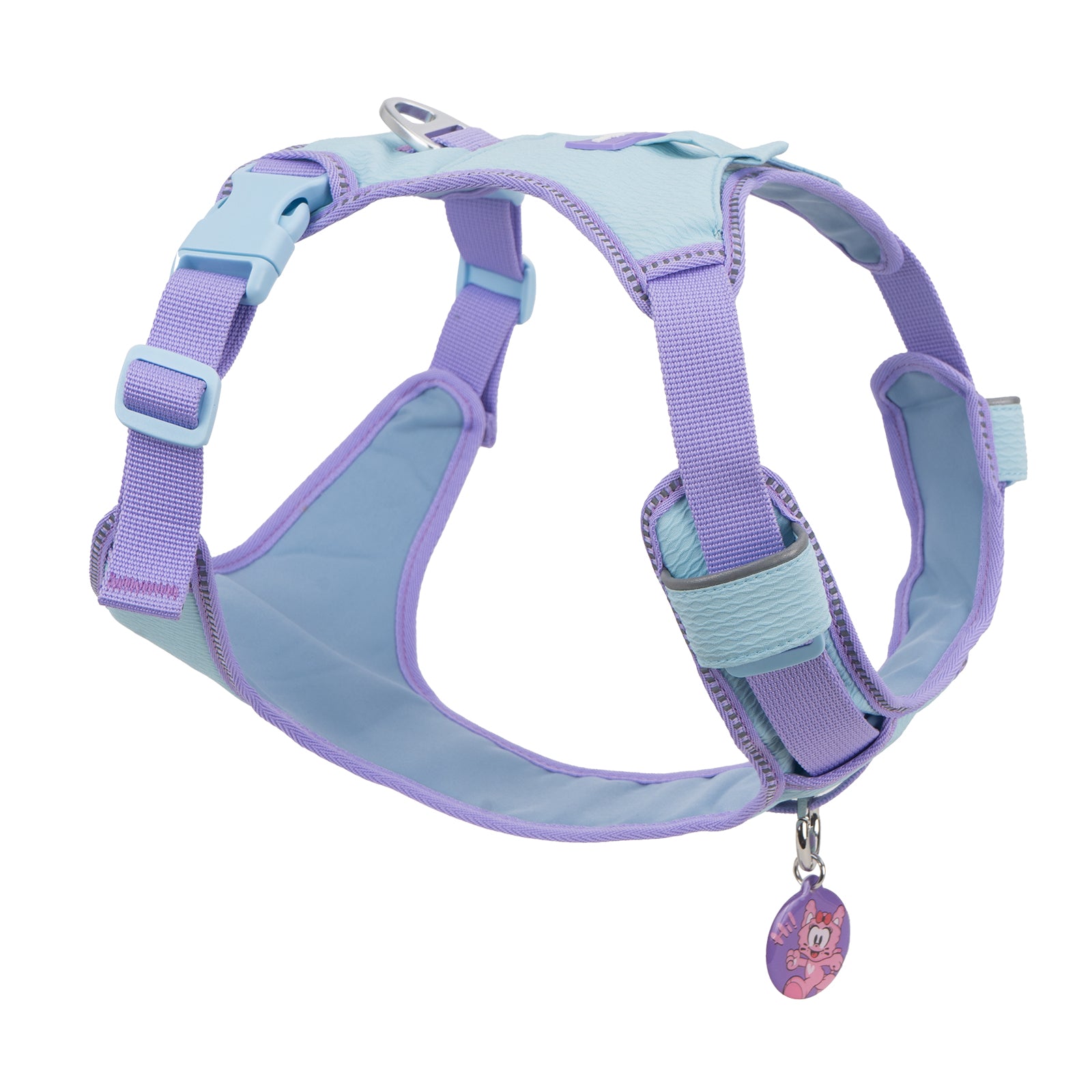
As daylight fades, visibility becomes especially important. Reflective walking gear can help others notice your dog when light shines on it, while an LED safety light provides its own illumination.
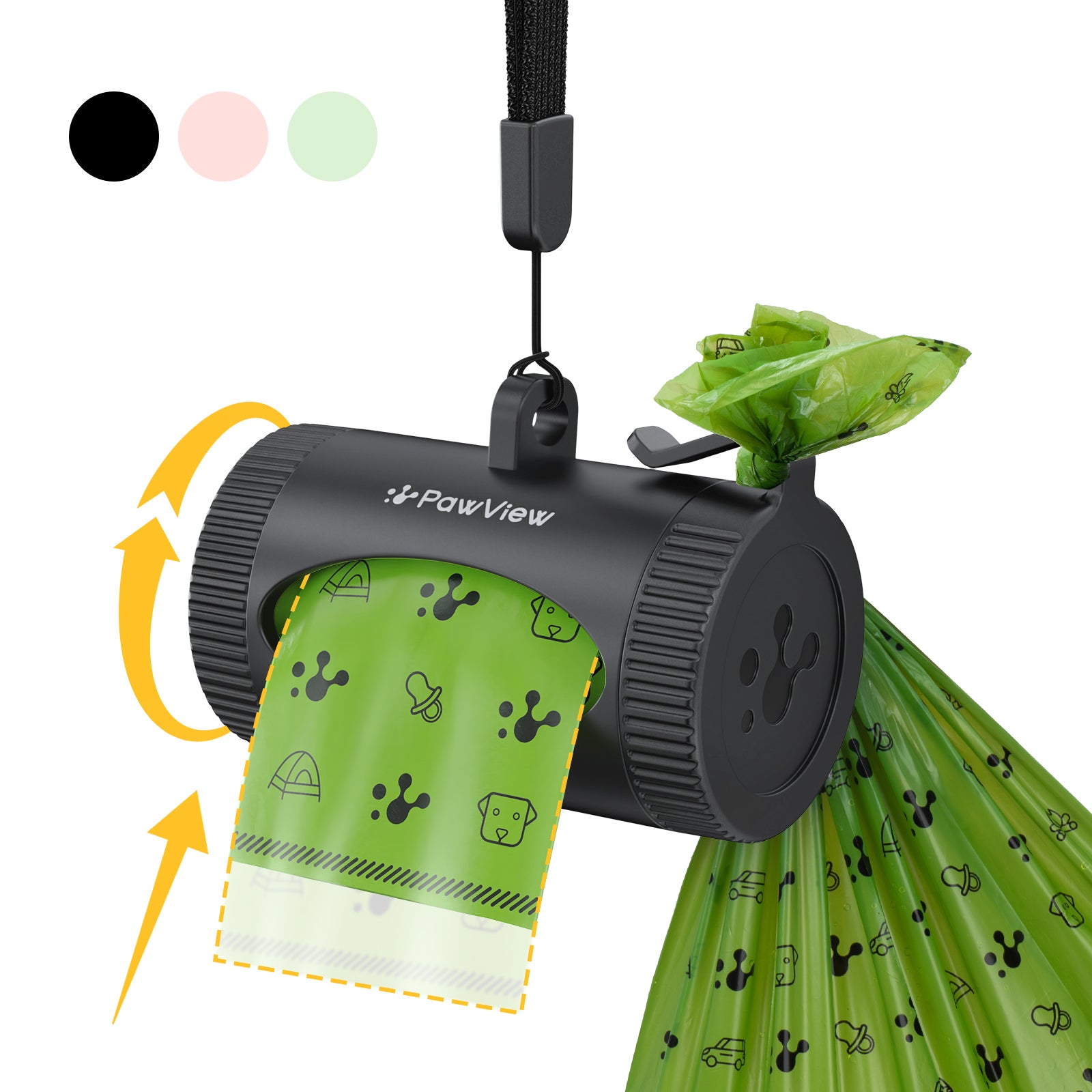
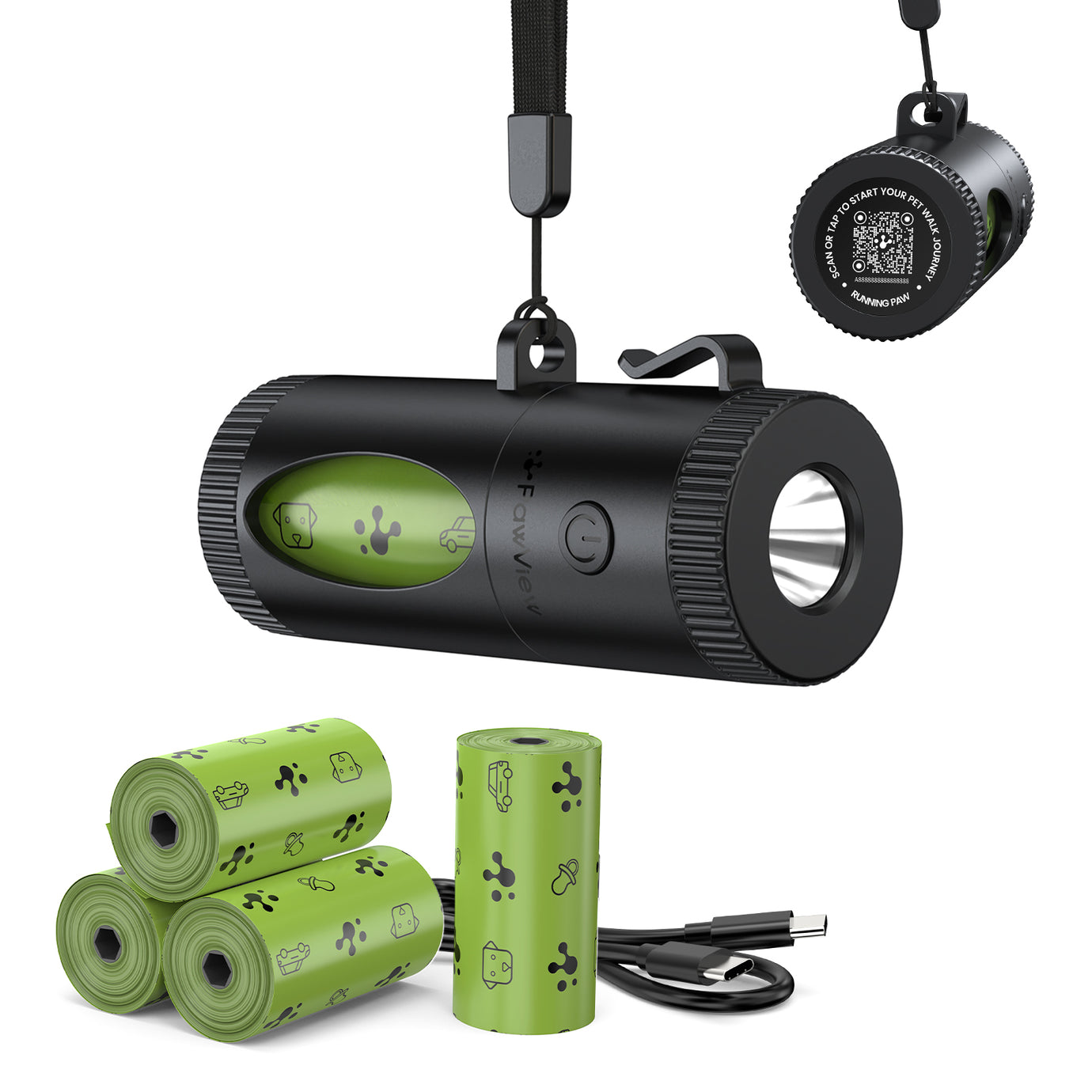
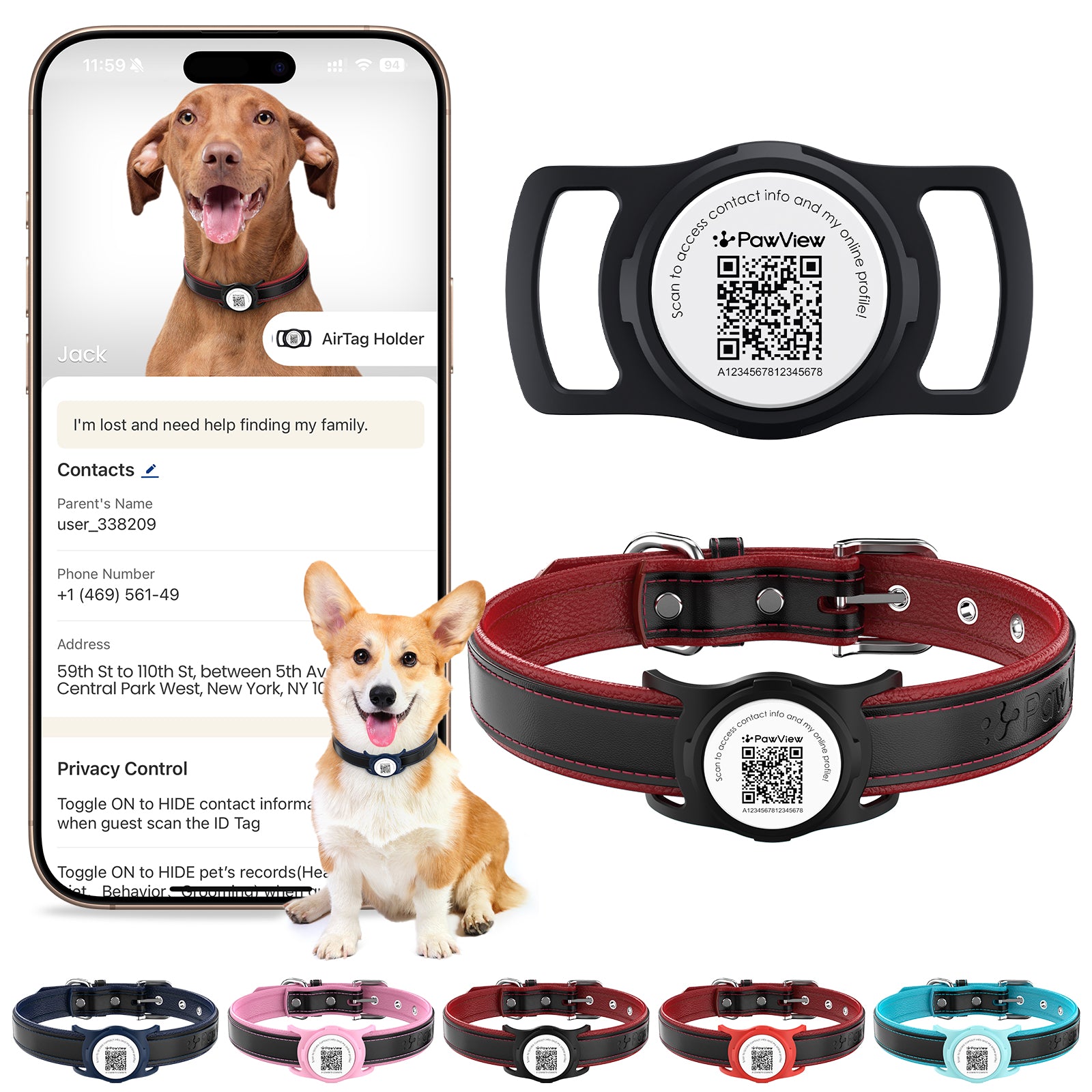
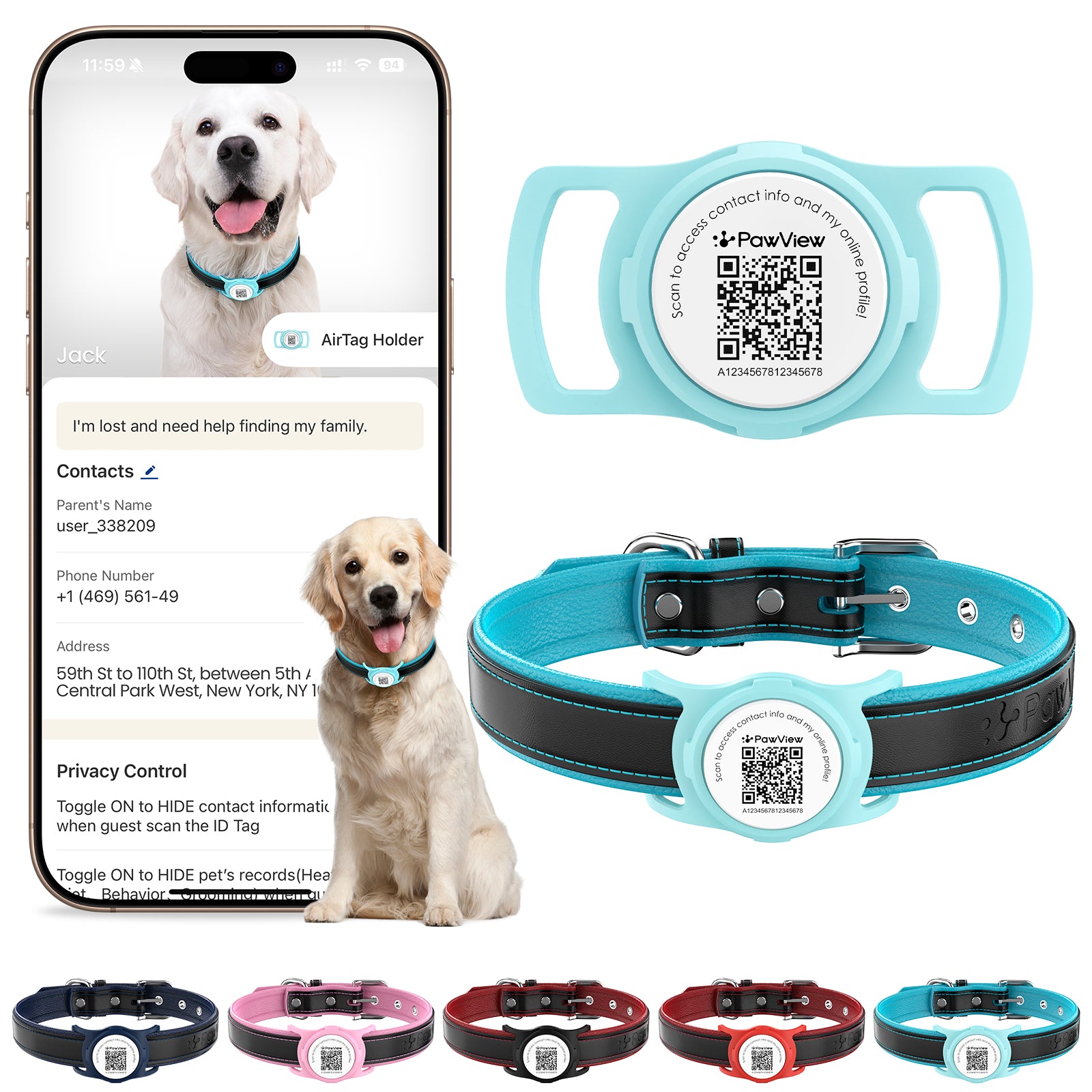
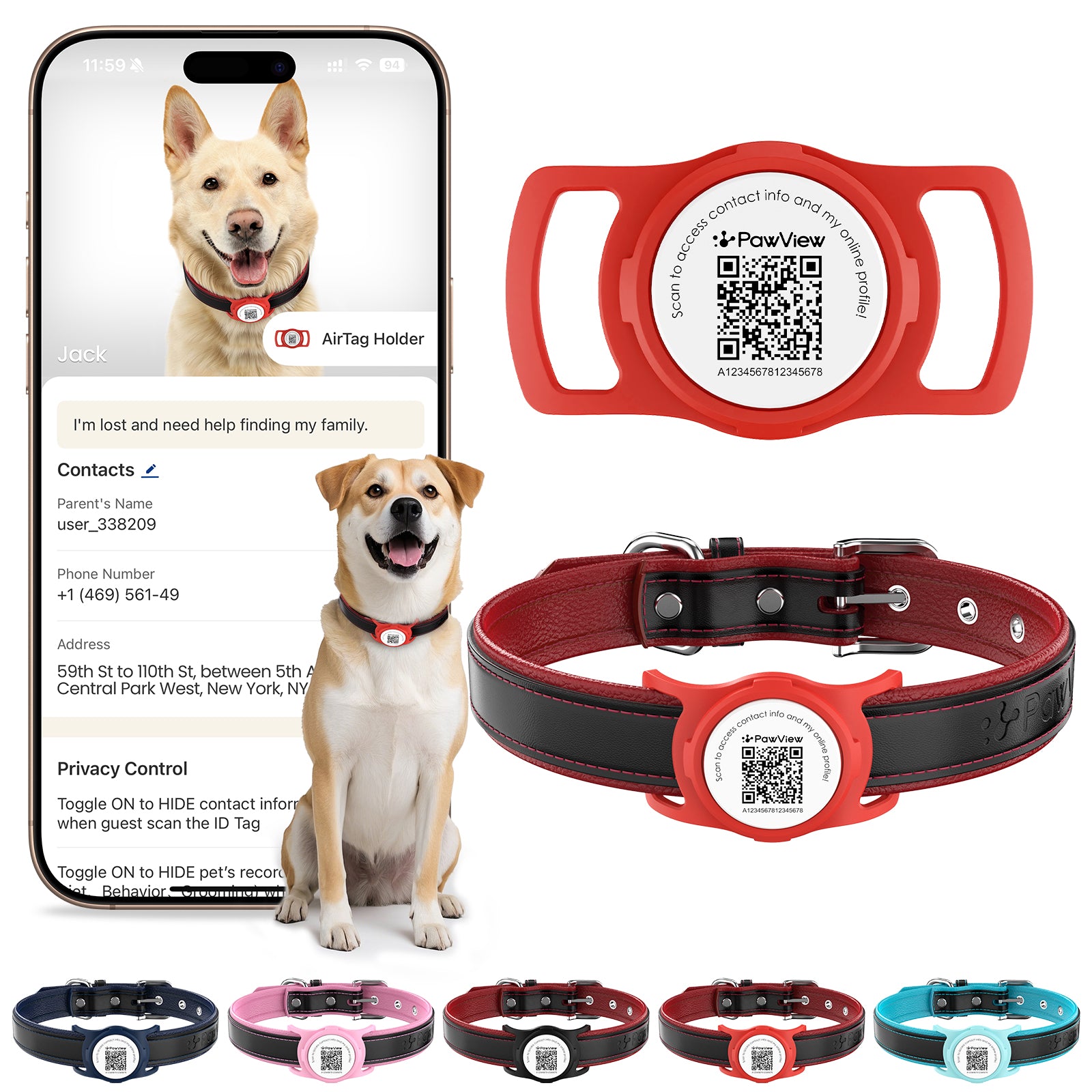
For an evening walk, the PawView Pet Anti-Lost LED Light with Protective Case offers fast-flash, slow-flash, and steady-light modes. It also includes a QR-code pet ID holder for an additional identification option.
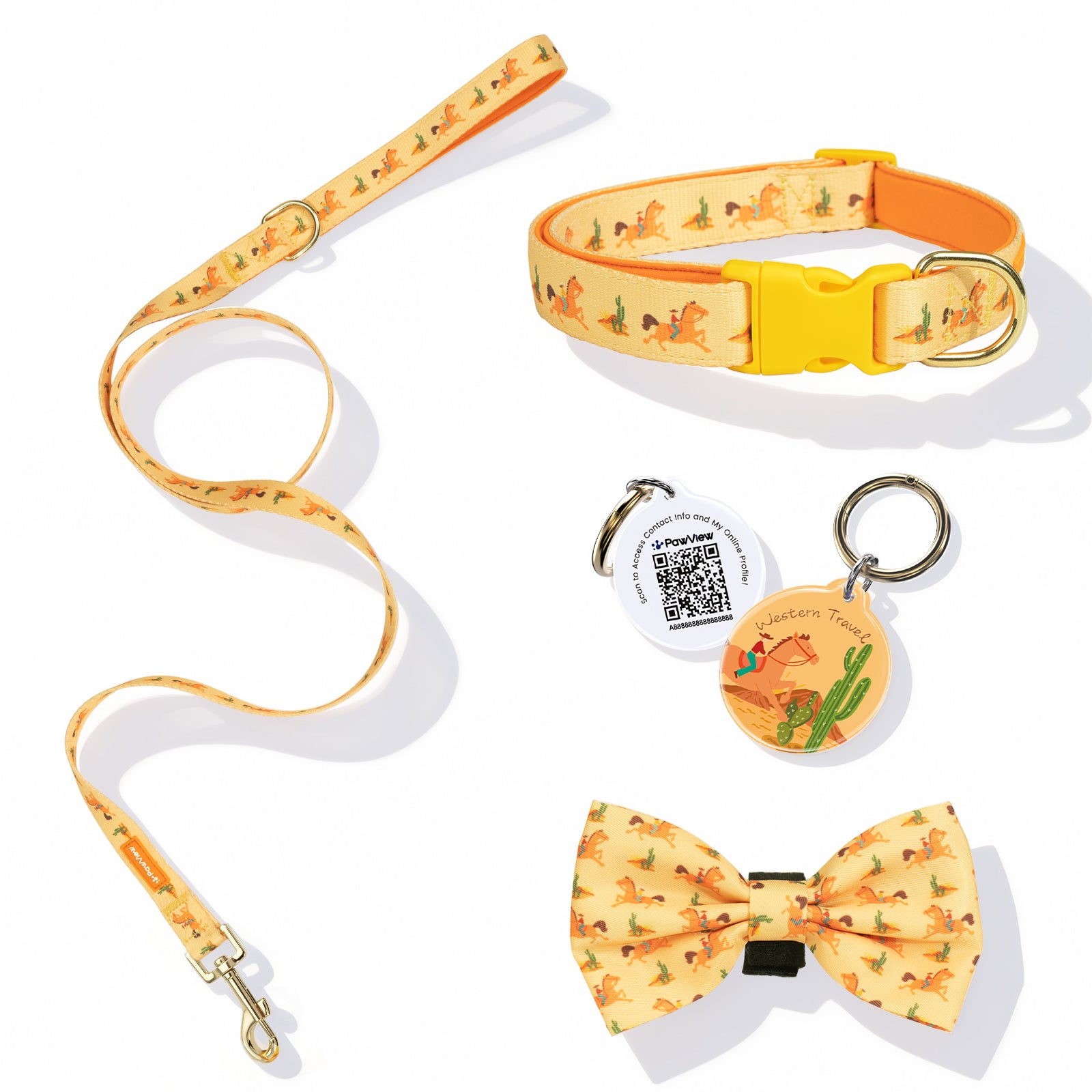
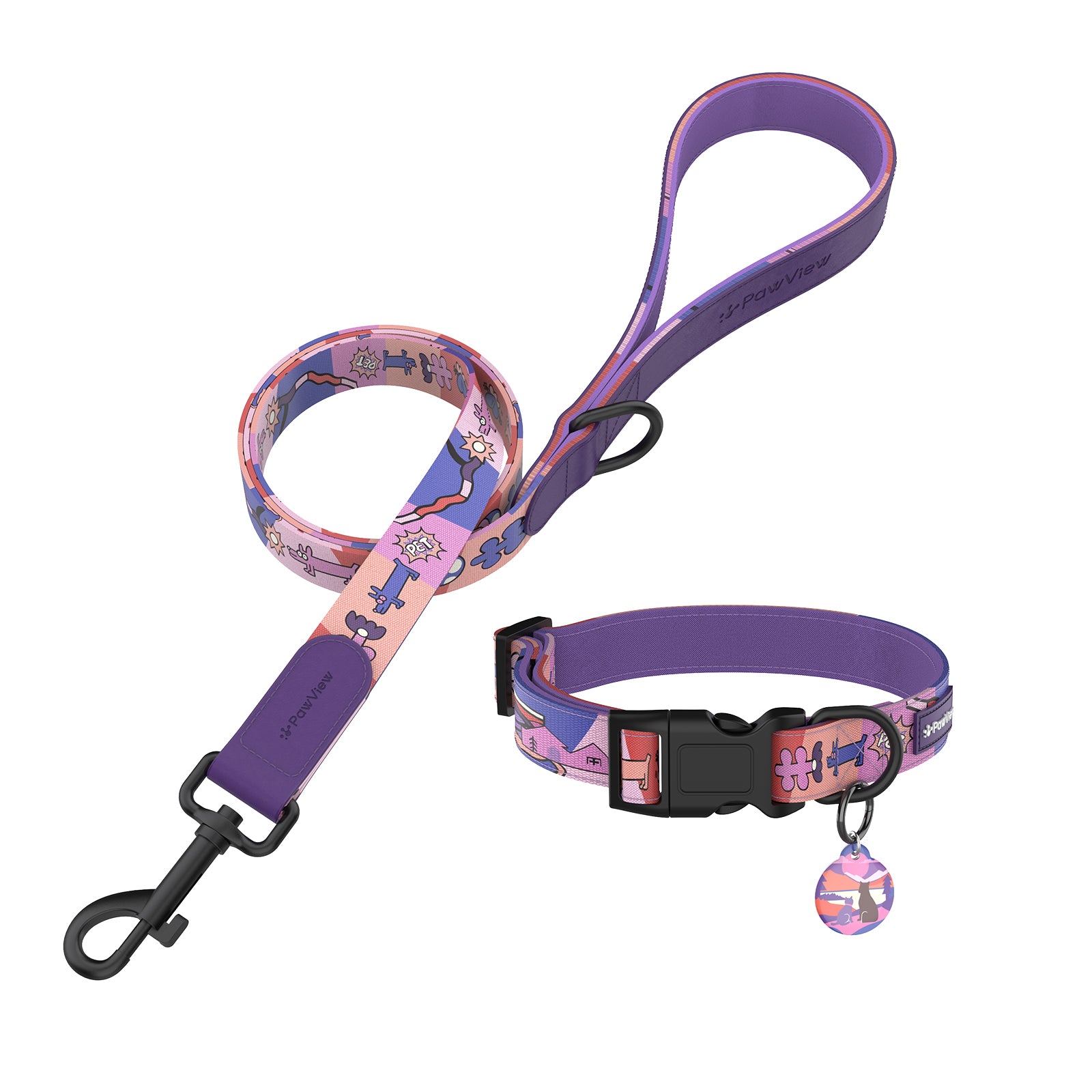
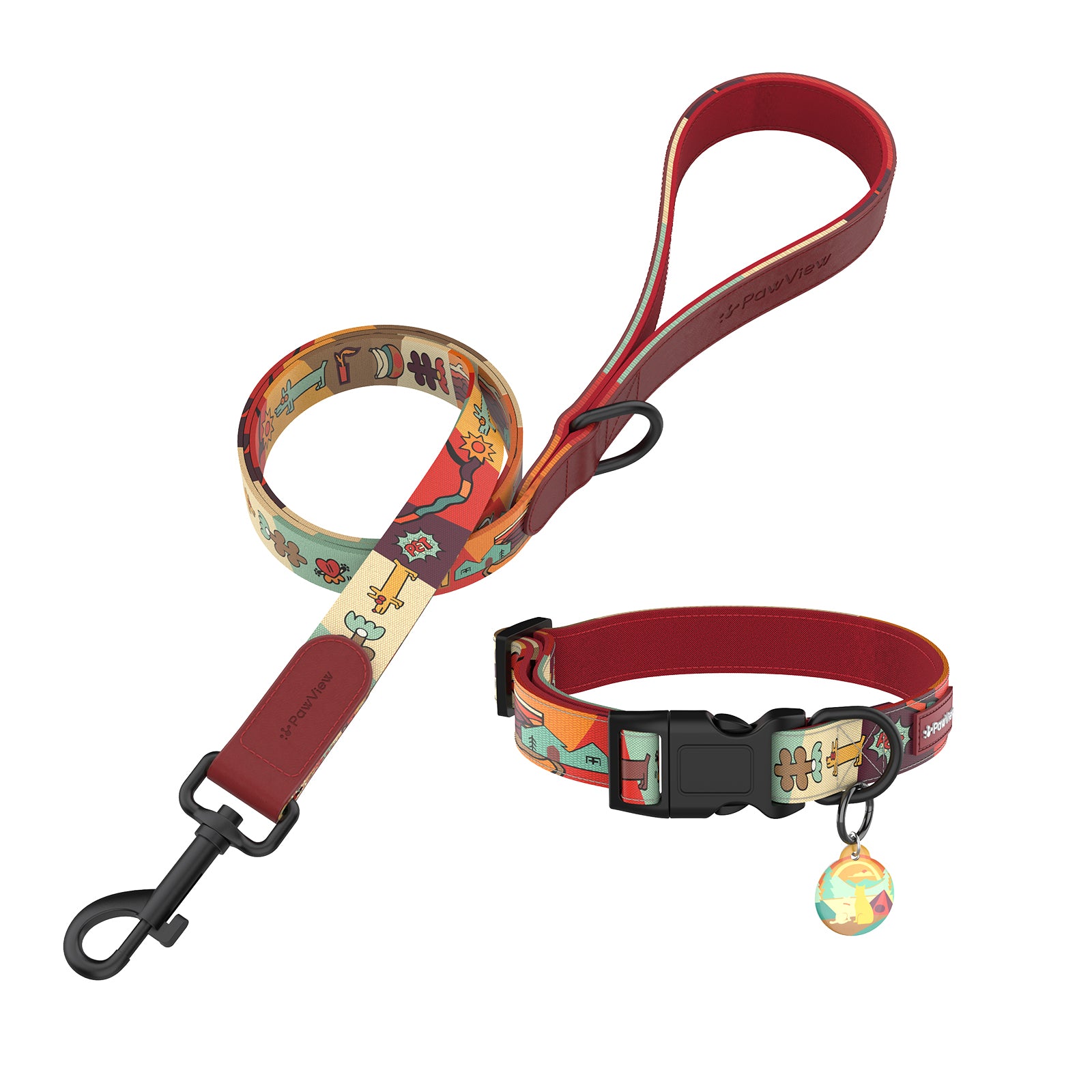
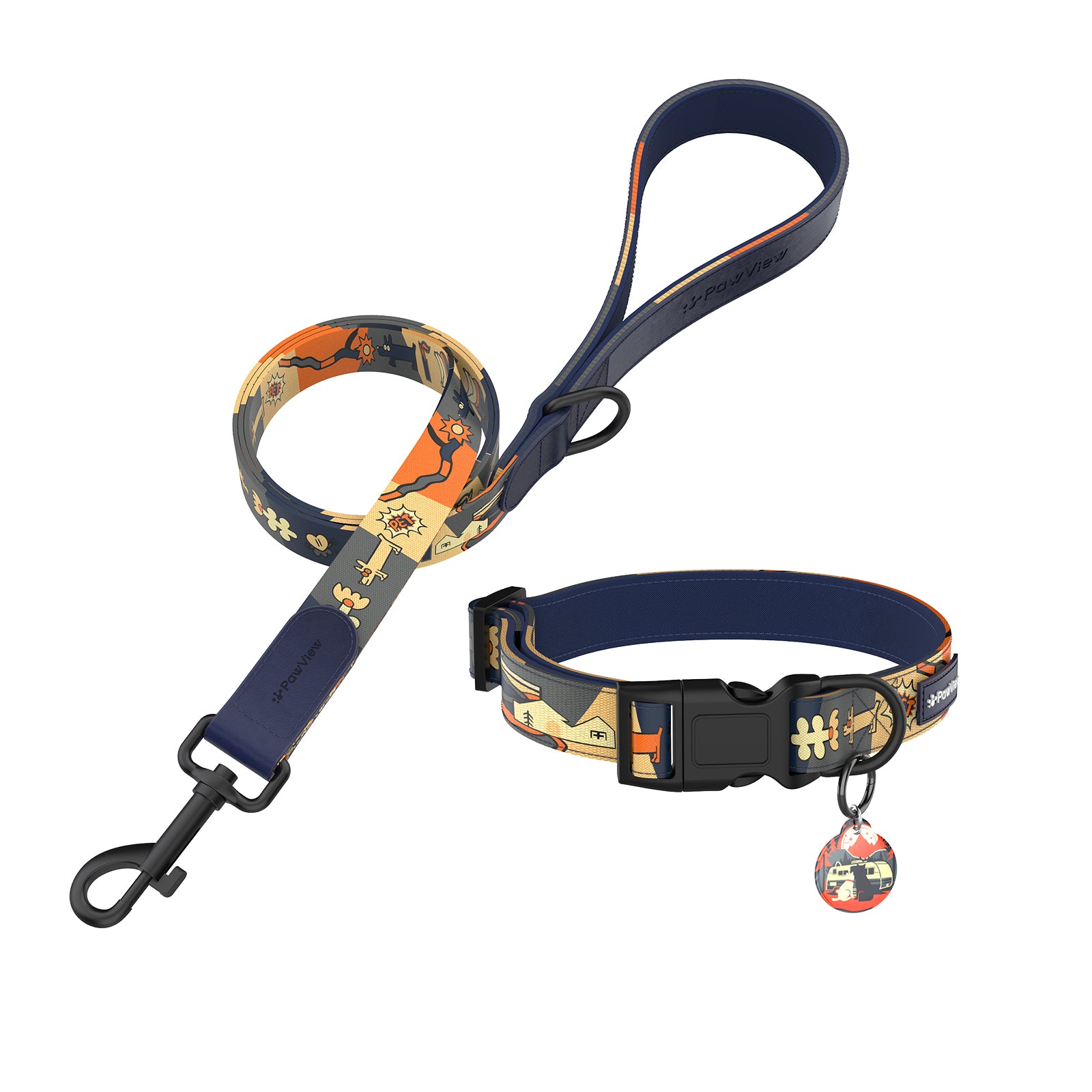
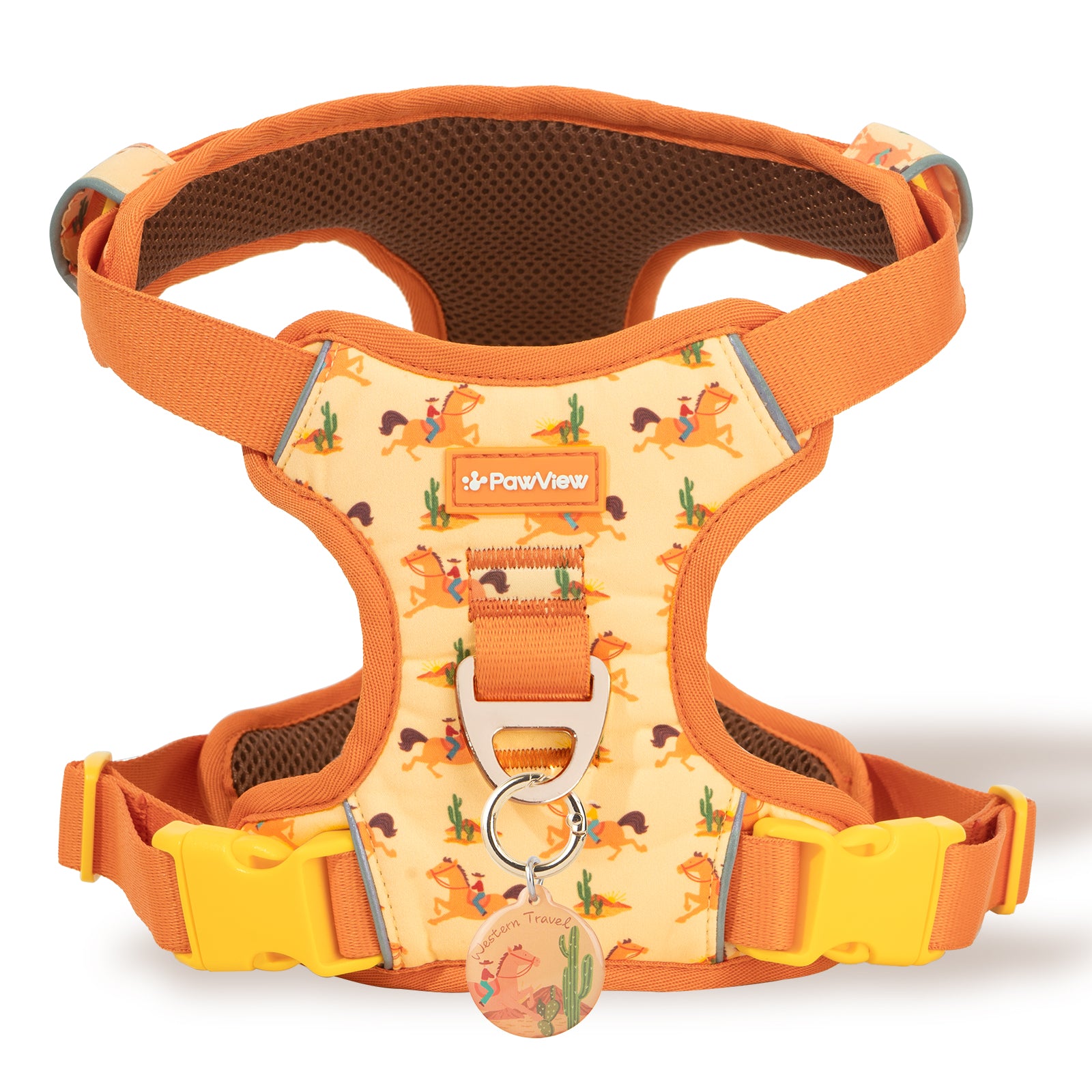
If you prefer a coordinated festive look, the PawView Western Cowboy Travel Print Collection Dog Collar and Leash Set with Bow Tie and Smart Pet ID Tag combines Western-inspired style with practical walking accessories.
Whatever gear you choose, check the fit before heading out and keep your dog away from traffic, discarded candy, and unfamiliar objects on the ground.
The American Kennel Club's Halloween safety advice also highlights the importance of secure leashes, supervision, and identification during holiday outings.
4. Help Your Dog Feel Comfortable Around Visitors
For some dogs, meeting people in costumes is part of the fun. Others may find masks, unusual clothing, excited children, and repeated doorbell rings confusing or frightening.
If your dog enjoys meeting people, allow introductions to happen calmly. Ask visitors to approach gently and let your dog decide whether to come closer.
If your dog seems uncomfortable, do not force interaction. Provide a quiet room with familiar bedding, water, and toys, away from the front door.
A secure barrier can also help prevent an excited dog from rushing outside whenever the door opens. Make sure everyone in the household knows how to keep the entrance secure during trick-or-treating.
The ASPCA's Halloween safety guide recommends giving pets a comfortable space away from busy visitor activity when necessary.
5. Know When Loud Noises Become Too Much
Some dogs enjoy Halloween crowds but dislike fireworks, sudden bangs, or loud party sounds. Others may be comfortable with ordinary household noise but become anxious when several unfamiliar sounds happen together.
Watch for signs of stress, including trembling, excessive panting, pacing, hiding, or attempts to escape. If you notice these behaviors, reduce the stimulation and help your dog move somewhere quieter.
You can also prepare a familiar safe space before the celebration begins. Close windows, draw curtains, and play gentle background music if it helps soften outside noises.
For longer-term sound sensitivity, gradual desensitization may help some dogs learn to cope with specific sounds. Introduce recordings at a low volume and pair them with positive experiences, increasing the intensity only while your dog remains relaxed.
The AAHA guide to noise aversion in pets explains how to recognize noise-related fear and when to seek veterinary guidance.
Never force a frightened dog to remain in a noisy environment just because other dogs seem comfortable there.
6. Keep Halloween Treats and Decorations Pet-Safe
Even dogs that love Halloween need protection from common holiday hazards.
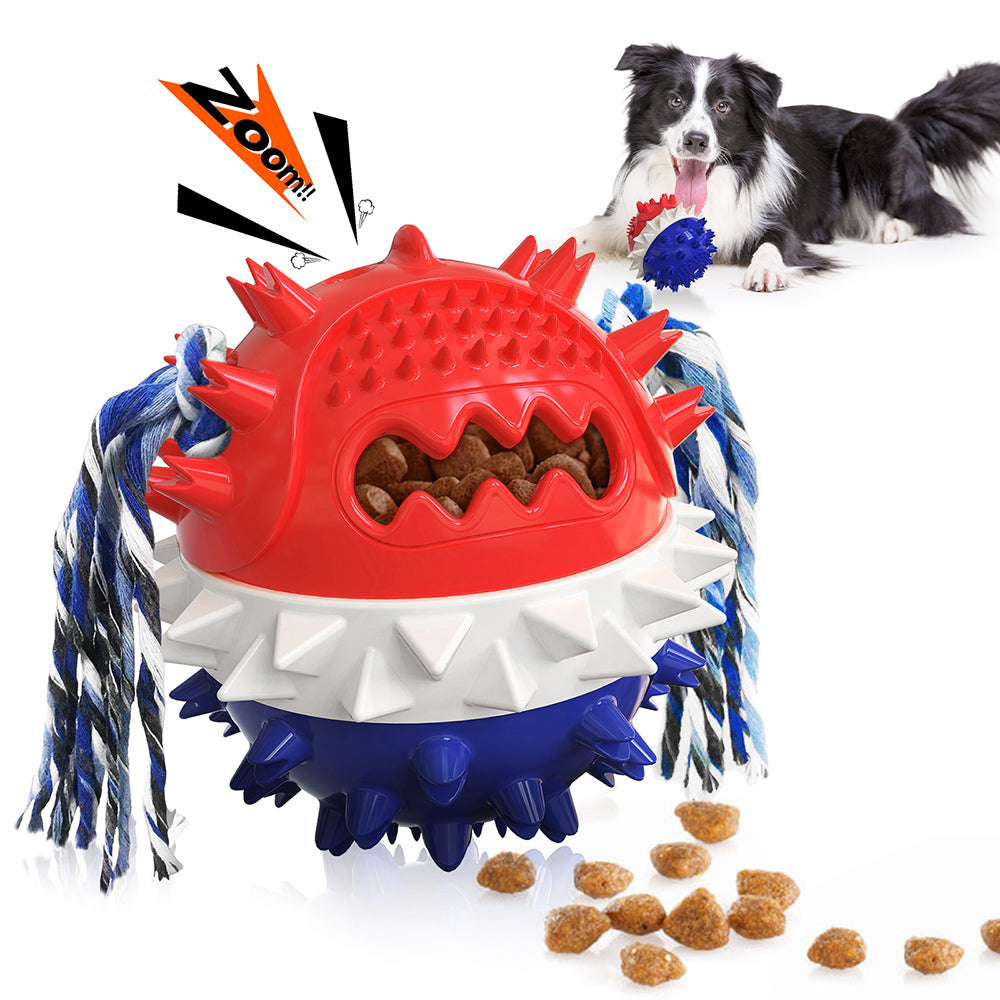
Keep chocolate, sugar-free candy containing xylitol, grapes, raisins, and candy wrappers out of reach. Offer dog-safe treats instead, and remind children not to share their Halloween candy with pets.
Check decorations for loose parts, dangling strings, exposed wires, and small objects that dogs might chew or swallow. Keep lit candles and jack-o'-lanterns away from curious noses and wagging tails.
If you suspect your dog has eaten something potentially toxic, contact your veterinarian promptly.
7. Follow Your Dog's Lead
A successful Halloween does not have to involve a costume parade, a crowded party, or a long walk through the neighborhood.
Some dogs will thrive on the excitement. Others will be happiest wearing a simple accessory, enjoying a favorite treat, and relaxing beside their family.
Pay attention to your dog's behavior throughout the evening. If they remain relaxed and engaged, continue at a comfortable pace. If they begin showing signs of stress, give them a break or head home.
Make Halloween a Happy Experience for Every Dog
The best Halloween plans begin with understanding your dog. Comfortable costumes, positive introductions, safe outdoor routines, and respect for individual boundaries can help make the holiday enjoyable.
Whether your dog loves joining the neighborhood festivities or prefers a peaceful evening at home, there is no single right way to celebrate.
A happy Halloween is not about how much your dog participates. It is about making sure they feel safe, comfortable, and included in a way that suits them.


