

















If your dog gets lost, how will someone identify them and contact you? Two common ways to help protect your pet are a smart pet ID tag and an implanted microchip. Although both serve the same general purpose, they work in very different ways.
Understanding pet ID tags vs. microchips can help you make better decisions about your dog's safety. One provides accessible identification through a wearable tag, while the other offers permanent identification beneath your pet's skin.
So, does your dog need both? In most cases, yes. Let's explore how each option works, what makes them different, and why combining them offers an additional layer of protection.
1. What Is a Smart Pet ID Tag?
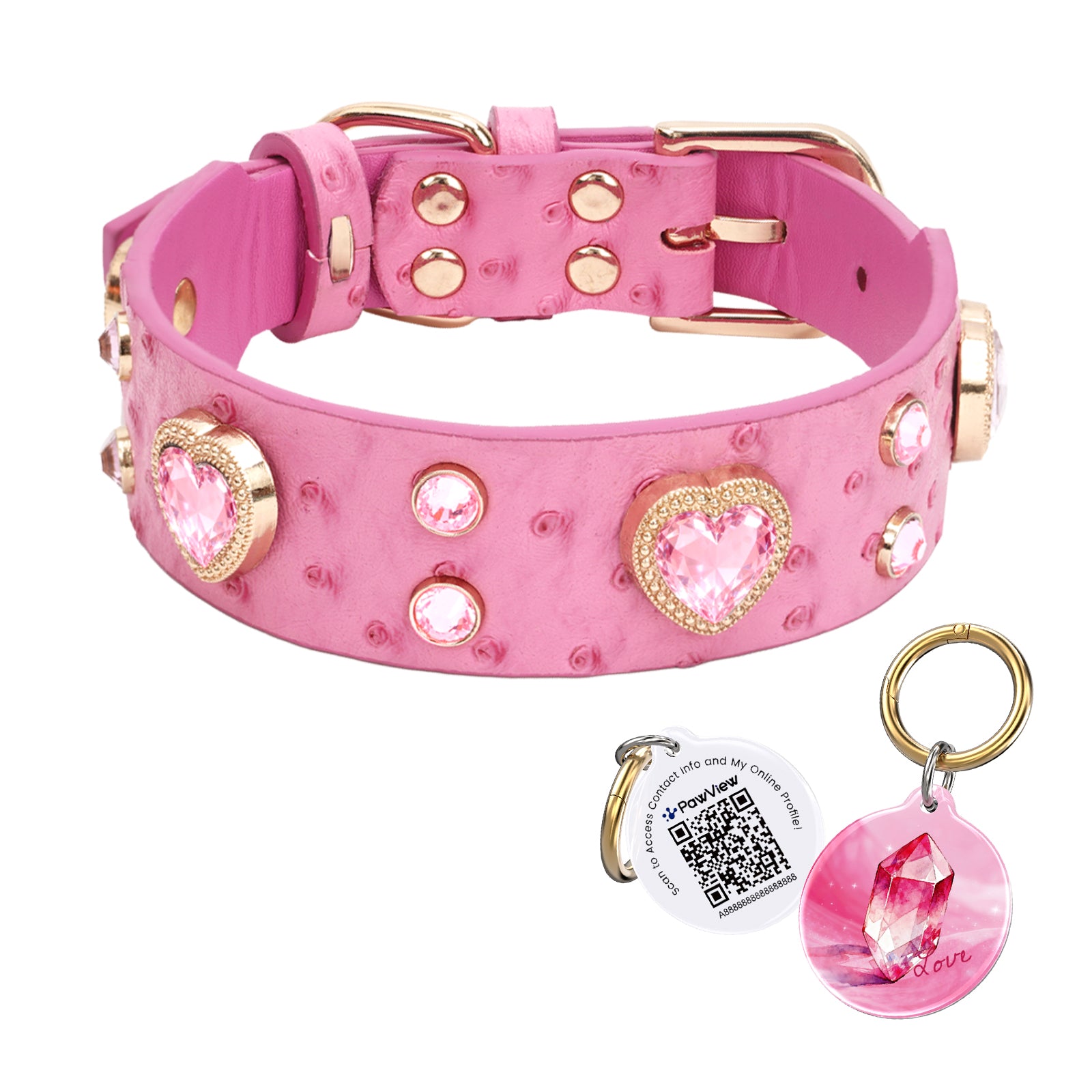
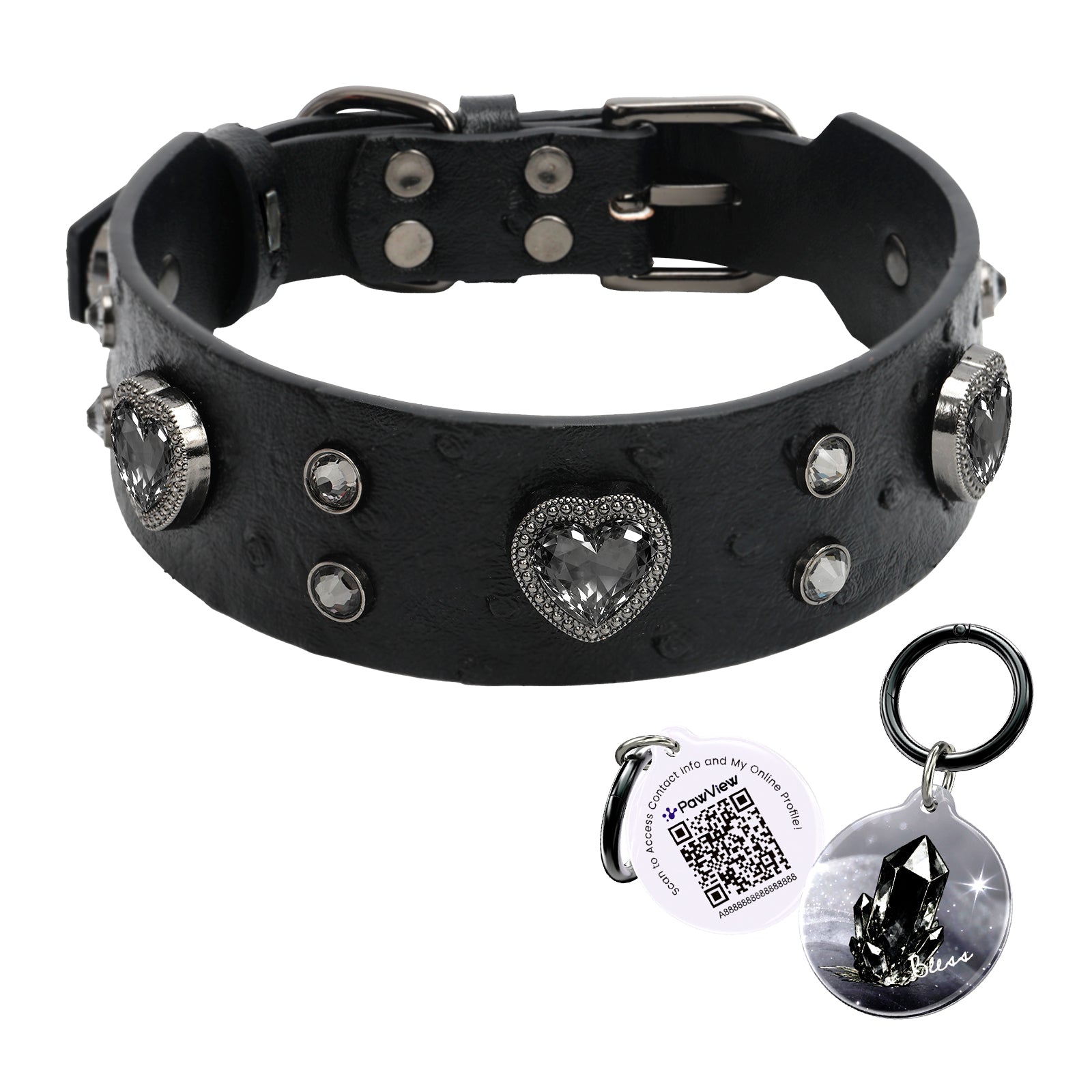
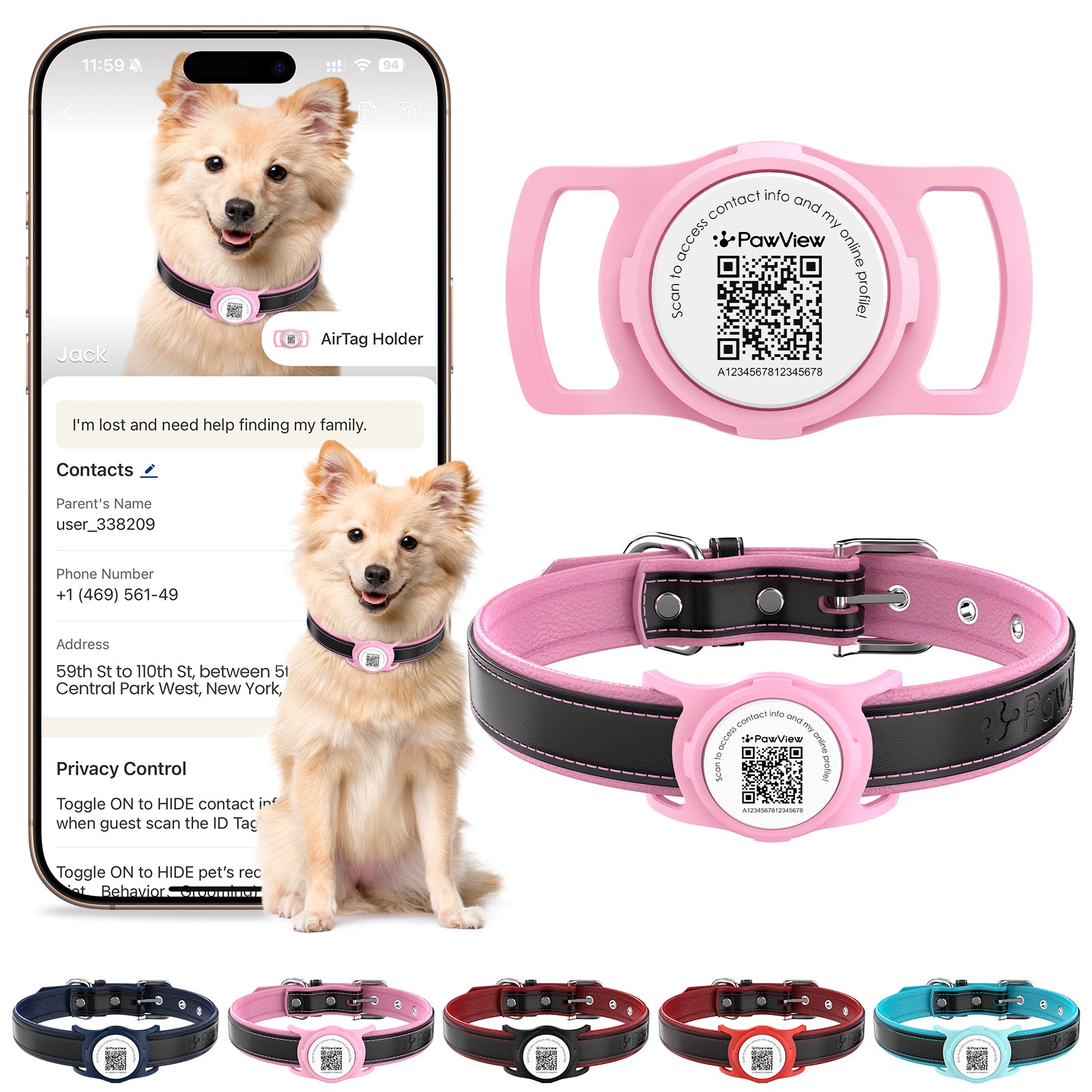
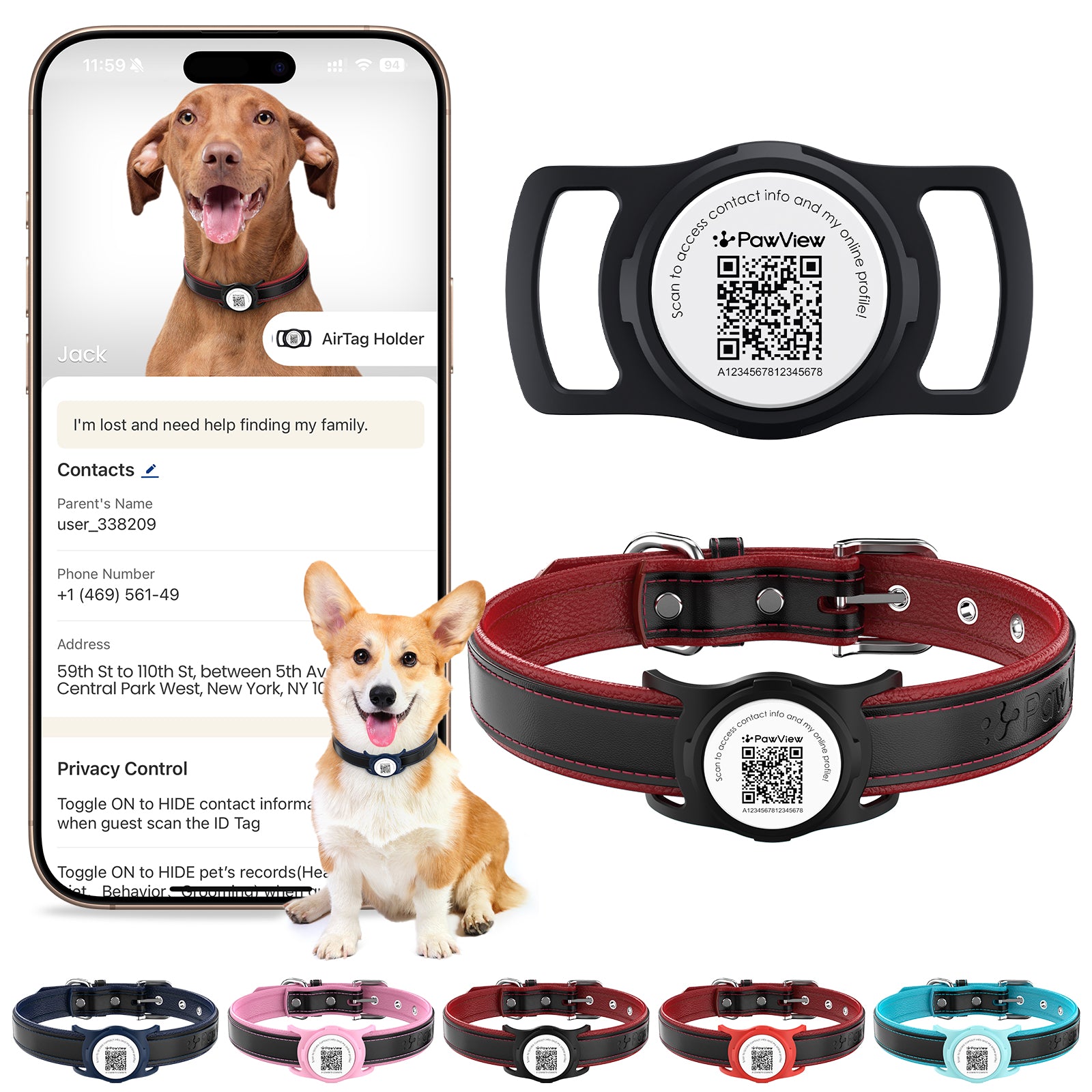
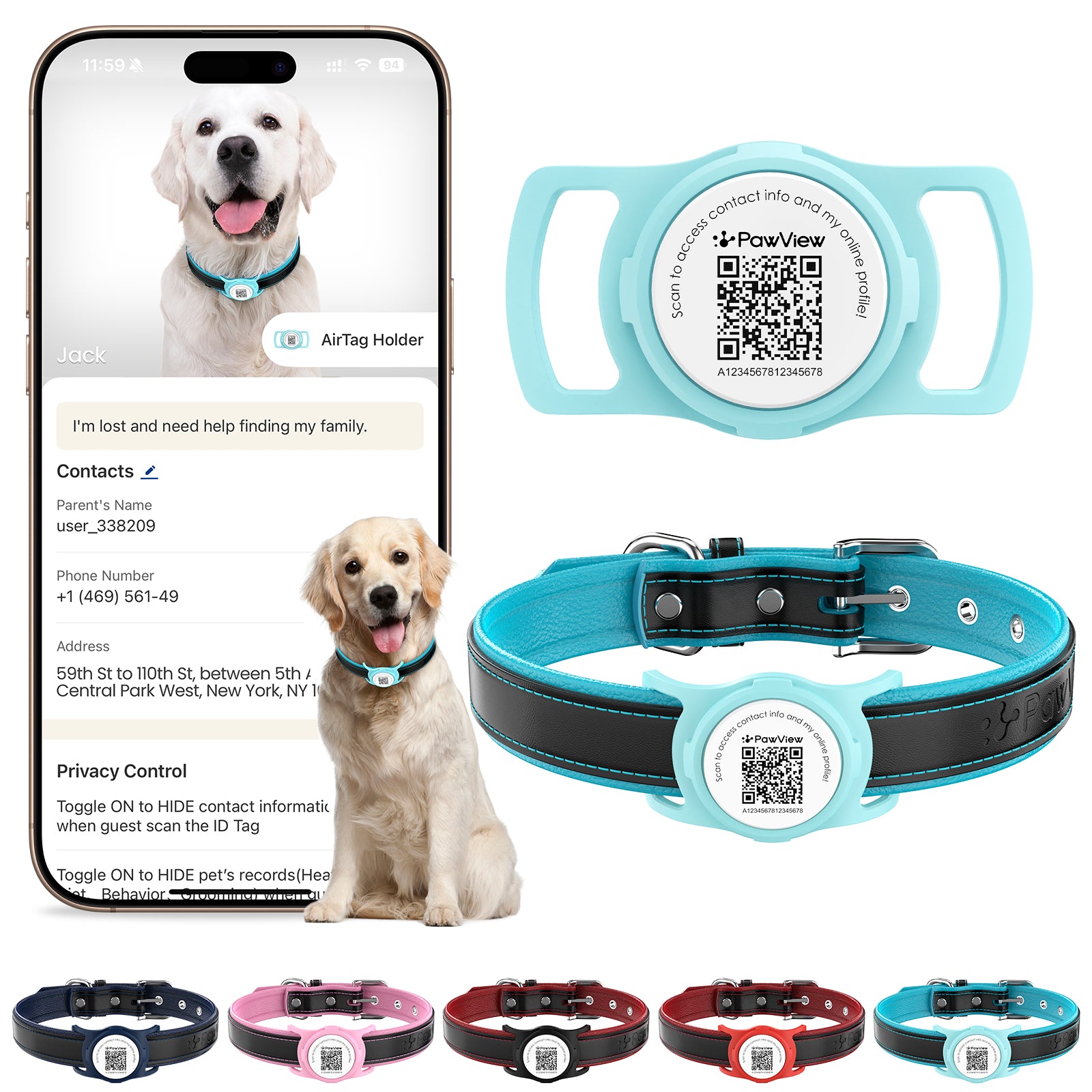
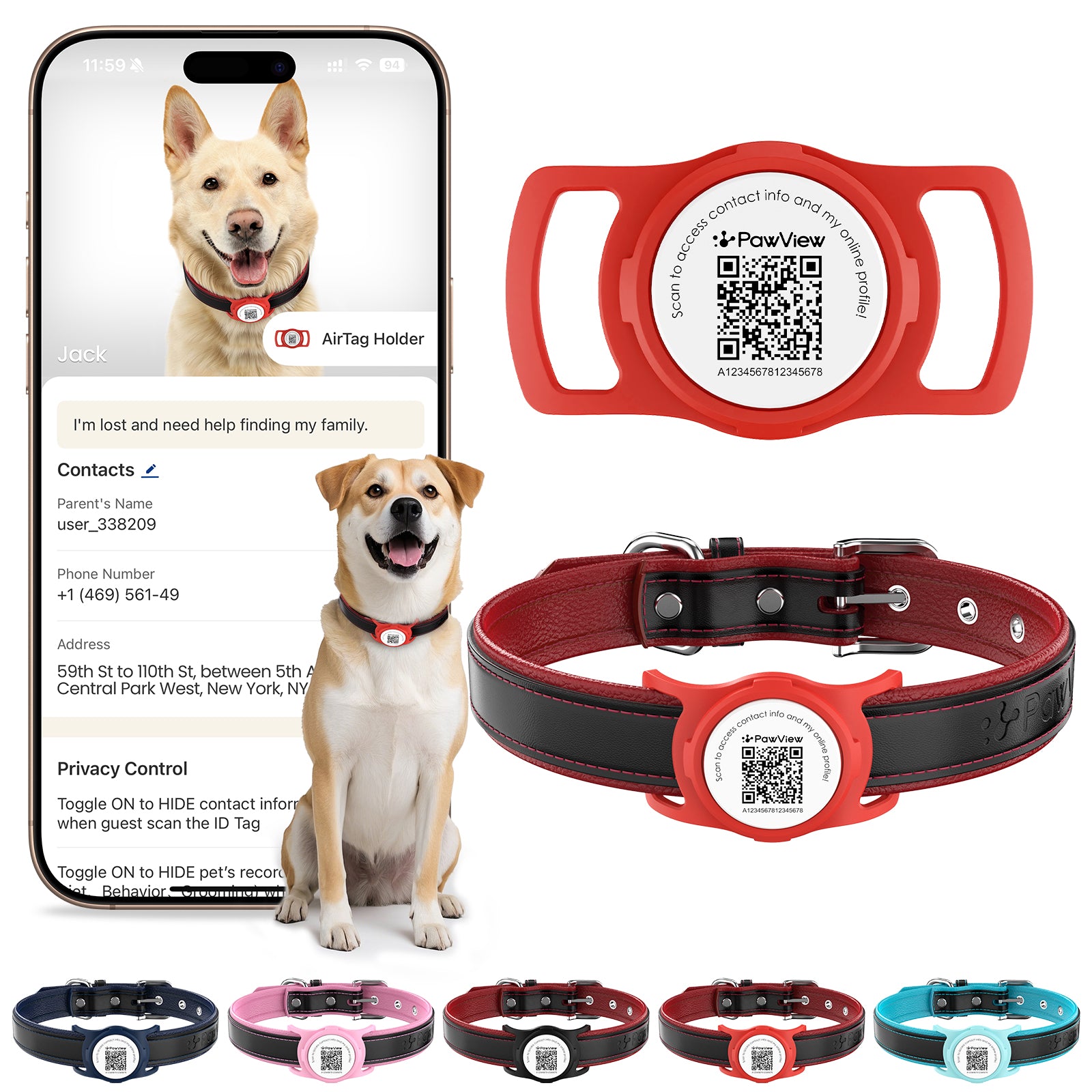
A smart pet ID tag is a wearable identification accessory attached to your dog's collar or harness. Unlike traditional engraved tags, which display a limited amount of information directly on the tag, smart ID tags use QR code and NFC technology to connect a physical tag to an online pet profile.
When a dog gets lost, someone who finds them can scan the QR code using a smartphone camera or tap the tag with an NFC-compatible phone. This allows the finder to access the pet's online profile and view the information the owner has chosen to share.
Depending on the profile and its available features, information may include:
-
Pet Information: Your dog's name, breed, and photos.
-
Owner Contact: Phone numbers and other contact details.
-
Health Information: Important medical conditions or special care instructions.
-
Additional Details: Other information that may help someone care for your pet.
One major advantage of a smart pet ID tag is that its online information can be updated without replacing the physical tag. If your phone number changes or your pet's health information needs updating, you can modify the online profile instead of ordering a new engraved tag.
It provides a convenient way to make important pet information accessible when it matters most.
2. What Is a Pet Microchip?
A pet microchip is a tiny electronic identification device, approximately the size of a grain of rice, implanted beneath your dog's skin, usually between the shoulder blades.
Unlike a wearable ID tag, a microchip cannot be seen from the outside. It uses radio-frequency identification (RFID) technology to communicate with a compatible scanner.
Each microchip contains a unique identification number. When a veterinarian or animal shelter scans your dog, the scanner reads this number. Staff can then use it to look up the associated registration record and contact the registered owner.
An important distinction is that a microchip does not store your phone number or personal information directly. Instead, its identification number is linked to a registration database containing your contact details.
For a microchip to work effectively, it must be registered, and your contact information must remain up to date.
The American Veterinary Medical Association's microchipping FAQ explains how microchips work and why registration is essential.
Remember, a microchip is not a GPS tracker. It cannot show your dog's live location or track their movements.
3. Pet ID Tag vs. Microchip: What's the Difference?
Although both methods help identify lost pets, they serve different purposes.
| Feature | Smart Pet ID Tag | Microchip |
|---|---|---|
| Location | Attached to collar or harness | Implanted beneath the skin |
| Technology | QR code and NFC | RFID |
| How it is read | Compatible smartphone | Microchip scanner |
| Information | Linked to an online pet profile | Unique ID number linked to a registry |
| Accessibility | Can be accessed by someone who finds your dog | Usually requires a vet or shelter to scan |
| Can it be lost? | Yes, if the tag or collar is lost | Cannot fall off like a collar tag |
| GPS tracking | No | No |
The biggest difference is accessibility versus permanence.
A smart pet ID tag gives someone who finds your dog a convenient way to access your contact information. A microchip provides another form of identification that remains with your dog even if their collar is lost.
The American Animal Hospital Association's pet microchipping FAQs explain why microchips should complement visible identification rather than replace it.
4. Why Does Your Dog Need Both?
Imagine your dog accidentally escapes from your yard.
If they are wearing a smart ID tag, a neighbor can scan the QR code or use NFC to access the information you have shared and contact you.
But what happens if your dog loses their collar while running away?
This is where a microchip becomes especially valuable. If someone takes your dog to a veterinary clinic or animal shelter, staff can scan for the microchip and use its registration information to help contact you.
Each identification method offers a different benefit:
-
Smart Pet ID Tag: Provides accessible contact information for anyone who finds your dog.
-
Microchip: Offers permanent identification if your dog loses their collar or tag.
-
Using Both: Creates an additional layer of protection in unexpected situations.
The ASPCA's position on pet identification supports combining implanted microchips with collars and personalized ID tags.
Neither method guarantees that a lost dog will be returned, but using both can improve the opportunities for a successful reunion.
5. Why Consider a QR Code and NFC Smart Pet ID Tag?
Traditional engraved tags are useful, but the amount of information they can display is limited.
A smart pet ID tag offers greater flexibility by connecting a physical accessory to a digital pet profile.
QR codes allow someone to scan the tag using a smartphone camera, while NFC provides another convenient option through a simple tap with a compatible phone.
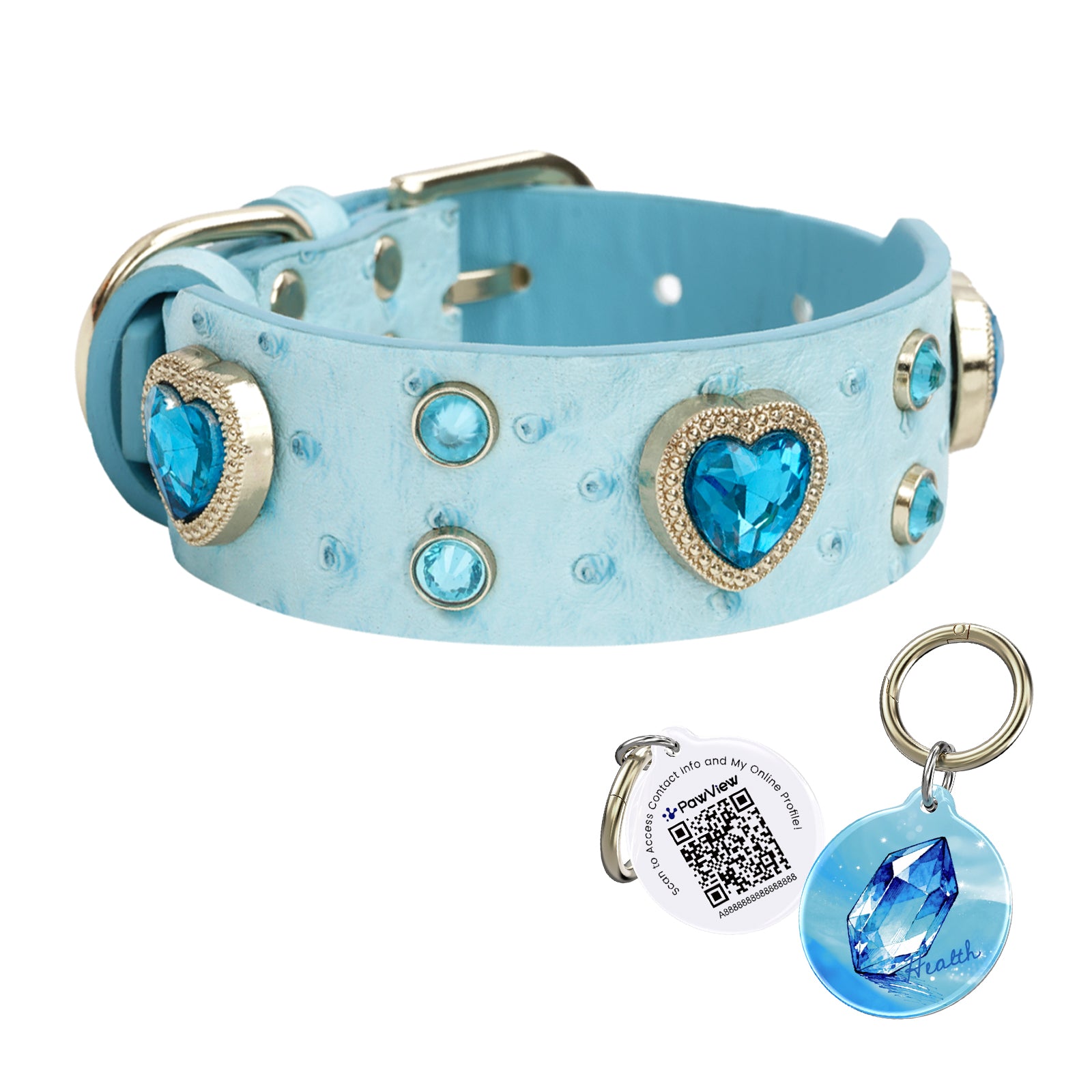
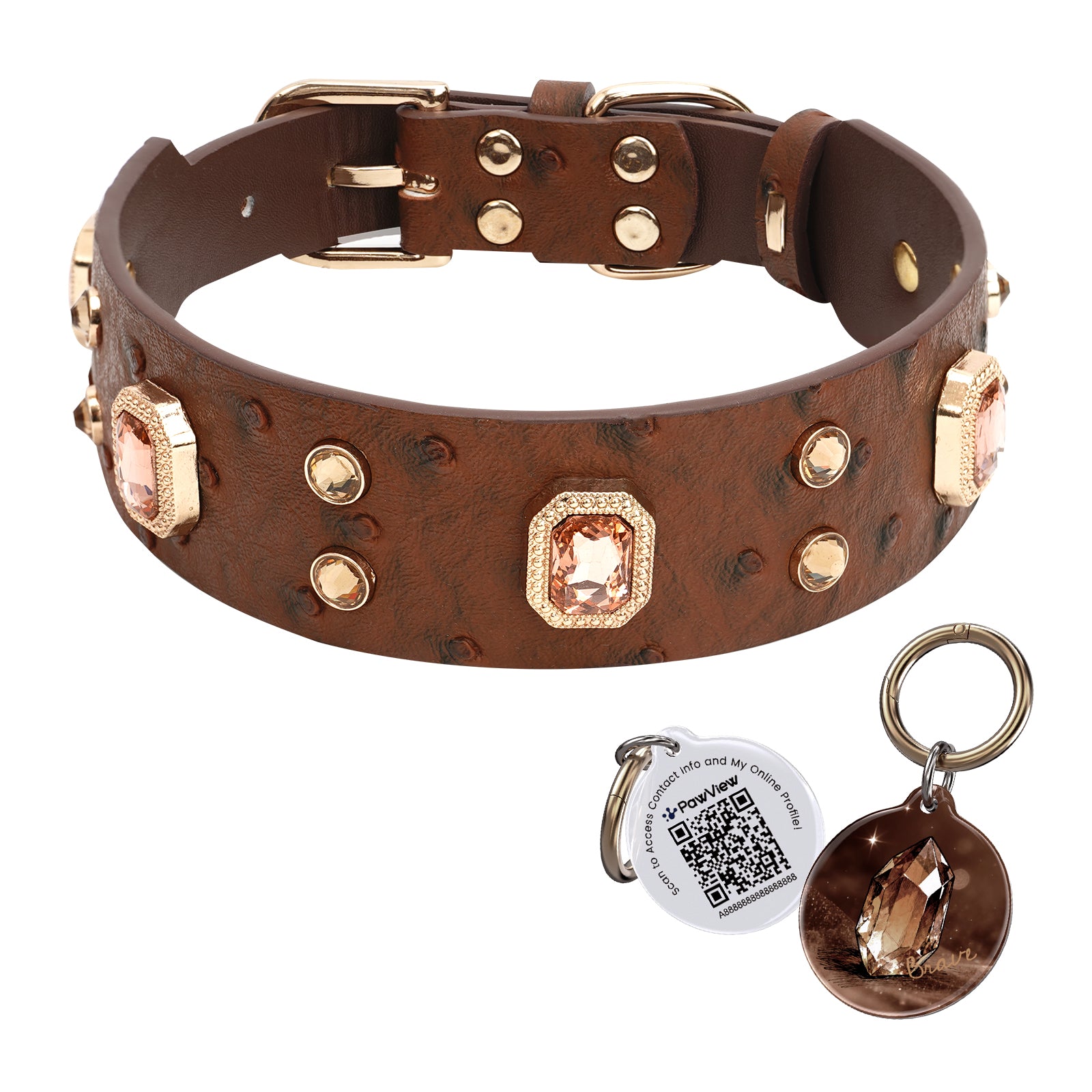
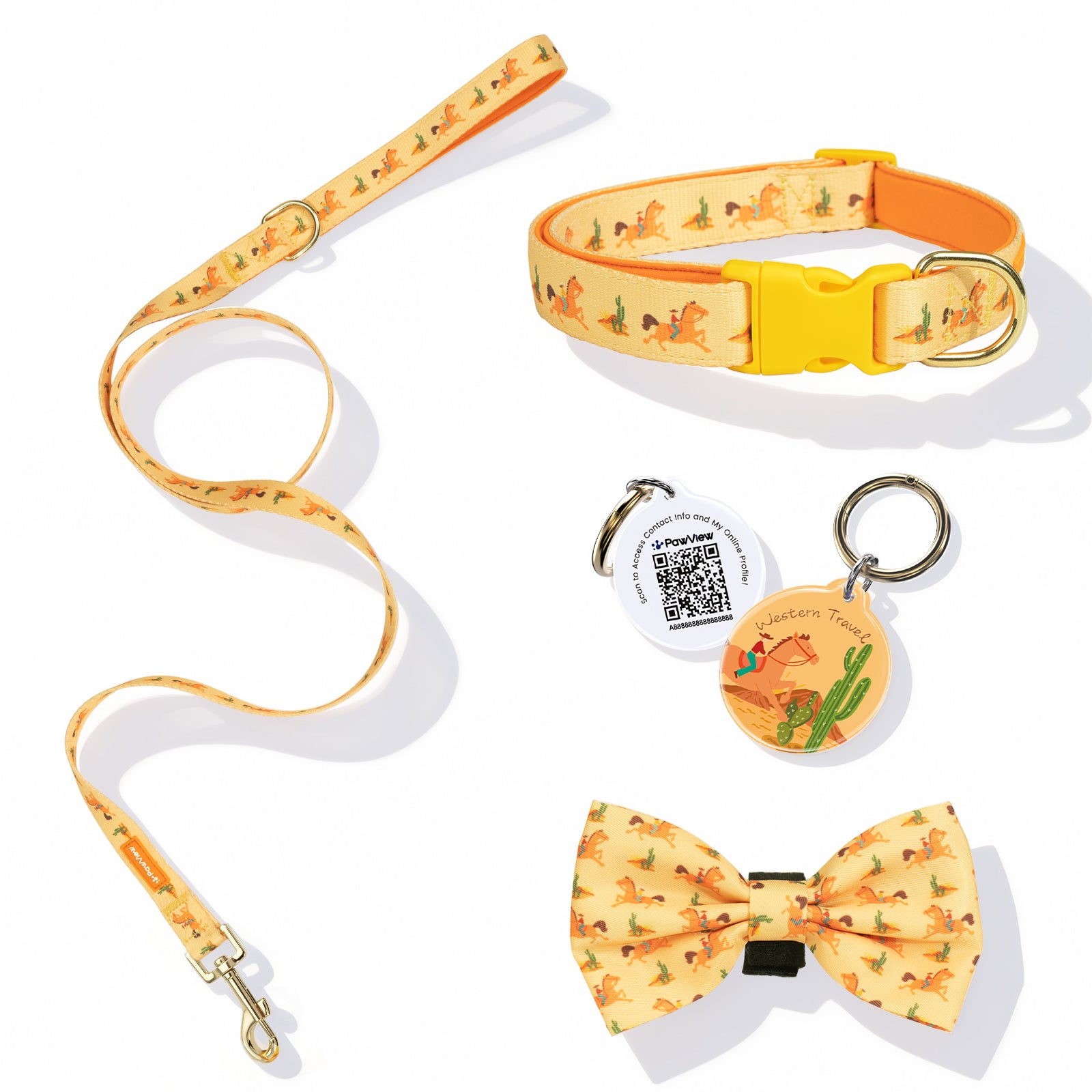
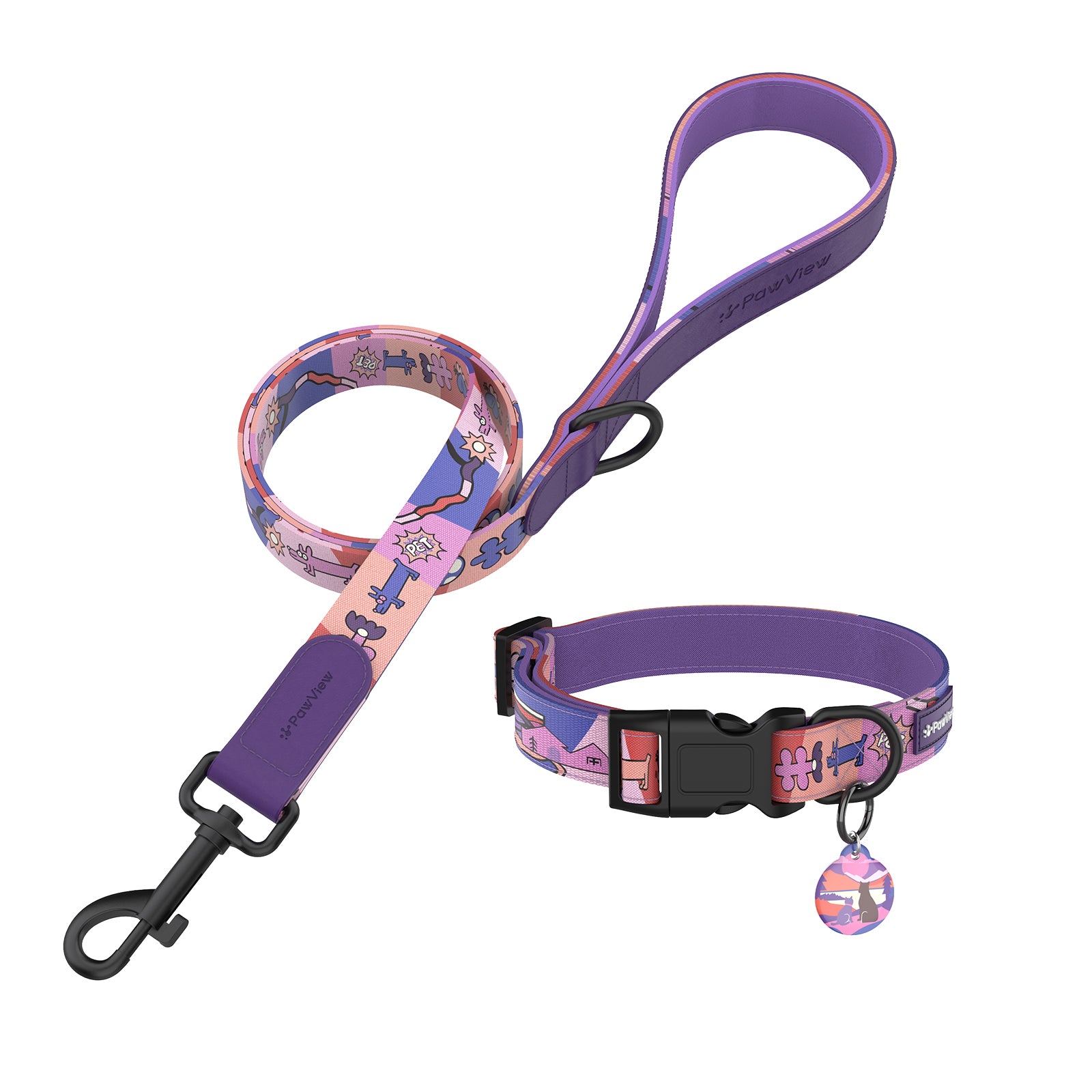
For pet owners who want both identification and flexible information management, the PawView NFC & QR Code Smart Pet ID Tag is worth considering.
It connects your dog's physical ID tag to a modifiable online pet profile, allowing you to manage the information you choose to share. Its lightweight, silent silicone design also makes it suitable for everyday wear.
This gives someone who finds your dog a convenient way to access important information and contact you without relying solely on a small engraved name or phone number.
A smart pet ID tag is still an identification tool, not a GPS tracker. Its purpose is to make your pet's information accessible and help facilitate contact with the owner.
6. How to Keep Your Dog's Identification Information Updated
Having an ID tag or microchip is only useful if the information is accurate and accessible.
Follow these simple habits to keep your dog's identification effective:
Update your contact details. Check your phone number and other contact information whenever something changes.
Keep your microchip registered. Implantation alone is not enough. Make sure the microchip is registered with a recovery database.
Check your microchip regularly. Ask your veterinarian to scan it during routine checkups to confirm that it can still be detected.
Review your online pet profile. Make sure your pet's details are accurate and that the information you want to share is accessible.
Check your physical ID tag. Make sure it remains securely attached to your dog's collar or harness and is not damaged.
The ASPCA's guide to finding a lost pet also emphasizes the importance of current identification and contact information when trying to reunite lost pets with their families.
Final Thoughts: Give Your Dog More Than One Layer of Protection
So, pet ID tag vs. microchip: does your dog need both?
A microchip provides permanent identification, while a visible smart ID tag gives someone who finds your dog a convenient way to contact you. Neither replaces the other.
Combining both methods creates a more complete identification system and helps prepare you for unexpected situations.
At PawView, we believe every pet deserves to be protected and every pet parent deserves greater peace of mind.
Because protecting your pet isn't just about preventing them from getting lost. It's also about helping them find their way home.


