














Few things are more frightening for a dog owner than watching their pet suddenly rush through an open door or disappear during a walk. Dogs may run away because they are curious, frightened, bored, excited by other animals, or simply following an interesting scent.
Although no prevention method can guarantee that a dog will never get lost, good habits, a secure environment, and consistent training can significantly reduce the risk.
If you are wondering how to prevent your dog from running away, here are practical steps you can incorporate into everyday life.
1. Understand Why Dogs Try to Escape
Before preventing escape behavior, it helps to understand what motivates it.
Common reasons include:
-
Curiosity: Exploring unfamiliar smells, people, or animals.
-
Chasing instincts: Following squirrels, cats, birds, or other moving objects.
-
Fear: Running away from fireworks, thunderstorms, or sudden noises.
-
Boredom: Looking for stimulation when daily activities are insufficient.
-
Separation anxiety: Trying to escape because being alone causes distress.
Understanding the reason behind your dog's behavior helps you choose the right prevention strategy.
Dogs Trust's guide to why dogs escape and how to prevent it explains common escape triggers and practical ways to manage them.
2. Make Your Home and Yard Escape-Proof
Your home should be your dog's safest environment, but open doors, unsecured gates, and damaged fences can create unexpected escape opportunities.
Check your garden regularly for holes beneath fences, loose panels, damaged gates, and objects your dog could climb to get over a boundary.
When visitors arrive or family members leave, keep your dog behind a closed interior door or secure pet gate. This is particularly important for dogs that become excited when they see someone approaching.
You can also teach your dog to wait at the entrance instead of rushing toward an open door.
The American Animal Hospital Association's advice on preventing dogs from running away covers secure fencing, basic commands, and appropriate daily exercise.
3. Keep Your Dog Secure During Walks
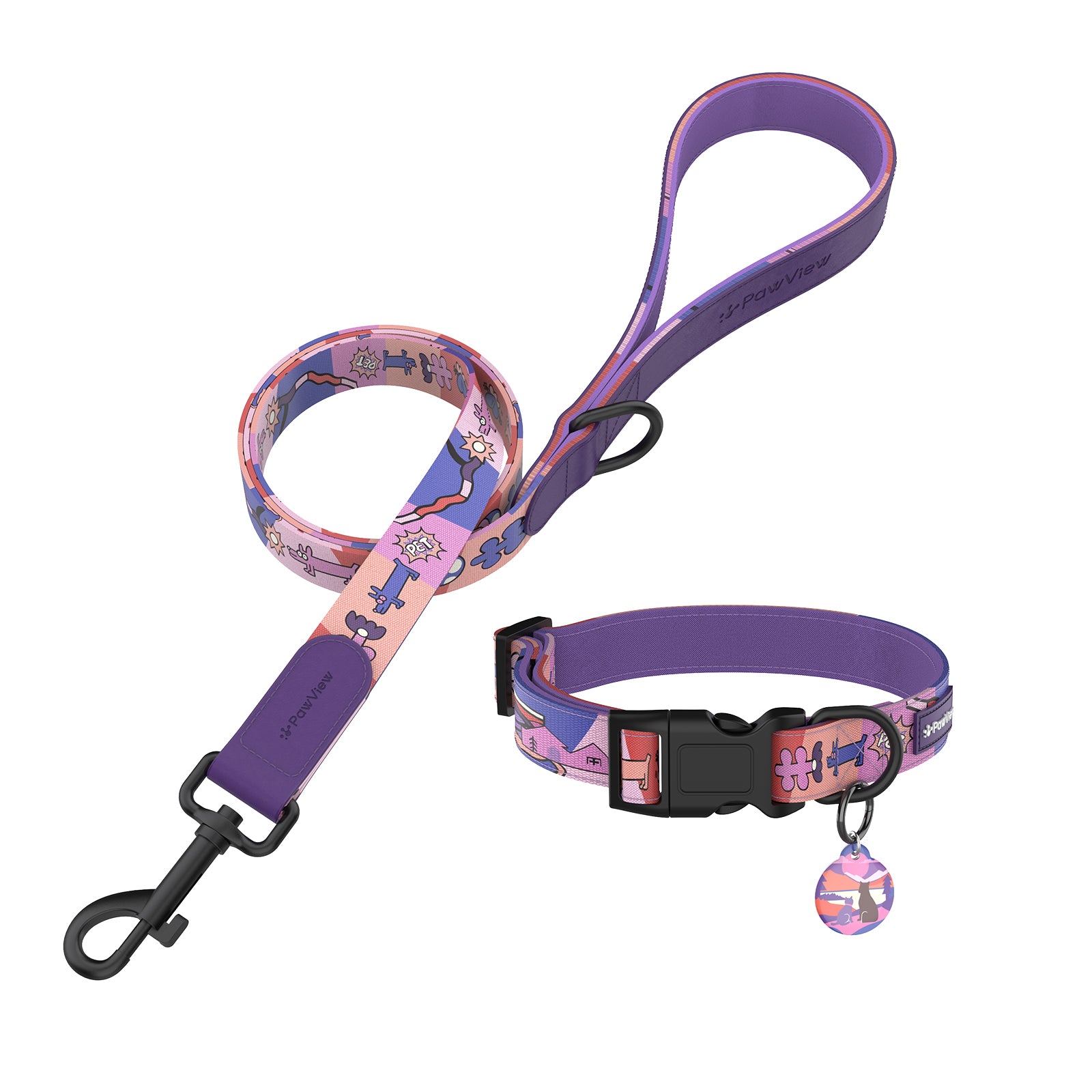
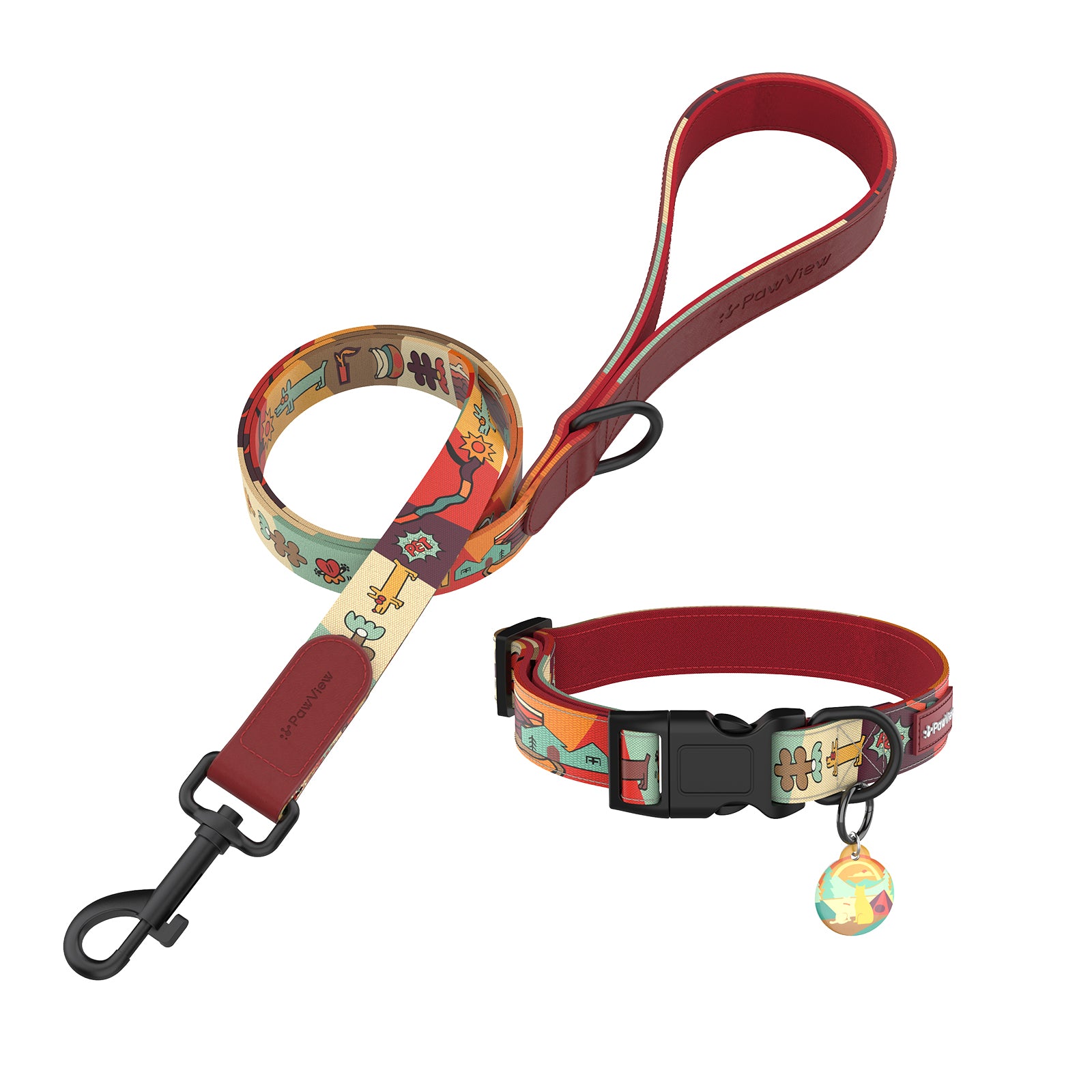
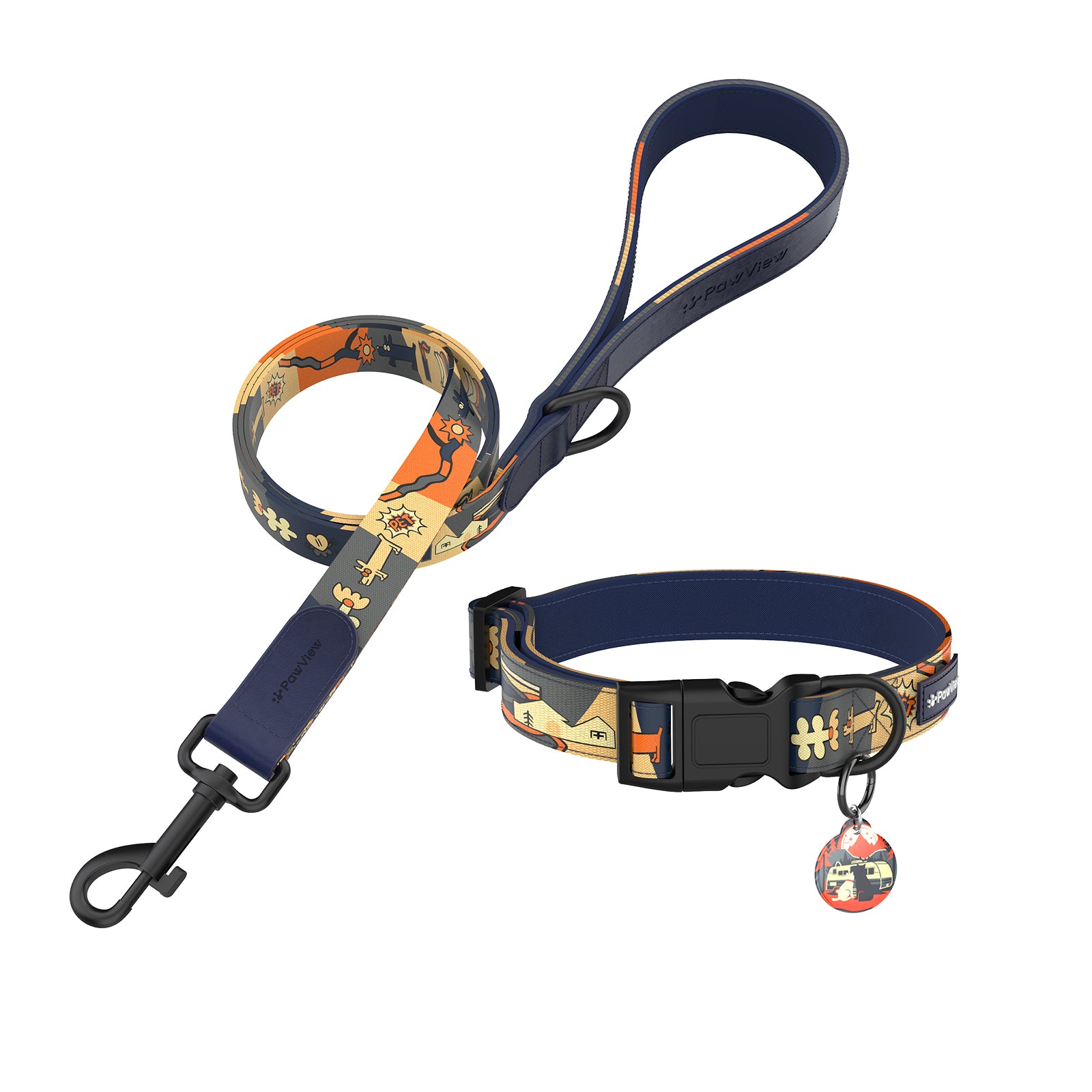
A secure leash and properly fitted harness or collar are essential for outdoor safety.
Choose walking equipment that fits your dog's body without being too loose or restrictive. Regularly inspect buckles, clips, stitching, and attachment points, especially if your dog pulls or moves energetically.
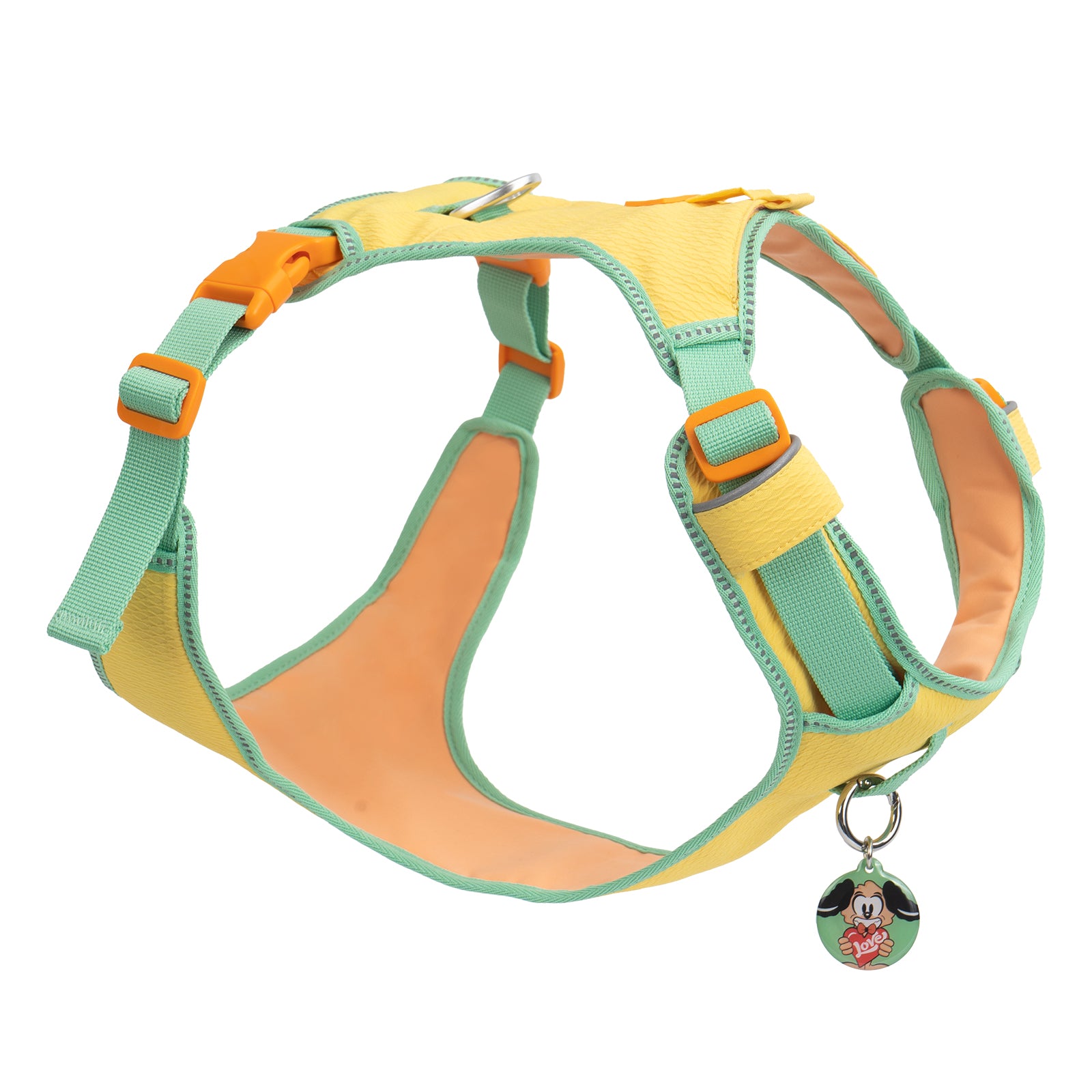
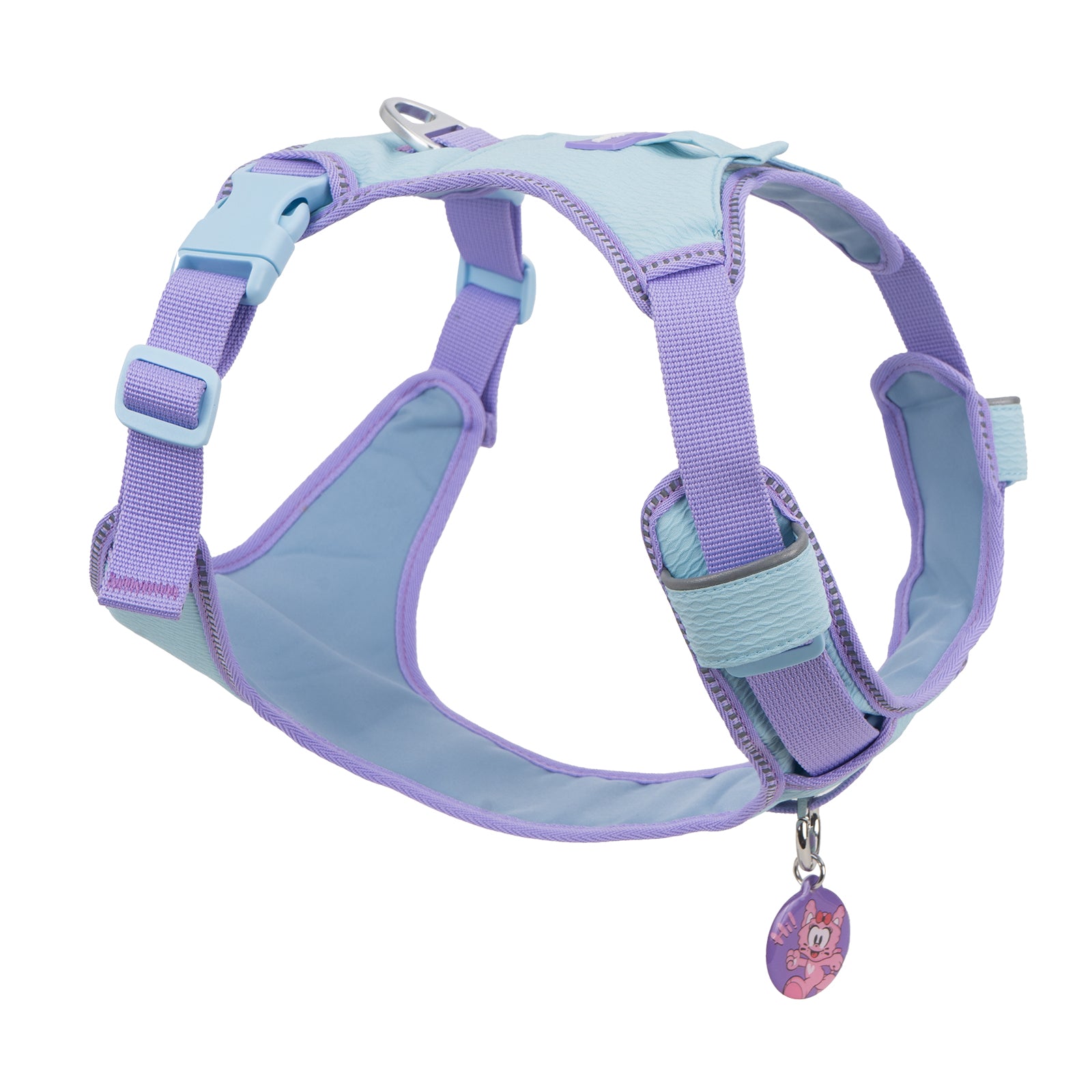
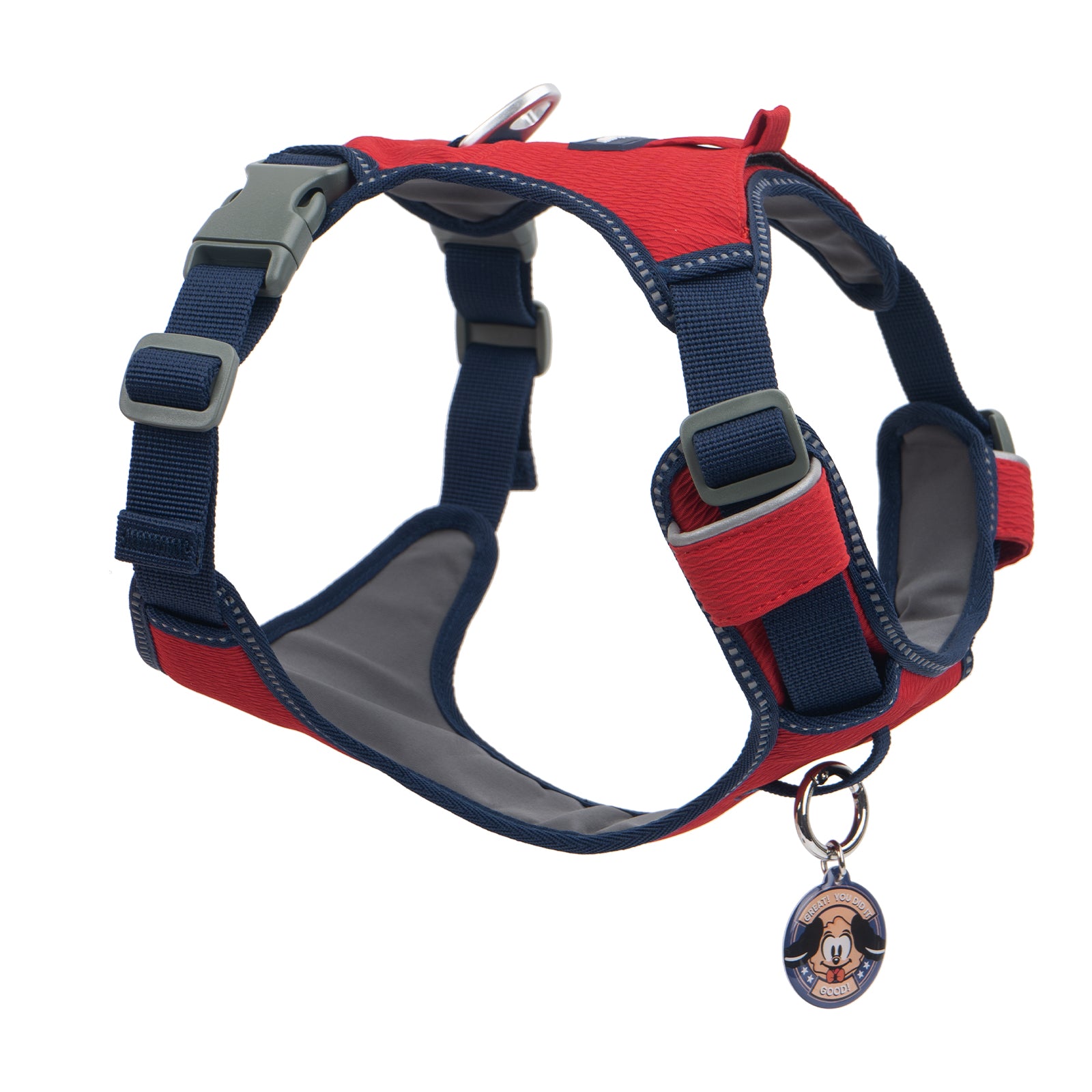
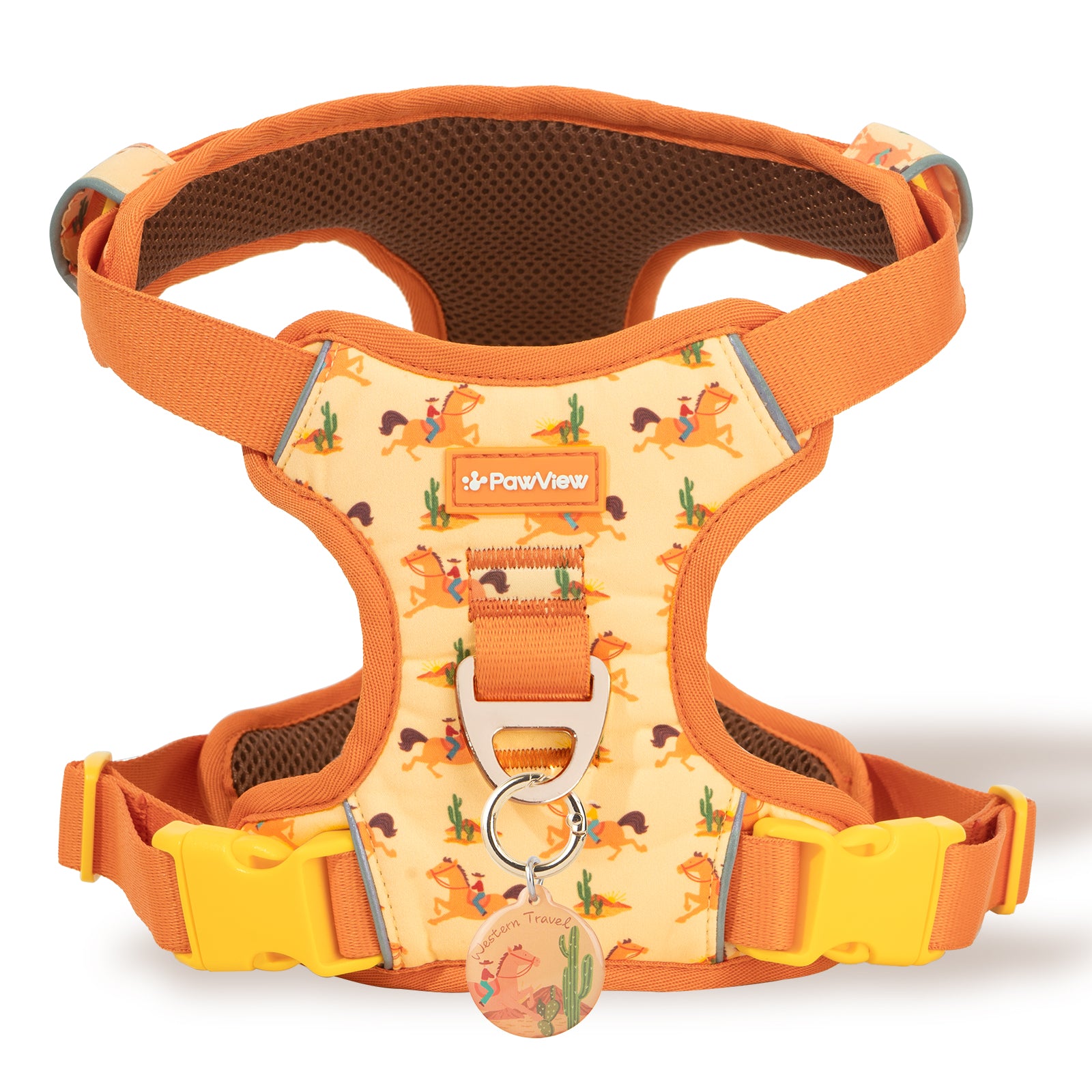
If your dog has a habit of backing out of a harness, reconsider the design and fit. For additional walking equipment options, explore PawView's dog harness collection.
Never rely on training alone when walking near busy roads or unfamiliar environments. Keep your dog leashed unless you are in a secure area where off-leash activity is permitted.
Even a well-trained dog may react unexpectedly to wildlife, sudden noises, or unfamiliar people.
4. Teach a Reliable Recall Command
One of the most valuable skills you can teach your dog is to come back when called. This is known as recall training.
A reliable recall can help you regain your dog's attention when something unexpected happens.
Start indoors in a quiet environment:
-
Choose a consistent command, such as "Come" or "Here."
-
Call your dog's name followed by the command in a cheerful voice.
-
When your dog approaches, immediately reward them with a favorite treat or toy.
-
Repeat the exercise in short, positive sessions.
-
Gradually increase the distance and introduce mild distractions.
-
Practice outdoors using a long training line before attempting more challenging environments.
The American Kennel Club's guide to reliable recall training provides additional exercises for building a stronger response.
Always make returning to you a positive experience. Never punish your dog for coming back, even if they took longer than expected. Otherwise, they may become reluctant to return the next time you call.
A strong recall is valuable, but it does not replace a leash or secure fencing.
5. Provide Enough Exercise and Mental Stimulation
Sometimes, dogs try to escape because their daily routines do not provide enough opportunities to explore, play, and use their natural instincts.
Regular walks, interactive toys, food puzzles, scent games, and short training sessions can help keep dogs physically and mentally engaged.
The right amount of activity depends on your dog's age, breed, health, and individual personality.
For dogs that enjoy exploring, structured walks with opportunities to sniff can be especially rewarding. A predictable routine can also help dogs feel more settled at home.
If your dog repeatedly tries to escape when left alone, consider whether separation-related anxiety may be involved. Persistent escape attempts or self-injury deserve professional assessment.
6. Make Sure Your Dog Can Be Identified
Even with careful supervision and training, accidents can happen. Your dog may slip through an open gate, escape during a storm, or become separated from you in an unfamiliar place.
That is why identification should always be part of your dog safety routine.
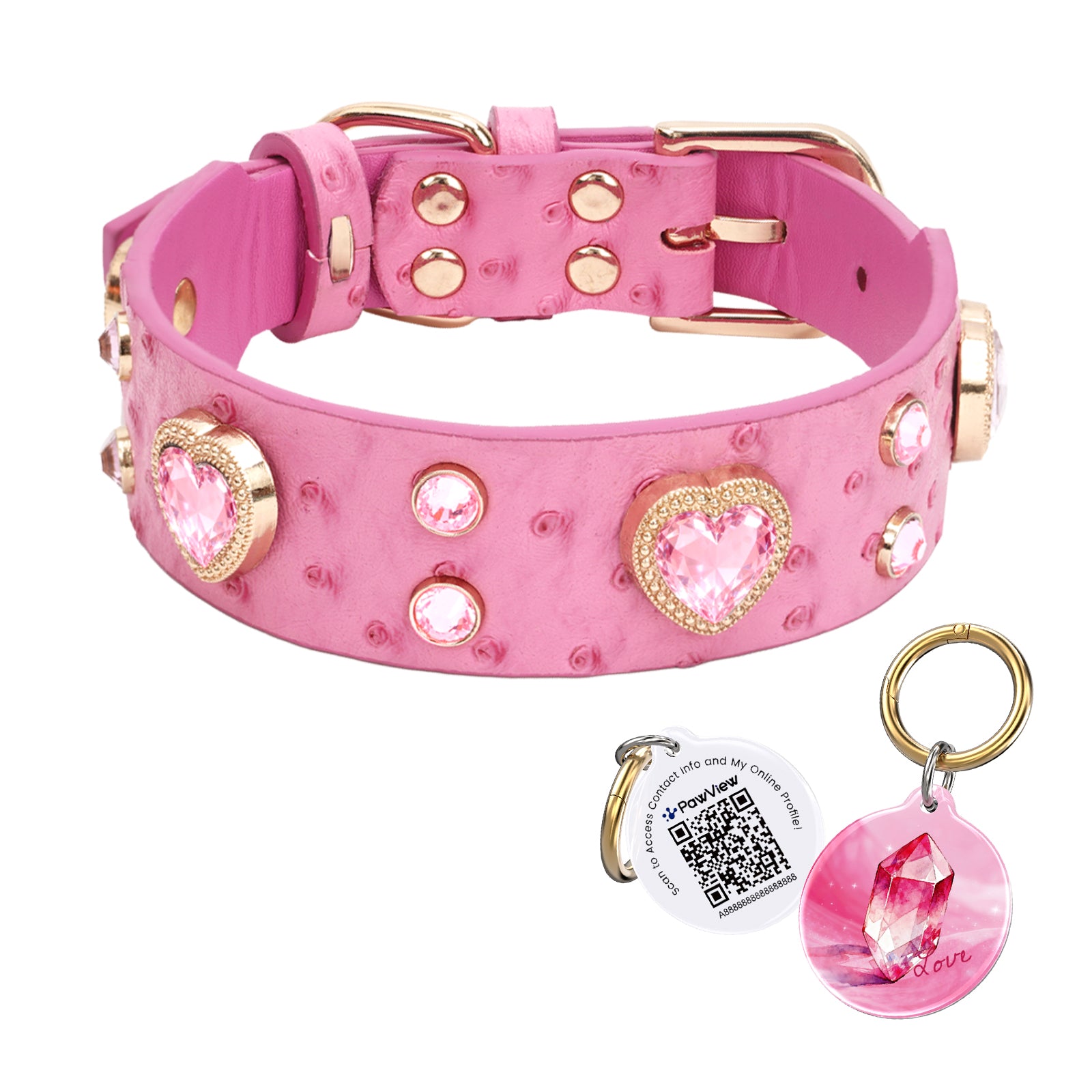
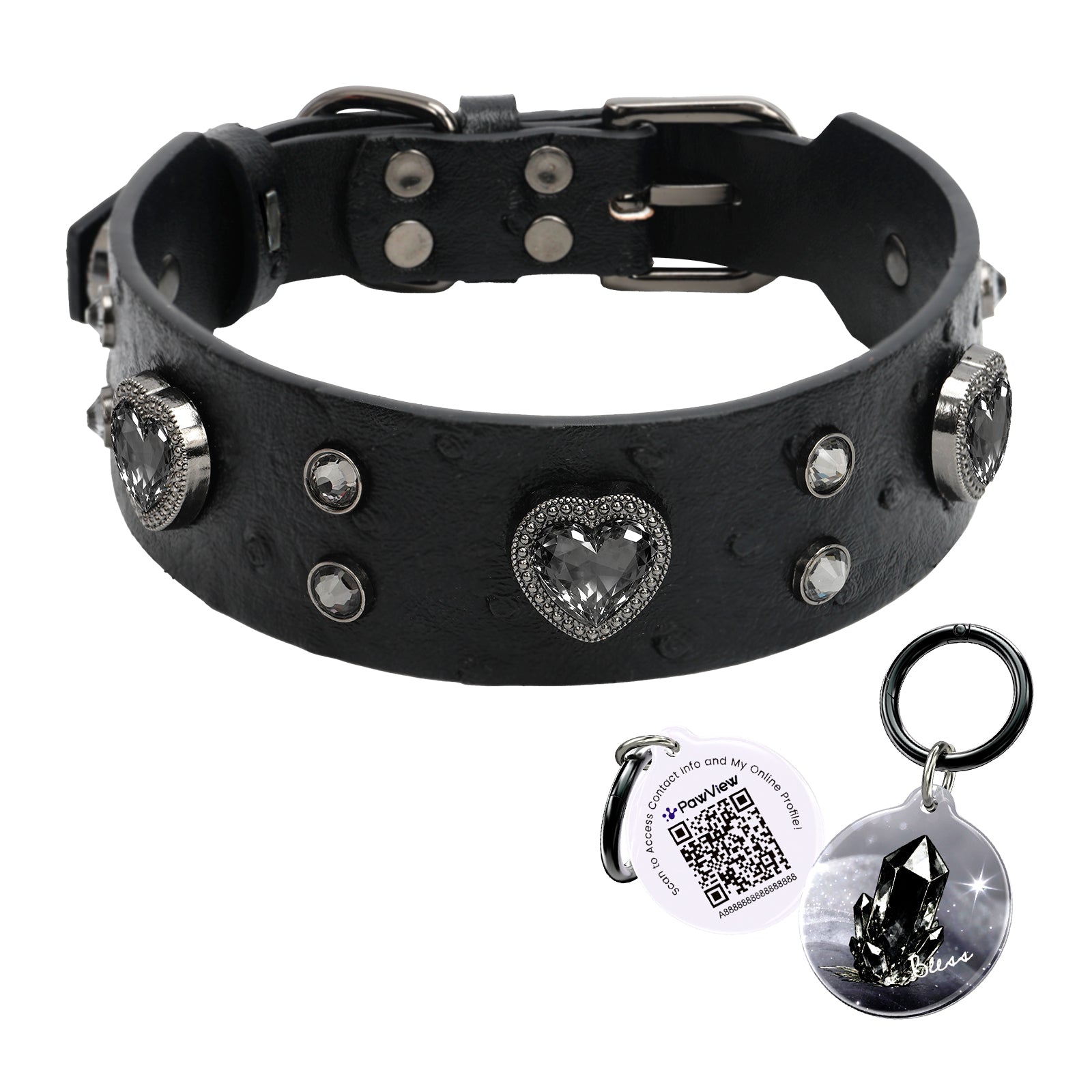
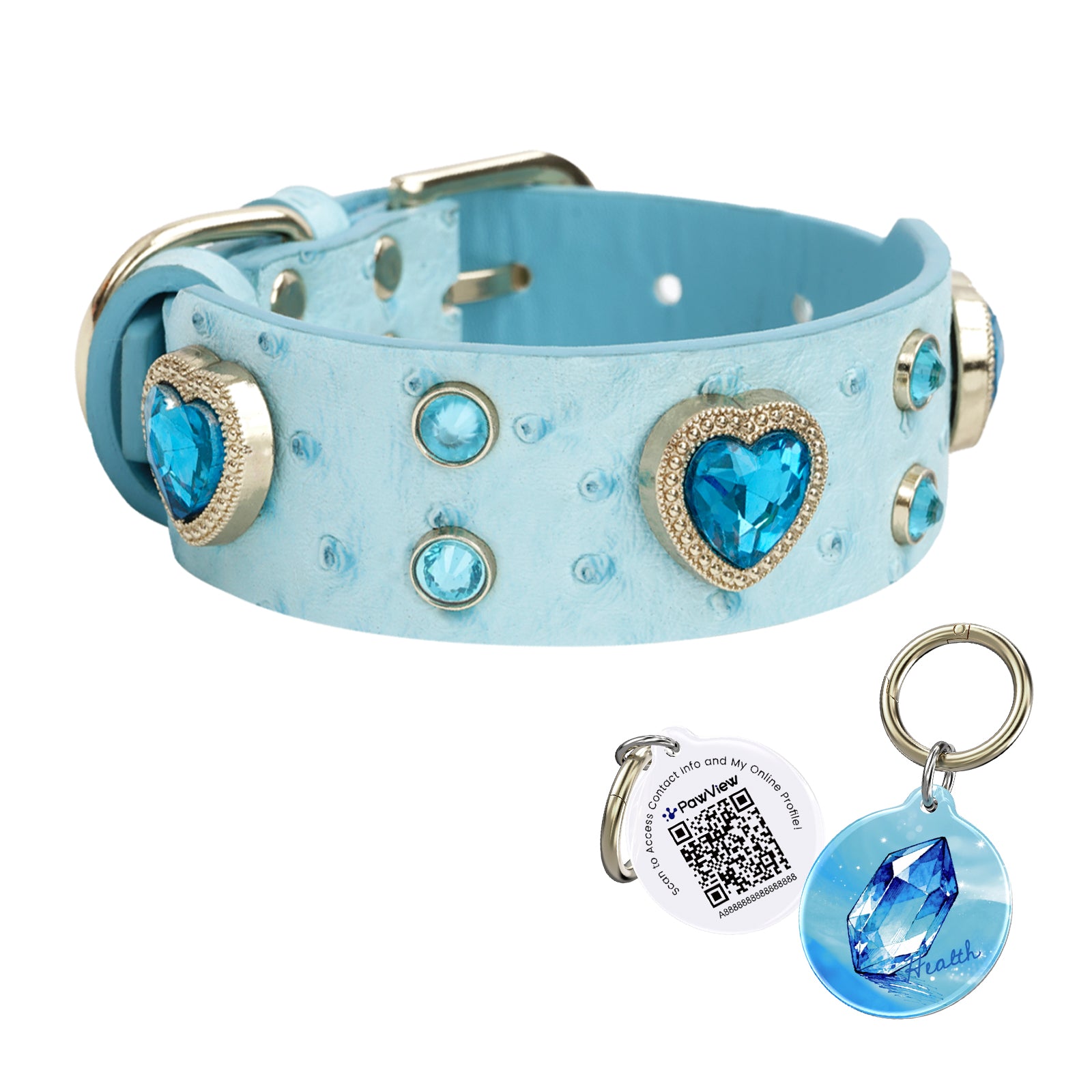
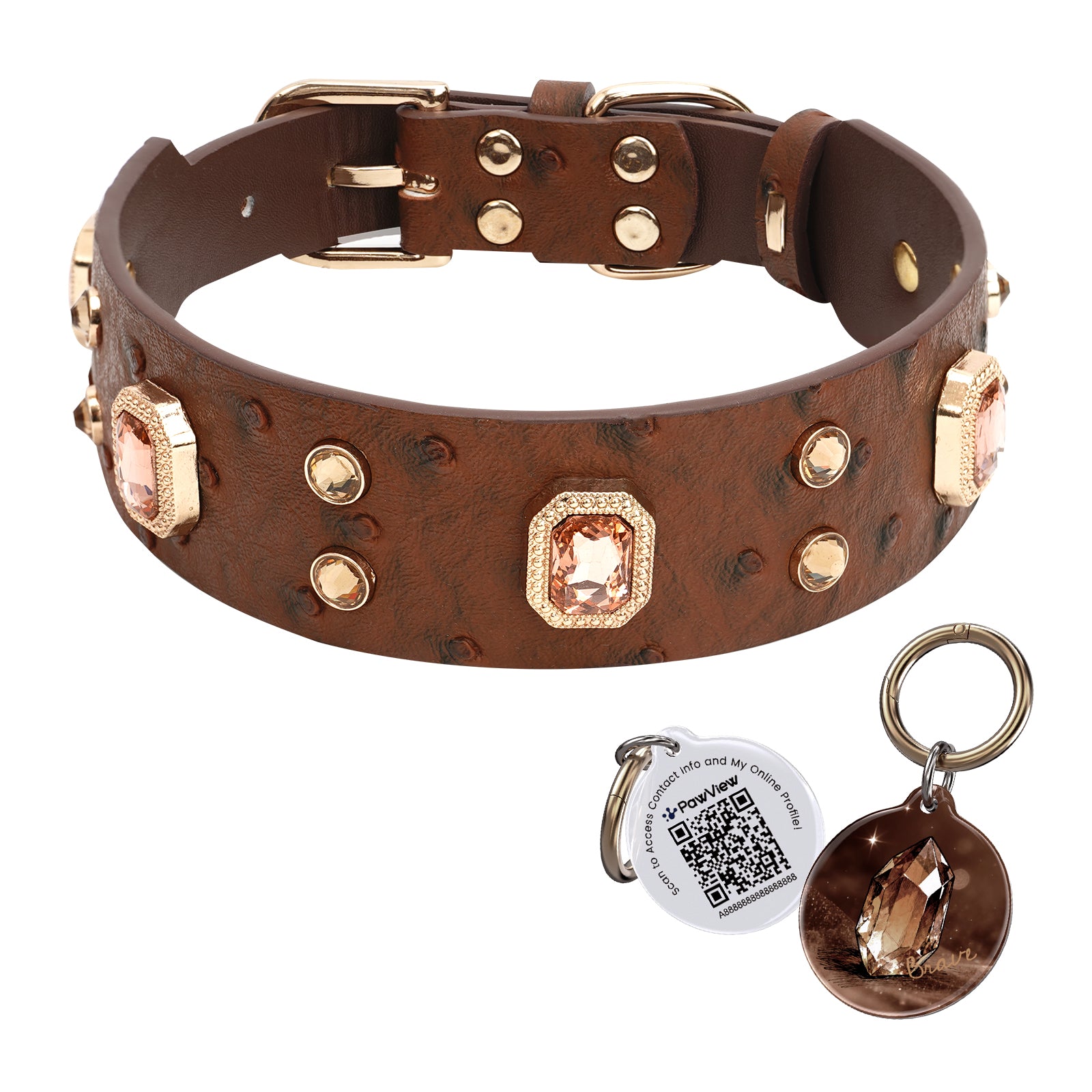
Make sure your dog wears a collar with an up-to-date identification tag. Your phone number should be easy to read, and your contact information should remain current.
A registered microchip provides another layer of permanent identification. The American Veterinary Medical Association's microchipping FAQ explains how microchips help reunite lost pets with their owners.
A microchip is not a GPS tracker and cannot show your dog's current location. It is best used alongside a visible ID tag.
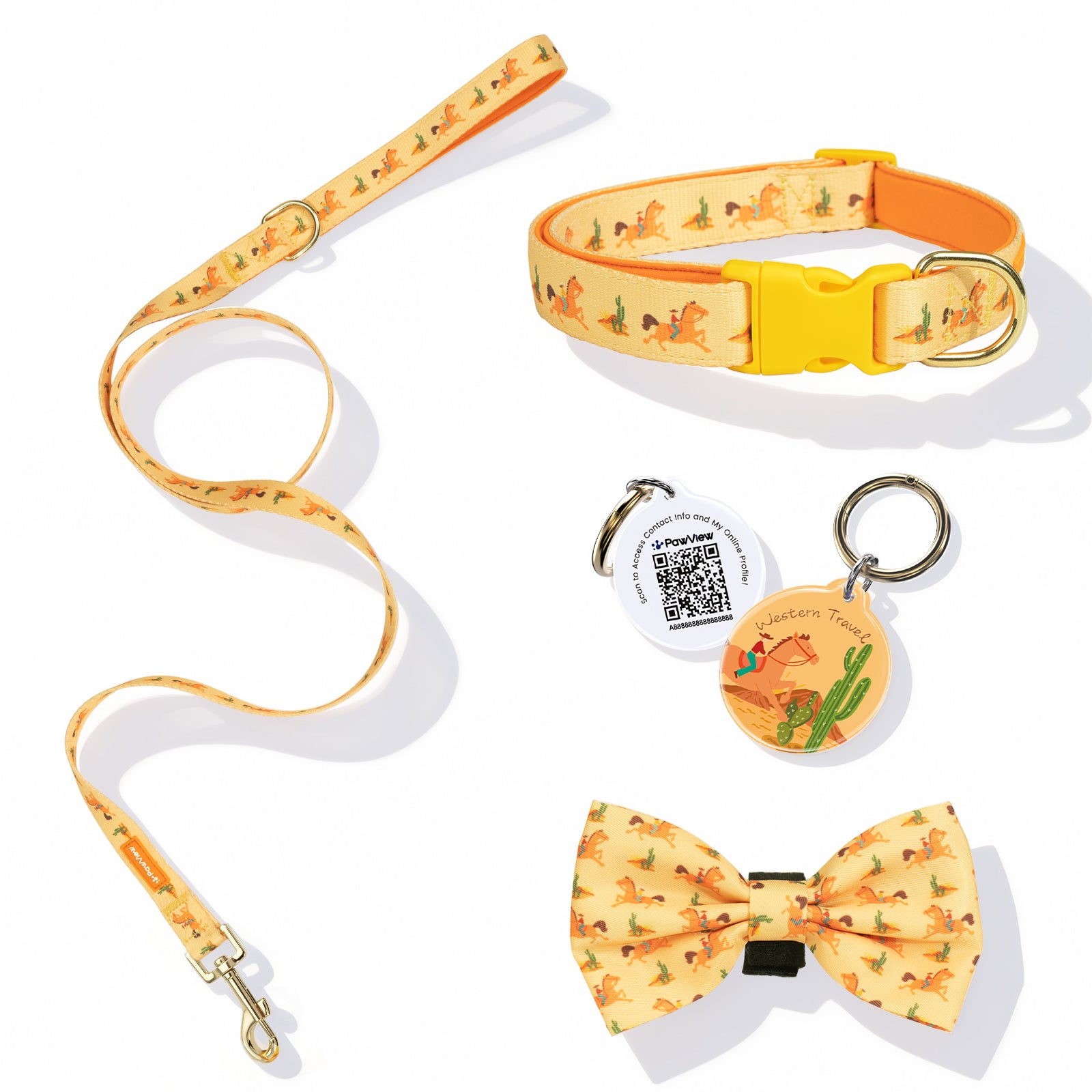
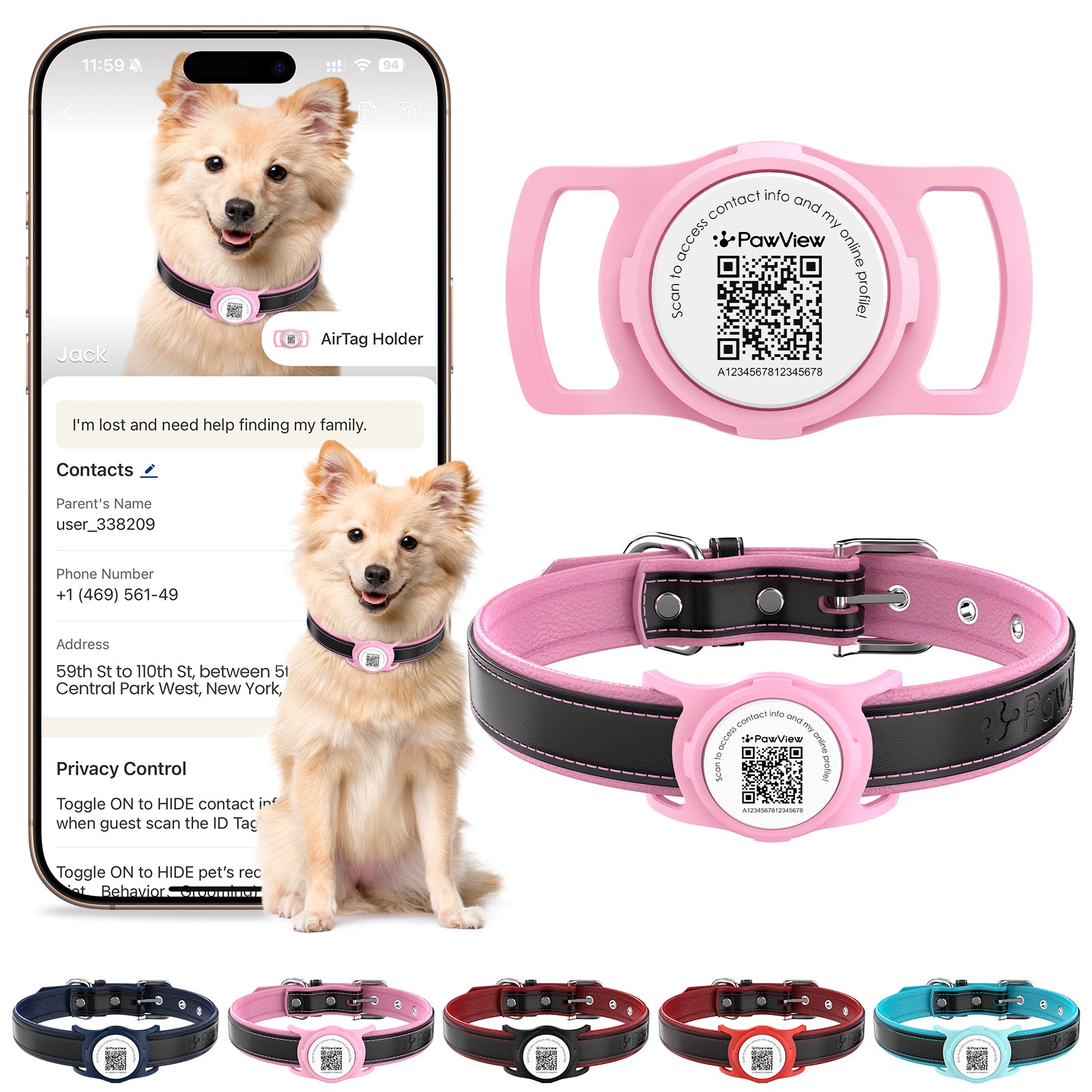
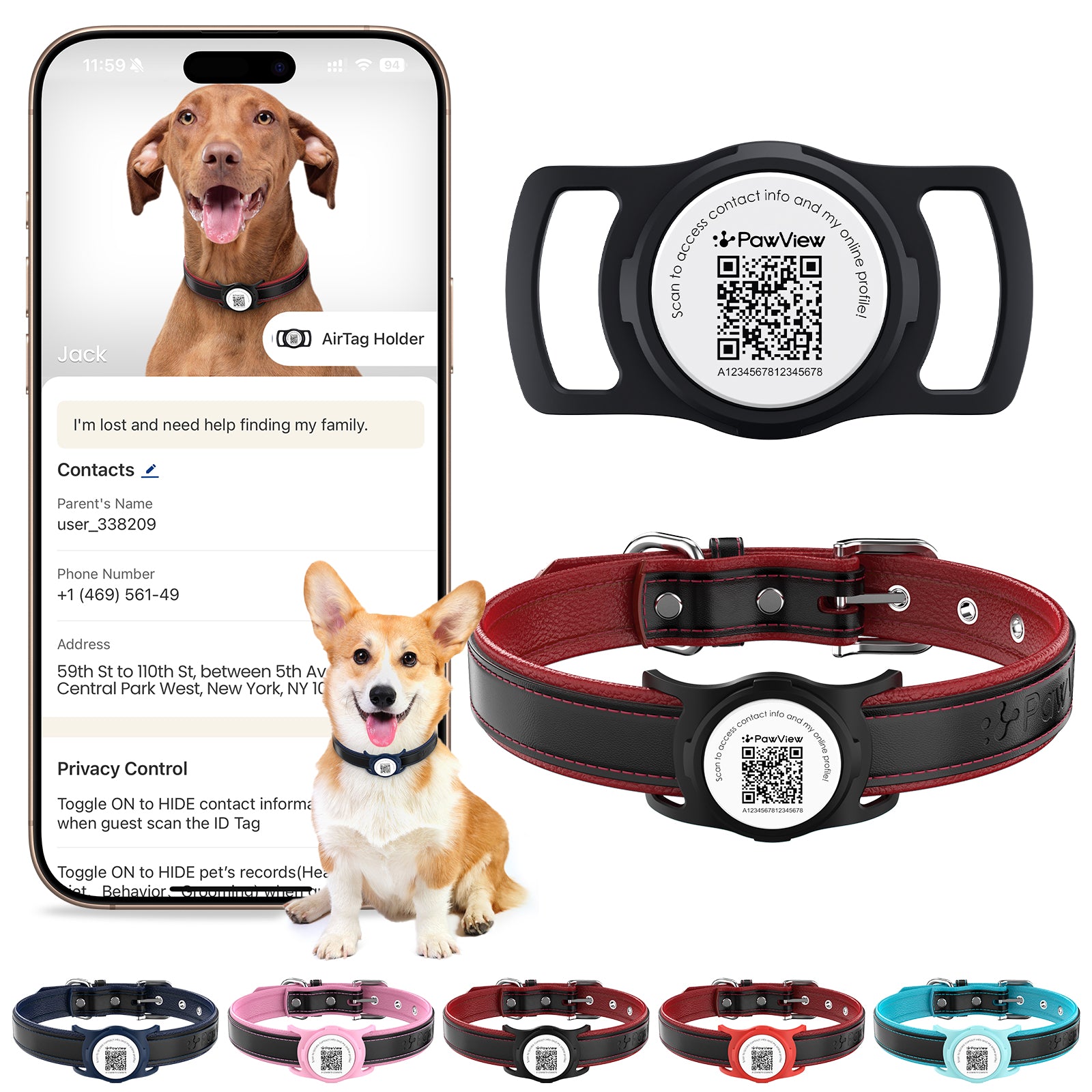
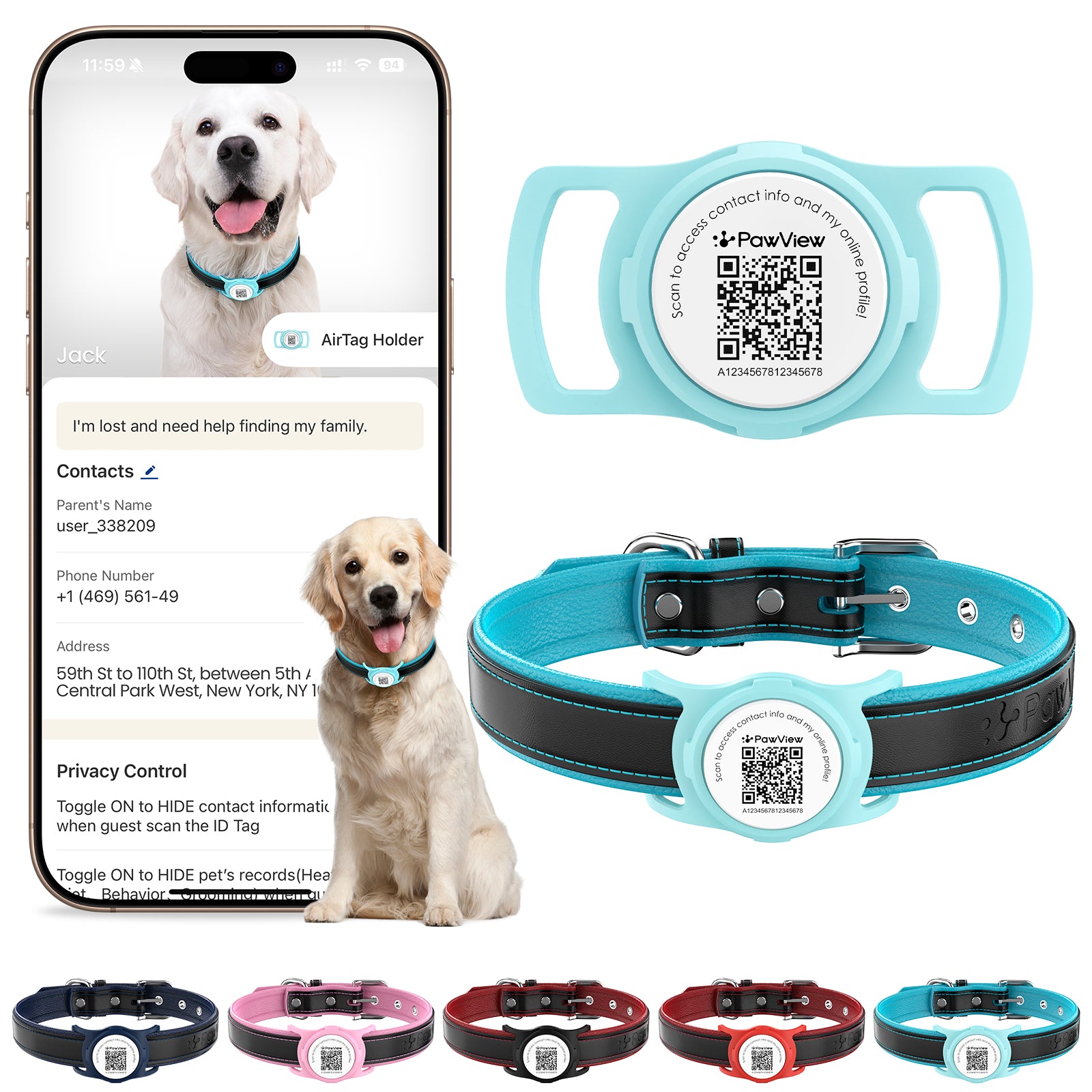
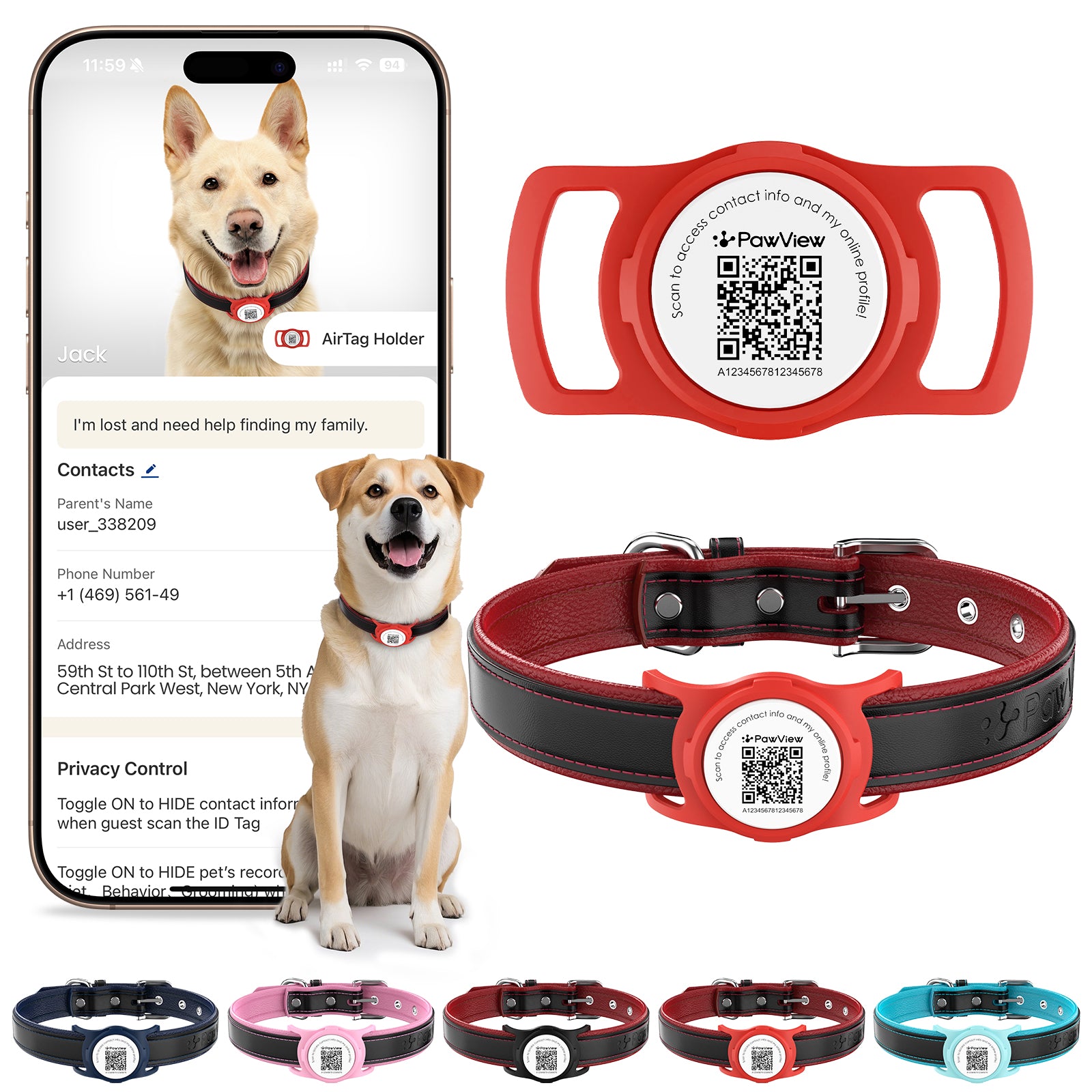
For an additional layer of identification, consider the PawView NFC & QR Code Smart Pet ID Tag.
It connects your dog's physical ID tag to an online pet profile. If someone finds your dog, they can scan the QR code or use NFC to access the contact information and pet details you choose to share.
The tag cannot prevent escapes or track your dog's location, but it provides another way for a finder to contact you if your dog becomes separated from you.
7. Build Everyday Habits That Prevent Escapes
Preventing your dog from running away is not a one-time task. It requires consistent habits from everyone in the household.
Before opening the front door, make sure your dog is safely behind a barrier. Check gates before letting them into the yard, inspect walking equipment regularly, and keep identification details updated.
If your dog is frightened by fireworks or thunderstorms, bring them indoors and create a quiet, secure resting area before the noise begins.
Most importantly, make sure everyone who cares for your dog understands the same safety routines. Consistency makes prevention much more effective.
Keep Your Dog Close, Safe, and Happy
Learning how to prevent your dog from running away involves more than keeping doors closed. It means understanding your dog's behavior, providing enough activity, practicing recall, using secure walking equipment, and maintaining reliable identification.
No dog is completely predictable, and even responsible owners can experience unexpected situations. But a few consistent precautions can make a meaningful difference.
At PawView, we believe every pet deserves to be protected and every pet parent deserves greater peace of mind.
Keeping your dog safe isn't just about preventing them from getting lost—it's about helping them find their way home if the unexpected happens.


