














Choosing between a dog collar and a harness sounds simple until you start thinking about comfort, control, safety, training, and your dog’s needs.
So, collar vs. harness: which is better?
The short answer is that neither is automatically better for every dog. A collar is convenient for identification and everyday wear, while a well-fitted harness distributes leash pressure across the body and may be more comfortable for dogs that pull, have neck sensitivity, or need extra control.
The best choice depends on how your dog walks, their body type, health, training level, and what you need the gear to do.
What Is a Dog Collar Best For?
A flat dog collar is one of the simplest pieces of everyday pet gear. It sits around the neck, can hold identification tags, and usually includes a ring for attaching a leash.
According to VCA Animal Hospitals, a properly fitted flat collar should sit securely around the neck without constricting it. VCA also notes that collars are useful for carrying identification information, but a dog that pulls hard against a collar may place excessive pressure on delicate structures in the neck.
VCA Animal Hospitals: Collar and Harness Options for Dogs
For dogs that walk calmly on leash, a comfortable collar can be a practical option for short walks, identification, and daily wear.
Collars are lightweight, familiar, and easy to put on. If your dog is leash-trained and does not lunge or pull, you may not need the additional structure of a harness for every outing.
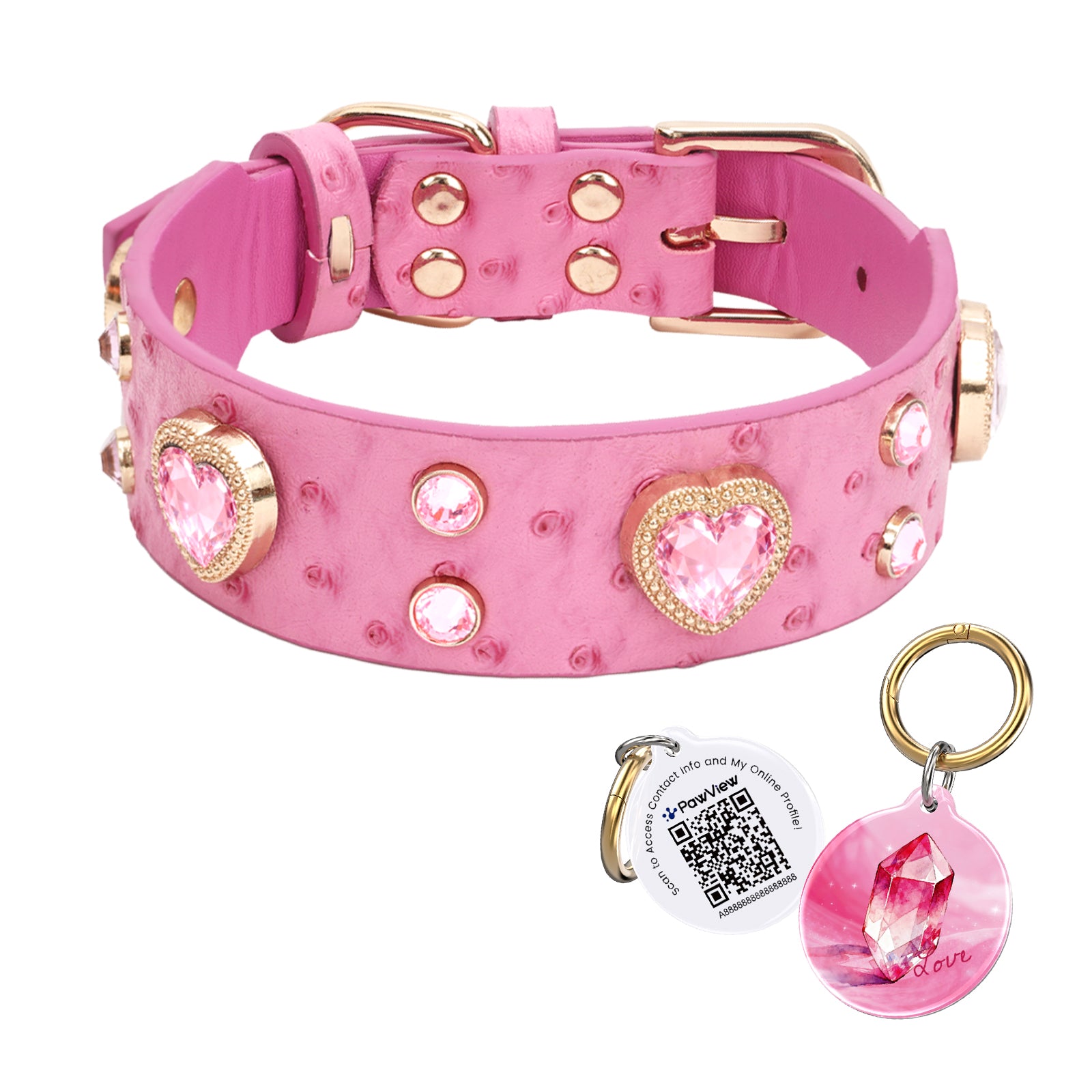
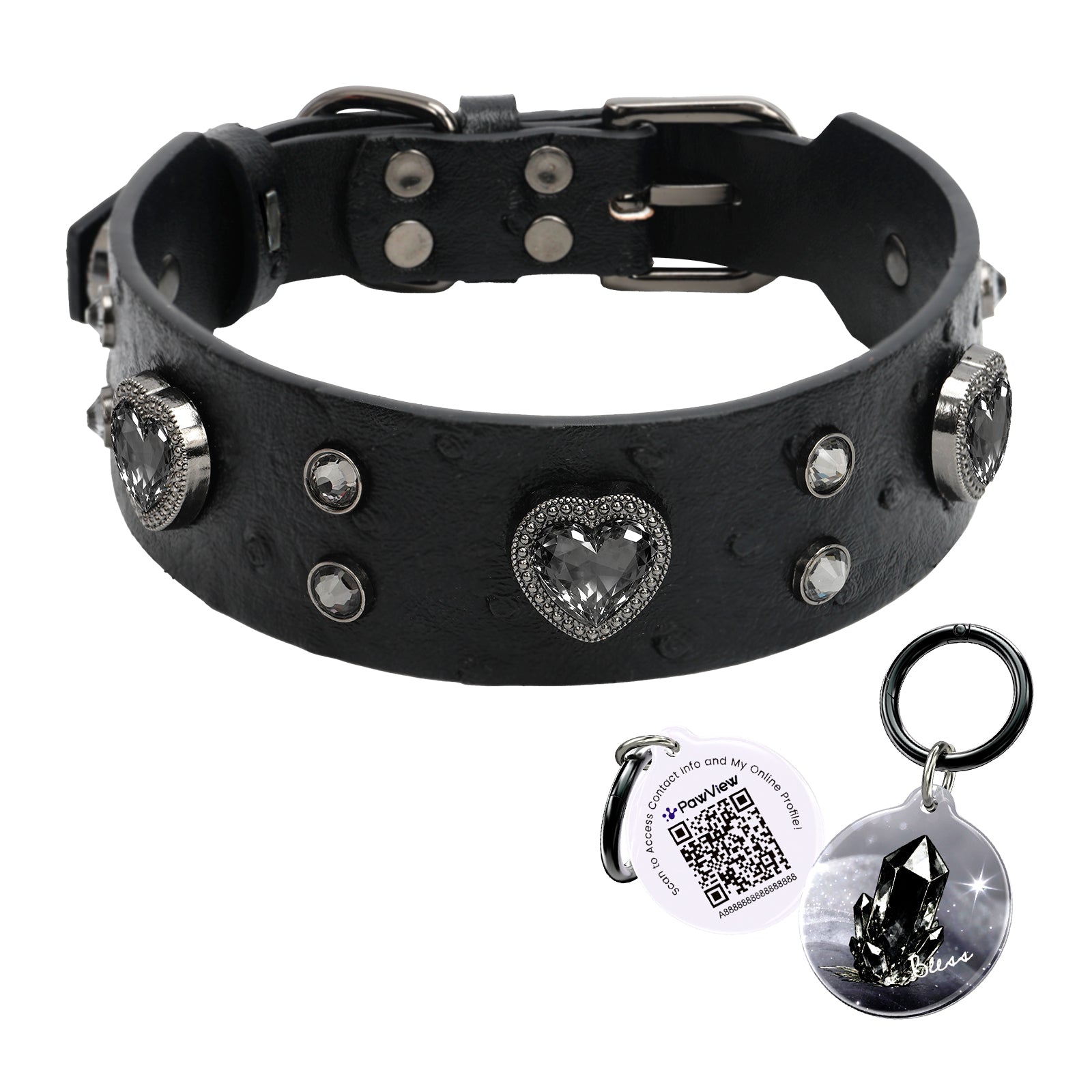
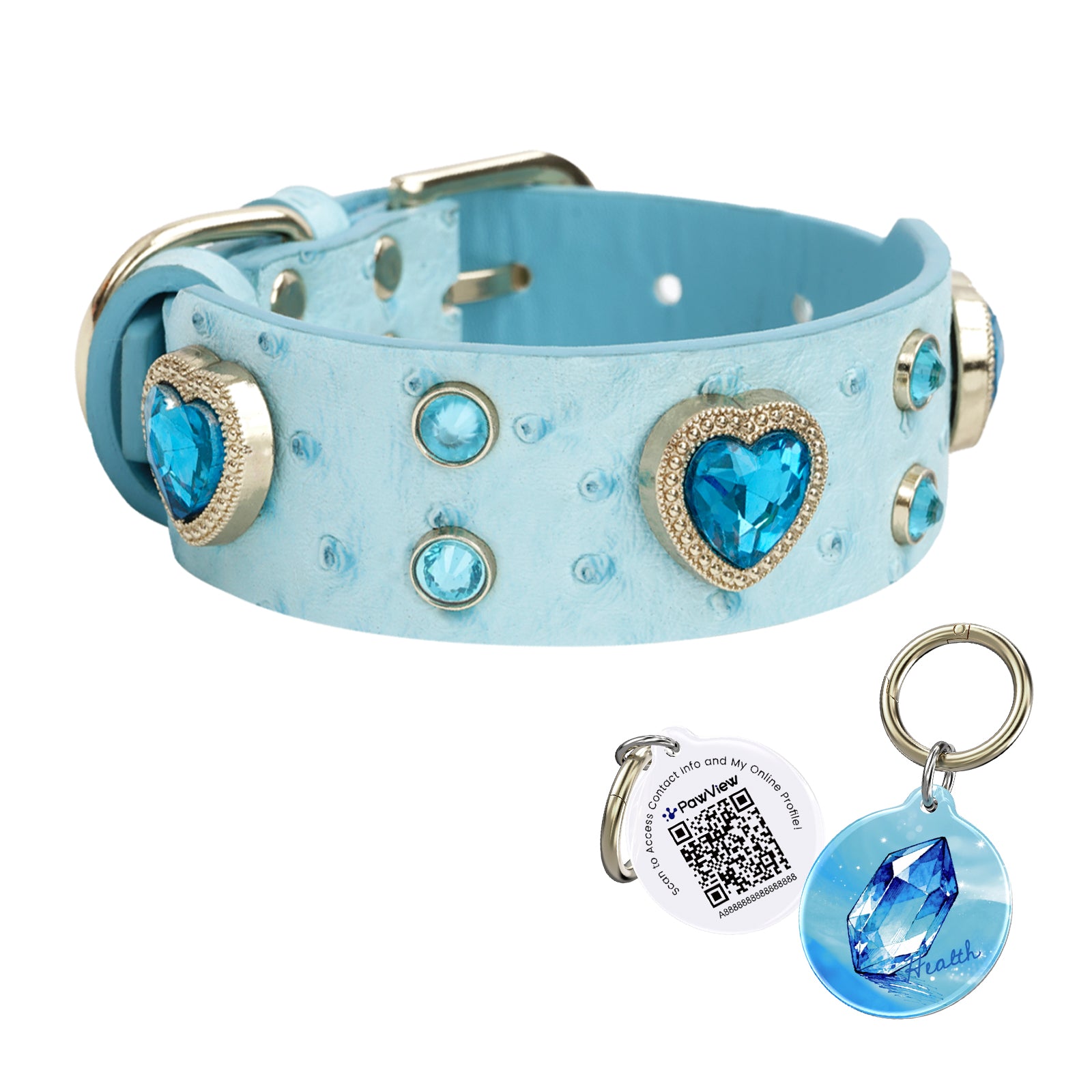
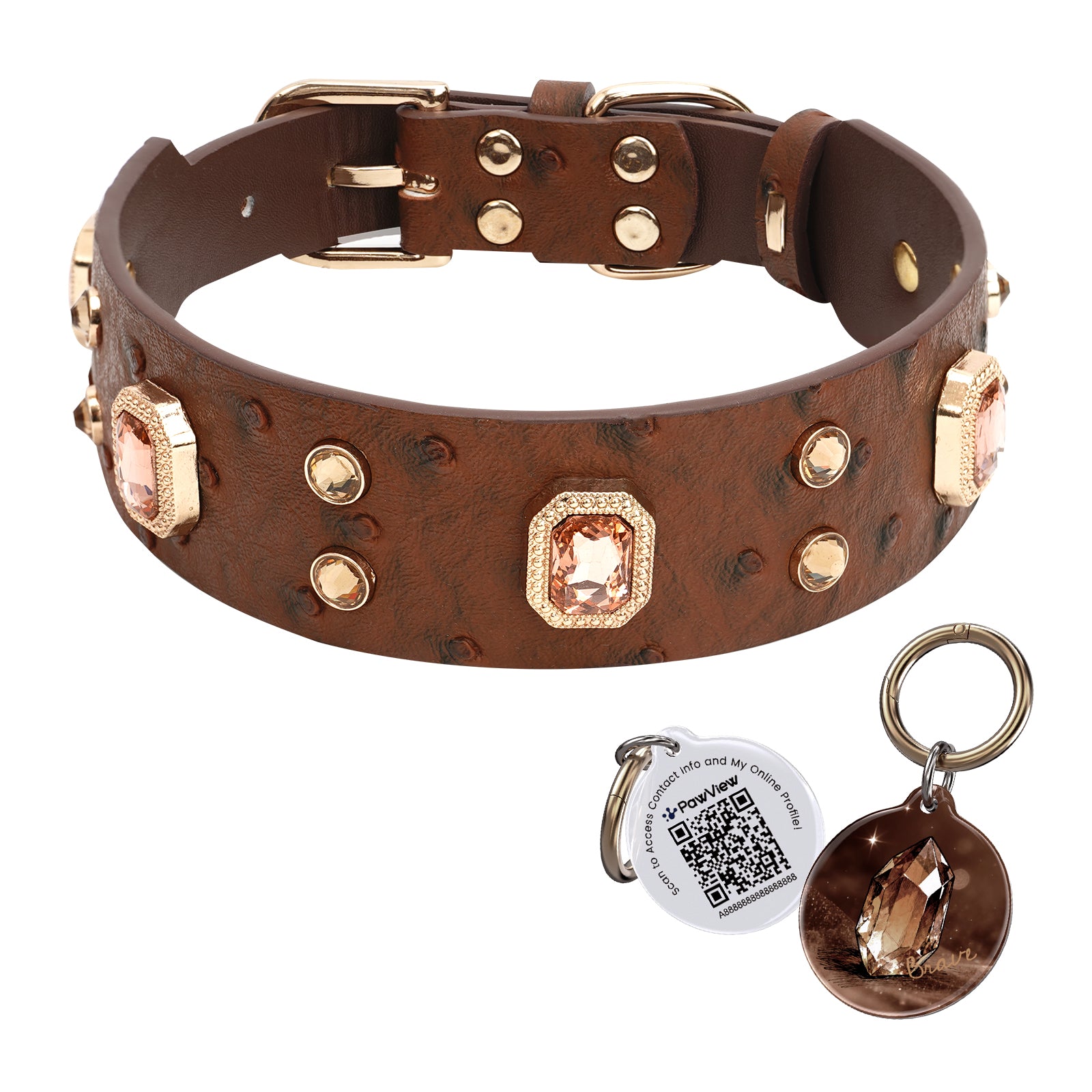
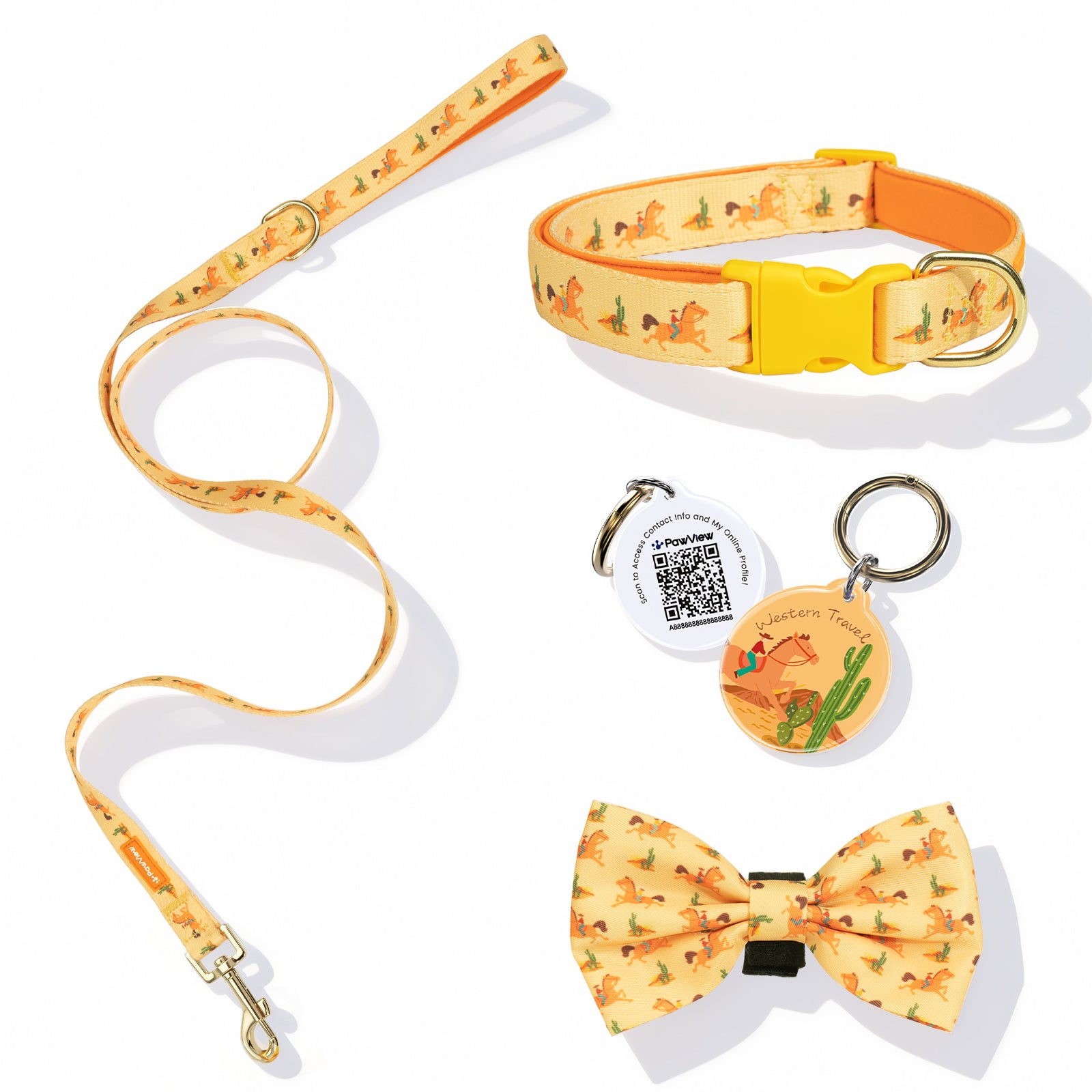
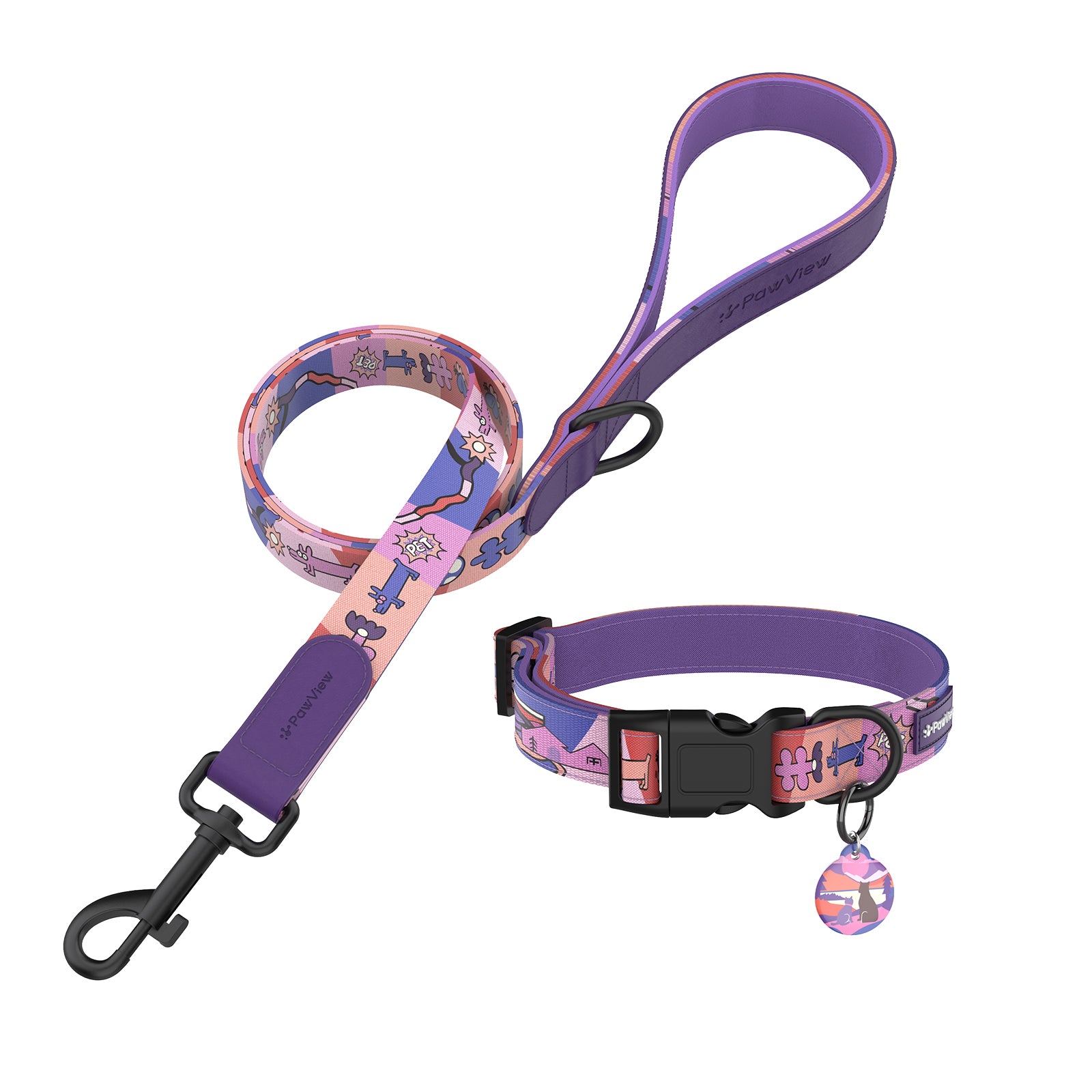
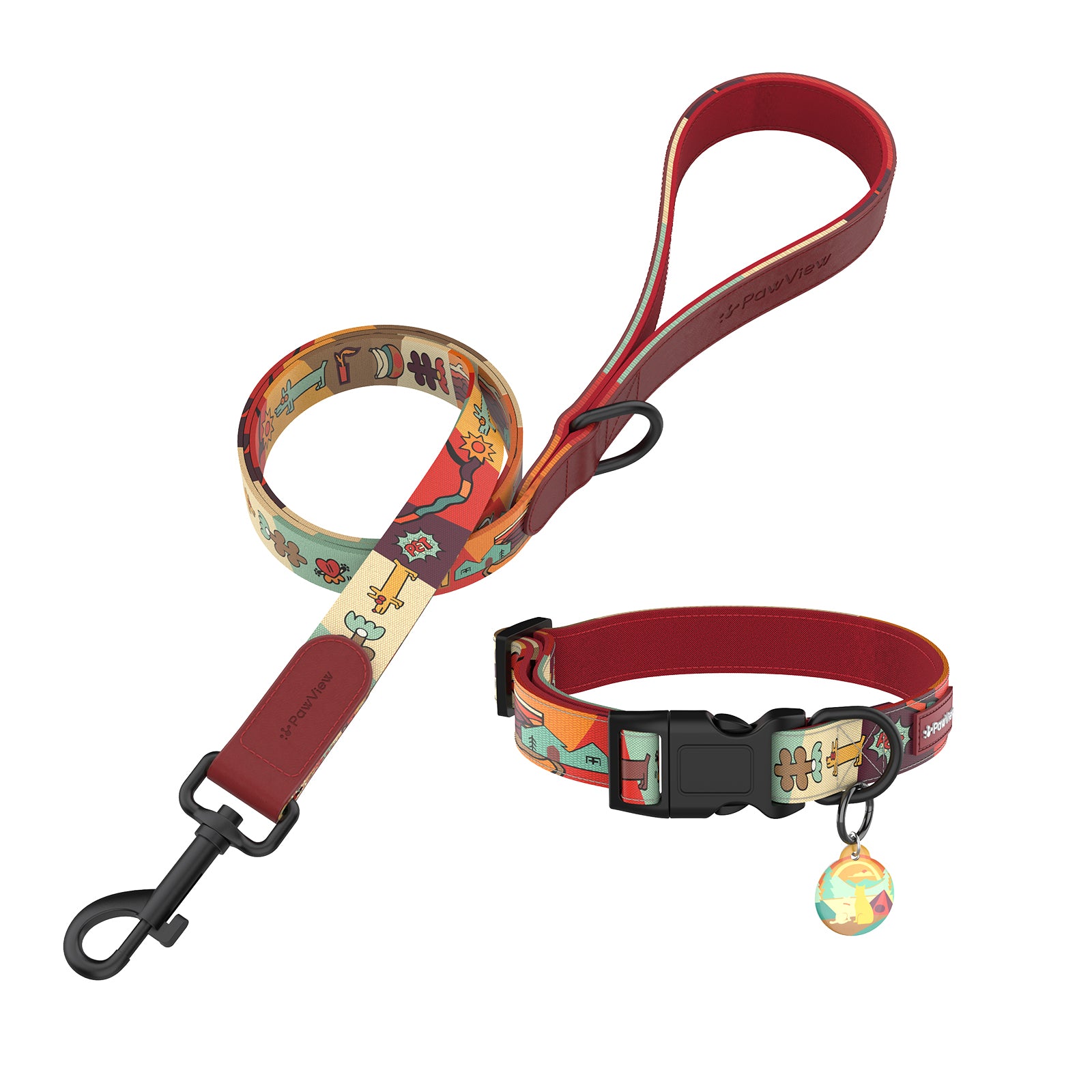
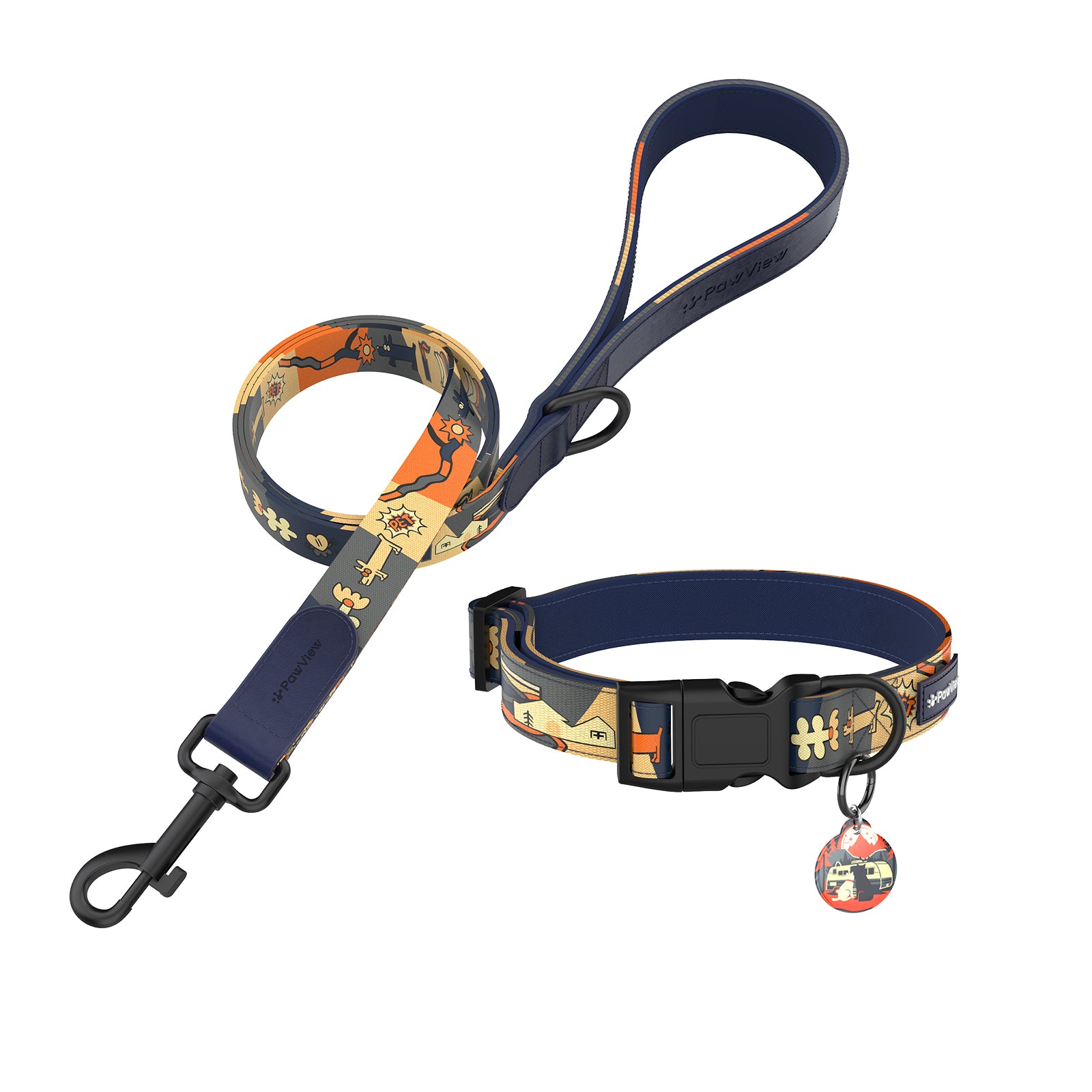
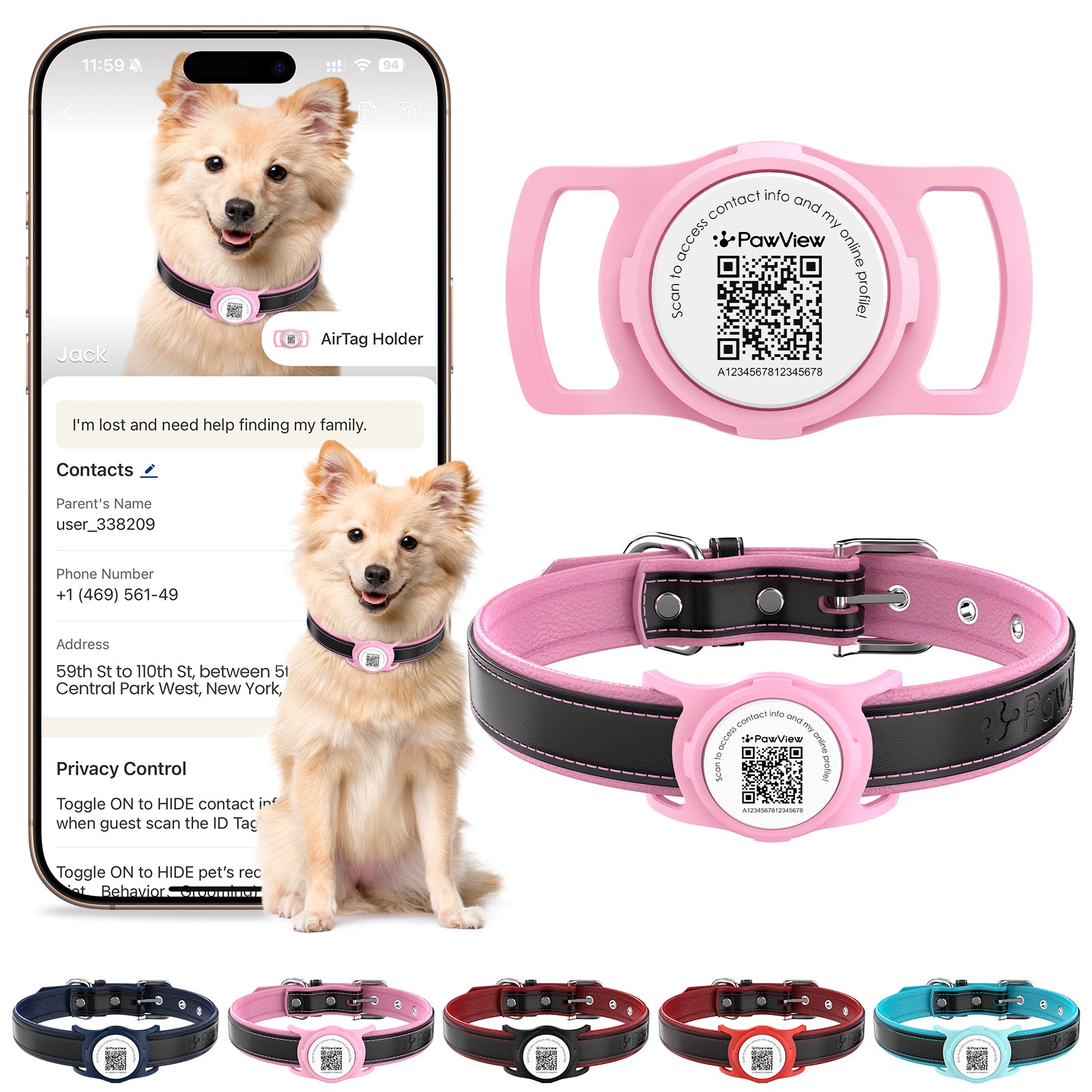
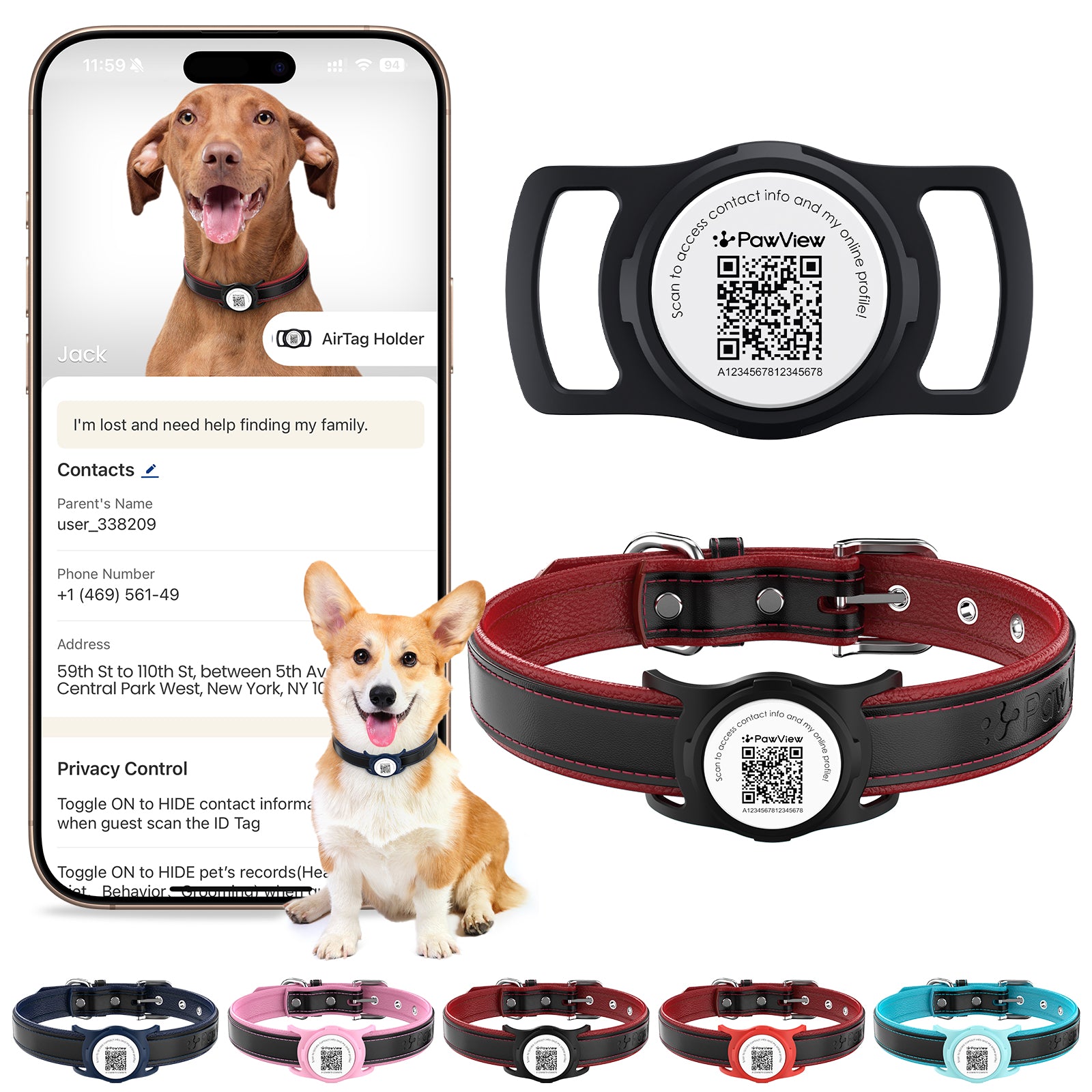
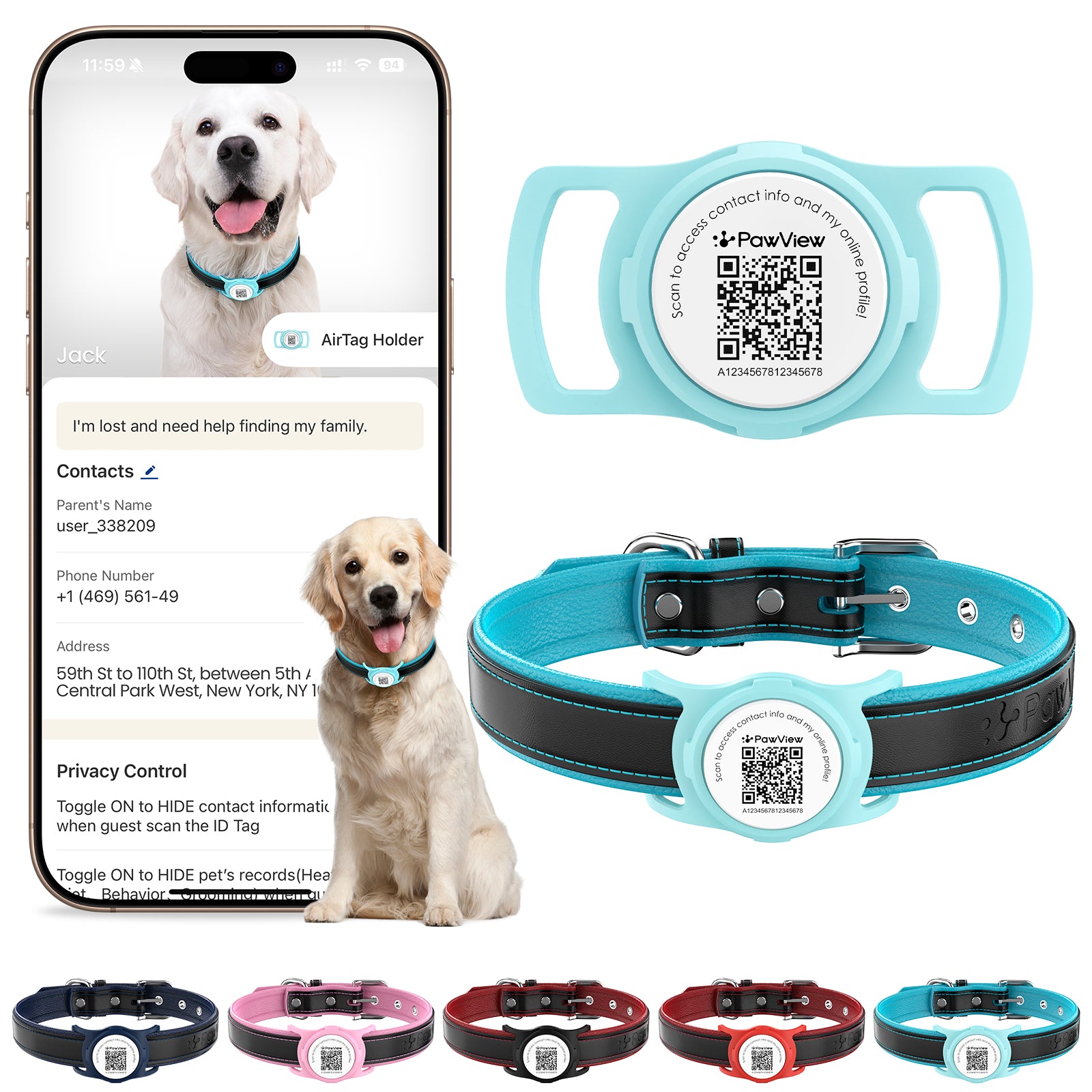
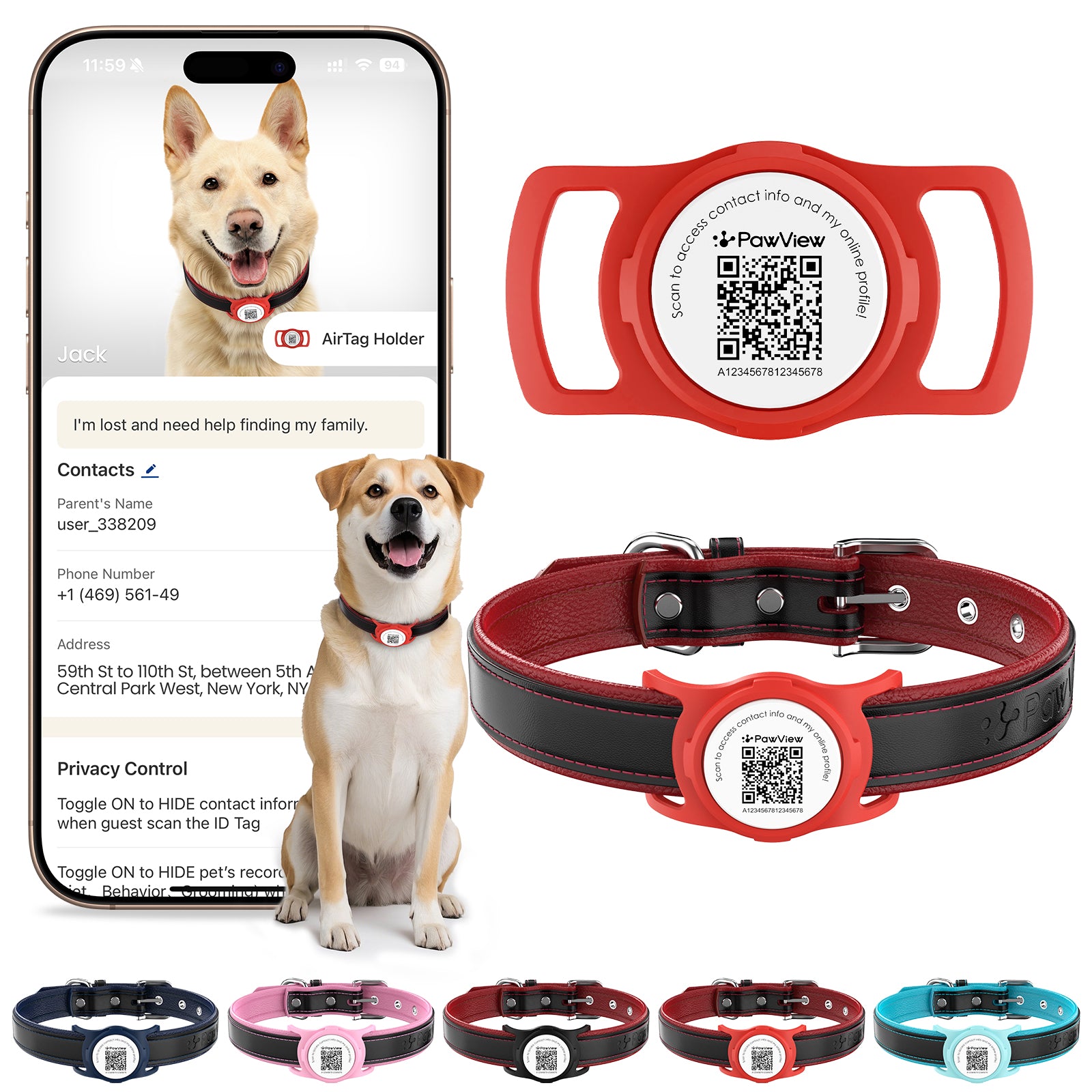
One example is the PawView Time Series Dog Collar with QR ID Tag. It combines an adjustable everyday collar with a Smart Anti-Lost ID Tag, keeping identification part of the dog's walking setup.
Shop the PawView Time Series Dog Collar with QR ID Tag
When Might a Harness Be Better?
A dog harness wraps around the chest and torso rather than placing leash pressure directly around the neck.
VCA explains that a well-fitted body harness can put minimal pressure on delicate neck tissues and may be a good choice for dogs with neck pain or tracheal disease. A harness can also offer additional control because the handler is managing the dog through the body rather than a single point around the neck.
This can make a harness especially useful for dogs that pull, puppies learning leash manners, or energetic dogs that may suddenly move toward a distraction.
The RSPCA specifically recommends using a harness rather than a collar for walking flat-faced breeds, helping avoid additional pressure on the neck while supporting easier breathing.
RSPCA: How to Care for Flat-Faced Dogs
However, fit matters. If a harness is too loose, a dog may back out of it. If the design restricts the shoulders, it may interfere with natural movement.
Does a Harness Stop a Dog From Pulling?
Not automatically.
This is one of the biggest misconceptions in the collar vs. harness debate. Putting a dog in a harness does not teach loose-leash walking by itself. Training still matters.
Some harnesses use a front attachment point to give the handler more control when the dog pulls forward. VCA notes that gentle leash pressure from a front-clip harness can help turn a dog away from a distraction and back toward the handler.
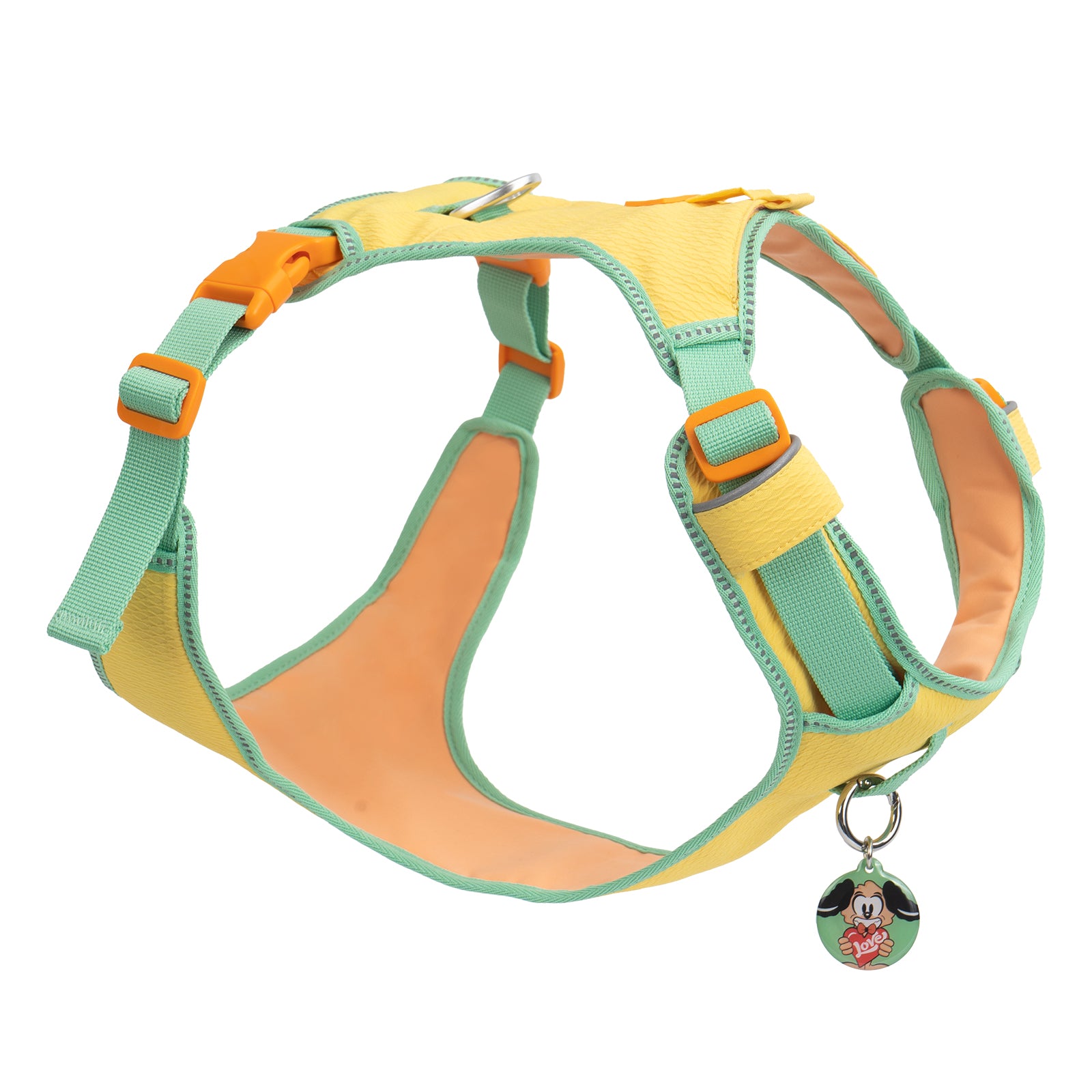
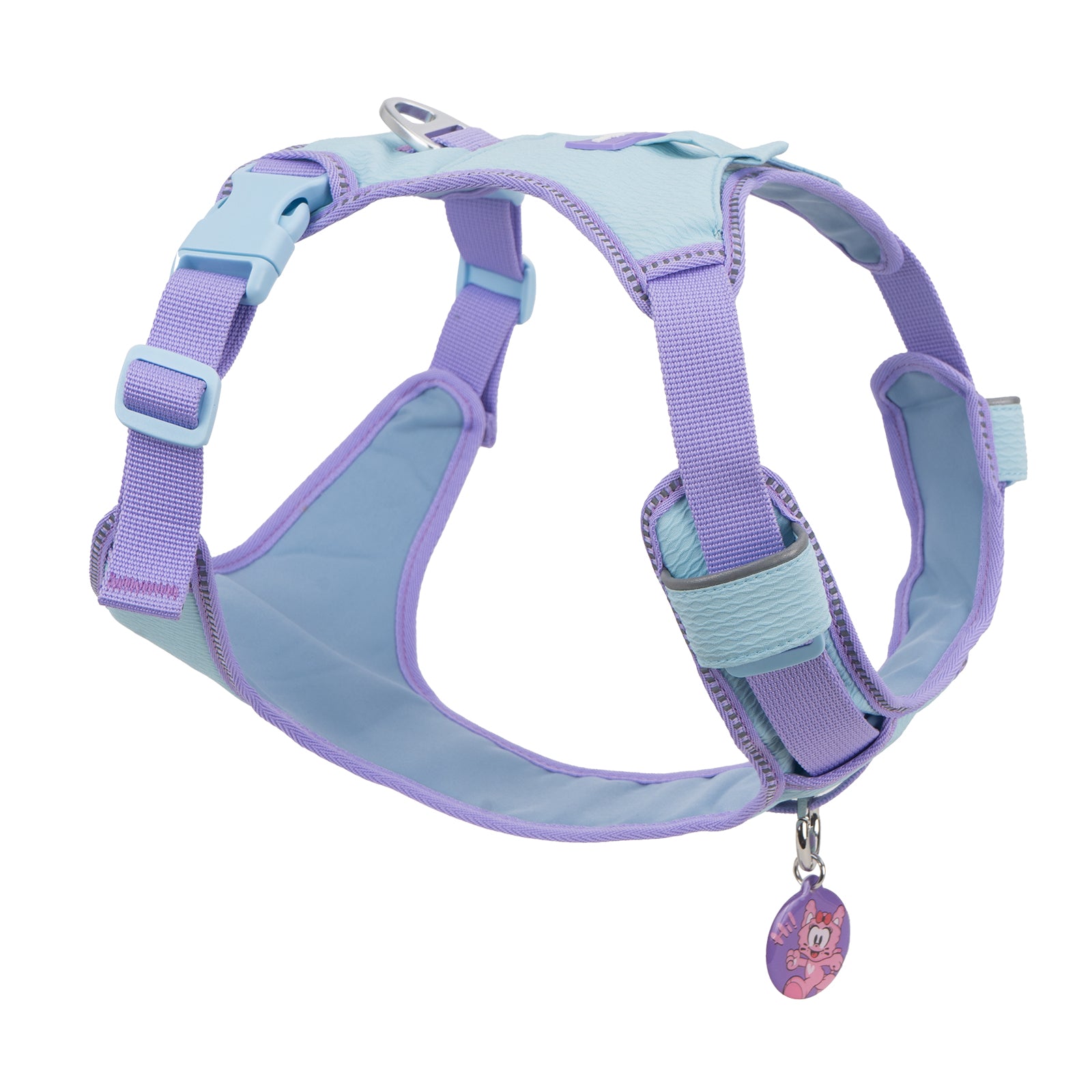
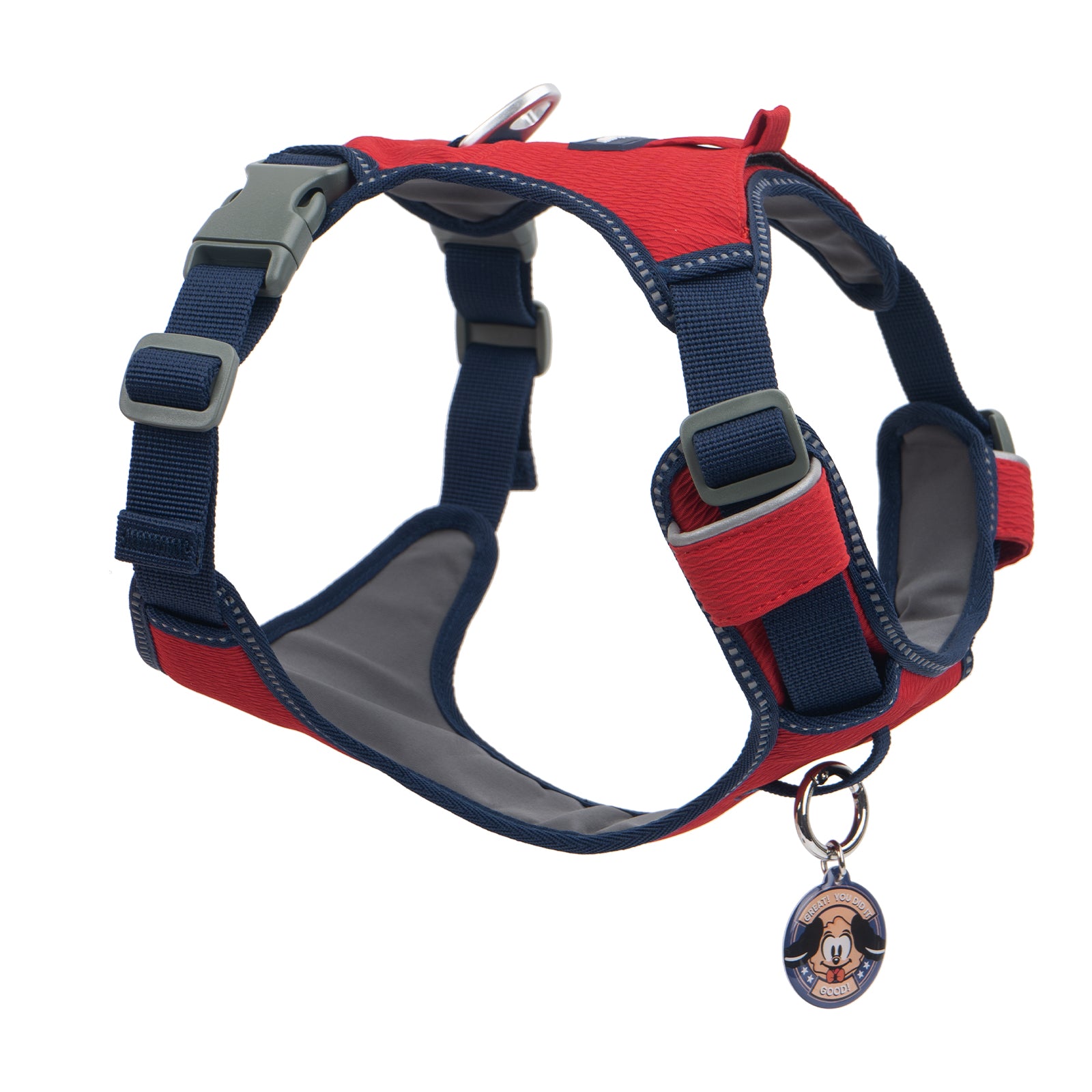
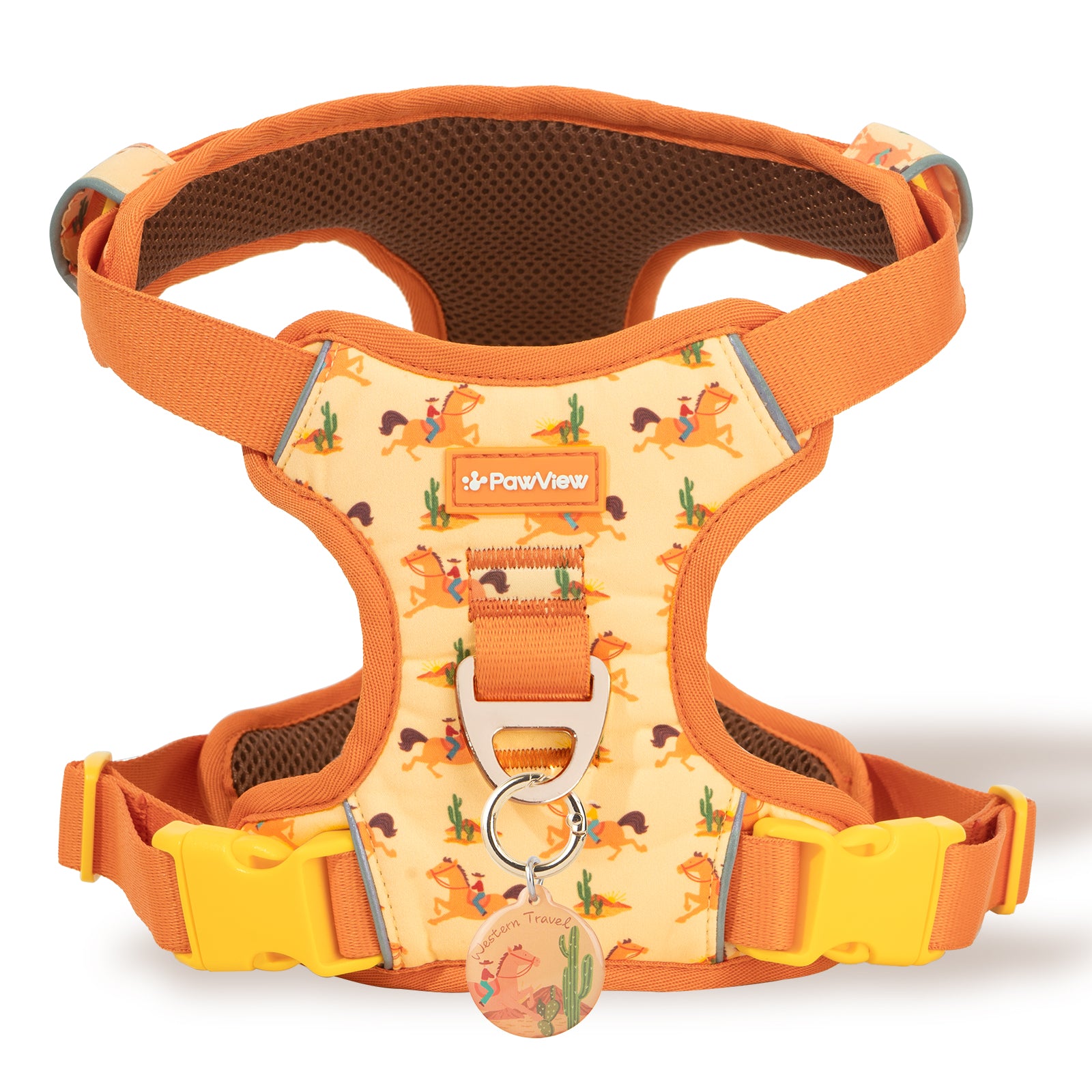
For owners who want more walking control, the PawView Super Light Dog Harness with Smart Pet ID Tag includes a back V-ring and multi-purpose front ring, along with reflective strips and an ID tag pocket. It is designed as a lightweight everyday option with multiple leash-attachment choices.
Shop the PawView Super Light Dog Harness with Smart Pet ID Tag
Whichever equipment you choose, avoid jerking the leash. Walking skills are best developed through calm, reward-based training rather than discomfort or force.
Collar vs. Harness for Puppies and Small Dogs
For puppies, comfort and a positive introduction matter more than finding one “perfect” piece of equipment.
VCA recommends introducing collars and harnesses gradually in a quiet environment so dogs can become comfortable wearing them before using them on walks. Because puppies grow quickly, fit should also be checked regularly.
Many owners use both: a lightweight collar for identification and a properly fitted harness for leash attachment.
Harnesses may also be useful for small dogs with neck or airway sensitivity. Dogs with tracheal problems can benefit from moving leash pressure away from the neck. That does not mean small dogs cannot wear collars; a comfortable collar can still be useful for identification.
What About Large or Strong Dogs?
For a calm, trained large dog, a sturdy collar may work perfectly well.
For a dog that pulls, lunges, or changes direction quickly, a well-fitted dog harness may give the handler more control over the dog's body.
Front and back attachment options can be useful in different situations. The most important factors are secure hardware, correct sizing, and freedom for natural movement.
How Should a Collar or Harness Fit?
Correct fit matters as much as the type of equipment.
A collar should be secure without constricting the neck, while a harness should sit snugly around the body without rubbing behind the elbows or restricting the shoulders.
Check adjustment points regularly, especially with growing puppies or dogs whose weight changes.
VCA also recommends supervising dogs while they wear collars or harnesses because either can become caught on objects or other animals during play.
So, Which Is Better: Collar or Harness?
For many dogs, the answer is actually both.
A collar works well for everyday identification and may be suitable for leash walking if your dog walks calmly. A harness can be useful for dogs that pull, dogs with neck or airway concerns, puppies learning leash skills, or situations where the owner wants additional control.
Rather than asking:
“Are harnesses better than collars?”
A more useful question is:
“What is safest and most comfortable for my dog in this situation?”
The right dog walking gear should help your dog move comfortably while giving you reliable control.
Combine that equipment with positive leash training, up-to-date identification, and attention to your dog's individual health needs, and both collars and harnesses can have a useful place in everyday life.


