






















Have you ever noticed your dog staring across a field before you can tell what caught their attention? It raises a common question: how far can dogs see?
There is no single maximum distance that applies to every dog. A dog's ability to notice something depends on size, movement, contrast, lighting, breed, age, and eye health. Dogs can detect distant objects, especially when they move, but their ability to see fine detail is generally lower than ours.
How Sharp Is a Dog's Vision?
A commonly cited estimate is that many dogs have visual acuity around 20/75. That does not mean a dog can only see 75 feet away. Visual acuity describes how clearly an animal can resolve detail.
In practical terms, something a person with typical 20/20 vision can distinguish at about 75 feet may need to be around 20 feet away for a dog with 20/75 vision to see the same level of detail. A peer-reviewed review on working dogs summarizes this approximate figure and notes that canine visual acuity is generally lower than human visual acuity.
So when asking “how far can dogs see?”, it helps to separate detection from recognition. A dog may notice that a person, animal, or object is present at a considerable distance without clearly identifying small details.
Detection Is Different From Recognition
Imagine someone standing at the far end of a park. Your dog may notice the figure, especially if the person starts walking. Recognizing exactly who that person is may require more information.
Dogs combine visual information with movement, sound, memory, and scent. At close range, shape and detail matter more. At longer distances, contrast and movement may become more useful.
This is why asking “can dogs see far away?” isn't quite the same as asking whether they can clearly recognize something far away.
Can Dogs See Moving Objects Better?
Movement is an important visual cue for dogs. A running squirrel, flying bird, bouncing ball, or another dog moving across an open area can quickly attract attention.
However, it is too simple to say dogs are always better than humans at motion detection. Research comparing canine and human motion perception suggests that performance depends heavily on the type of visual task being tested.
This helps explain why your dog may stop on a walk and stare toward something you had not noticed yet.
Do Some Dog Breeds See Farther Than Others?
Breed can influence canine eyesight because dogs were selectively bred for very different jobs.
Sighthounds such as Greyhounds, Whippets, and Salukis were historically bred to visually locate and pursue moving prey across open ground. Other breeds rely more heavily on scent or close cooperation with people.
That does not mean every sighthound has better visual acuity than every other dog. Individual eyesight varies, and age, genetics, and dog eye health also matter.
Can Dogs See Better at Night?
Dogs have several adaptations that help them function in low-light conditions.
Their retinas contain many rod photoreceptors, which are important for light sensitivity. Dogs also usually have a reflective structure behind the retina called the tapetum lucidum.
VCA Animal Hospitals explains that this reflective layer sends light back toward the retina, helping dogs make greater use of available light. It also contributes to the familiar “glowing eyes” effect when light hits a dog's eyes at night.
Dogs therefore have useful night vision, but that does not mean they can see perfectly in complete darkness.
Dog Night Vision and Walking Safety
There is an important difference between your dog being able to see in low light and other people being able to see your dog.
Drivers, cyclists, runners, and other pedestrians may have difficulty noticing pets during an evening walk.
For owners who regularly practice nighttime dog walking, improving pet visibility at night can add another layer of safety.
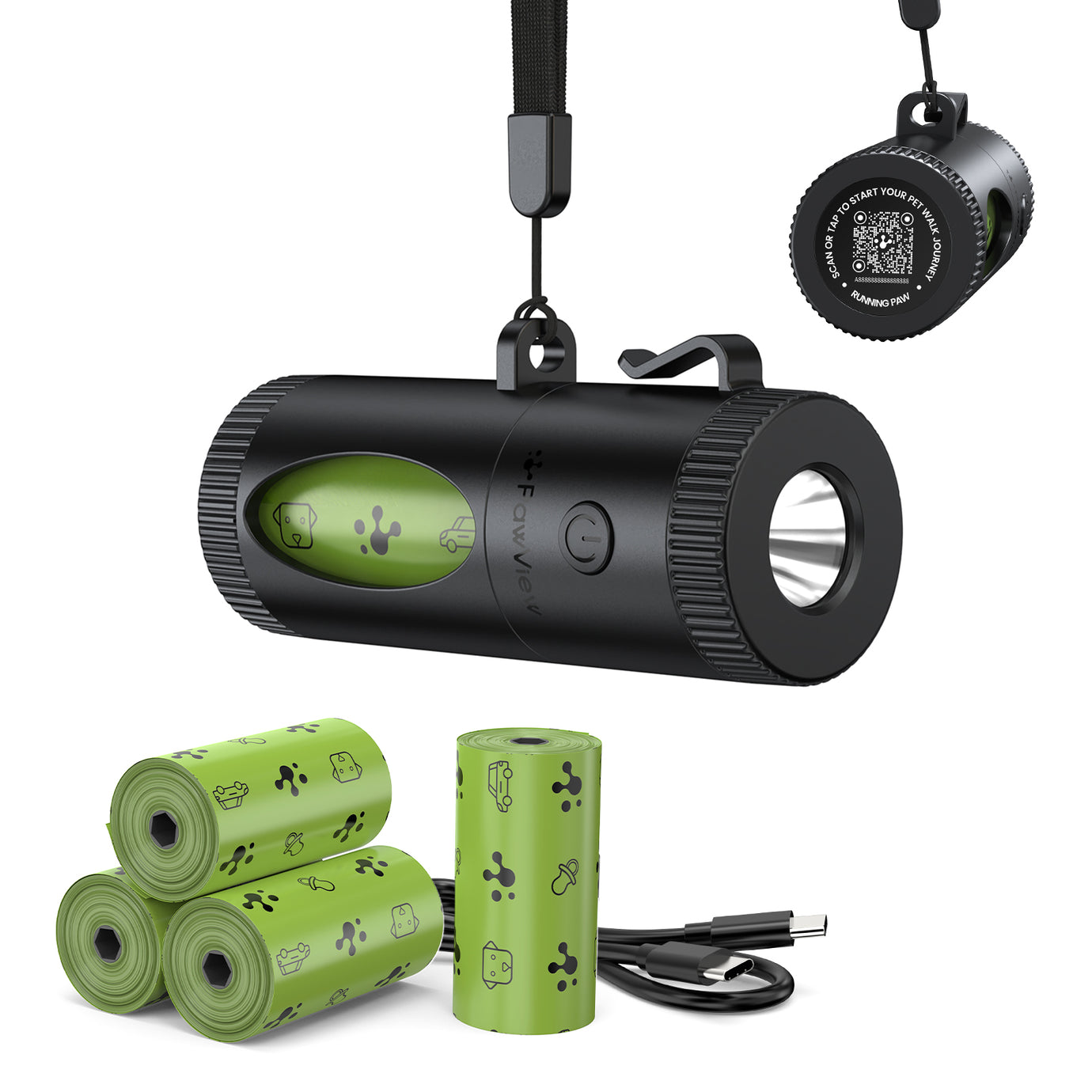
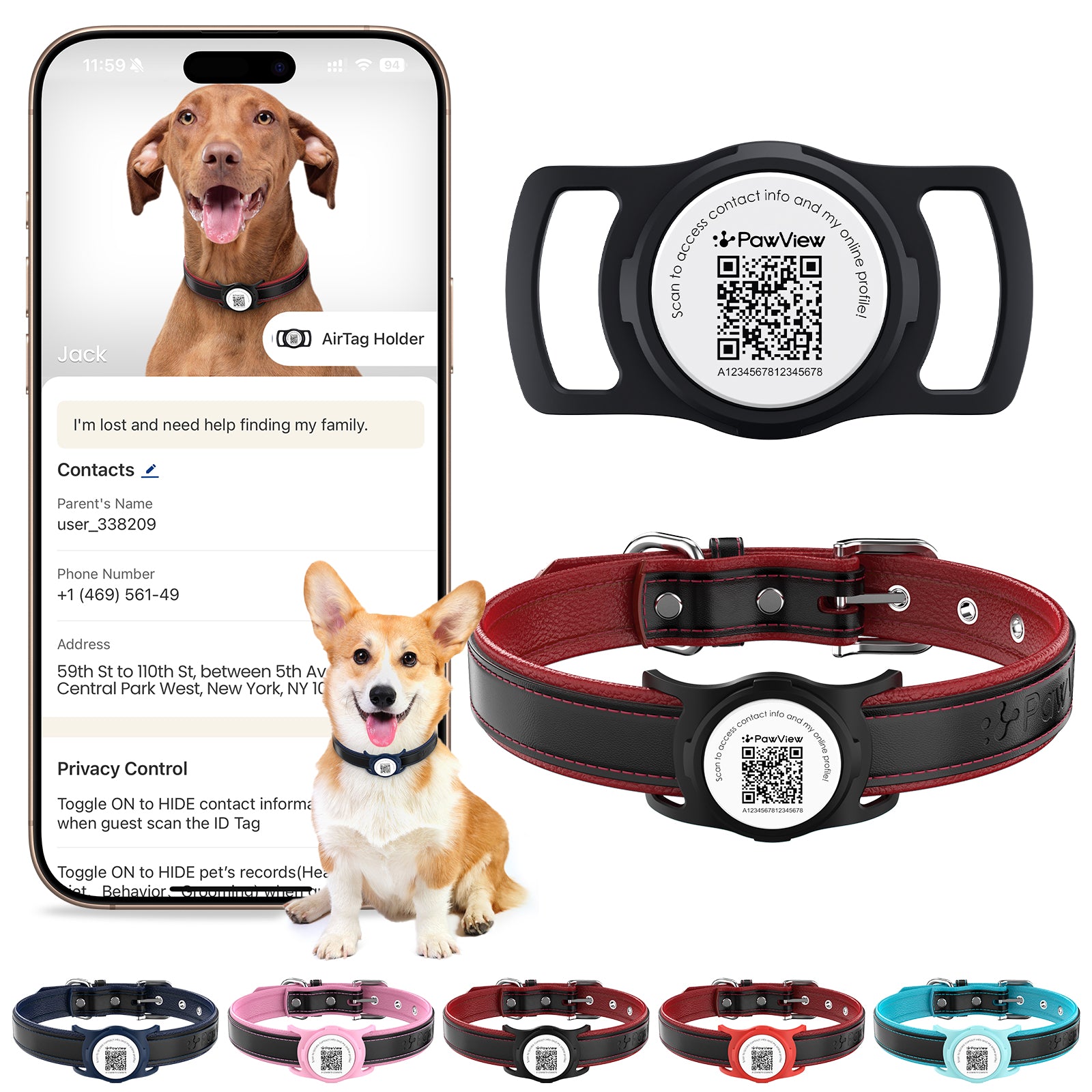
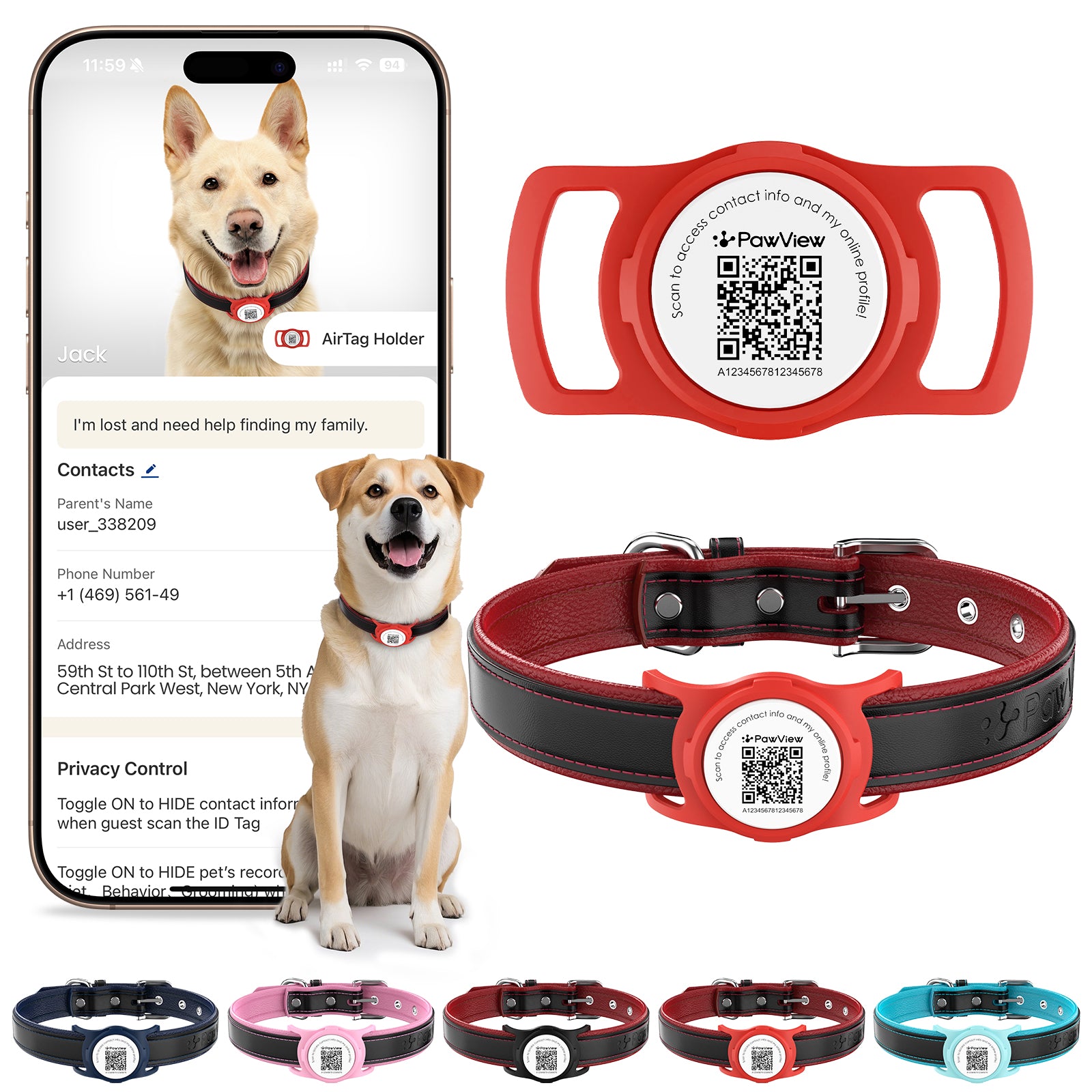
The PawView Pet Anti-Lost LED Light with Protective Case is designed for low-light visibility and includes fast-flash, slow-flash, and steady-light modes. It also combines a visible safety light with a QR-code pet ID holder.
A dog collar light can be particularly useful for neighborhood walks, camping, or other outdoor activities after sunset.
Why Does My Dog Miss a Toy Right in Front of Them?
Dog vision can sometimes seem contradictory.
A dog may notice movement far away and then appear unable to find a toy nearby.
Color and contrast can play a role. Dogs have dichromatic color vision, with blue and yellow generally more distinguishable than red and green. VCA also notes that objects at the same distance may appear less crisp to dogs than they do to people.
Smell matters too. A dog searching for a toy may switch from visual information to scent, even when the toy seems obvious to us.
Signs Your Dog May Be Having Vision Problems
Changes in dog eyesight can develop gradually, and dogs are often good at compensating with smell, hearing, memory, and familiar routes.
The American College of Veterinary Ophthalmologists lists bumping into objects, hesitating on stairs, reluctance to jump, and changes in normal routines among possible signs of vision problems in dogs.
Talk with your veterinarian if you notice cloudy eyes, unusual pupil changes, difficulty navigating at night, or a sudden loss of confidence in unfamiliar environments.
Cornell University College of Veterinary Medicine also notes that some retinal diseases, including progressive retinal atrophy (PRA), may first become noticeable when dogs become reluctant to enter dark areas or go outside at night.
So, How Far Can Dogs See?
There is no scientifically useful single number for the maximum distance a dog can see.
Dogs can notice objects from far away, particularly when size, contrast, and movement make them easier to detect. What changes sooner than simple detection is visual detail.
With dog visual acuity often estimated around 20/75, distant objects may look less sharp than they do to humans. At the same time, dogs benefit from good low-light sensitivity and a visual system adapted to their own needs.
So the next time your dog stops during a walk and stares across the park, remember: they may be combining movement, shape, sound, and scent to understand something you have not noticed yet.
Dogs do not necessarily see a worse world. They see a different one.


