






Does your dog pull on the leash during walks? Choosing the right harness can make everyday outings more comfortable and manageable for both of you.
However, the best no-pull dog harness is not simply one that promises to stop pulling. It should fit properly, provide useful control, allow natural movement, and work alongside positive-reinforcement training.
Whether you have an energetic puppy, a strong adult dog, or a companion who gets excited outdoors, understanding a few key features can help you choose the right equipment.
What Is a No-Pull Dog Harness?
A no-pull dog harness is designed to help owners manage leash pulling during walks. Unlike a traditional collar, which places leash pressure around the neck, a body harness distributes contact across the dog's torso.
Many no-pull designs include a front leash attachment point. When the dog pulls forward, gentle leash guidance can help redirect their body toward the handler.
According to VCA Animal Hospitals' guide to collar and harness options, a front-clip harness can help turn a dog away from distractions when used with gentle leash pressure.
Keep in mind that a no-pull harness is a training aid, not an automatic solution. Fit, design, and consistent training all influence the results.
-
Choose the Right Leash Attachment Point
Leash attachment points affect how you guide your dog.
Front-clip harnesses attach the leash near the chest. They can help redirect dogs that pull toward distractions, making them worth considering for leash training.
Back-clip harnesses attach the leash along the dog's back. They can be comfortable for relaxed walks and outdoor activities, although some dogs may find it easier to lean forward and pull.
Some harnesses offer multiple attachment options, giving owners flexibility for different walking situations.
When choosing a dog harness for pulling, consider your dog's behavior, strength, and training needs rather than assuming one attachment style works best for every dog.
-
Make Sure the Harness Fits Properly
An adjustable dog harness should feel secure without restricting movement or rubbing against the skin.
Before buying, measure your dog's chest at its widest point, usually just behind the front legs. Check the manufacturer's sizing chart and measure the neck too if required.
Look for these signs of a good fit:
-
The harness stays in place when your dog moves.
-
Straps do not rub behind the elbows.
-
The shoulders can move naturally.
-
Your dog cannot easily back out of the harness.
-
Buckles and adjustment points remain secure.
A harness that is too tight may cause discomfort, while one that is too loose can increase the risk of escape.
VCA also recommends choosing a harness that allows free front-leg movement and does not rub against sensitive areas. Read its guidance on selecting a comfortable, well-fitted harness.
-
Consider Your Dog's Size and Walking Style
Different dogs have different needs.
A small dog may benefit from a lightweight design that does not add unnecessary bulk. A large or energetic dog may need durable hardware, secure adjustment points, and a handle that helps the owner guide them in situations requiring closer control.
Puppies also need regular fit checks as they grow. A harness that fits well today may become restrictive within a few weeks.
For dogs with neck pain, tracheal problems, or other medical concerns, ask your veterinarian which walking equipment is appropriate.
Regardless of size, prioritize comfort, stability, and freedom of movement over appearance alone.
-
Look Beyond the No-Pull Feature
The best dog walking harness should support more than leash control.
Depending on where and when you walk, these features may be useful:
Reflective details: Reflective strips help make your dog more visible when headlights or other light sources shine on them. They do not replace an active safety light or reliable supervision.
A padded handle: A top handle can help you guide your dog closer in crowded areas or during brief situations requiring extra control.
Multiple adjustment points: Adjustable straps help accommodate different body shapes and create a more secure fit.
Durable construction: Strong materials and reliable hardware matter for everyday walking and outdoor adventures.
Convenient storage: A detachable pouch can carry small essentials, such as treats or waste bags.
Choose features that solve real problems in your routine rather than paying for extras you are unlikely to use.
-
Remember That Training Still Matters
Even the best harness for dogs that pull cannot replace leash training.
Dogs often pull because they want to reach an interesting smell, another animal, or something exciting in the environment. Pulling may become a habit if it consistently helps them move forward.
Practice loose-leash walking in a quiet area before moving to busier environments. Reward your dog when they walk beside you with a relaxed leash, and use calm, consistent guidance when they move ahead.
Avoid jerking the leash or relying on discomfort to control behavior.
VCA's guidance on loose-leash walking explains why teaching this skill takes patience, planning, and consistency.
A Functional Option for Everyday Walks
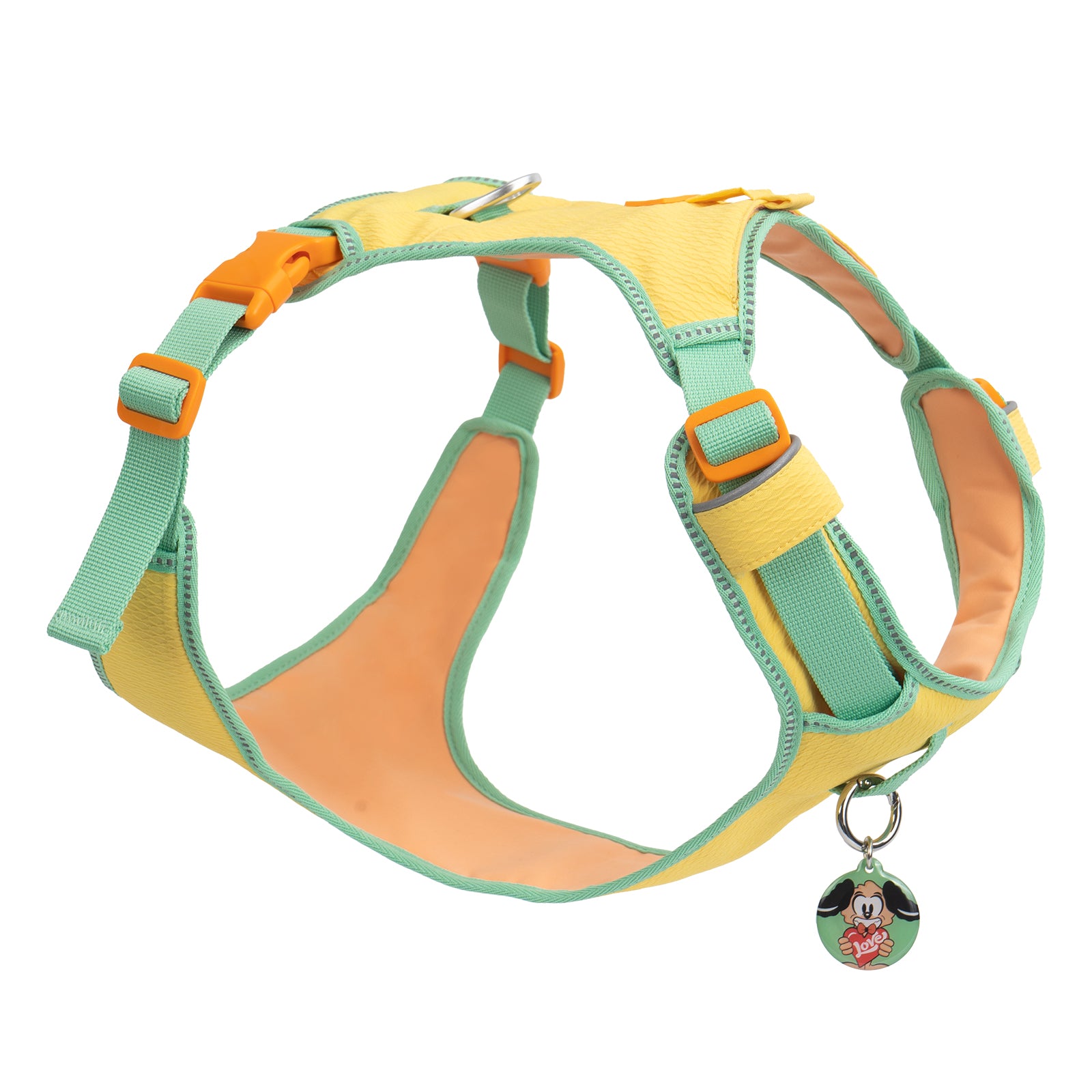
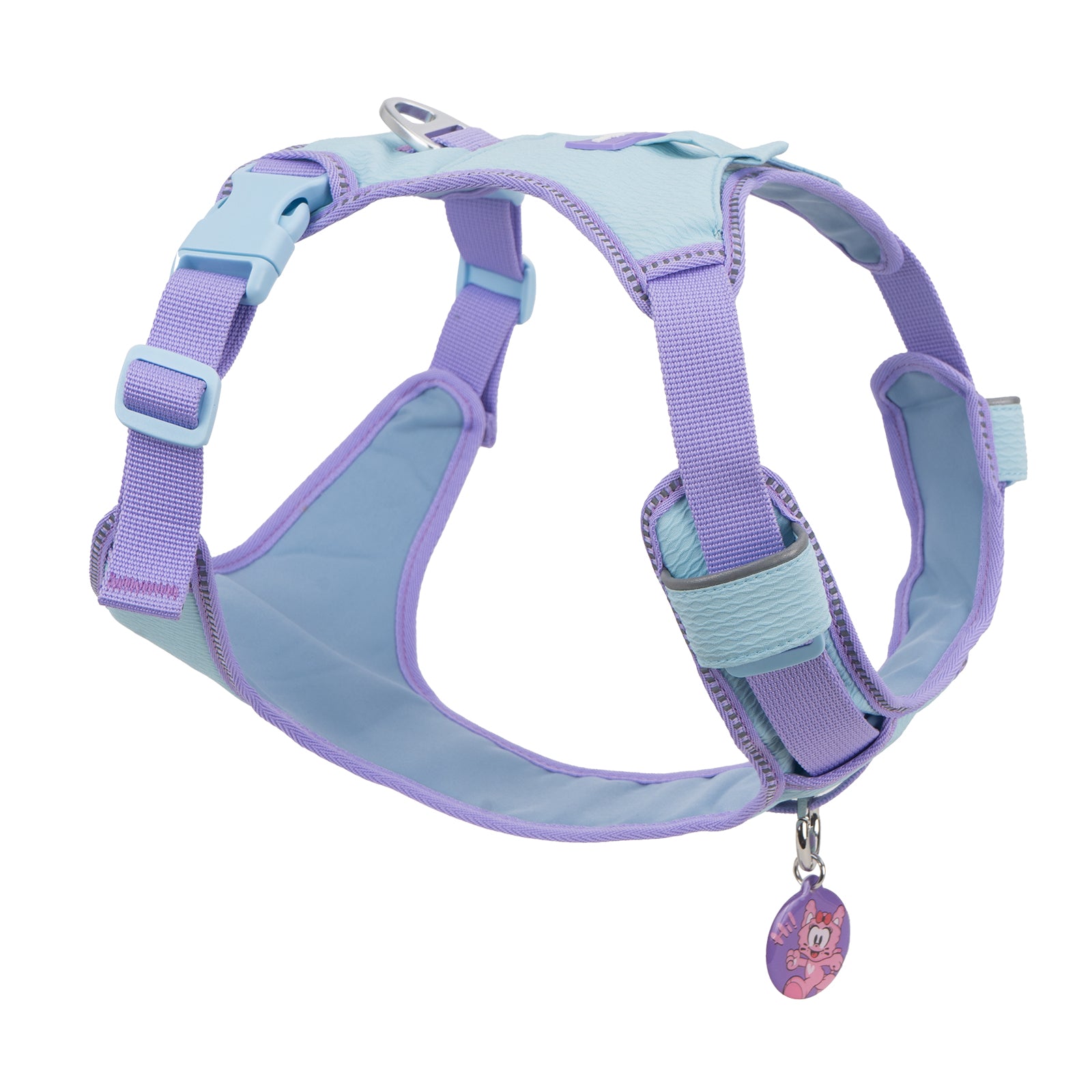
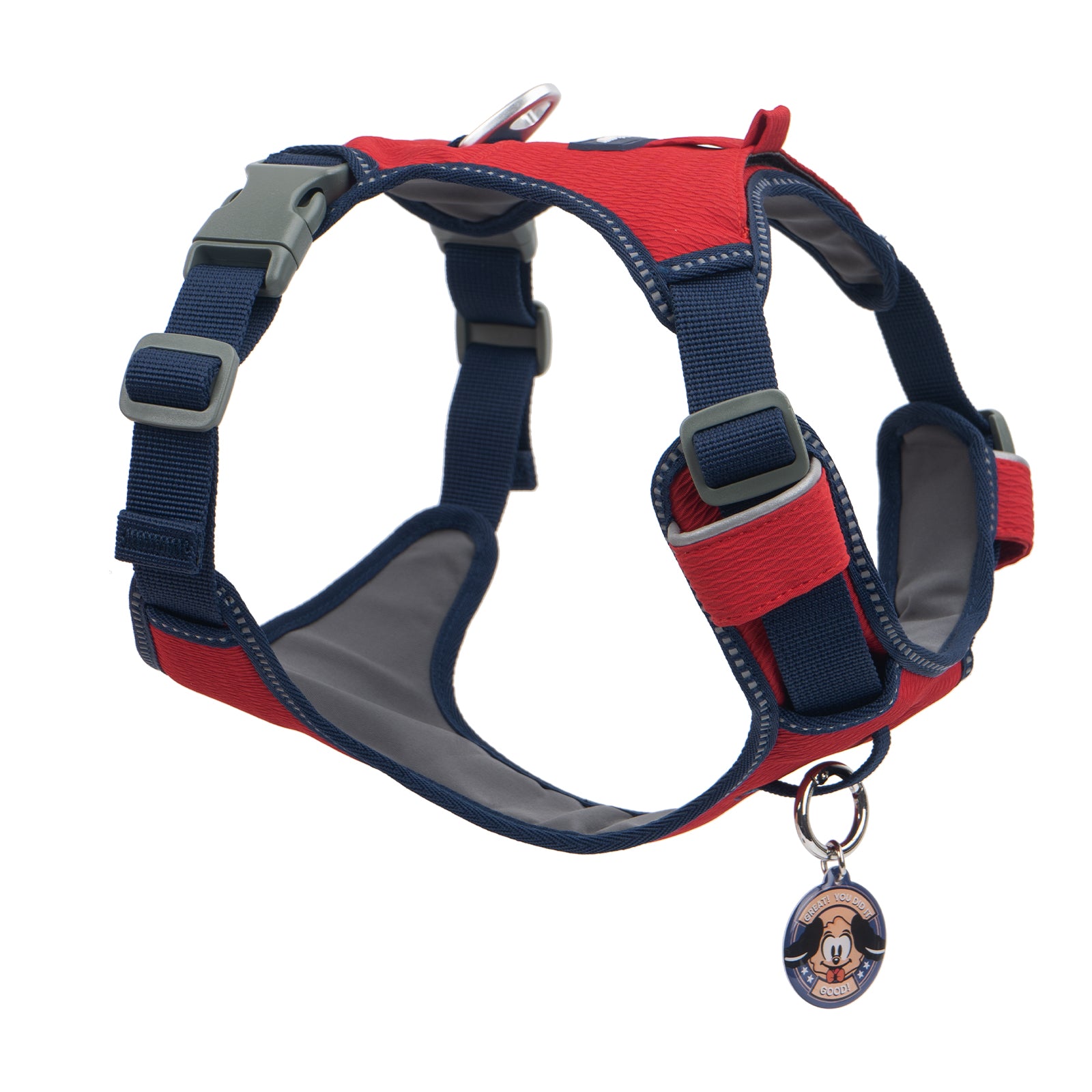
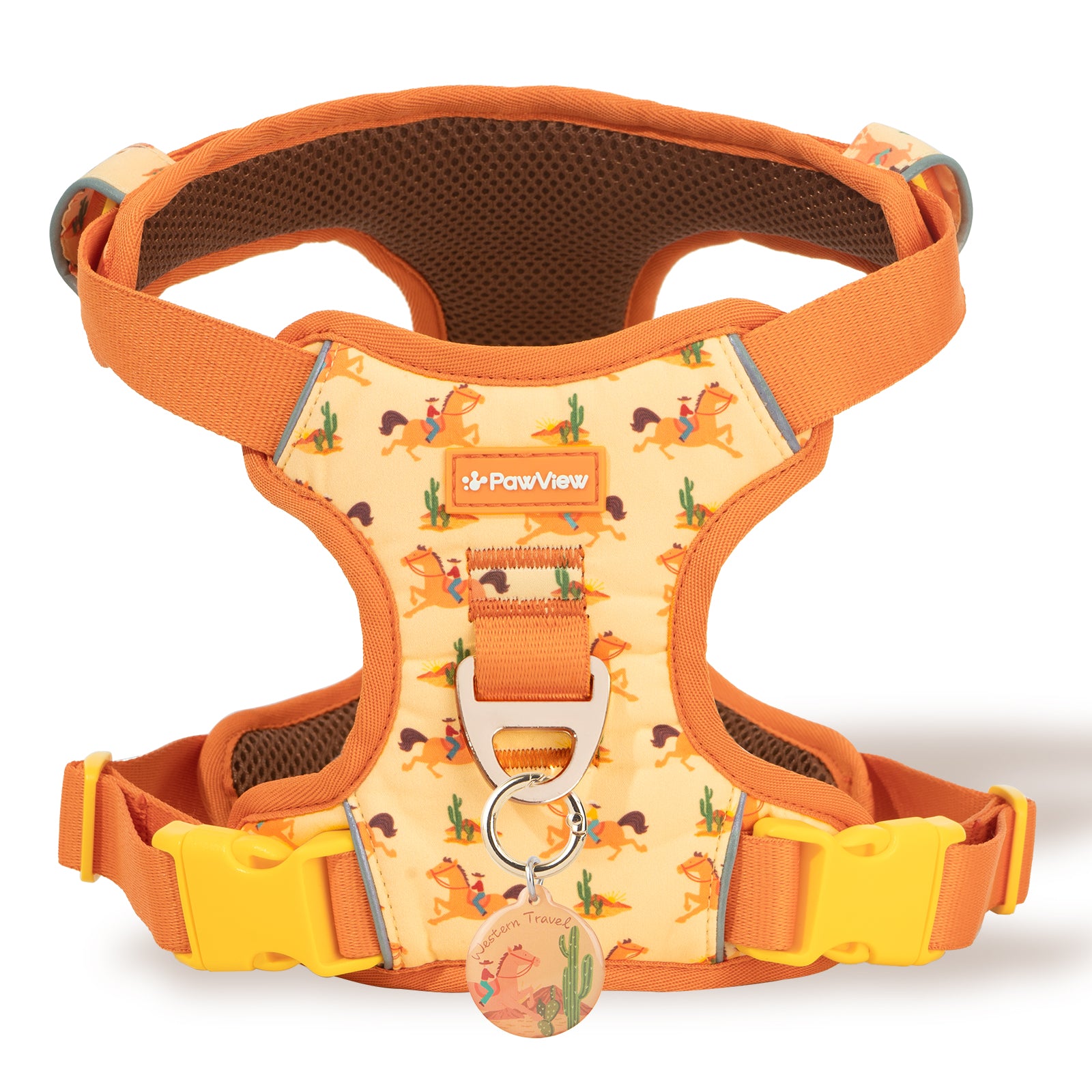
For owners looking for a combination of walking control, visibility, and convenience, the PawView Adventure No Pull Reflective Harness with Handle brings several practical features together.
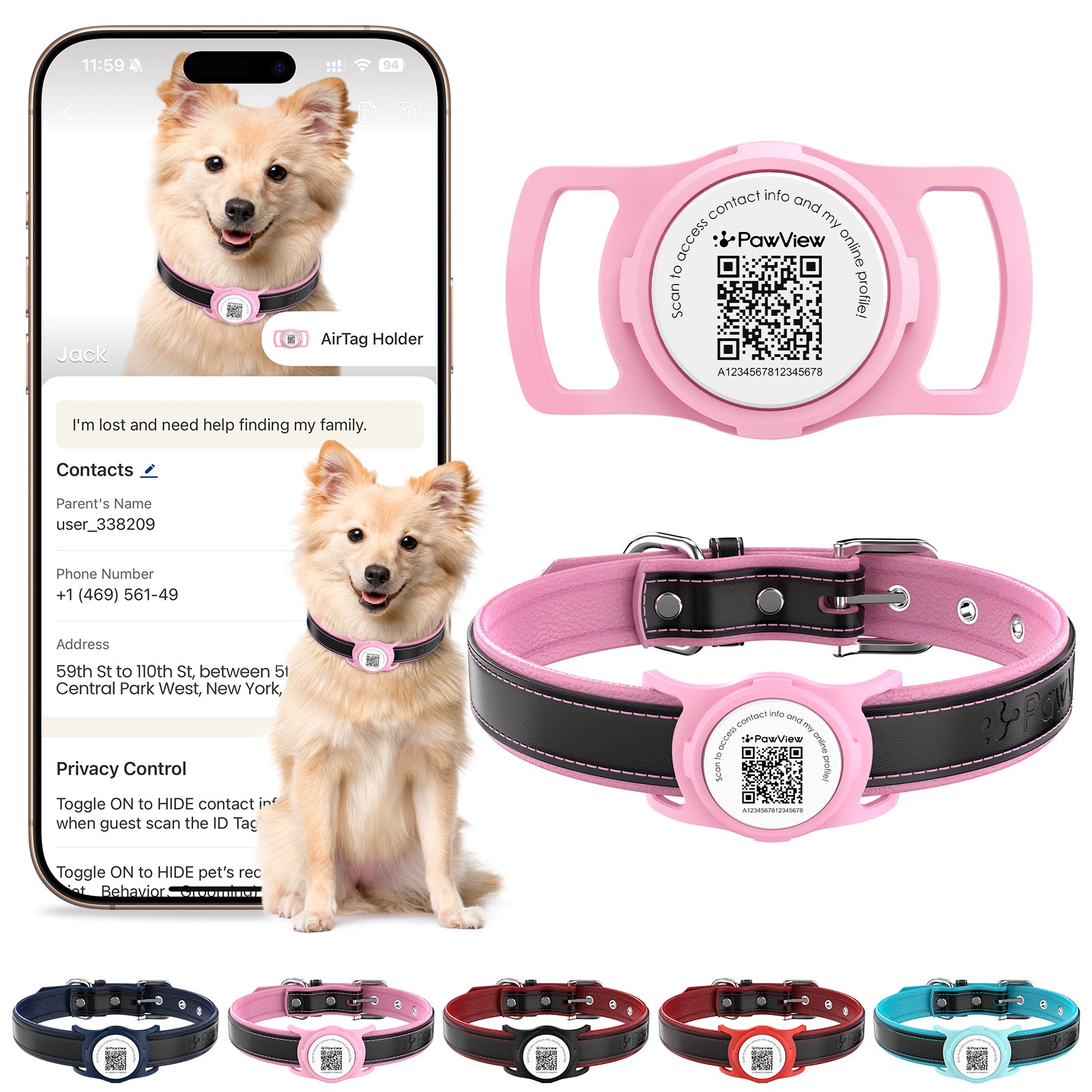
It includes a No-Pull V-Ring, two chest buckles, four adjustment points, 360-degree reflective strips, a padded lift handle, and a detachable small pouch. The harness also comes with a Smart Pet ID Tag, adding a digital identification option to your dog's walking setup.
These features make it worth considering for owners who want an adjustable dog harness for everyday walks and outdoor adventures.
As with any harness, choose the correct size and check the fit before use. The equipment should support comfortable movement and controlled walking, not replace training or supervision.
Quick Checklist Before You Buy
Before choosing a no-pull dog harness, ask yourself:
-
Does it fit securely without restricting movement?
-
Is the leash attachment appropriate for my dog's behavior?
-
Are the materials and hardware suitable for everyday use?
-
Would reflective details or a handle be useful for my walks?
-
Can I adjust the harness as my dog's needs change?
Final Thoughts
The best no-pull dog harness is one that fits your dog comfortably, supports safe handling, and suits your daily routine.
Look beyond marketing claims and focus on fit, attachment points, durability, and practical features. Combine the right equipment with reward-based leash training, and walks can become more manageable over time.
A better walk starts with equipment that works for your dog—not just a harness that promises to stop pulling.


