
















Why Are Dogs Afraid of Thunder and Fireworks?
When thunder begins to rumble or fireworks start exploding outside, some dogs suddenly shake, pace, hide, pant, or stay unusually close to their owners.
If your dog reacts this way, they are not simply being “dramatic.” Fear of thunder, fireworks, and other loud noises is relatively common in dogs. Veterinary professionals may describe these reactions as noise fear, noise aversion, or, in severe cases, noise phobia.
According to the Merck Veterinary Manual, noise-related fear can lead to anxiety, panic, escape attempts, and other behavioral changes.
So, why are dogs scared of thunder and fireworks, and what can owners do to help?
Why Are Dogs Scared of Loud Noises?
One of the main reasons is simple: thunder and fireworks are loud, sudden, and unpredictable.
Dogs do not understand that fireworks are part of a celebration or that thunder is a natural weather event. From their perspective, powerful noises suddenly appear without warning—and they cannot predict when the next one will happen.
The American Animal Hospital Association (AAHA) explains that fireworks, thunderstorms, and other sudden sounds can trigger noise aversion in dogs. Genetics, early experiences, and previous frightening events may all affect how sensitive an individual dog becomes.
Fireworks can be especially stressful because they combine several unfamiliar sensations:
-
sudden explosions,
-
flashing lights,
-
unusual smells,
-
vibrations,
-
and unpredictable timing.
Thunderstorms may involve even more environmental changes. Some dogs become anxious before people hear the first thunderclap. Wind, atmospheric pressure, and other storm-related cues may contribute to dog thunderstorm anxiety.
Cornell University College of Veterinary Medicine provides additional information about fear of fireworks and thunderstorms in dogs.
Why Are Some Dogs More Afraid Than Others?
Not every dog reacts to loud noises in the same way.
One dog may sleep peacefully through a storm, while another may start trembling after hearing a distant rumble.
A dog's reaction may be influenced by:
-
temperament,
-
genetics,
-
age,
-
previous experiences,
-
and learned associations.
For example, if a dog was once badly frightened by a nearby firework explosion, similar sounds may later trigger fear even when the dog is safely indoors.
Repeated exposure does not always make a dog “get used to it.” In some cases, noise anxiety in dogs may become stronger over time.
That is why forcing a frightened dog to stay near fireworks is not a good way to overcome the fear.
Signs of Noise Anxiety in Dogs
Fear does not always mean hiding under the bed.
A dog experiencing firework anxiety or thunderstorm anxiety may:
-
shake or tremble,
-
pant excessively,
-
pace,
-
drool,
-
whine or bark,
-
stay unusually close to their owner,
-
refuse food,
-
hide,
-
try to escape,
-
or chew doors and furniture.
In severe cases, frightened dogs may injure themselves while trying to escape.
Recognizing these signs early can help owners respond before fear develops into full panic.
How to Calm a Dog During Fireworks or Thunderstorms
-
Create a Safe Space
Give your dog access to a quiet, familiar place away from windows.
This could be a bedroom, closet, interior room, or a crate your dog already enjoys using.
You can also close curtains, play music or television, and use white noise to reduce the contrast between quiet periods and sudden outdoor sounds.
Most importantly, let your dog choose where they feel safest.
Do not force them out of their hiding place.
-
Stay Calm
You do not need to completely ignore a frightened dog.
If your dog comes to you for reassurance, calmly staying nearby is fine. Avoid punishment, shouting, or forcing interaction.
Fear is an emotional response, not bad behavior.
Your calm behavior can also help keep the environment more predictable.
-
Walk Your Dog Before Fireworks Begin
If fireworks are expected in the evening, complete your dog's walk and bathroom break earlier.
Once fireworks begin, avoid unnecessary outdoor trips whenever possible.
A frightened dog may suddenly bolt or pull away, so secure walking equipment is especially important.
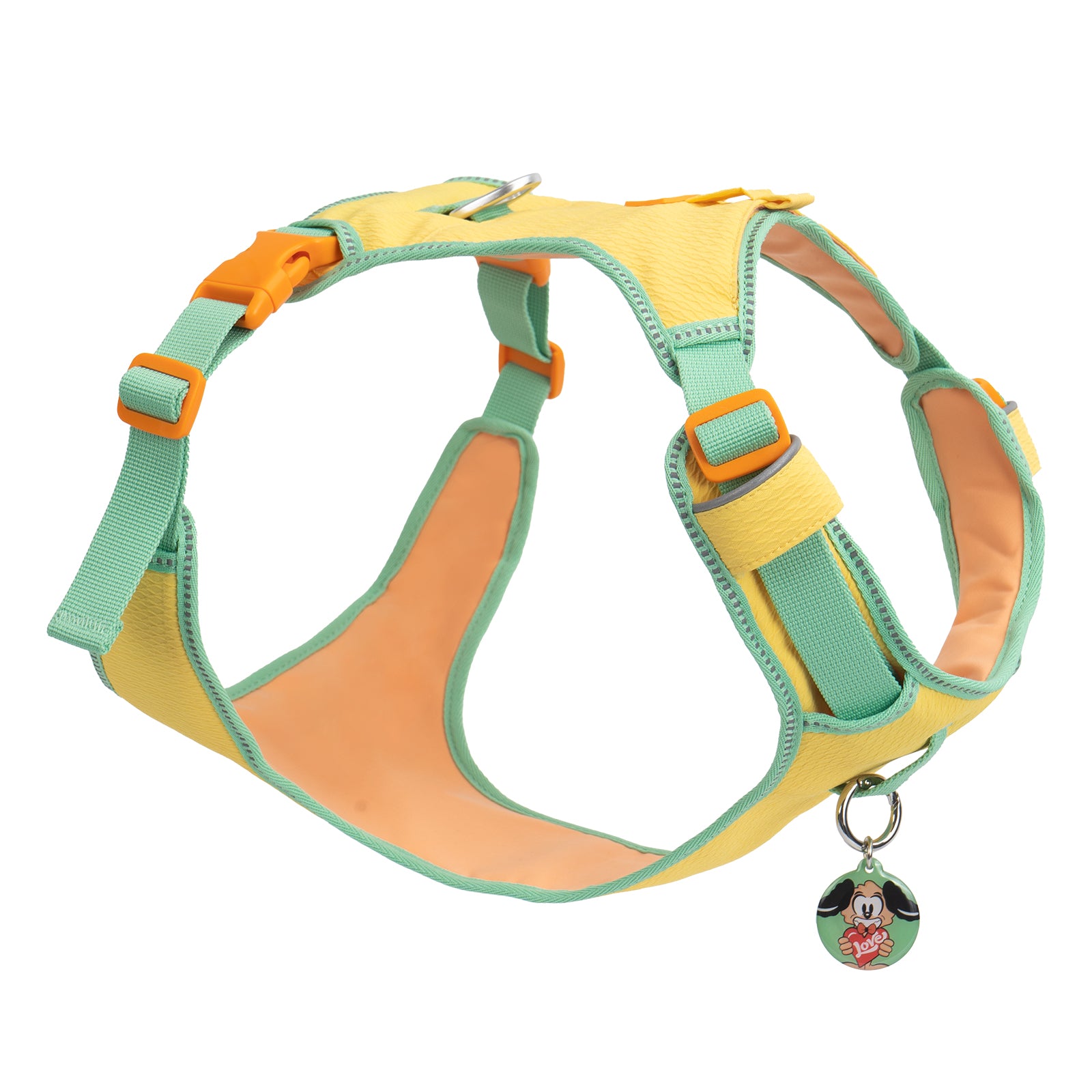
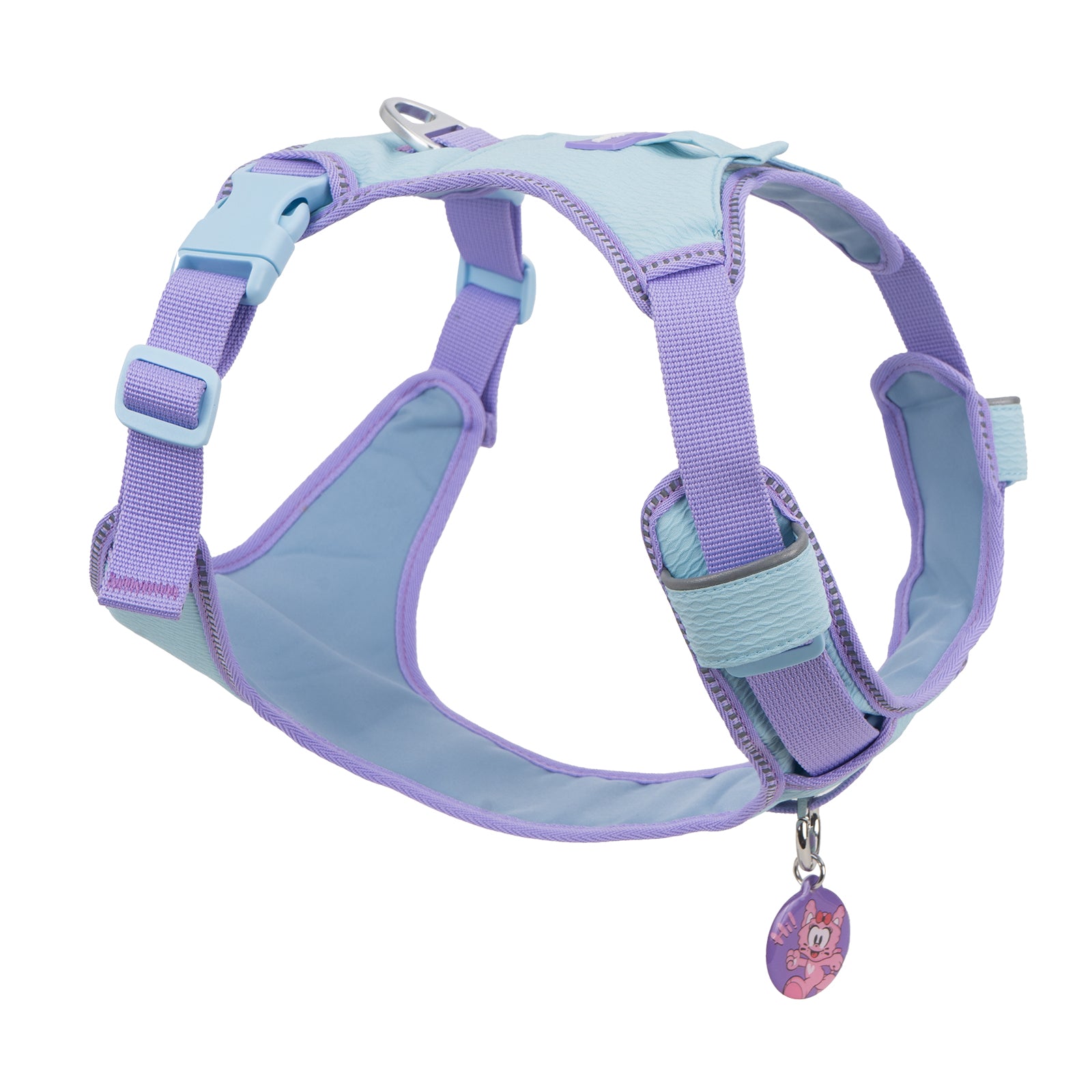
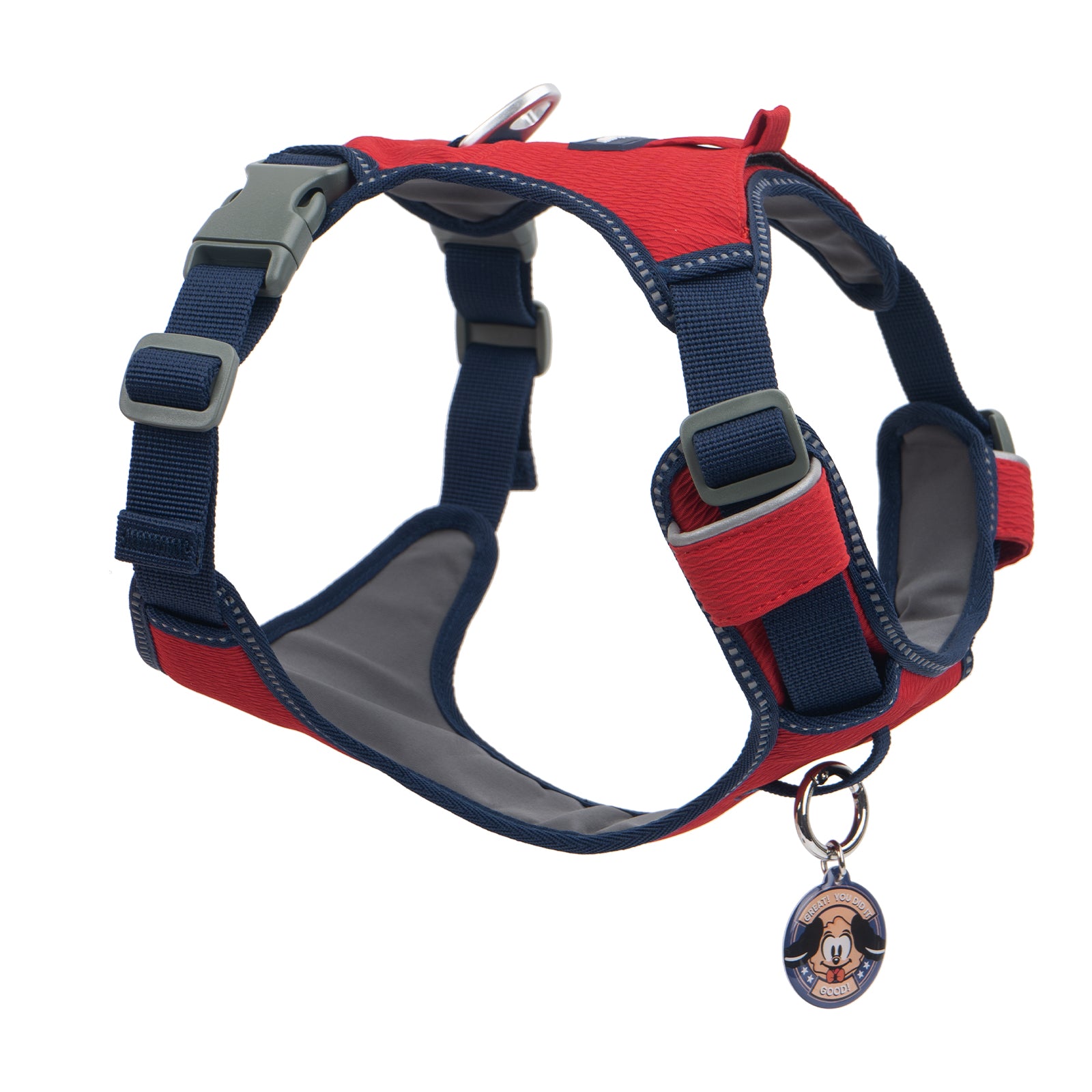
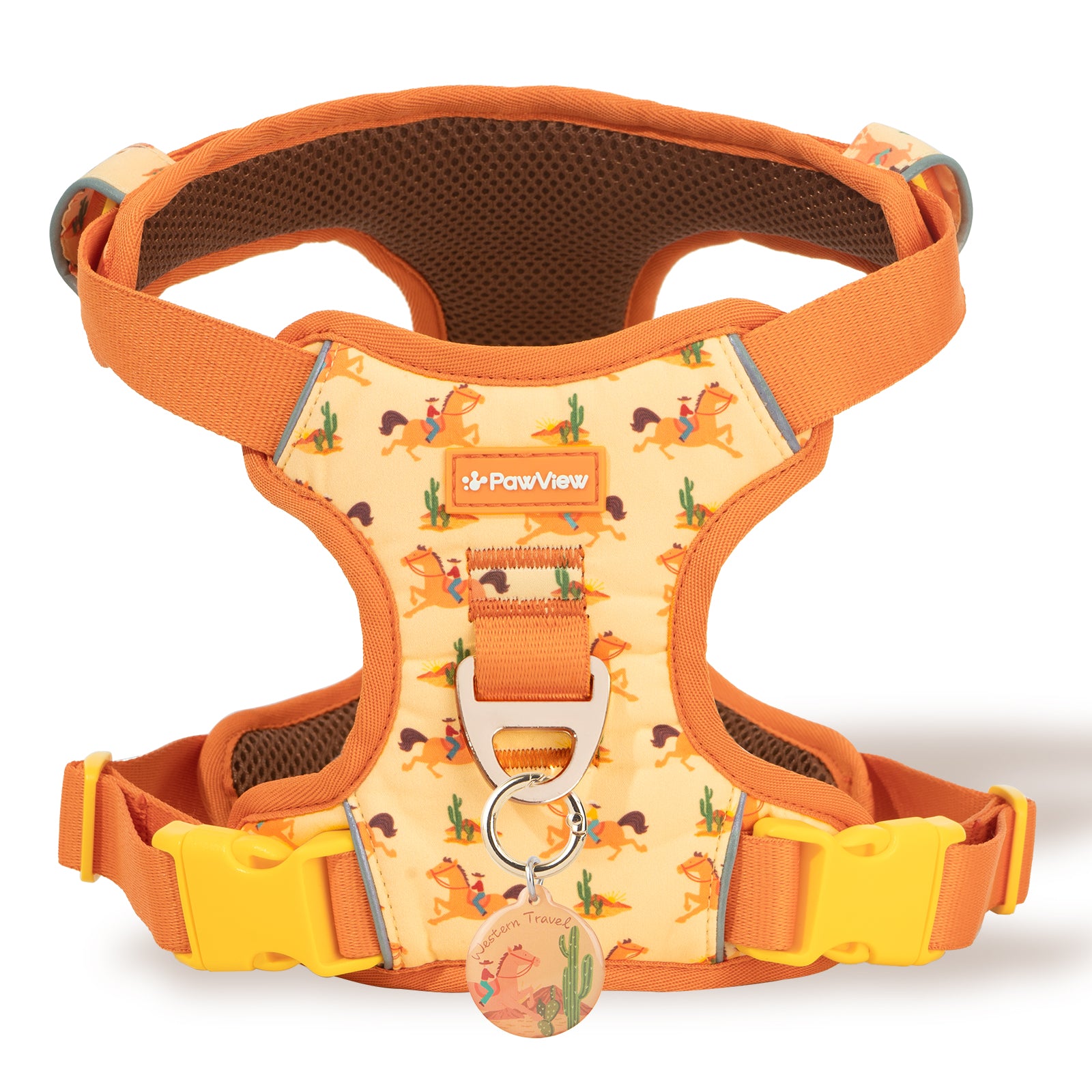
For dogs that tend to pull or become difficult to control outdoors, a well-fitted harness can provide additional security. The PawView Adventure No Pull Reflective Harness with Handle is designed with a control handle and reflective details, making it useful for everyday walks and low-light environments.
You can explore PawView walking and safety products at PawView.com.
Even with secure equipment, however, the safest option is usually to have your dog indoors before fireworks begin.
-
Try Gradual Desensitization
Some dogs may benefit from noise desensitization training.
Recordings of thunderstorms or fireworks can be played at a very low volume while the dog is relaxed. The sound can then be paired with positive experiences such as treats, play, or favorite activities.
The key is to progress slowly.
If your dog begins showing signs of stress, the sound is probably too intense.
VCA Animal Hospitals describes systematic desensitization and counterconditioning as common behavioral approaches for helping dogs with fear of storms and fireworks.
Don't Forget the Risk of Escape
One of the biggest risks associated with fireworks is not the noise itself—it is what a frightened dog may do afterward.
A panicked dog may run through an open door, jump a fence, or slip out of a poorly fitted collar or harness.
Before fireworks season, check that your dog's identification and contact information are up to date.
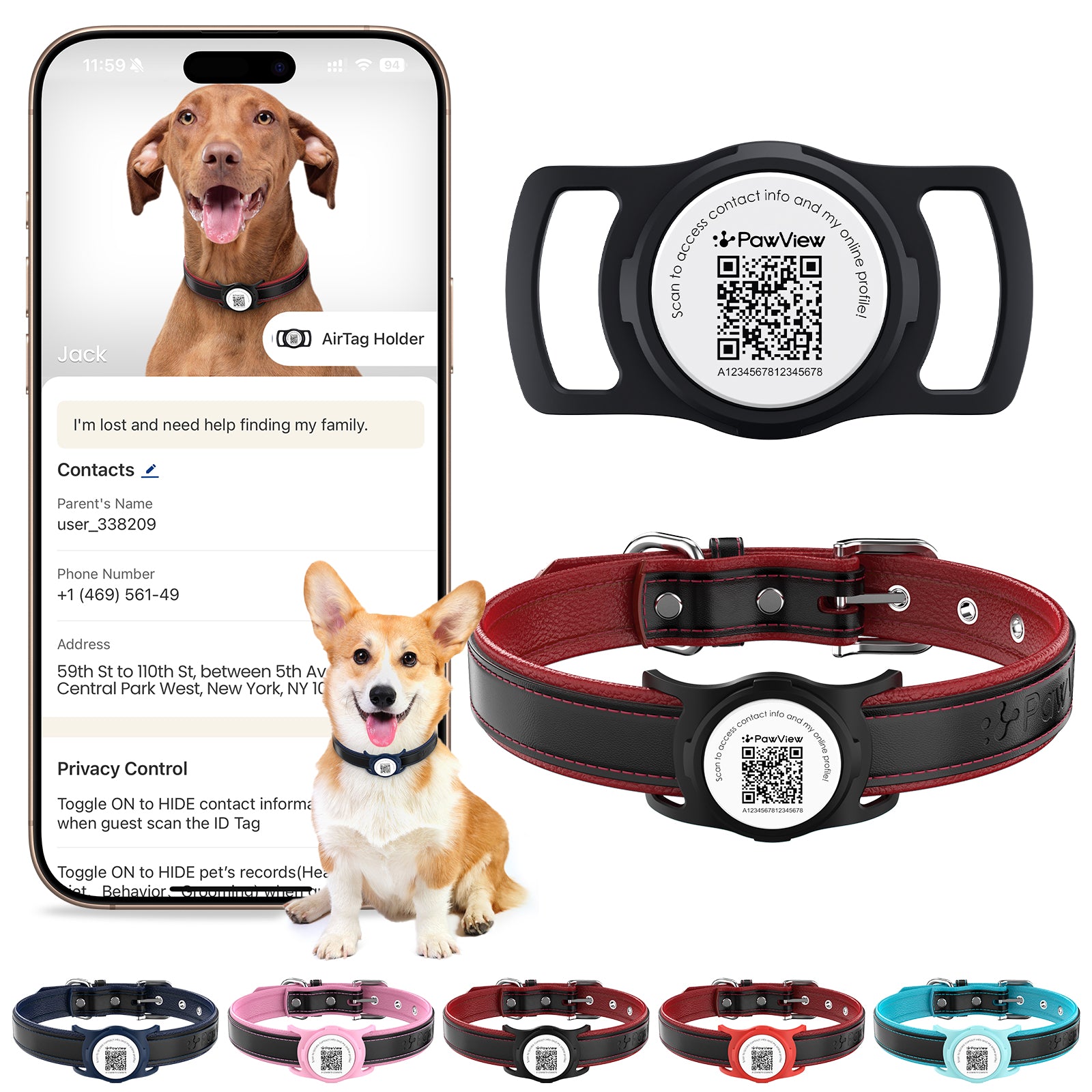
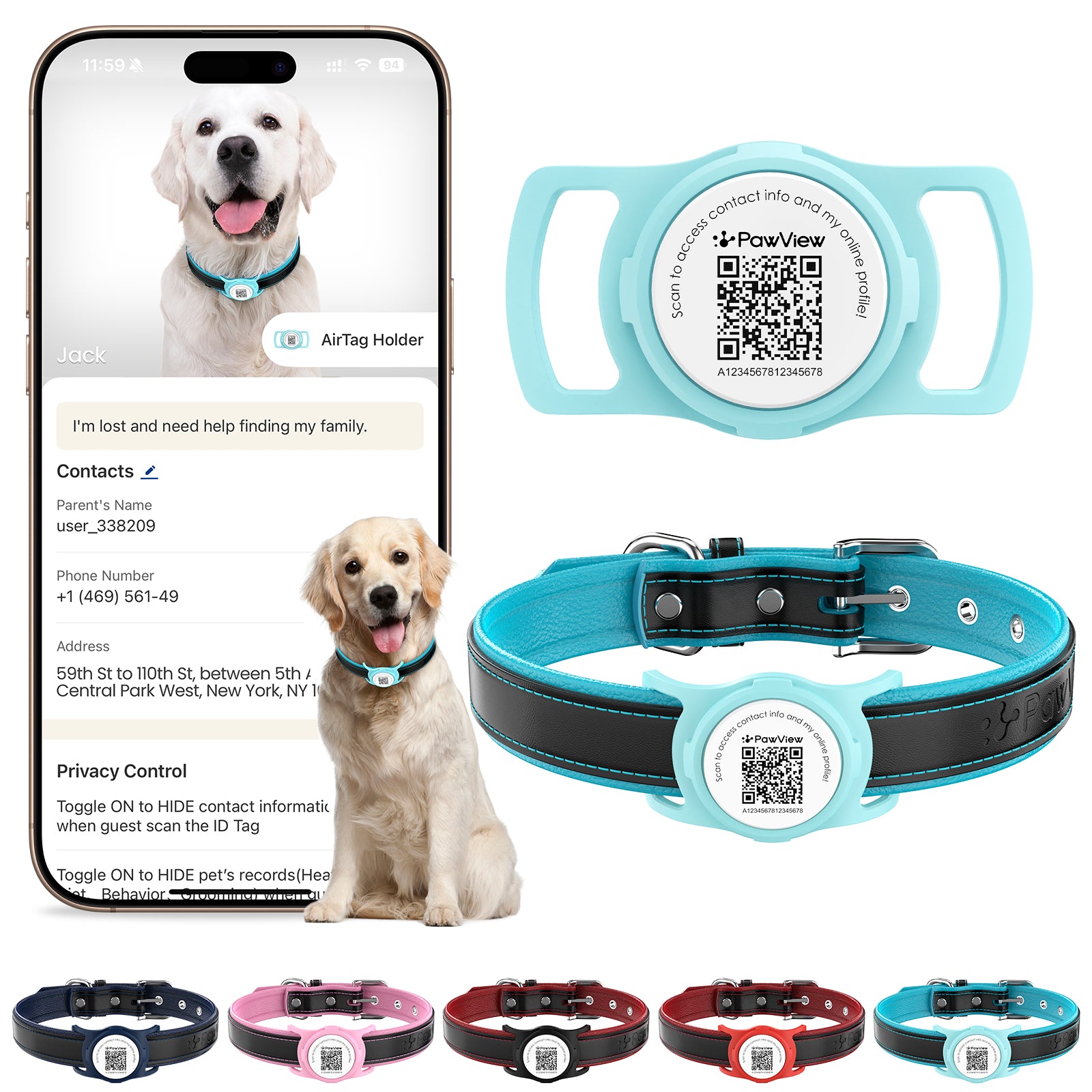
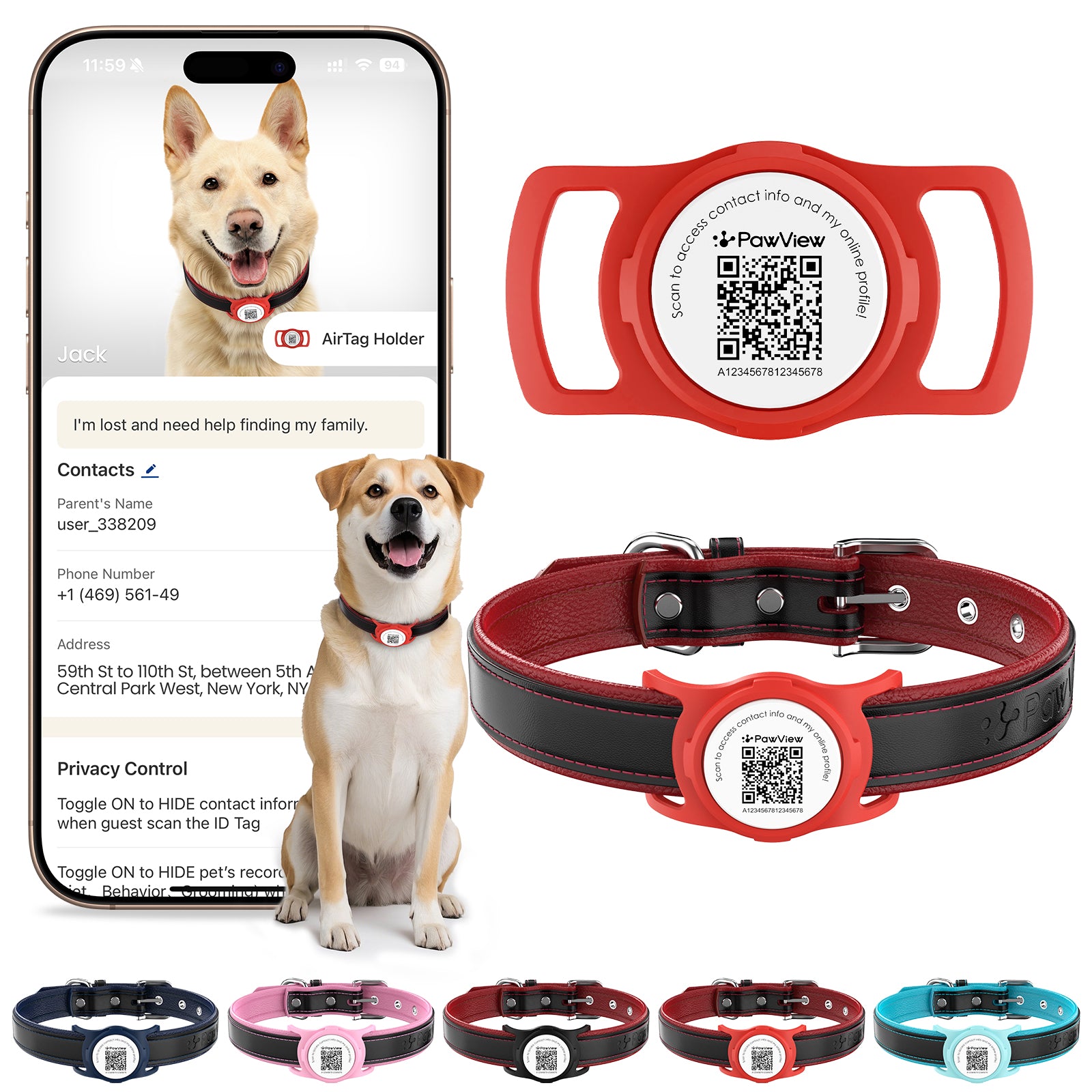
An additional form of identification can also help. A PawView NFC & QR Code Smart Pet ID Tag connects a physical tag with a digital pet profile. If a dog becomes lost, a finder can scan the QR code or use NFC to access the information the owner chooses to share.
Because the digital profile can be updated, owners can keep contact details current without replacing the physical tag.
Explore PawView Smart Pet ID Tags.
A smart ID tag cannot prevent a dog from becoming frightened, and it does not replace secure leashes, supervision, or a safe environment. It simply provides another layer of protection if an escape happens.
When Should You Talk to a Veterinarian?
Mild nervousness during a storm is different from severe panic.
Talk to your veterinarian if your dog repeatedly:
-
trembles uncontrollably,
-
injures themselves trying to escape,
-
cannot calm down for long periods,
-
refuses food because of fear,
-
or becomes increasingly sensitive to noise.
Severe canine noise phobia can significantly affect a dog's quality of life. A veterinarian or qualified veterinary behavior professional can determine whether behavioral training, environmental changes, or medication may be appropriate.
Helping Your Dog Feel Safe
To humans, thunder is simply part of the weather and fireworks may represent celebration.
Dogs do not understand what those sudden explosions mean.
Their fear is real.
The goal is not to make a frightened dog “tough it out.” Instead, reduce unnecessary exposure, provide a safe environment, and gradually build more positive associations with sound when appropriate.
With preparation, patience, and professional support when needed, many dogs can learn to cope better with noisy nights.
Sometimes, the most important thing you can give a frightened dog is simply a safe place and the reassurance that they are not facing the noise alone.


